1 named cultivar

The Story
Plant Bio
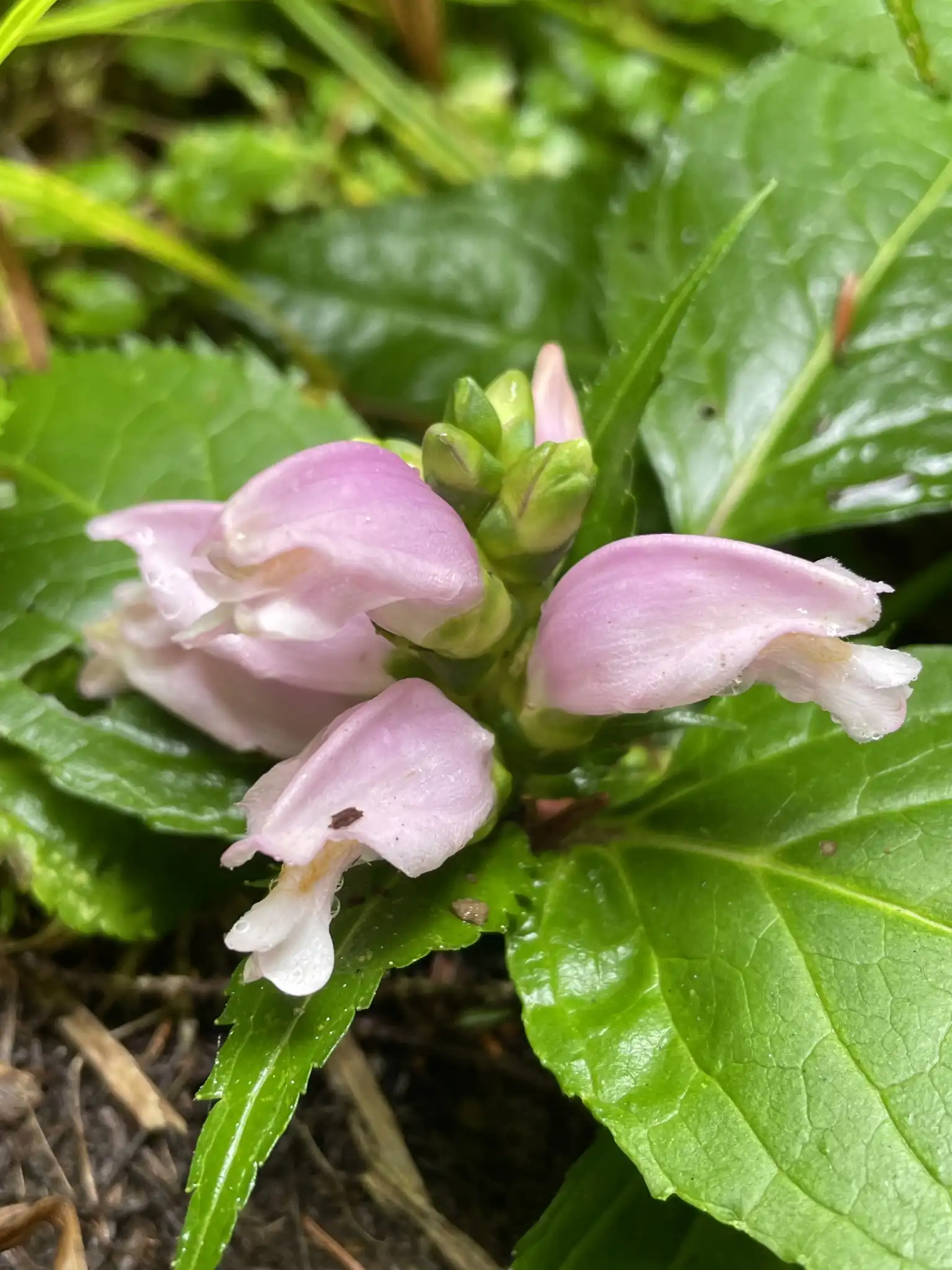
Chelone lyonii, pink turtlehead, is an upright clumping perennial native to the mountains of the southeastern United States, two to four feet high. Dark green toothed leaves sit in pairs on square stems, and dense terminal spikes of inflated rose-pink flowers open in late summer, each shaped uncannily like a turtle's head with its mouth open.
It is one of the few good perennials for genuinely wet ground, thriving where soil stays damp all season and most border plants rot. It also flowers in late summer, when shade and damp corners are usually finished. It is a larval host for the Baltimore checkerspot butterfly, whose caterpillars depend on turtlehead and a few close relatives.
Uses & Benefits:
Essentials
At a Glance
Plant Type
Perennial
Height
30"
Width
24"
Light
Full Sun, Partial Sun, Shade
Zones
4, 5, 6, 7, 8
Water
High
Humidity
Moderate to high
Lifespan
Perennial
Native To
Southeastern United States
Toxicity
Non-toxic
Planting
How to Grow
- Plant in partial shade in consistently moist soil.
- Use it in rain gardens and pond margins.
- Water through any dry spell; it will not tolerate drought.
- Pinch stems in early summer for a bushier plant.
- Leave chewed leaves alone — they may be checkerspots.
- Divide congested clumps in spring.
Pro Tip
Pinch the stems once in early summer and it branches into far more flower spikes without ever needing staking.
Keep It Thriving
Care Guide
Do
- Give it wet or reliably moist ground 💧
- Use it in a rain garden 🌧️
- Pinch once in early summer ✂️
- Leave checkerspot caterpillars alone 🦋
Don't
- Let it dry out ❌
- Plant it in a hot dry border ❌
- Spray caterpillars on it ❌
Seasonal Care Calendar
| Task | Jan | Feb | Mar | Apr | May | Jun | Jul | Aug | Sep | Oct | Nov | Dec |
|---|---|---|---|---|---|---|---|---|---|---|---|---|
| Enjoy | ||||||||||||
| Pinch |
Watch Out For
Pests & Diseases
Common Pests
Common Diseases
In the Garden
Landscape Uses & Companions
Landscape Uses
Multiply
Propagation Methods
Good to Know
Common Questions
Turtlehead questions
What zones can Turtlehead grow in?
Turtlehead is hardy in USDA Zones 4–8. Inside that range it survives winter in the ground; outside it, grow it as an annual or a container plant you protect.
Is Turtlehead deer resistant?
Yes — Turtlehead is rated deer-resistant. Deer typically pass it over, though extreme hunger can override any plant's defenses.
When does Turtlehead bloom?
Turtlehead typically blooms in late summer through early fall. Exact timing shifts a week or two with your zone — Sow's bloom calendar maps it to your garden.
Does Turtlehead need full sun?
Turtlehead does best in full sun to part shade. In hot climates, afternoon shade keeps blooms fresher longer.
More Chelone to compare
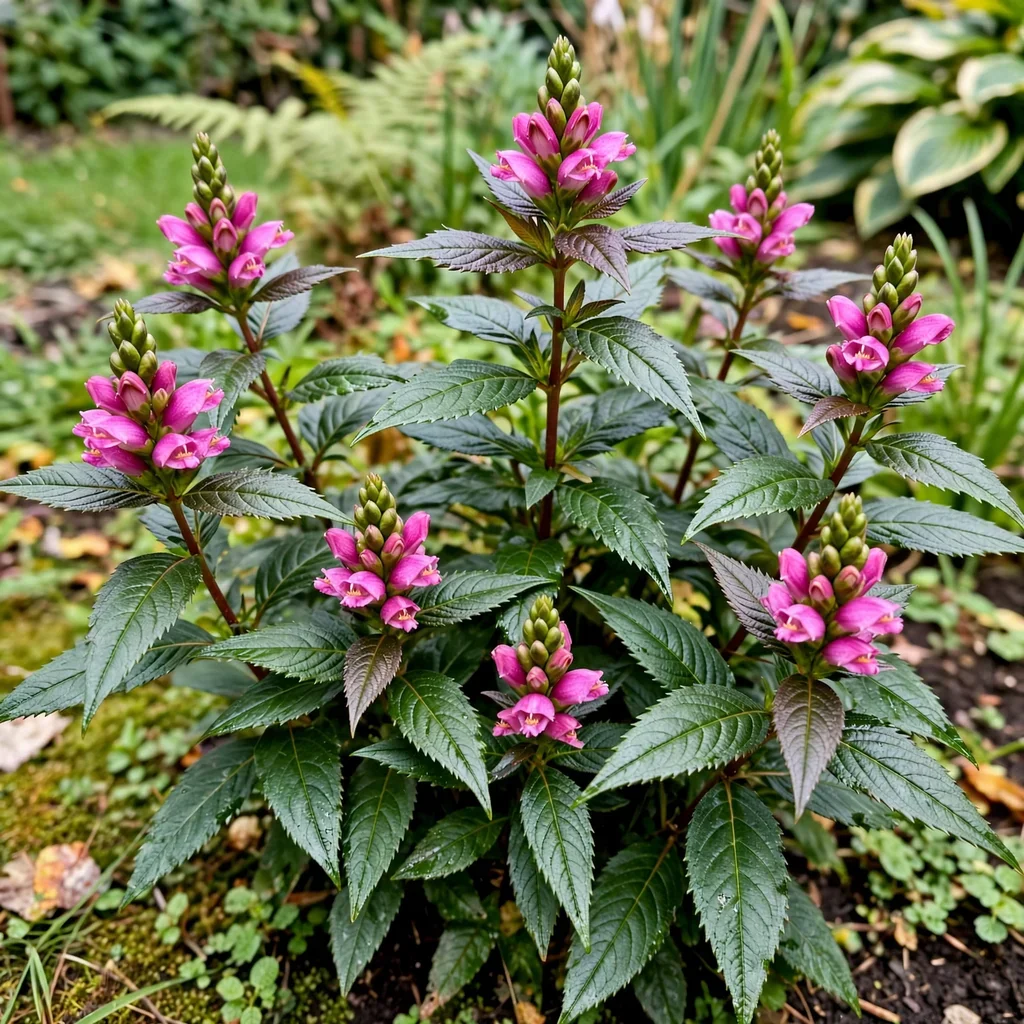
Hot Lips Turtlehead
Chelone lyonii 'Hot Lips'
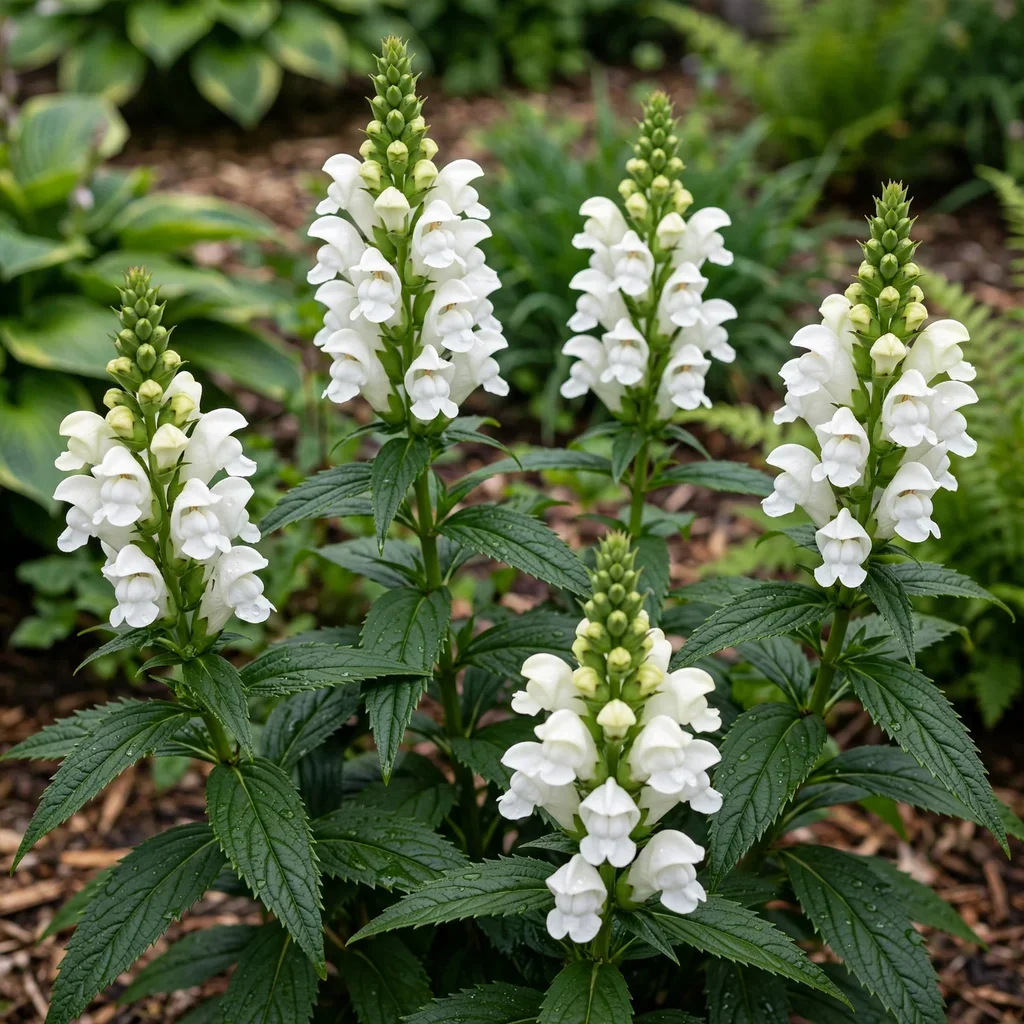
Alba White Turtlehead
Chelone obliqua 'Alba'
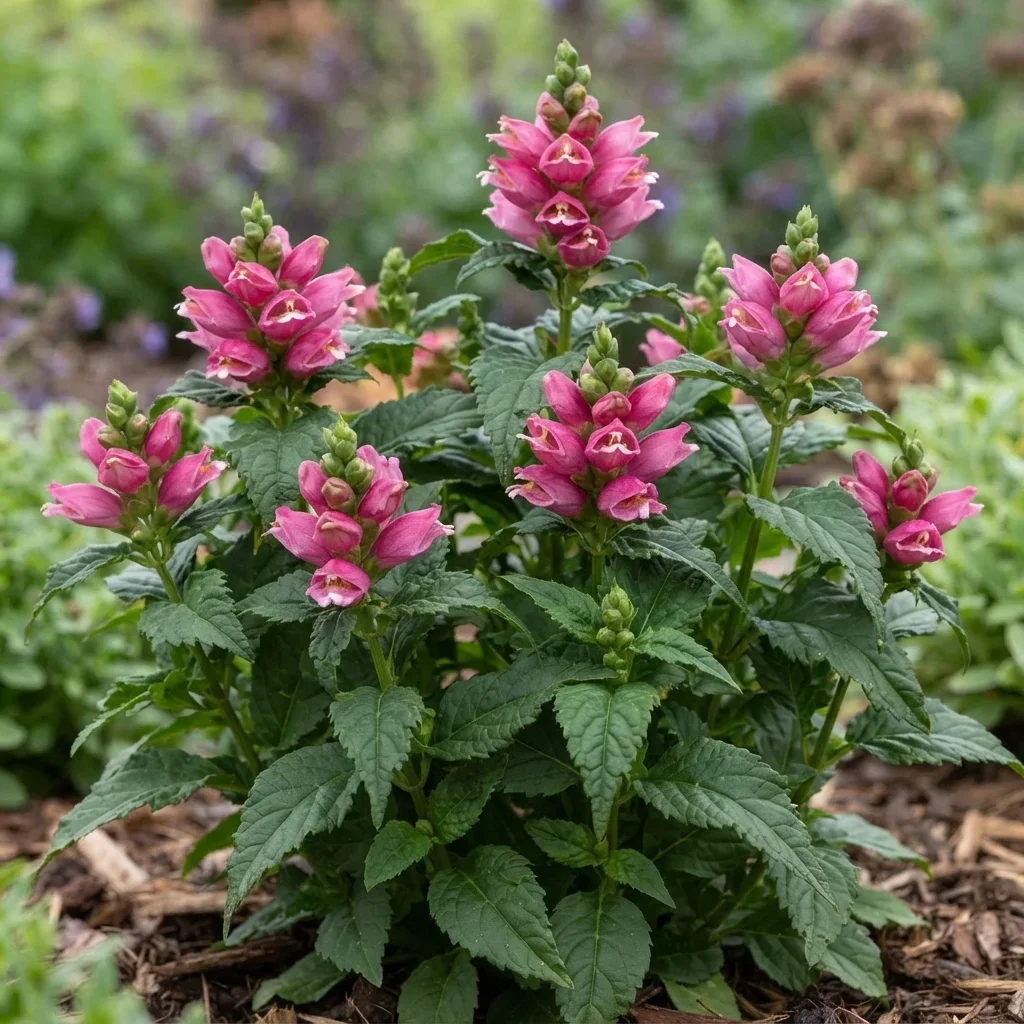
Tiny Tortuga Turtlehead
Chelone obliqua 'Tiny Tortuga'
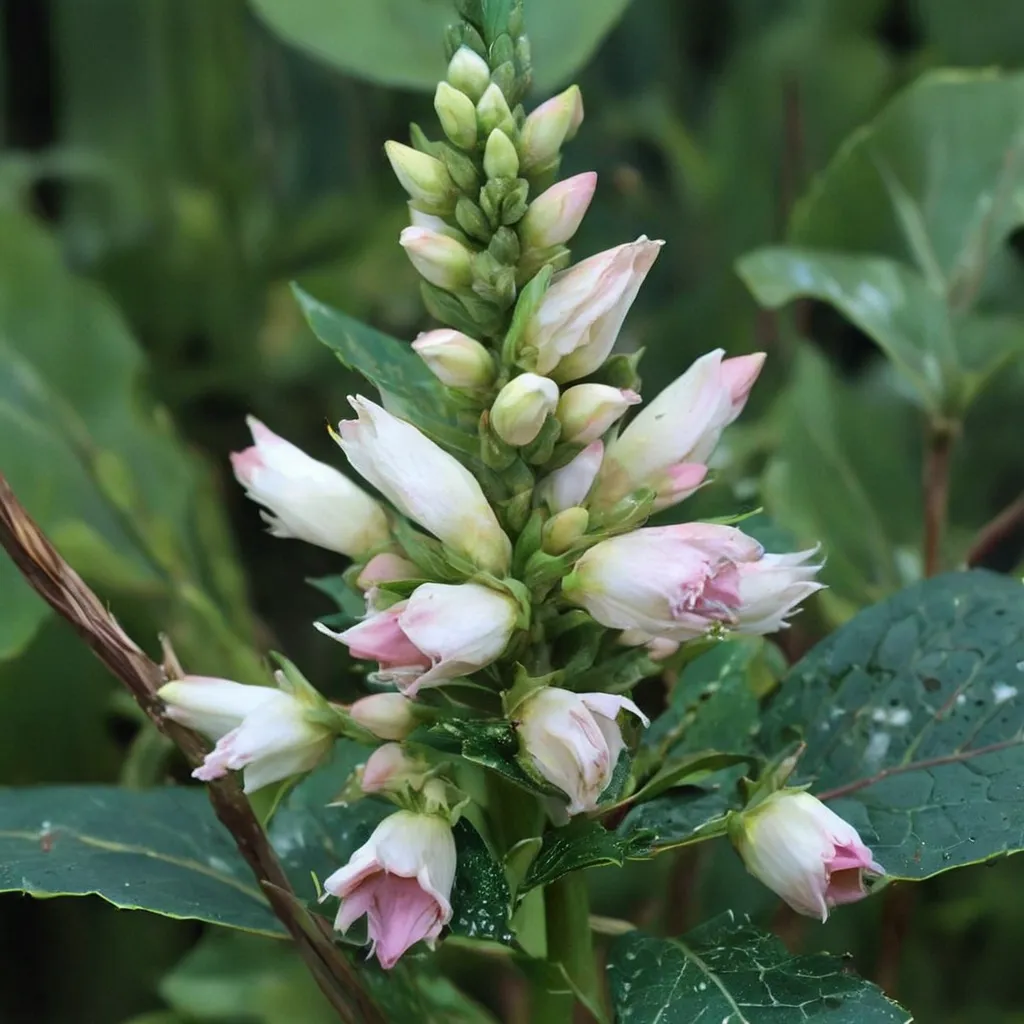
White Turtlehead
Chelone glabra
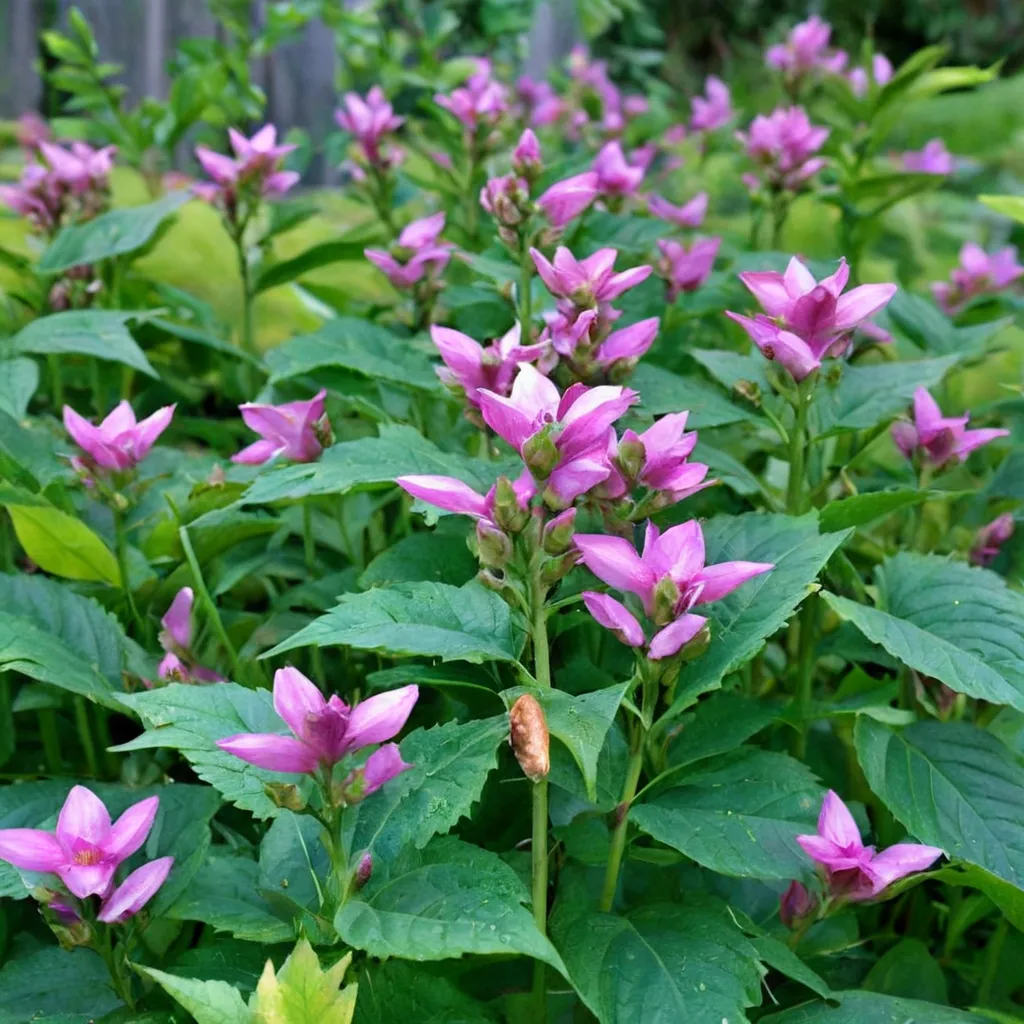
Pink Turtlehead
Chelone obliqua
Keep exploring
Explore the genus
Hardy in your zone?
Grow Turtlehead with confidence
See it in a design of your actual yard, get zone-matched care reminders, and track it season by season in your garden journal.