

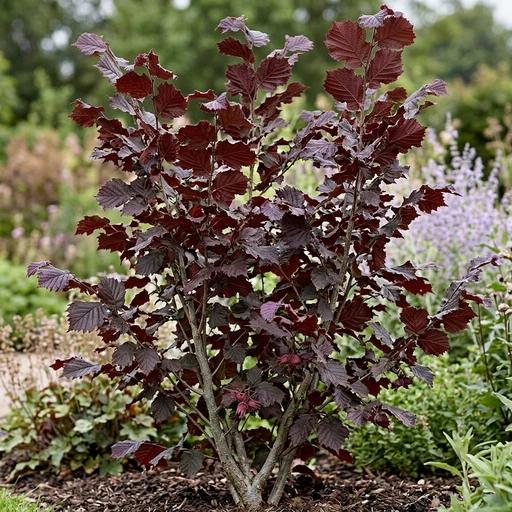
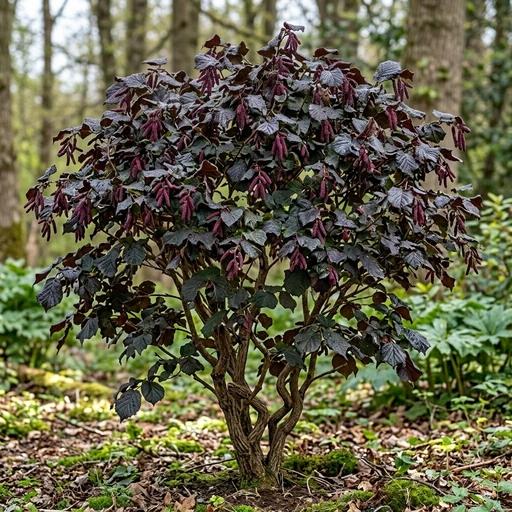
The Story
Plant Bio
Corylus avellana, the common hazel, is a large, deciduous shrub or small tree that produces long, yellow catkins in late winter and edible hazelnuts in fall.
'Contorta' is a unique cultivar prized for its dramatically twisted and contorted branches, providing outstanding architectural interest, especially after leaves drop in winter.
Uses & Benefits:
Essentials
At a Glance
Plant Type
Shrub
Height
120"
Width
120"
Light
Full Sun, Partial Sun
Zones
4, 5, 6, 7, 8
Water
Moderate
Humidity
Average
Lifespan
Deciduous shrub, 20-40 years
Native To
Europe, Western Asia
Toxicity
Non-toxic
Bloom period
Late winter – Early spring
In flower about 2 months of the year
Marketplace
Where to Buy
Shipping costs Year-round shipping Free shipping
Planting
How to Grow
- Select a site with full sun to part shade and well-drained soil.
- Dig a hole twice the width of the container.
- Position the plant so the graft union is above the soil line.
- Backfill the hole with soil, firming it gently.
- Water thoroughly to settle the soil around the roots.
- Mulch around the base, keeping it away from the trunk.
Pro Tip
Prune out any straight suckers from the rootstock immediately, as they will outcompete the contorted top growth.
Keep It Thriving
Care Guide
Do
- Provide consistent moisture, especially during dry periods.
- Remove suckers from the base as soon as they appear.
- Site the plant where its winter silhouette can be appreciated.
- Prune out any dead or rubbing branches in late winter.
Don't
- Do not bury the graft union when planting.
- Avoid letting the soil dry out completely.
- Don't allow suckers from the rootstock to grow and take over.
- Avoid planting in heavy, waterlogged clay soil.
Seasonal Care Calendar
| Task | Jan | Feb | Mar | Apr | May | Jun | Jul | Aug | Sep | Oct | Nov | Dec |
|---|---|---|---|---|---|---|---|---|---|---|---|---|
| Fertilize | ||||||||||||
| Pest Check | ||||||||||||
| Prune |
Watch Out For
Pests & Diseases
Common Pests
Common Diseases
In the Garden
Landscape Uses & Companions
Landscape Uses
Multiply
Propagation Methods
Good to Know
Common Questions
Harry Lauder's Walking Stick questions
What zones can Harry Lauder's Walking Stick grow in?
Harry Lauder's Walking Stick is hardy in USDA Zones 4–8. Inside that range it survives winter in the ground; outside it, grow it as an annual or a container plant you protect.
Is Harry Lauder's Walking Stick deer resistant?
Yes — Harry Lauder's Walking Stick is rated deer-resistant. Deer typically pass it over, though extreme hunger can override any plant's defenses.
When does Harry Lauder's Walking Stick bloom?
Harry Lauder's Walking Stick typically blooms in late winter through early spring. Exact timing shifts a week or two with your zone — Sow's bloom calendar maps it to your garden.
Does Harry Lauder's Walking Stick need full sun?
Harry Lauder's Walking Stick does best in full sun to part shade. In hot climates, afternoon shade keeps blooms fresher longer.
More Corylus to compare
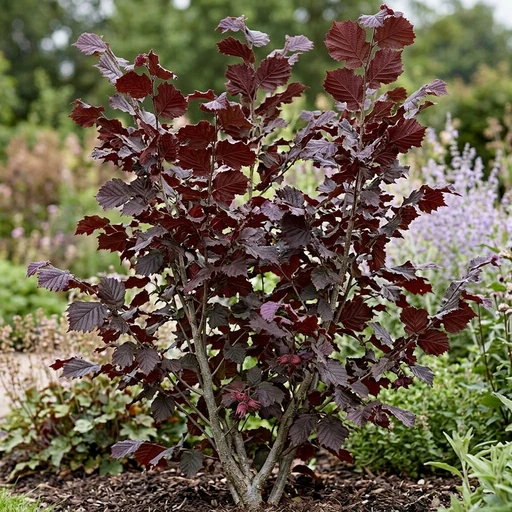
Burgundy Lace European Filbert
Corylus avellana 'Burgundy Lace'
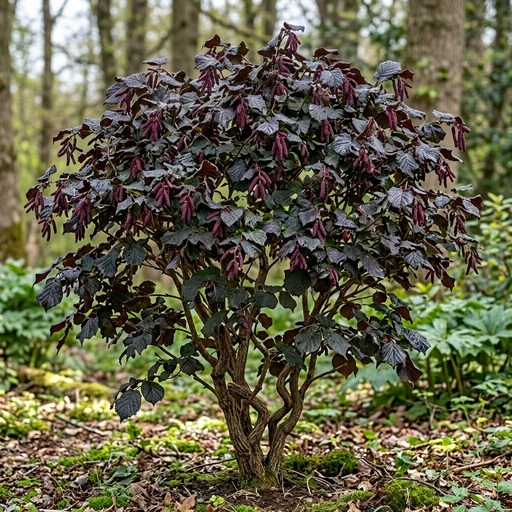
Red Dragon Contorted Filbert
Corylus avellana 'Red Dragon'
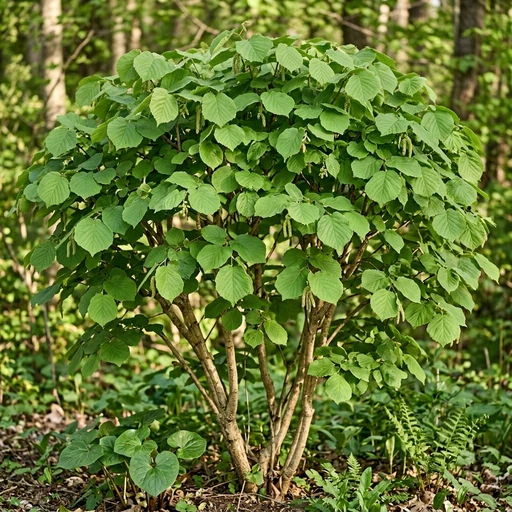
American Hazelnut
Corylus americana
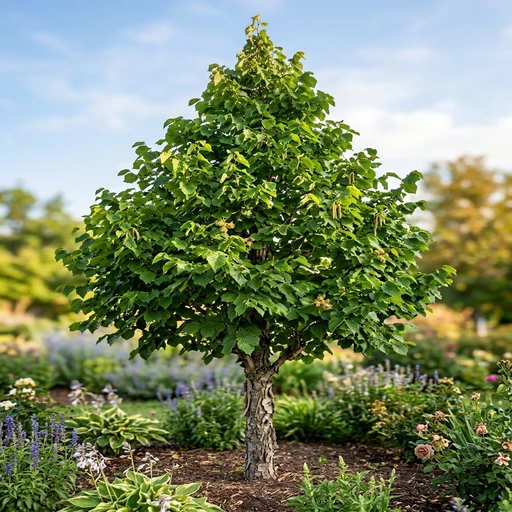
Turkish Filbert
Corylus colurna
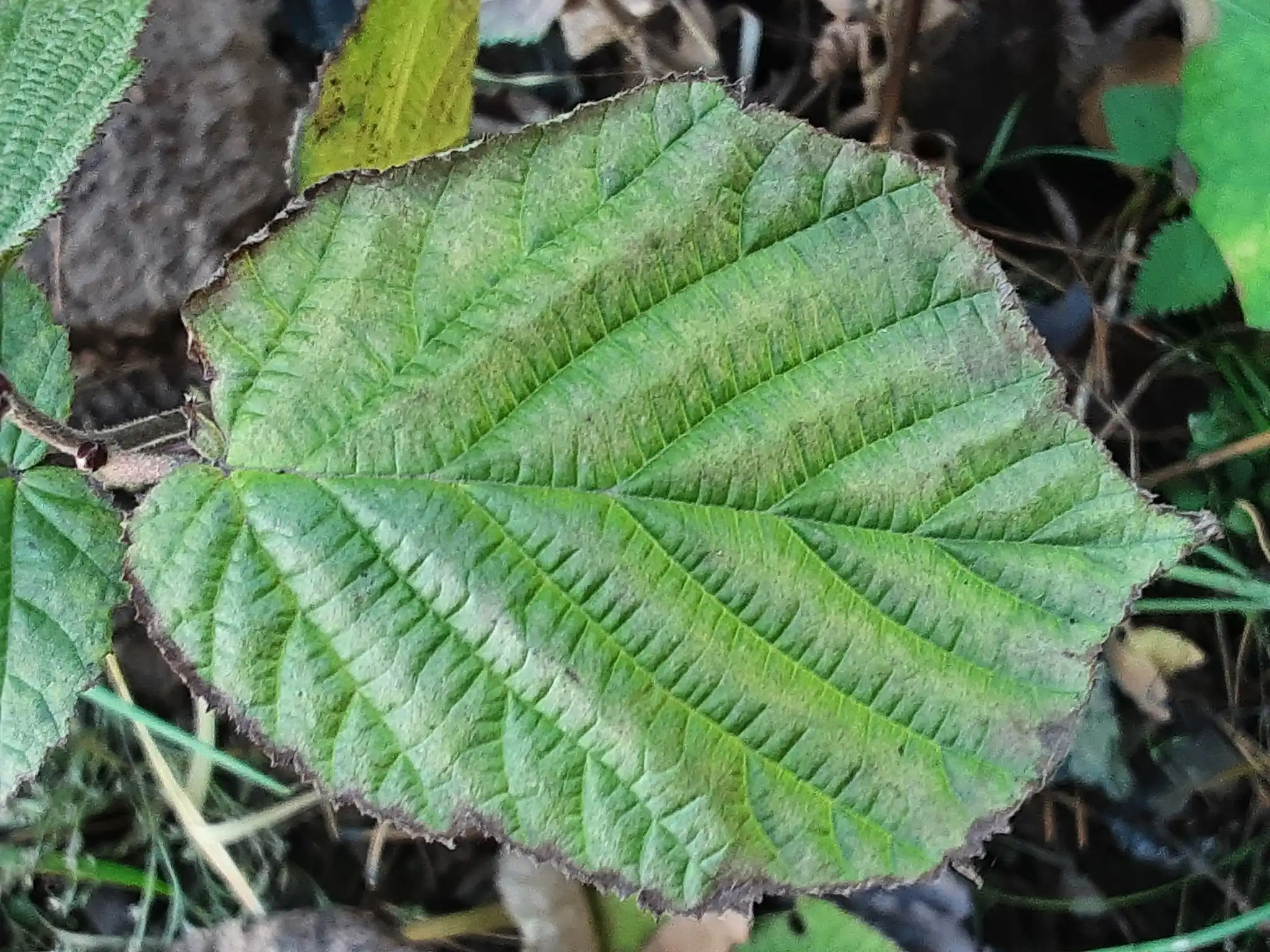
Common Hazel
Corylus avellana
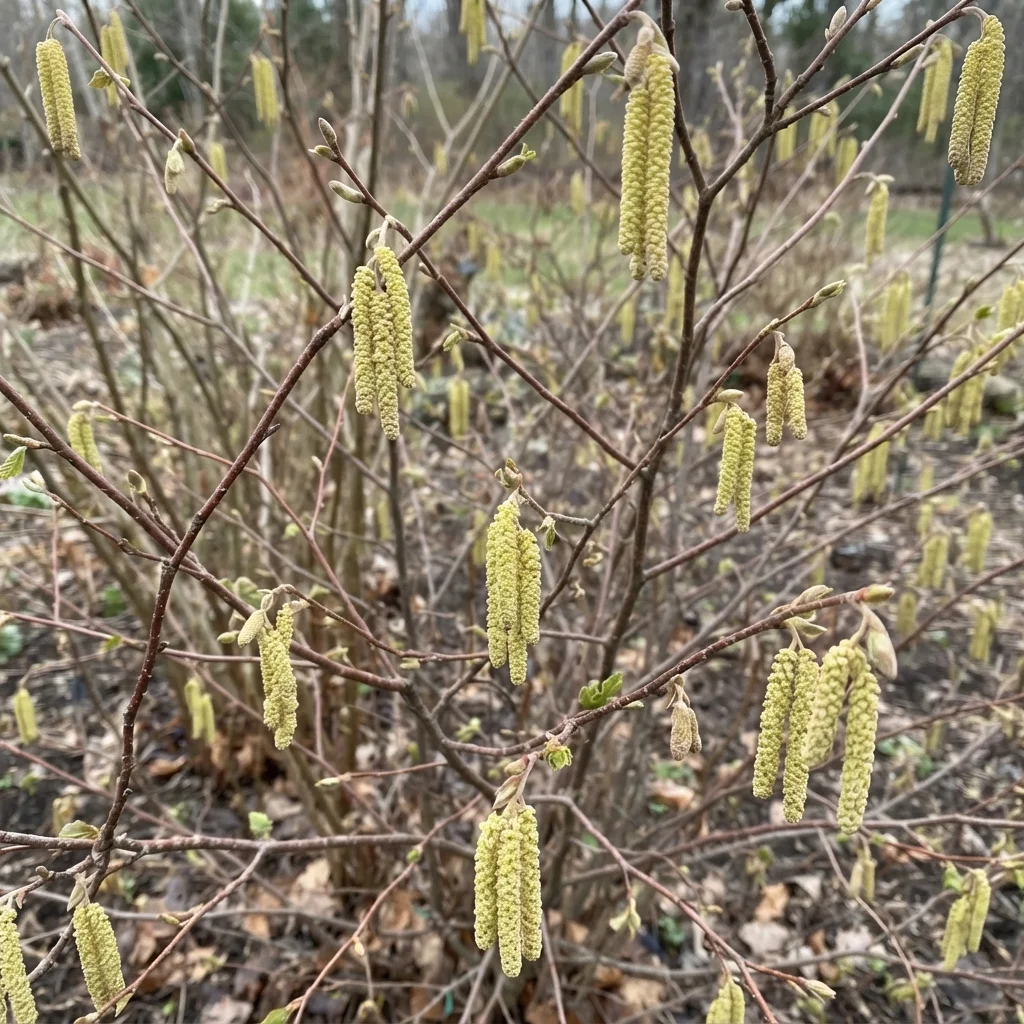
Beaked Hazelnut
Corylus cornuta
Keep exploring
Explore the genus
Hardy in your zone?
Grow Harry Lauder's Walking Stick with confidence
See it in a design of your actual yard, get zone-matched care reminders, and track it season by season in your garden journal.