Also known as Hazelnut · 128 saves
Corylus
Corylus, the genus most gardeners know as hazelnut. We track 7 varieties; the ones most used by real gardeners.
The 7 most-saved Corylus varieties
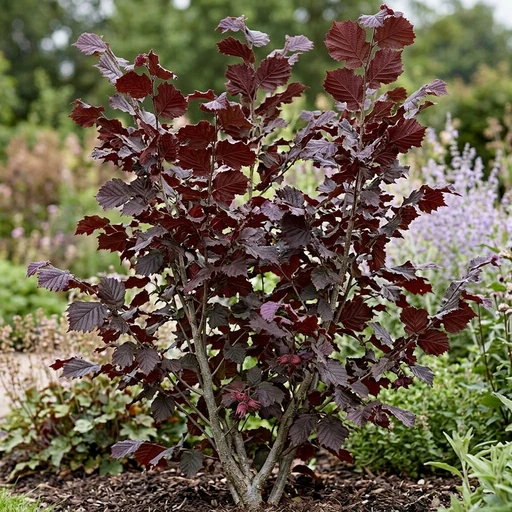
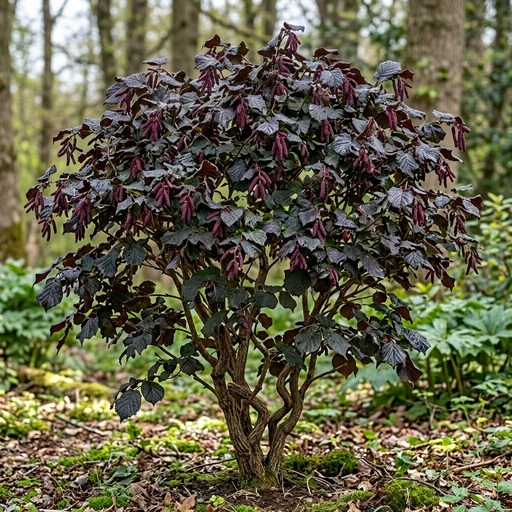
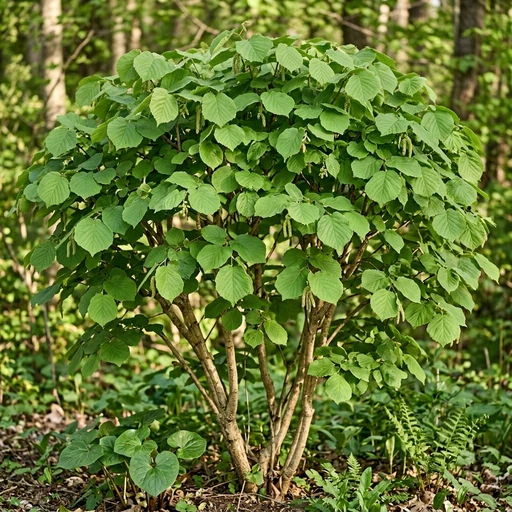
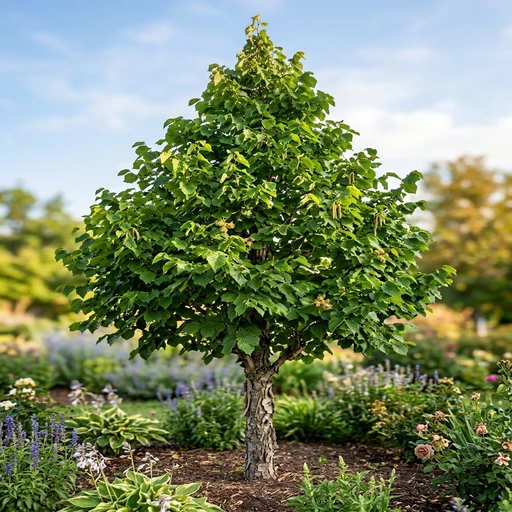
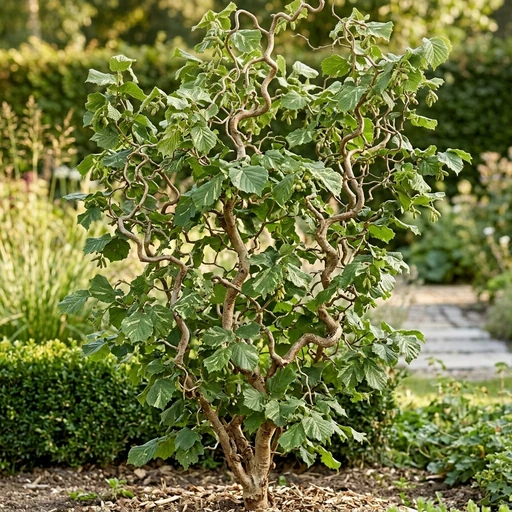
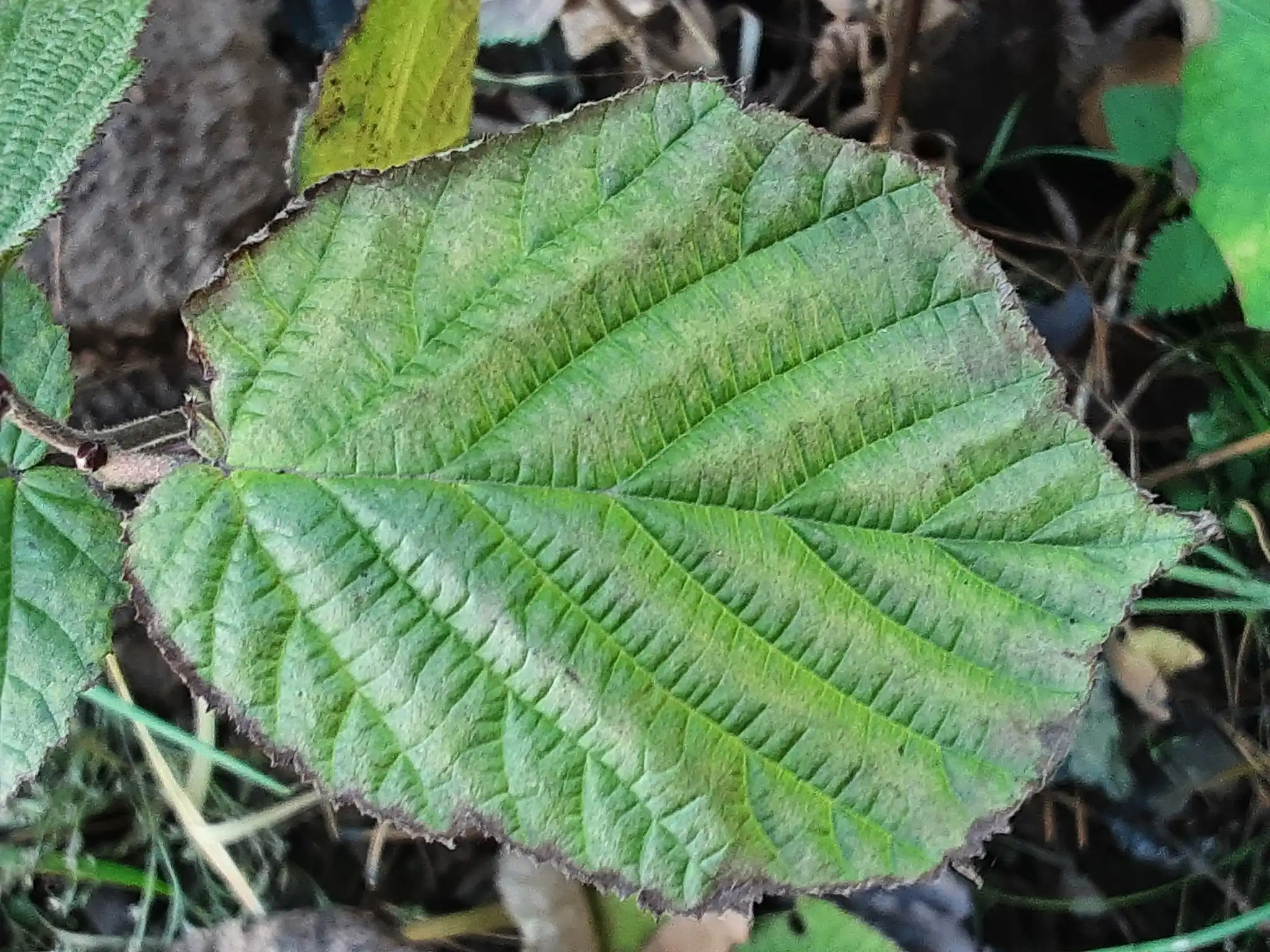
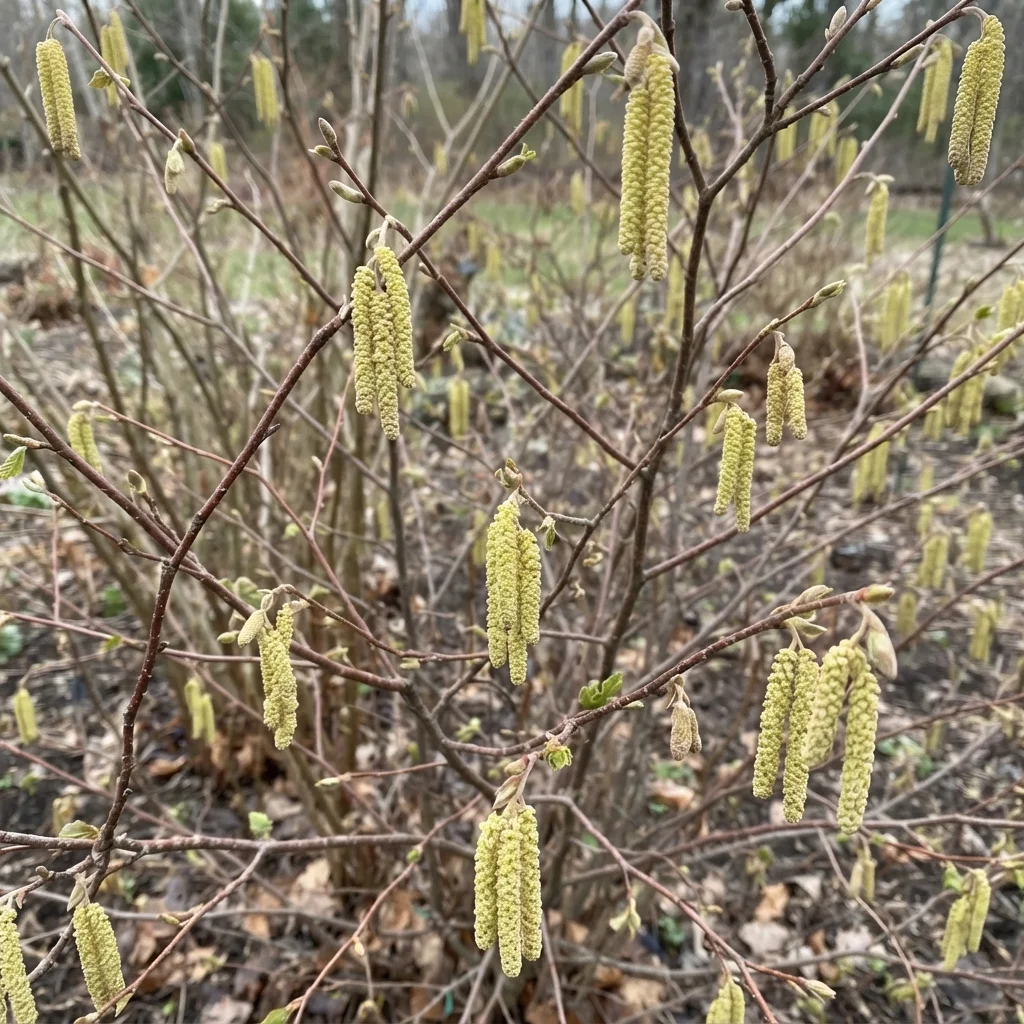
2 species of Corylus
Each one is a parent of the varieties above.
Track your Corylus in Sow
Save the Corylus you grow and get care reminders timed to your zone.
How to grow Corylus
Whats common across all Corylus varieties in our catalog — drawn from the care records of the 7 most-grown of them.
The Corylus year
- PruneFebruary and March86% of varieties
Remove any straight, non-contorted suckers from the rootstock as they appear.
- PlantApril, May, October and November57% of varieties
Plant in spring or fall in well-drained soil.
- Check for PestsJune and July43% of varieties
Check for aphids and caterpillars on new spring growth.
- HarvestSeptember and October43% of varieties
Harvest nuts in late summer or early fall as the husks begin to dry.


Do
- Provide consistent moisture, especially during dry periods.
- Remove suckers from the base as soon as they appear.
- Site the plant where its winter silhouette can be appreciated.
- Prune out any dead or rubbing branches in late winter.
- Provide consistent moisture, especially during dry spells.
Avoid
- Do not bury the graft union when planting.
- Avoid letting the soil dry out completely.
- Don't allow suckers from the rootstock to grow and take over.
- Avoid planting in heavy, waterlogged clay soil.
What goes wrong with Corylus
| Problem | What you'll see | What to do |
|---|---|---|
| Aphids | Clusters of small insects on new growth, distorted leaves. | Use a strong spray of water or apply insecticidal soap. Encourage beneficial insects like ladybugs. |
| Japanese Beetles | Skeletonized leaves, beetles present in summer. | Hand-pick beetles into soapy water in the morning. Use neem oil or pyrethrin-based insecticides. |
| Japanese Beetle | Skeletonized leaves, where beetles consume leaf tissue between the veins. | Hand-pick beetles in the morning and drop them in soapy water. Use pheromone traps away from the tree. Apply appropriate insecticides for heavy infestations. |
| Filbertworm | Small holes in nutshells, larvae feeding inside the nut. | Clean up and destroy fallen nuts promptly. Pheromone traps can monitor moth activity. Spinosad can be effective if timed correctly. |
| Eastern Filbert Blight | Sunken cankers on stems and branches, branch dieback. | Prune out and destroy infected branches well below the canker. Apply fungicides in spring. 'Contorta' has some susceptibility. |
| Eastern filbert blight | Rows of small black football-shaped bumps erupt along dying branches, and whole limbs die back over two or three seasons | Cut out infected wood at least 2 ft below the visible cankers and destroy it; plant resistant cultivars where the disease is present |
| Fungal Leaf Spot | Brown or black spots developing on the leaves during wet summer weather. | Rake and destroy fallen leaves in fall to reduce overwintering spores. |
Making more Corylus
Layering
- Bend a low-growing branch to the ground in spring.
- Wound the bark slightly where it touches the soil.
- Pin it down and cover with soil.
- Roots may form in 1-2 years; then sever from the parent plant.
Seed
- Collect nuts in the fall and remove the husks.
- Provide 3-4 months of cold, moist stratification.
- Sow seeds in a protected bed or deep pots.
- Germination occurs in spring; seedlings are slow-growing initially.
Corylus questions
How many types of Corylus are there?
The Sow catalog tracks 7 distinct Corylus varieties. The most popular — ranked by 128 real gardeners — are shown first above.
What zones does Corylus grow in?
Across its varieties, Corylus covers USDA Zones 4–9. Individual varieties differ — each plant page lists its exact range, and Sow filters the catalog to your zone automatically.
When does Corylus bloom?
Most Corylus varieties bloom in late winter, late winter to early spring. Staggering early, mid, and late varieties extends the genus's season in one bed.
Which Corylus should I choose?
Start from the most-saved varieties above — popularity across thousands of gardens is a strong signal of reliability — then filter by your zone and sun. In the Sow app you can preview any of them in a photo of your actual yard before you buy.