The Story
Plant Bio
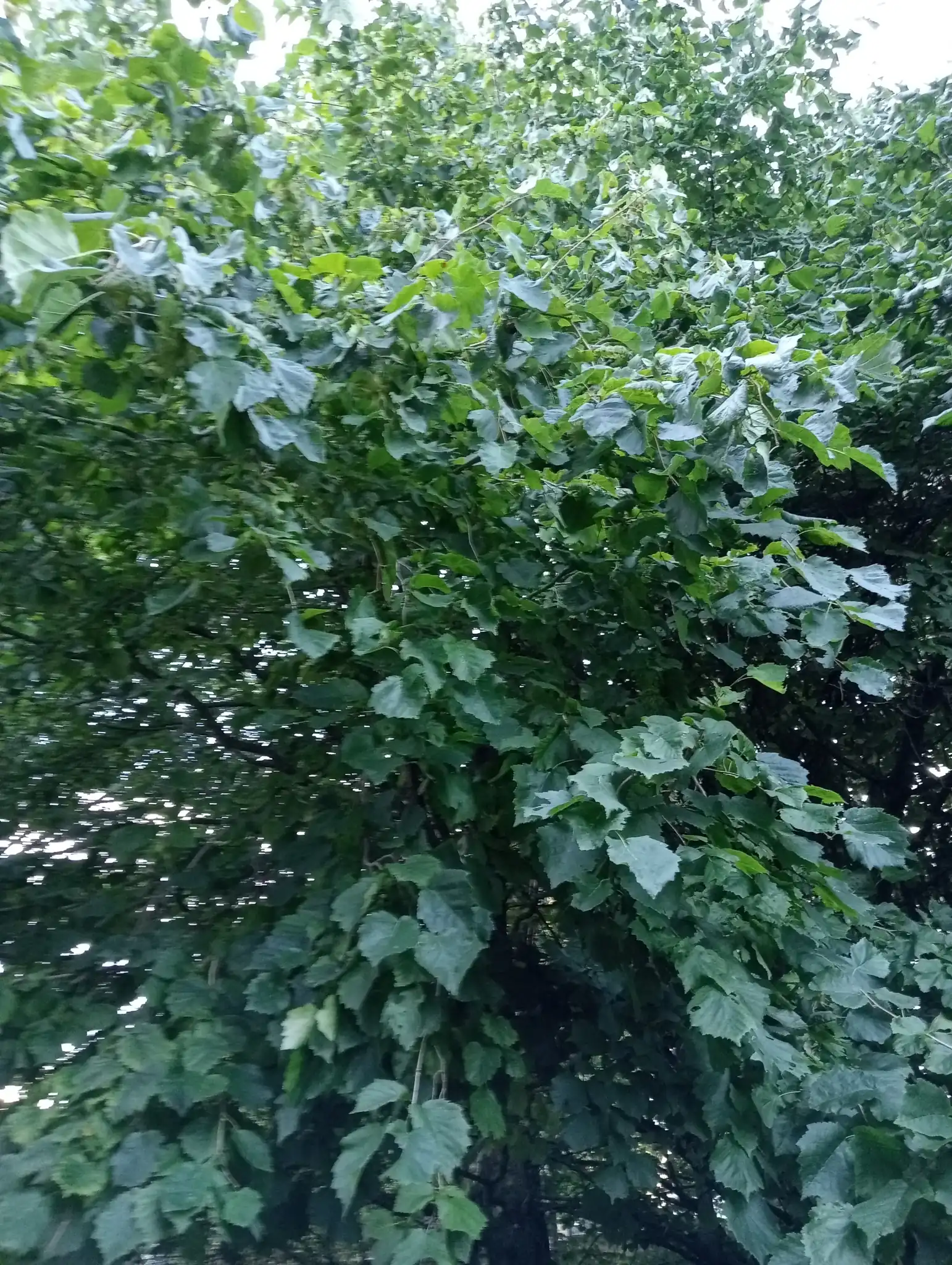
Corylus colurna is a medium-sized deciduous tree with a distinctive, uniform pyramidal shape and attractive, corky bark that becomes more pronounced with age.
This species is highly valued for its tolerance of difficult urban conditions, including drought, air pollution, and a wide range of soil types, making it an excellent street tree.
Uses & Benefits:
Essentials
At a Glance
Plant Type
Tree
Height
540"
Width
300"
Light
Full Sun
Zones
4, 5, 6, 7
Water
Low to Medium
Humidity
Adaptable
Lifespan
Long-lived deciduous tree
Native To
Southeast Europe, Western Asia
Toxicity
Non-toxic, nuts are edible
Bloom period
Late winter – Early spring
In flower about 2 months of the year
Planting
How to Grow
- Choose a location in full sun with well-drained soil.
- Dig a hole two to three times the width of the root ball.
- Place the tree in the hole, ensuring the root flare is at soil level.
- Backfill with the native soil, removing any large rocks or debris.
- Water thoroughly to settle the soil around the roots.
- Mulch around the base, but keep mulch away from the trunk.
Pro Tip
Water deeply and regularly for the first two years to establish a deep root system, which is key to its future drought tolerance.
Keep It Thriving
Care Guide
Do
- Provide full sun for best growth and nut production.
- Water regularly during the establishment period.
- Allow ample space for its mature size.
- Prune only to maintain a single leader and remove problem branches.
Don't
- Do not plant in consistently wet or boggy soils.
- Avoid planting in deep shade, which will result in a sparse canopy.
- Don't amend the backfill soil heavily; use native soil.
- Avoid wounding the bark with mowers or string trimmers.
Seasonal Care Calendar
| Task | Jan | Feb | Mar | Apr | May | Jun | Jul | Aug | Sep | Oct | Nov | Dec |
|---|---|---|---|---|---|---|---|---|---|---|---|---|
| Harvest | ||||||||||||
| Plant | ||||||||||||
| Prune |
Watch Out For
Pests & Diseases
Common Pests
Common Diseases
In the Garden
Landscape Uses & Companions
Landscape Uses
Companion Plants
Multiply
Propagation Methods
Good to Know
Common Questions
Turkish Filbert questions
What zones can Turkish Filbert grow in?
Turkish Filbert is hardy in USDA Zones 4–7. Inside that range it survives winter in the ground; outside it, grow it as an annual or a container plant you protect.
Is Turkish Filbert deer resistant?
Yes — Turkish Filbert is rated deer-resistant. Deer typically pass it over, though extreme hunger can override any plant's defenses.
When does Turkish Filbert bloom?
Turkish Filbert typically blooms in late winter through early spring. Exact timing shifts a week or two with your zone — Sow's bloom calendar maps it to your garden.
Does Turkish Filbert need full sun?
Turkish Filbert does best in full sun (6+ hours).
Is Turkish Filbert drought tolerant?
Yes — once established (usually after the first full season), Turkish Filbert handles dry spells with minimal watering. Water deeply its first year to build the root system that makes that possible.
More Corylus to compare
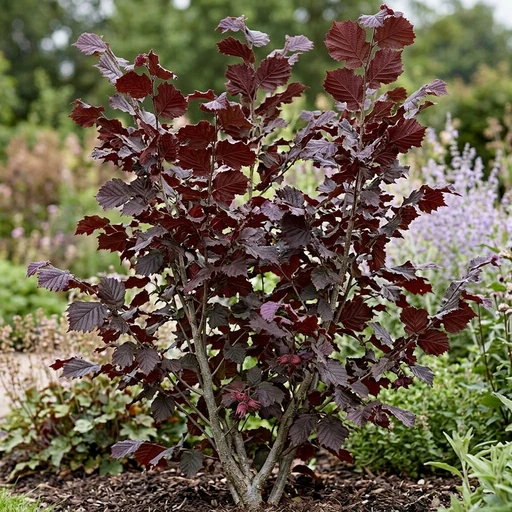
Burgundy Lace European Filbert
Corylus avellana 'Burgundy Lace'
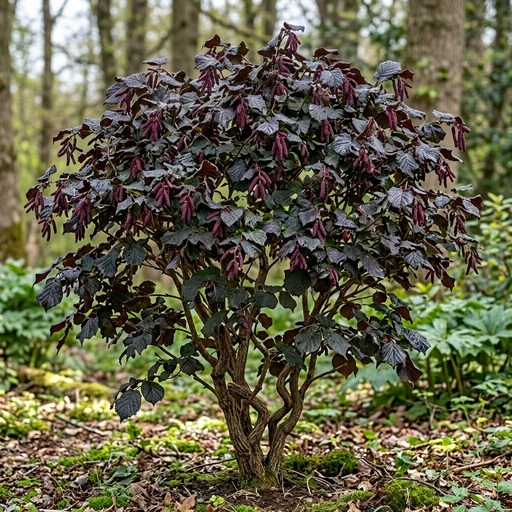
Red Dragon Contorted Filbert
Corylus avellana 'Red Dragon'
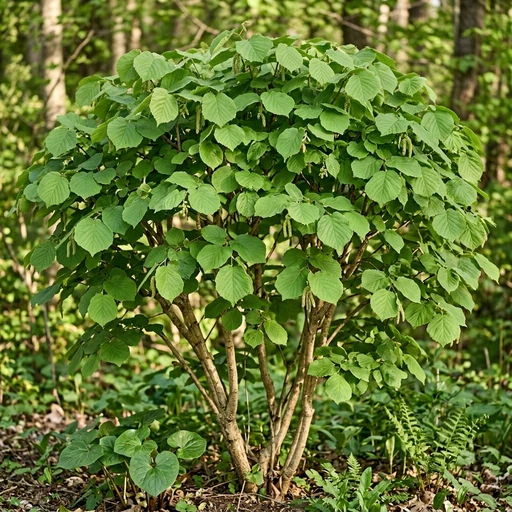
American Hazelnut
Corylus americana
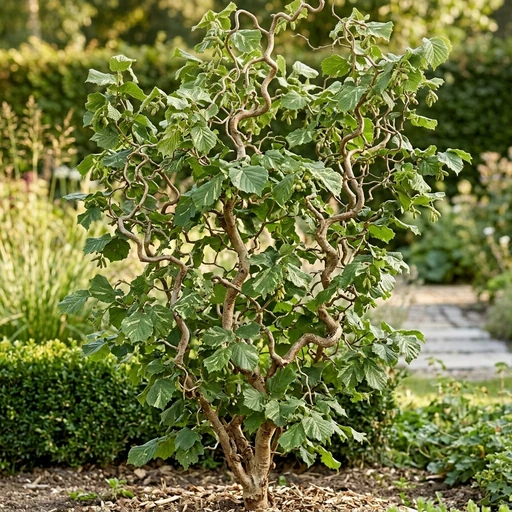
Harry Lauder's Walking Stick
Corylus avellana 'Contorta'
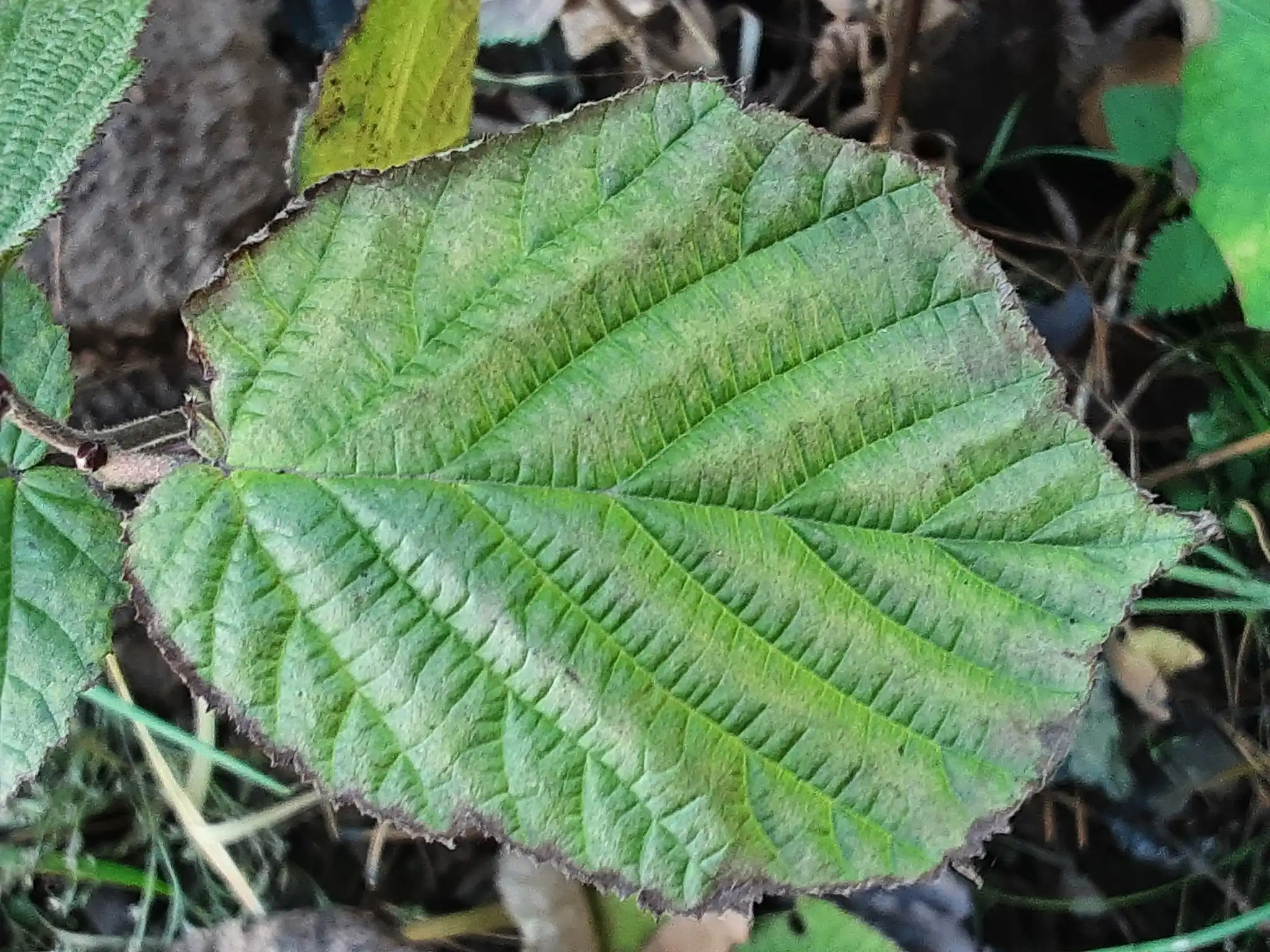
Common Hazel
Corylus avellana
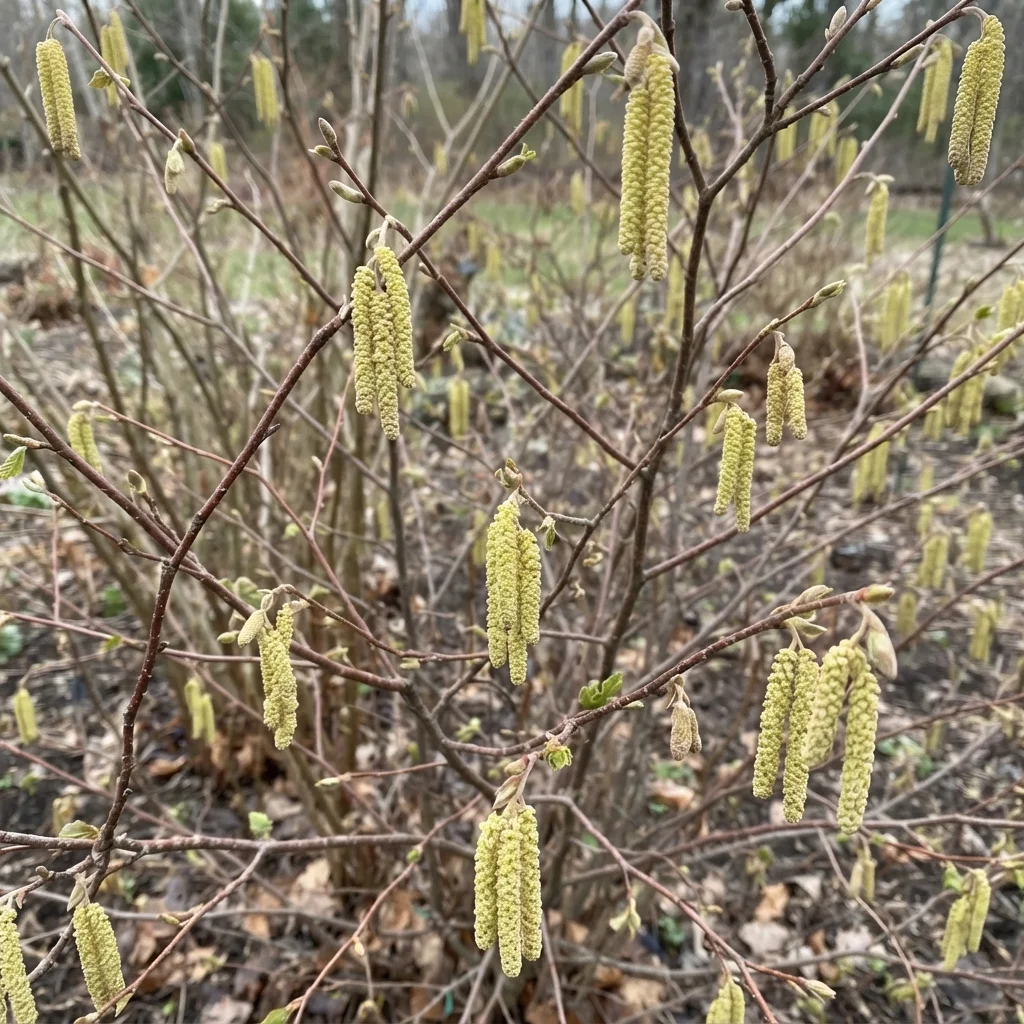
Beaked Hazelnut
Corylus cornuta
Keep exploring
Explore the genus
Hardy in your zone?
Grow Turkish Filbert with confidence
See it in a design of your actual yard, get zone-matched care reminders, and track it season by season in your garden journal.