The Story
Plant Bio
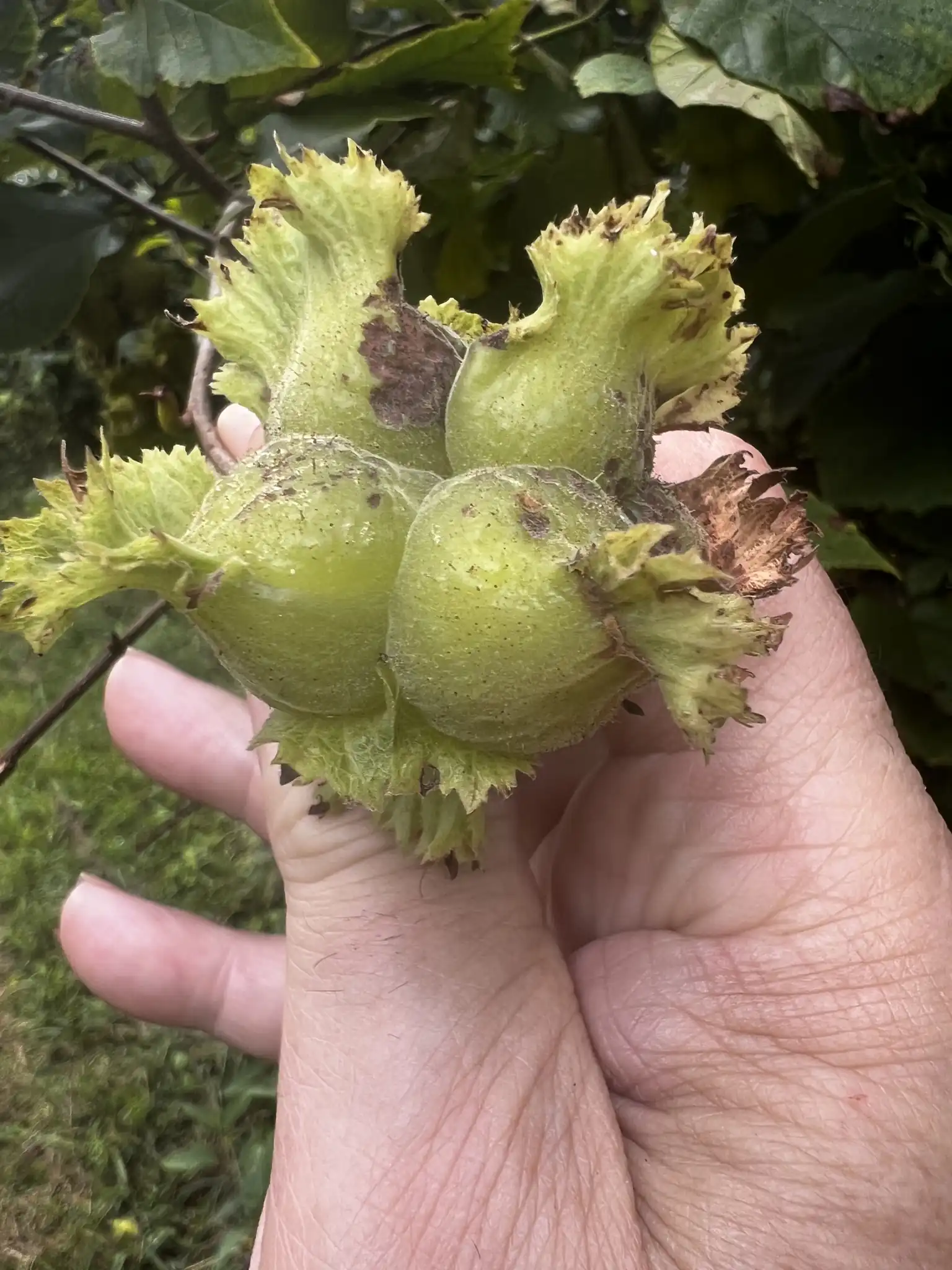
Corylus americana is a multi-stemmed, suckering shrub native to the eastern United States, known for producing edible hazelnuts (filberts). It forms a dense, rounded thicket over time.
This plant offers significant winter interest with its long, pendulous, yellowish-brown male catkins that appear long before the leaves, providing a subtle but welcome sign of impending spring.
Uses & Benefits:
Essentials
At a Glance
Plant Type
Shrub
Height
192"
Width
156"
Light
Full Sun, Partial Sun
Zones
4, 5, 6, 7, 8, 9
Water
Moderate
Humidity
Average
Lifespan
Long-lived deciduous shrub
Native To
Eastern and Central North America
Toxicity
Non-toxic, nuts are edible
Bloom period
Late winter – Early spring
In flower about 2 months of the year
Marketplace
Where to Buy
Shipping costs Year-round shipping Free shipping
Planting
How to Grow
- Choose a location in full sun for best nut production.
- Prefers moist, well-drained loams but is adaptable.
- Dig a hole twice as wide as the root ball.
- Space plants 8-10 feet apart to allow for mature size.
- Backfill with native soil and water thoroughly.
- Mulch to conserve moisture and control weeds.
Pro Tip
Plant at least two genetically distinct plants to ensure cross-pollination, as they are wind-pollinated and self-incompatible.
Keep It Thriving
Care Guide
Do
- Provide regular water during the first few years.
- Prune out about a third of the oldest stems every few years to rejuvenate.
- Allow space for the plant to sucker and form a thicket.
- Protect young plants from deer and rabbits.
Don't
- Don't plant only one shrub if you want to harvest nuts.
- Avoid planting in poorly drained, constantly wet soil.
- Don't expect a tidy, formal plant; embrace its natural, suckering habit.
- Avoid heavy nitrogen fertilization, which can reduce nut production.
Seasonal Care Calendar
| Task | Jan | Feb | Mar | Apr | May | Jun | Jul | Aug | Sep | Oct | Nov | Dec |
|---|---|---|---|---|---|---|---|---|---|---|---|---|
| Harvest | ||||||||||||
| Plant | ||||||||||||
| Prune |
Watch Out For
Pests & Diseases
Common Pests
Common Diseases
In the Garden
Landscape Uses & Companions
Landscape Uses
Multiply
Propagation Methods
Good to Know
Common Questions
American Hazelnut questions
What zones can American Hazelnut grow in?
American Hazelnut is hardy in USDA Zones 4–9. Inside that range it survives winter in the ground; outside it, grow it as an annual or a container plant you protect.
Is American Hazelnut deer resistant?
Yes — American Hazelnut is rated deer-resistant. Deer typically pass it over, though extreme hunger can override any plant's defenses.
When does American Hazelnut bloom?
American Hazelnut typically blooms in late winter through early spring. Exact timing shifts a week or two with your zone — Sow's bloom calendar maps it to your garden.
Does American Hazelnut need full sun?
American Hazelnut does best in full sun to part shade. In hot climates, afternoon shade keeps blooms fresher longer.
More Corylus to compare
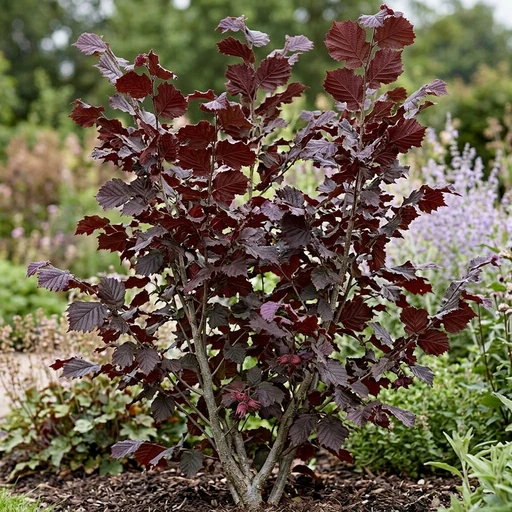
Burgundy Lace European Filbert
Corylus avellana 'Burgundy Lace'
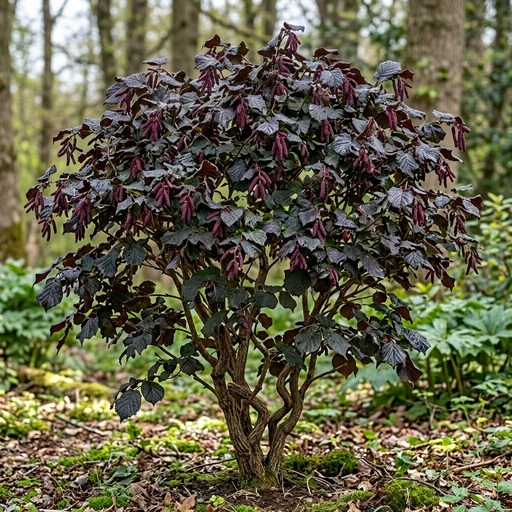
Red Dragon Contorted Filbert
Corylus avellana 'Red Dragon'
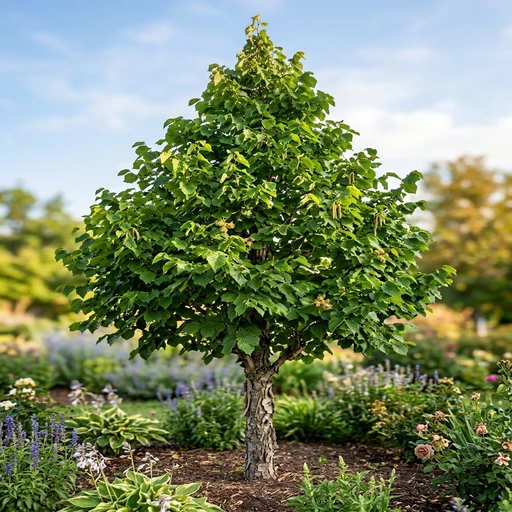
Turkish Filbert
Corylus colurna
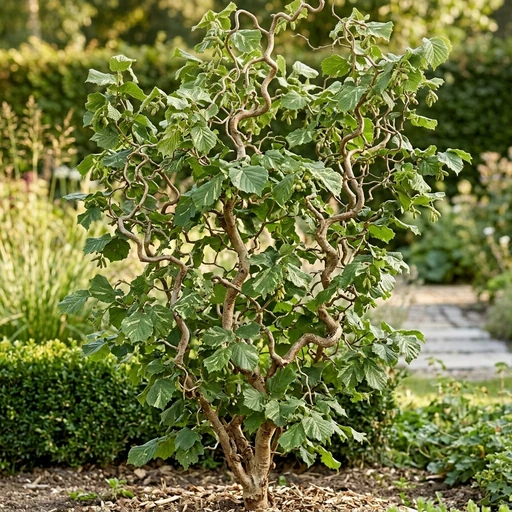
Harry Lauder's Walking Stick
Corylus avellana 'Contorta'
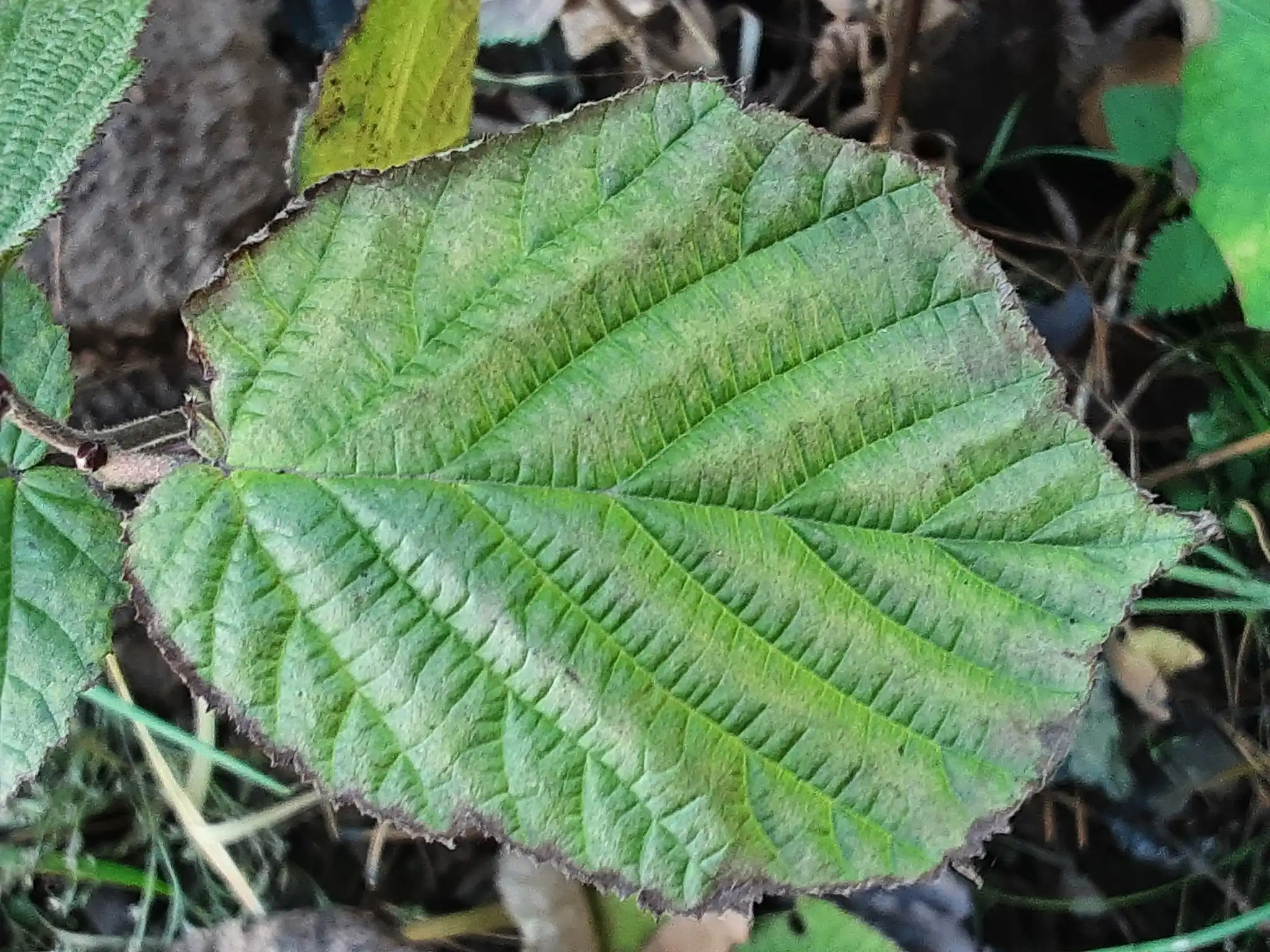
Common Hazel
Corylus avellana
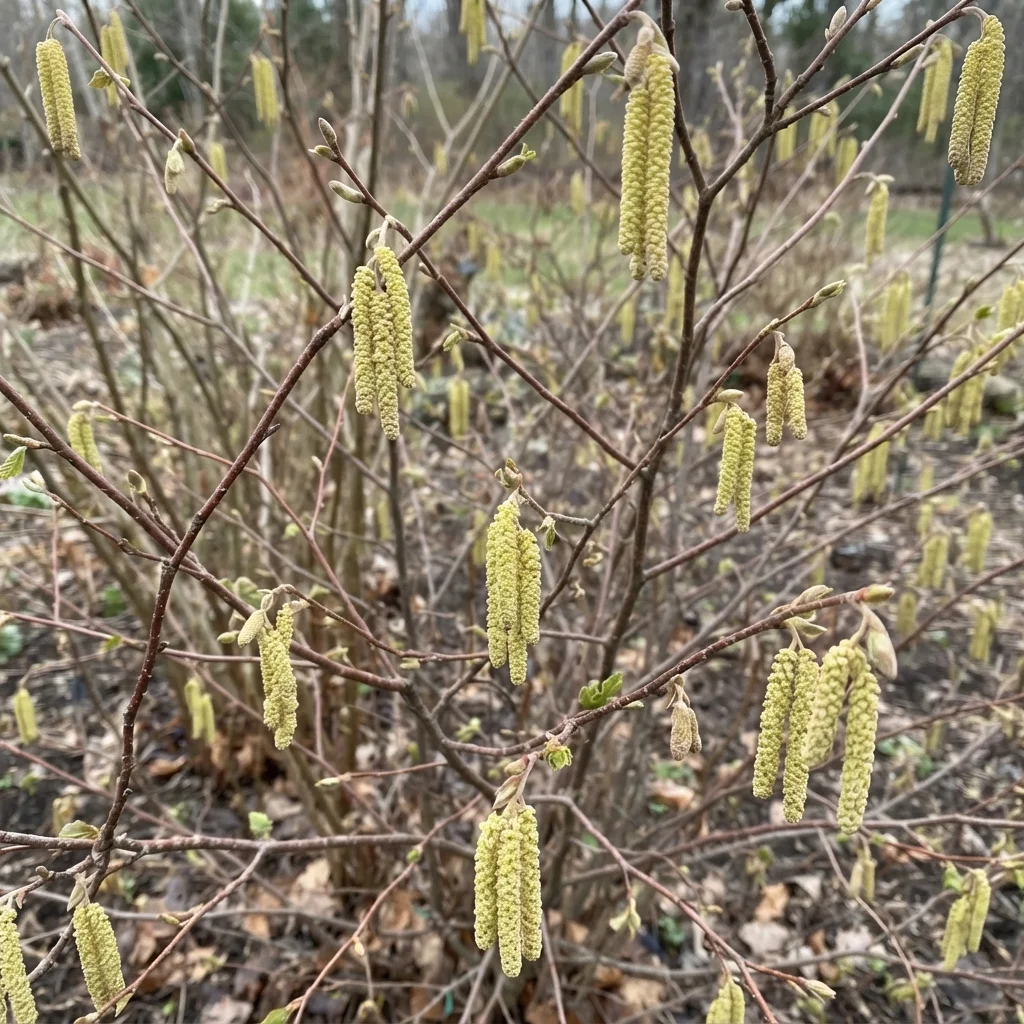
Beaked Hazelnut
Corylus cornuta
Keep exploring
Explore the genus
Grow American Hazelnut with confidence
See it in a design of your actual yard, get zone-matched care reminders, and track it season by season in your garden journal.