The Story
Plant Bio
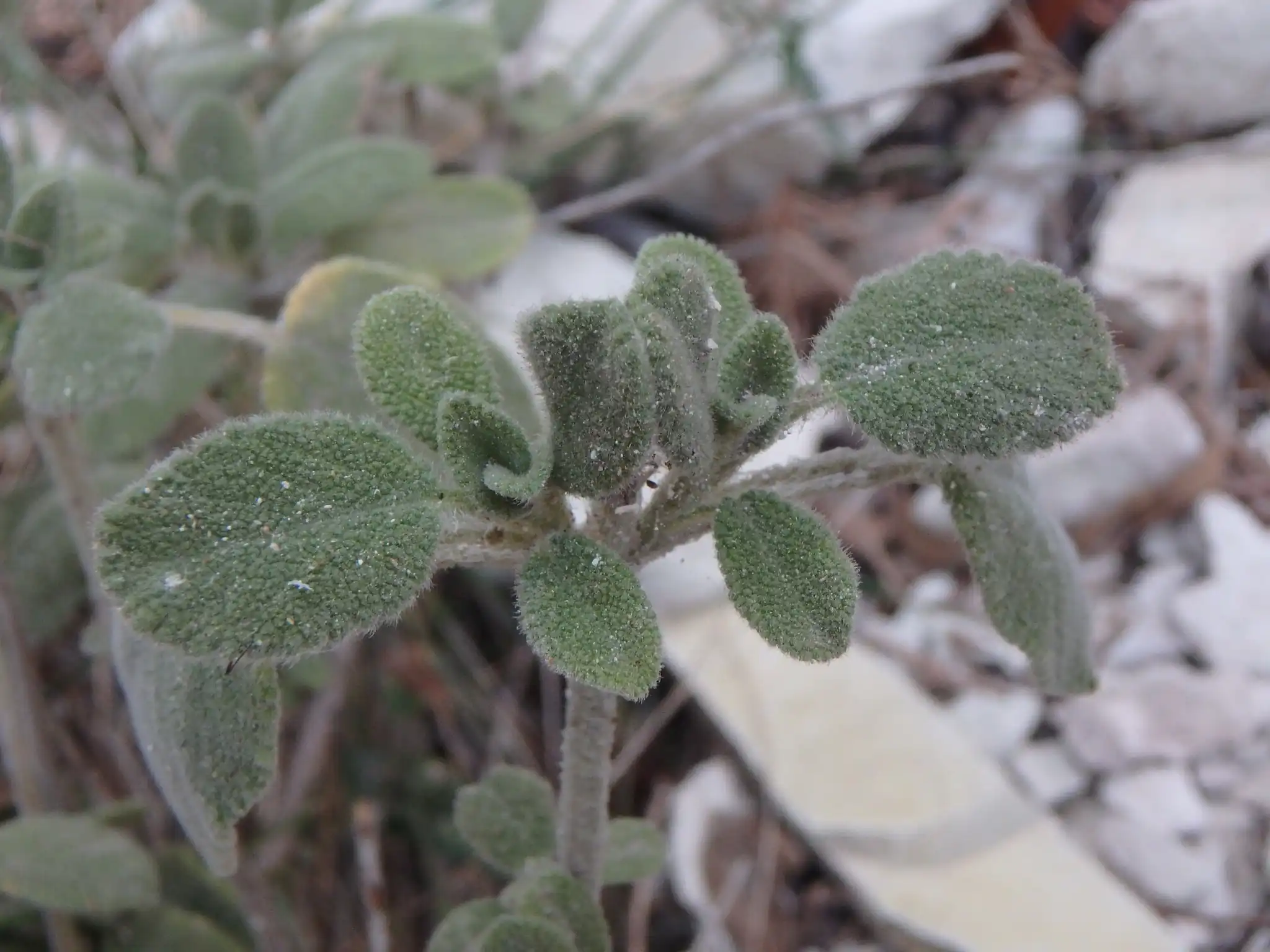
Origanum majorana, or sweet marjoram, is a tender perennial herb, typically grown as an annual in cooler climates. It forms a bushy, mounded sub-shrub valued for its highly aromatic, gray-green leaves used in cooking.
Distinguished by its mild, sweet flavor with pine and citrus notes, which is less pungent than its relative, oregano. Its tiny, whitish flowers bloom in distinctive knot-like clusters, giving it the alternative common name 'Knotted Marjoram'.
Uses & Benefits:
Essentials
At a Glance
Plant Type
Perennial
Height
18"
Width
18"
Light
Full Sun, Partial Sun
Zones
9, 10
Water
Low to Medium
Humidity
Average
Lifespan
Tender Perennial / Annual
Native To
Mediterranean region
Toxicity
Non-toxic
Bloom period
Summer – Early fall
In flower about 4 months of the year
Planting
How to Grow
- Tuck seeds into well-drained soil in spring for best germination.
- Mist cuttings regularly to maintain humidity and root within 4-6 weeks.
- Transplant seedlings when they have 2-3 sets of true leaves.
- Water moderately, allowing soil to dry between watering.
- Fertilize monthly with a balanced organic fertilizer during growing season.
- Prune regularly to encourage bushy growth and prevent legginess.
Pro Tip
Plant in full sun with well-draining soil for the best aroma and flavor.
Keep It Thriving
Care Guide
Do
- Water when the top inch of soil feels dry 🌱
- Prune after flowering to promote new growth
- Use organic compost to enrich soil
Don't
- Overwater to avoid root rot ❌
- Allow soil to stay soggy
- Plant in shady areas
Seasonal Care Calendar
| Task | Jan | Feb | Mar | Apr | May | Jun | Jul | Aug | Sep | Oct | Nov | Dec |
|---|---|---|---|---|---|---|---|---|---|---|---|---|
| Fertilize | ||||||||||||
| Harvest | ||||||||||||
| Pinch | ||||||||||||
| Plant | ||||||||||||
| Prune | ||||||||||||
| Winter Prep |
Watch Out For
Pests & Diseases
Common Pests
Common Diseases
In the Garden
Landscape Uses & Companions
Landscape Uses
Multiply
Propagation Methods
Good to Know
Common Questions
Sweet Marjoram questions
What zones can Sweet Marjoram grow in?
Sweet Marjoram is hardy in USDA Zones 9–10. Inside that range it survives winter in the ground; outside it, grow it as an annual or a container plant you protect.
Is Sweet Marjoram deer resistant?
Yes — Sweet Marjoram is rated deer-resistant. Deer typically pass it over, though extreme hunger can override any plant's defenses.
When does Sweet Marjoram bloom?
Sweet Marjoram typically blooms in summer through early fall. Exact timing shifts a week or two with your zone — Sow's bloom calendar maps it to your garden.
Does Sweet Marjoram need full sun?
Sweet Marjoram does best in full sun to part shade. In hot climates, afternoon shade keeps blooms fresher longer.
Is Sweet Marjoram drought tolerant?
Yes — once established (usually after the first full season), Sweet Marjoram handles dry spells with minimal watering. Water deeply its first year to build the root system that makes that possible.
More Origanum to compare
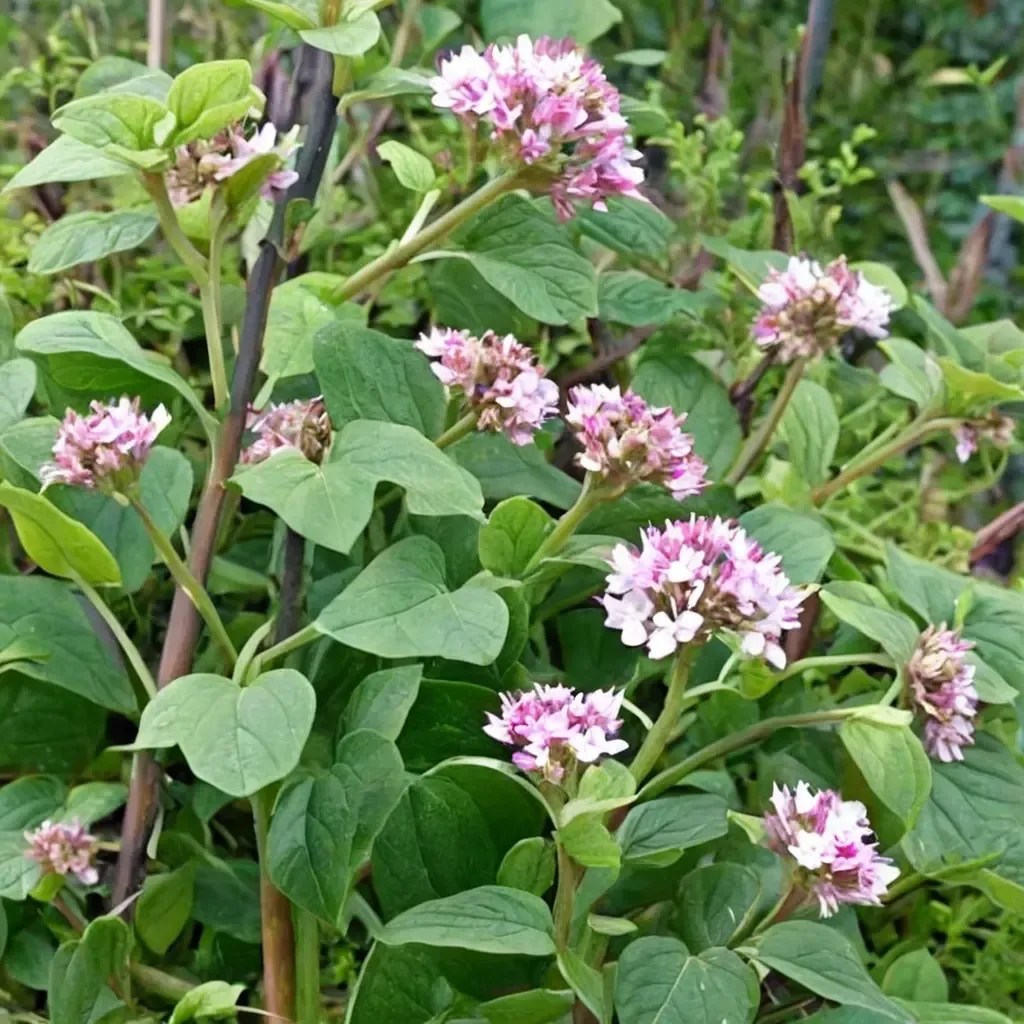
Italian Oregano
Origanum vulgare 'Italian'
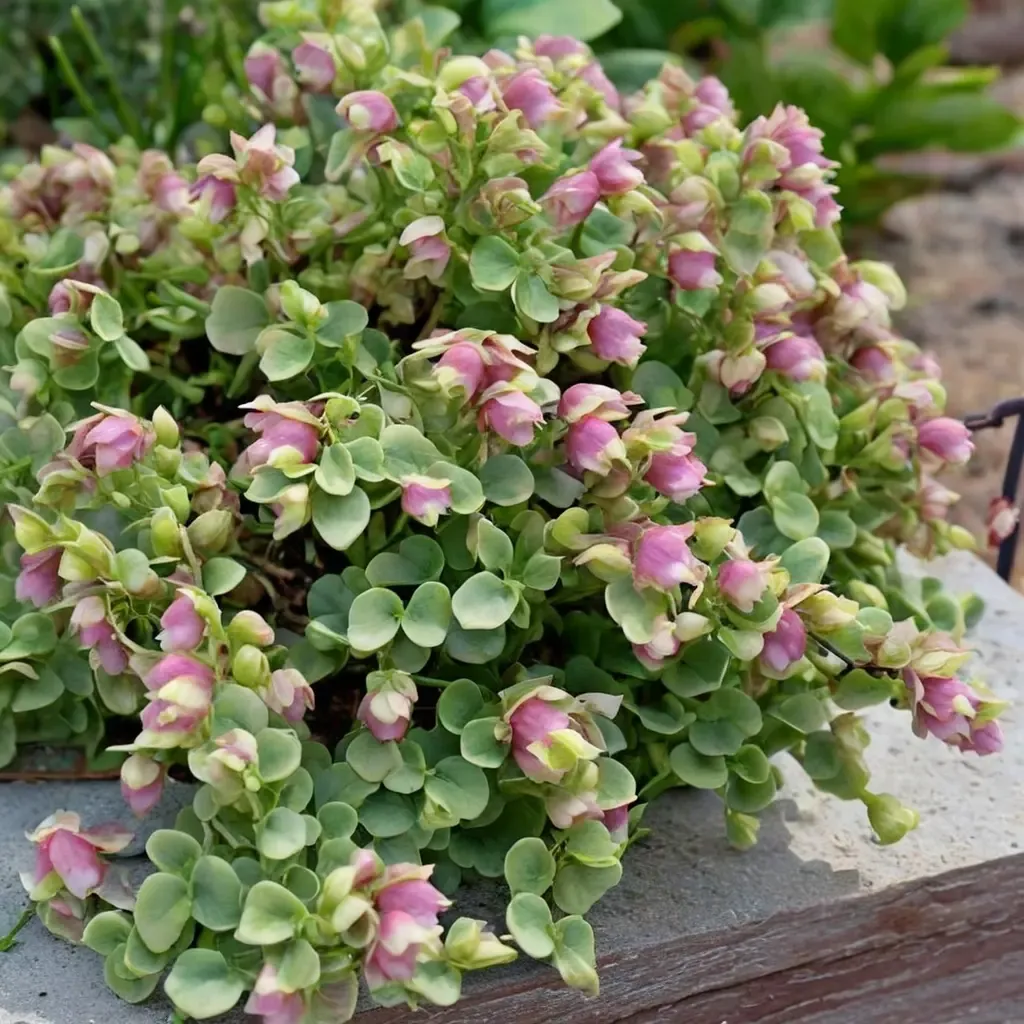
Kirigami Oregano
Origanum vulgare 'Kirigami'
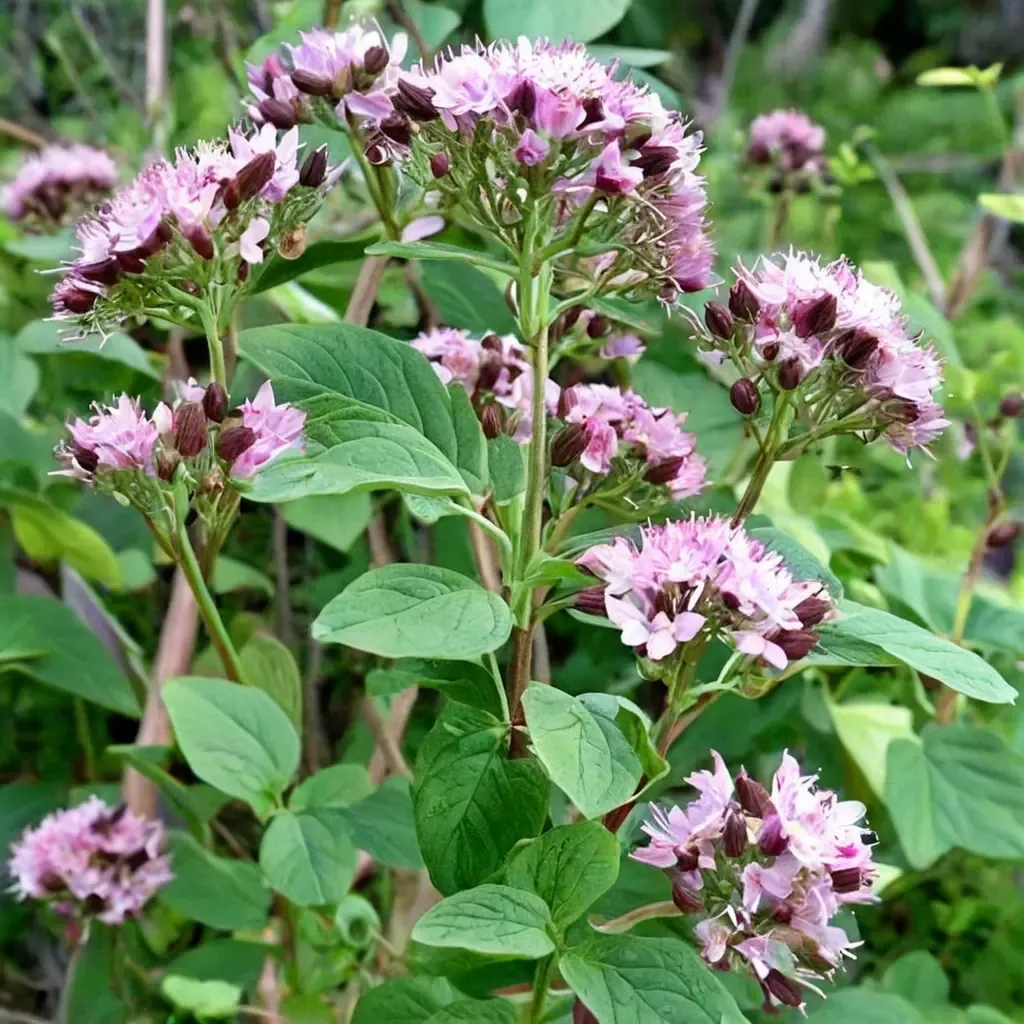
Oregano
Origanum vulgare
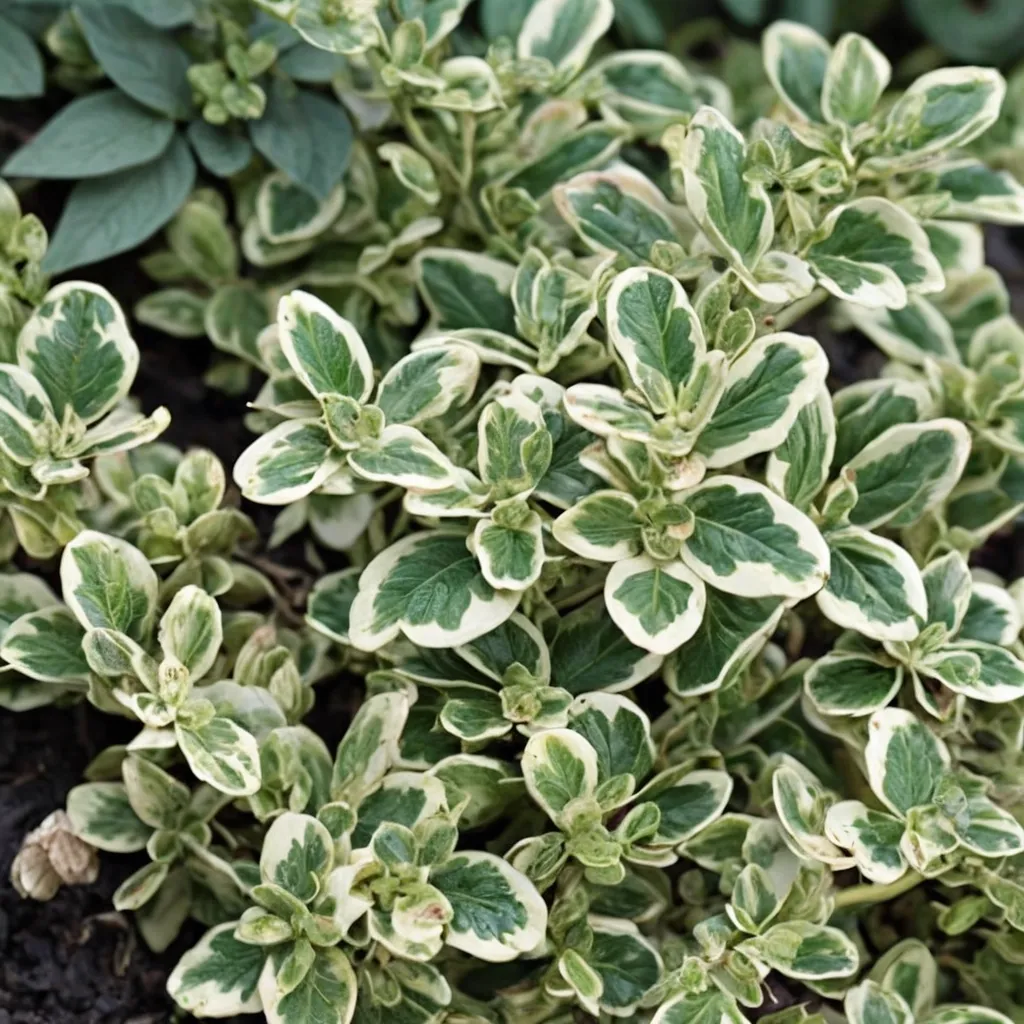
Variegated Oregano
Origanum vulgare 'Variegata'
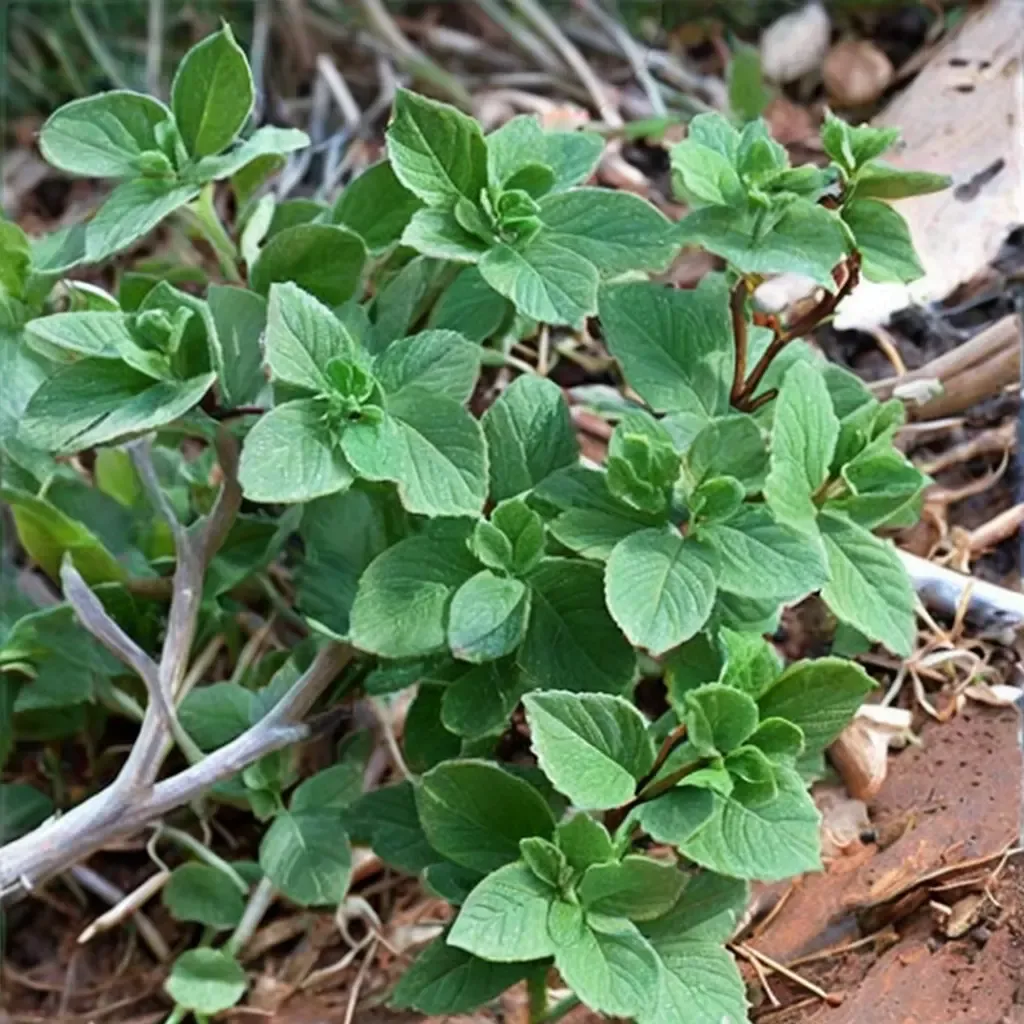
True Greek Oregano
Origanum vulgare 'True Greek'
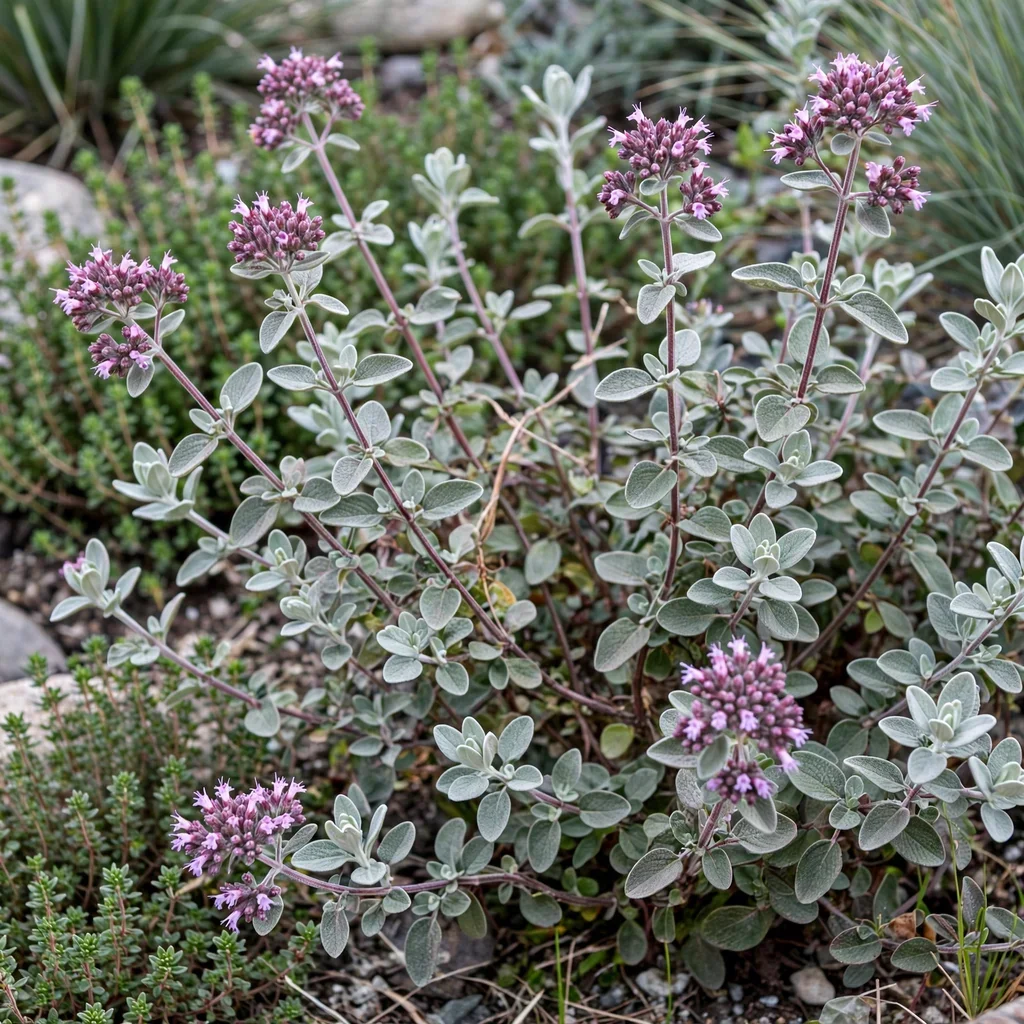
Ornamental Oregano
Origanum laevigatum
Keep exploring
Explore the genus
Hardy in your zone?
Grow Sweet Marjoram with confidence
See it in a design of your actual yard, get zone-matched care reminders, and track it season by season in your garden journal.