
Garden hybrid
This is a garden hybrid, bred from more than one wild species, so it has no single species page of its own.
The Story
Plant Bio
Ironweeds (Vernonia) are robust, North American native perennials known for their intense purple flowers that bloom in late summer and fall. They are tough, adaptable plants that are highly attractive to pollinators.
'Summer's Swan Song' is a compact hybrid ironweed, reaching only about 3 feet tall, making it suitable for smaller gardens. It blooms very late in the season, providing crucial nectar for migrating monarchs and other pollinators when little else is flowering.
Uses & Benefits:
Bred from more than one wild species, so it has no species page of its own.
Essentials
At a Glance
Plant Type
Perennial
Height
33"
Width
42"
Light
Full Sun
Zones
4, 5, 6, 7, 8, 9
Water
Low to medium
Humidity
Adaptable
Lifespan
Long-lived perennial
Native To
North America (Hybrid)
Toxicity
Non-toxic
Bloom period
Late summer – Mid-fall
In flower about 3 months of the year
Marketplace
Where to Buy
Shipping costs Year-round shipping Free shipping
Planting
How to Grow
- Choose a site in full sun with average, well-drained soil.
- Dig a hole that is as deep and twice as wide as the pot.
- Gently loosen the roots if they are pot-bound.
- Place the plant in the hole, with the crown level with the soil surface.
- Backfill with soil and water thoroughly.
- Water regularly during the first season to establish a deep root system.
Pro Tip
Do not cut back the stems in fall; the seed heads provide winter interest and food for birds like goldfinches.
Keep It Thriving
Care Guide
Do
- Provide full sun for the sturdiest stems and best flowering.
- Allow the plant to establish for a year before expecting peak performance.
- Leave seed heads standing for winter interest and bird food.
- Pair with grasses and other late-season bloomers like asters and goldenrods.
Don't
- Do not plant in deep shade, which causes weak, floppy stems.
- Avoid overly rich or constantly wet soil.
- Don't over-fertilize; ironweed thrives in average to lean soil.
- Do not cut back in mid-summer, as this will remove the flower buds.
Seasonal Care Calendar
| Task | Jan | Feb | Mar | Apr | May | Jun | Jul | Aug | Sep | Oct | Nov | Dec |
|---|---|---|---|---|---|---|---|---|---|---|---|---|
| Pest Check | ||||||||||||
| Pinch | ||||||||||||
| Plant | ||||||||||||
| Spring Cleanup |
Watch Out For
Pests & Diseases
Common Pests
Common Diseases
In the Garden
Landscape Uses & Companions
Landscape Uses
Multiply
Propagation Methods
Good to Know
Common Questions
Summers Swan Song Ironweed questions
What zones can Summers Swan Song Ironweed grow in?
Summers Swan Song Ironweed is hardy in USDA Zones 4–9. Inside that range it survives winter in the ground; outside it, grow it as an annual or a container plant you protect.
Is Summers Swan Song Ironweed deer resistant?
Yes — Summers Swan Song Ironweed is rated deer-resistant. Deer typically pass it over, though extreme hunger can override any plant's defenses.
When does Summers Swan Song Ironweed bloom?
Summers Swan Song Ironweed typically blooms in late summer through mid-fall. Exact timing shifts a week or two with your zone — Sow's bloom calendar maps it to your garden.
Does Summers Swan Song Ironweed need full sun?
Summers Swan Song Ironweed does best in full sun (6+ hours).
Is Summers Swan Song Ironweed drought tolerant?
Yes — once established (usually after the first full season), Summers Swan Song Ironweed handles dry spells with minimal watering. Water deeply its first year to build the root system that makes that possible.
More Vernonia to compare
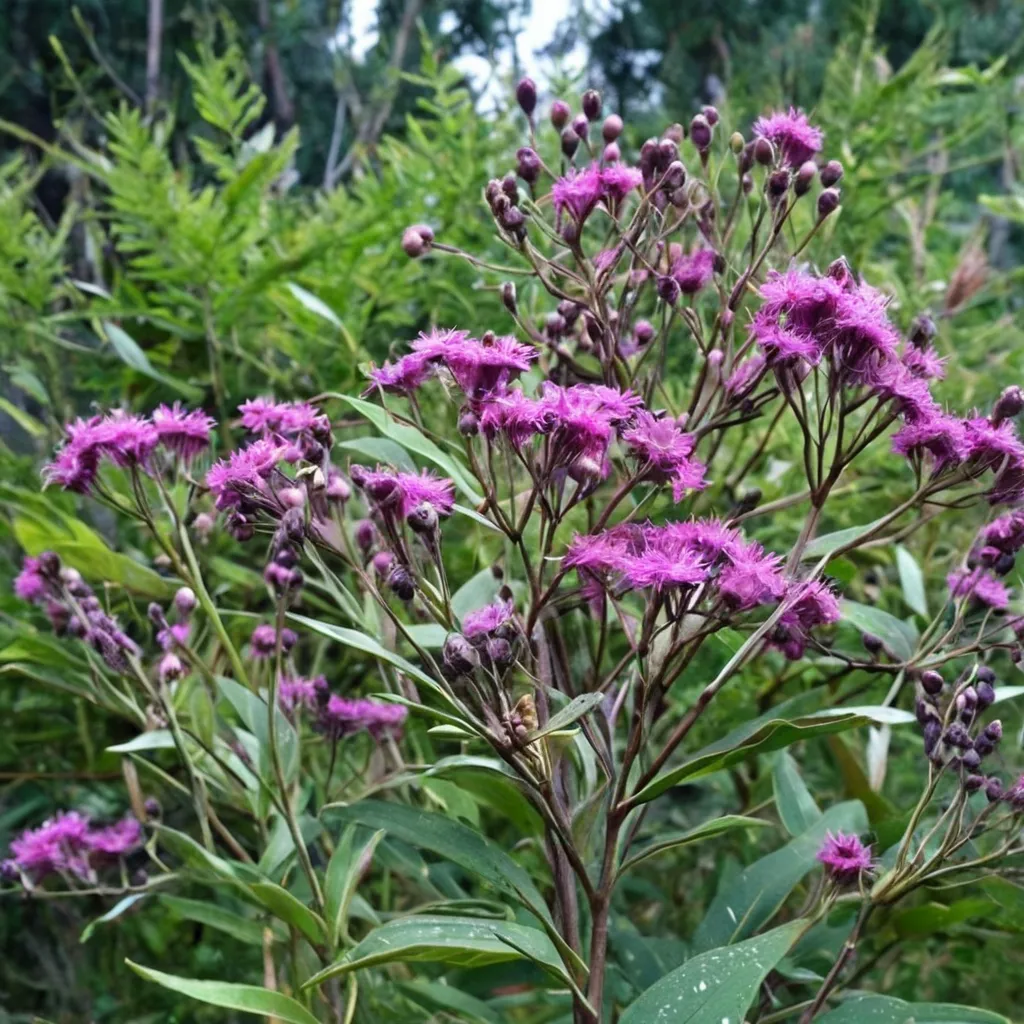
Tall Ironweed
Vernonia altissima
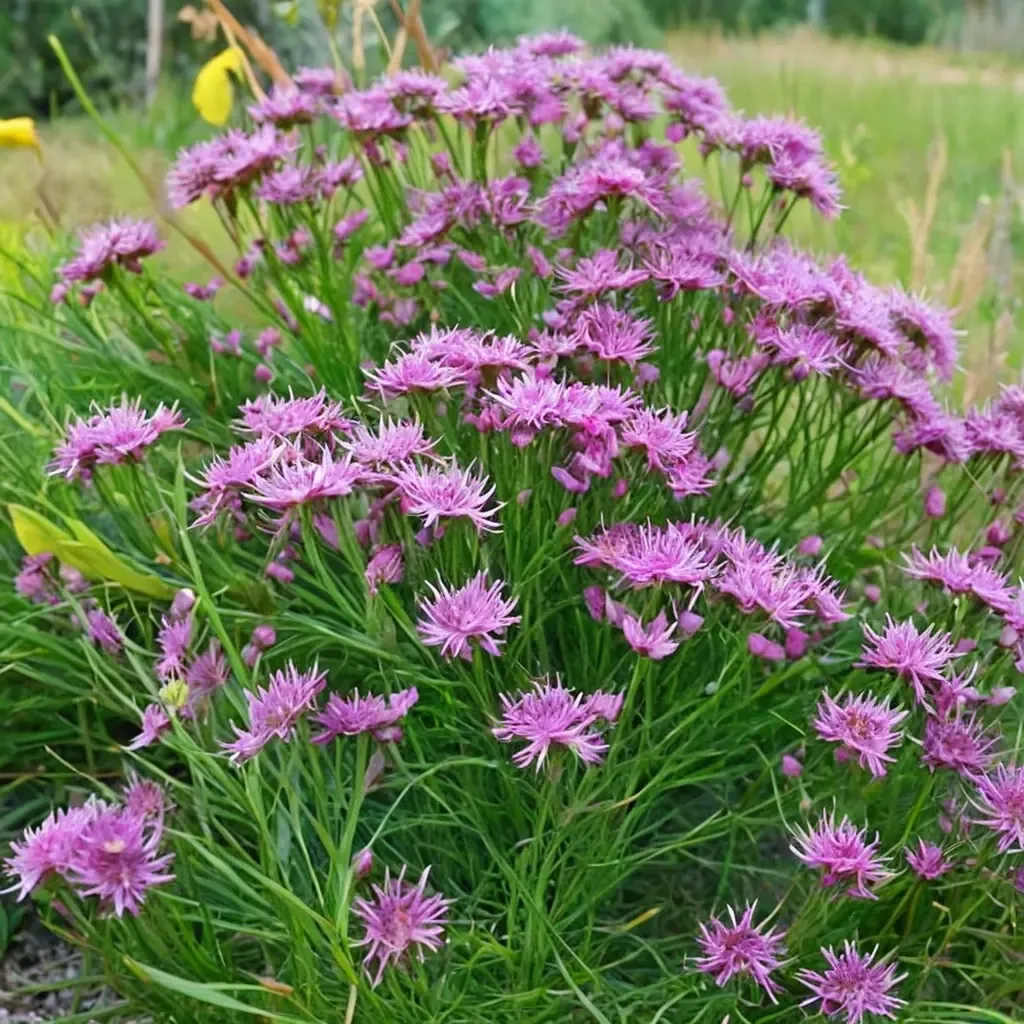
Iron Butterfly Ironweed
Vernonia lettermannii 'Iron Butterfly'
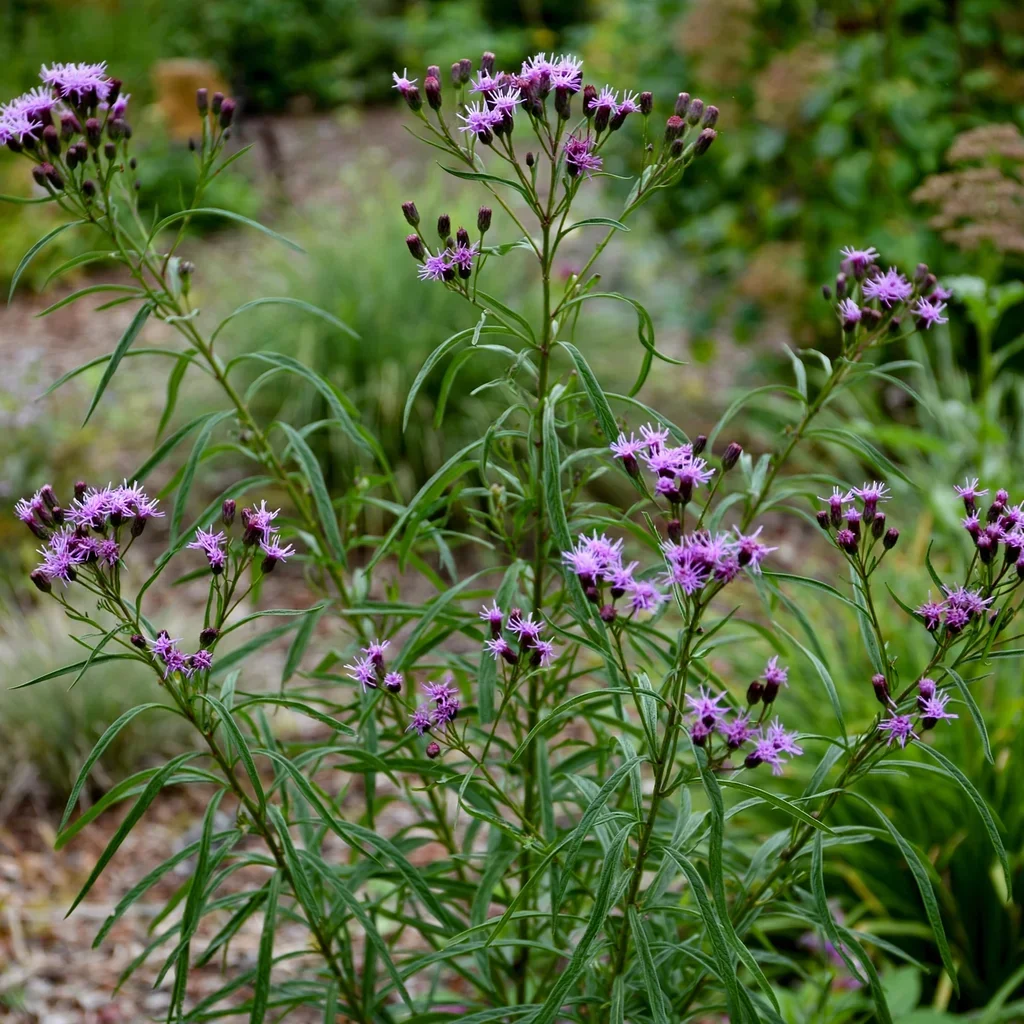
Southern Cross Ironweed
Vernonia arkansana 'Southern Cross'
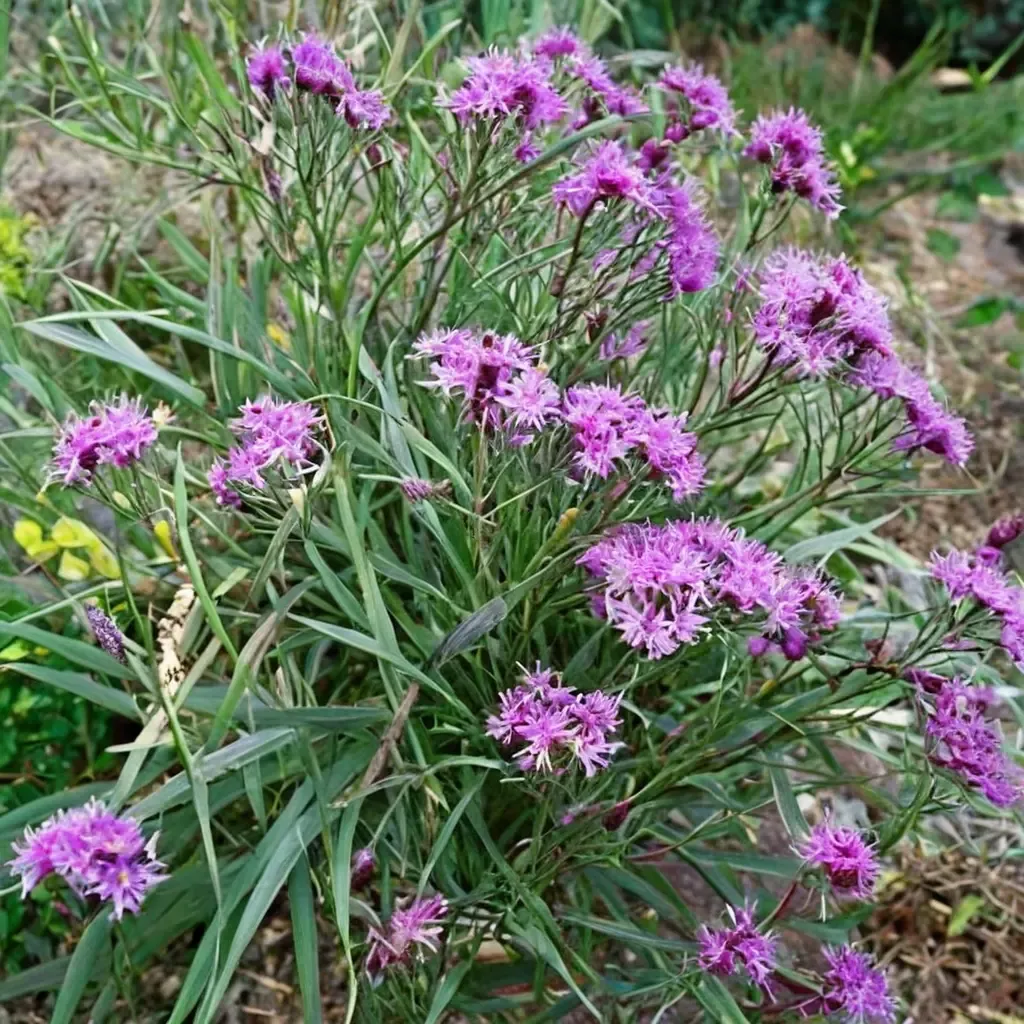
Plum Peachy Ironweed
Vernonia angustifolia 'Plum Peachy'
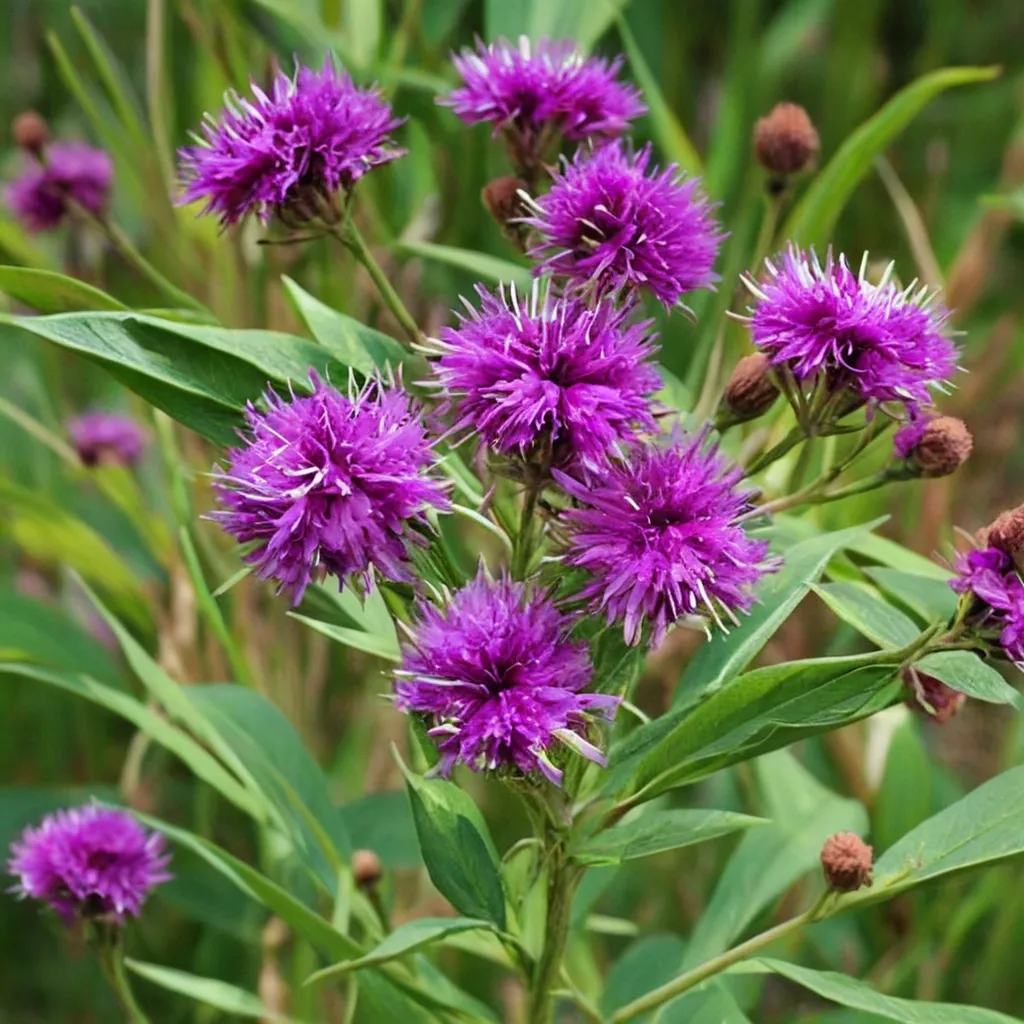
Arkansas Ironweed
Vernonia arkansana
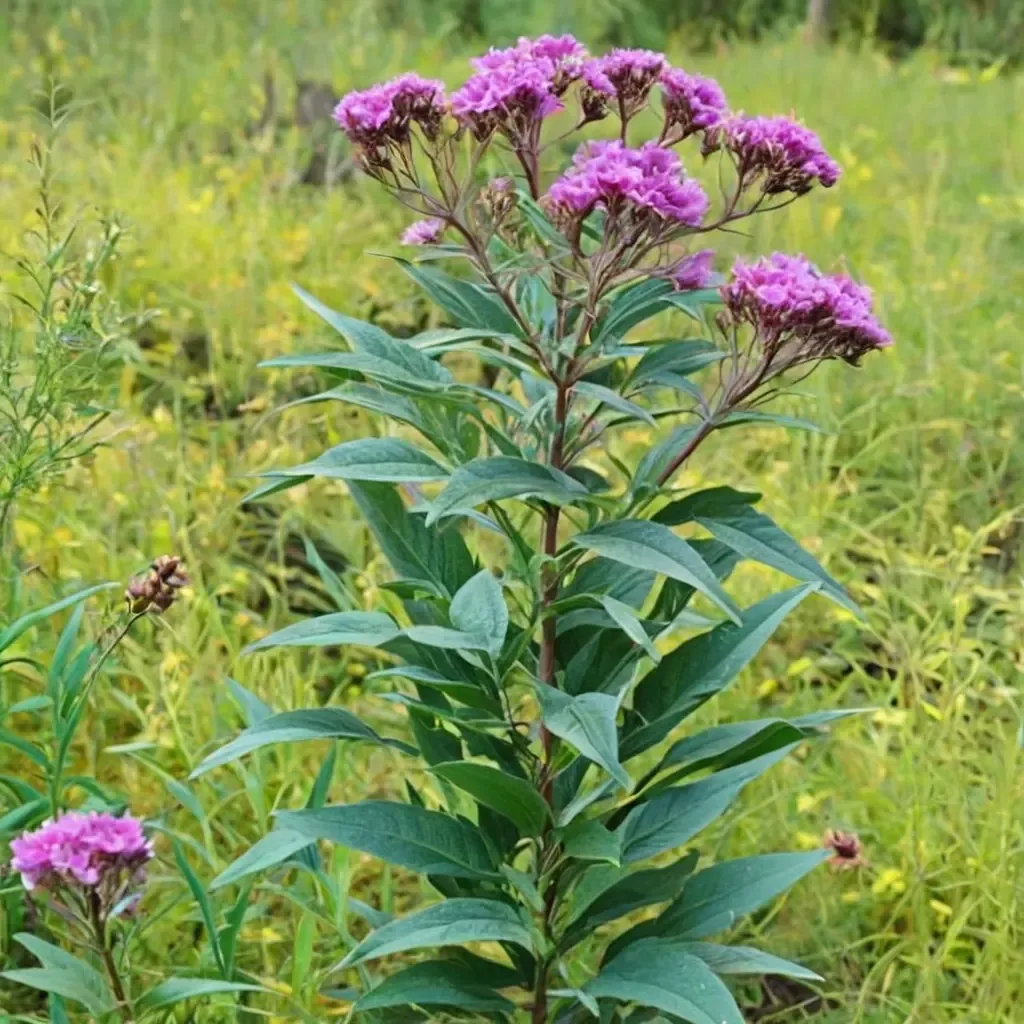
Prairie Ironweed
Vernonia fasciculata
Keep exploring
Explore the genus
Grow Summers Swan Song Ironweed with confidence
See it in a design of your actual yard, get zone-matched care reminders, and track it season by season in your garden journal.