The Story
Plant Bio
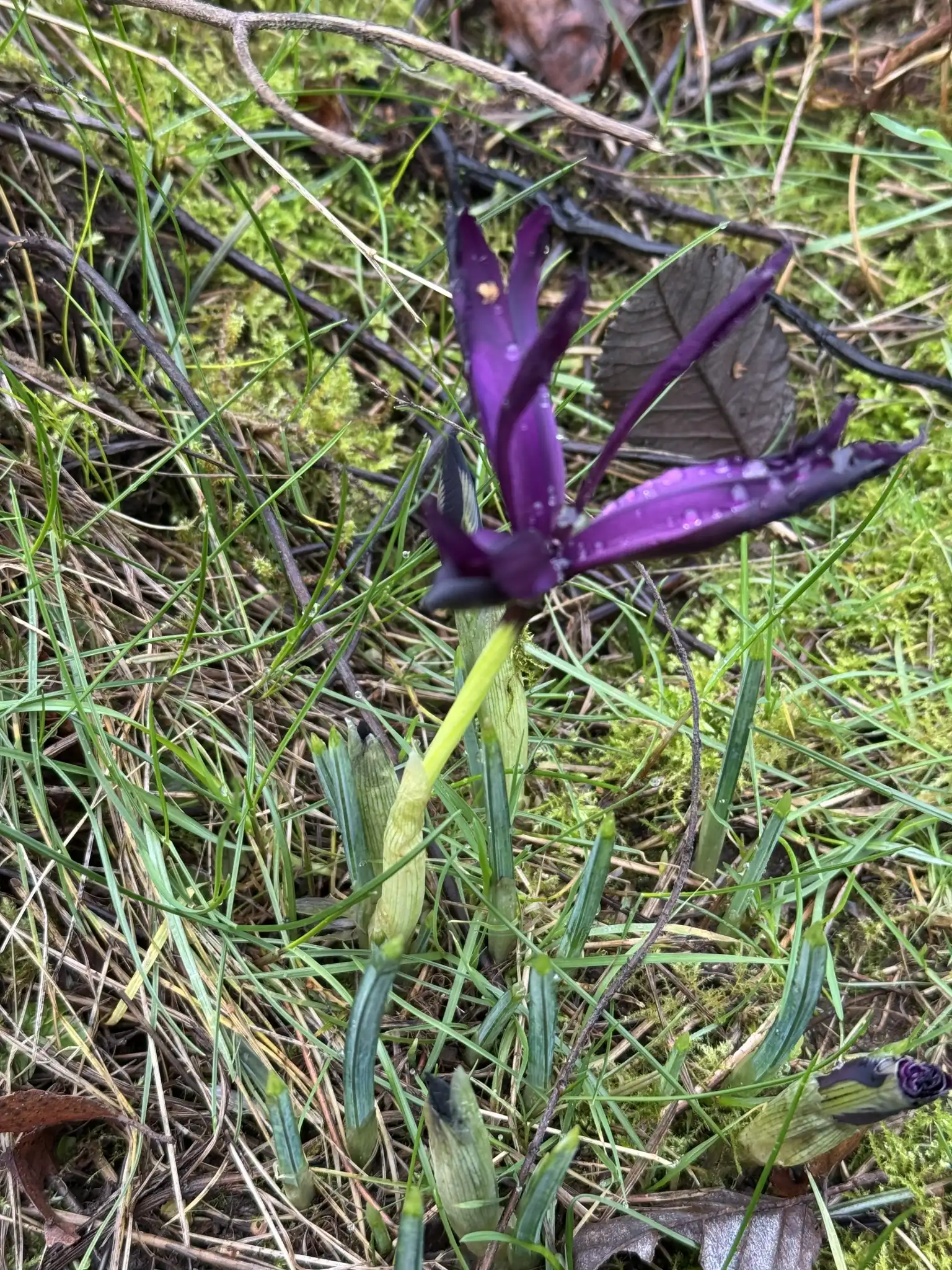
Iris reticulata, the reticulated iris, is a miniature bulbous perennial native to western Asia that produces solitary, fragrant purple-violet flowers in late winter or early spring. The narrow, gray-green leaves are quadrangular in cross-section and elongate significantly after the flowering period concludes.
The species is distinguished by a fibrous, net-like tunic wrapping the bulb and a prominent yellow or orange crest flanked by white speckling on the falls of each flower. It reaches a height of four to eight inches, making it highly suited for rock gardens and container cultivation where early-season drainage is guaranteed.
Uses & Benefits:
Essentials
At a Glance
Plant Type
Bulb Corm Tuber
Height
8"
Width
4"
Light
Full Sun, Partial Sun
Zones
4, 5, 6, 7, 8, 9
Water
Low (dry in summer)
Humidity
Moderate
Lifespan
Perennial
Native To
Western Asia
Toxicity
Toxic to pets and humans
Bloom period
Late winter – Early spring
In flower about 2 months of the year
Planting
How to Grow
- Select a planting site with gritty, sharply draining soil that receives full sun to partial shade.
- Plant bulbs in early fall at a depth of three to four inches with the pointed end facing upward.
- Space bulbs two to three inches apart to allow room for natural clumping over time.
- Water lightly after planting to settle the soil, then withhold water until growth emerges in late winter.
Pro Tip
Keep the soil dry during the summer dormant period; summer irrigation or heavy rainfall causes the bulbs to split into tiny, non-flowering bulblets or rot entirely.
Keep It Thriving
Care Guide
Do
- Allow the foliage to die back naturally after flowering to replenish the bulb's energy reserves.
- Ensure the soil remains dry and warm during the summer dormancy phase.
- Plant in raised beds or rock gardens if your native soil contains heavy clay.
Don't
- Do not cut back green foliage prematurely after the flowers fade.
- Do not plant in low-lying areas where water collects or drains slowly.
- Do not apply heavy summer irrigation to garden beds containing these bulbs.
Seasonal Care Calendar
| Task | Jan | Feb | Mar | Apr | May | Jun | Jul | Aug | Sep | Oct | Nov | Dec |
|---|---|---|---|---|---|---|---|---|---|---|---|---|
| Fertilize | ||||||||||||
| Pest Check | ||||||||||||
| Plant | ||||||||||||
| Spring Cleanup |
Watch Out For
Pests & Diseases
Common Pests
Common Diseases
In the Garden
Landscape Uses & Companions
Landscape Uses
Companion Plants
Multiply
Propagation Methods
Good to Know
Common Questions
Reticulated Iris questions
What zones can Reticulated Iris grow in?
Reticulated Iris is hardy in USDA Zones 4–9. Inside that range it survives winter in the ground; outside it, grow it as an annual or a container plant you protect.
Is Reticulated Iris deer resistant?
Not reliably. Deer may browse Reticulated Iris, especially tender spring growth — plan on repellents or fencing where pressure is high.
When does Reticulated Iris bloom?
Reticulated Iris typically blooms in late winter through early spring. Exact timing shifts a week or two with your zone — Sow's bloom calendar maps it to your garden.
Does Reticulated Iris need full sun?
Reticulated Iris does best in full sun to part shade. In hot climates, afternoon shade keeps blooms fresher longer.
Is Reticulated Iris drought tolerant?
Yes — once established (usually after the first full season), Reticulated Iris handles dry spells with minimal watering. Water deeply its first year to build the root system that makes that possible.
More Iris to compare
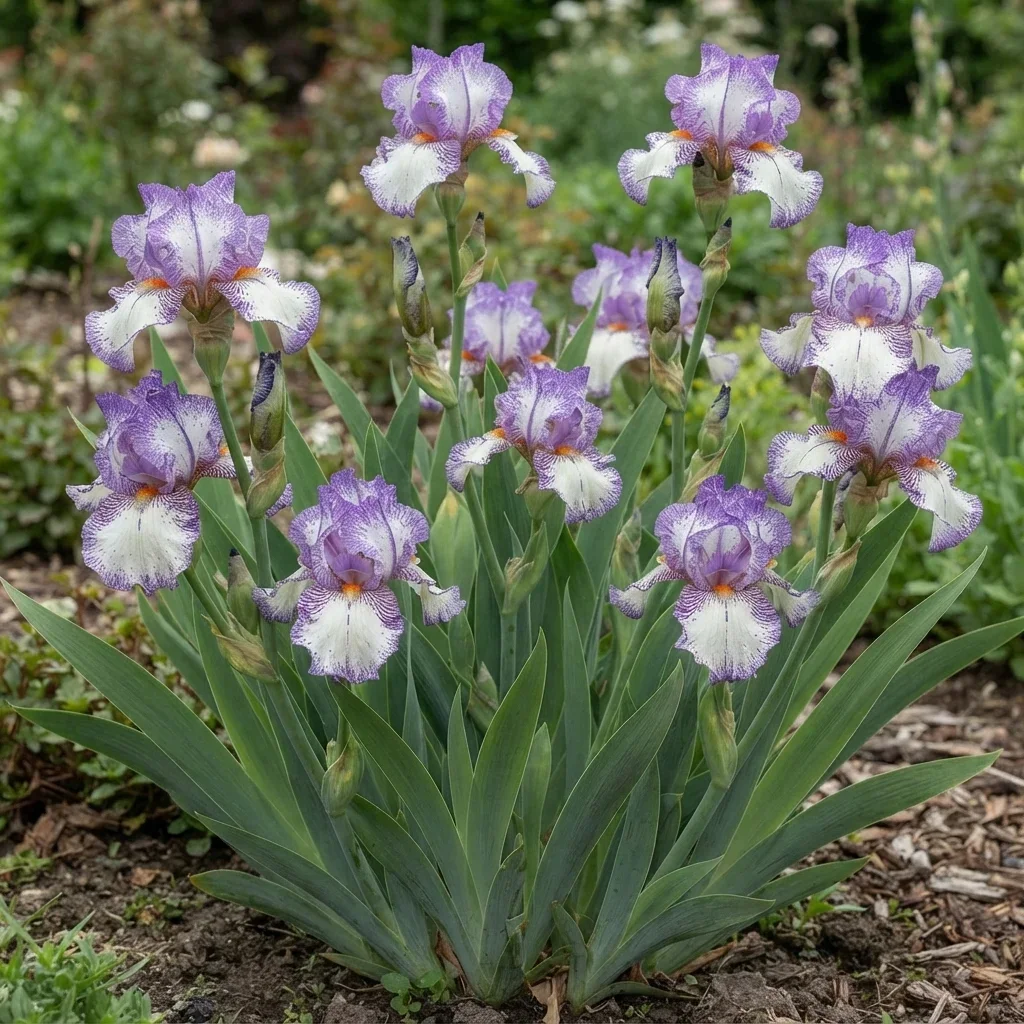
German Iris Bearded Iris
Iris x germanica 'Mix'
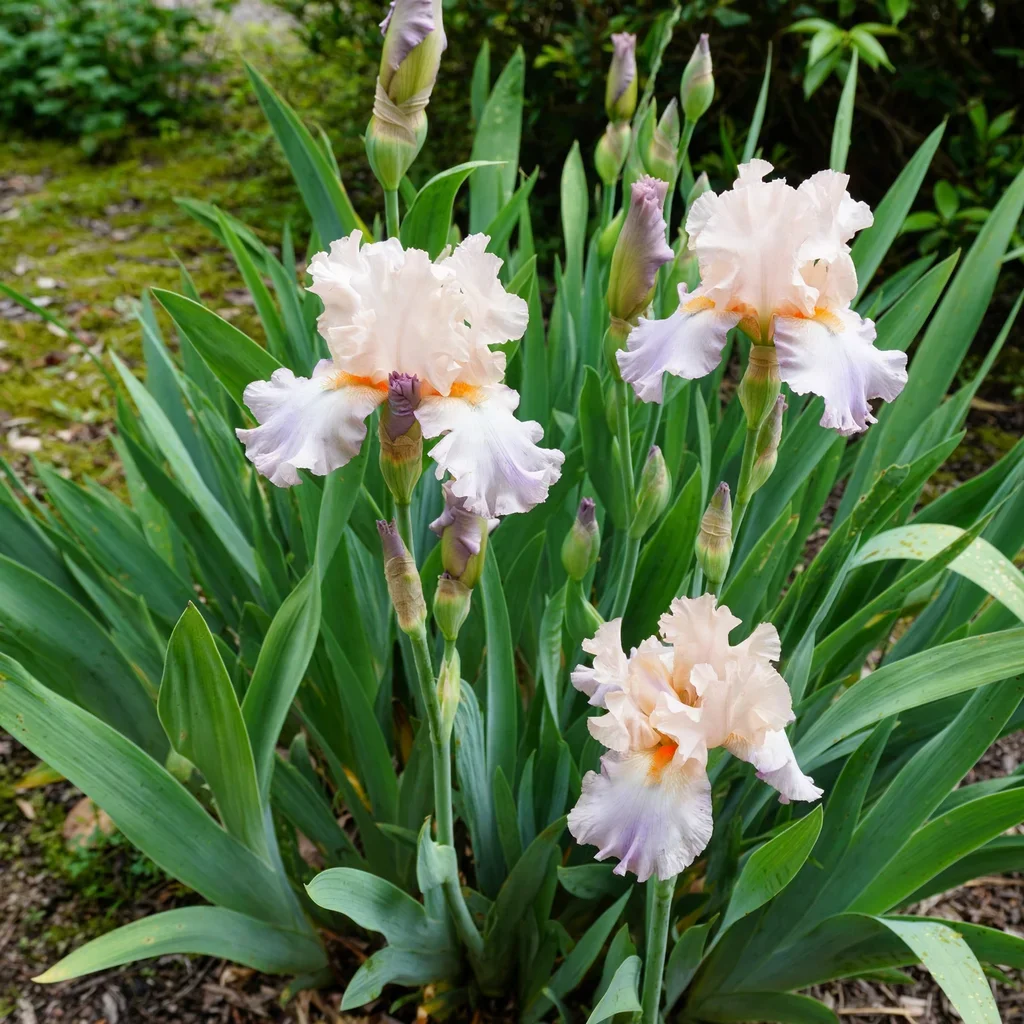
Celebration Song Iris
Iris tenuissima 'Celebration Song'
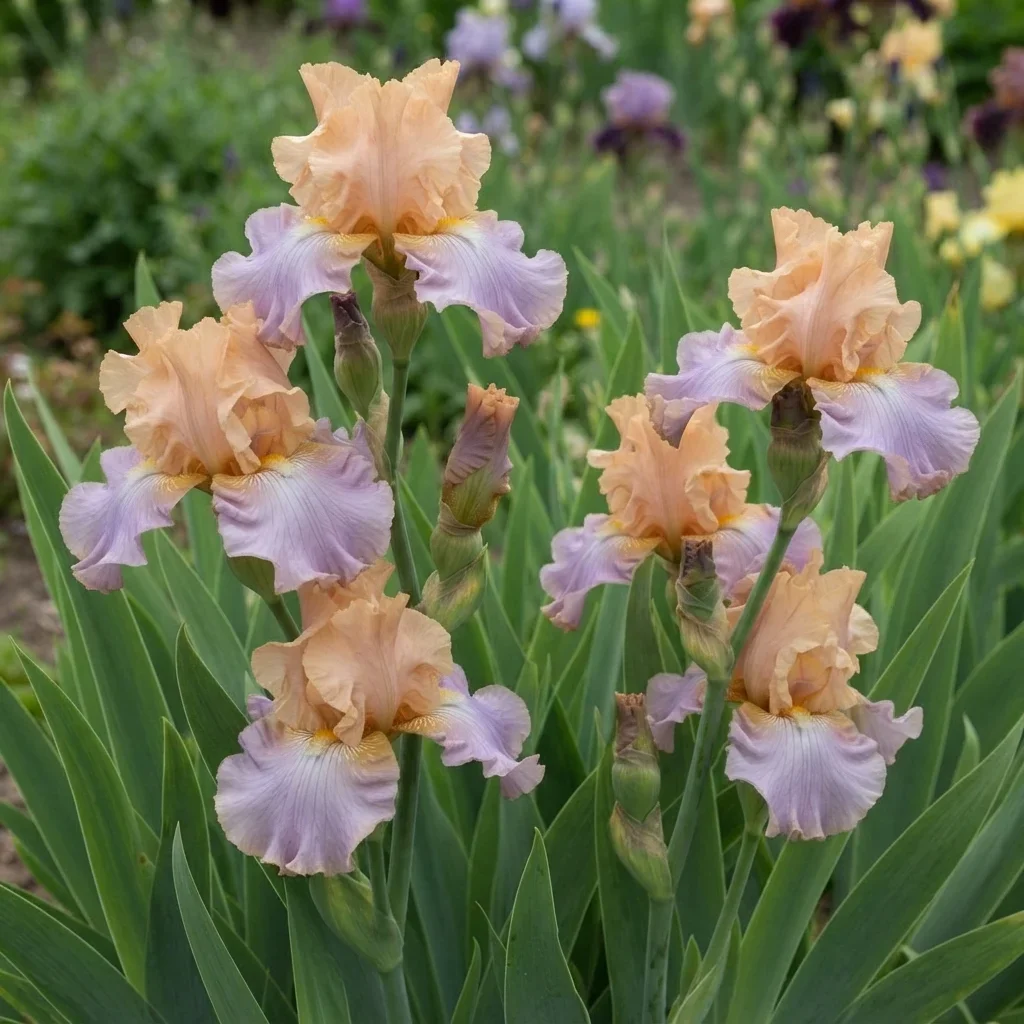
Poem of Ecstasy German Iris
Iris x germanica 'Poem Of Ecstasy'
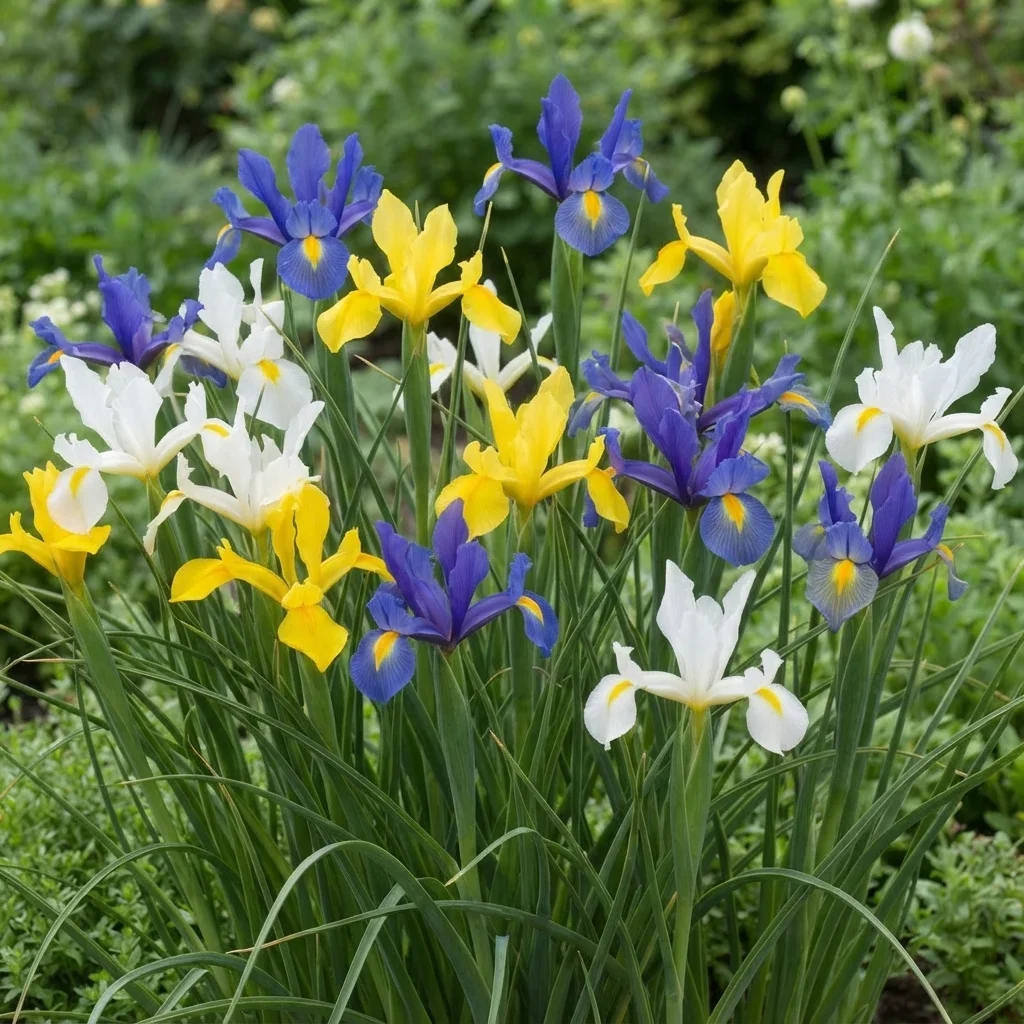
Dutch Iris Mix
Iris x hollandica 'Mix'
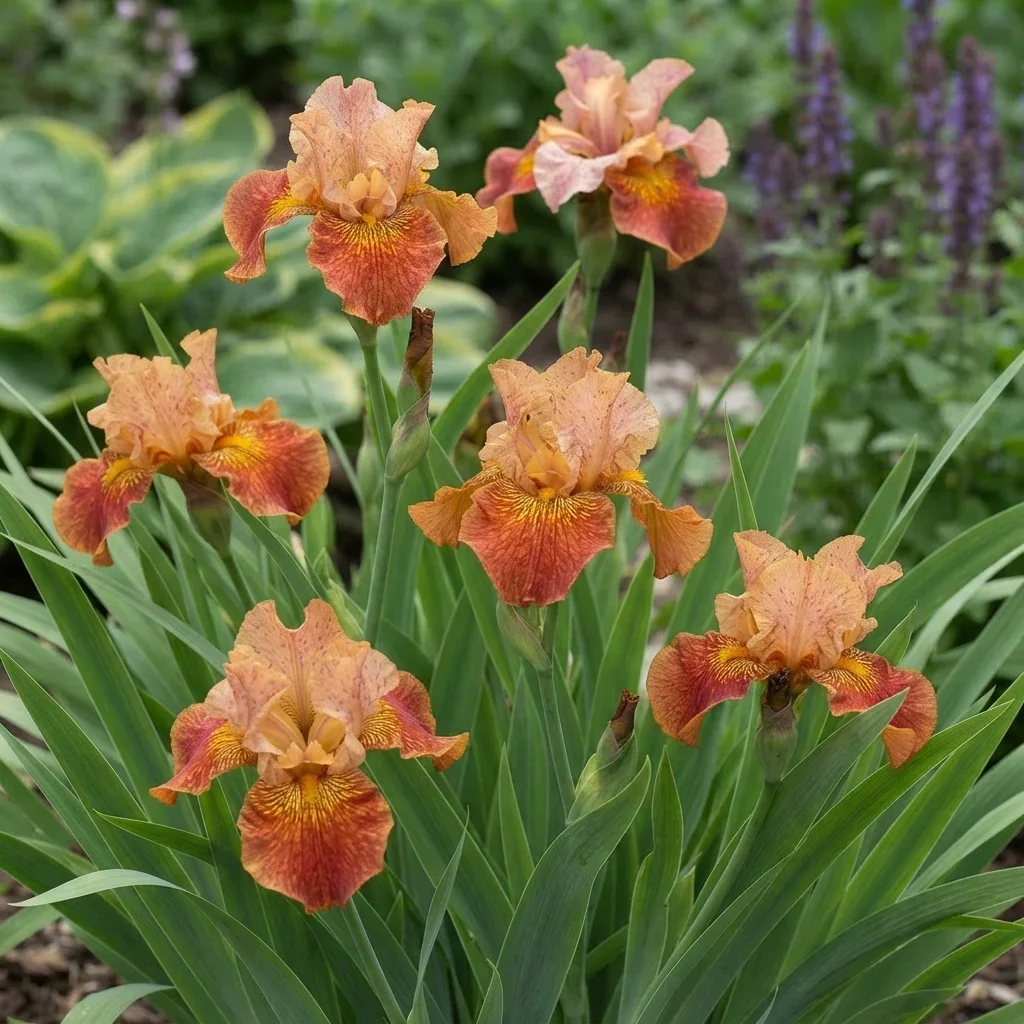
Siberian Iris 'Paprikash'
Iris x hybrida 'Paprikash'
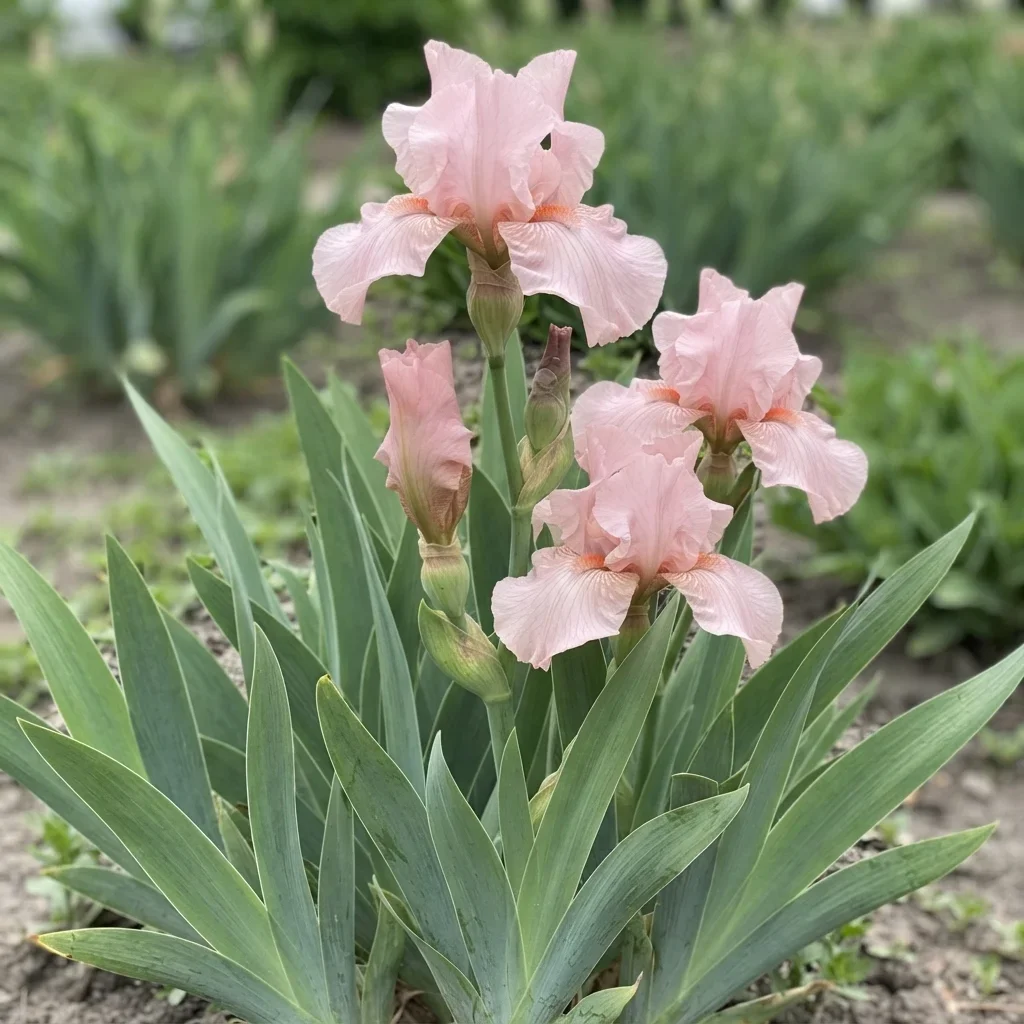
Baboon Bottom Bearded Iris
Iris x germanica 'Baboon Bottom Bearded'
Keep exploring
Explore the genus
Grow Reticulated Iris with confidence
See it in a design of your actual yard, get zone-matched care reminders, and track it season by season in your garden journal.