


The Story
Plant Bio
Ligustrum japonicum is a fast-growing, dense, broadleaf evergreen shrub native to Japan and Korea. It is widely used in landscaping for its durability and adaptability to a wide range of conditions.
'Texanum' is a popular cultivar known for its more compact, slower growth habit and thick, waxy, dark green leaves. It is an excellent choice for formal hedges and topiary as it takes shearing very well.
Uses & Benefits:
Essentials
At a Glance
Plant Type
Shrub
Height
96"
Width
72"
Light
Full Sun, Partial Sun
Zones
7, 8, 9, 10
Water
Low to moderate
Humidity
Adaptable
Lifespan
50+ years
Native To
Japan, Korea (species)
Toxicity
Berries and leaves are toxic if ingested
Bloom period
Late spring – Early summer
In flower about 2 months of the year
Planting
How to Grow
- Choose a site in full sun to part shade with any well-drained soil.
- Dig a hole twice as wide as the root ball and just as deep.
- Place the plant in the hole, ensuring the root flare is at soil level.
- Backfill with soil, firming it gently around the roots.
- Water thoroughly after planting to settle the soil.
- Mulch around the base to conserve water and suppress weeds.
Pro Tip
Shear hedges so they are slightly wider at the base than the top to ensure sunlight reaches the lower branches, preventing legginess.
Keep It Thriving
Care Guide
Do
- Water regularly for the first year to establish a strong root system.
- Prune regularly to maintain the desired shape and density.
- Provide good air circulation to minimize fungal diseases.
- Tolerate a wide range of soil types, including clay.
Don't
- Don't plant in soggy, poorly drained locations.
- Avoid letting it grow untrimmed, as it can become a large, open shrub.
- Be aware of its potential to reseed in some climates.
- Don't ingest any part of the plant; berries and leaves are toxic.
Seasonal Care Calendar
| Task | Jan | Feb | Mar | Apr | May | Jun | Jul | Aug | Sep | Oct | Nov | Dec |
|---|---|---|---|---|---|---|---|---|---|---|---|---|
| Fertilize | ||||||||||||
| Plant | ||||||||||||
| Prune |
Watch Out For
Pests & Diseases
Common Pests
Common Diseases
In the Garden
Landscape Uses & Companions
Landscape Uses
Multiply
Propagation Methods
Good to Know
Common Questions
Waxleaf Privet questions
What zones can Waxleaf Privet grow in?
Waxleaf Privet is hardy in USDA Zones 7–10. Inside that range it survives winter in the ground; outside it, grow it as an annual or a container plant you protect.
Is Waxleaf Privet deer resistant?
Yes — Waxleaf Privet is rated deer-resistant. Deer typically pass it over, though extreme hunger can override any plant's defenses.
When does Waxleaf Privet bloom?
Waxleaf Privet typically blooms in late spring through early summer. Exact timing shifts a week or two with your zone — Sow's bloom calendar maps it to your garden.
Does Waxleaf Privet need full sun?
Waxleaf Privet does best in full sun to part shade. In hot climates, afternoon shade keeps blooms fresher longer.
Is Waxleaf Privet drought tolerant?
Yes — once established (usually after the first full season), Waxleaf Privet handles dry spells with minimal watering. Water deeply its first year to build the root system that makes that possible.
More Ligustrum to compare
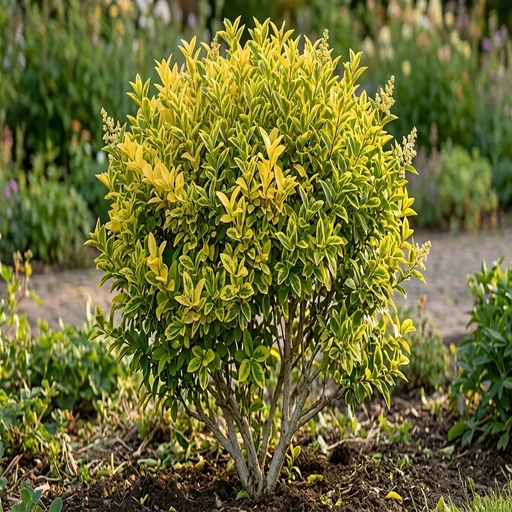
Golden Privet
Ligustrum vicaryi
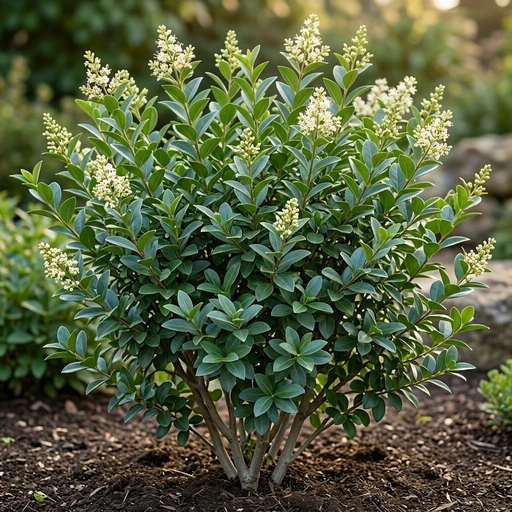
California Privet
Ligustrum ovalifolium
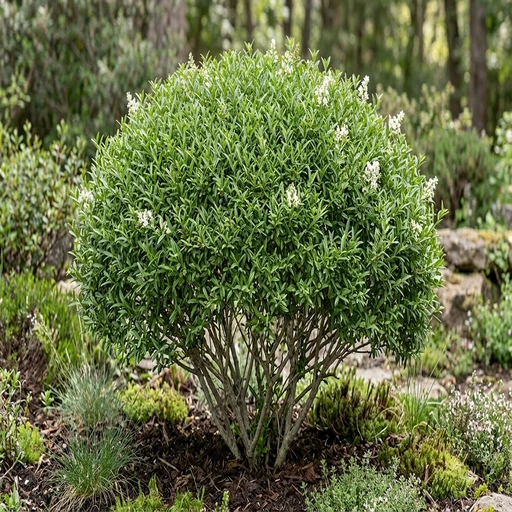
Lodense European Privet
Ligustrum vulgare 'Lodense'
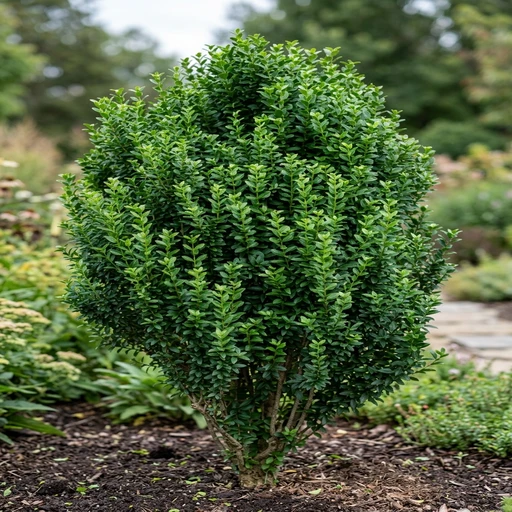
Straight Talk Privet
Ligustrum vulgare 'Straight Talk'
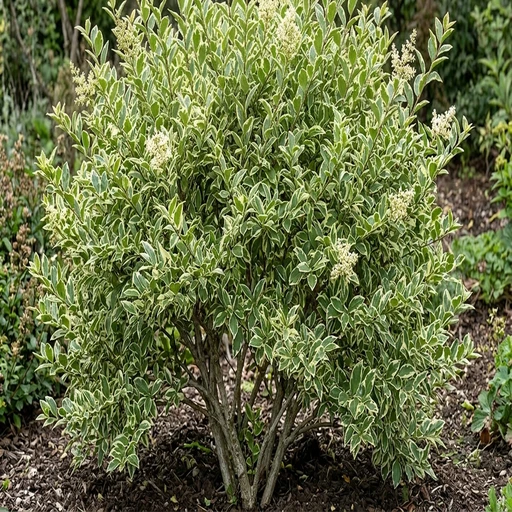
Variegated Chinese Privet
Ligustrum sinense 'Variegatum'
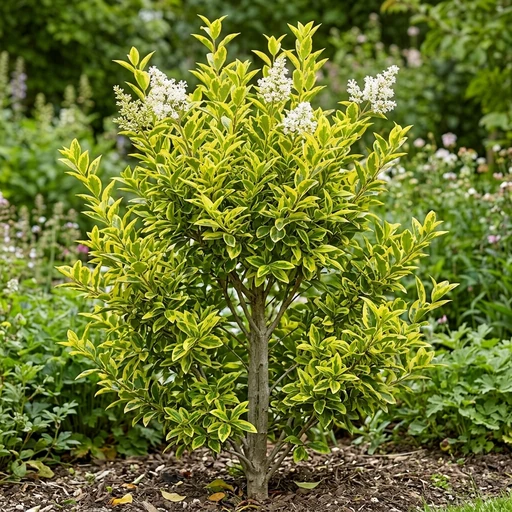
Howard's Ligustrum
Ligustrum japonicum 'Howardi'
Keep exploring
Explore the genus
Hardy in your zone?
Grow Waxleaf Privet with confidence
See it in a design of your actual yard, get zone-matched care reminders, and track it season by season in your garden journal.