Also known as Heavenly Bamboo · 125 saves
Nandina
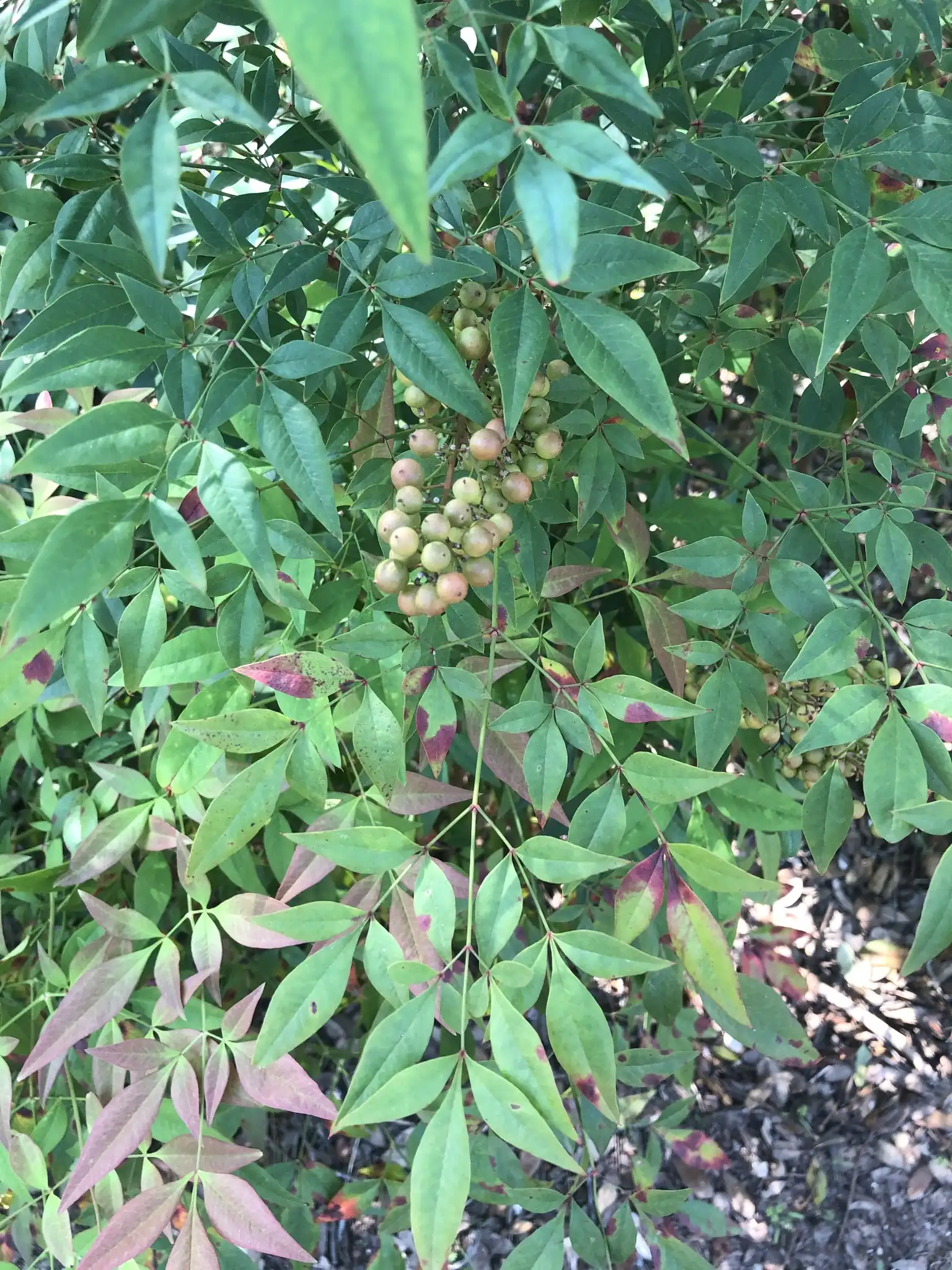
Nandina, the genus most gardeners know as heavenly bamboo. We track 12 varieties; the ones most used by real gardeners.
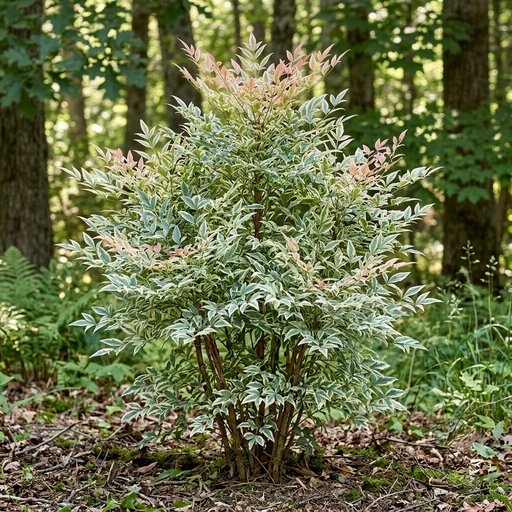
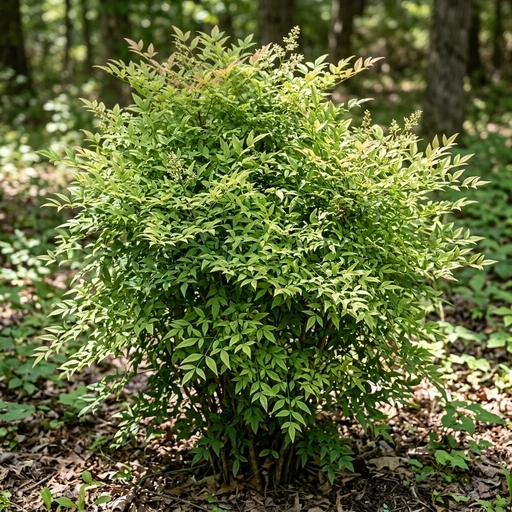
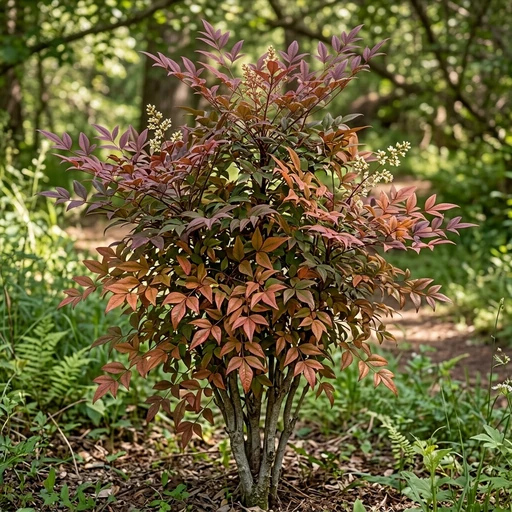
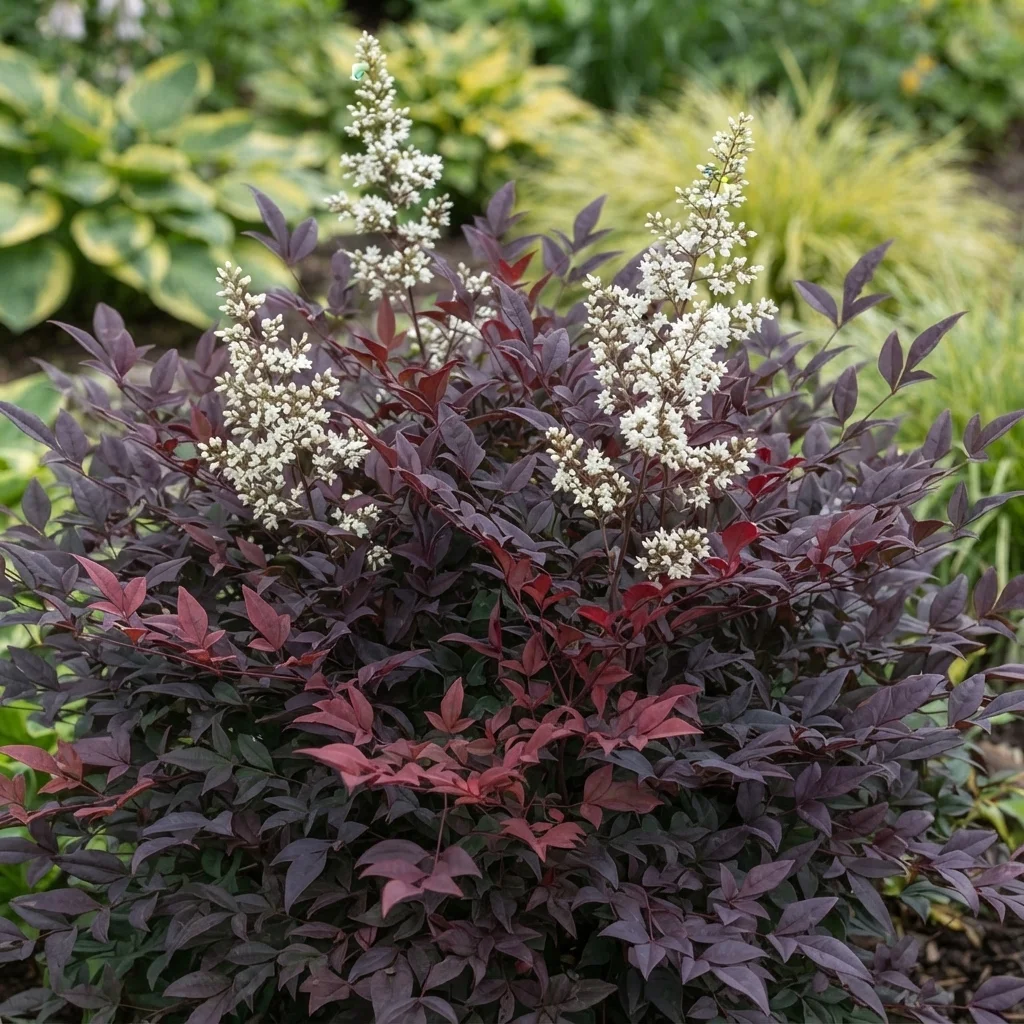
The 8 most-saved Nandina varieties
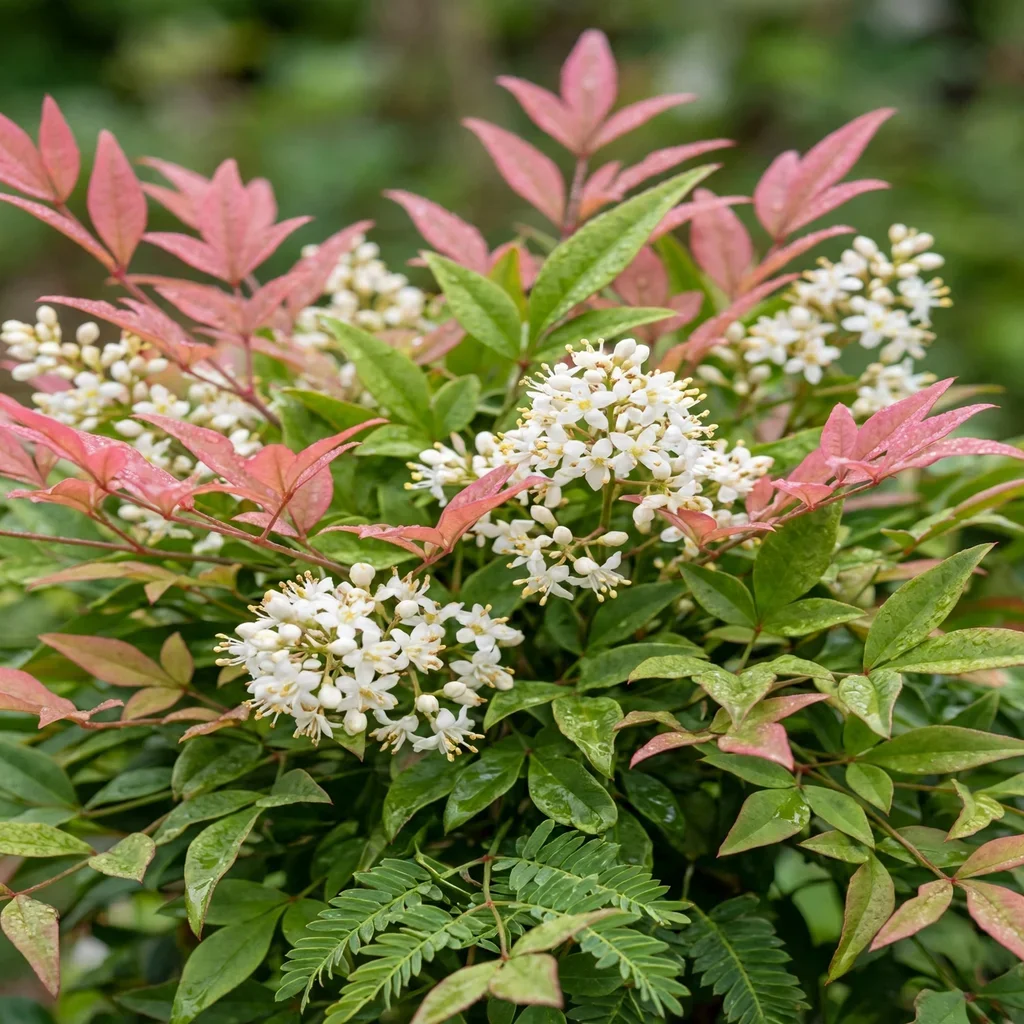
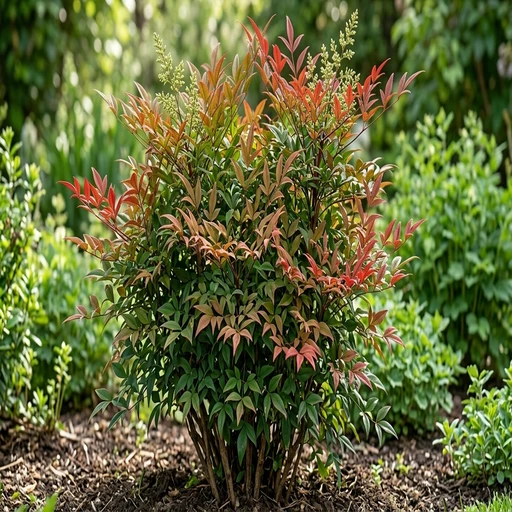
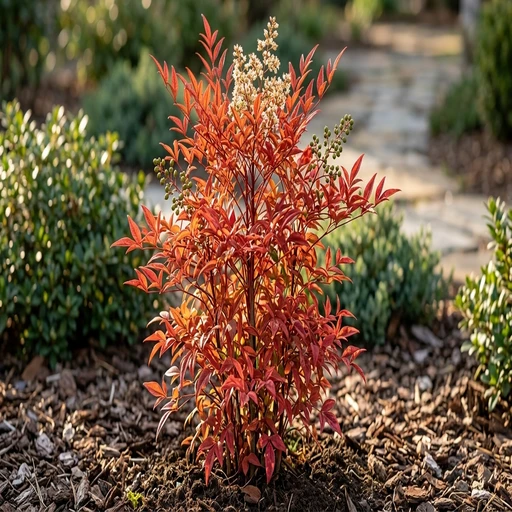
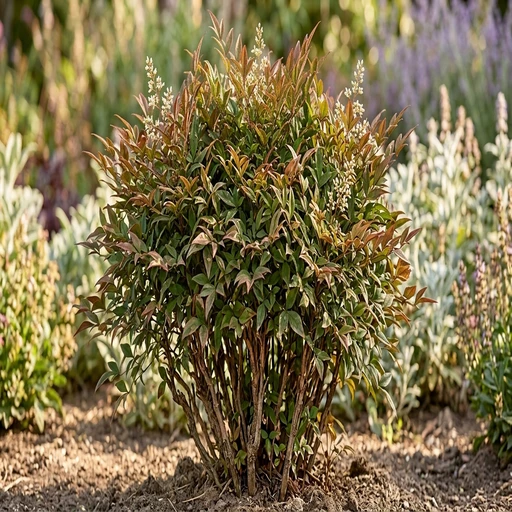
Browse all 12 Nandina varieties →
Species of Nandina
Each one is a parent of the varieties above.
Track your Nandina in Sow
Save the Nandina you grow and get care reminders timed to your zone.
How to grow Nandina
Whats common across all Nandina varieties in our catalog — drawn from the care records of the 12 most-grown of them.
The Nandina year
- PruneFebruary and March92% of varieties
Pruning is rarely needed, but can be done in late winter to shape.
- FertilizeMarch and April67% of varieties
Apply a balanced, slow-release fertilizer as new growth begins
- PlantApril, May, October and November50% of varieties
Plant in spring or fall in well-drained soil.
- MulchApril and May33% of varieties
Apply a layer of mulch in spring to conserve moisture.
- Check for PestsJune and July33% of varieties
Inspect foliage for spider mites and aphids during hot, dry summer months.


Do
- Provide supplemental water during extreme drought.
- Allow the plant to develop its natural, dense shape.
- Enjoy the changing foliage colors throughout the seasons.
- Plant in groups for a dramatic mass planting effect.
- Water during dry spells 🌱
Avoid
- Do not plant in soggy, poorly drained locations.
- Do not plant in waterlogged or constantly wet soil.
- Avoid heavy pruning, which will ruin its natural form.
- Do not rely on it for berries; this cultivar is mostly sterile.
What goes wrong with Nandina
| Problem | What you'll see | What to do |
|---|---|---|
| Aphids | Sticky residue and distorted leaves | Spray with insecticidal soap |
| Scale Insects | Small, hard bumps on stems and leaves, often accompanied by sticky honeydew and sooty mold. | Scrub off light infestations. Apply horticultural oil during the dormant season. Systemic insecticides can be used for heavy infestations. |
| Scale | Small, hard bumps on stems, sometimes with sticky honeydew or sooty mold. | Generally pest-free. If present, use a soft brush to remove them or apply horticultural oil. |
| Spider mites | Fine webbing and yellow stippling appear on foliage during hot, dry weather. | Increase humidity around the plant and spray with a miticide or neem oil. |
| Root rot | Wilting and yellowing leaves | Improve drainage and reduce watering |
| Root Rot | Yellowing leaves, wilting, and overall decline. | This is caused by poor drainage. Ensure soil is well-drained before planting. There is no cure. |
| Chlorosis | Yellowing of leaves while the veins remain green, typically caused by iron deficiency in alkaline soils. | Amend soil with elemental sulfur or iron sulfate to lower pH. Apply chelated iron as a foliar spray or soil drench for a quick fix. |
Making more Nandina
Division
- In early spring, carefully dig up the entire plant clump.
- Use a sharp spade or knife to divide the clump into smaller sections.
- Ensure each division has a good portion of roots and several canes.
- Replant the divisions immediately and water them in well.
Semi-hardwood Cuttings
- Take 6-inch cuttings in summer from current season's growth.
- Remove lower leaves and dip the base in rooting hormone.
- Insert into a mix of perlite and peat.
- Keep moist and humid; roots form in 8-10 weeks.
Nandina questions
How many types of Nandina are there?
The Sow catalog tracks 12 distinct Nandina varieties. The most popular — ranked by 125 real gardeners — are shown first above.
What zones does Nandina grow in?
Across its varieties, Nandina covers USDA Zones 6–10. Individual varieties differ — each plant page lists its exact range, and Sow filters the catalog to your zone automatically.
When does Nandina bloom?
Most Nandina varieties bloom in late spring. Staggering early, mid, and late varieties extends the genus's season in one bed.
Which Nandina should I choose?
Start from the most-saved varieties above — popularity across thousands of gardens is a strong signal of reliability — then filter by your zone and sun. In the Sow app you can preview any of them in a photo of your actual yard before you buy.