
Species
 Cupressus sempervirensItalian Cypress
1 other cultivar
The Story
Plant Bio
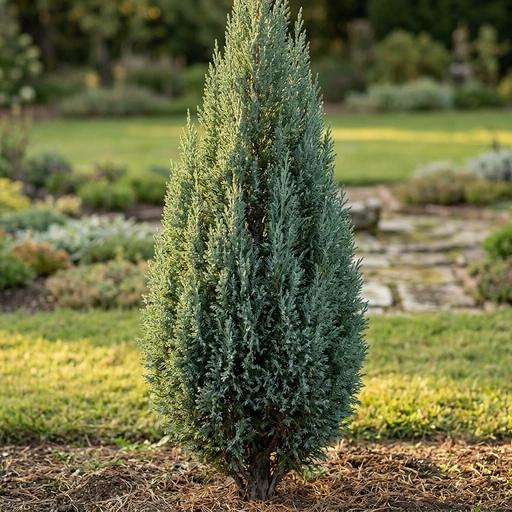
Cupressus sempervirens, the Mediterranean cypress, is a strictly columnar evergreen conifer native to the eastern Mediterranean region and parts of North Africa. It features dense, upright branching and scale-like foliage, producing small, inconspicuous male and female cones in spring.
'Swane's Golden' is a slow-growing cultivar distinguished by its tight, fastigiate form and bright golden-yellow foliage flecked with deeper gold tips on new growth. It maintains its vibrant coloration throughout the year when grown in full sun.
Uses & Benefits:
Essentials
At a Glance
Plant Type
Tree
Height
236"
Width
39"
Light
Full Sun
Zones
7, 8, 9, 10
Water
Low
Humidity
Low
Lifespan
Long-lived
Native To
Eastern Mediterranean, North Africa
Toxicity
Mildly toxic to pets
Bloom period
Spring
In flower about 3 months of the year
Planting
How to Grow
- Select a planting site that receives full sun throughout the day to ensure optimal foliage density and color intensity.
- Ensure the soil is exceptionally well-draining, as the root system is highly intolerant of waterlogged or chronically wet conditions.
- Dig a hole twice as wide as the root ball and plant at the same depth as the container, backfilling with native soil.
- Water deeply to establish the root system, then reduce frequency to allow the soil to dry out between waterings.
Pro Tip
Never prune heavily into old, leafless brown wood, as the plant lacks the ability to back-bud and regenerate from bare timber.
Keep It Thriving
Care Guide
Do
- Plant in a location with excellent air circulation to minimize the risk of fungal cankers.
- Apply a light, slow-release balanced fertilizer in early spring to support new growth.
- Perform light tip-pruning or shearing in late winter or summer to maintain a formal shape.
Don't
- Do not overwater or plant in low-lying areas where water collects, which triggers Phytophthora root rot.
- Do not prune back into the bare, brown interior wood, as it will not regrow.
- Do not plant in deep shade, which causes the foliage to lose its golden hue and thin out.
Seasonal Care Calendar
| Task | Jan | Feb | Mar | Apr | May | Jun | Jul | Aug | Sep | Oct | Nov | Dec |
|---|---|---|---|---|---|---|---|---|---|---|---|---|
| Fertilize | ||||||||||||
| Pest Check | ||||||||||||
| Prune | ||||||||||||
| Winter Prep |
Watch Out For
Pests & Diseases
Common Pests
Common Diseases
In the Garden
Landscape Uses & Companions
Landscape Uses
Multiply
Propagation Methods
Good to Know
Common Questions
Swane's Golden Pencil Pine questions
What zones can Swane's Golden Pencil Pine grow in?
Swane's Golden Pencil Pine is hardy in USDA Zones 7–10. Inside that range it survives winter in the ground; outside it, grow it as an annual or a container plant you protect.
Is Swane's Golden Pencil Pine deer resistant?
Not reliably. Deer may browse Swane's Golden Pencil Pine, especially tender spring growth — plan on repellents or fencing where pressure is high.
When does Swane's Golden Pencil Pine bloom?
Swane's Golden Pencil Pine typically blooms in spring through spring. Exact timing shifts a week or two with your zone — Sow's bloom calendar maps it to your garden.
Does Swane's Golden Pencil Pine need full sun?
Swane's Golden Pencil Pine does best in full sun (6+ hours).
Is Swane's Golden Pencil Pine drought tolerant?
Yes — once established (usually after the first full season), Swane's Golden Pencil Pine handles dry spells with minimal watering. Water deeply its first year to build the root system that makes that possible.
More Cupressus to compare
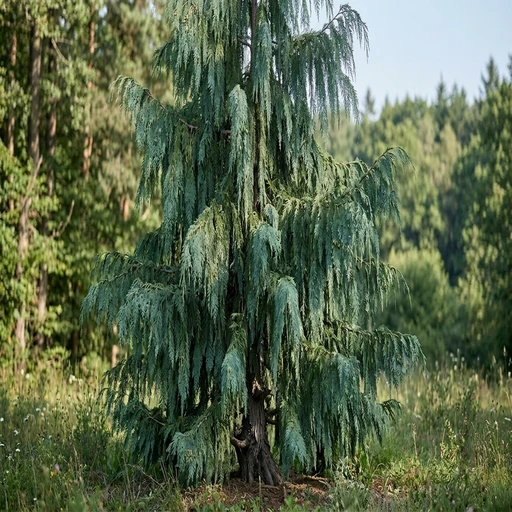
Weeping Blue Nootka Cypress
Cupressus nootkatensis 'Glauca Pendula'
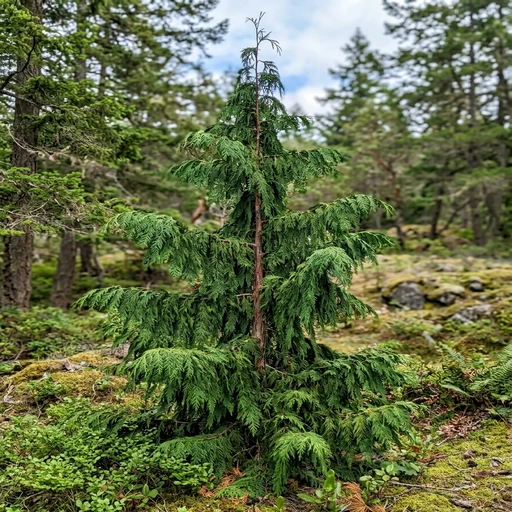
Weeping Nootka Cypress
Cupressus nootkatensis 'Pendula'
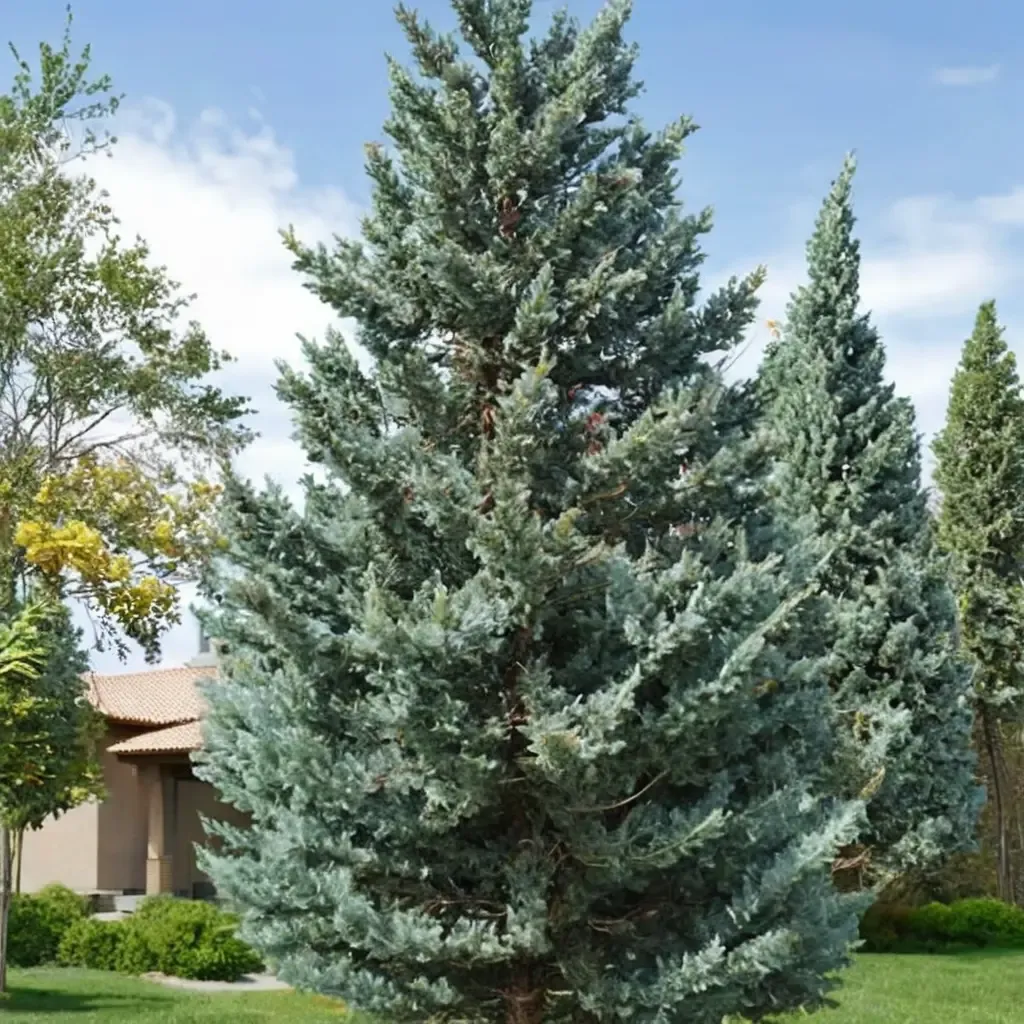
Arizona Cypress
Cupressus arizonica
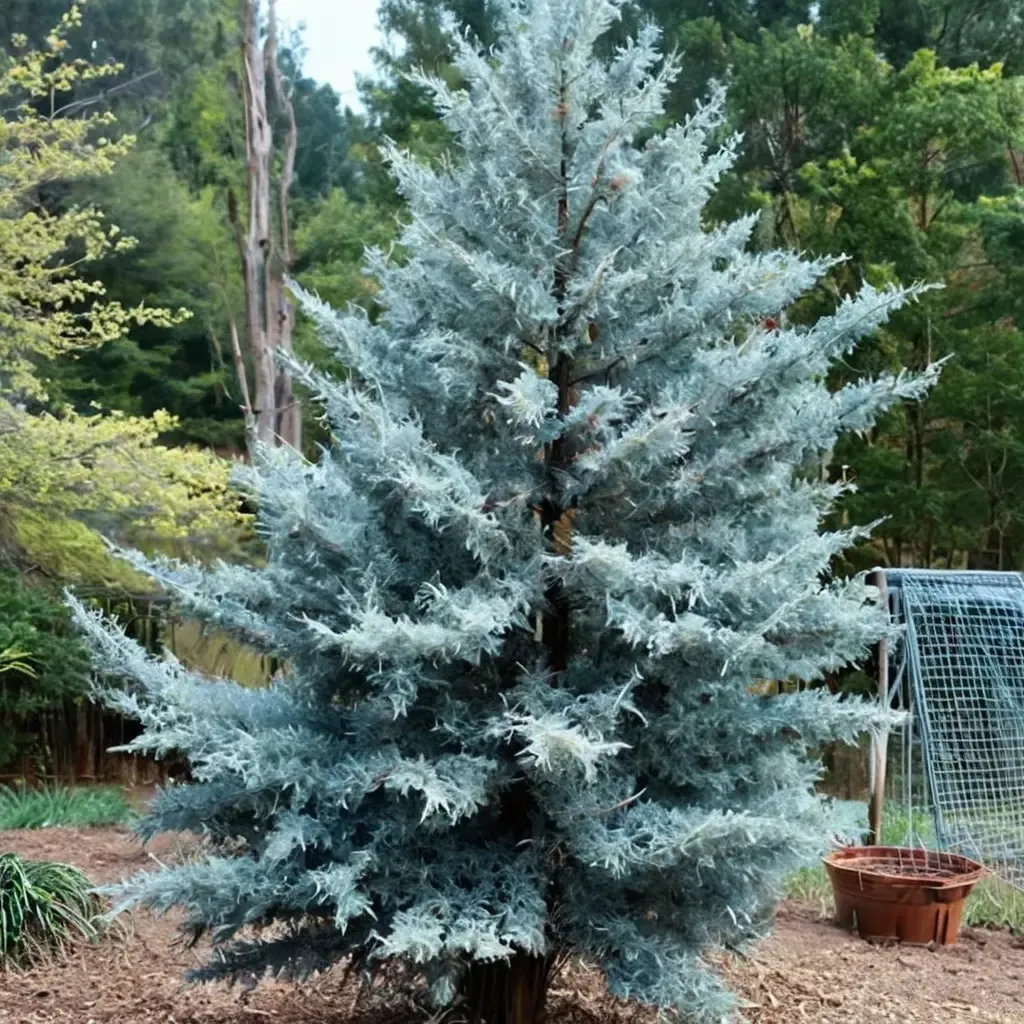
Blue Ice Arizona Cypress
Cupressus arizonica 'Blue Ice'
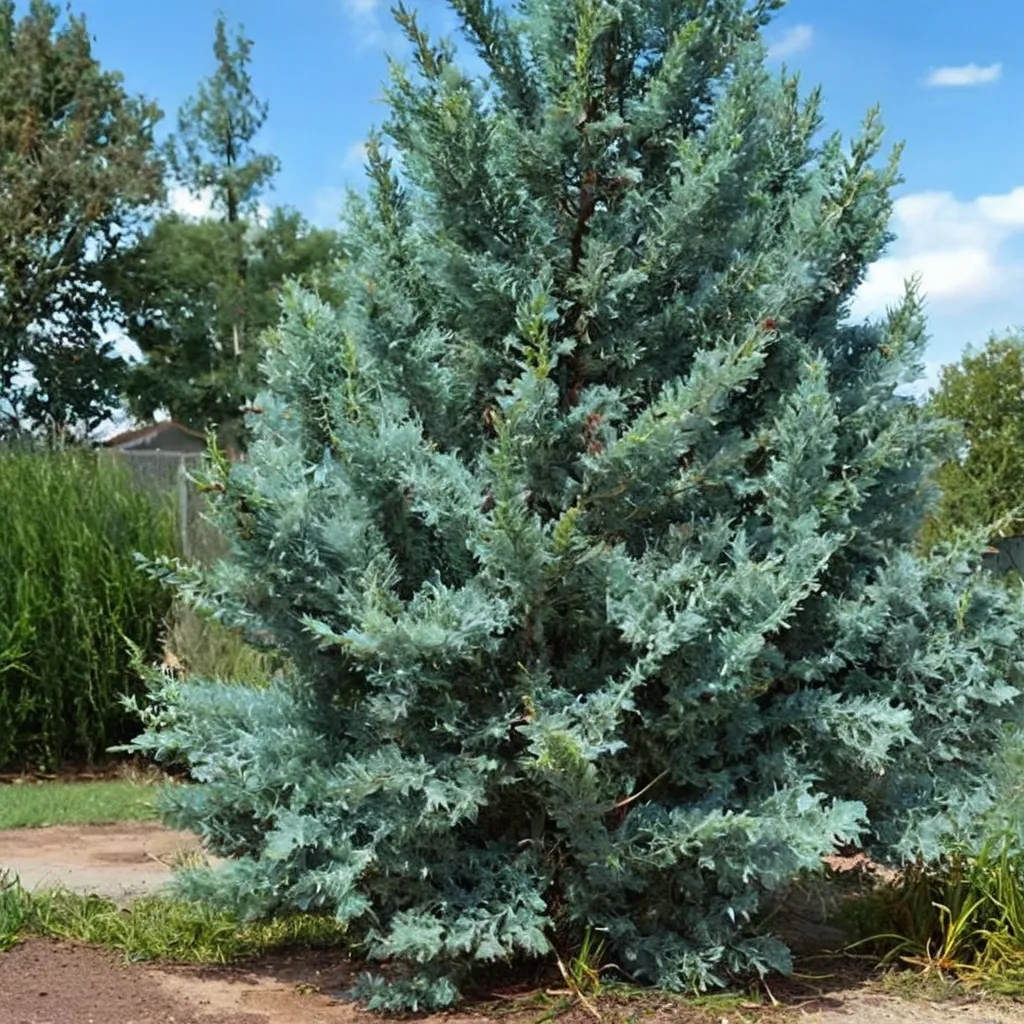
Arizona Cypress Carolina Sapphire
Cupressus arizonica 'Carolina Sapphire'
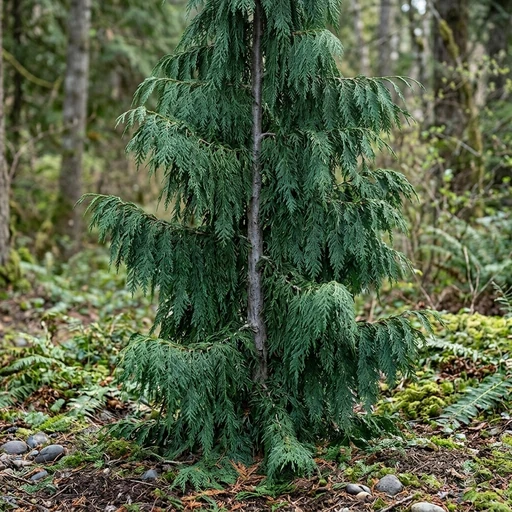
Green Arrow Nootka Cypress
Cupressus nootkatensis 'Green Arrow'
Keep exploring
Explore the genus
Hardy in your zone?
Grow Swane's Golden Pencil Pine with confidence
See it in a design of your actual yard, get zone-matched care reminders, and track it season by season in your garden journal.