The Story
Plant Bio
Iris foetidissima, the stinking iris, is a clump-forming evergreen perennial with tough, compact rhizomes and leathery, dark green, sword-shaped leaves. The foliage emits a pungent, meaty aroma when crushed, serving as a natural defense mechanism.
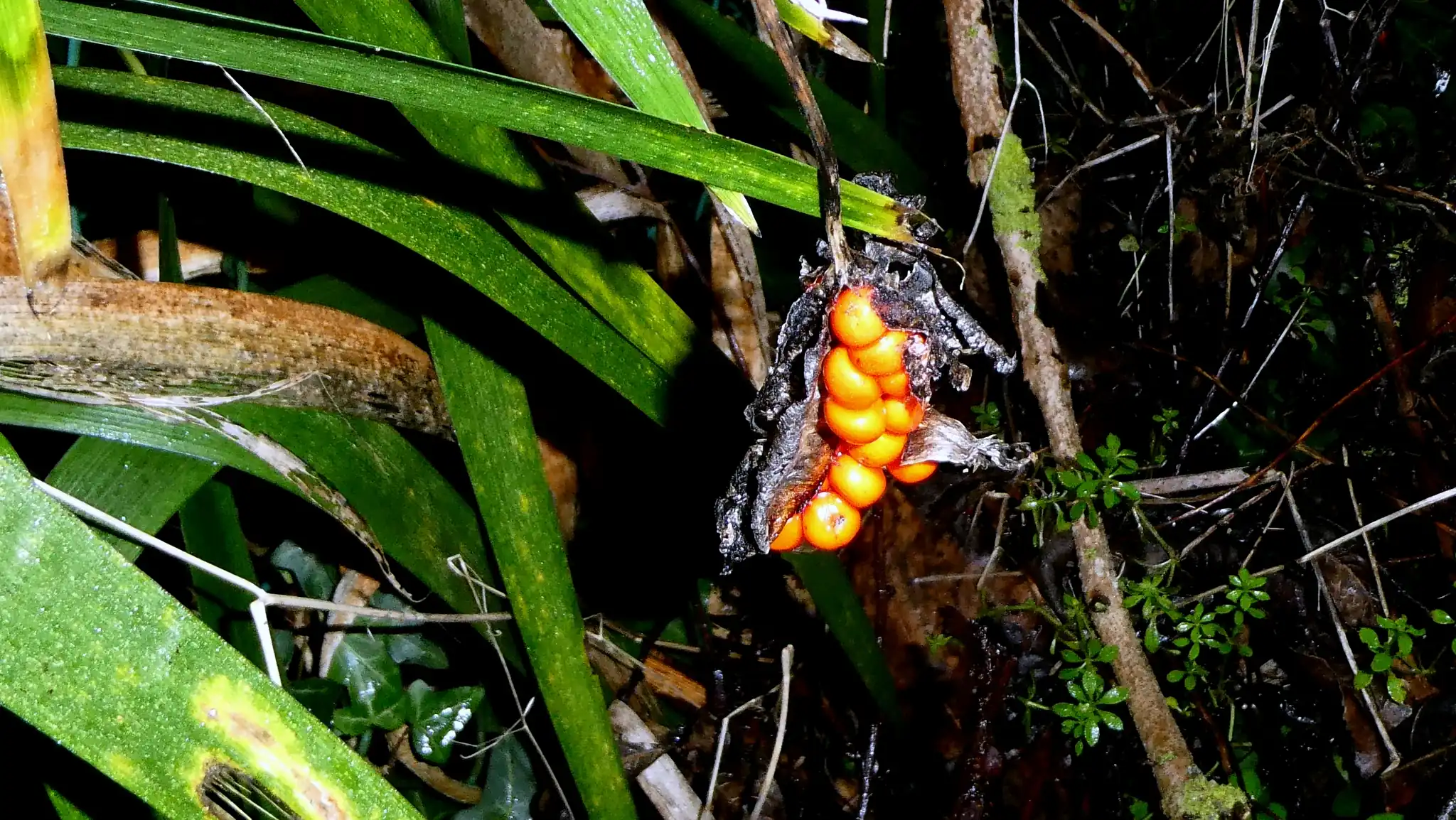
The species produces inconspicuous, dull greyish-purple flowers in spring that develop into prominent tri-lobed capsules. In fall, these capsules split open to display persistent, brilliant orange-red seeds that remain attractive through winter.
Uses & Benefits:
Essentials
At a Glance
Plant Type
Perennial
Height
30"
Width
18"
Light
Full Sun, Partial Sun, Shade
Zones
7, 8, 9, 10
Water
Low to moderate
Humidity
Unknown
Lifespan
Perennial
Native To
Europe, North Africa
Toxicity
Toxic to dogs, cats, and horses
Bloom period
Spring – Early summer
In flower about 4 months of the year
Planting
How to Grow
- Select a planting site in light to full shade, ideally under a tree canopy with well-drained soil.
- Plant rhizomes just below the soil surface, spacing them 12 to 18 inches apart to allow for slow clumping.
- Water moderately during the first growing season to help the root system establish amid tree root competition.
- Apply a thin layer of organic compost or leaf mold annually to mimic natural woodland soil conditions.
Pro Tip
Establish the plants undisturbed in dry shade without root competition during their first season; once settled, they require no supplemental fertilizer or regular watering.
Keep It Thriving
Care Guide
Do
- Remove tattered or dying leaves at the base in late fall or winter.
- Divide congested clumps in spring or fall only every few years to minimize root disturbance.
- Wear gloves when handling foliage if you have sensitive skin to avoid potential irritation.
Don't
- Do not cut into the old, leafless woody rhizome tissue when pruning.
- Avoid over-fertilizing, which can degrade the plant's natural resilience and form.
- Do not plant in poorly drained, waterlogged soils where rhizome rot can occur.
Seasonal Care Calendar
| Task | Jan | Feb | Mar | Apr | May | Jun | Jul | Aug | Sep | Oct | Nov | Dec |
|---|---|---|---|---|---|---|---|---|---|---|---|---|
| Divide | ||||||||||||
| Mulch | ||||||||||||
| Pest Check | ||||||||||||
| Spring Cleanup |
Watch Out For
Pests & Diseases
Common Pests
Common Diseases
In the Garden
Landscape Uses & Companions
Landscape Uses
Companion Plants
Multiply
Propagation Methods
Good to Know
Common Questions
Stinking Iris questions
What zones can Stinking Iris grow in?
Stinking Iris is hardy in USDA Zones 7–10. Inside that range it survives winter in the ground; outside it, grow it as an annual or a container plant you protect.
When does Stinking Iris bloom?
Stinking Iris typically blooms in spring through early summer. Exact timing shifts a week or two with your zone — Sow's bloom calendar maps it to your garden.
Does Stinking Iris need full sun?
Stinking Iris does best in full sun to part shade. In hot climates, afternoon shade keeps blooms fresher longer.
Is Stinking Iris drought tolerant?
Yes — once established (usually after the first full season), Stinking Iris handles dry spells with minimal watering. Water deeply its first year to build the root system that makes that possible.
More Iris to compare
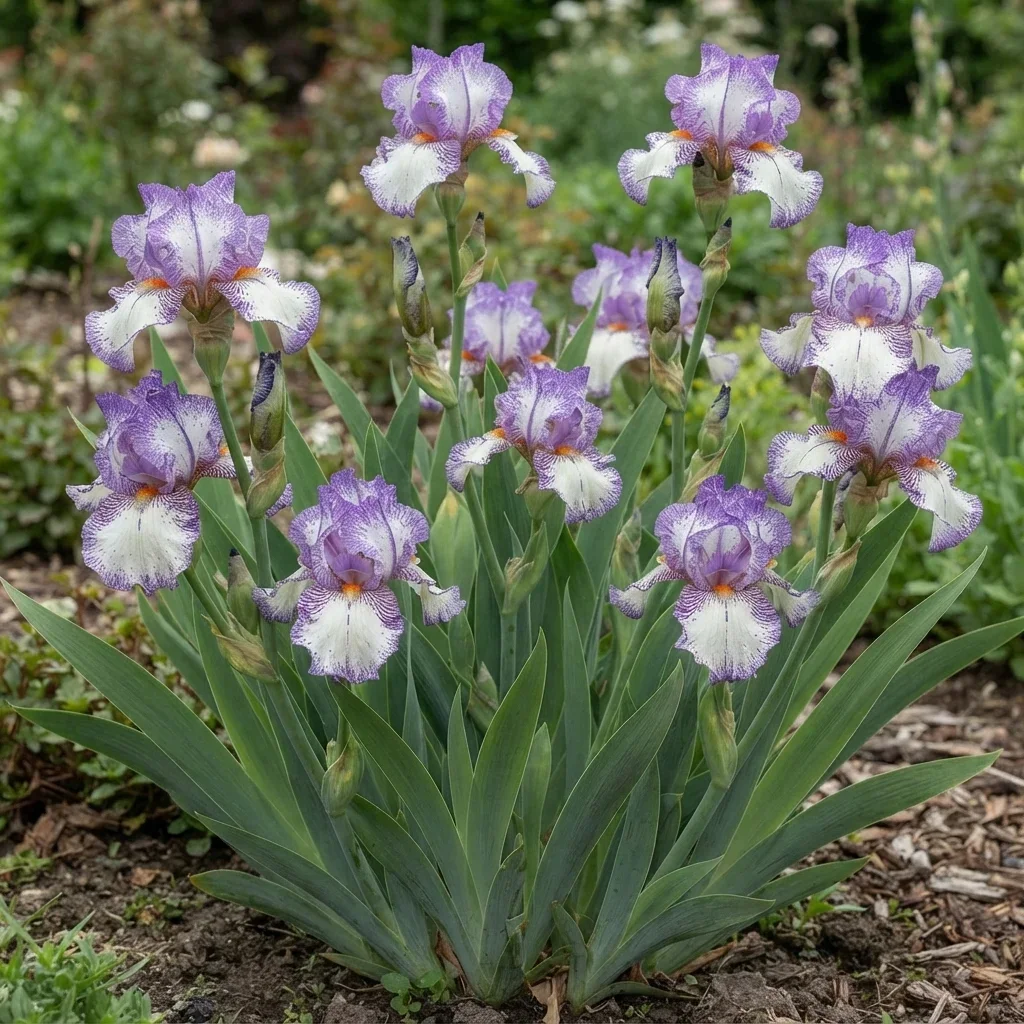
German Iris Bearded Iris
Iris x germanica 'Mix'
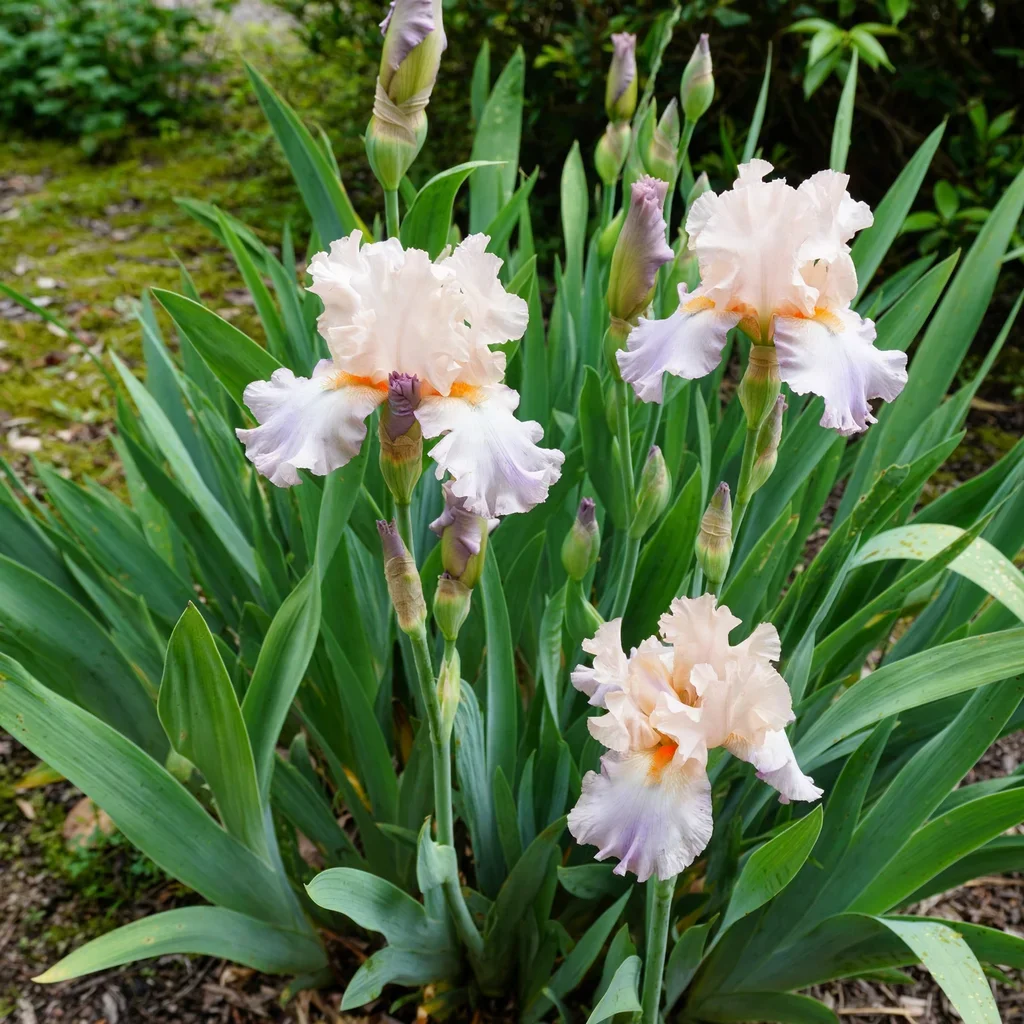
Celebration Song Iris
Iris tenuissima 'Celebration Song'
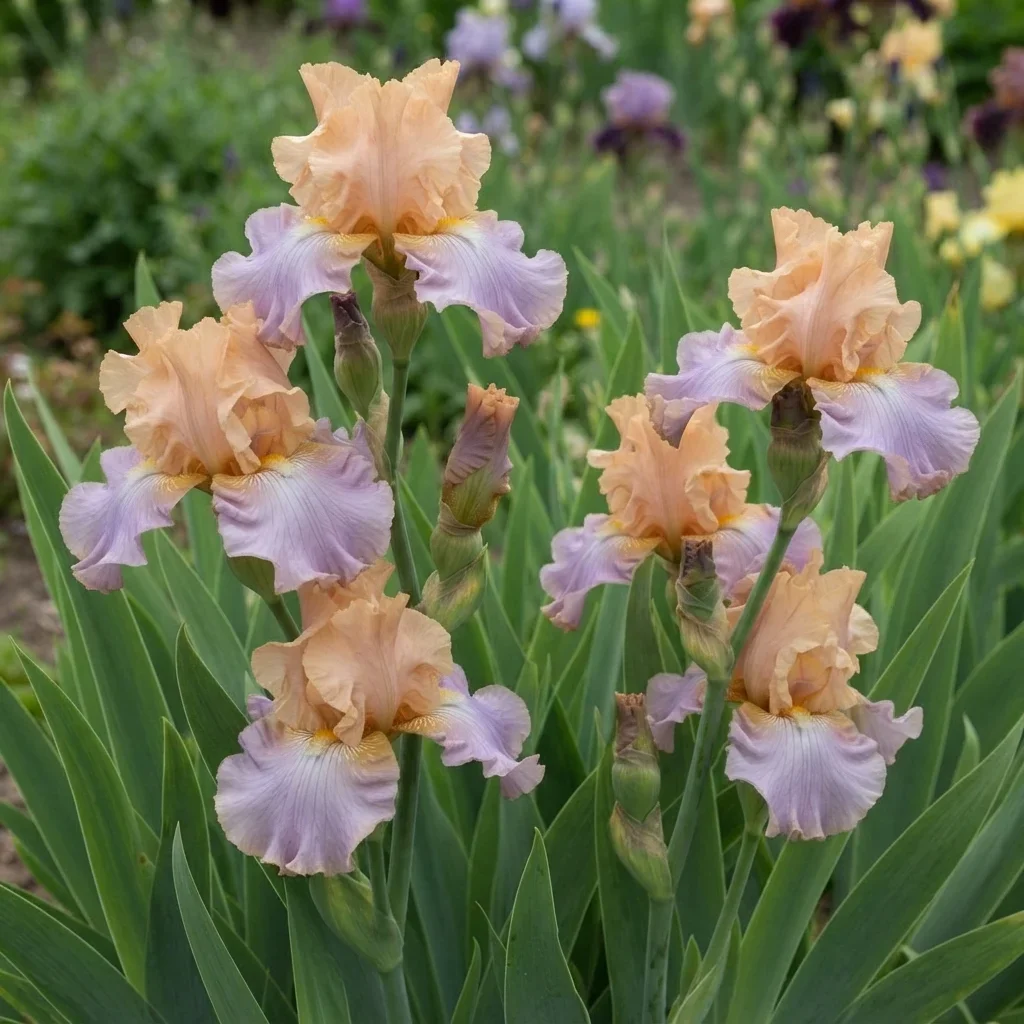
Poem of Ecstasy German Iris
Iris x germanica 'Poem Of Ecstasy'
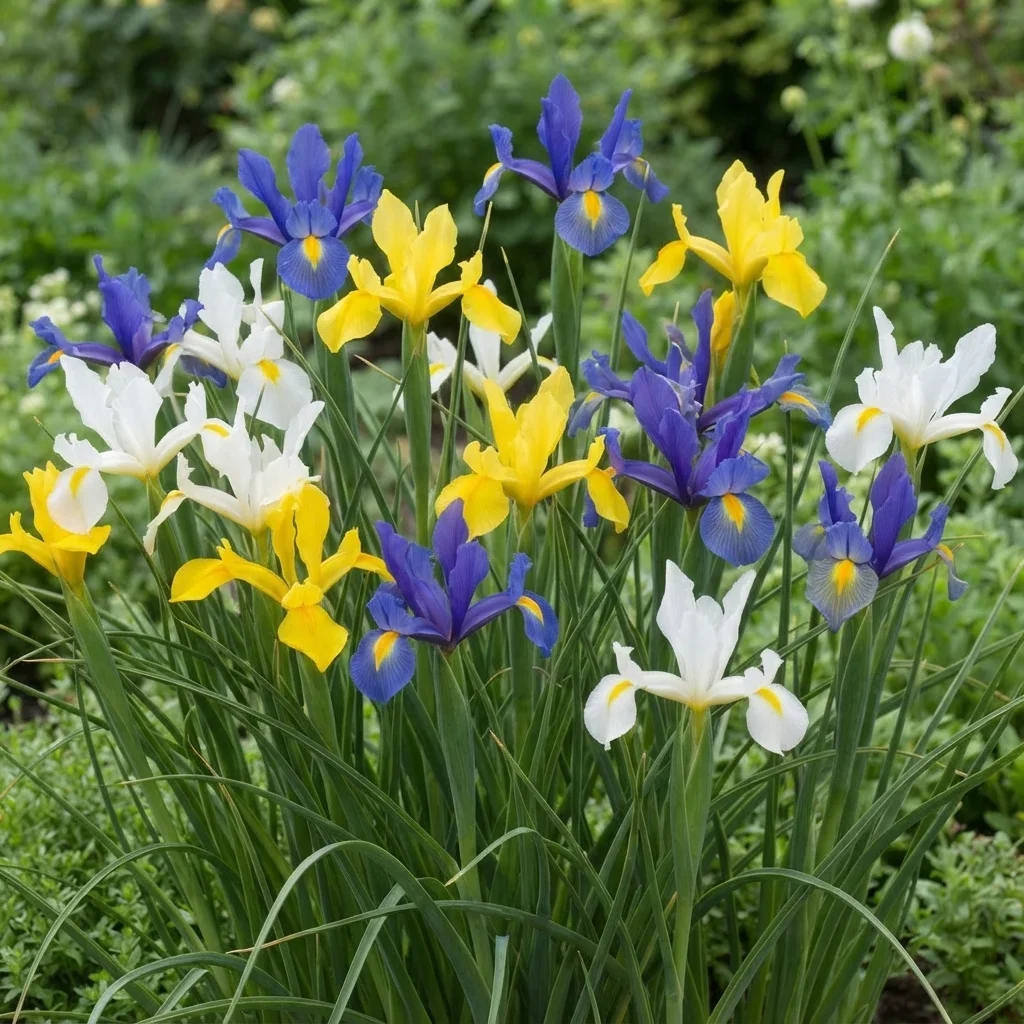
Dutch Iris Mix
Iris x hollandica 'Mix'
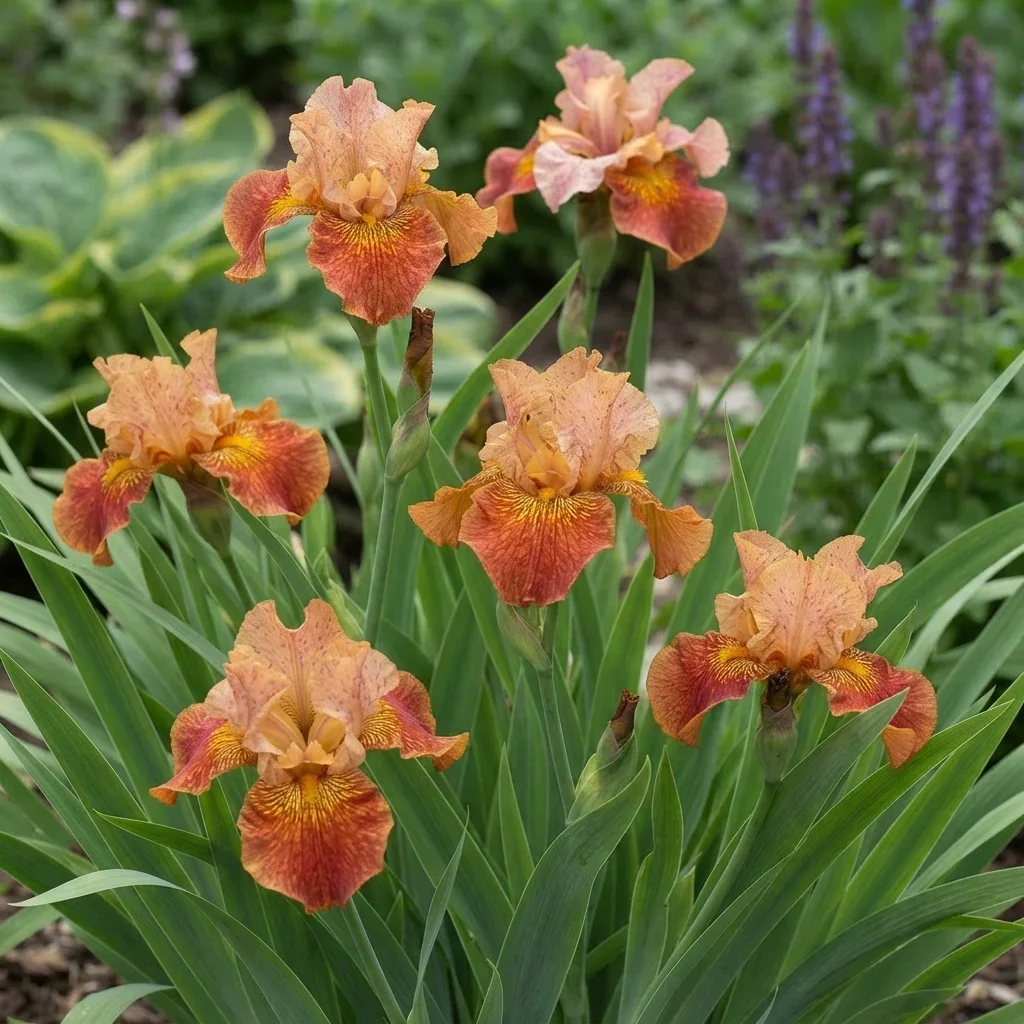
Siberian Iris 'Paprikash'
Iris x hybrida 'Paprikash'
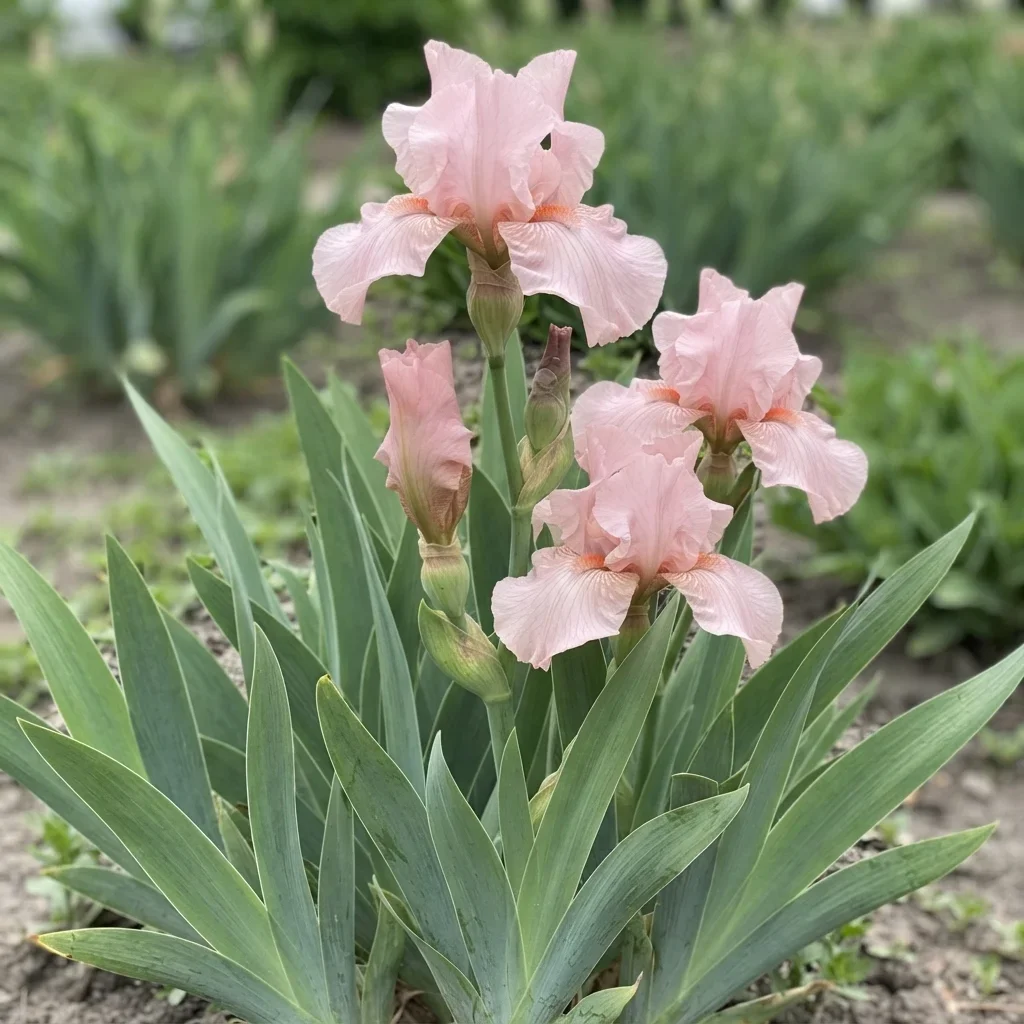
Baboon Bottom Bearded Iris
Iris x germanica 'Baboon Bottom Bearded'
Keep exploring
Explore the genus
Hardy in your zone?
Grow Stinking Iris with confidence
See it in a design of your actual yard, get zone-matched care reminders, and track it season by season in your garden journal.