The Story
Plant Bio
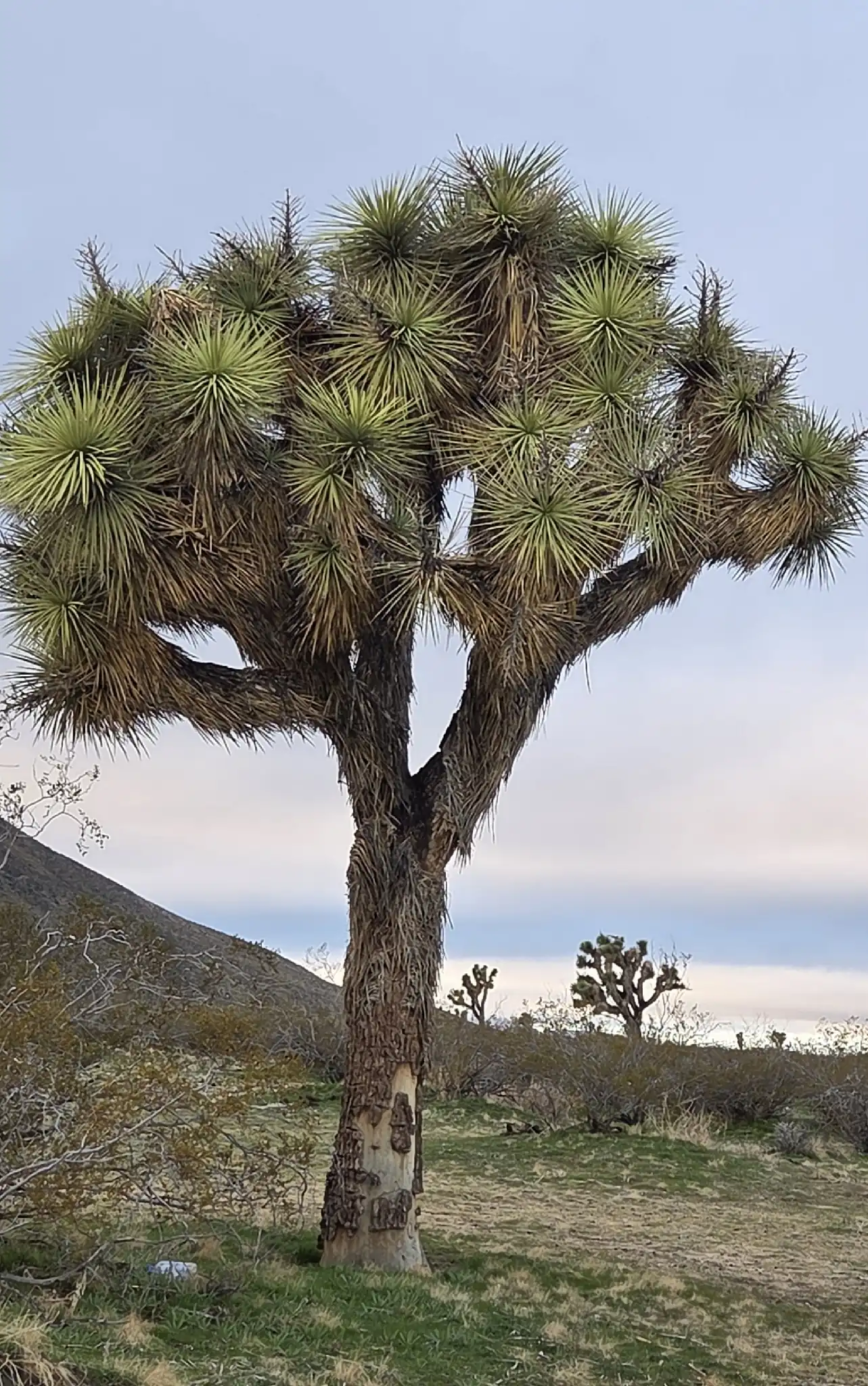
Yucca brevifolia, commonly known as the Joshua tree, is an arborescent evergreen succulent native to the Mojave Desert with a heavy, branching trunk and dense rosettes of stiff, spine-tipped leaves. In spring, mature trees produce compact, upright panicles of bell-shaped, creamy-white flowers at the branch tips.
This iconic desert species is distinguished by its erratic, zig-zag branching structure and thick skirts of persistent dead foliage lining the upper trunks. New leaves emerge light green from the center of each rosette, hardening into rigid, dark green blades with sharply serrated margins.
Uses & Benefits:
Essentials
At a Glance
Plant Type
Cactus Succulent
Height
240"
Width
120"
Light
Full Sun
Zones
8, 9, 10
Water
Low
Humidity
Low
Lifespan
Perennial
Native To
North America
Toxicity
Sharp terminal spines cause puncture wounds; leaf sap can cause skin irritation
Bloom period
Spring
In flower about 3 months of the year
Planting
How to Grow
- Select a site that receives unfiltered, full sun for at least eight hours daily.
- Excavate a planting hole in lean, well-draining mineral soil or pure sandy loam, avoiding organic soil amendments.
- Position the root ball flush with the surrounding grade and backfill with native sand or gravel.
- Water lightly at planting to settle the soil, then allow the root zone to dry out completely between irrigation sessions.
Pro Tip
Plant exclusively in coarse, unamended mineral sand or gravel in full sun, and withhold all summer irrigation once the plant is established.
Keep It Thriving
Care Guide
Do
- Plant in fast-draining coarse sand or gravel mixes.
- Provide intense, full sun exposure year-round.
- Allow the soil to dry out fully between deep waterings during initial establishment.
Don't
- Do not add compost, peat moss, or organic matter to the planting hole.
- Do not irrigate during warm summer months once established.
- Do not prune live green leaves or cut back into old leafless wood.
Seasonal Care Calendar
| Task | Jan | Feb | Mar | Apr | May | Jun | Jul | Aug | Sep | Oct | Nov | Dec |
|---|---|---|---|---|---|---|---|---|---|---|---|---|
| Fertilize | ||||||||||||
| Pest Check | ||||||||||||
| Spring Cleanup | ||||||||||||
| Winter Prep |
Watch Out For
Pests & Diseases
Common Pests
Common Diseases
In the Garden
Landscape Uses & Companions
Landscape Uses
Multiply
Propagation Methods
Good to Know
Common Questions
Joshua Tree questions
What zones can Joshua Tree grow in?
Joshua Tree is hardy in USDA Zones 8–10. Inside that range it survives winter in the ground; outside it, grow it as an annual or a container plant you protect.
Is Joshua Tree deer resistant?
Yes — Joshua Tree is rated deer-resistant. Deer typically pass it over, though extreme hunger can override any plant's defenses.
When does Joshua Tree bloom?
Joshua Tree typically blooms in spring through spring. Exact timing shifts a week or two with your zone — Sow's bloom calendar maps it to your garden.
Does Joshua Tree need full sun?
Joshua Tree does best in full sun (6+ hours).
Is Joshua Tree drought tolerant?
Yes — once established (usually after the first full season), Joshua Tree handles dry spells with minimal watering. Water deeply its first year to build the root system that makes that possible.
More Yucca to compare
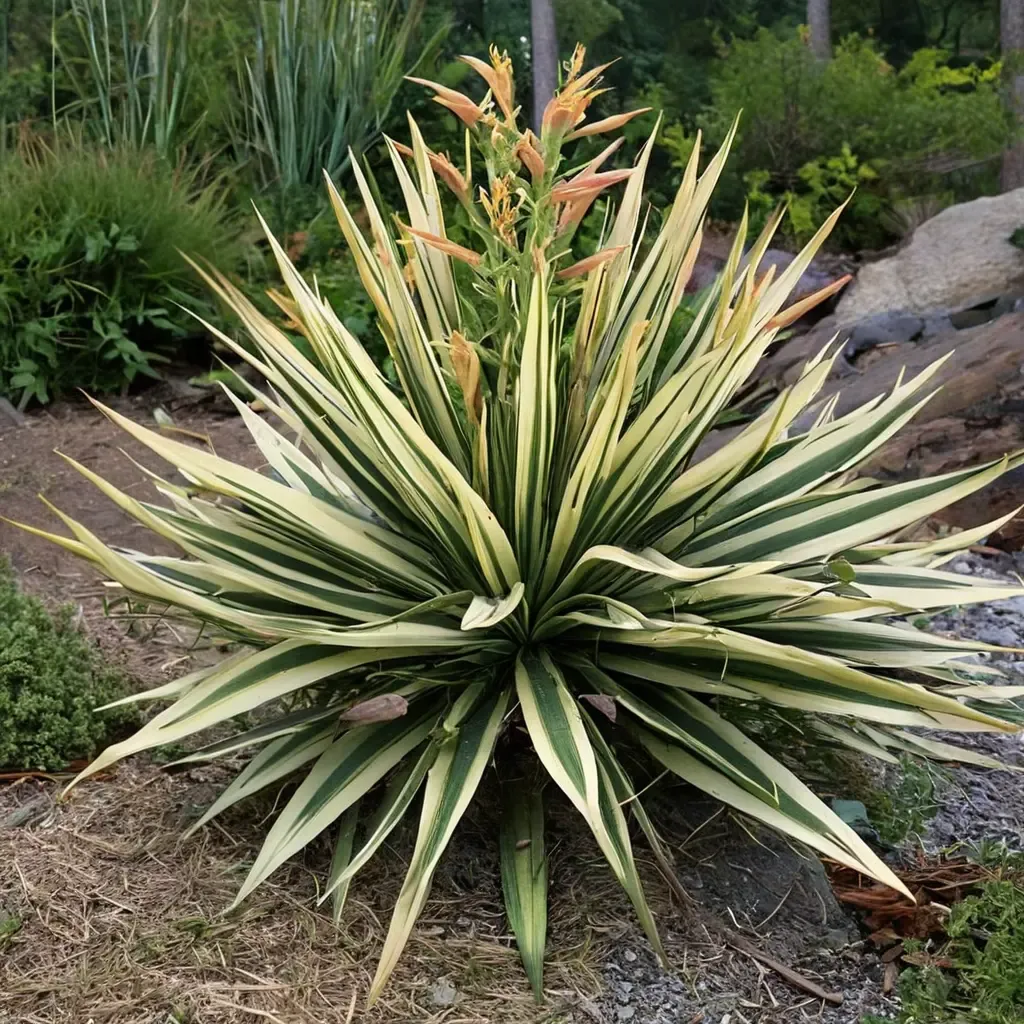
Color Guard Yucca
Yucca flaccida 'Color Guard'
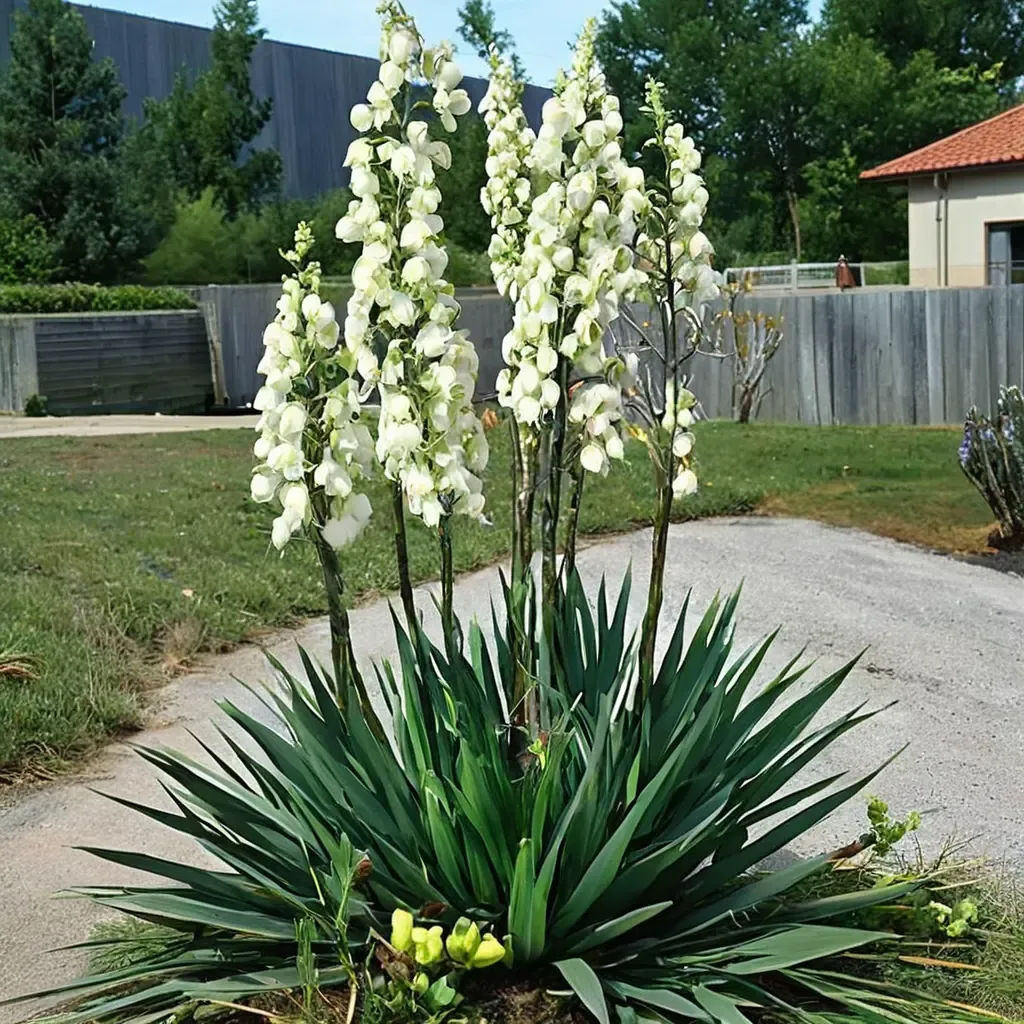
Adam's Needle
Yucca filamentosa
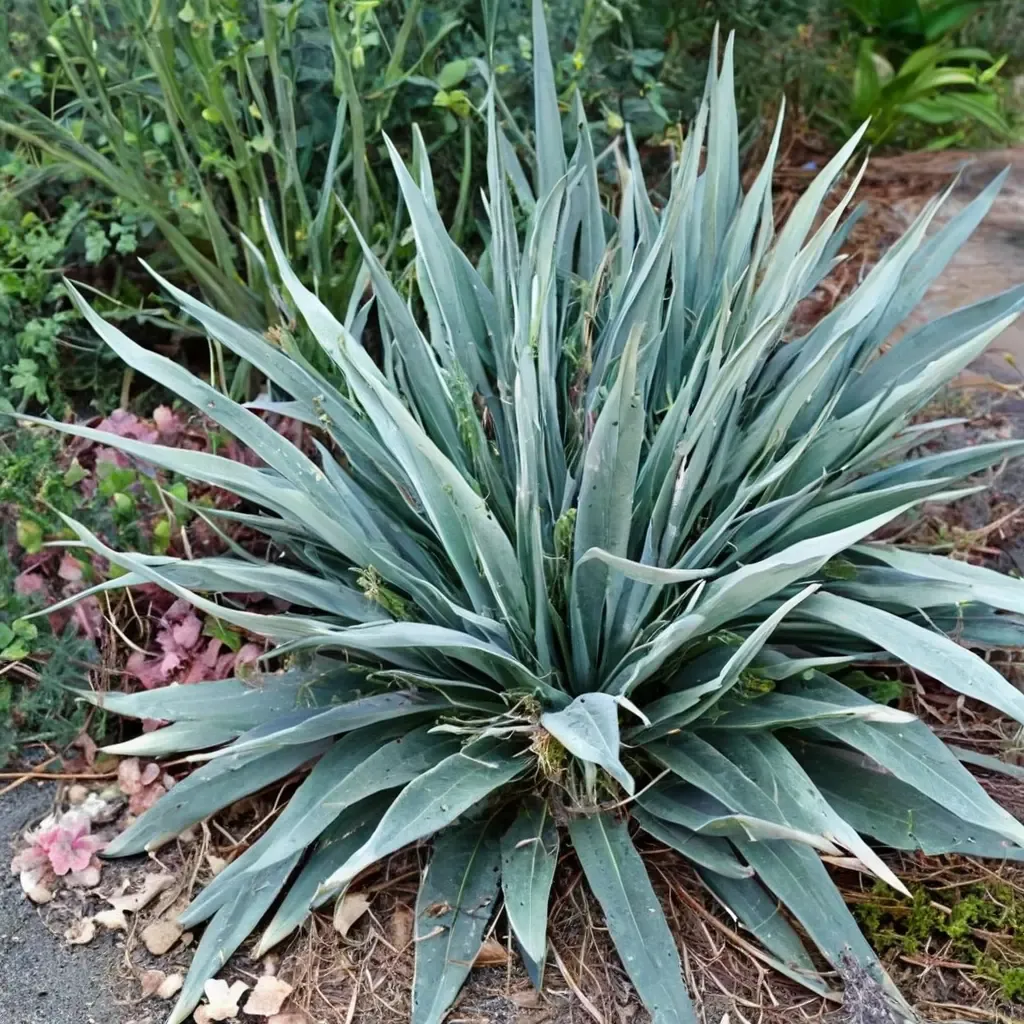
Weak-leaf Yucca
Yucca flaccida 'Hairy'
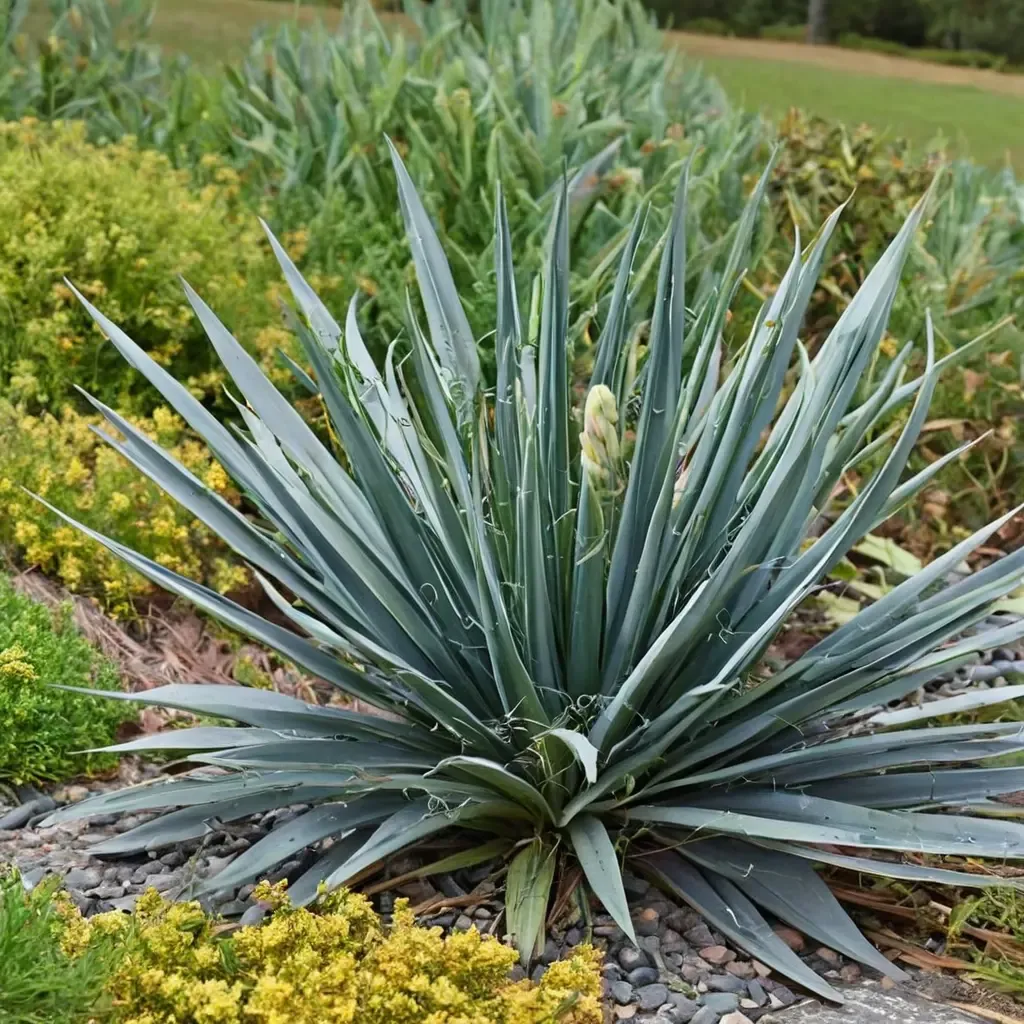
Excalibur Yucca
Yucca filamentosa 'Excalibur'
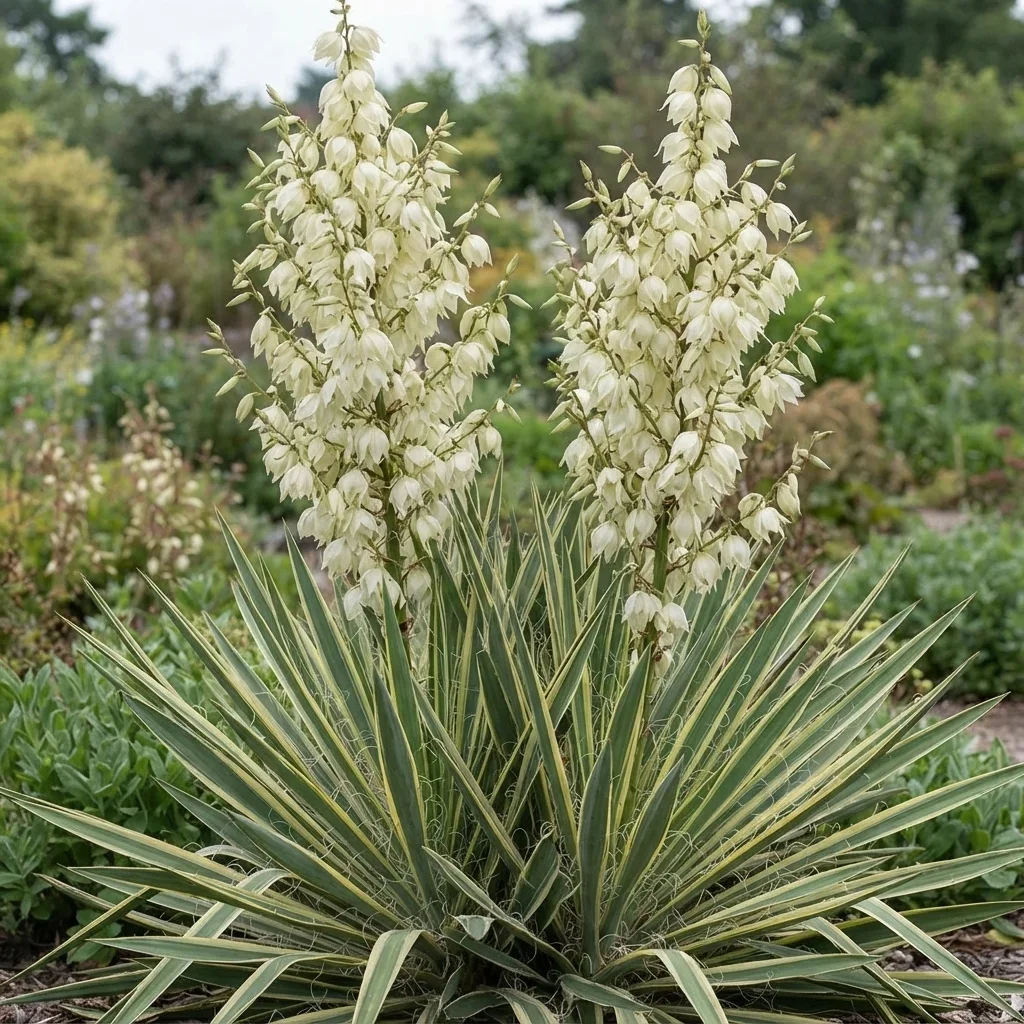
Variegated Adam's Needle
Yucca filamentosa 'Variegata'
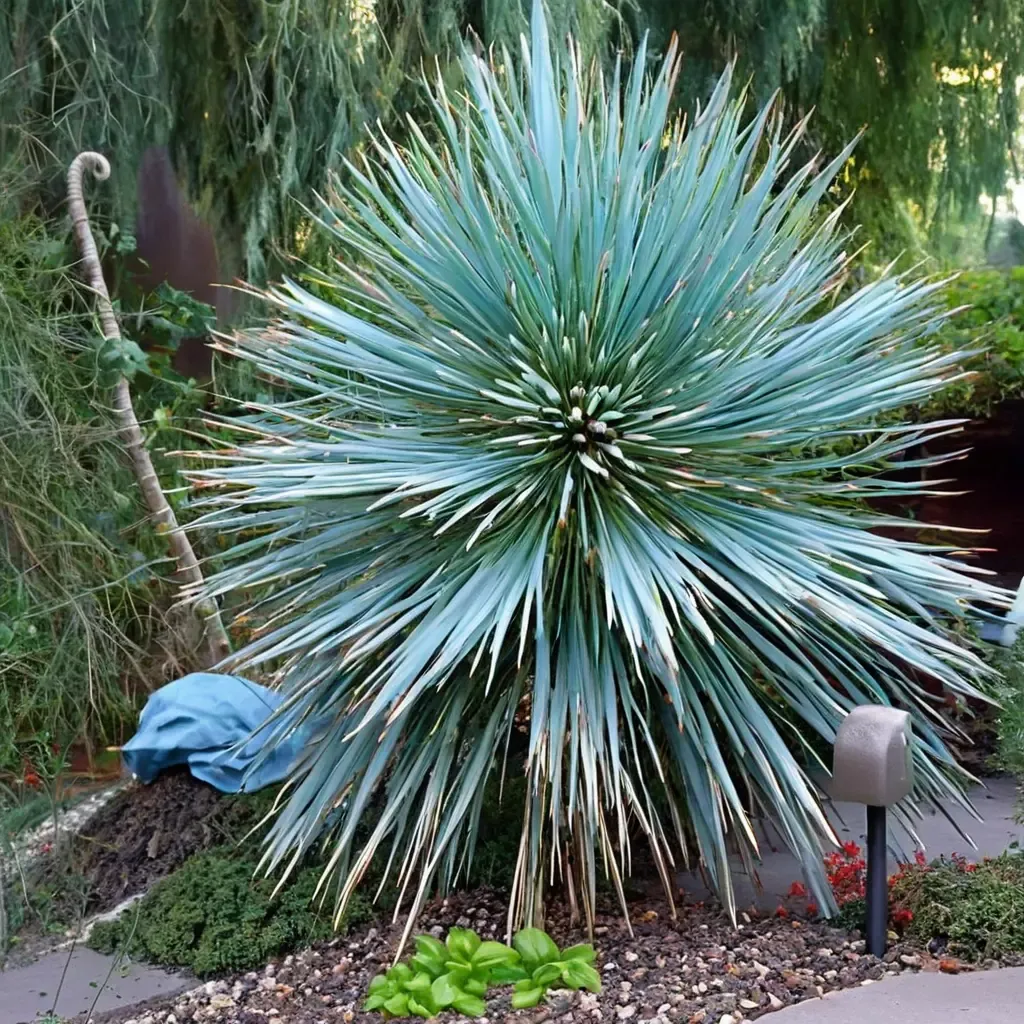
Beaked Yucca 'Sapphire Skies'
Yucca rostrata 'Sapphire Skies'
Keep exploring
Explore the genus
Hardy in your zone?
Grow Joshua Tree with confidence
See it in a design of your actual yard, get zone-matched care reminders, and track it season by season in your garden journal.