Also known as Barrel Cactus · 3 saves
Ferocactus
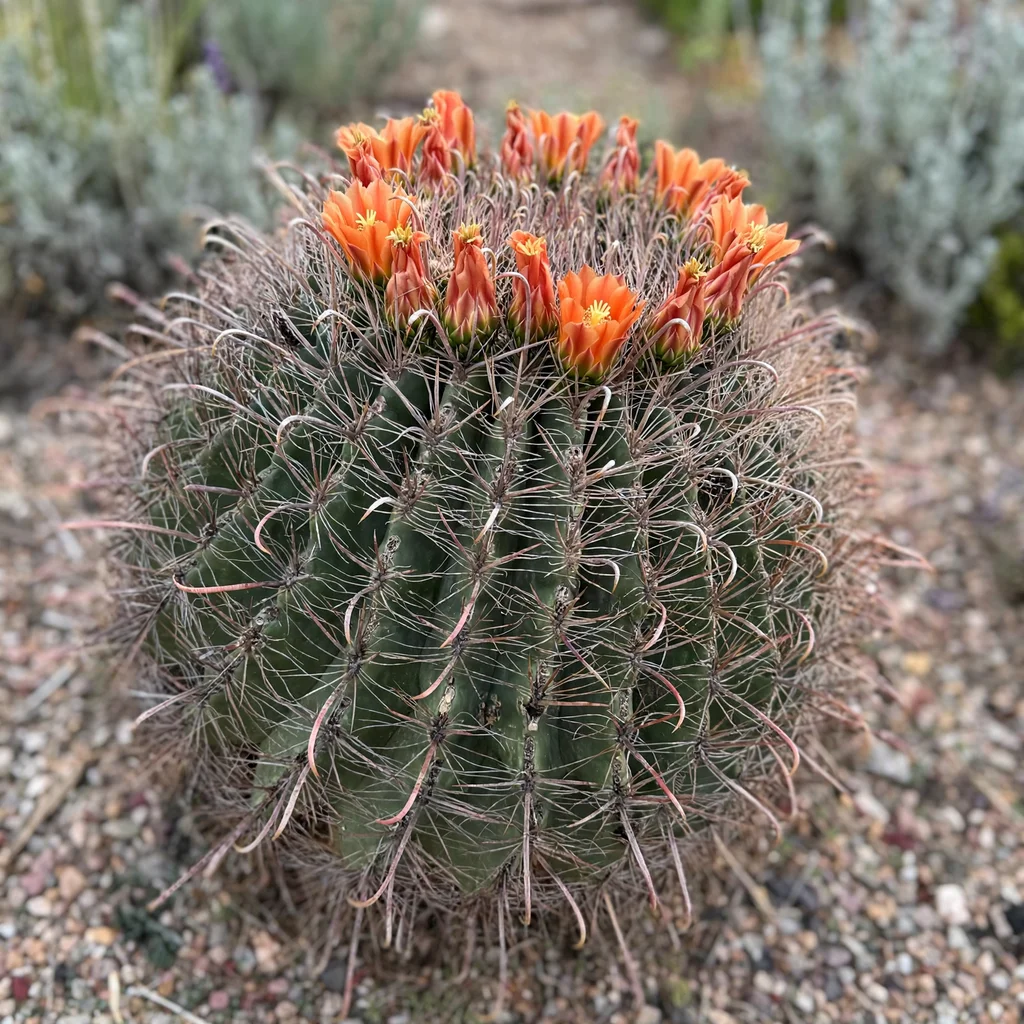
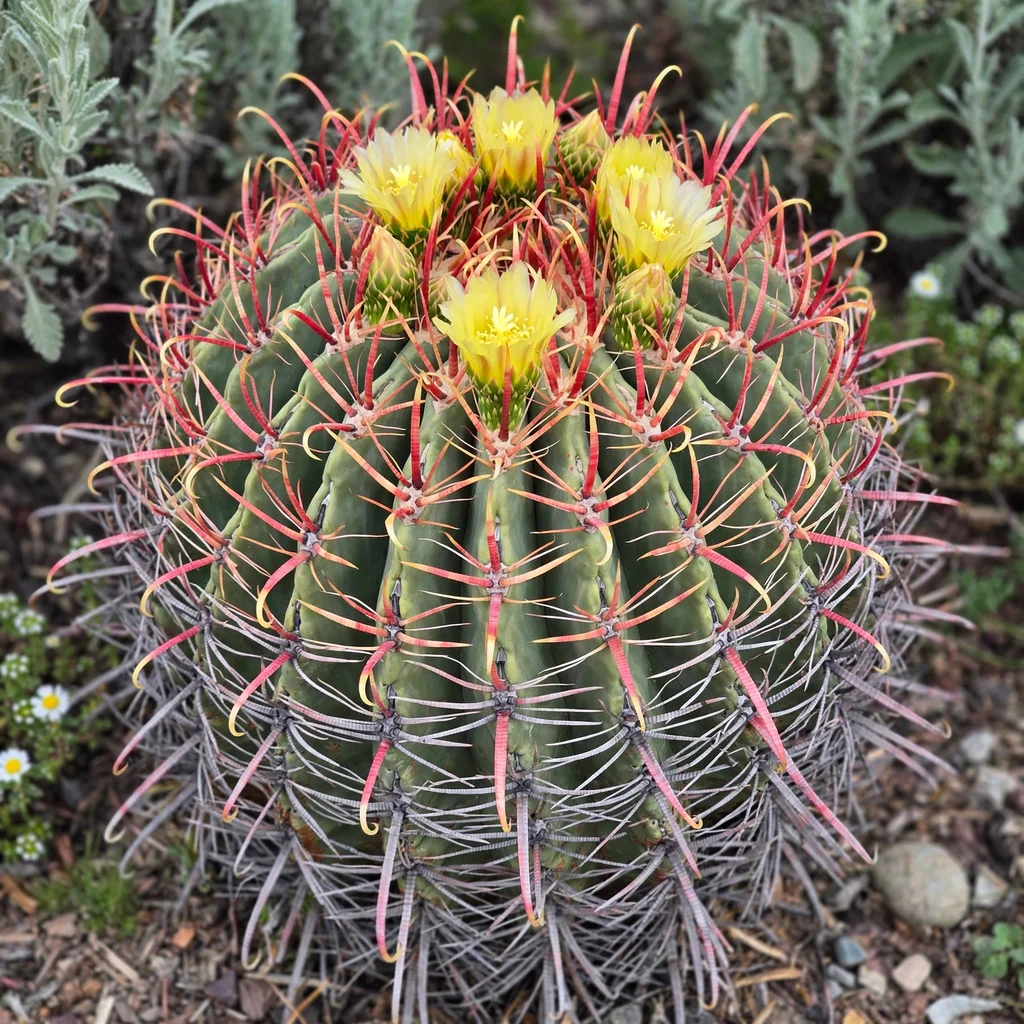
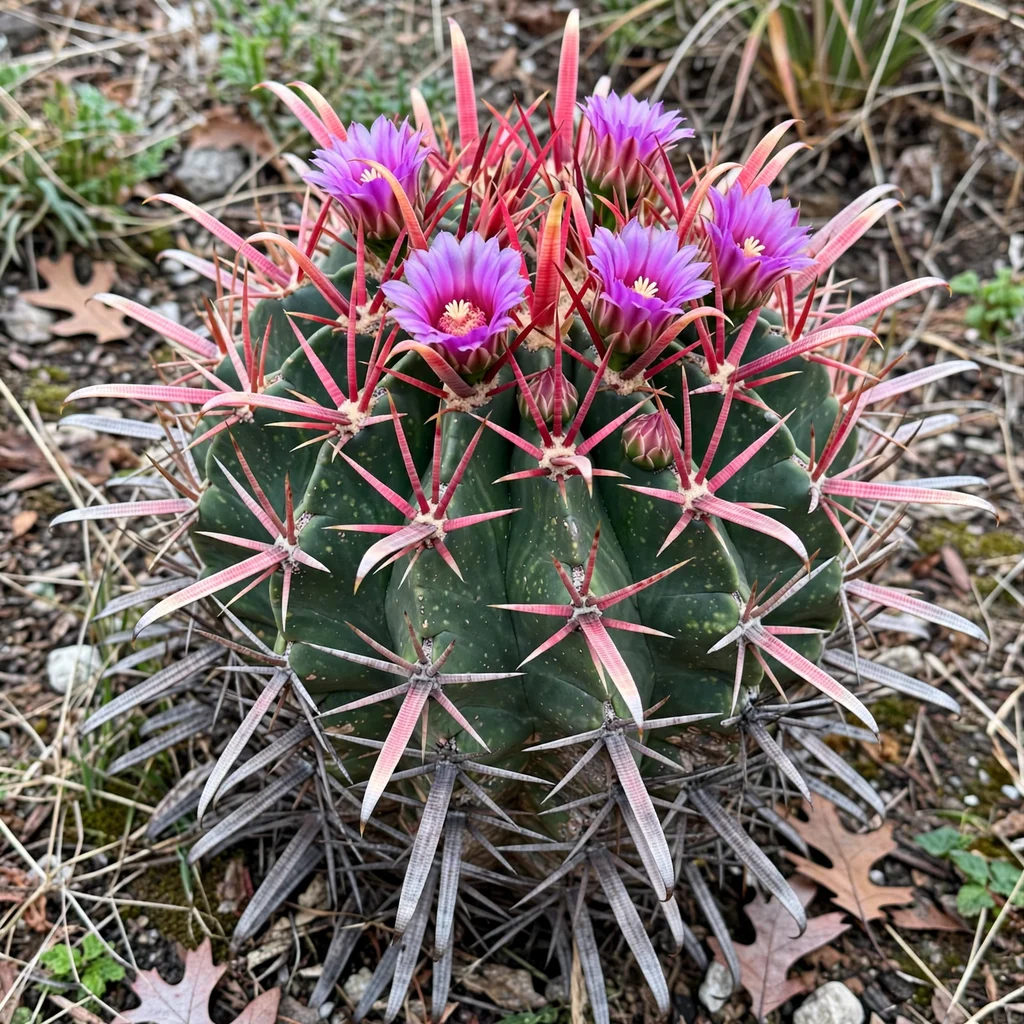
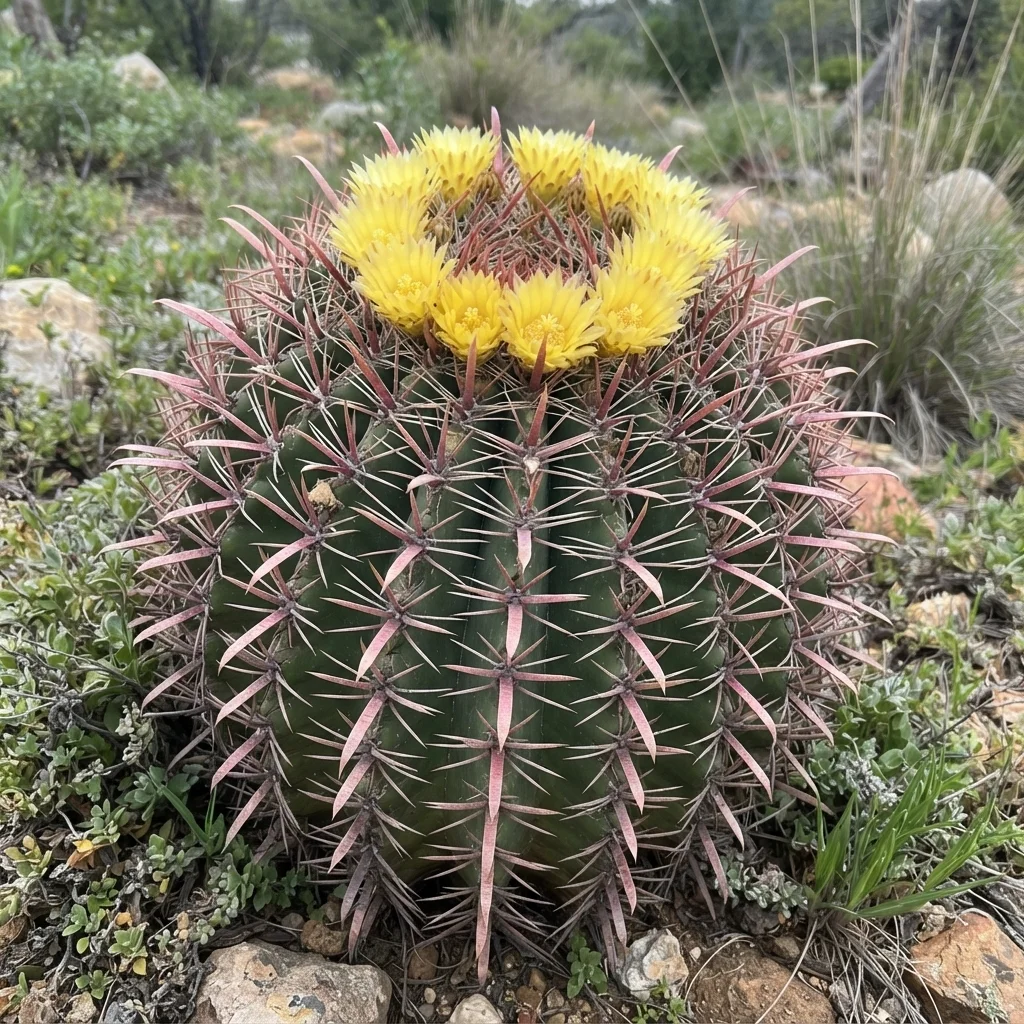
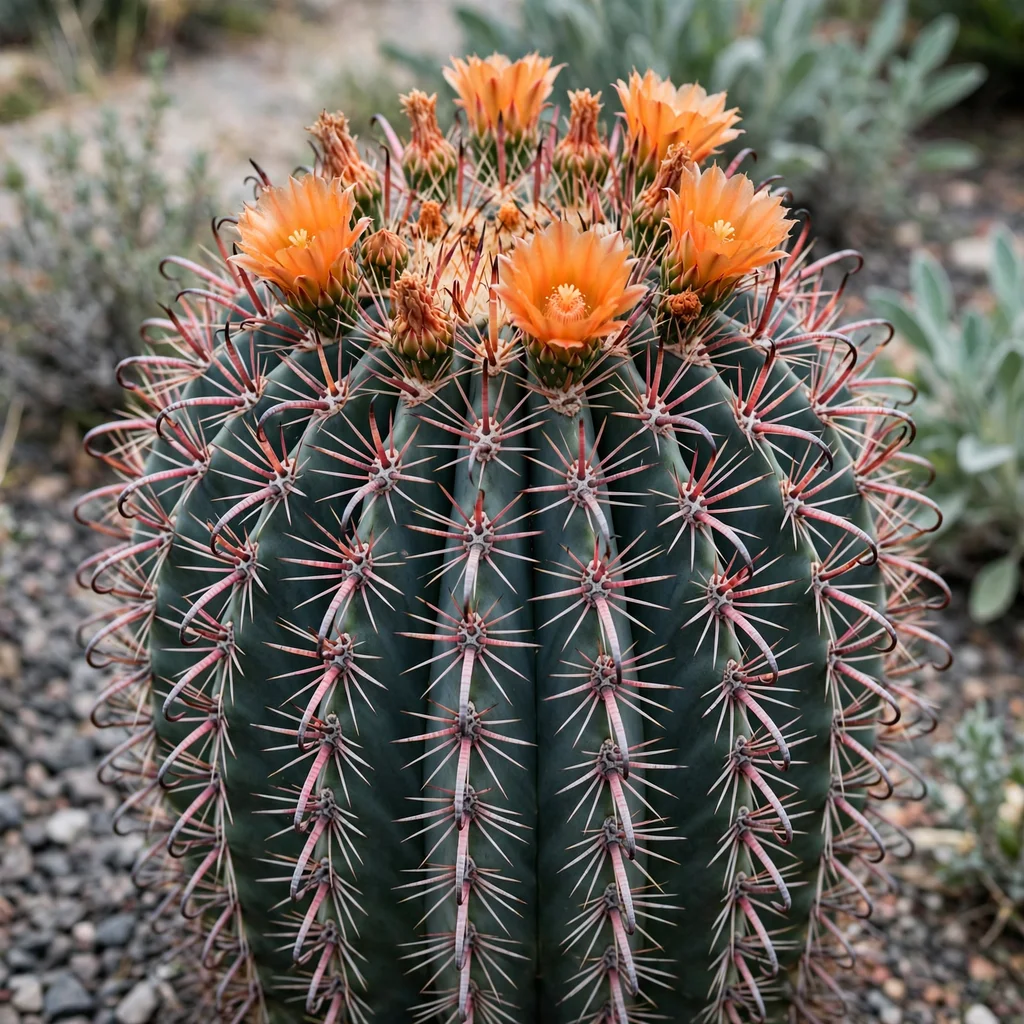
Ferocactus, the genus most gardeners know as barrel cactus. We track 5 varieties; the ones most used by real gardeners.
The 4 most-saved Ferocactus varieties
Browse all 5 Ferocactus varieties →
5 species of Ferocactus
Each one is a parent of the varieties above.
Track your Ferocactus in Sow
Save the Ferocactus you grow and get care reminders timed to your zone.
How to grow Ferocactus
Whats common across all Ferocactus varieties in our catalog — drawn from the care records of the 5 most-grown of them.
The Ferocactus year
- Check for PestsJune–August100% of varieties
Check crown areoles for mealybugs, scale and spider mites.
- Winter PrepOctober and November100% of varieties
Keep dry for winter and cover in-ground plants near 20 degrees.
- PropagateApril and May80% of varieties
Sow seed at 68 to 86 degrees with eight hours of light on the surface.
- PlantApril and May60% of varieties
Set out seed-grown plants after frost danger in fast-draining gravelly soil.
- FertilizeApril60% of varieties
Apply a diluted low-nitrogen, high-potassium cactus fertilizer once as active growth begins.


Do
- Plant in full sun with excellent drainage on a mound or slope
- Water deeply but rarely only when soil is fully dry
- Inspect the crown yearly for drainage, mealybugs and scale
- Provide intense, direct sunlight to encourage dense spine lattice development.
- Use coarse sand, pumice, or fine gravel to maintain rapid soil drainage.
Avoid
- Do not plant in heavy clay or beside irrigation that keeps roots wet
- Do not cut into the stem or expect offsets - it grows from seed only and branches only after apex injury
- Do not overwater in winter or use overhead watering that wets the crown
- Do not overwater or allow pots to sit in standing water trays.
What goes wrong with Ferocactus
| Problem | What you'll see | What to do |
|---|---|---|
| Mealybugs | Cottony white masses tucked in areoles near the crown | Inspect new plants, isolate infested plants and dab with alcohol or insecticidal soap and oil, and avoid overwatering |
| Spider mites | Dull stippled stem surface in hot dry weather | Rinse dust from the plant and treat with insecticidal soap, avoiding overhead watering that keeps the crown wet |
| Scale insects | Small, raised brown waxy shells clustered along vertical stem ridges. | Scrape off manually with a soft brush or apply a targeted systemic insecticide. |
| Scale | Hard bumps on the stem that do not wipe off easily | Scrape off light infestations and treat with horticultural oil, keeping good air flow around the plant |
| Root rot | Soft mushy base with yellowing from overwatering or poor drainage | Plant only in fast-draining soil, keep away from irrigation, water rarely when dry and provide good air flow with no overhead water |
| Root and stem rot | Soft, sunken, discolored base from overwatering or poor drainage. | Prevent with fast drainage and dry winter soil; excise rotted tissue to firm green flesh with a sterilized blade and let callus dry. |
| Stem rot | Dark, water-soaked, squishy patches spreading along vertical stem ribs. | Excise infected areas back to clean tissue with a sterile knife and allow cuts to dry in arid air. |
Making more Ferocactus
Seed
- Sow fresh seed on the surface of coarse mineral mix at 68 to 86 degrees Fahrenheit with eight hours of light; seed needs light and will not germinate in the dark.
- Mist lightly to moisten and keep warm with good air flow, never waterlogged.
- Transplant seedlings once spiny and large enough to handle into fast-draining cactus mix.
- Grow on slowly in full sun with rare watering; plants live fifty to one hundred thirty years and branch only if the apex is injured.
Ferocactus questions
How many types of Ferocactus are there?
The Sow catalog tracks 5 distinct Ferocactus varieties. The most popular — ranked by 3 real gardeners — are shown first above.
What zones does Ferocactus grow in?
Across its varieties, Ferocactus covers USDA Zones 8–10. Individual varieties differ — each plant page lists its exact range, and Sow filters the catalog to your zone automatically.
When does Ferocactus bloom?
Most Ferocactus varieties bloom from late spring to early summer.
Which Ferocactus should I choose?
Start from the most-saved varieties above — popularity across thousands of gardens is a strong signal of reliability — then filter by your zone and sun. In the Sow app you can preview any of them in a photo of your actual yard before you buy.