The Story
Plant Bio
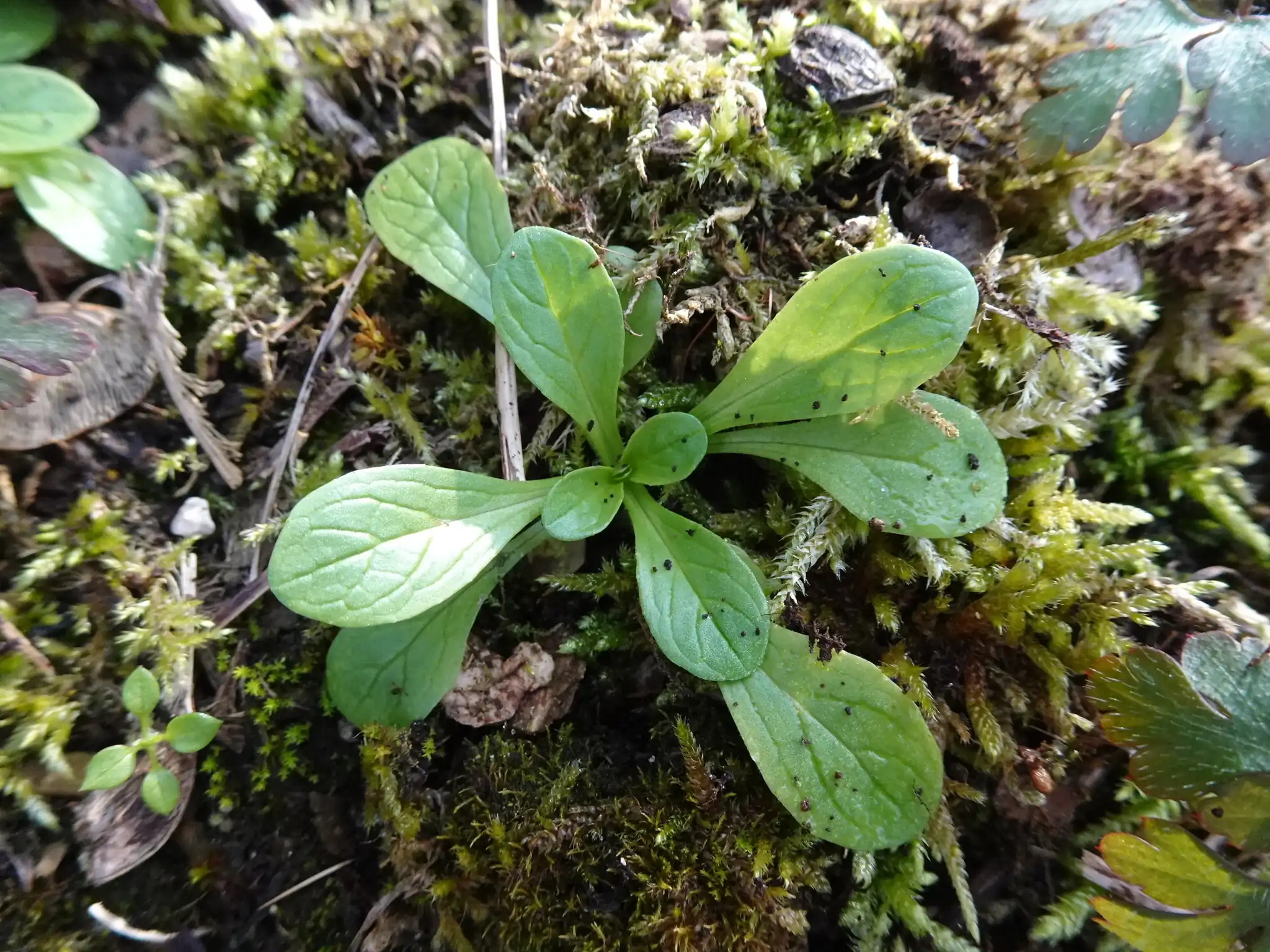
Valerianella locusta is a low-growing, compact annual herb that forms a tight basal rosette of succulent, spoon-shaped leaves before bolting in spring. The plant produces dichotomously forked flowering stems topped with dense, small clusters of minute, bluish-white flowers.
This exceptionally cold-hardy salad green tolerates hard freezes down to 5°F, making it a reliable winter-harvest crop. The soft-textured, mild-flavored foliage offers an excellent cool-season alternative to traditional lettuces.
Uses & Benefits:
Essentials
At a Glance
Plant Type
Annual
Height
12"
Width
8"
Light
Full Sun, Partial Sun
Zones
4, 5, 6, 7, 8, 9
Water
Medium
Humidity
Moderate
Lifespan
Annual
Native To
Europe, western Asia, and northern Africa
Toxicity
Non-toxic
Bloom period
Early spring – Late spring
In flower about 3 months of the year
Planting
How to Grow
- Sow seeds directly into fertile, well-draining loamy or sandy soil in early spring or late summer.
- Space seeds or thin seedlings to 4 to 6 inches apart to allow proper rosette development.
- Maintain consistent soil moisture, watering regularly to prevent the succulent leaves from becoming tough or bitter.
- Harvest outer leaves individually or cut the entire rosette at the base before the plant begins to bolt.
Pro Tip
Sow seeds only when soil temperatures are below 68°F (20°C); warmer soils trigger thermodormancy, completely preventing germination.
Keep It Thriving
Care Guide
Do
- Sow in cool weather when soil temperatures are between 50°F and 65°F.
- Provide partial shade during warm spring spells to delay bolting.
- Incorporate a light application of compost or organic fertilizer prior to planting.
Don't
- Do not sow seeds in midsummer, as high temperatures prevent germination.
- Avoid overhead watering to minimize the risk of downy and powdery mildew.
- Do not allow the soil to dry out completely, which causes immediate drought stress and premature bolting.
Seasonal Care Calendar
| Task | Jan | Feb | Mar | Apr | May | Jun | Jul | Aug | Sep | Oct | Nov | Dec |
|---|---|---|---|---|---|---|---|---|---|---|---|---|
| Harvest | ||||||||||||
| Pest Check | ||||||||||||
| Plant | ||||||||||||
| Winter Prep |
Watch Out For
Pests & Diseases
Common Pests
Common Diseases
In the Garden
Landscape Uses & Companions
Landscape Uses
Multiply
Propagation Methods
Good to Know
Common Questions
Corn Salad questions
What zones can Corn Salad grow in?
Corn Salad is hardy in USDA Zones 4–9. Inside that range it survives winter in the ground; outside it, grow it as an annual or a container plant you protect.
Is Corn Salad deer resistant?
Yes — Corn Salad is rated deer-resistant. Deer typically pass it over, though extreme hunger can override any plant's defenses.
When does Corn Salad bloom?
Corn Salad typically blooms in early spring through late spring. Exact timing shifts a week or two with your zone — Sow's bloom calendar maps it to your garden.
Does Corn Salad need full sun?
Corn Salad does best in full sun to part shade. In hot climates, afternoon shade keeps blooms fresher longer.
Keep exploring
Explore the genus
Grow Corn Salad with confidence
See it in a design of your actual yard, get zone-matched care reminders, and track it season by season in your garden journal.