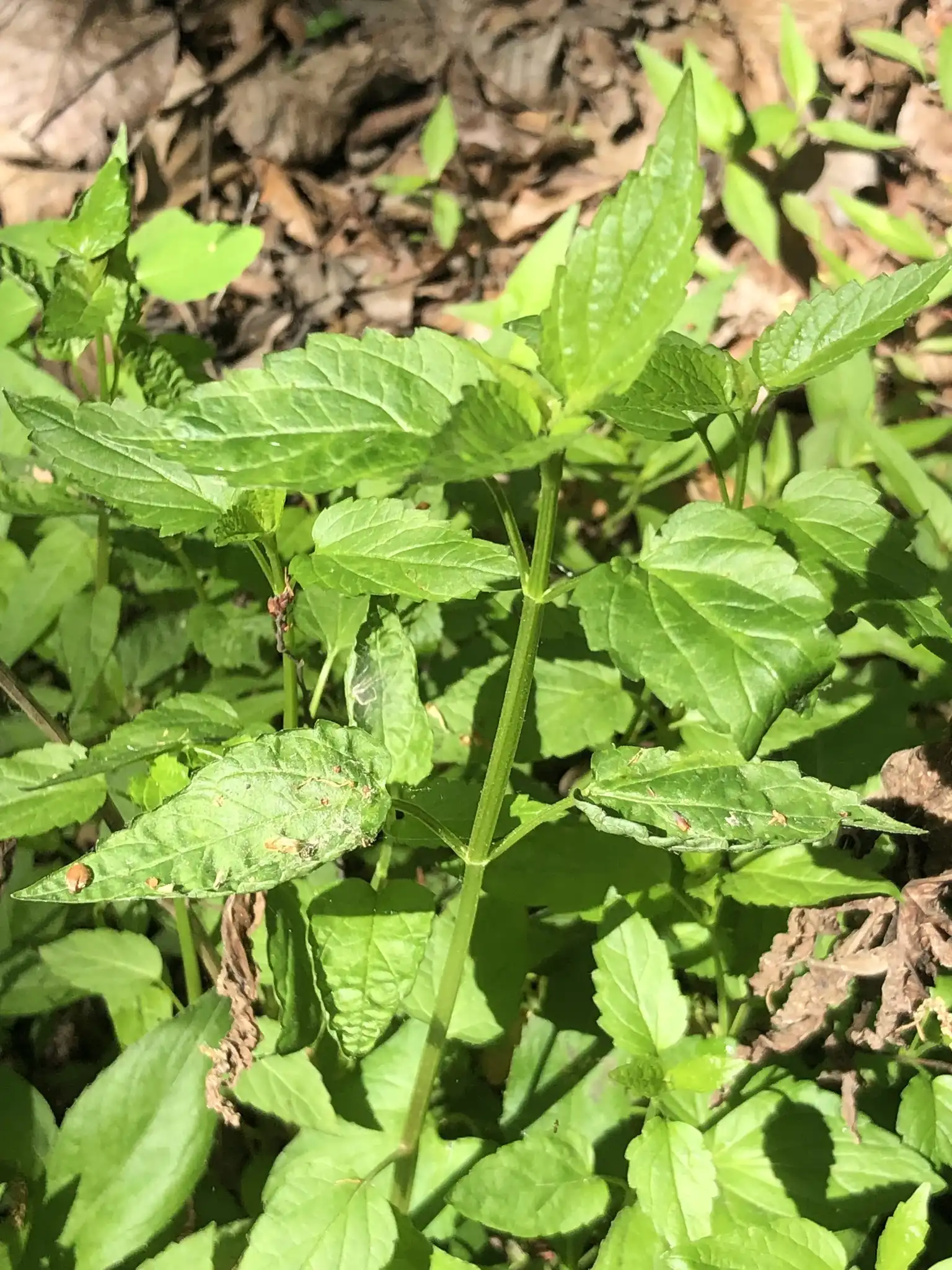
The Story
Plant Bio
Scutellaria lateriflora, commonly known as blue skullcap, is an upright, rhizomatous herbaceous perennial native to wet meadows and floodplains across North America. The square stems bear opposite, finely toothed lanceolate leaves and produce one-sided racemes of tiny, tubular, two-lipped blue to lavender flowers from midsummer into early fall.
This wetland species is distinguished by its side-flowering habit, where flowers emerge primarily from the leaf axils rather than terminal spikes. The foliage contains bitter compounds that make it highly resistant to browsing by deer and rabbits.
Uses & Benefits:
Essentials
At a Glance
Plant Type
Perennial
Height
36"
Width
18"
Light
Full Sun, Partial Sun, Shade
Zones
4, 5, 6, 7, 8
Water
High
Humidity
High
Lifespan
Perennial
Native To
North America
Toxicity
Non-toxic
Bloom period
Summer – Autumn
In flower about 6 months of the year
Marketplace
Where to Buy
Shipping costs Year-round shipping Free shipping
Planting
How to Grow
- Select a site with partial to full shade, or full sun if the soil remains consistently wet throughout the growing season.
- Amend the planting area with rich organic compost to help retain moisture while maintaining a porous soil structure.
- Space plants twelve to eighteen inches apart to allow the rhizomatous root systems room to spread and form a dense ground cover.
- Water deeply and regularly to ensure the soil never dries out, especially during hot summer dry spells.
Pro Tip
Do not treat this species like a typical dryland garden mint; it requires constantly moist, organic soil and will collapse rapidly if allowed to dry out, yet needs enough soil porosity to prevent anaerobic root rot.
Keep It Thriving
Care Guide
Do
- Keep the soil consistently moist to wet at all times.
- Top-dress with organic compost in early spring to provide gentle nutrients.
- Cut dead stems cleanly to the ground in late winter before new shoots emerge.
Don't
- Do not allow the soil to dry out completely, as this causes rapid leaf drop and plant death.
- Do not plant in stagnant, compacted clay without organic matter, which leads to anaerobic root rot.
- Avoid heavy pruning into old, leafless wood during the active growing season.
Seasonal Care Calendar
| Task | Jan | Feb | Mar | Apr | May | Jun | Jul | Aug | Sep | Oct | Nov | Dec |
|---|---|---|---|---|---|---|---|---|---|---|---|---|
| Divide | ||||||||||||
| Mulch | ||||||||||||
| Pest Check | ||||||||||||
| Spring Cleanup | ||||||||||||
| Winter Prep |
Watch Out For
Pests & Diseases
Common Pests
Common Diseases
In the Garden
Landscape Uses & Companions
Landscape Uses
Companion Plants
Multiply
Propagation Methods
Good to Know
Common Questions
Blue Skullcap questions
What zones can Blue Skullcap grow in?
Blue Skullcap is hardy in USDA Zones 4–8. Inside that range it survives winter in the ground; outside it, grow it as an annual or a container plant you protect.
Is Blue Skullcap deer resistant?
Yes — Blue Skullcap is rated deer-resistant. Deer typically pass it over, though extreme hunger can override any plant's defenses.
When does Blue Skullcap bloom?
Blue Skullcap typically blooms in summer through autumn. Exact timing shifts a week or two with your zone — Sow's bloom calendar maps it to your garden.
Does Blue Skullcap need full sun?
Blue Skullcap does best in full sun to part shade. In hot climates, afternoon shade keeps blooms fresher longer.
More Scutellaria to compare
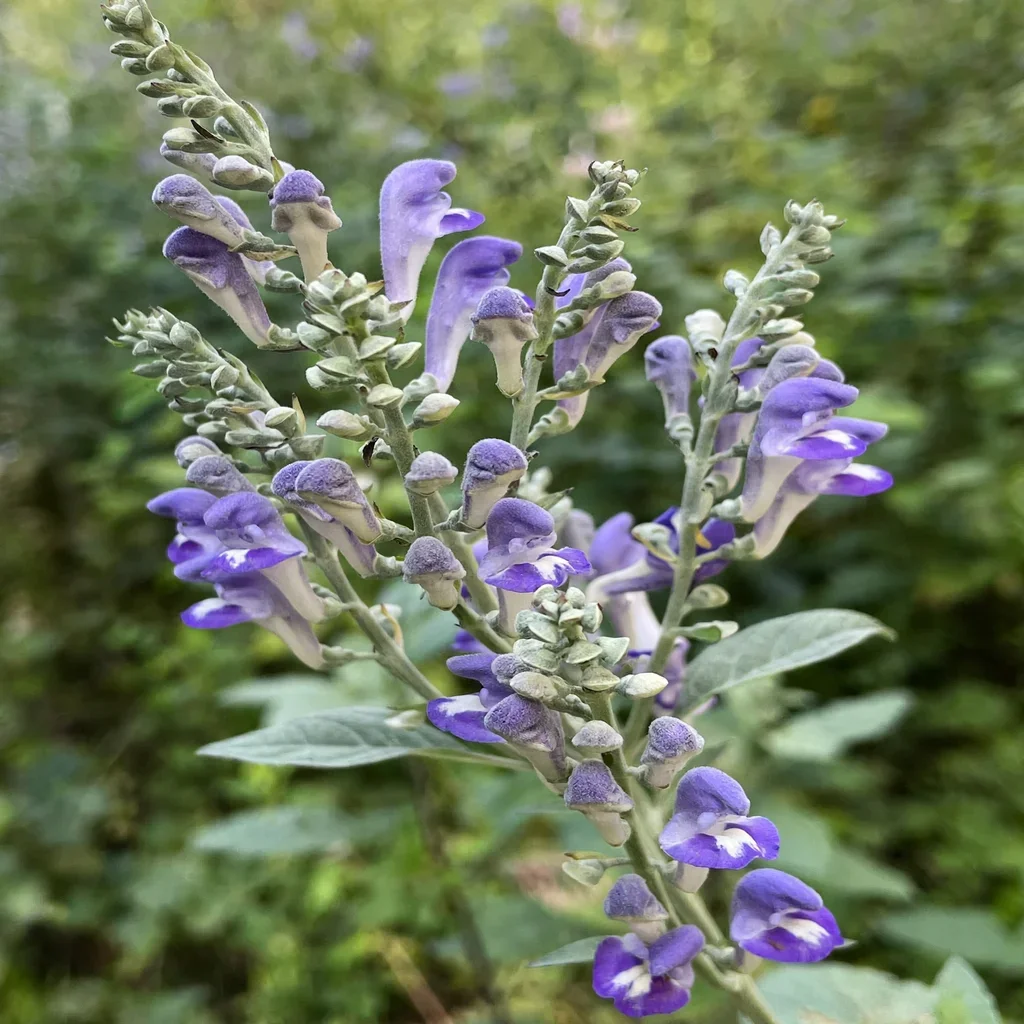
Hoary Skullcap
Scutellaria incana
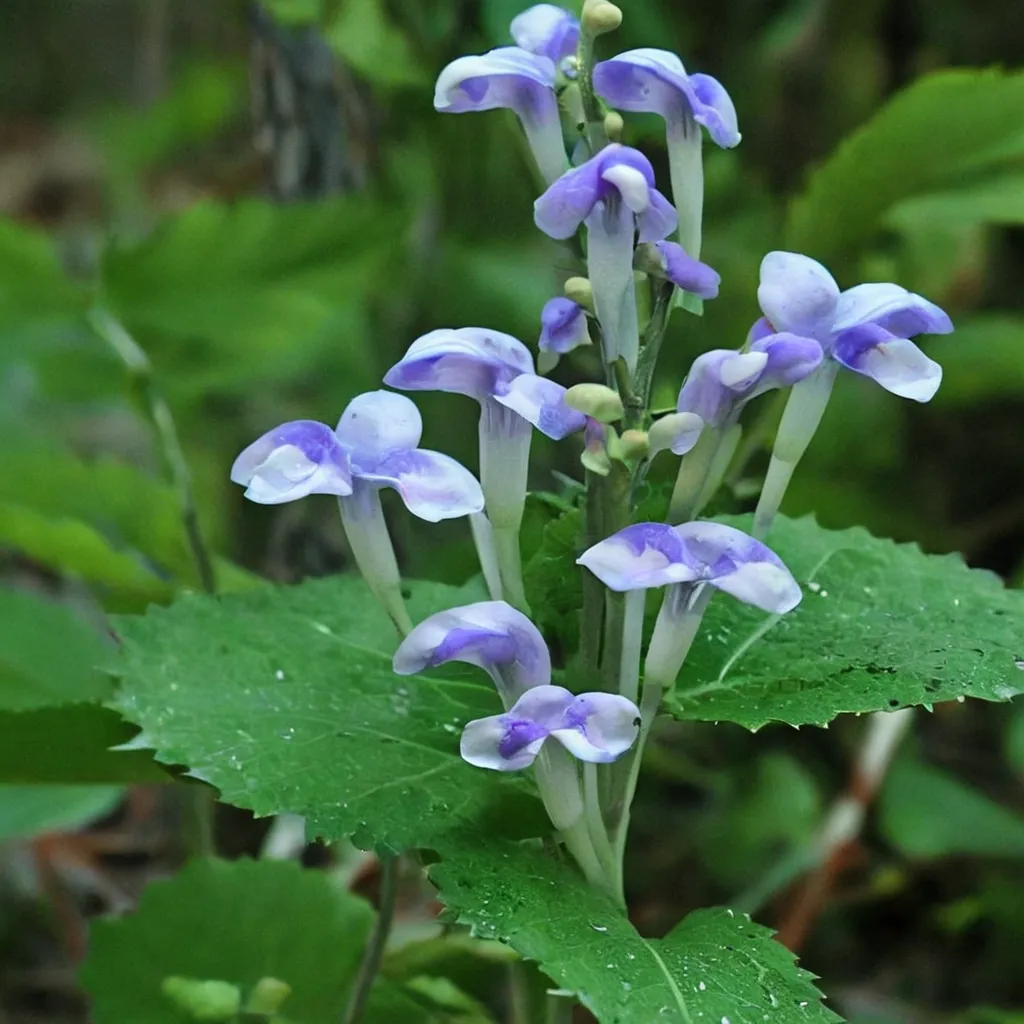
Blue Sky Skullcap
Scutellaria montana 'Blue Sky'
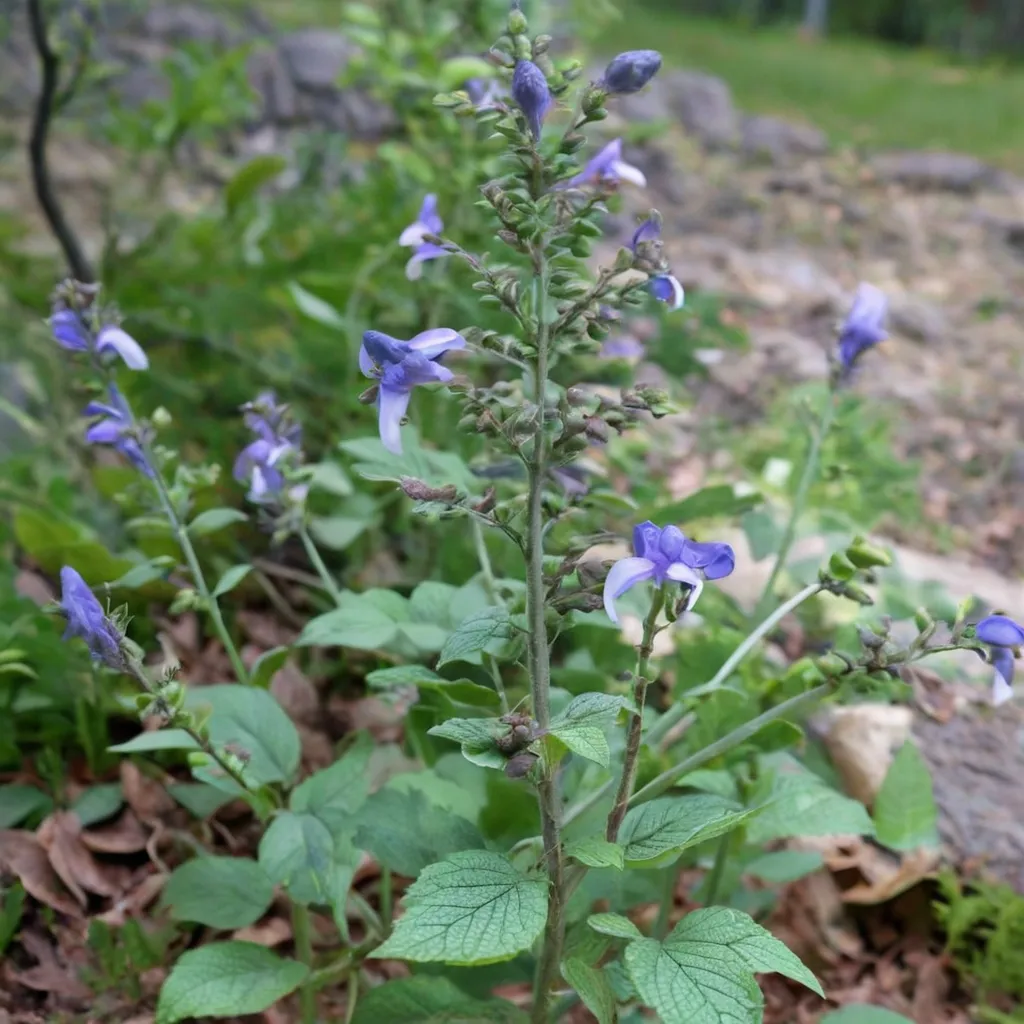
Heart-leaved Skullcap
Scutellaria ovata
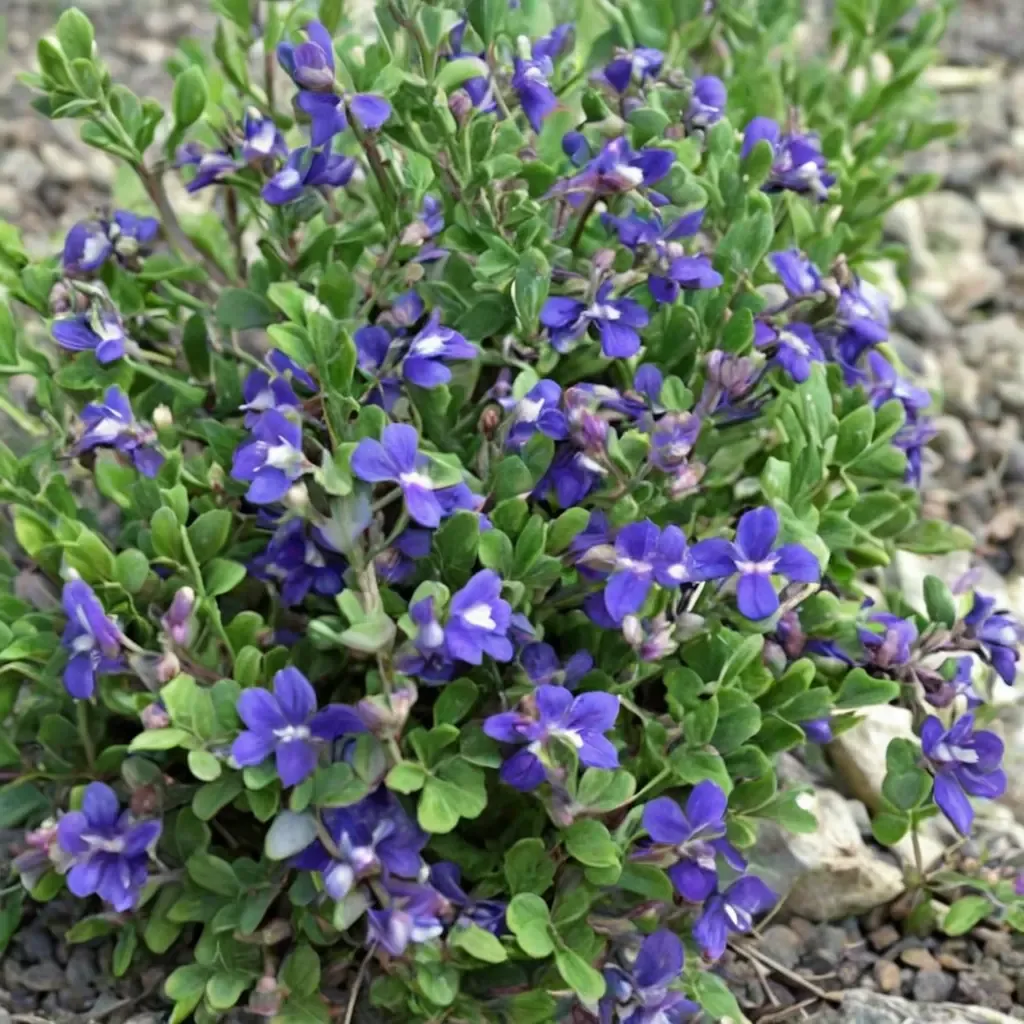
Resinous Skullcap
Scutellaria resinosa
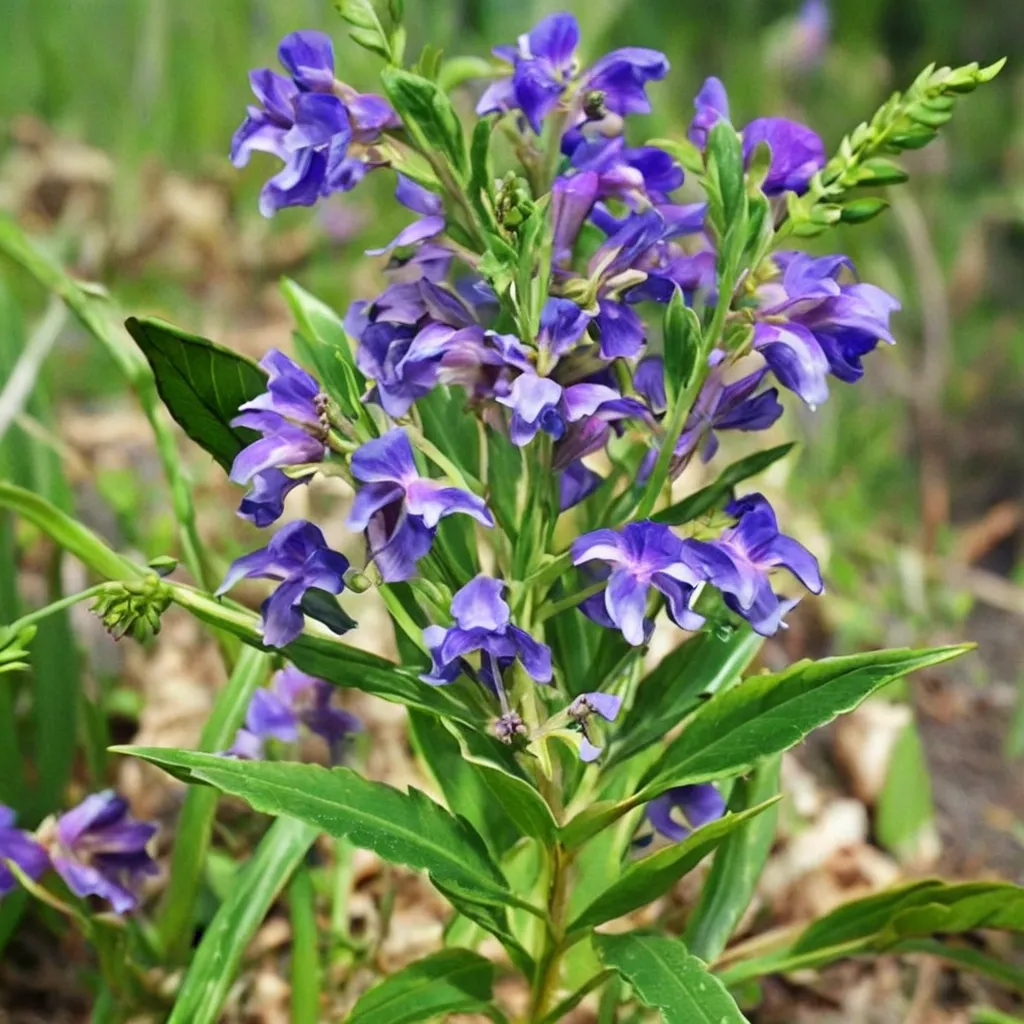
Baikal Skullcap
Scutellaria baicalensis
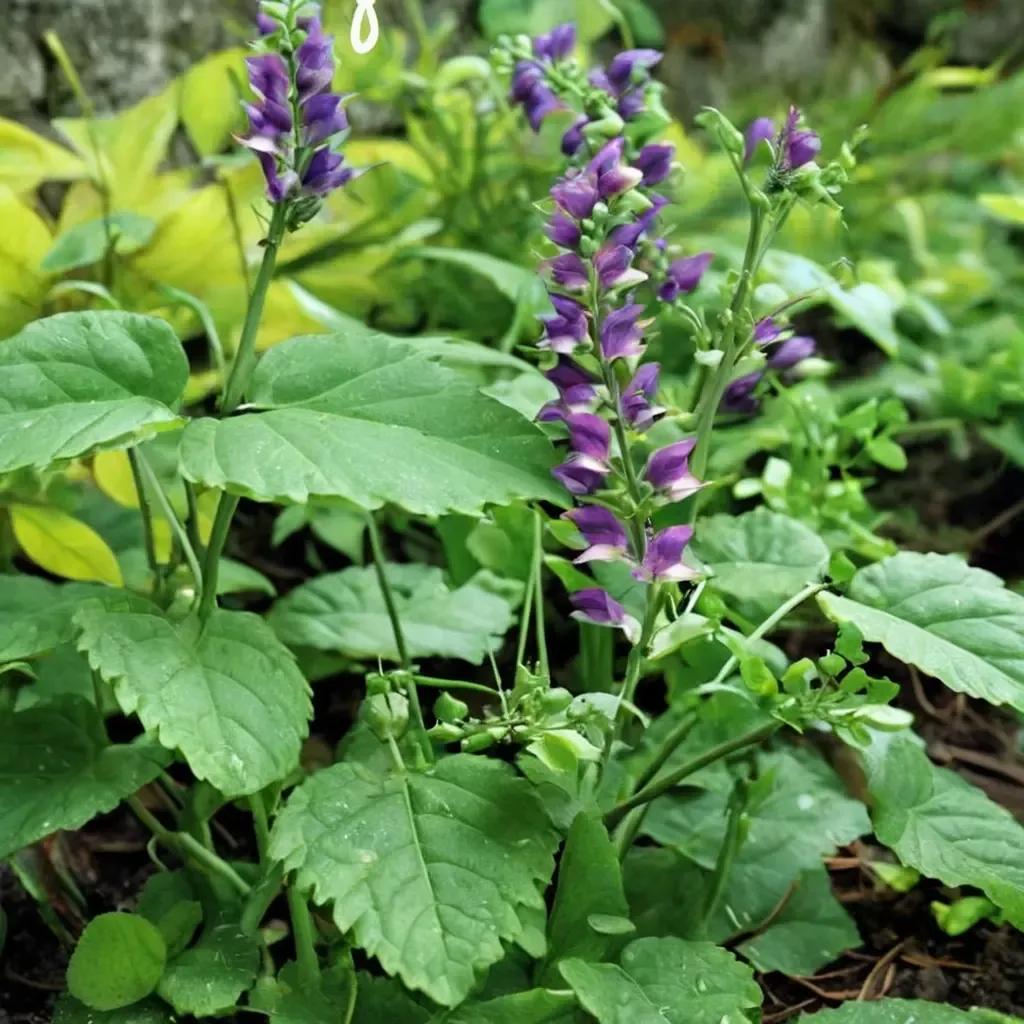
Somerset Skullcap
Scutellaria altissima
Keep exploring
Explore the genus
Hardy in your zone?
Grow Blue Skullcap with confidence
See it in a design of your actual yard, get zone-matched care reminders, and track it season by season in your garden journal.