The Story
Plant Bio
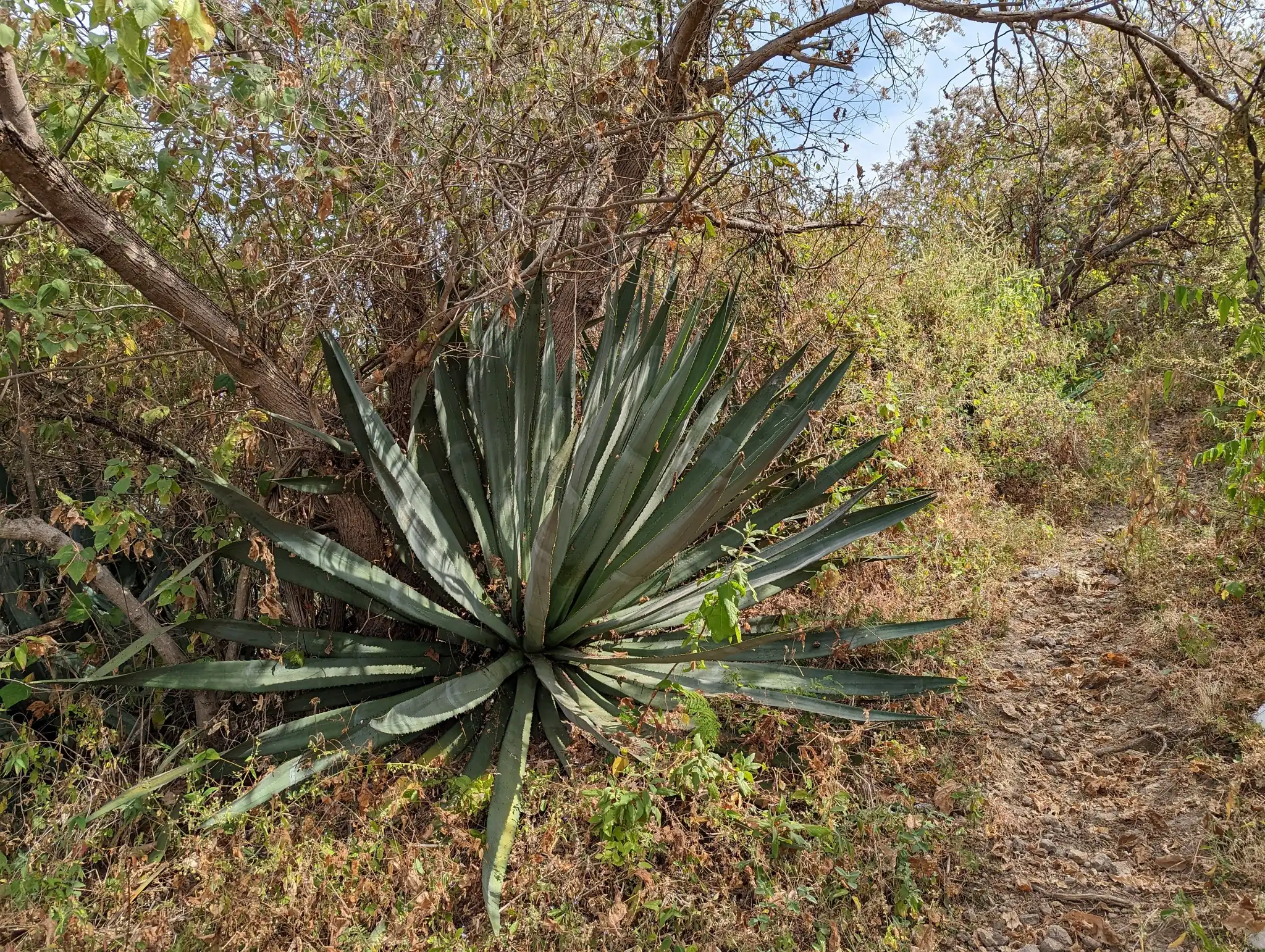
Agave tequilana is a large, symmetrical succulent that forms a massive rosette of rigid, sword-shaped leaves with sharp terminal spines and small marginal teeth. The new foliage emerges with a distinctive glaucous, metallic blue-gray coloration, eventually producing a single towering flower spike up to twenty feet tall before the main plant dies.
This species is distinguished by its exceptionally high drought tolerance and its production of numerous basal offsets, or pups, which sustain the planting after the monocarpic parent rosette finishes its single life-cycle bloom. Its rigid, linear-lanceolate leaves maintain their glaucous blue-green hue year-round in frost-free climates.
Uses & Benefits:
Essentials
At a Glance
Plant Type
Cactus Succulent
Height
94"
Width
94"
Light
Full Sun
Zones
9, 10
Water
Low
Humidity
Moderate
Lifespan
5 to 10+ years
Native To
North America (Mexico)
Toxicity
Skin Irritant
Bloom period
Summer – Fall
In flower about 6 months of the year
Marketplace
Where to Buy
Shipping costs Year-round shipping Free shipping
Planting
How to Grow
- Select a planting site in full sun with sharply draining sandy, gravelly, or loamy mineral soil.
- Dig a shallow hole twice the width of the root ball and set the plant so the crown sits slightly above the surrounding soil level to prevent water pooling.
- Water sparingly immediately after planting to settle the soil, then withhold further irrigation until new growth is visible.
- Establish a wide safety perimeter around the plant to prevent accidental contact with the sharp terminal spines and irritating leaf sap.
Pro Tip
Plant in sharply draining, gravelly mineral soil on elevated mounds to prevent winter moisture from sitting around the crown, which rapidly induces fatal root rot.
Keep It Thriving
Care Guide
Do
- Plant in elevated beds or sloped areas to ensure rapid drainage of winter rainfall.
- Wear thick leather gloves and protective eyewear when handling or pruning to avoid painful punctures and skin-irritating sap.
- Remove basal offsets periodically to control the spread of the clump or to propagate new specimens.
Don't
- Do not plant in heavy clay soils or low-lying depressions where standing water accumulates.
- Never shear or cut the green leaves or chop the growing tip, as this permanently disfigures the rosette.
- Avoid overwatering during cool winter months when the plant is semi-dormant and highly susceptible to rot.
Seasonal Care Calendar
| Task | Jan | Feb | Mar | Apr | May | Jun | Jul | Aug | Sep | Oct | Nov | Dec |
|---|---|---|---|---|---|---|---|---|---|---|---|---|
| Fertilize | ||||||||||||
| Pest Check | ||||||||||||
| Plant | ||||||||||||
| Propagate | ||||||||||||
| Prune |
Watch Out For
Pests & Diseases
Common Pests
Common Diseases
In the Garden
Landscape Uses & Companions
Landscape Uses
Multiply
Propagation Methods
Good to Know
Common Questions
Blue Agave questions
What zones can Blue Agave grow in?
Blue Agave is hardy in USDA Zones 9–10. Inside that range it survives winter in the ground; outside it, grow it as an annual or a container plant you protect.
When does Blue Agave bloom?
Blue Agave typically blooms in summer through fall. Exact timing shifts a week or two with your zone — Sow's bloom calendar maps it to your garden.
Does Blue Agave need full sun?
Blue Agave does best in full sun (6+ hours).
Is Blue Agave drought tolerant?
Yes — once established (usually after the first full season), Blue Agave handles dry spells with minimal watering. Water deeply its first year to build the root system that makes that possible.
More Agave to compare
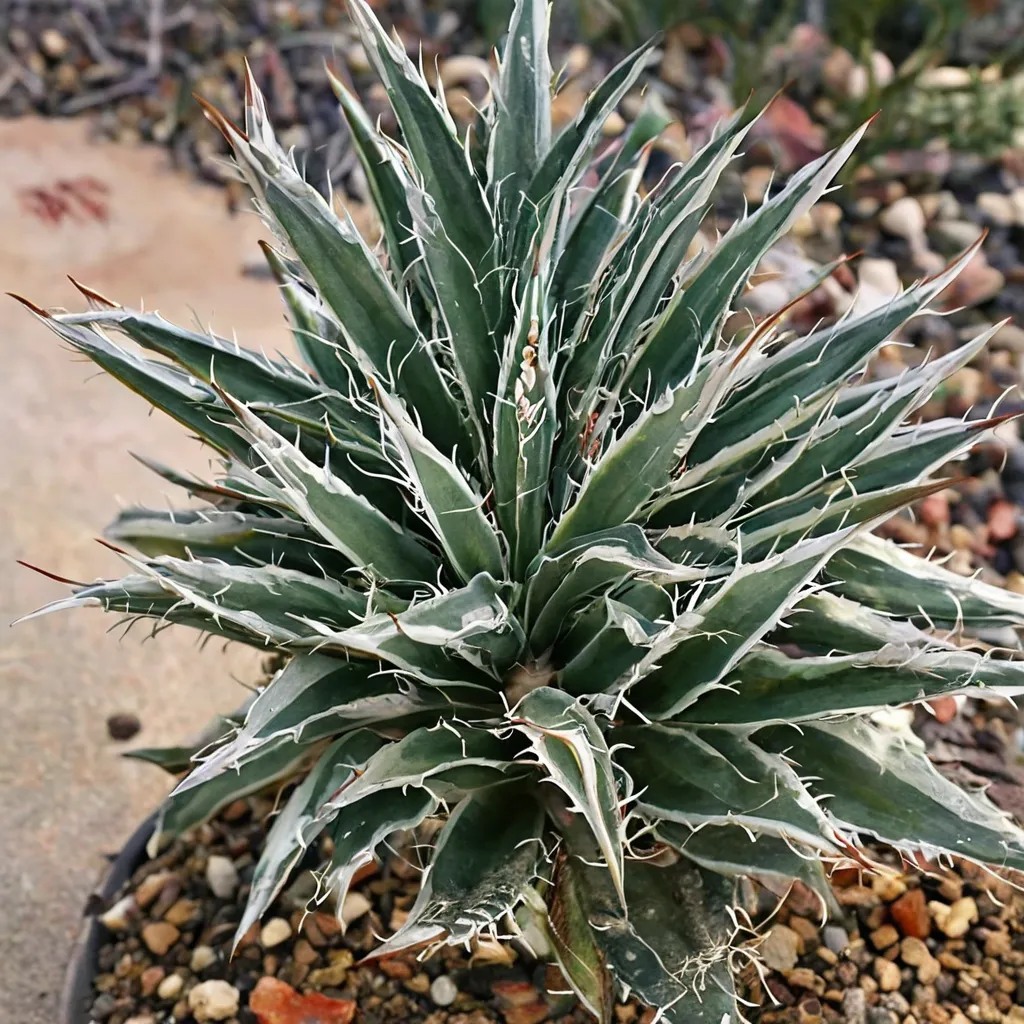
Toumey's Agave
Agave toumeyana
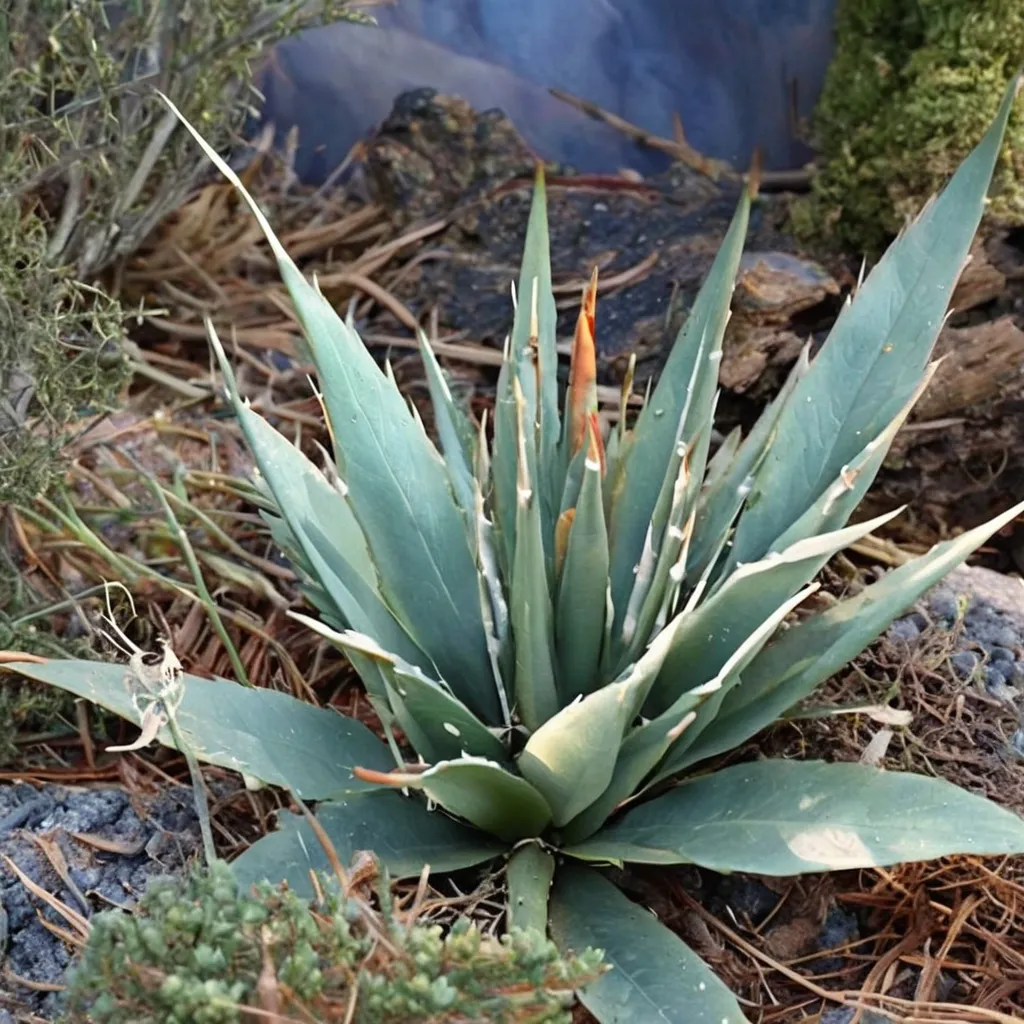
Utah Agave Kaibabensis
Agave utahensis 'kaibabensis'
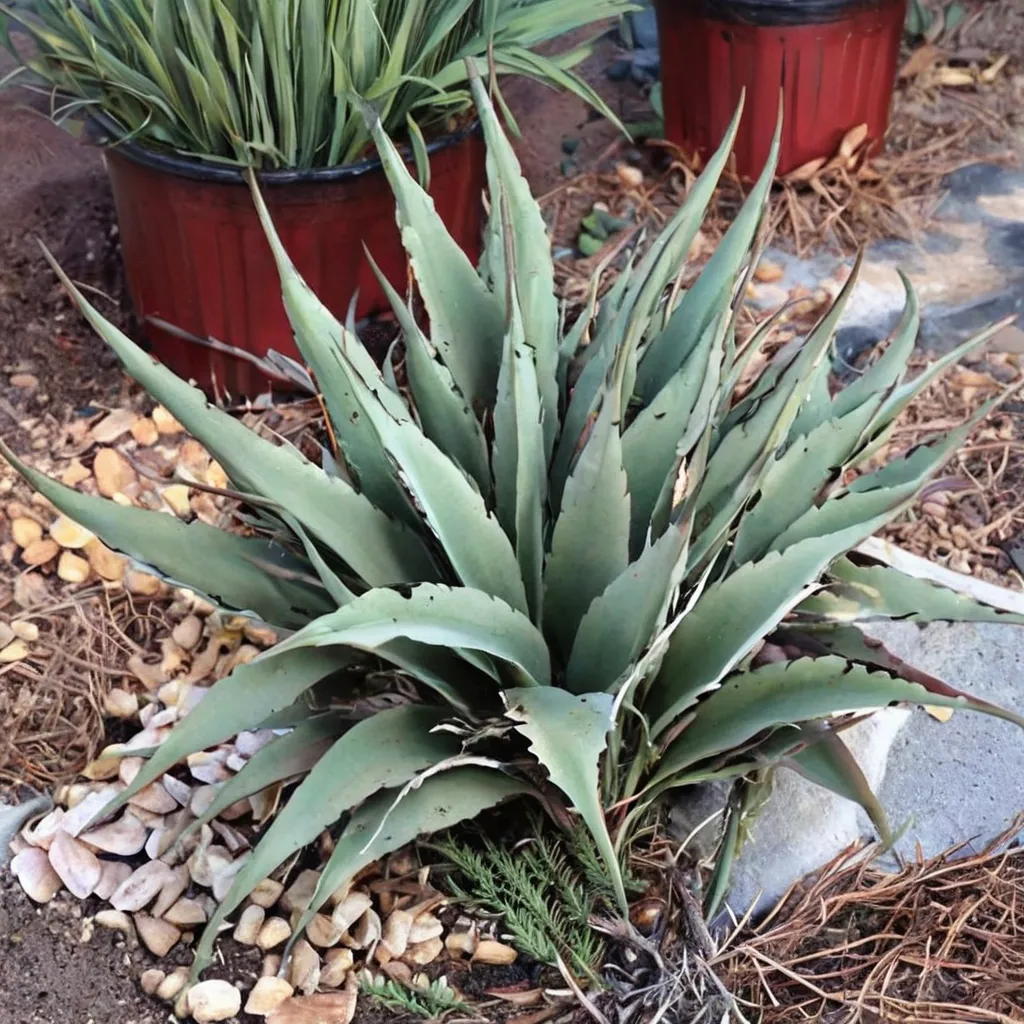
Slimfoot Century Plant
Agave gracilipes
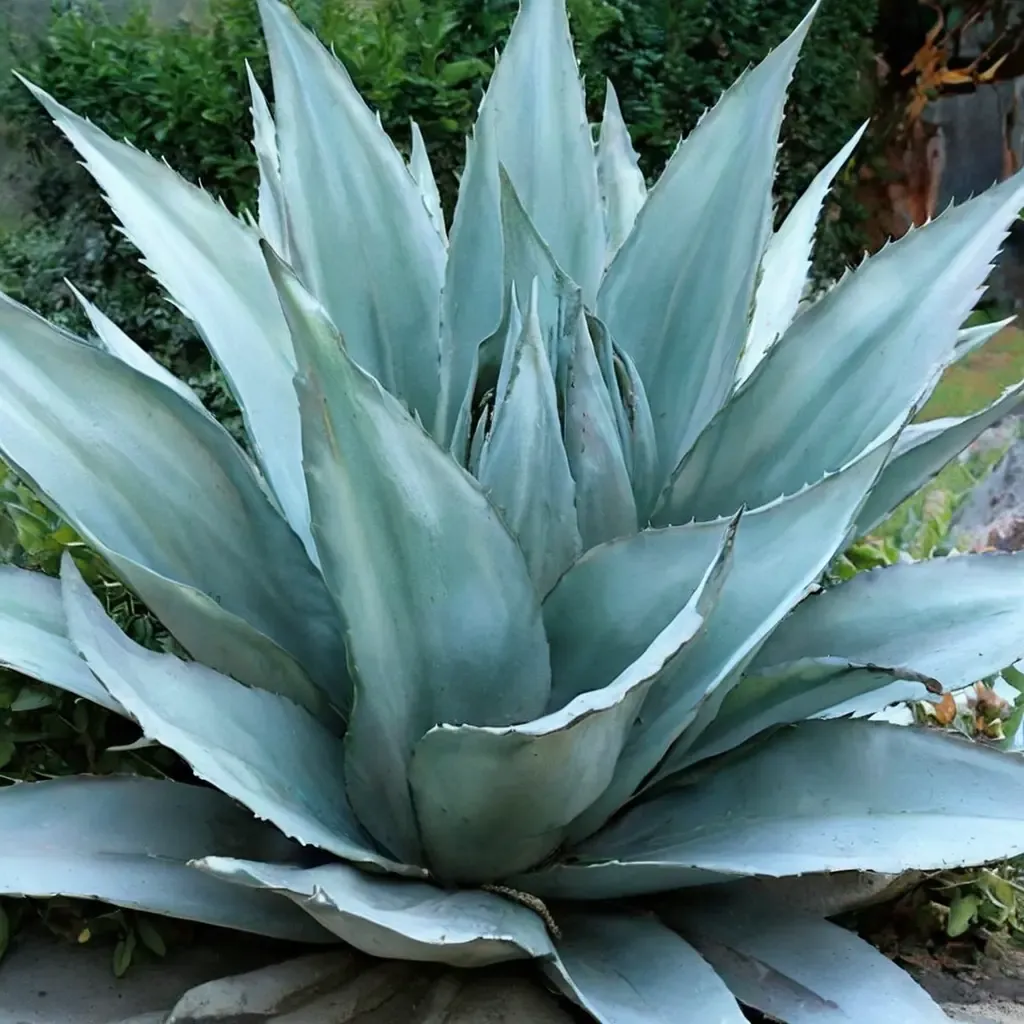
Vanzie Whale's Tongue Agave
Agave ovatifolia 'Vanzie'
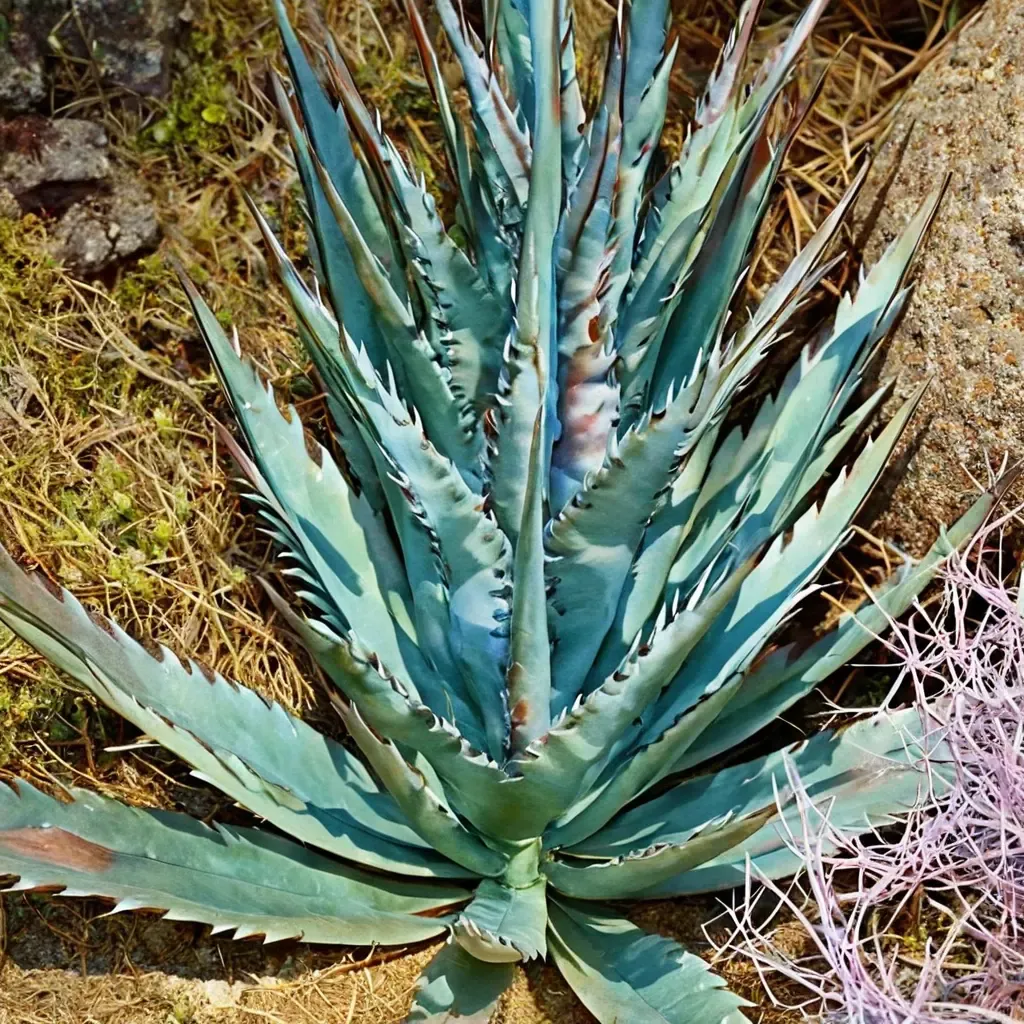
McKelvey's Agave
Agave mckelveyana
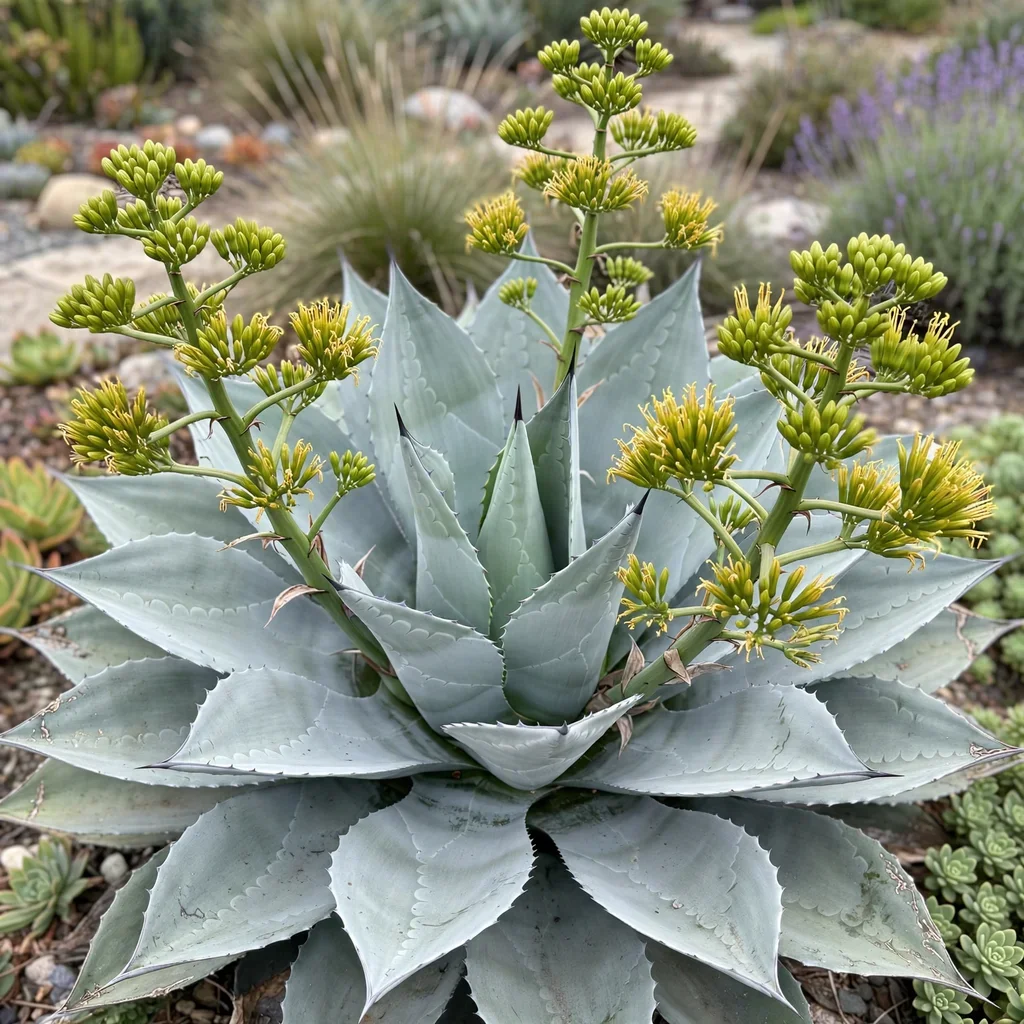
Frosty Blue Whale's Tongue Agave
Agave ovatifolia 'Frosty Blue'
Keep exploring
Explore the genus
Hardy in your zone?
Grow Blue Agave with confidence
See it in a design of your actual yard, get zone-matched care reminders, and track it season by season in your garden journal.