Also known as Prickly Pear · 50 saves
Opuntia
Opuntia, the genus most gardeners know as prickly pear. We track 3 varieties; the ones most used by real gardeners.
The 3 most-saved Opuntia varieties
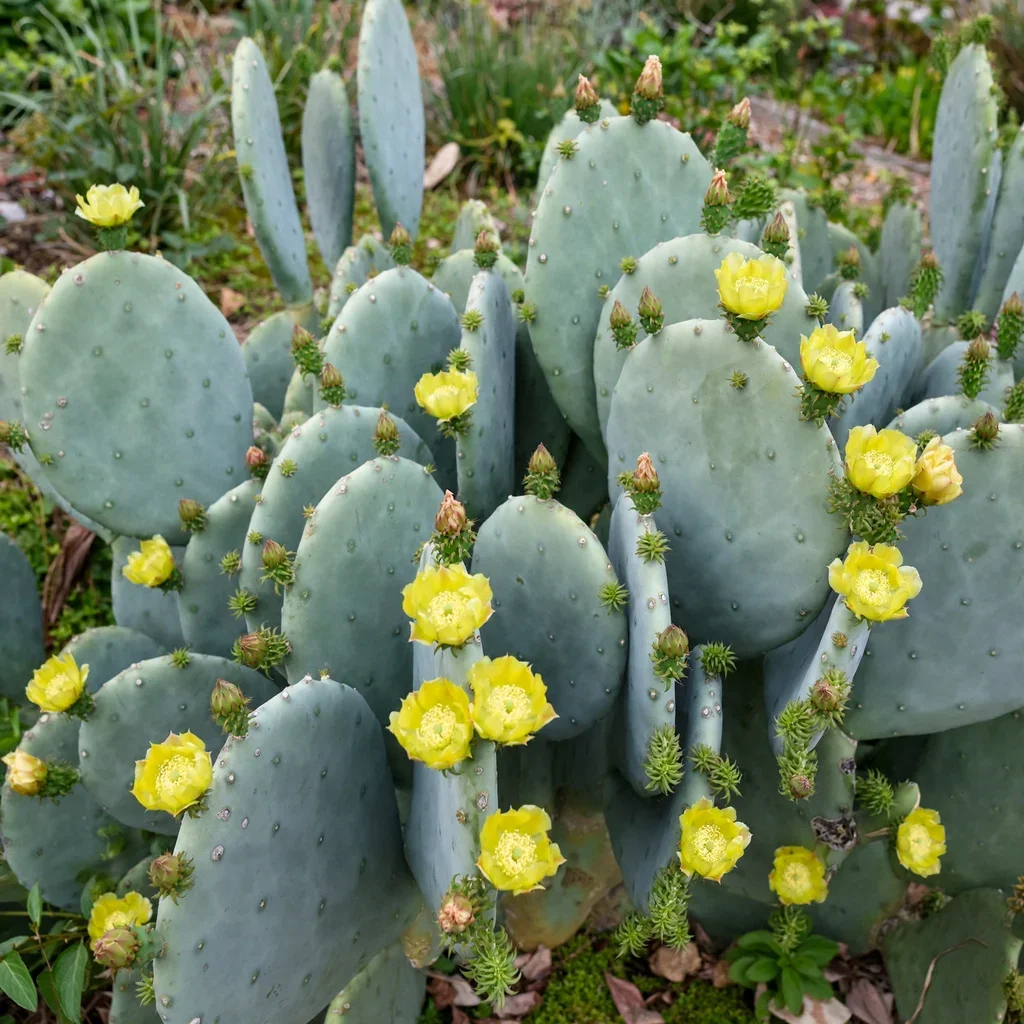
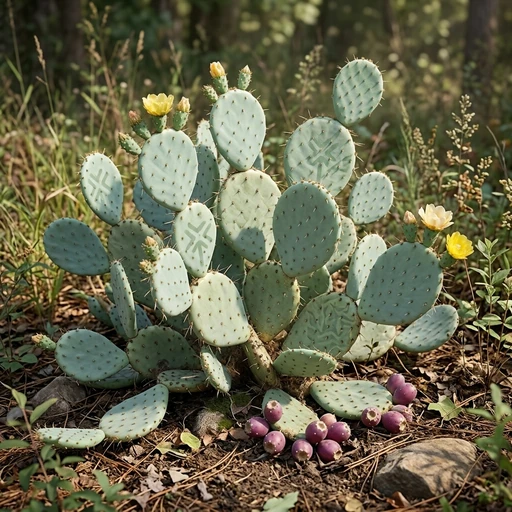
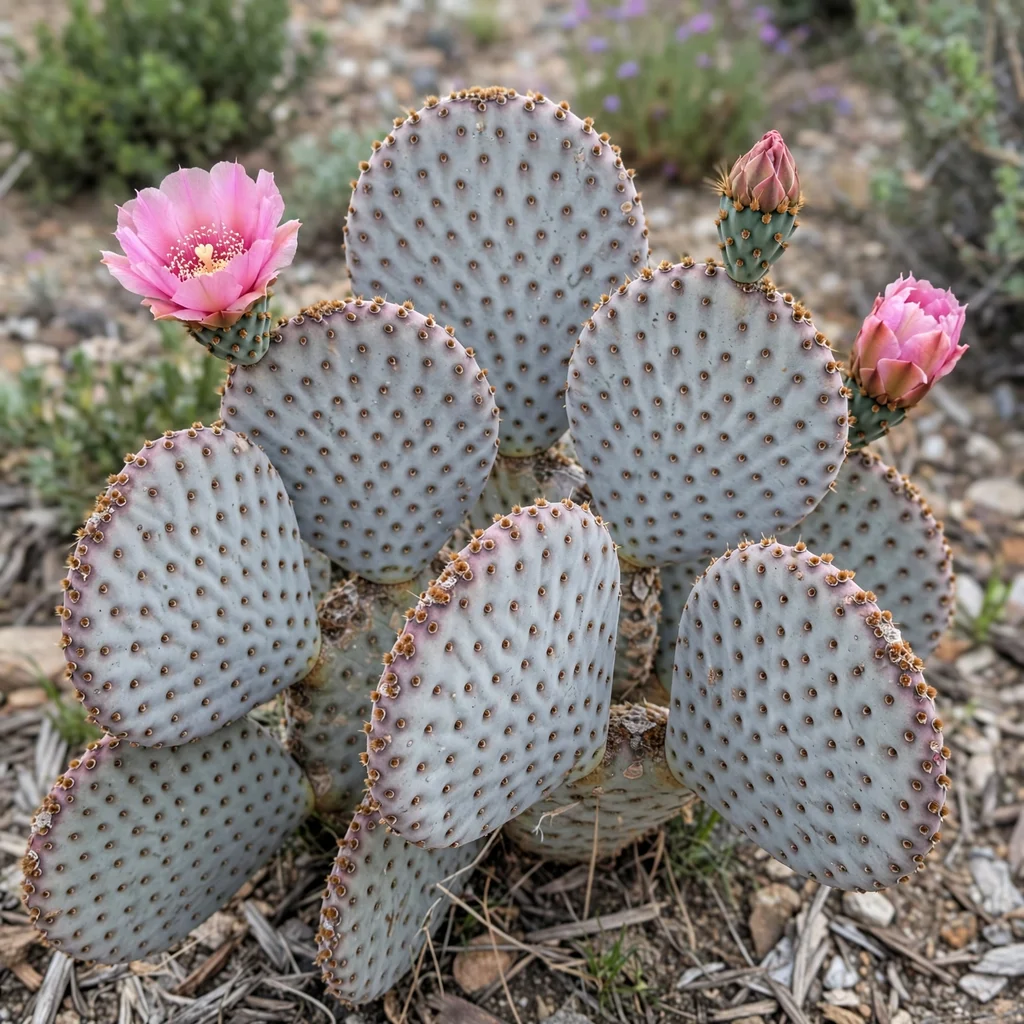
Species of Opuntia
Each one is a parent of the varieties above.
Track your Opuntia in Sow
Save the Opuntia you grow and get care reminders timed to your zone.
How to grow Opuntia
Whats common across all Opuntia varieties in our catalog — drawn from the care records of the 3 most-grown of them.
The Opuntia year
- PlantApril and May100% of varieties
Plant pads or transplants in well-draining soil
- FertilizeApril67% of varieties
Apply a low-nitrogen fertilizer only if growth is poor
- PropagateMay and June67% of varieties
Propagate new plants by rooting detached pads


Do
- Provide full sun for at least 6 hours daily 🌞
- Use well-draining soil to prevent water accumulation
- Water sparingly, especially in winter ❄️
- Fertilize during active growth months with cactus fertilizer
- Handle with care to avoid spines
Avoid
- Overwater, which can cause root rot ❌
- Expose to excessive humidity or shade
- Use heavy, moisture-retentive soil
- Neglect pruning and removal of dead pads
What goes wrong with Opuntia
| Problem | What you'll see | What to do |
|---|---|---|
| Mealybugs | White cottony masses on pads | Apply neem oil or insecticidal soap |
| Scale insects | Small brown or black bumps on pads | Use horticultural oil or insecticidal soap |
| Cochineal Scale | White, cottony patches on the pads, which release a red liquid when crushed. | Blast off with a strong jet of water. Use a stiff brush to scrub them off. Apply horticultural oil in severe cases. |
| Cactus borer beetle | Larvae tunnel inside the pads and stems, causing structural collapse. | Remove and destroy infested pads immediately, or apply targeted insecticide where permitted. |
| Root rot | Soft, blackened roots or base | Improve drainage and reduce watering |
| Root and Pad Rot | Pads become soft, mushy, and discolored, often starting at the base. | Caused by excess moisture. Cut away affected parts with a sterile knife. Ensure perfect drainage. No cure for systemic rot. |
| Root and stem rot | Fungal pathogens cause the base and pads to turn mushy, black, and collapse. | Cut away all rotted portions back to healthy green tissue, allow the cut to callus, and replant in sterile, dry soil. |
Making more Opuntia
Cuttings
- Select healthy pad and let callous for 3-4 days
- Insert into well-draining soil
- Water lightly after 1 week, then as needed
- Roots develop in 4-6 weeks
Seeds
- Tuck seeds into moist cactus mix
- Maintain warm temperature (~70°F)
- Keep soil lightly moist for 2 weeks
- Germination occurs in 2-4 weeks
Opuntia questions
How many types of Opuntia are there?
The Sow catalog tracks 3 distinct Opuntia varieties. The most popular — ranked by 50 real gardeners — are shown first above.
What zones does Opuntia grow in?
Across its varieties, Opuntia covers USDA Zones 4–10. Individual varieties differ — each plant page lists its exact range, and Sow filters the catalog to your zone automatically.
When does Opuntia bloom?
Most Opuntia varieties bloom in early summer, late spring, spring. Staggering early, mid, and late varieties extends the genus's season in one bed.
Which Opuntia should I choose?
Start from the most-saved varieties above — popularity across thousands of gardens is a strong signal of reliability — then filter by your zone and sun. In the Sow app you can preview any of them in a photo of your actual yard before you buy.