The Story
Plant Bio
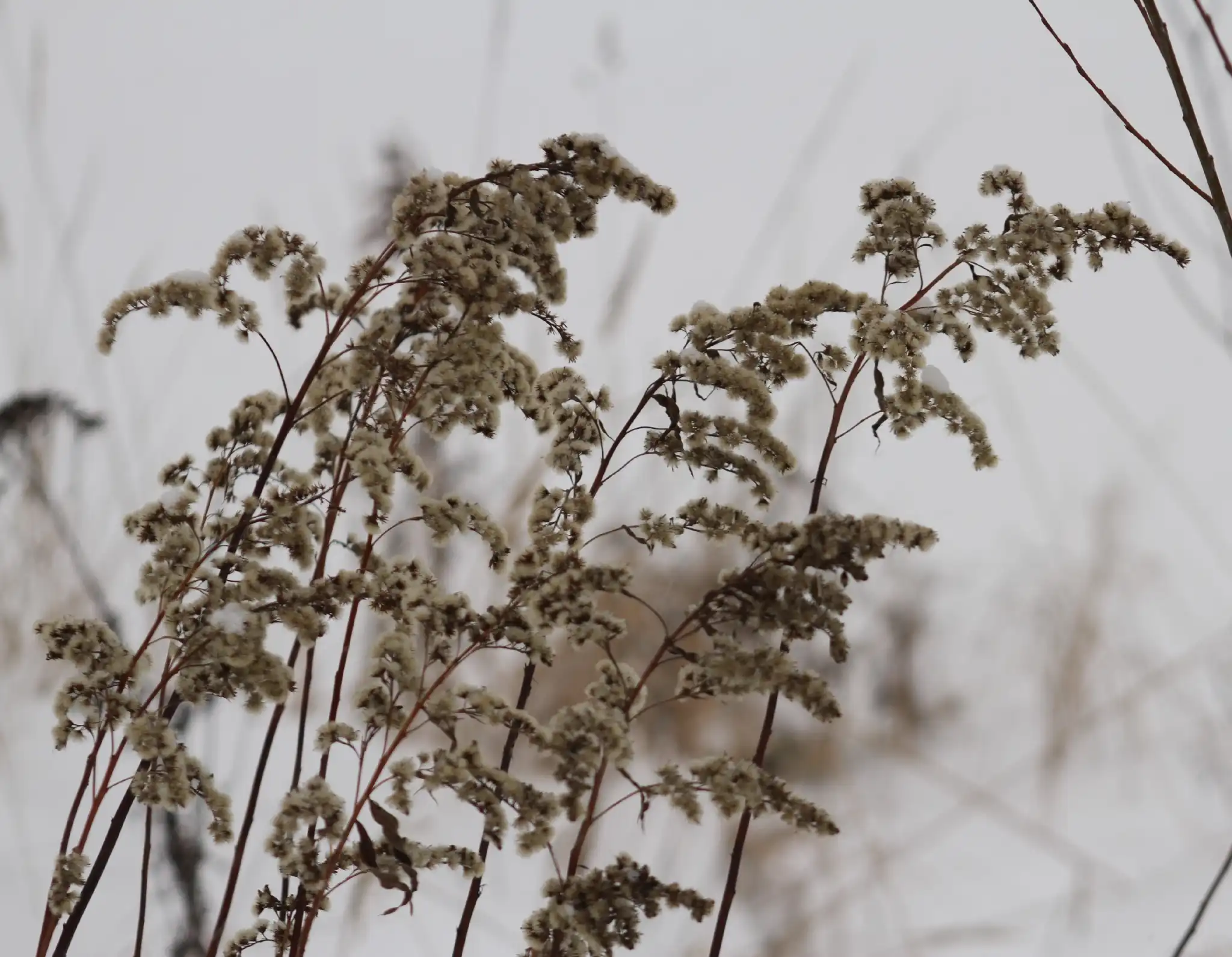
Solidago gigantea, the giant goldenrod, is an upright herbaceous perennial native to North American wetlands and floodplains, spreading to form dense clonal colonies via creeping underground rhizomes. The smooth, sturdy stems often carry a pale waxy bloom and bear sharply toothed, lance-shaped leaves that emerge bright green.
This species is distinguished by its exceptionally tall stature and its large, horizontally branched terminal panicles of bright yellow flowers that recurve outward. Unlike many other goldenrods, its stems are entirely hairless below the flower clusters, giving the plant a clean, smooth appearance.
Uses & Benefits:
Essentials
At a Glance
Plant Type
Perennial
Height
84"
Width
48"
Light
Full Sun, Partial Sun
Zones
4, 5, 6, 7, 8
Water
Medium to wet
Humidity
High
Lifespan
Perennial
Native To
North America
Toxicity
Non-toxic
Bloom period
Late summer – Fall
In flower about 4 months of the year
Marketplace
Where to Buy
Shipping costs Year-round shipping Free shipping
Planting
How to Grow
- Select a planting site in full sun to partial shade with moist, rich soil, though clay and sandy soils are also well tolerated.
- Plant bare-root divisions or plugs in spring, spacing them at least two feet apart to allow room for the creeping rhizomes to spread.
- Water regularly during the first growing season to keep the soil consistently moist, as this species is highly intolerant of prolonged dry spells.
- Apply a light layer of organic mulch around the base of the plants to help retain soil moisture and suppress competing weeds.
Pro Tip
Cut the stems back by half in early summer to promote a more compact, self-supporting habit and prevent the tall flowering panicles from flopping later in the season.
Keep It Thriving
Care Guide
Do
- Do cut the stems back by half in late spring to encourage branching and prevent the mature plants from flopping.
- Do divide the root clump every two to three years in early spring to control its aggressive rhizomatous spread.
- Do deadhead spent flower panicles before they set seed if you wish to prevent self-seeding in the garden.
Don't
- Don't plant in dry, unwatered soils where the foliage will quickly scorch and decline.
- Don't plant in deep shade, which leads to weak, leggy growth and poor flowering.
- Don't worry about goldenrod causing hay fever; its heavy pollen is carried by insects rather than the wind.
Seasonal Care Calendar
| Task | Jan | Feb | Mar | Apr | May | Jun | Jul | Aug | Sep | Oct | Nov | Dec |
|---|---|---|---|---|---|---|---|---|---|---|---|---|
| Deadhead | ||||||||||||
| Divide | ||||||||||||
| Pest Check | ||||||||||||
| Prune | ||||||||||||
| Spring Cleanup |
Watch Out For
Pests & Diseases
Common Pests
Common Diseases
In the Garden
Landscape Uses & Companions
Landscape Uses
Multiply
Propagation Methods
Good to Know
Common Questions
Giant goldenrod questions
What zones can Giant goldenrod grow in?
Giant goldenrod is hardy in USDA Zones 4–8. Inside that range it survives winter in the ground; outside it, grow it as an annual or a container plant you protect.
Is Giant goldenrod deer resistant?
Not reliably. Deer may browse Giant goldenrod, especially tender spring growth — plan on repellents or fencing where pressure is high.
When does Giant goldenrod bloom?
Giant goldenrod typically blooms in late summer through fall. Exact timing shifts a week or two with your zone — Sow's bloom calendar maps it to your garden.
Does Giant goldenrod need full sun?
Giant goldenrod does best in full sun to part shade. In hot climates, afternoon shade keeps blooms fresher longer.
More Solidago to compare
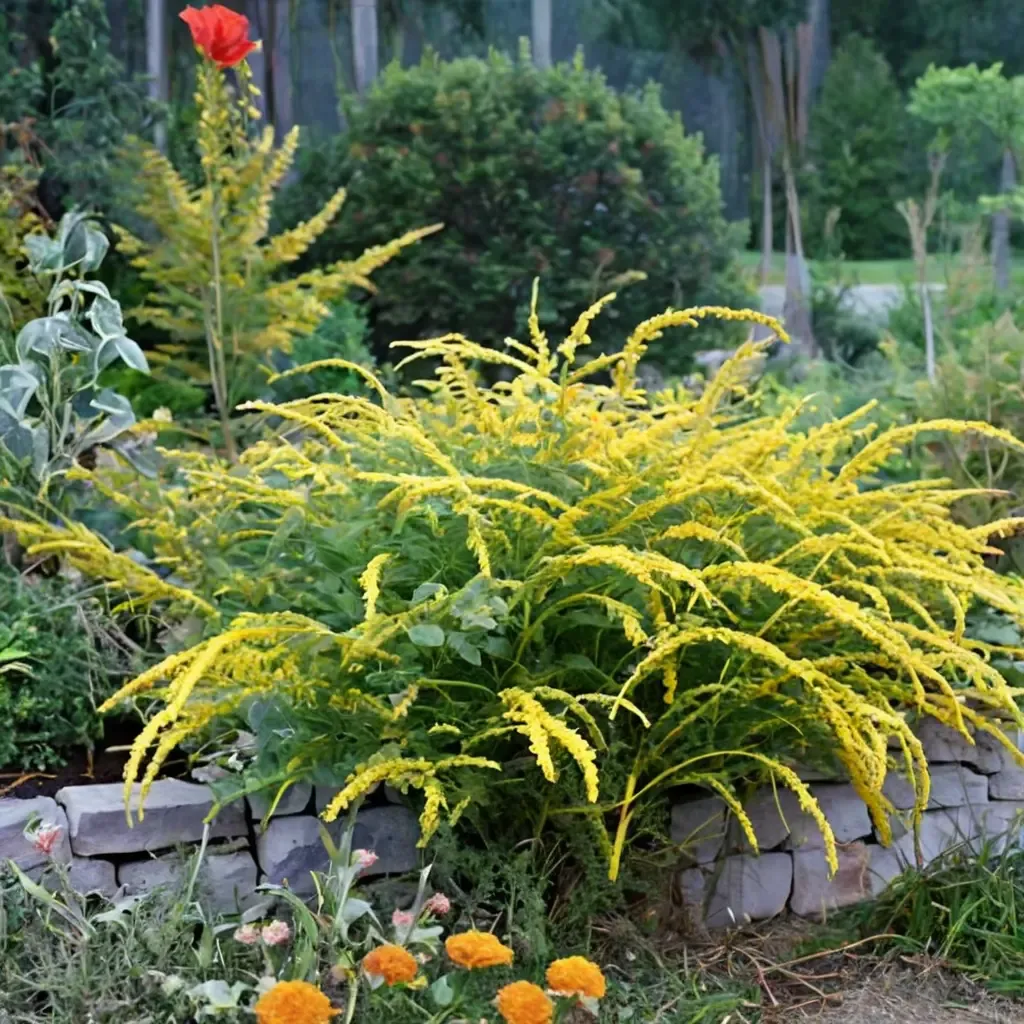
Fireworks Goldenrod
Solidago rugosa 'Fireworks'
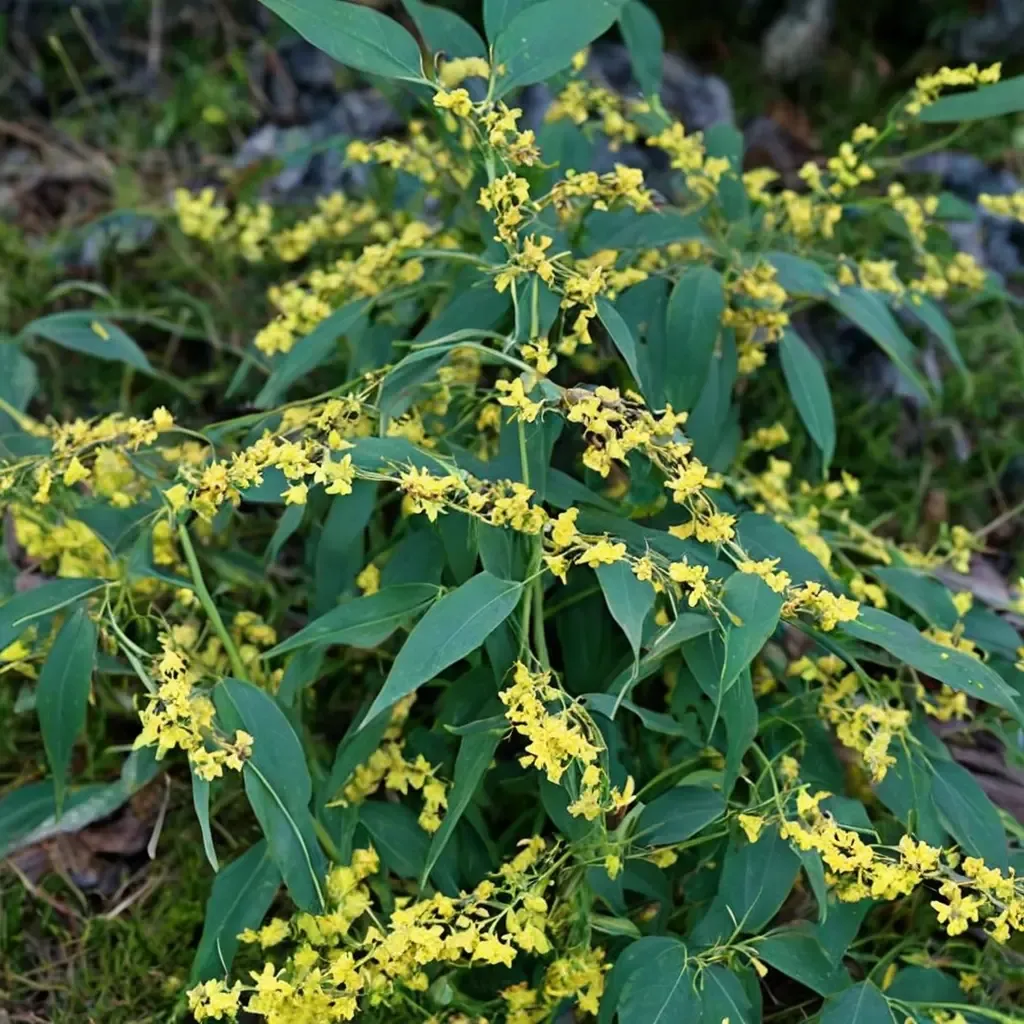
Bluestem Goldenrod
Solidago caesia
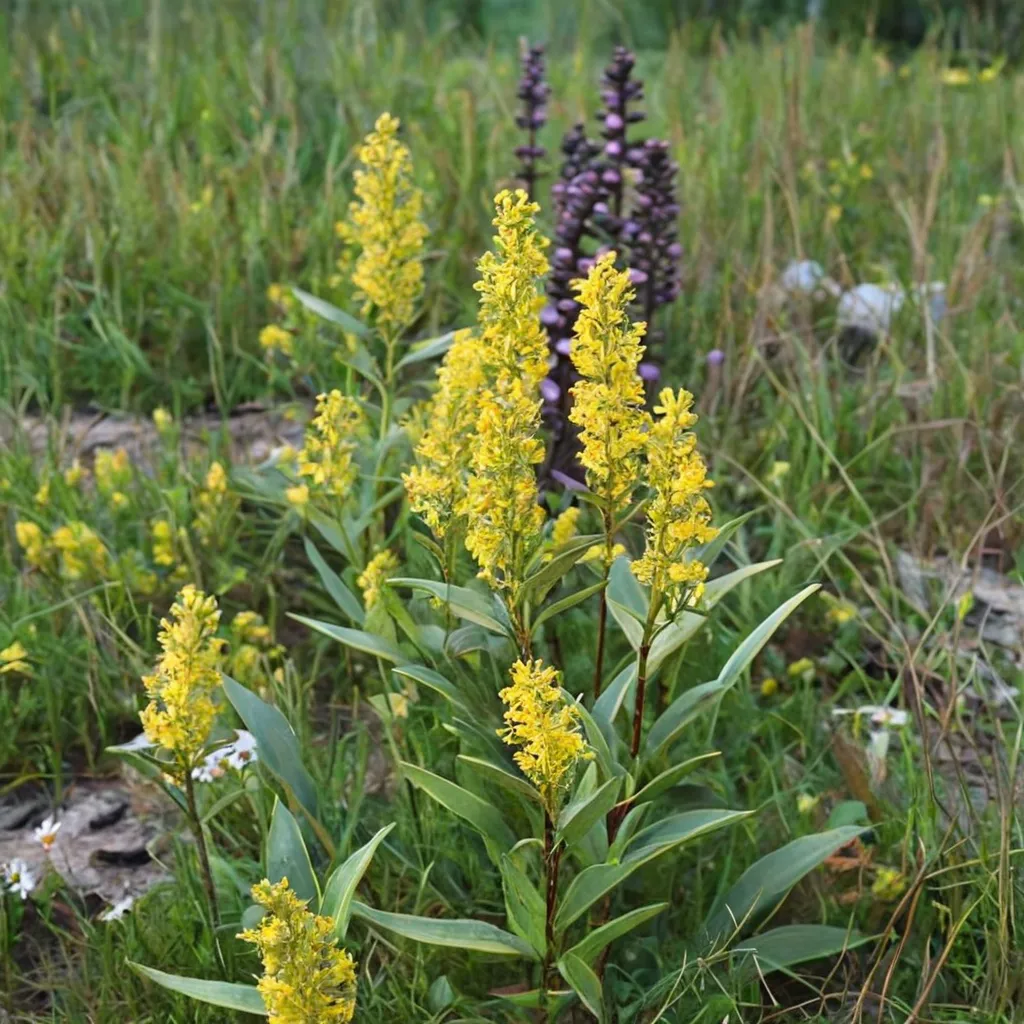
Showy Goldenrod
Solidago speciosa
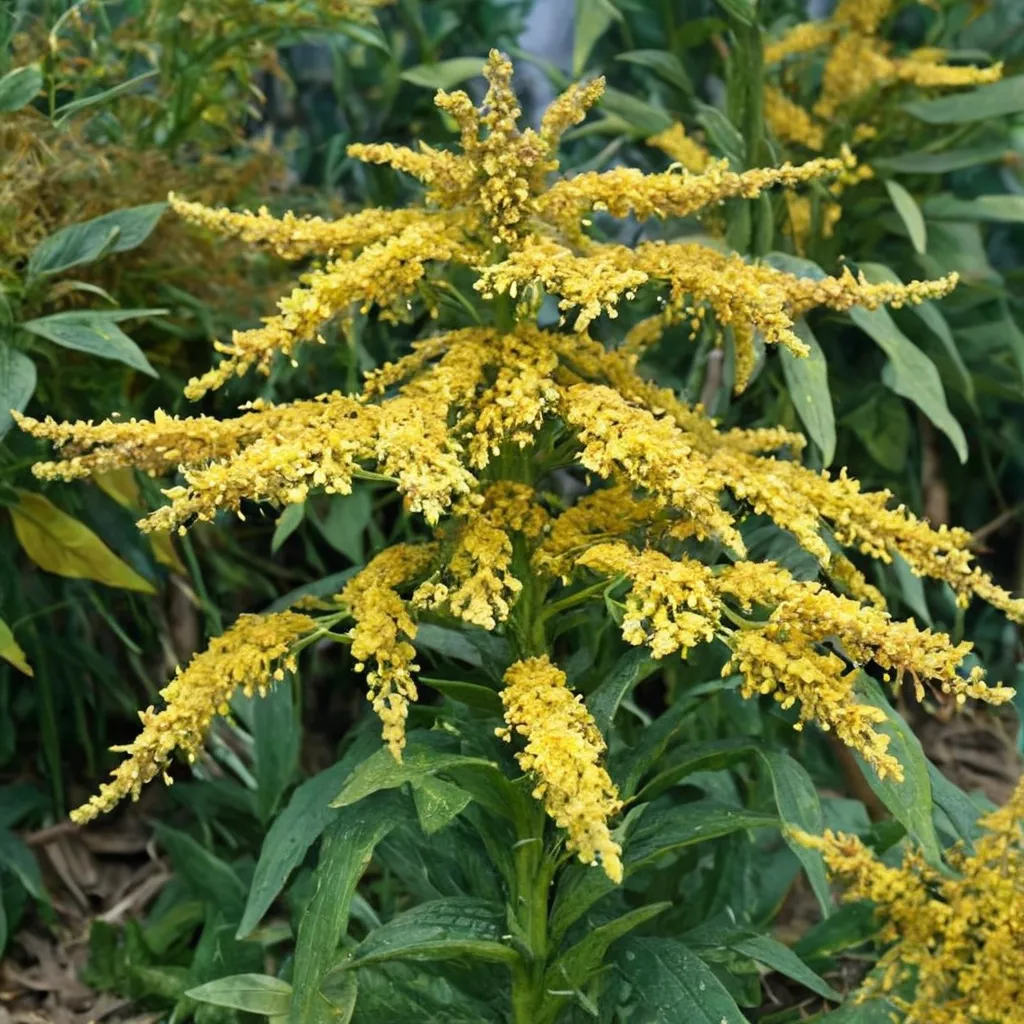
Goldenrod Peter Pan
Solidago x hybrida 'Peter Pan'
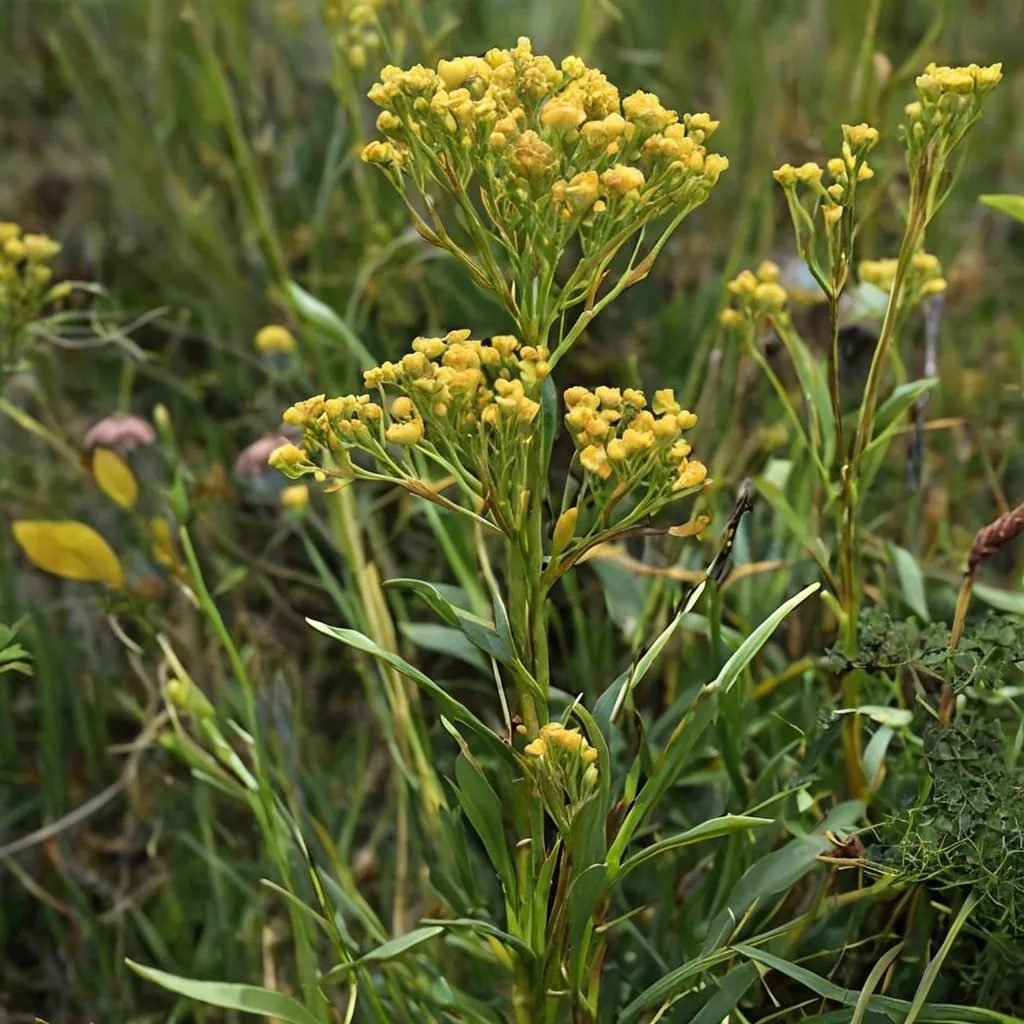
Ohio Goldenrod
Solidago ohioensis
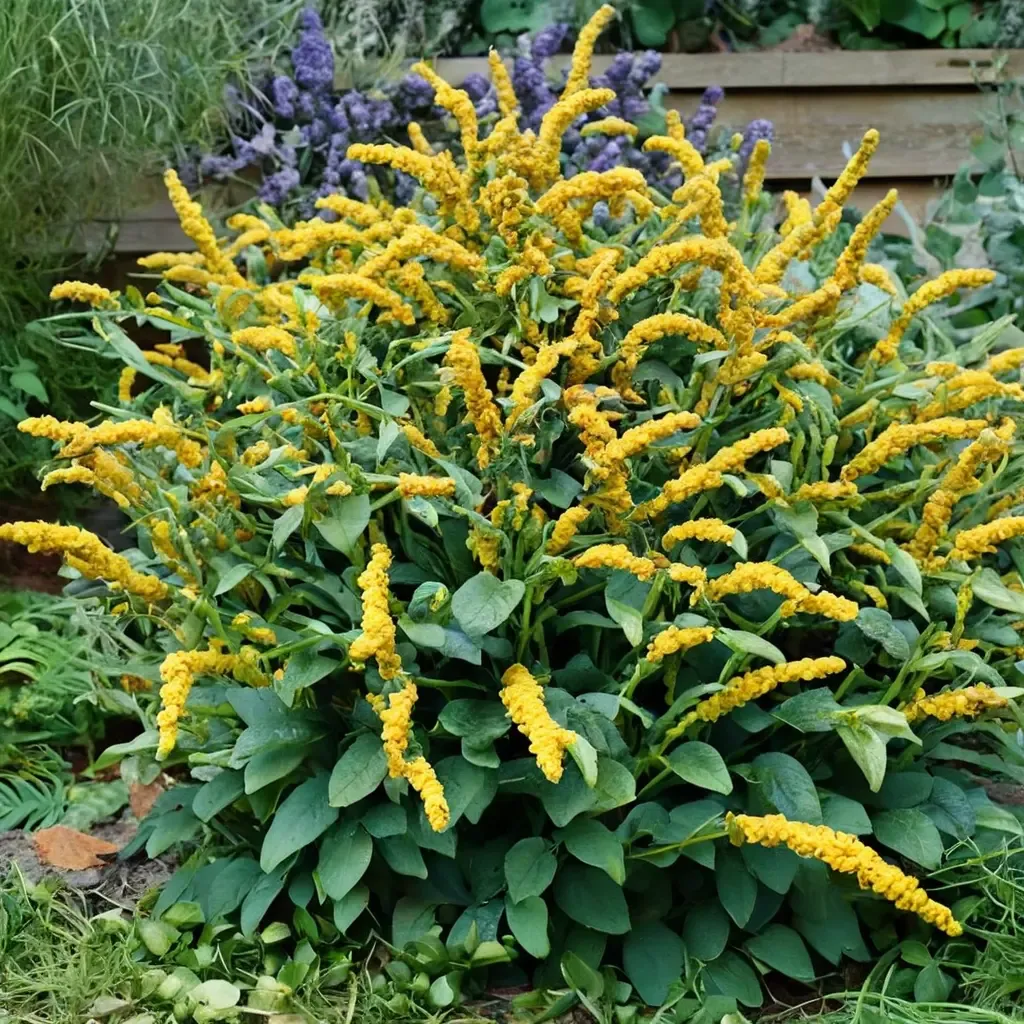
Golden Fleece Solidago Solidago Golden Fleece
Solidago sphacelata 'Golden Fleece'
Keep exploring
Explore the genus
Hardy in your zone?
Grow Giant goldenrod with confidence
See it in a design of your actual yard, get zone-matched care reminders, and track it season by season in your garden journal.