
The Story
Plant Bio
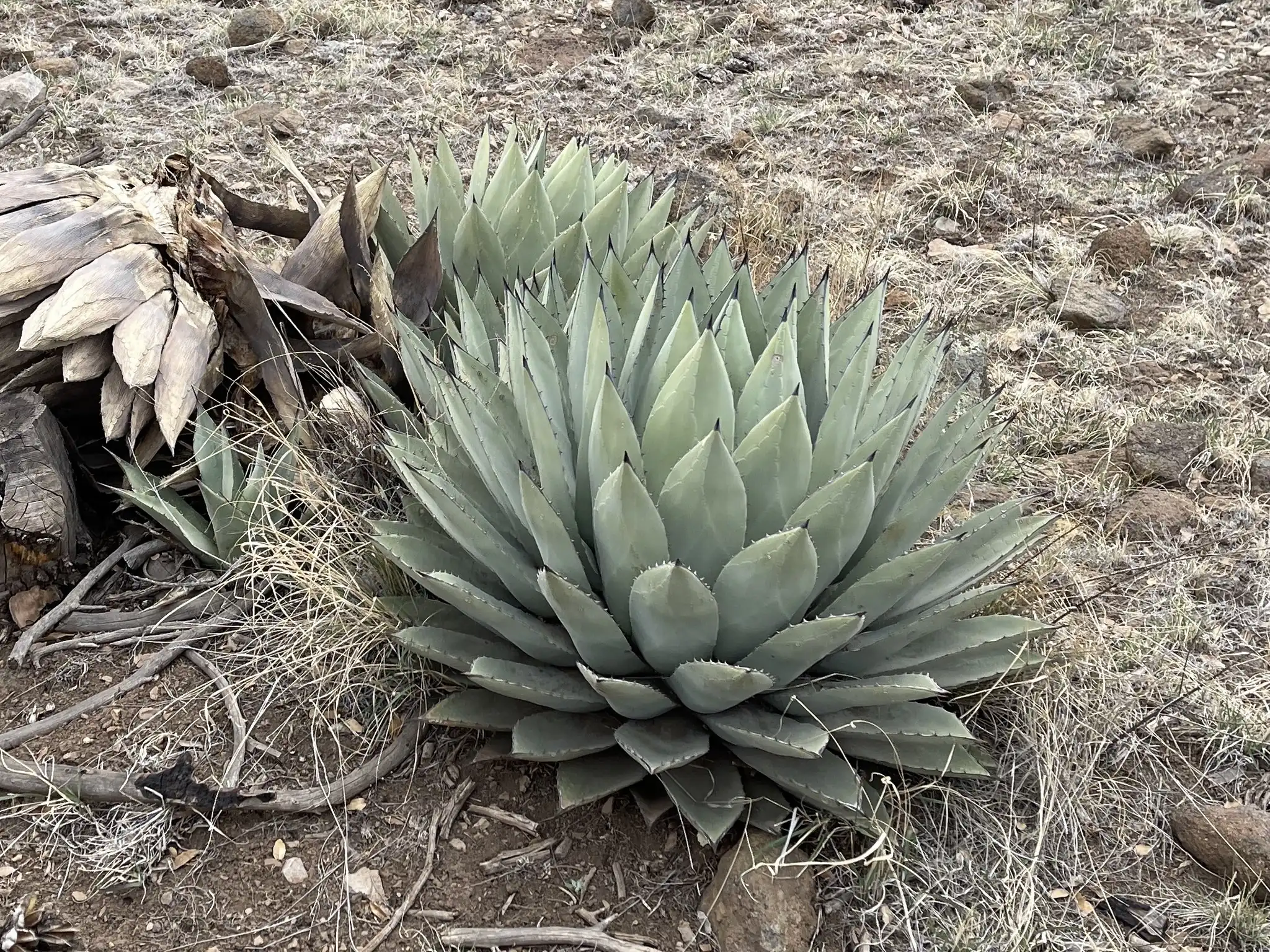
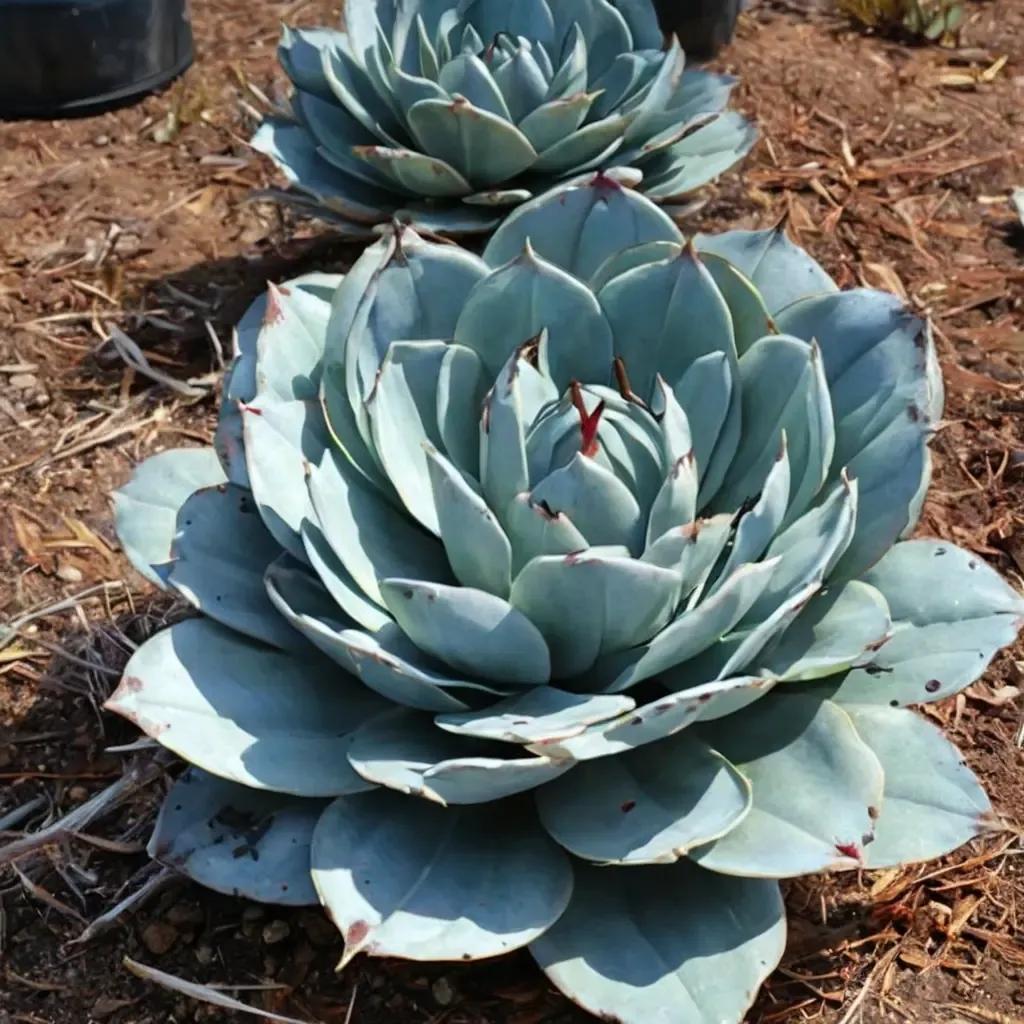
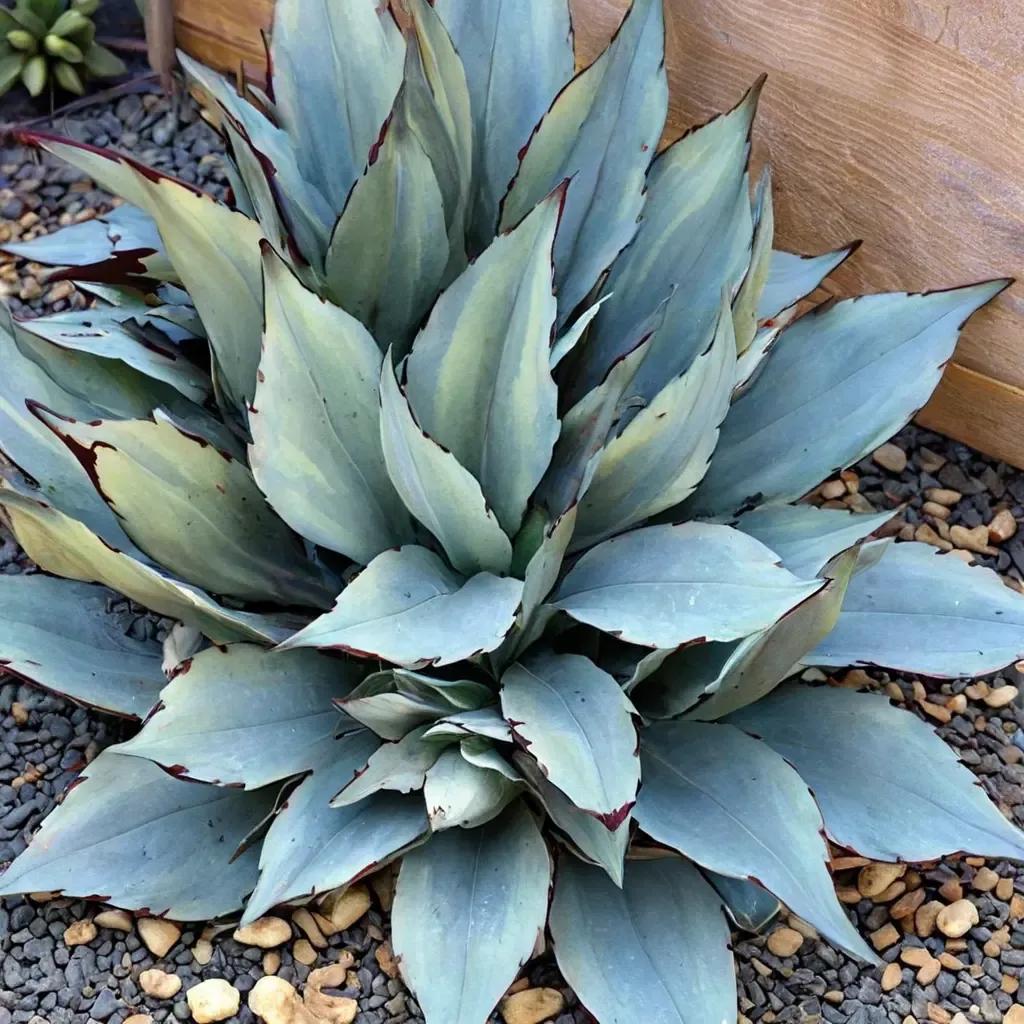
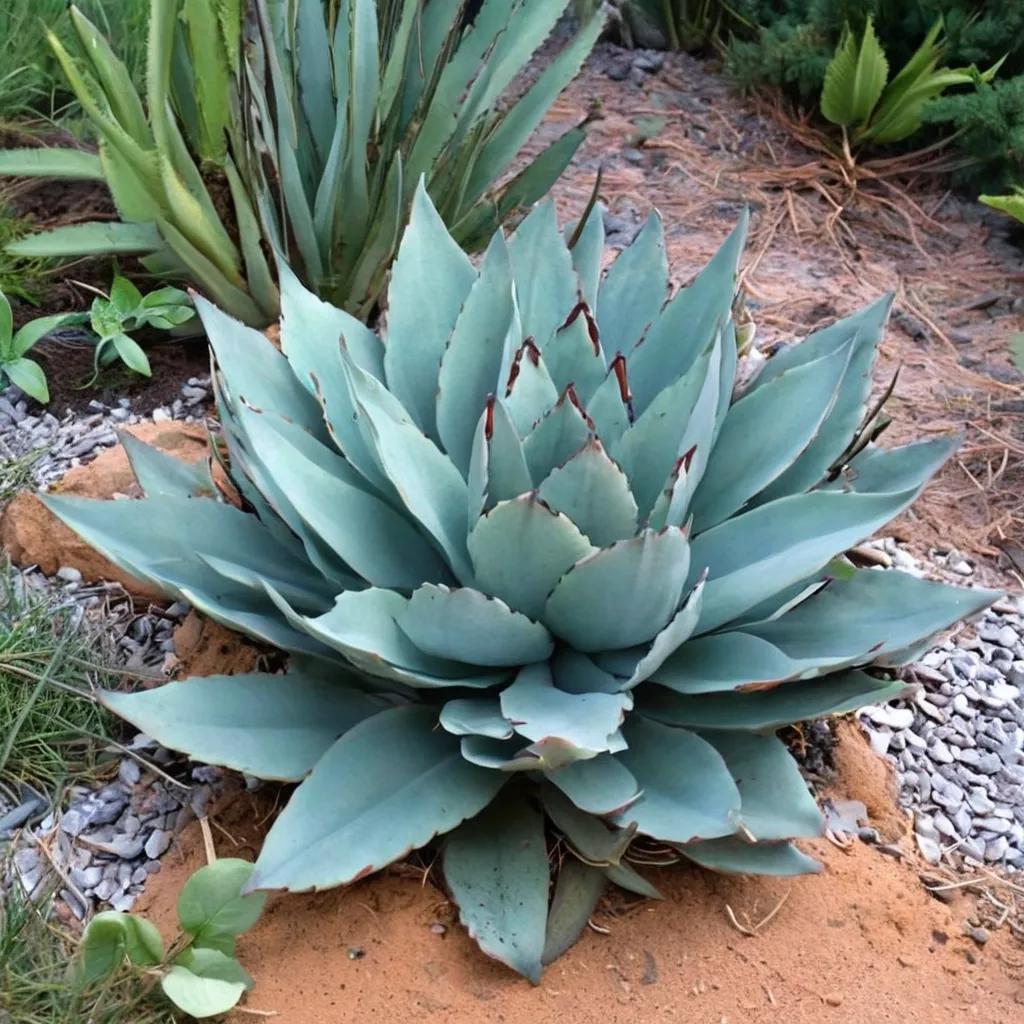
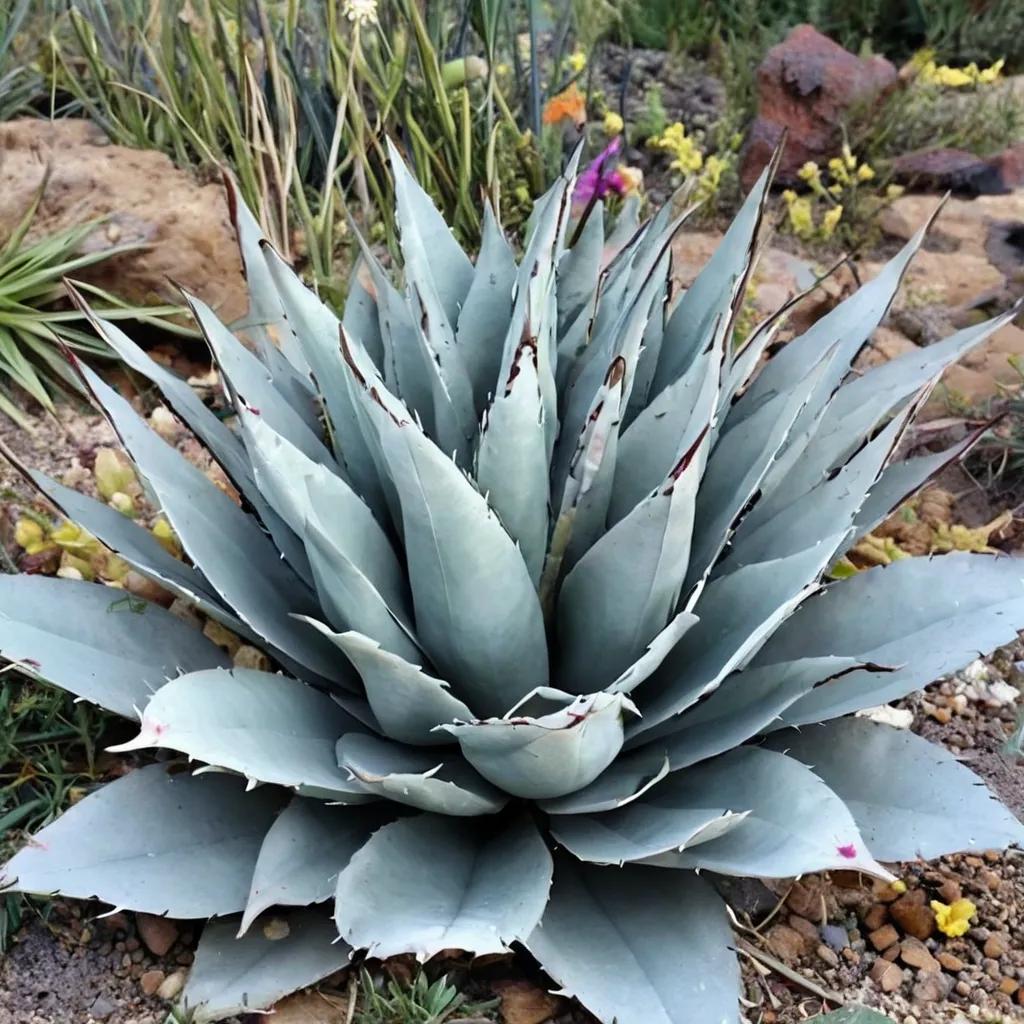
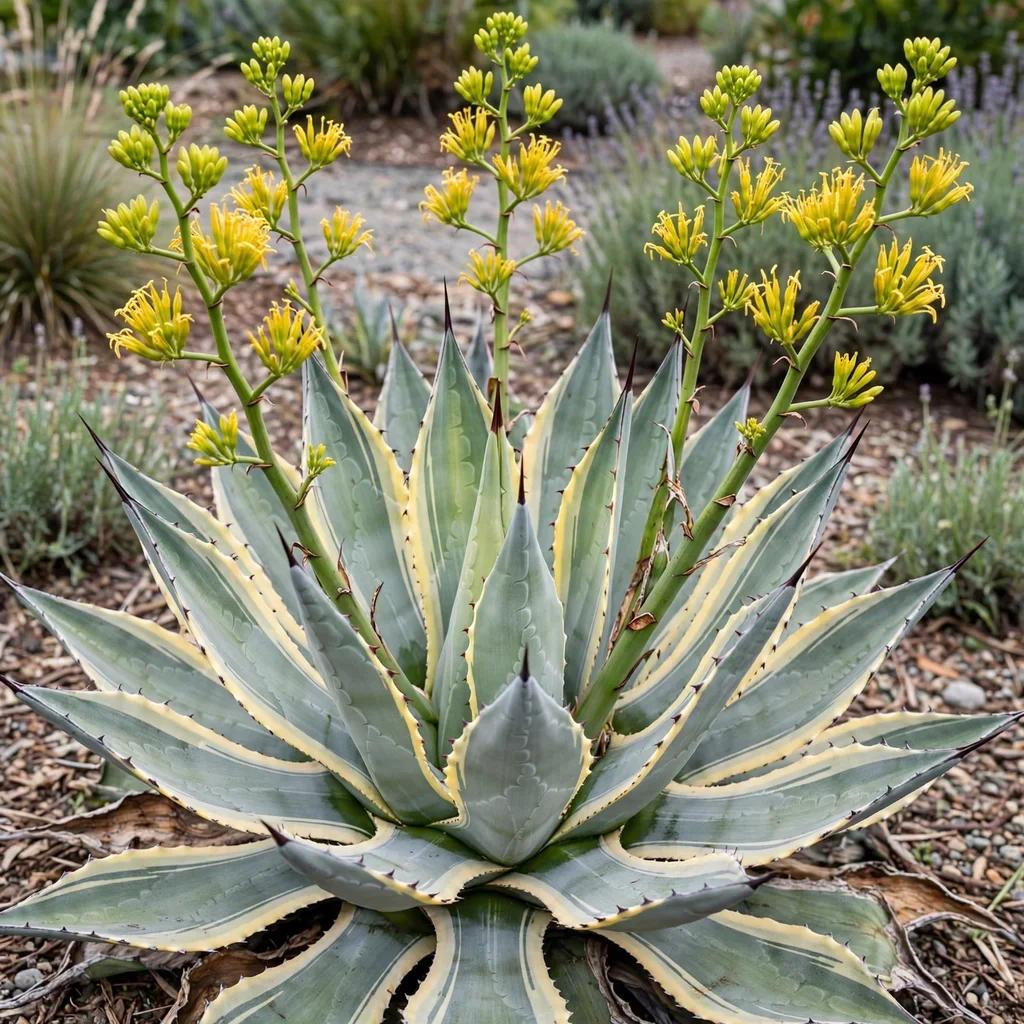
Agave parryi, Parry's agave, is a compact evergreen succulent native to the southwestern United States and Mexico, forming a tight rosette one to three feet across. Thick grey-green to blue-grey leaves are held in a dense whorl, each edged with dark teeth and tipped with a single sharp terminal spine. Tall yellow flower spikes appear only once, at maturity.
It is monocarpic: after ten to twenty years the rosette sends up a flower stalk twelve to twenty feet tall, sets seed, and then dies — leaving offsets around the base to carry on. Among the hardiest agaves, it survives well below freezing given sharp drainage, and the terminal spine is stiff enough to warrant siting it away from paths.
Uses & Benefits:
Essentials
At a Glance
Plant Type
Cactus Succulent
Height
24"
Width
36"
Light
Full Sun
Zones
8, 9, 10
Water
Low
Humidity
Low
Lifespan
Perennial
Native To
Southwestern United States and Mexico
Toxicity
Non-toxic
Marketplace
Where to Buy
Shipping costs Year-round shipping Free shipping
Planting
How to Grow
- Plant in spring in very sharply drained gritty soil.
- Choose full sun.
- Site it away from paths; the terminal spines are hazardous.
- Water sparingly; overwatering is the main cause of loss.
- Remove offsets to propagate or to keep the clump tidy.
- Keep winter moisture off the crown in cold regions.
Pro Tip
Winter wet kills it far more often than winter cold — grit, slope and sharp drainage matter more than the temperature rating.
Keep It Thriving
Care Guide
Do
- Plant in gritty sharply drained soil 🪨
- Site away from paths and seating ⚠️
- Water sparingly ☀️
- Remove offsets to propagate 🌱
Don't
- Overwater, especially in winter ❌
- Plant in heavy or wet soil ❌
- Site it where children run past ❌
Seasonal Care Calendar
| Task | Jan | Feb | Mar | Apr | May | Jun | Jul | Aug | Sep | Oct | Nov | Dec |
|---|---|---|---|---|---|---|---|---|---|---|---|---|
| Monitor |
Watch Out For
Pests & Diseases
Common Pests
Common Diseases
In the Garden
Landscape Uses & Companions
Landscape Uses
Multiply
Propagation Methods
Good to Know
Common Questions
Parry's Agave questions
What zones can Parry's Agave grow in?
Parry's Agave is hardy in USDA Zones 8–10. Inside that range it survives winter in the ground; outside it, grow it as an annual or a container plant you protect.
Is Parry's Agave deer resistant?
Yes — Parry's Agave is rated deer-resistant. Deer typically pass it over, though extreme hunger can override any plant's defenses.
When does Parry's Agave bloom?
Parry's Agave typically blooms in summer through late fall. Exact timing shifts a week or two with your zone — Sow's bloom calendar maps it to your garden.
Does Parry's Agave need full sun?
Parry's Agave does best in full sun (6+ hours).
Is Parry's Agave drought tolerant?
Yes — once established (usually after the first full season), Parry's Agave handles dry spells with minimal watering. Water deeply its first year to build the root system that makes that possible.
More Agave to compare
Toumey's Agave
Agave toumeyana
Utah Agave Kaibabensis
Agave utahensis 'kaibabensis'
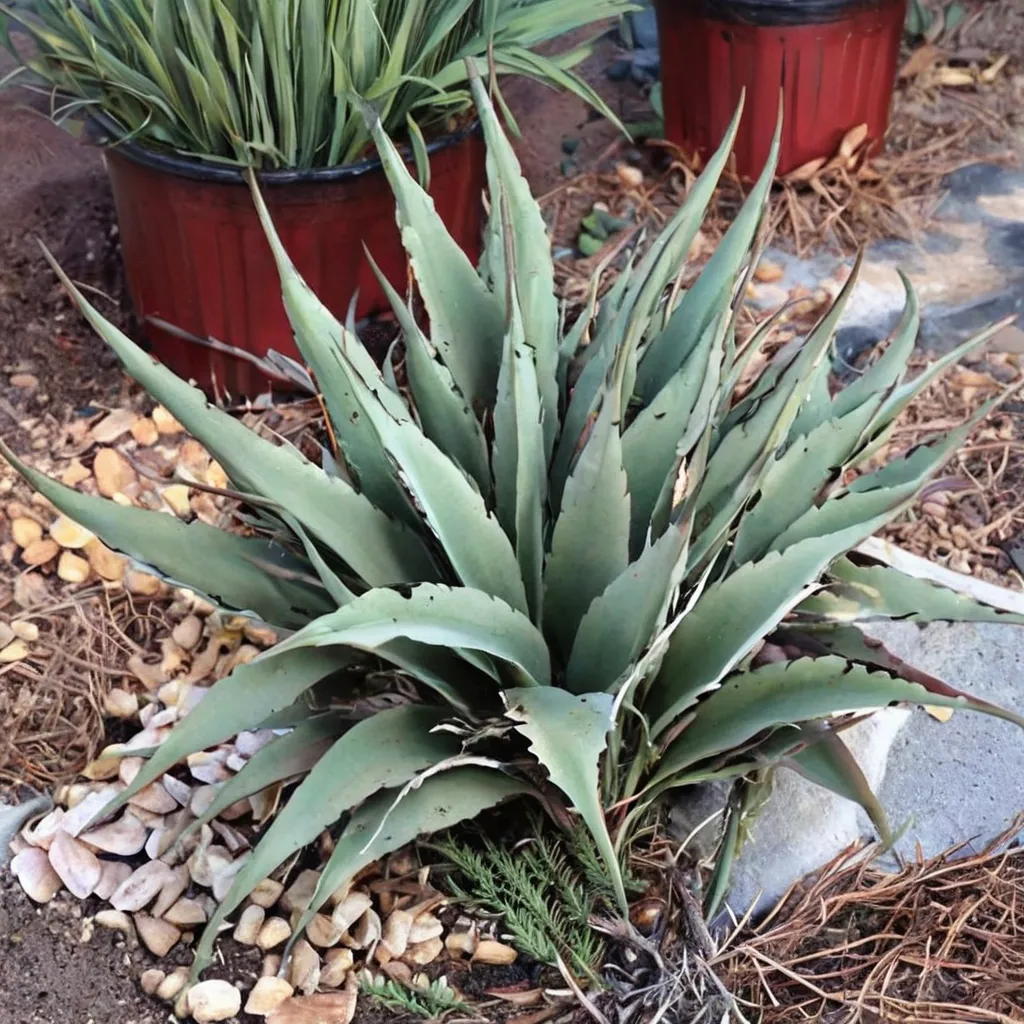
Slimfoot Century Plant
Agave gracilipes
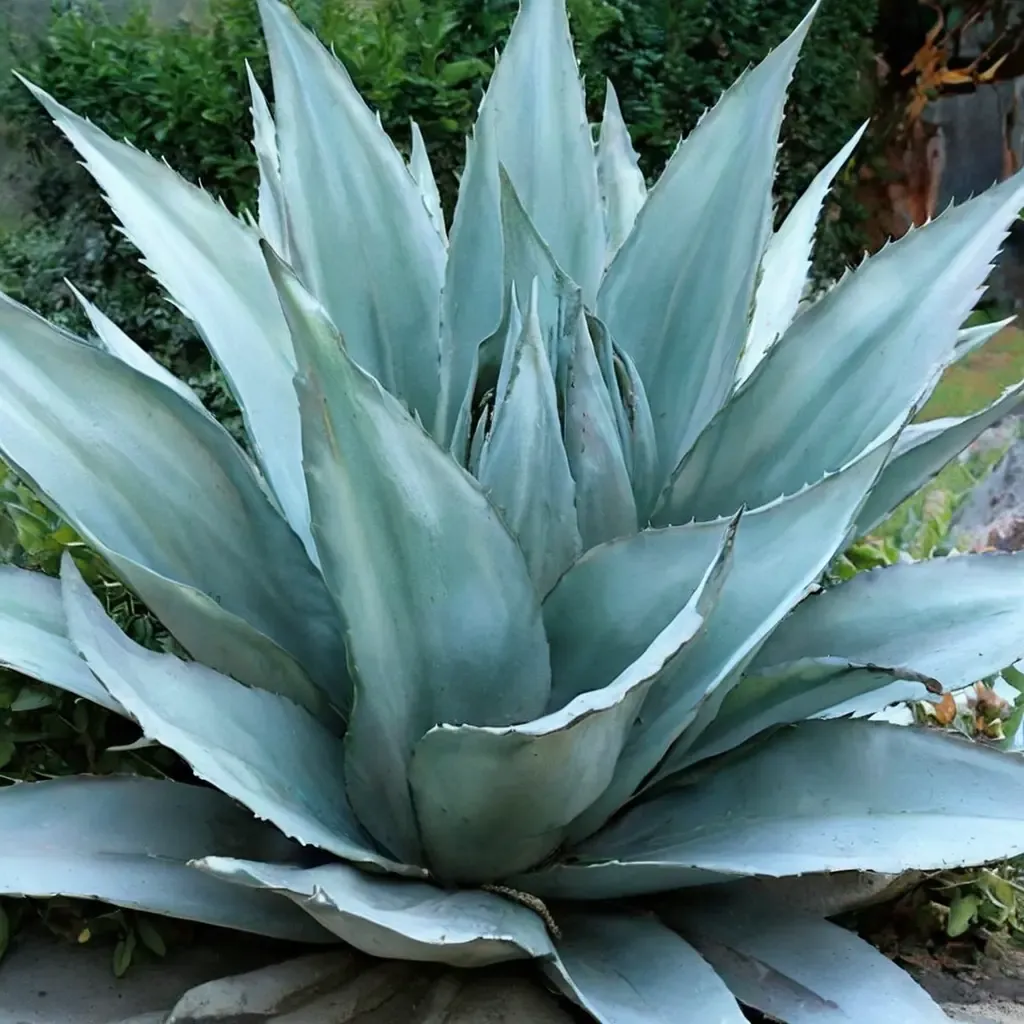
Vanzie Whale's Tongue Agave
Agave ovatifolia 'Vanzie'
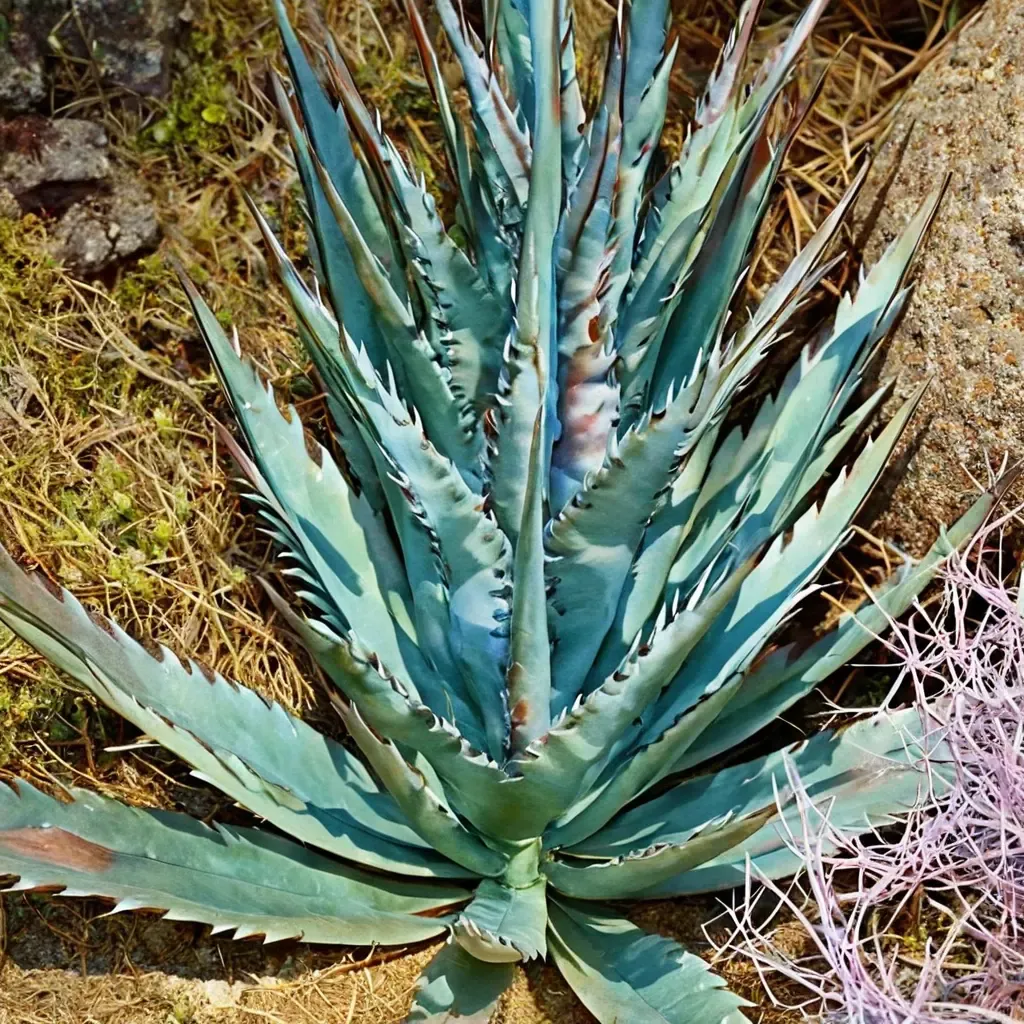
McKelvey's Agave
Agave mckelveyana
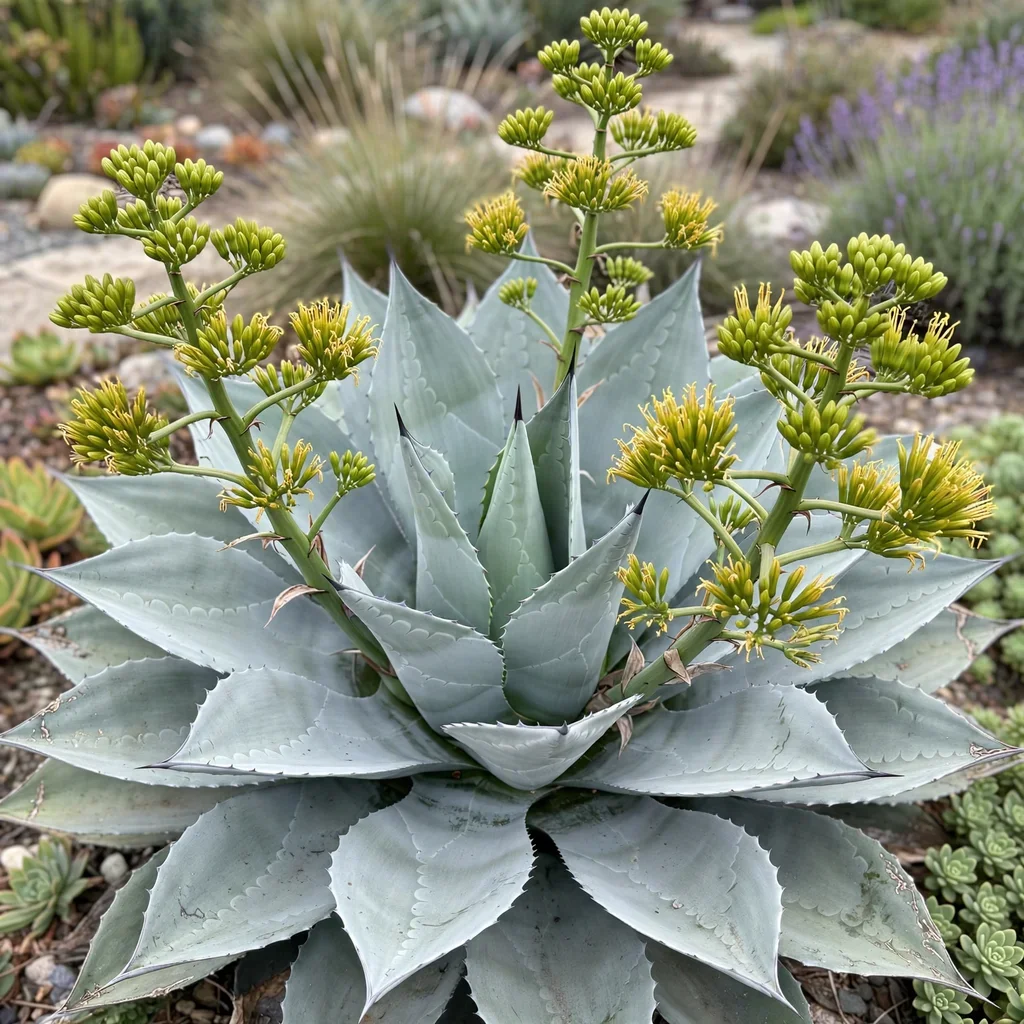
Frosty Blue Whale's Tongue Agave
Agave ovatifolia 'Frosty Blue'
Keep exploring
Explore the genus
Hardy in your zone?
Grow Parry's Agave with confidence
See it in a design of your actual yard, get zone-matched care reminders, and track it season by season in your garden journal.