
The Story
Plant Bio
Dryopteris erythrosora, commonly known under the horticultural synonym Dryopteris autumnalis, is a clump-forming evergreen fern native to forested regions of East Asia. It spreads slowly via short creeping rhizomes to form an upright, vase-shaped mound of arching, triangular fronds.
This species is distinguished by its young fronds, which emerge in spring with copper-pink, bronze, or orange-red tones before maturing to a glossy deep green. The undersides of the pinnae bear sori covered by bright red indusia, providing seasonal interest as spores mature.
Uses & Benefits:
Essentials
At a Glance
Plant Type
Fern
Height
24"
Width
24"
Light
Partial Sun, Shade
Zones
5, 6, 7, 8, 9, 10
Water
Consistent
Humidity
Moderate to high
Lifespan
Perennial
Native To
East Asia
Toxicity
Non-toxic
Planting
How to Grow
- Select a planting site in partial to full shade with rich, acidic, organic-rich soil.
- Dig a hole twice the width of the root ball and set the plant so the crown sits level with the soil surface.
- Water thoroughly after planting and apply a layer of organic mulch to retain soil moisture.
- Maintain consistent moisture, ensuring the soil never dries out completely during the establishment phase.
Pro Tip
Leave the old, tattered fronds intact through the winter to shield the crown from cold; shear them back to the ground in late winter just before the new fiddleheads begin to unfurl.
Keep It Thriving
Care Guide
Do
- Keep the soil consistently moist, especially during hot summer dry spells.
- Apply a light top-dressing of organic compost around the base in early spring.
- Leave old fronds on the plant through winter to protect the crown from cold damage.
Don't
- Do not allow the root zone to dry out completely, which causes irreversible frond desiccation.
- Do not apply heavy synthetic chemical fertilizers, which can burn the delicate root system.
- Do not prune or shear back the foliage during the active summer growing season.
Seasonal Care Calendar
| Task | Jan | Feb | Mar | Apr | May | Jun | Jul | Aug | Sep | Oct | Nov | Dec |
|---|---|---|---|---|---|---|---|---|---|---|---|---|
| Divide | ||||||||||||
| Fertilize | ||||||||||||
| Mulch | ||||||||||||
| Prune |
Watch Out For
Pests & Diseases
Common Pests
Common Diseases
In the Garden
Landscape Uses & Companions
Landscape Uses
Companion Plants
Multiply
Propagation Methods
Good to Know
Common Questions
Autumn Fern questions
What zones can Autumn Fern grow in?
Autumn Fern is hardy in USDA Zones 5–10. Inside that range it survives winter in the ground; outside it, grow it as an annual or a container plant you protect.
Is Autumn Fern deer resistant?
Yes — Autumn Fern is rated deer-resistant. Deer typically pass it over, though extreme hunger can override any plant's defenses.
Does Autumn Fern need full sun?
Autumn Fern does best in part shade.
More Dryopteris to compare
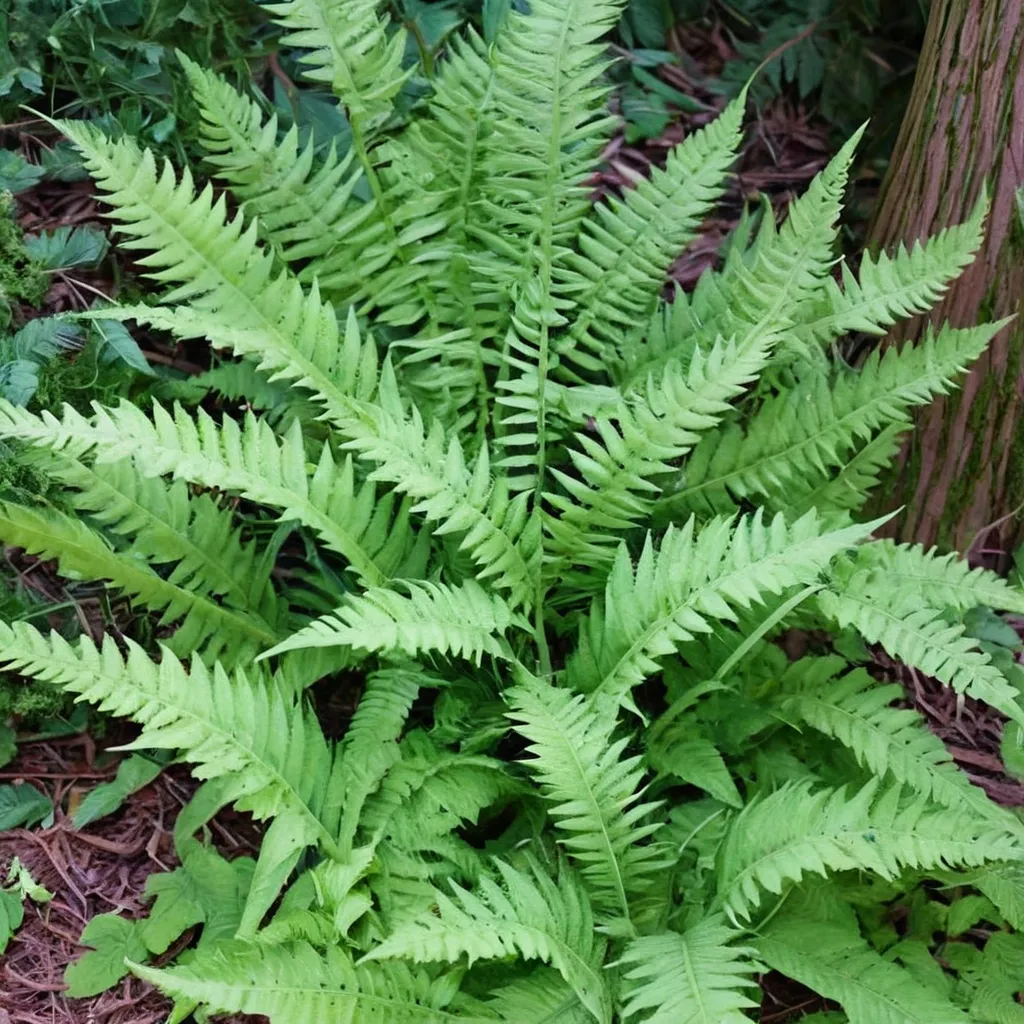
Log Fern
Dryopteris x separabilis
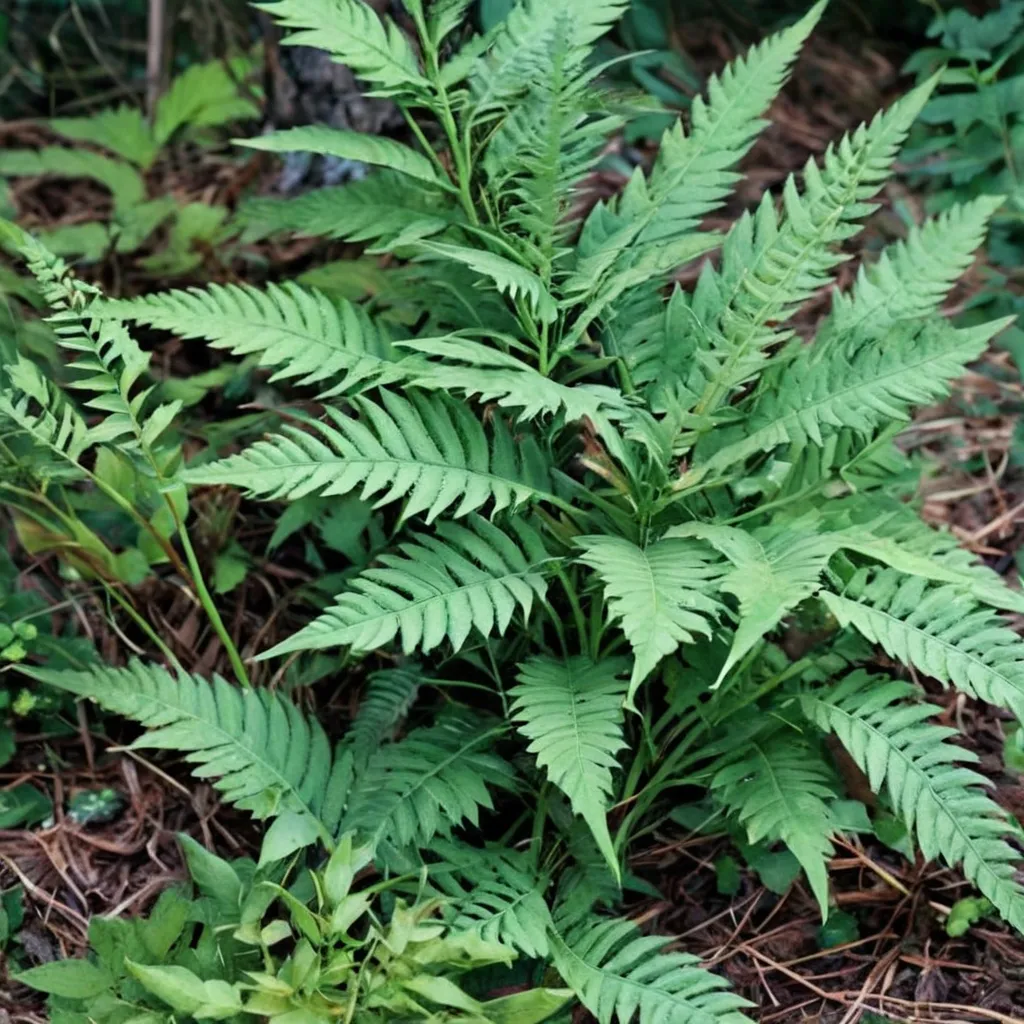
Shreveport Log Fern
Dryopteris x celsa 'Shreveport'
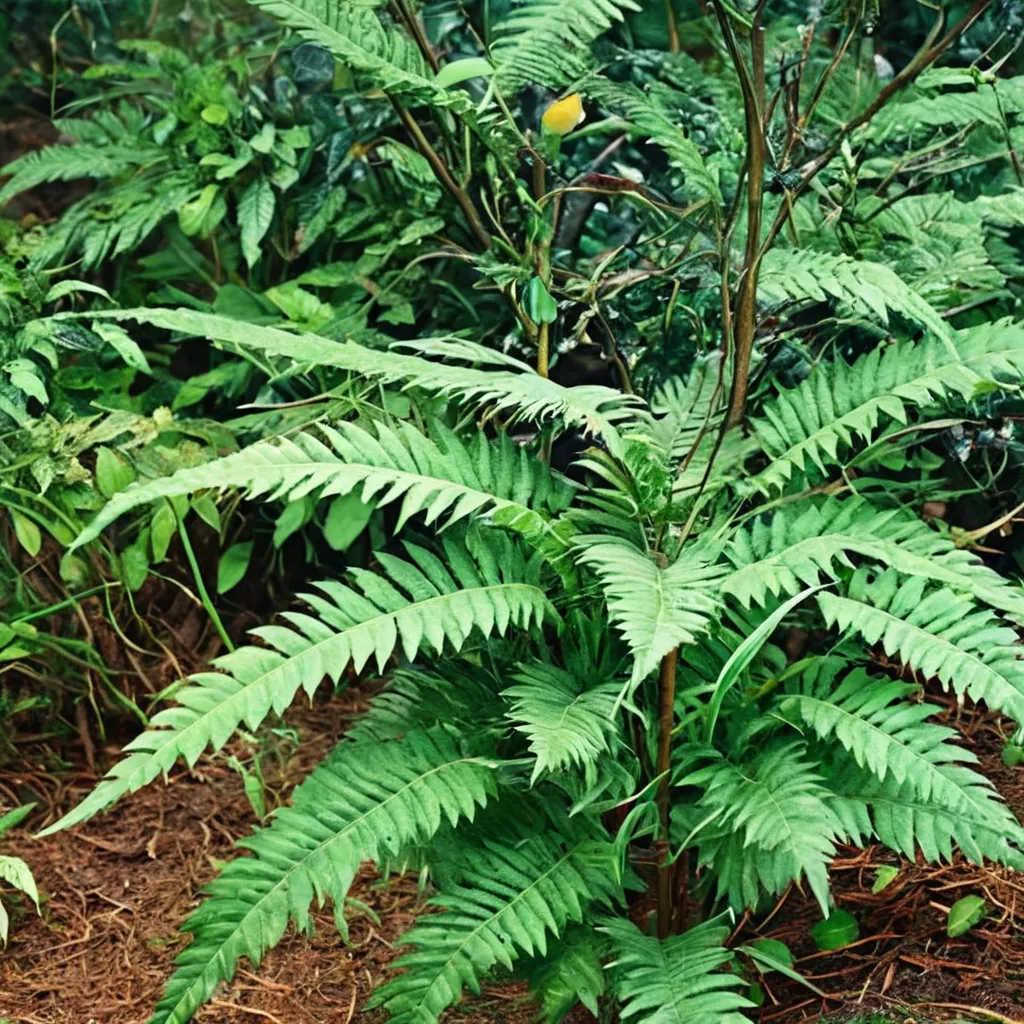
Wallich's Wood Fern
Dryopteris wallichiana 'Tucumanji'
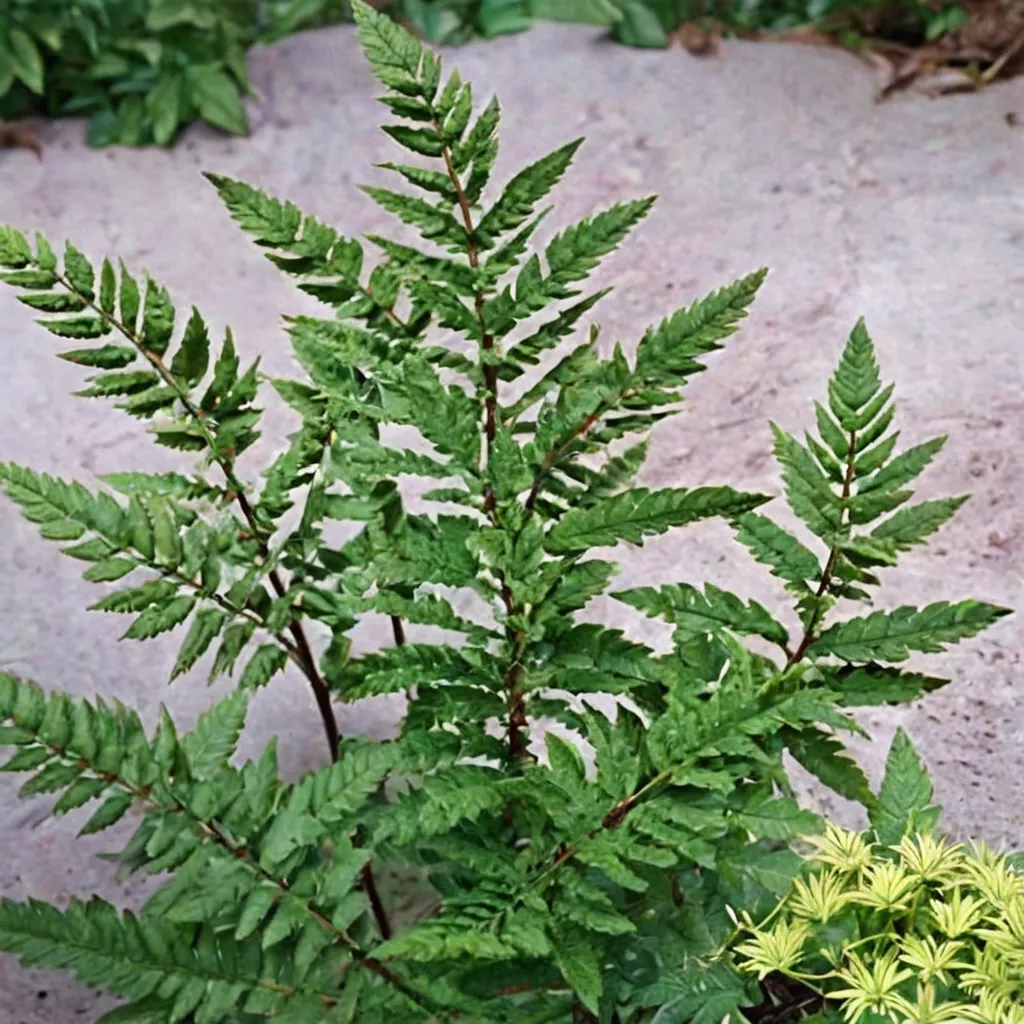
Broad Buckler-fern
Dryopteris dilatata 'Jimmy Dyce'
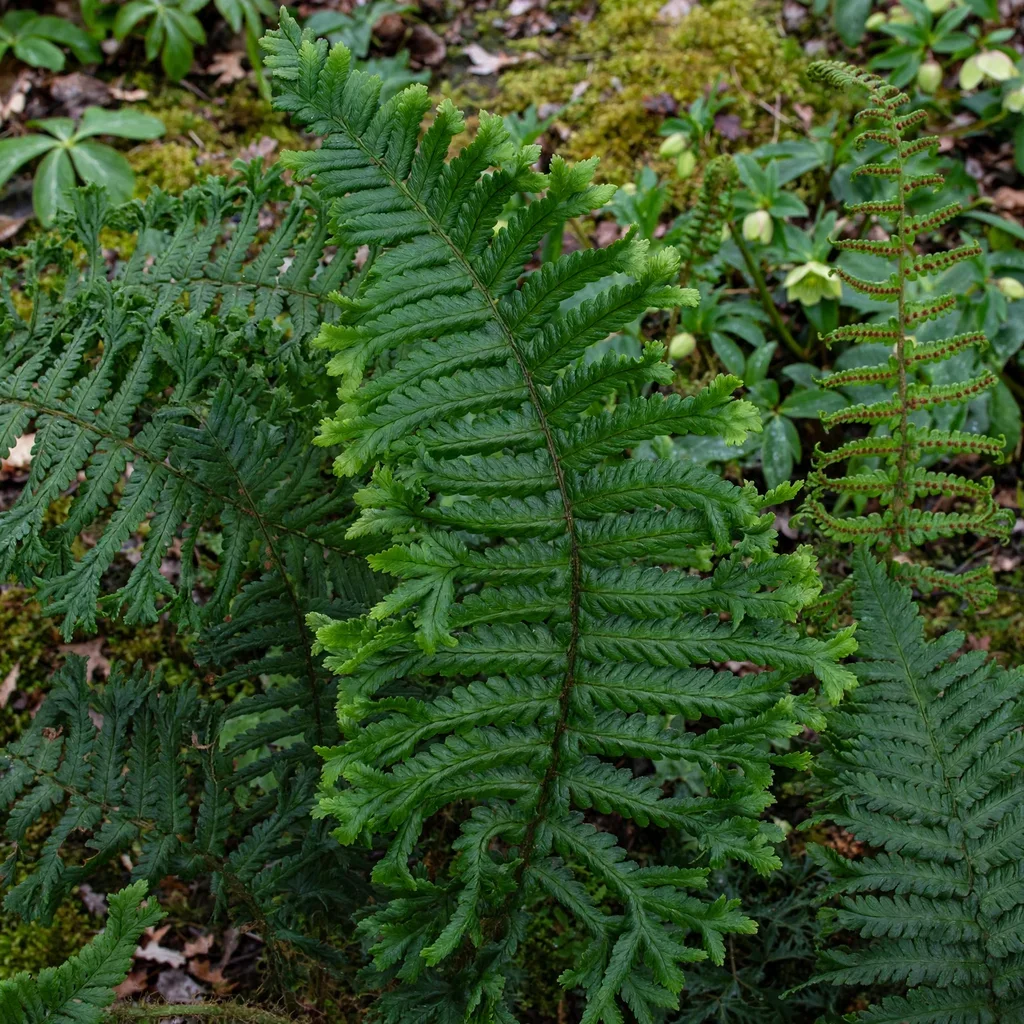
Western Wood Fern The King Fern
Dryopteris affinis 'The King'
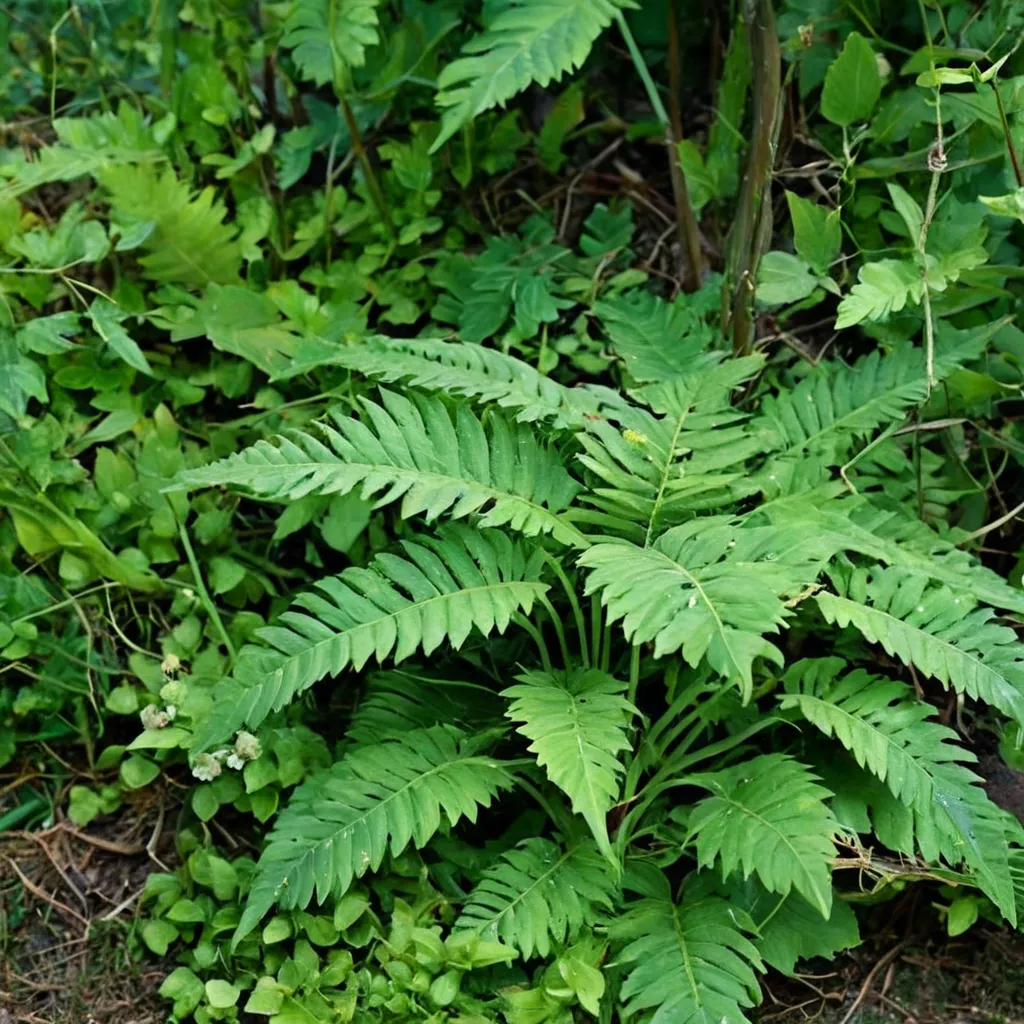
Goldie's Wood Fern
Dryopteris goldieana
Keep exploring
Explore the genus
Grow Autumn Fern with confidence
See it in a design of your actual yard, get zone-matched care reminders, and track it season by season in your garden journal.