The Story
Plant Bio
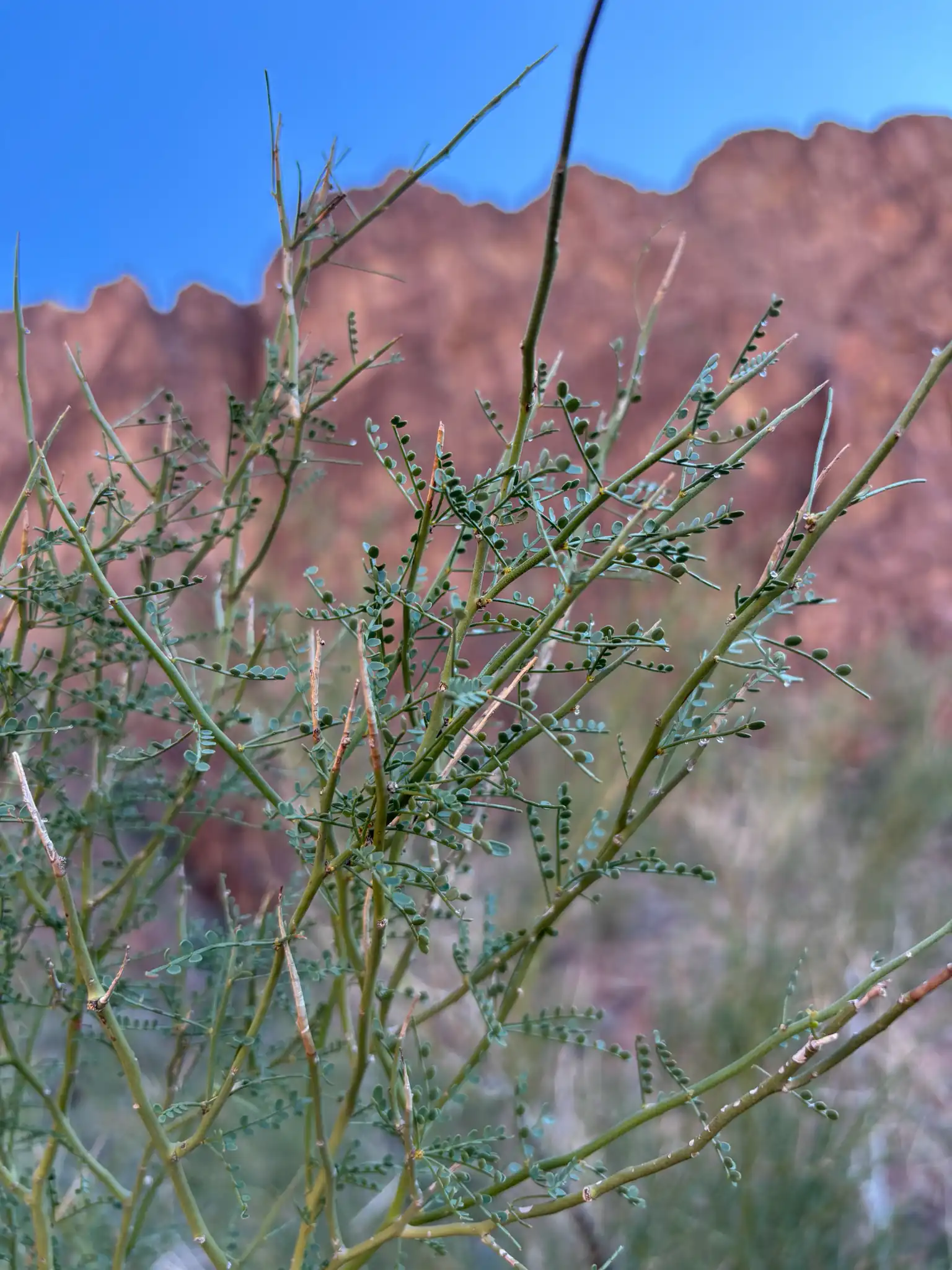
Parkinsonia microphylla, the yellow paloverde, is a slow-growing, multi-stemmed deciduous tree native to the Sonoran and Mojave deserts, reaching heights of ten to twenty feet. The thin, smooth, yellowish-green bark contains chlorophyll, allowing the tree to carry out photosynthesis even when it sheds its leaves during extended dry or cold periods.
This species is distinguished by its highly intricate, craggy form with zigzagging, spine-tipped terminal branches and tiny, bipinnately compound leaves. In spring, it produces clusters of small flowers featuring four pale yellow petals and one distinct cream-colored top petal.
Uses & Benefits:
Essentials
At a Glance
Plant Type
Tree
Height
236"
Width
236"
Light
Full Sun
Zones
8, 9, 10
Water
Low
Humidity
Low
Lifespan
Long-lived
Native To
North America
Toxicity
Non-toxic
Bloom period
Spring – Late spring
In flower about 3 months of the year
Planting
How to Grow
- Select a planting site in full sun with exceptionally well-draining, rocky, gravelly, or sandy soil.
- Dig a hole twice as wide as the root ball but no deeper, ensuring the trunk flare sits slightly above the surrounding soil grade.
- Water deeply immediately after planting, then establish a schedule of infrequent, deep watering during the first summer.
- Refrain from adding organic soil amendments, compost, or fertilizers to the planting hole, as this species thrives in low-nutrient soils.
Pro Tip
Avoid nitrogen fertilizers and lawn-irrigation runoff; excess water and nutrients force weak, succulent growth that invites wood borers and triggers fatal root rot.
Keep It Thriving
Care Guide
Do
- Irrigate deeply but infrequently, allowing the soil to dry out completely between waterings.
- Protect young plants from severe, unseasonable freezes which can nip tender new growth.
- Wear thick gloves when handling the plant to avoid injury from the sharp, spine-tipped branches.
Don't
- Do not plant in heavy, poorly aerated clay soils or areas prone to standing water.
- Do not apply nitrogen fertilizers, which disrupt the natural nitrogen-fixing roots and weaken the wood.
- Do not prune into old, thick, leafless wood, as regrowth from old wood is extremely slow and patchy.
Seasonal Care Calendar
| Task | Jan | Feb | Mar | Apr | May | Jun | Jul | Aug | Sep | Oct | Nov | Dec |
|---|---|---|---|---|---|---|---|---|---|---|---|---|
| Pest Check | ||||||||||||
| Propagate | ||||||||||||
| Prune | ||||||||||||
| Spring Cleanup | ||||||||||||
| Winter Prep |
Watch Out For
Pests & Diseases
Common Pests
Common Diseases
In the Garden
Landscape Uses & Companions
Landscape Uses
Companion Plants
Multiply
Propagation Methods
Good to Know
Common Questions
Yellow Paloverde questions
What zones can Yellow Paloverde grow in?
Yellow Paloverde is hardy in USDA Zones 8–10. Inside that range it survives winter in the ground; outside it, grow it as an annual or a container plant you protect.
When does Yellow Paloverde bloom?
Yellow Paloverde typically blooms in spring through late spring. Exact timing shifts a week or two with your zone — Sow's bloom calendar maps it to your garden.
Does Yellow Paloverde need full sun?
Yellow Paloverde does best in full sun (6+ hours).
Is Yellow Paloverde drought tolerant?
Yes — once established (usually after the first full season), Yellow Paloverde handles dry spells with minimal watering. Water deeply its first year to build the root system that makes that possible.
More Parkinsonia to compare
Keep exploring
Explore the genus
Hardy in your zone?
Grow Yellow Paloverde with confidence
See it in a design of your actual yard, get zone-matched care reminders, and track it season by season in your garden journal.