Also known as Palo Verde · 0 saves
Parkinsonia
Parkinsonia, the genus most gardeners know as palo verde. We track 3 varieties; the ones most used by real gardeners.
The 3 most-saved Parkinsonia varieties
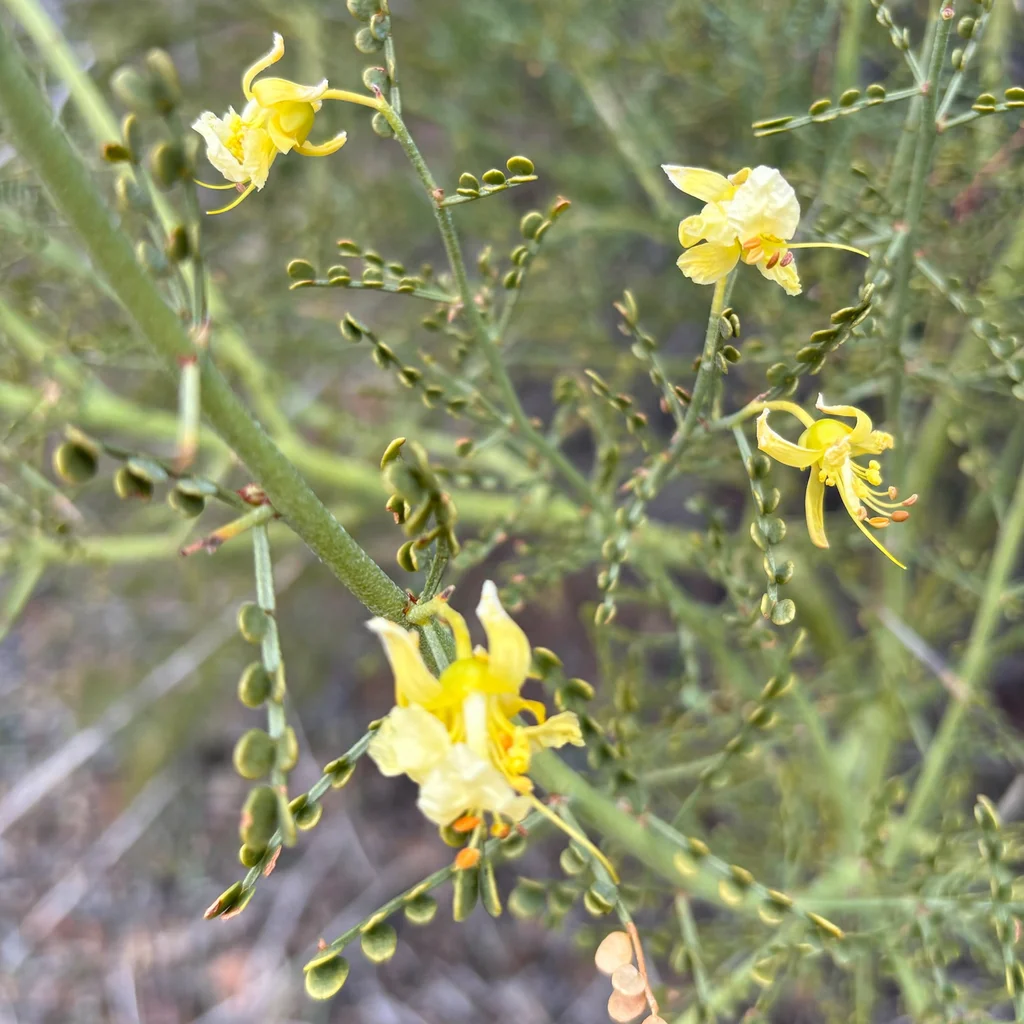
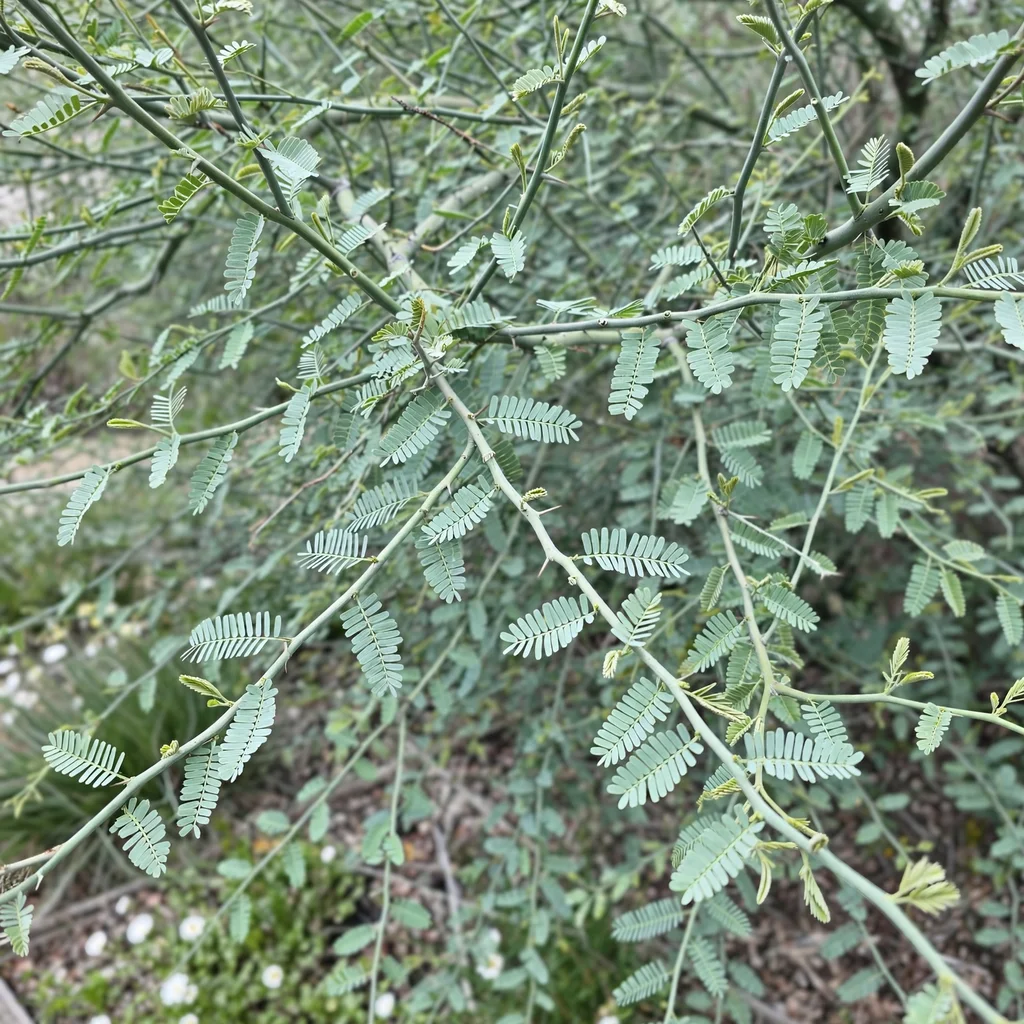
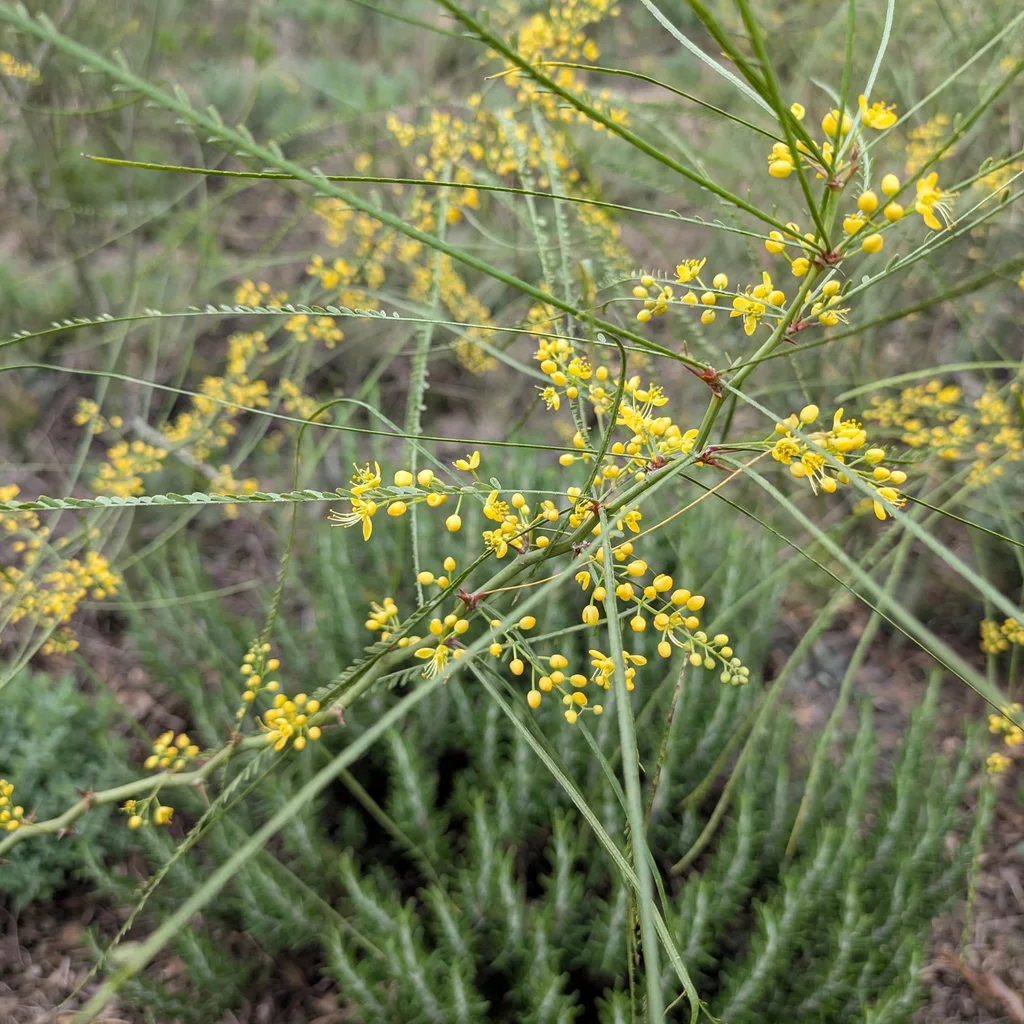
3 species of Parkinsonia
Each one is a parent of the varieties above.
Track your Parkinsonia in Sow
Save the Parkinsonia you grow and get care reminders timed to your zone.
How to grow Parkinsonia
Whats common across all Parkinsonia varieties in our catalog — drawn from the care records of the 3 most-grown of them.
The Parkinsonia year
- PruneMarch100% of varieties
Perform minimal structural pruning on young plants during warm weather only; never shear.
- Check for PestsJune and July100% of varieties
Inspect the root zone and lower trunk for signs of palo verde root borer activity.
- Winter PrepNovember and December100% of varieties
Protect young, newly planted specimens from severe unseasonable freezes.


Do
- Irrigate deeply but infrequently, allowing the soil to dry out completely between waterings.
- Protect young plants from severe, unseasonable freezes which can nip tender new growth.
- Wear thick gloves when handling the plant to avoid injury from the sharp, spine-tipped branches.
- Provide sharp soil drainage to prevent fungal root pathogens.
- Prune lightly to maintain a single-trunk or multi-trunk shape as desired.
Avoid
- Do not plant in heavy, poorly aerated clay soils or areas prone to standing water.
- Do not apply nitrogen fertilizers, which disrupt the natural nitrogen-fixing roots and weaken the wood.
- Do not prune into old, thick, leafless wood, as regrowth from old wood is extremely slow and patchy.
- Do not overwater once established, as excess moisture promotes weak growth and rot.
What goes wrong with Parkinsonia
| Problem | What you'll see | What to do |
|---|---|---|
| Palo verde root borer | Larvae tunnel into and feed on roots, leading to branch dieback and structural instability. | Maintain tree health by avoiding overwatering and over-fertilization, which attract the adult beetles. |
| Invasive Shot Hole Borers | Tiny entry holes on the trunk and branches, often accompanied by staining, white powdery exudate, or branch dieback. | Monitor tree health closely, avoid mechanical injuries, and prune and dispose of infested wood immediately to prevent spread. |
| Twig Girdlers | Cleanly cut twigs girdled from the outside, causing the tips to die and fall to the ground. | Collect and destroy fallen twigs in autumn to eliminate overwintering larvae inside the wood. |
| Root rot | Foliage yellowing, branch dieback, and decay at the soil line caused by soil-borne fungi. | Ensure flawless soil drainage and strictly avoid over-irrigation or planting in low-lying turf areas. |
| Texas Root Rot | Sudden wilting, yellowing, and rapid death of the foliage during hot summer weather, with the leaves remaining attached to the branches. | Ensure strict drainage, avoid over-irrigation, and do not plant in soils known to harbor the Phymatotrichopsis omnivora pathogen. |
Making more Parkinsonia
Seed
- Scarify the hard seed coat using sandpaper or a file to allow water penetration.
- Soak the scarified seeds in warm water for twenty-four hours until they swell.
- Sow the seeds in a well-draining, sandy propagation mix and keep barely moist.
- Place in a warm, bright location and water very sparingly to prevent damping-off.
Scarified Seed
- Nick the hard seed coat with a file or sandpaper to allow water penetration.
- Soak the scarified seeds in warm water for twenty-four hours until they swell.
- Sow the swollen seeds in a well-draining, sandy propagation mix.
- Keep the medium lightly moist and place in a warm, bright location until germination occurs.
Parkinsonia questions
How many types of Parkinsonia are there?
The Sow catalog tracks 3 distinct Parkinsonia varieties. The most popular — ranked by 0 real gardeners — are shown first above.
What zones does Parkinsonia grow in?
Across its varieties, Parkinsonia covers USDA Zones 8–10. Individual varieties differ — each plant page lists its exact range, and Sow filters the catalog to your zone automatically.
When does Parkinsonia bloom?
Most Parkinsonia varieties bloom in spring. Staggering early, mid, and late varieties extends the genus's season in one bed.
Which Parkinsonia should I choose?
Start from the most-saved varieties above — popularity across thousands of gardens is a strong signal of reliability — then filter by your zone and sun. In the Sow app you can preview any of them in a photo of your actual yard before you buy.