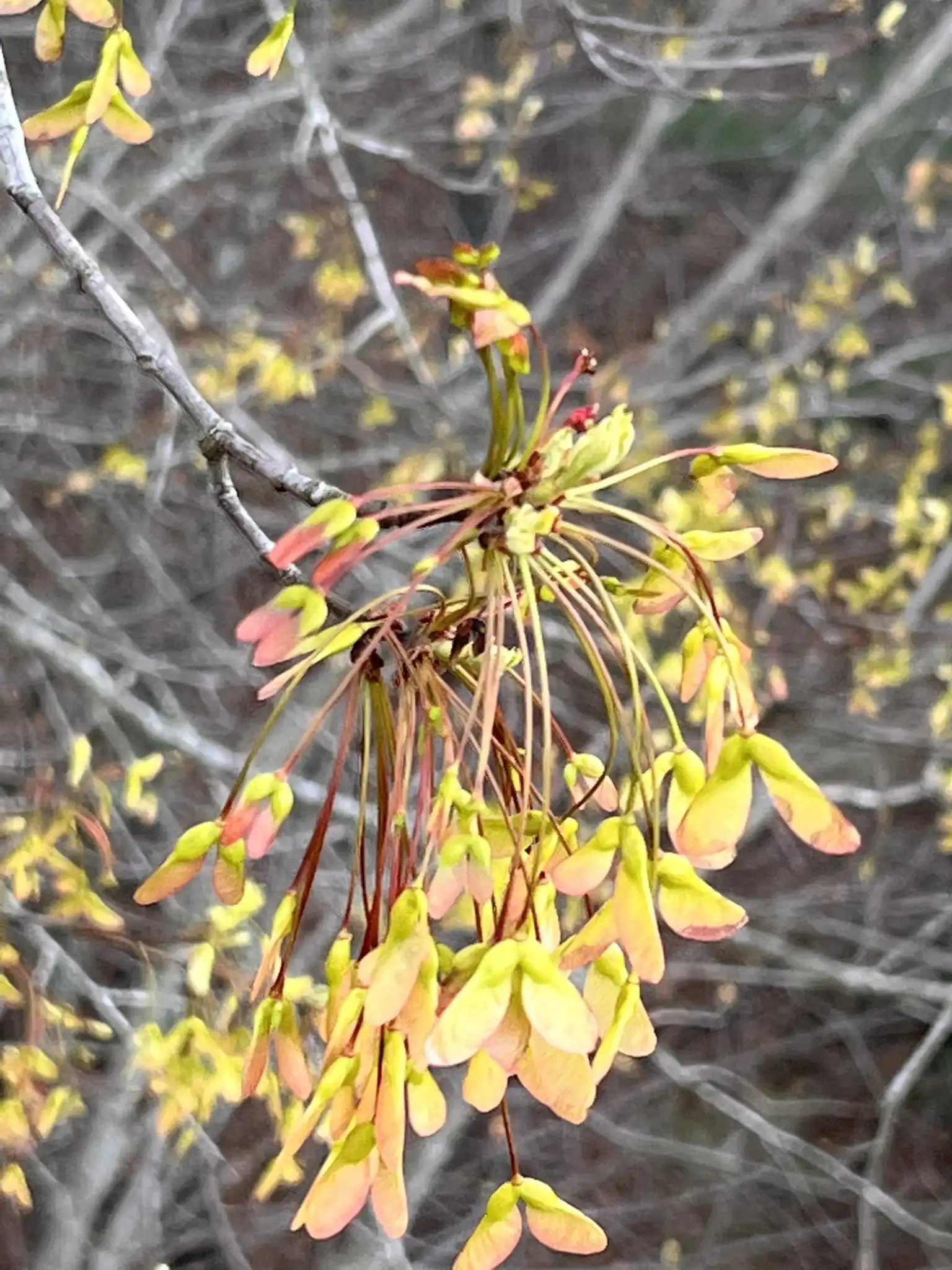
14 named cultivars
 ‘October Glory’October Glory Red Maple
 ‘Autumn Flame’Autumn Flame Red Maple
 ‘Florida Flame’Florida Flame Red Maple
 ‘Frank Jr’Redpointe Red Maple
 ‘Summer Red’Summer Red Maple
 ‘Franksred’Red Sunset Maple
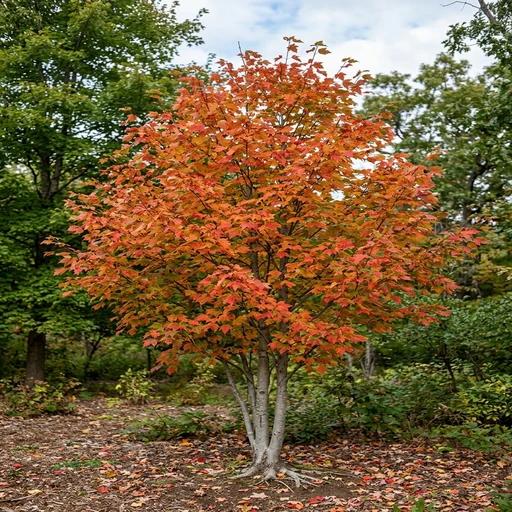 ‘Northwood’Northwood Red Maple
 ‘Bowhall’Bowhall Red Maple
 ‘Red Rocket’Red Rocket Red Maple
 ‘Autumn Radiance’Autumn Radiance Red Maple
 ‘Magnificent Magenta’Burgundy Belle Red Maple
 ‘Brandywine’Brandywine Maple
 ‘Sun Valley’Sun Valley Red Maple
 ‘Somerset’Somerset Red Maple
The Story
Plant Bio
Acer rubrum is a large, fast-growing deciduous tree native to eastern North America, known for its adaptability to a wide range of soil and site conditions. It is one of the first trees to flower in spring and provides some of the most brilliant fall foliage color.
As a species, Red Maple is notable for its variability; fall color can range from yellow to orange to brilliant scarlet. Its smooth gray bark on young trees and reddish twigs provide significant winter interest.
Uses & Benefits:
Essentials
At a Glance
Plant Type
Tree
Height
600"
Width
480"
Light
Full Sun, Partial Sun
Zones
4, 5, 6, 7, 8, 9
Water
Medium to Wet
Humidity
Adaptable
Lifespan
80-100+ years
Native To
Eastern North America
Toxicity
Leaves are toxic to horses when wilted
Marketplace
Where to Buy
Shipping costs Year-round shipping Free shipping
Planting
How to Grow
- Select a site in full sun to part shade with acidic, moist soil.
- Dig a hole 2-3 times wider than the root ball, but no deeper.
- Gently tease out any circling roots on the root ball.
- Place the tree so its root flare is visible at the soil line.
- Backfill with the original soil, watering to remove air pockets.
- Apply a 3-inch layer of mulch, keeping it away from the trunk.
Pro Tip
For consistently brilliant red fall color, choose a named cultivar like 'October Glory' or 'Red Sunset' instead of a seedling.
Keep It Thriving
Care Guide
Do
- Water deeply and regularly for the first two years to establish roots.
- Maintain a large, mulch-covered, turf-free area around the base.
- Prune to develop a strong structure when the tree is young.
- Choose a planting site with enough space for its mature size.
Don't
- Do not plant in alkaline (high pH) soils, which causes nutrient deficiencies.
- Avoid wounding the thin bark with mowers or string trimmers.
- Don't fertilize a stressed or newly planted tree.
- Avoid planting near sidewalks or driveways where surface roots can cause damage.
Seasonal Care Calendar
| Task | Jan | Feb | Mar | Apr | May | Jun | Jul | Aug | Sep | Oct | Nov | Dec |
|---|---|---|---|---|---|---|---|---|---|---|---|---|
| Fertilize | ||||||||||||
| Pest Check | ||||||||||||
| Prune |
Watch Out For
Pests & Diseases
Common Pests
Common Diseases
In the Garden
Landscape Uses & Companions
Landscape Uses
Multiply
Propagation Methods
Good to Know
Common Questions
Red Maple questions
What zones can Red Maple grow in?
Red Maple is hardy in USDA Zones 4–9. Inside that range it survives winter in the ground; outside it, grow it as an annual or a container plant you protect.
Is Red Maple deer resistant?
Yes — Red Maple is rated deer-resistant. Deer typically pass it over, though extreme hunger can override any plant's defenses.
When does Red Maple bloom?
Red Maple typically blooms in early spring through mid-spring. Exact timing shifts a week or two with your zone — Sow's bloom calendar maps it to your garden.
Does Red Maple need full sun?
Red Maple does best in full sun to part shade. In hot climates, afternoon shade keeps blooms fresher longer.
More Acer to compare
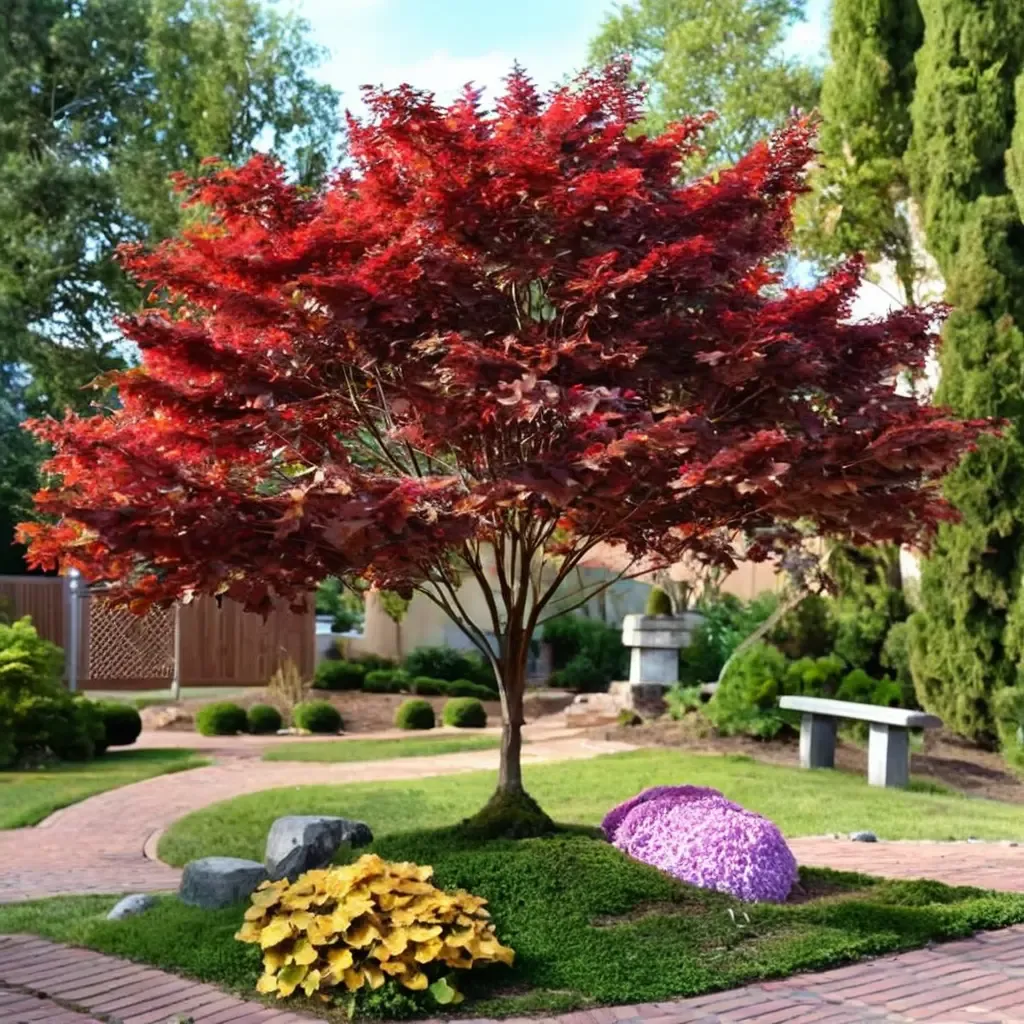
Bloodgood Japanese Maple
Acer palmatum 'Bloodgood'
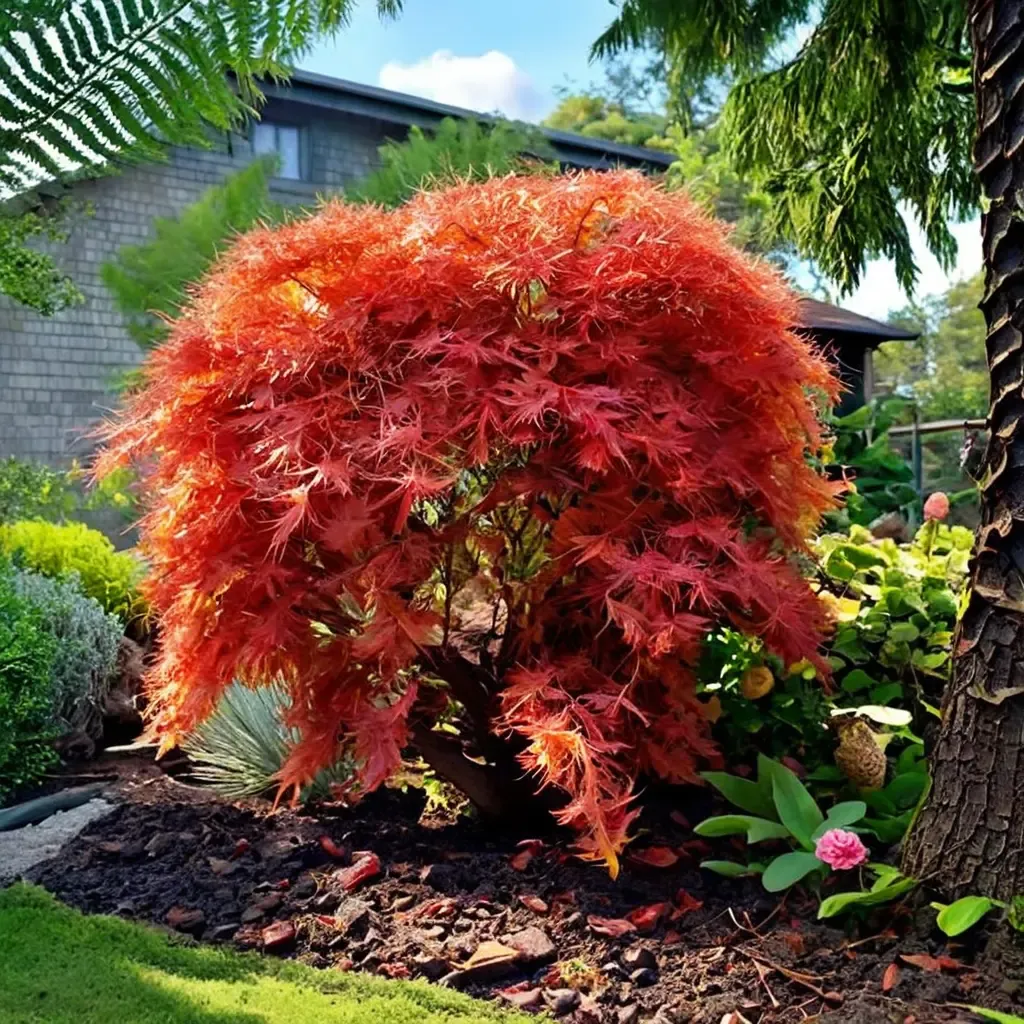
Orangeola Japanese Maple
Acer palmatum 'Orangeola'
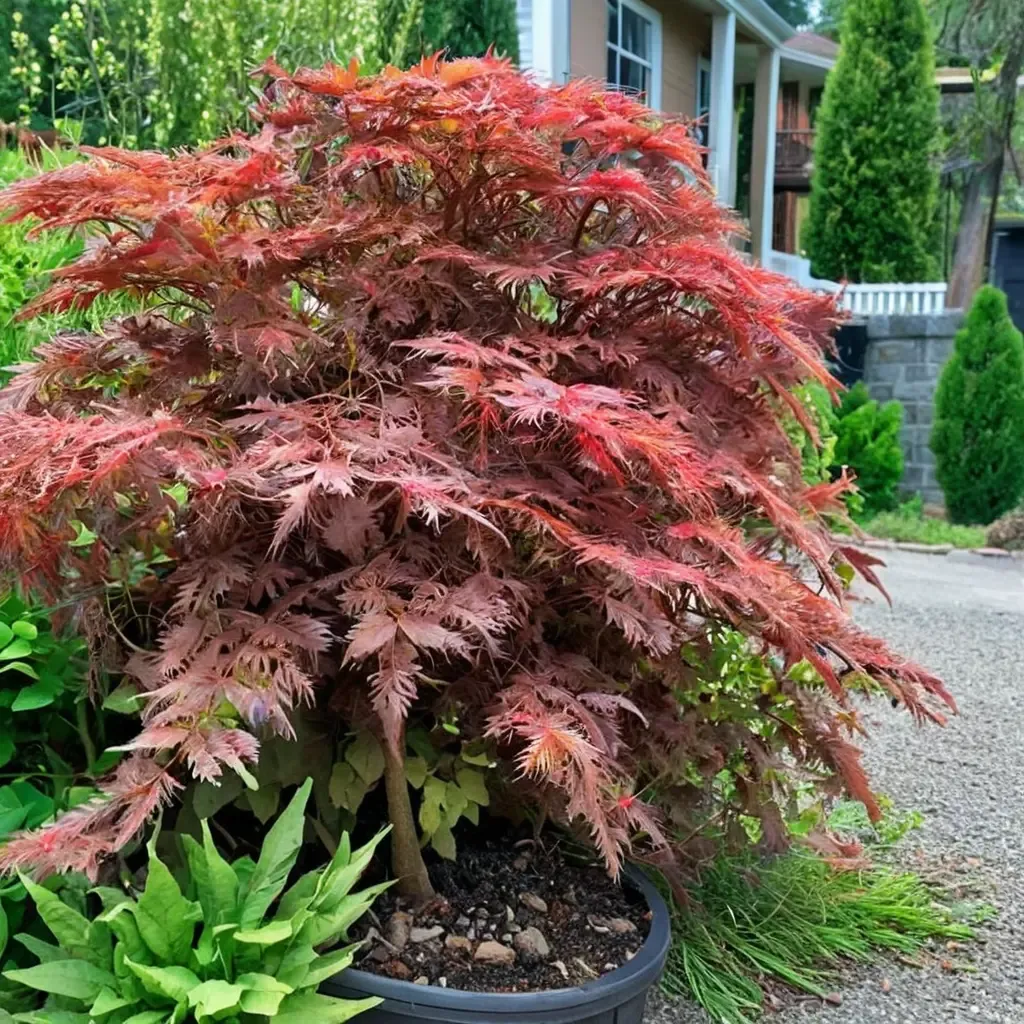
Crimson Queen Japanese Maple
Acer palmatum 'Crimson Queen'
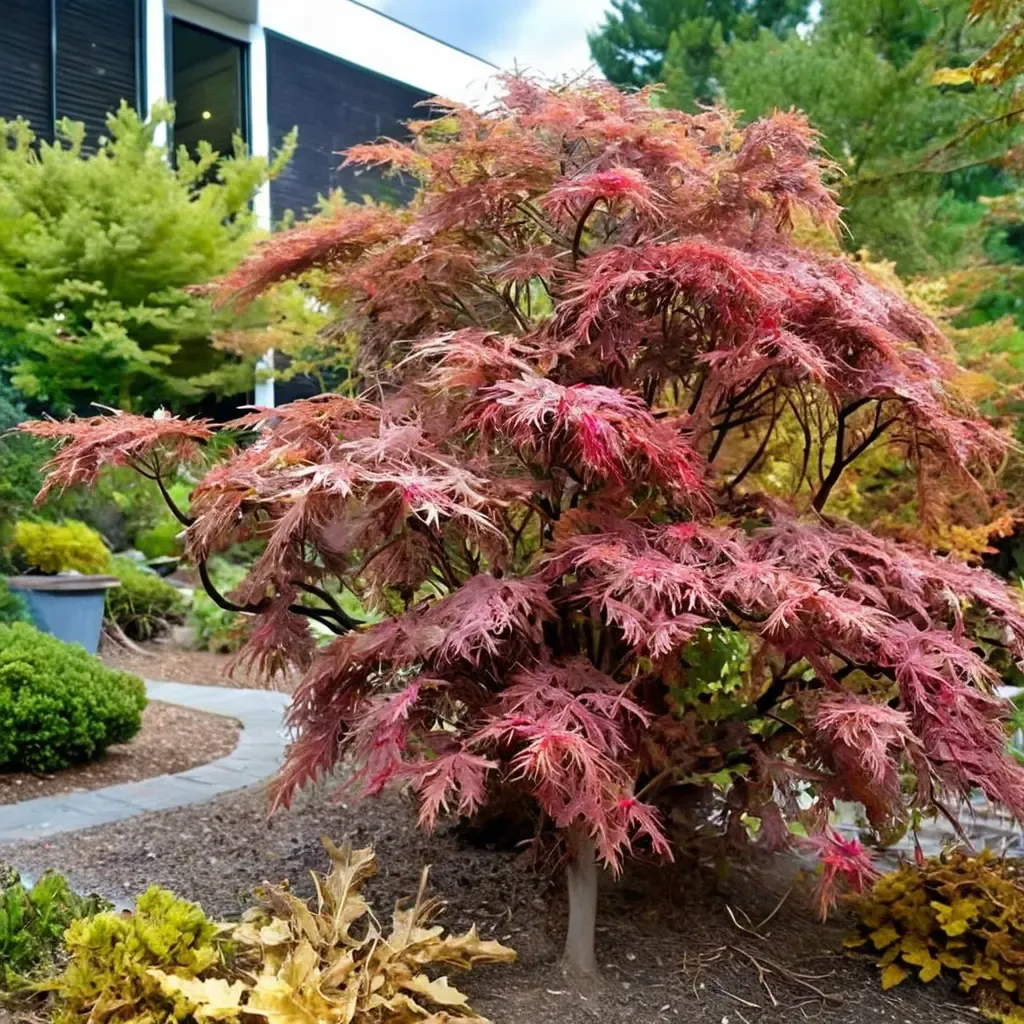
Weeping Japanese Maple
Acer palmatum 'Shidare'
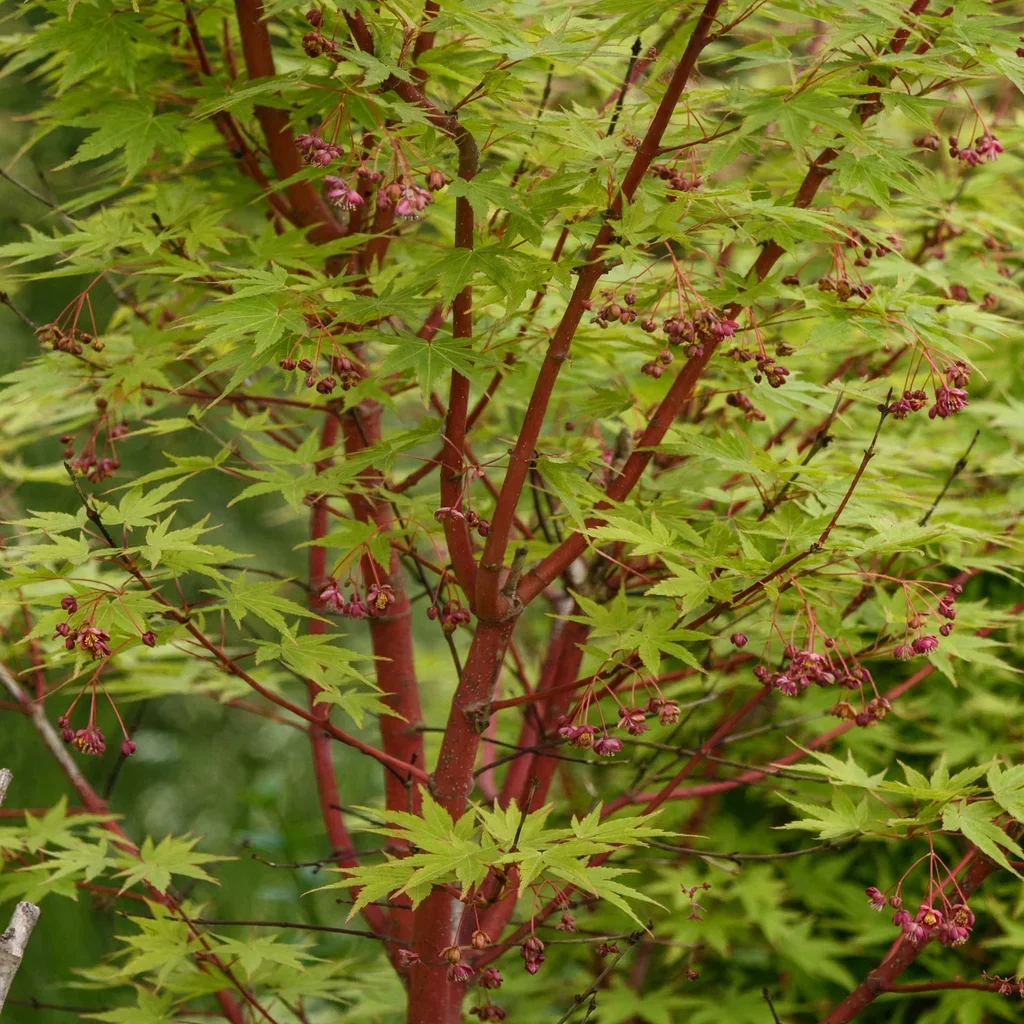
Coral Bark Maple
Acer palmatum 'Sango-Kaku'
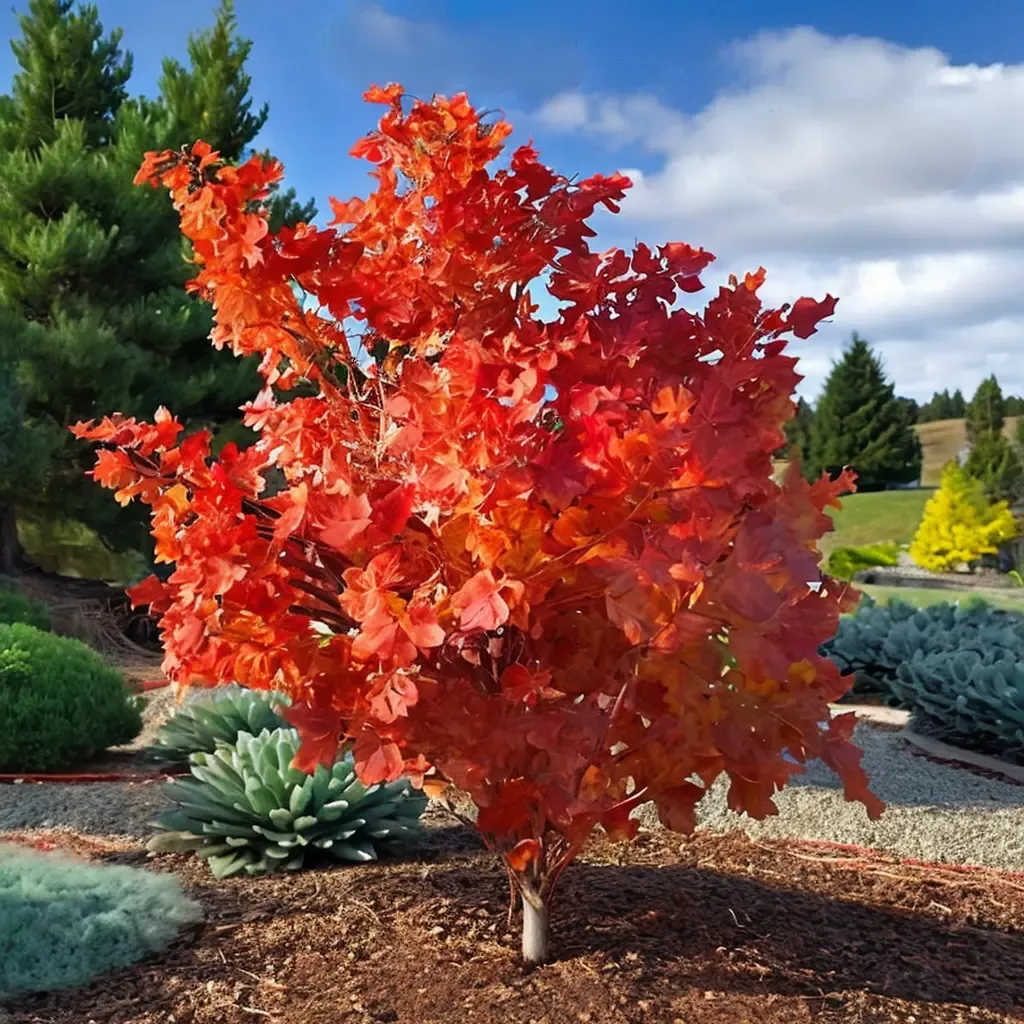
Final Fire Japanese Maple
Acer palmatum 'Final Fire'
Keep exploring
Explore the genus
Grow Red Maple with confidence
See it in a design of your actual yard, get zone-matched care reminders, and track it season by season in your garden journal.