Also known as Serviceberry · 589 saves
Amelanchier
Amelanchier, the genus most gardeners know as serviceberry. We track 11 varieties; the ones most used by real gardeners.
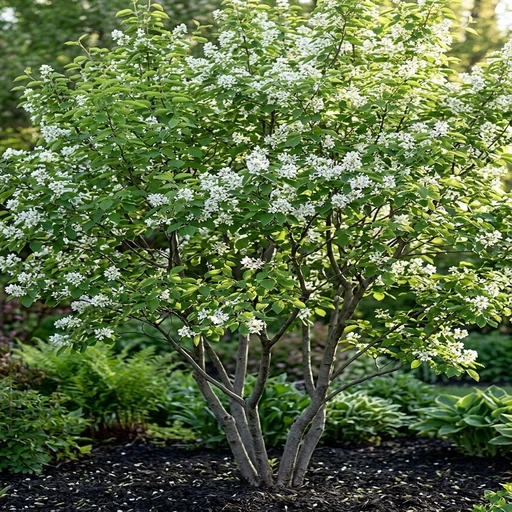
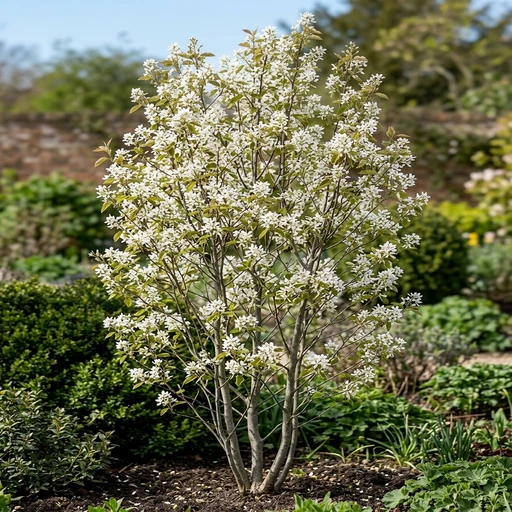
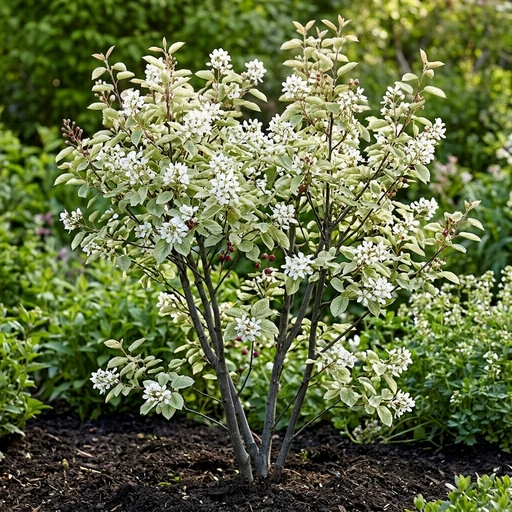
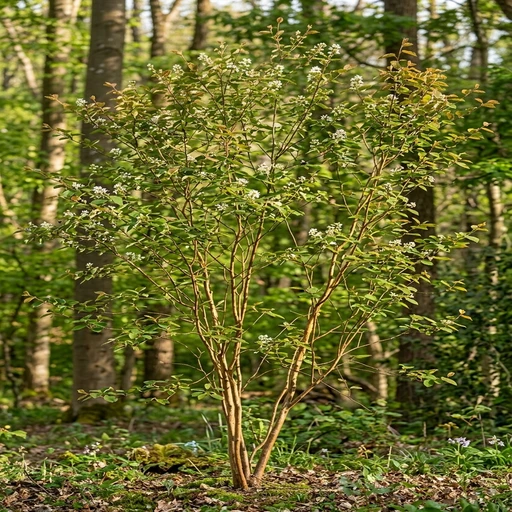
The 10 most-saved Amelanchier varieties
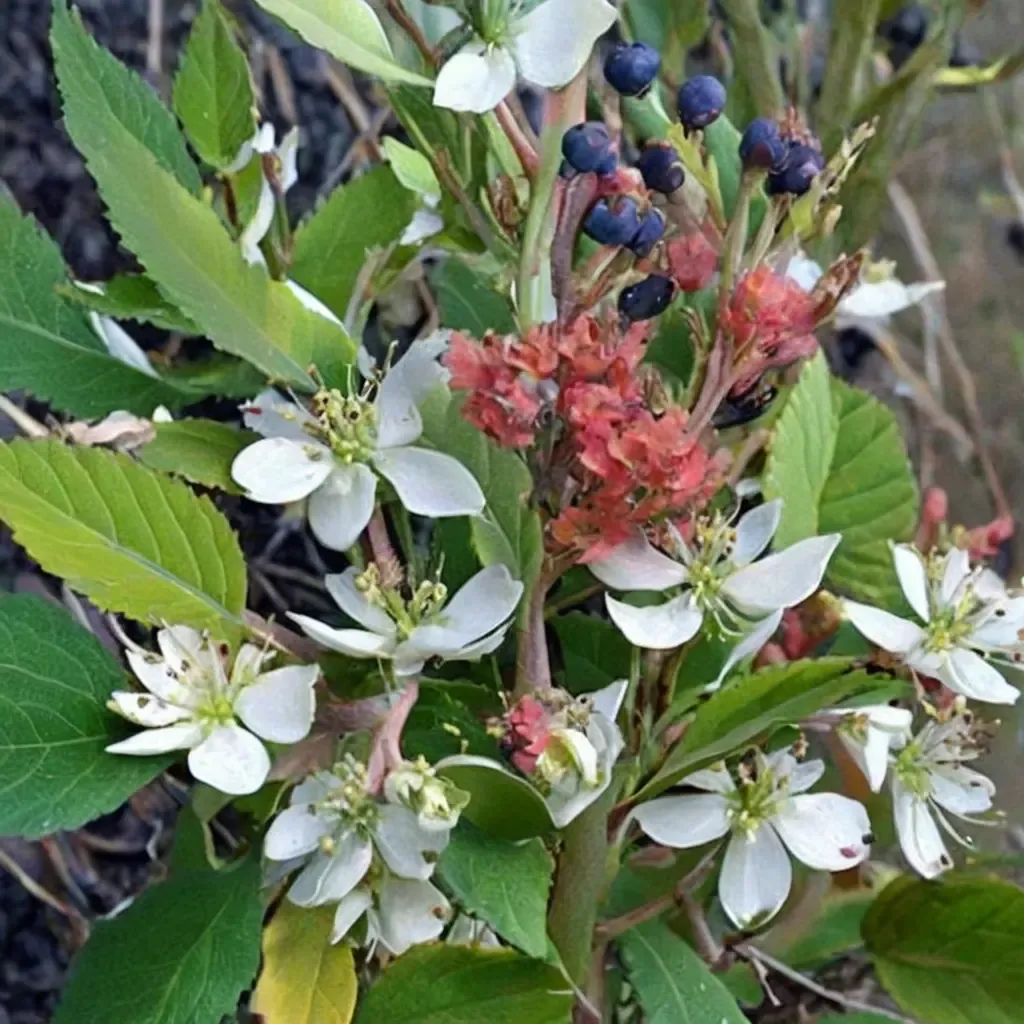
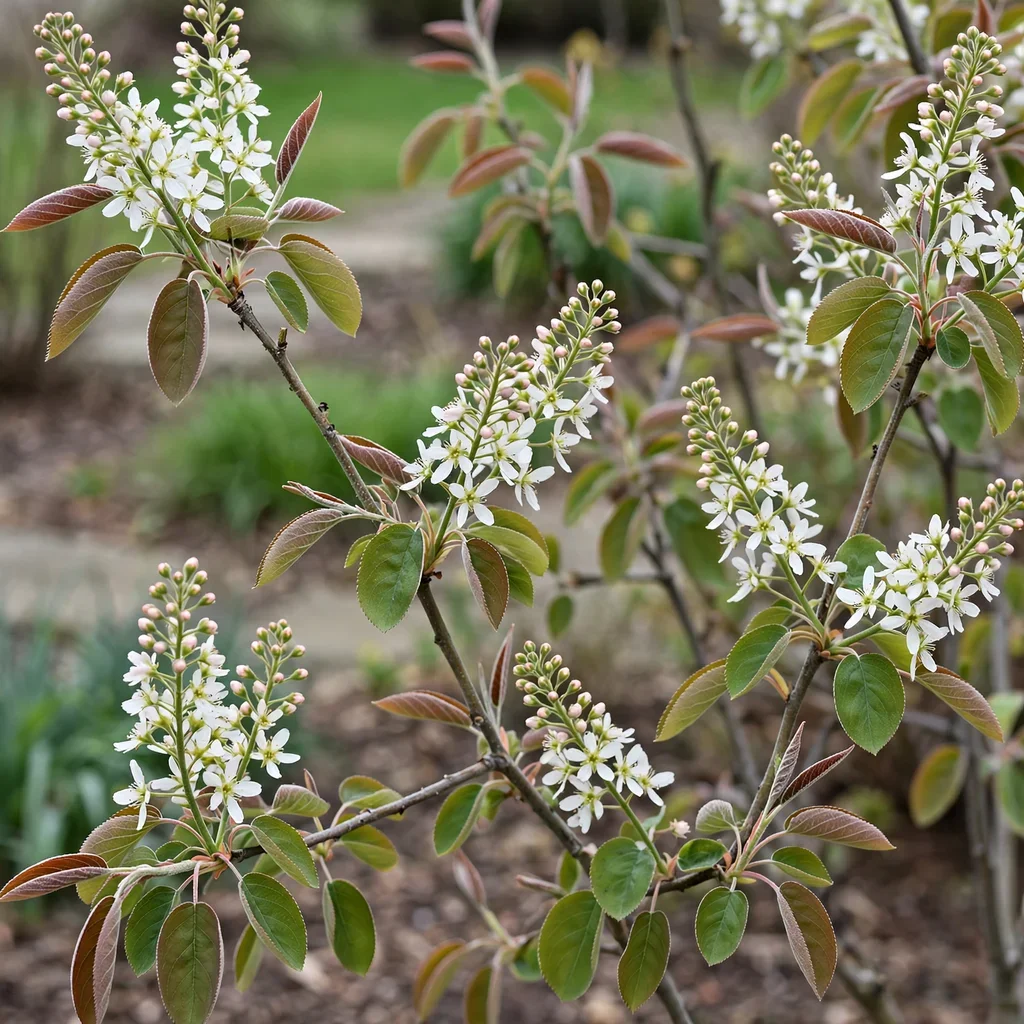
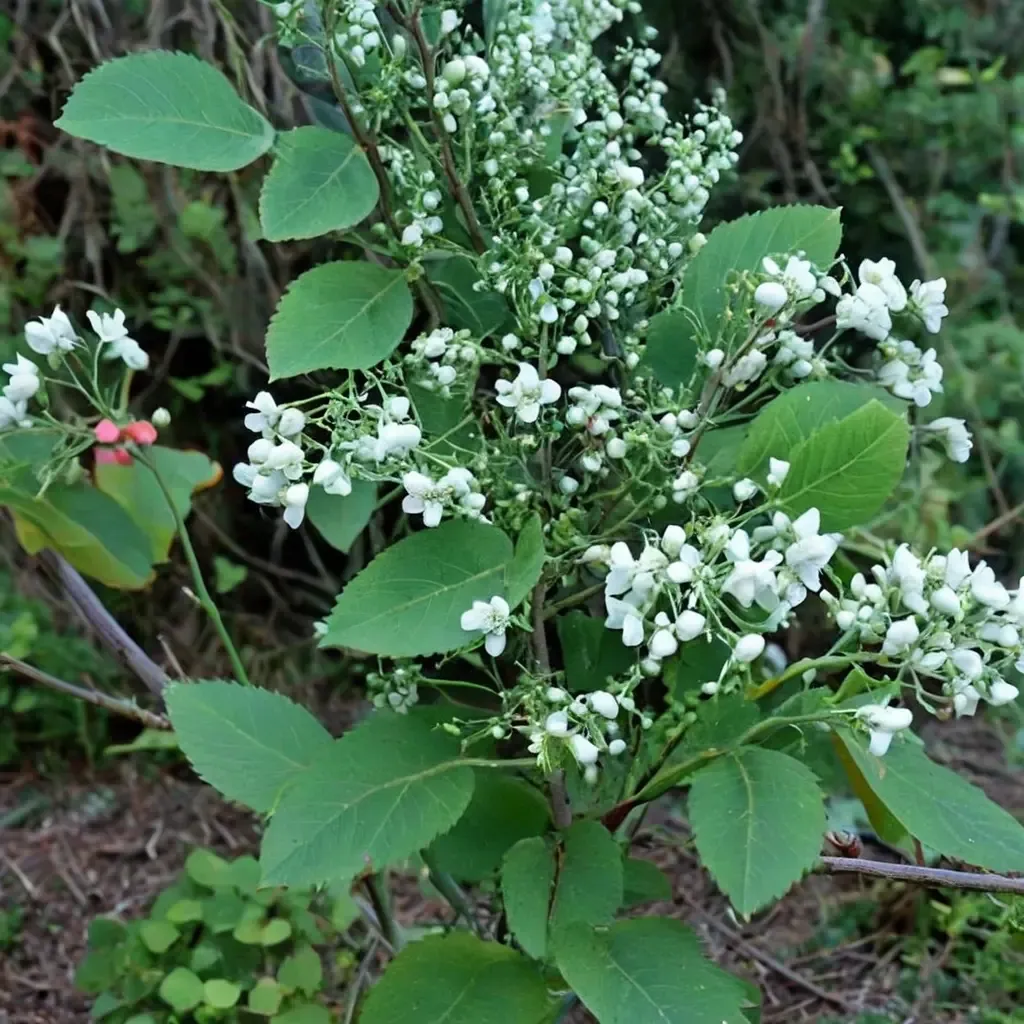
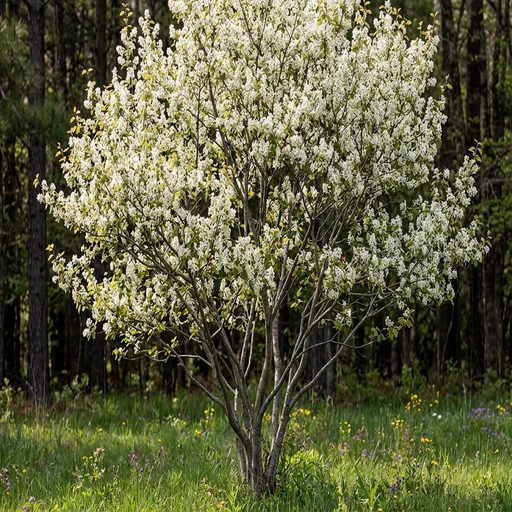
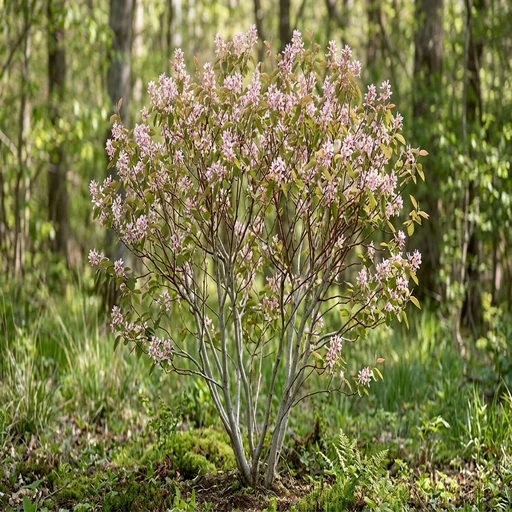

Browse all 11 Amelanchier varieties →
3 species of Amelanchier
Each one is a parent of the varieties above.
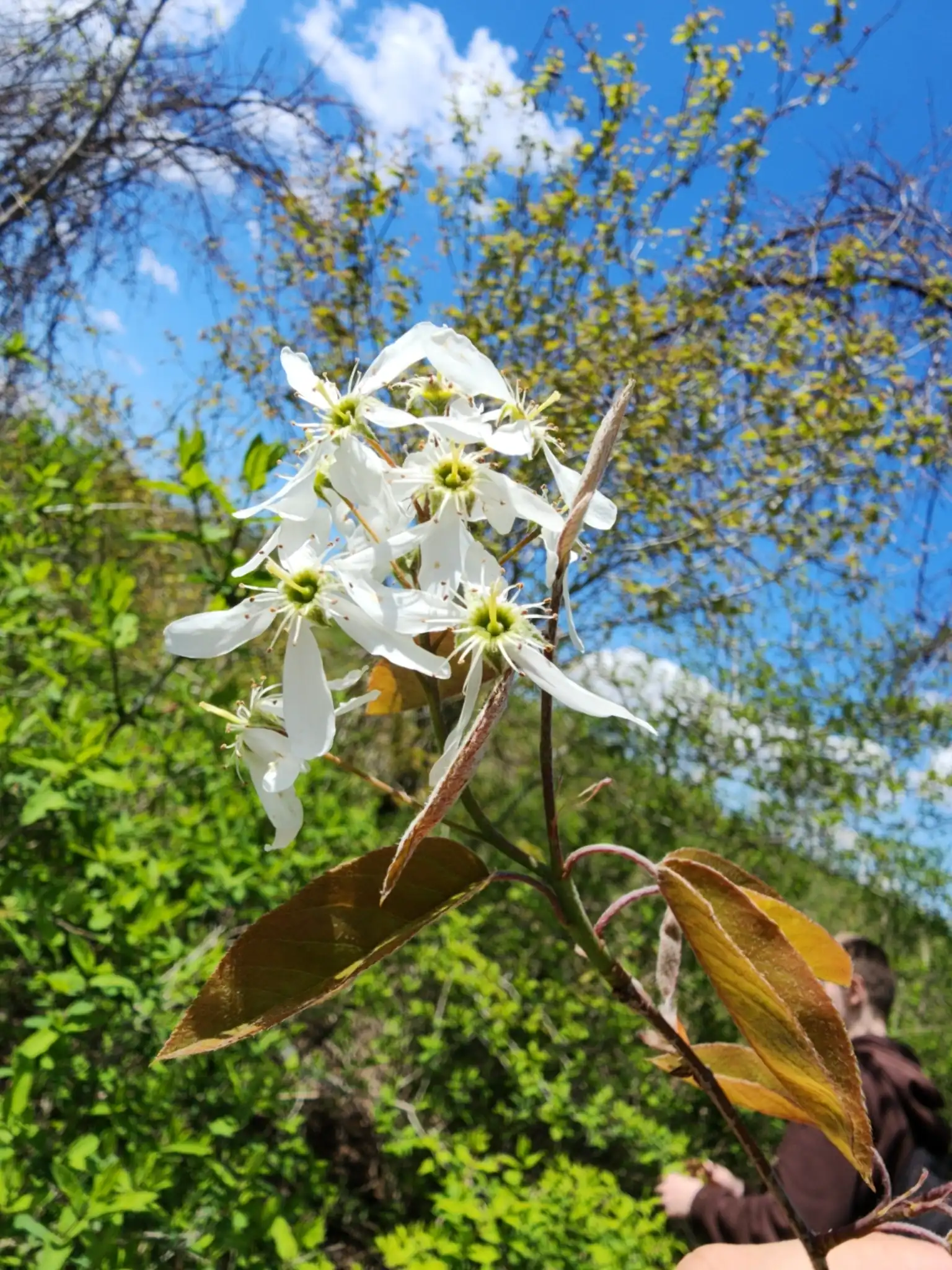
Track your Amelanchier in Sow
Save the Amelanchier you grow and get care reminders timed to your zone.
How to grow Amelanchier
Whats common across all Amelanchier varieties in our catalog — drawn from the care records of the 11 most-grown of them.
The Amelanchier year
- PruneFebruary and March91% of varieties
Prune during dormancy to remove dead wood and shape the canopy.
- HarvestJune and July91% of varieties
Harvest berries when they turn deep purple/black.
- MulchApril73% of varieties
Apply 2-3 inches of mulch, keeping it away from the trunk.
- PlantMarch, April, May, October and November55% of varieties
Plant bare-root or container stock in early spring or fall.


Do
- Water regularly during dry periods 💧
- Prune to maintain shape and remove dead wood ✂️
- Apply mulch to conserve moisture 🌱
- Fertilize annually in early spring
- Monitor for pests and diseases
Avoid
- Avoid overwatering to prevent root rot ❌
- Don't fertilize late in the season 🌱
- Refrain from heavy pruning during the growing season
- Avoid planting in waterlogged areas ❌
What goes wrong with Amelanchier
| Problem | What you'll see | What to do |
|---|---|---|
| Aphids | Sticky residue and distorted leaves | Use insecticidal soap or neem oil |
| Japanese Beetles | Skeletonized leaves, with only the veins remaining. | Hand-pick beetles into soapy water in the morning. Use neem oil sprays. For severe cases, apply insecticides containing carbaryl. |
| Tent Caterpillars | Webbing and defoliation | Handpick or apply Bacillus thuringiensis |
| Pear slug | Small dark slug-like sawfly larvae skeletonising the upper leaf surface | Hose them off the foliage; damage is cosmetic and the tree recovers |
| Fire Blight | Blackened branches and oozing sap | Prune affected areas and apply copper spray |
| Cedar-Apple Rust | Orange-yellow spots on leaves and fruit, can cause defoliation. | Remove nearby juniper hosts if possible. Apply preventative fungicides like myclobutanil starting at bud break. |
| Powdery Mildew | White powder on leaves | Improve air circulation and apply fungicide |
Making more Amelanchier
Seed
- Collect ripe berries and clean the seeds from the pulp.
- Stratify seeds by mixing with moist sand in a bag.
- Refrigerate for 90-120 days to break dormancy.
- Sow seeds in pots in spring.
- Note: Cultivars like Spring Flurry will not come true from seed.
Cuttings
- Select healthy semi-woody stems in late summer.
- Cut 6-inch sections and remove lower leaves.
- Dip cut ends in rooting hormone powder.
- Plant in moist, well-draining soil.
- Keep soil moist and place in bright, indirect light.
- Roots develop in approximately 6 weeks.
Amelanchier questions
How many types of Amelanchier are there?
The Sow catalog tracks 11 distinct Amelanchier varieties. The most popular — ranked by 589 real gardeners — are shown first above.
What zones does Amelanchier grow in?
Across its varieties, Amelanchier covers USDA Zones 4–9. Individual varieties differ — each plant page lists its exact range, and Sow filters the catalog to your zone automatically.
When does Amelanchier bloom?
Most Amelanchier varieties bloom in early spring, mid-spring, mid to late spring. Staggering early, mid, and late varieties extends the genus's season in one bed.
Which Amelanchier should I choose?
Start from the most-saved varieties above — popularity across thousands of gardens is a strong signal of reliability — then filter by your zone and sun. In the Sow app you can preview any of them in a photo of your actual yard before you buy.