The Story
Plant Bio
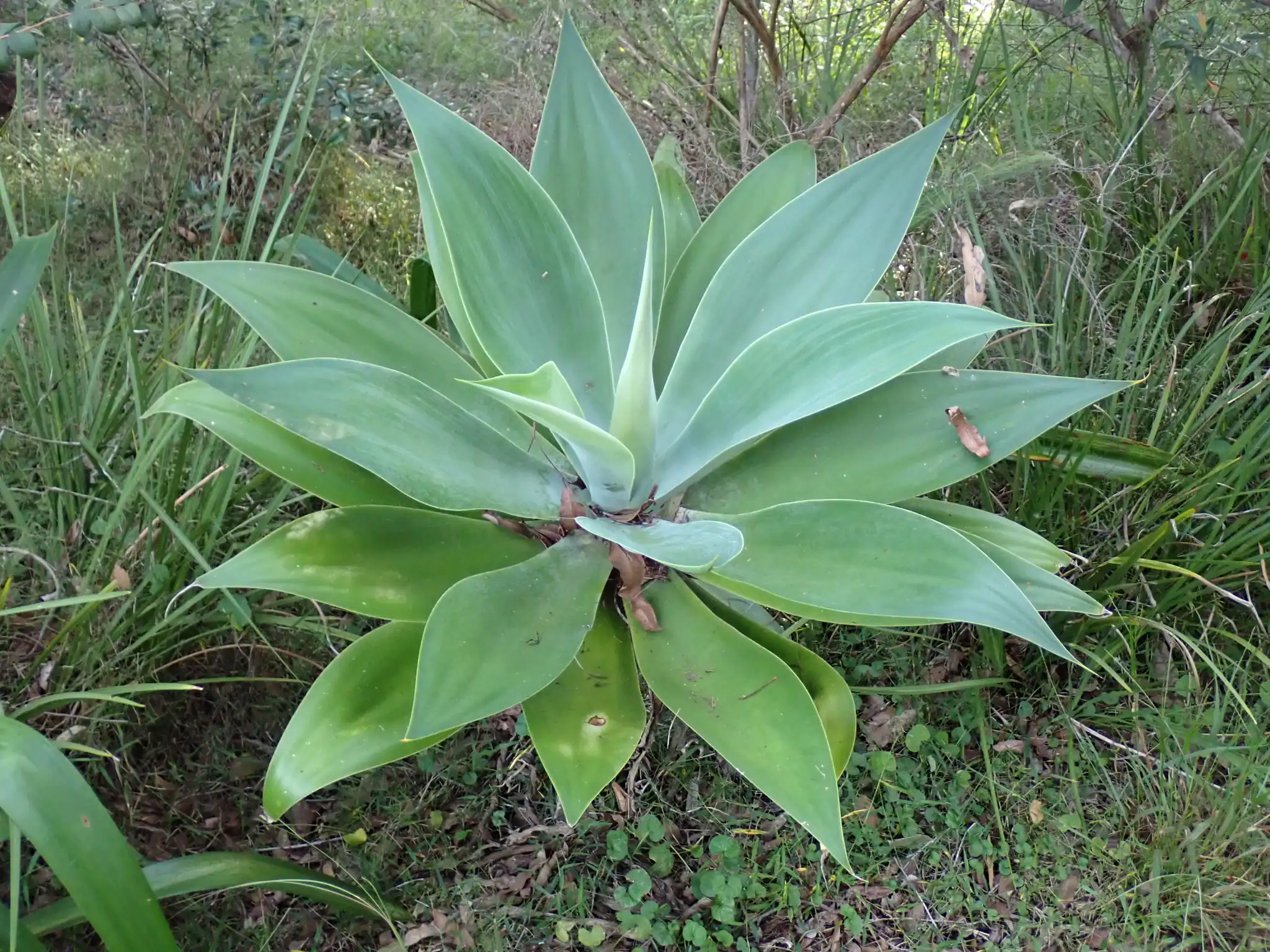
Agave attenuata is a large, arborescent succulent native to central Mexico that forms symmetrical, pale grey-green rosettes on thick, curving trunks. Unlike most members of its genus, this species features completely unarmed, pliable leaves with smooth margins and no terminal spines.
The species is distinguished by its massive, arching flower spike that curves toward the ground in a shape resembling a swan's neck. Individual greenish-yellow flowers densely pack this raceme, which can reach up to ten feet in length before producing bulbils and offsets.
Uses & Benefits:
Essentials
At a Glance
Plant Type
Cactus Succulent
Height
60"
Width
80"
Light
Full Sun, Partial Sun
Zones
9, 10
Water
Low
Humidity
Moderate
Lifespan
10-20 years
Native To
Mexico
Toxicity
Toxic to pets and skin irritant
Bloom period
Spring – Summer
In flower about 6 months of the year
Planting
How to Grow
- Select a planting site with excellent drainage, such as a sloped bed, rockery, or sandy loam mixture.
- Position the plant in full sun, or provide light afternoon shade in hot, inland desert climates to prevent leaf scorching.
- Water deeply at the base immediately after planting, then withhold water until the top few inches of soil dry out completely.
- Protect the rosette with frost cloth if winter temperatures are forecast to drop below 28 degrees Fahrenheit.
Pro Tip
Avoid cutting off lower green leaves to expose the trunk prematurely; this 'poodle' pruning creates open wounds that invite bacterial soft rot and ruins the natural rosette silhouette.
Keep It Thriving
Care Guide
Do
- Prune away only completely dry, brown lower leaves at the very base of their attachment.
- Provide light afternoon shade in hot inland climates to maintain the pale green leaf color.
- Grow in containers if local winter temperatures regularly drop below freezing.
Don't
- Do not plant in heavy clay soils or low-lying areas where water pools.
- Never trim or hack into green, fleshy wood or healthy leaf tissue.
- Do not overwater during the winter dormant period when rot risk is highest.
Seasonal Care Calendar
| Task | Jan | Feb | Mar | Apr | May | Jun | Jul | Aug | Sep | Oct | Nov | Dec |
|---|---|---|---|---|---|---|---|---|---|---|---|---|
| Fertilize | ||||||||||||
| Pest Check | ||||||||||||
| Prune | ||||||||||||
| Winter Prep |
Watch Out For
Pests & Diseases
Common Pests
Common Diseases
In the Garden
Landscape Uses & Companions
Landscape Uses
Multiply
Propagation Methods
Good to Know
Common Questions
Foxtail Agave questions
What zones can Foxtail Agave grow in?
Foxtail Agave is hardy in USDA Zones 9–10. Inside that range it survives winter in the ground; outside it, grow it as an annual or a container plant you protect.
Is Foxtail Agave deer resistant?
Not reliably. Deer may browse Foxtail Agave, especially tender spring growth — plan on repellents or fencing where pressure is high.
When does Foxtail Agave bloom?
Foxtail Agave typically blooms in spring through summer. Exact timing shifts a week or two with your zone — Sow's bloom calendar maps it to your garden.
Does Foxtail Agave need full sun?
Foxtail Agave does best in full sun to part shade. In hot climates, afternoon shade keeps blooms fresher longer.
Is Foxtail Agave drought tolerant?
Yes — once established (usually after the first full season), Foxtail Agave handles dry spells with minimal watering. Water deeply its first year to build the root system that makes that possible.
More Agave to compare
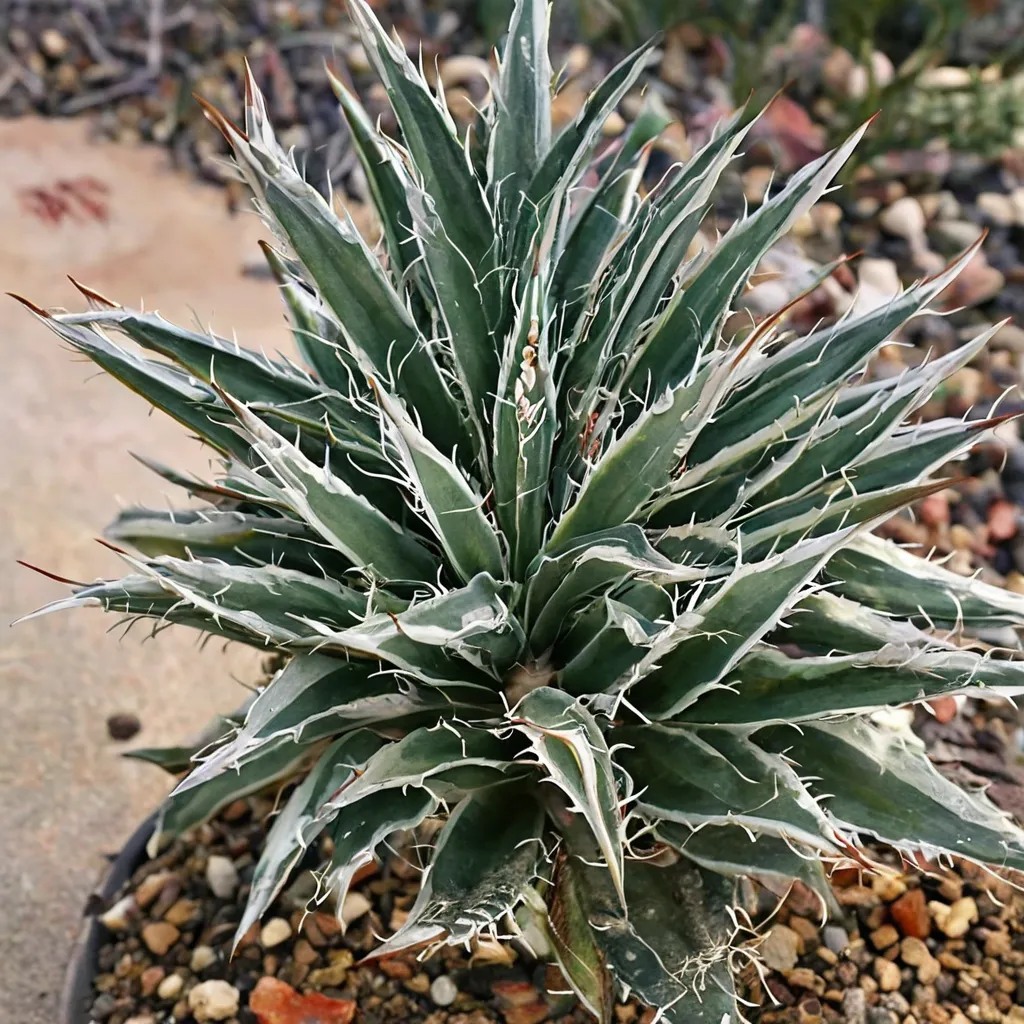
Toumey's Agave
Agave toumeyana
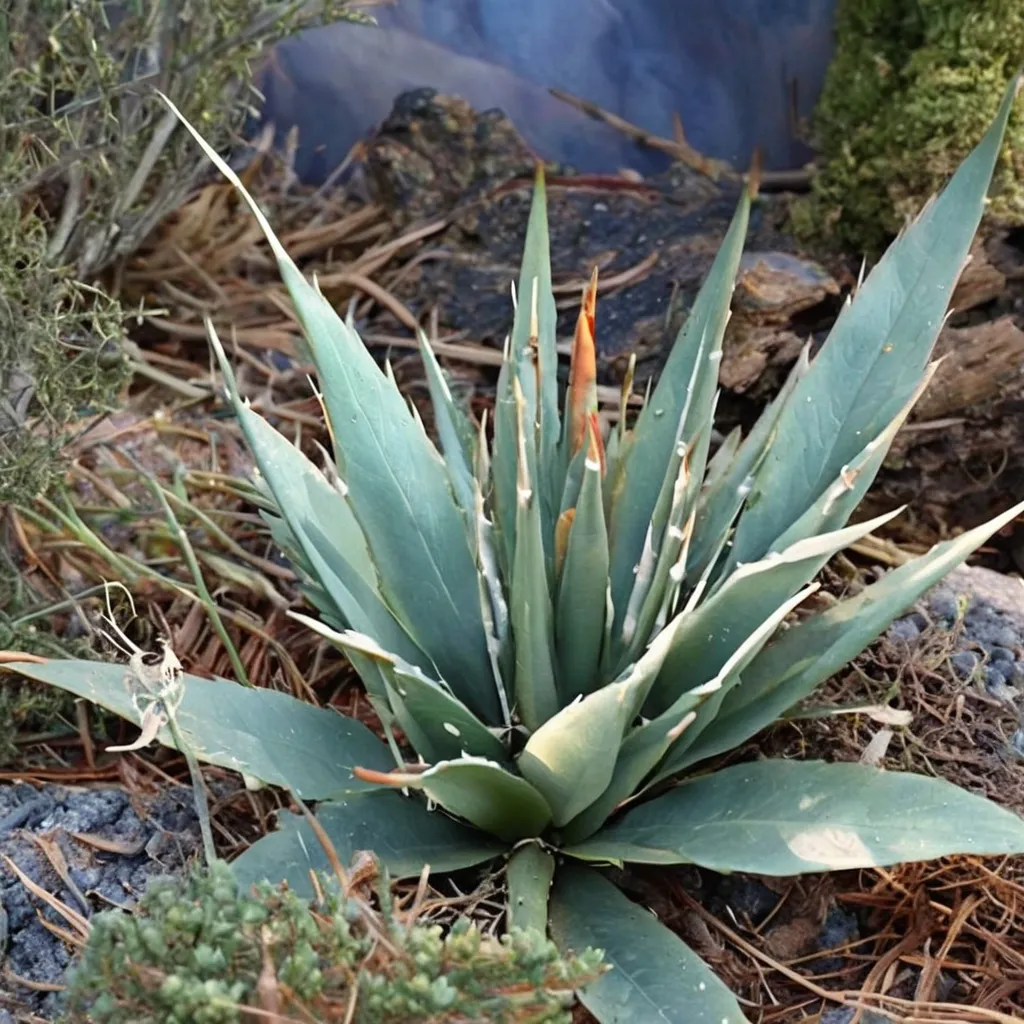
Utah Agave Kaibabensis
Agave utahensis 'kaibabensis'
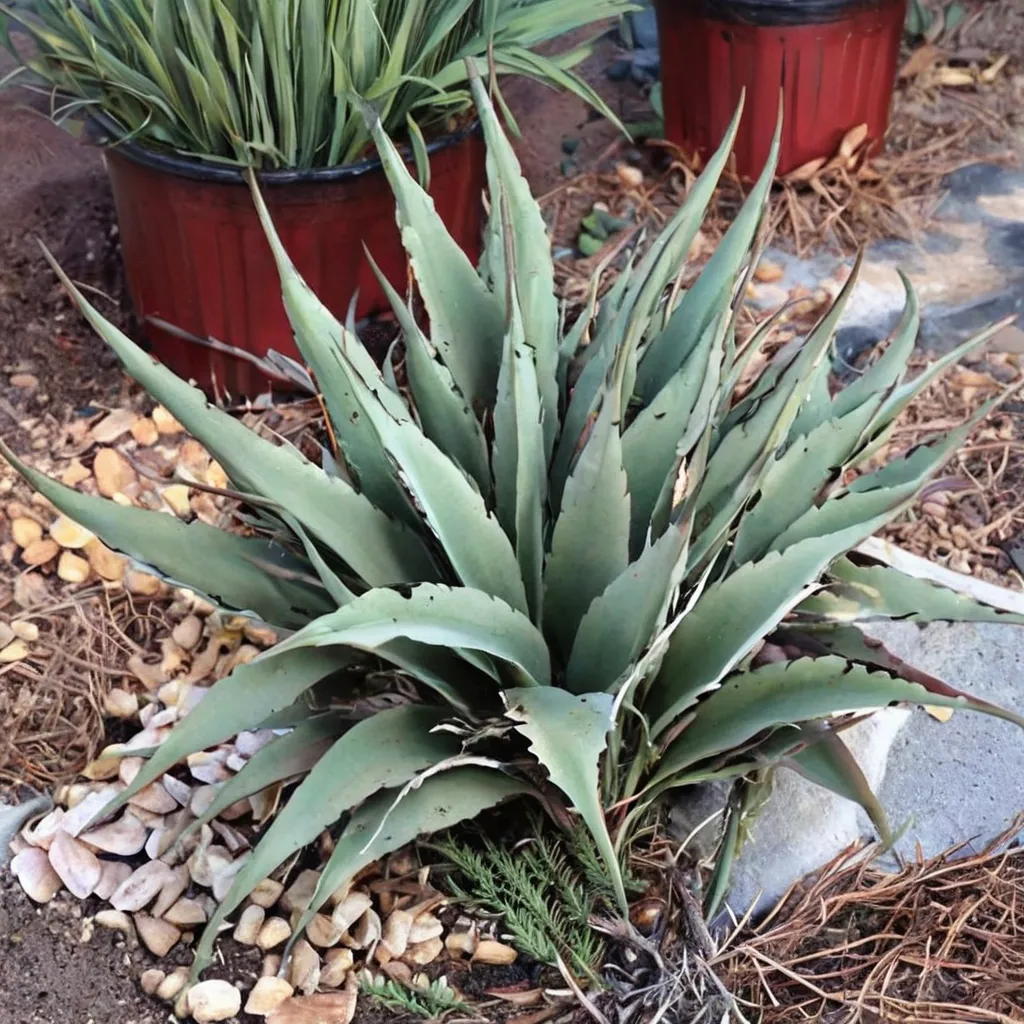
Slimfoot Century Plant
Agave gracilipes
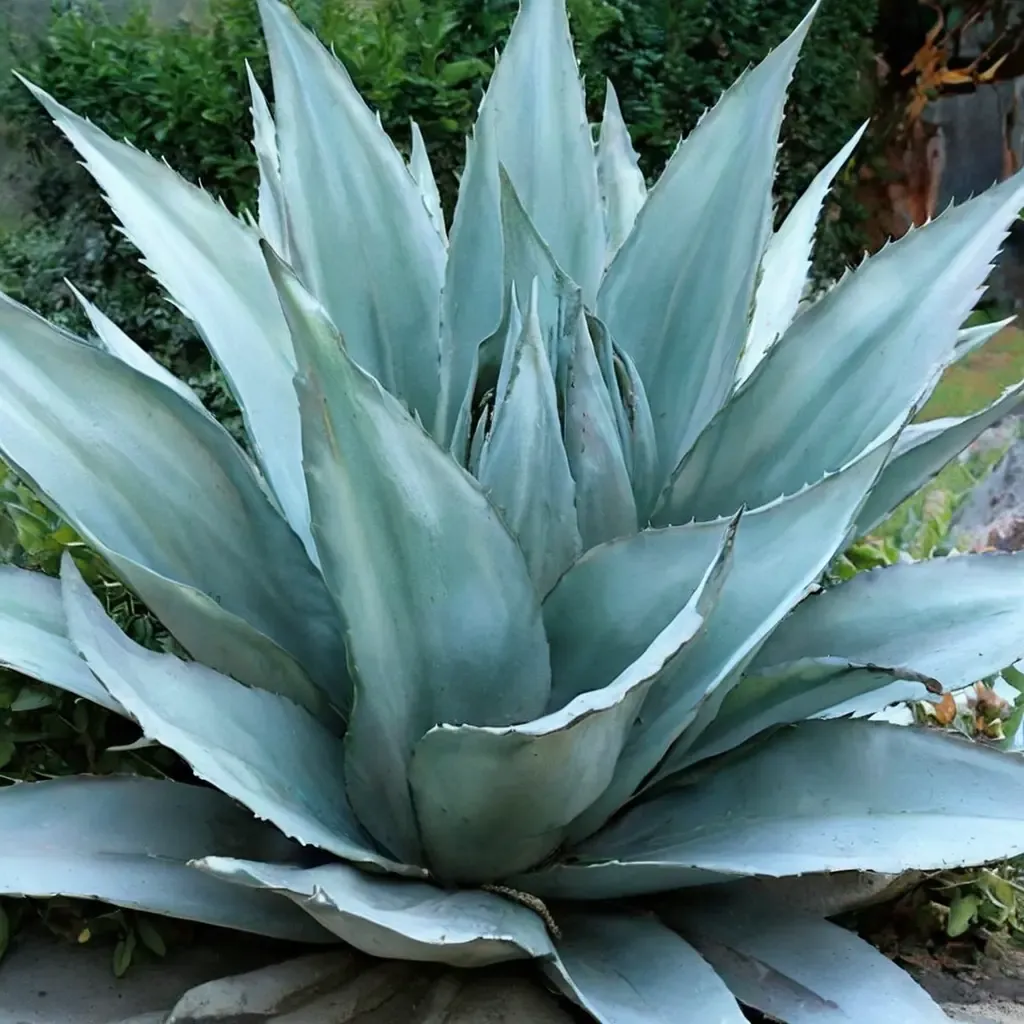
Vanzie Whale's Tongue Agave
Agave ovatifolia 'Vanzie'
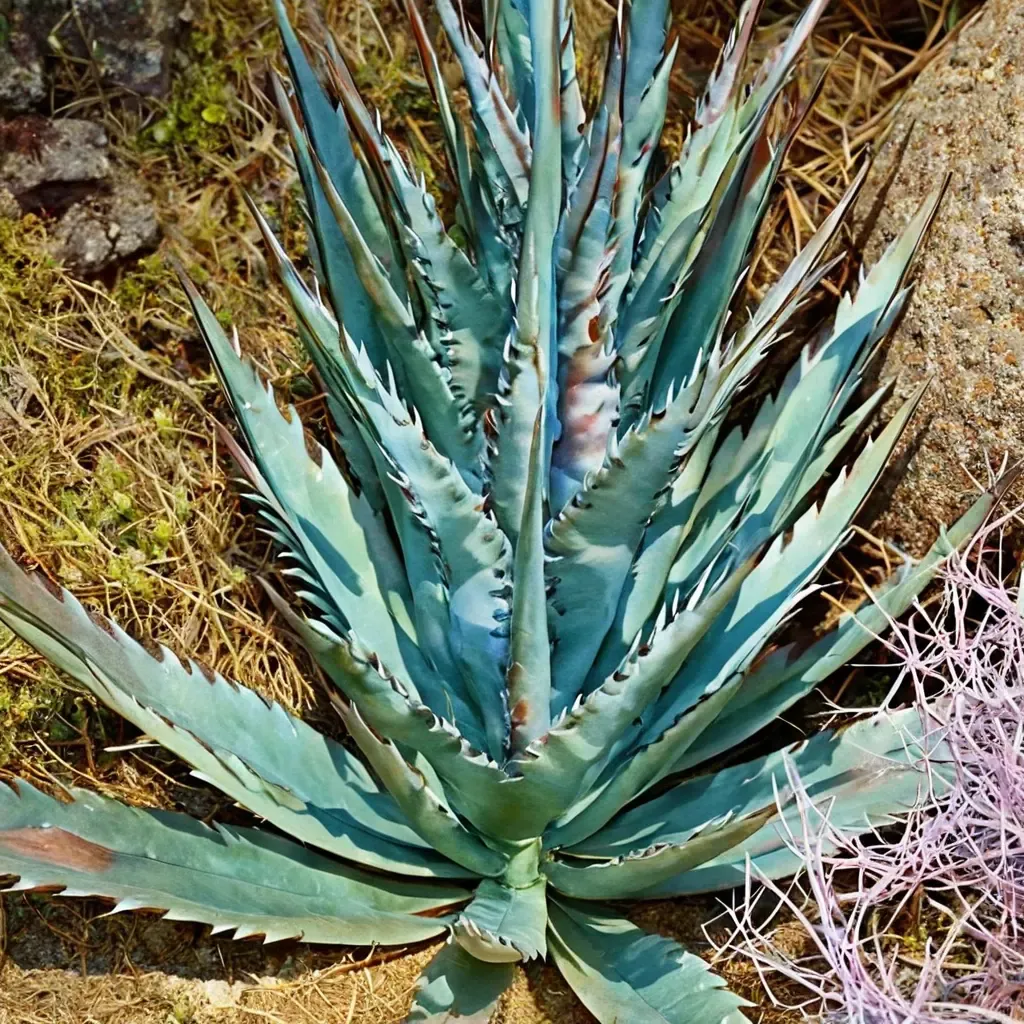
McKelvey's Agave
Agave mckelveyana
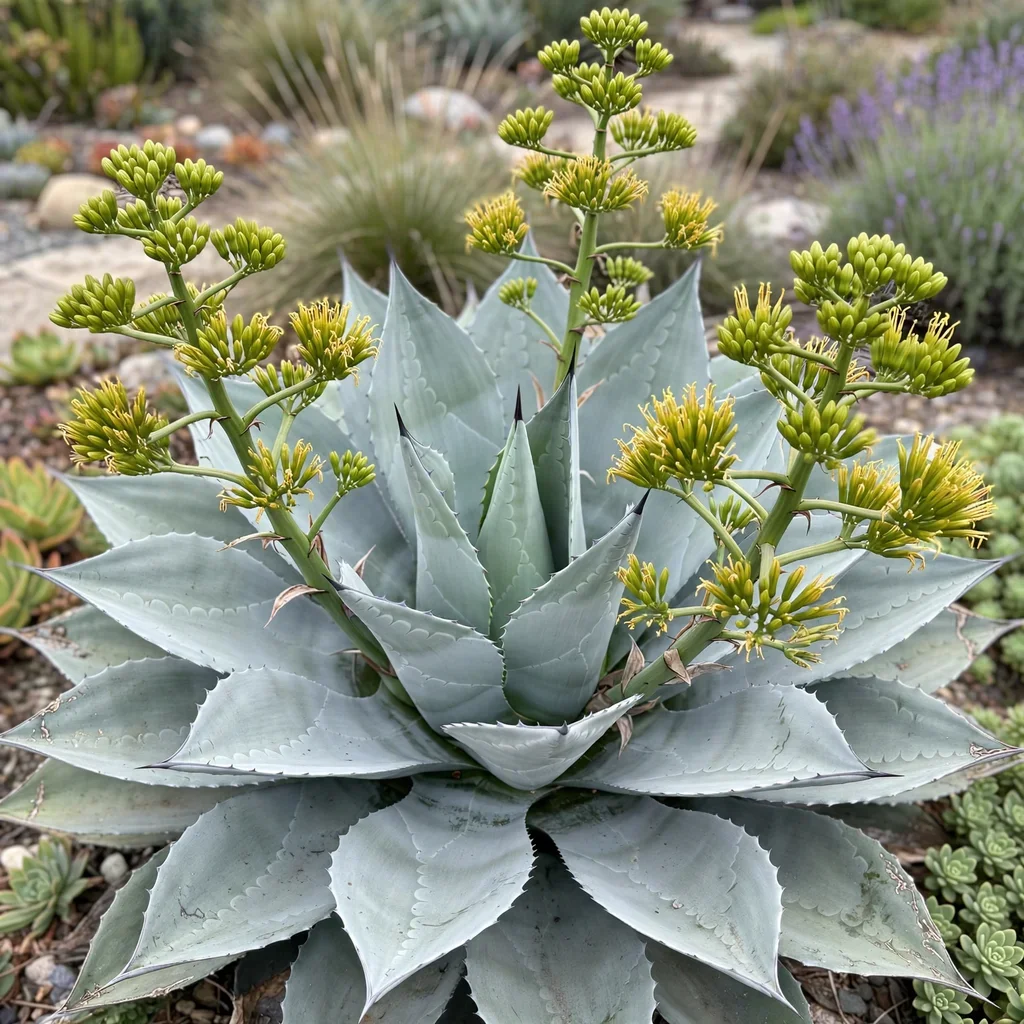
Frosty Blue Whale's Tongue Agave
Agave ovatifolia 'Frosty Blue'
Keep exploring
Explore the genus
Hardy in your zone?
Grow Foxtail Agave with confidence
See it in a design of your actual yard, get zone-matched care reminders, and track it season by season in your garden journal.