
The Story
Plant Bio
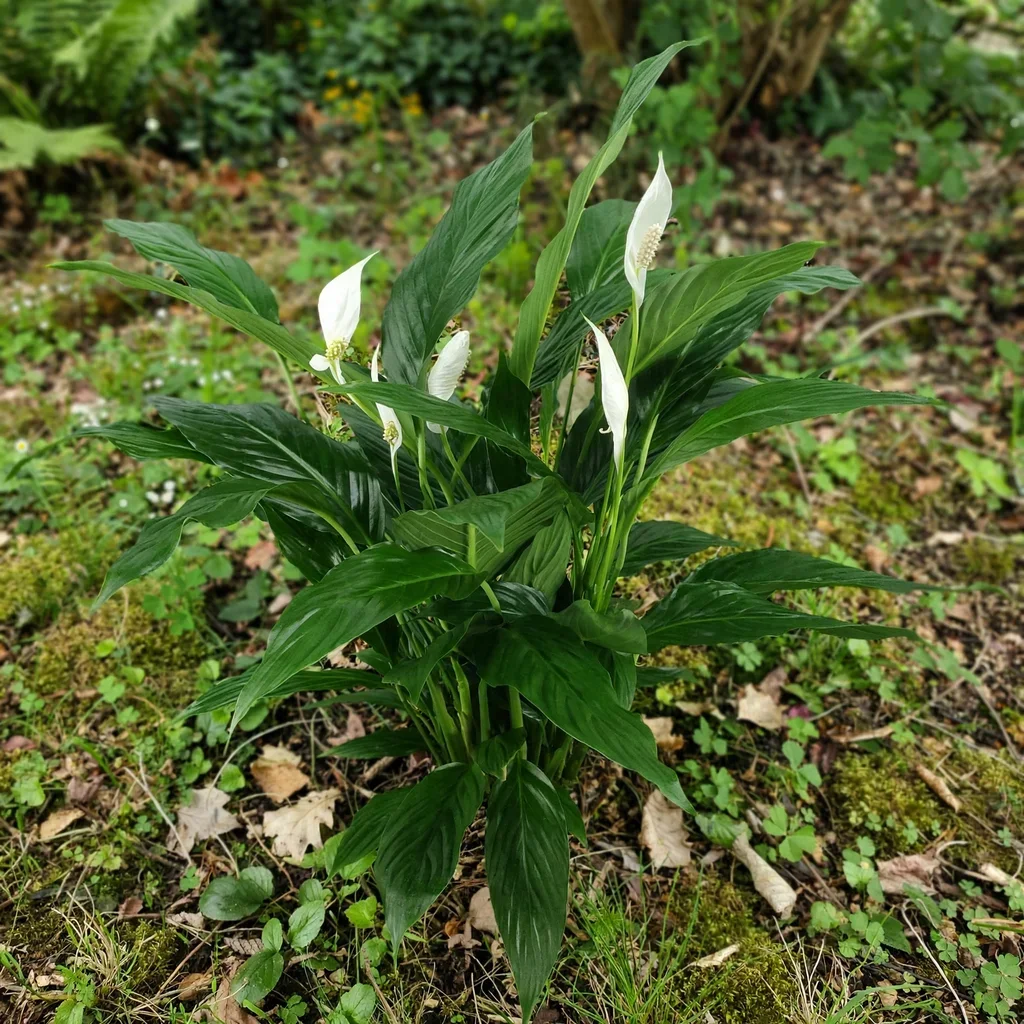
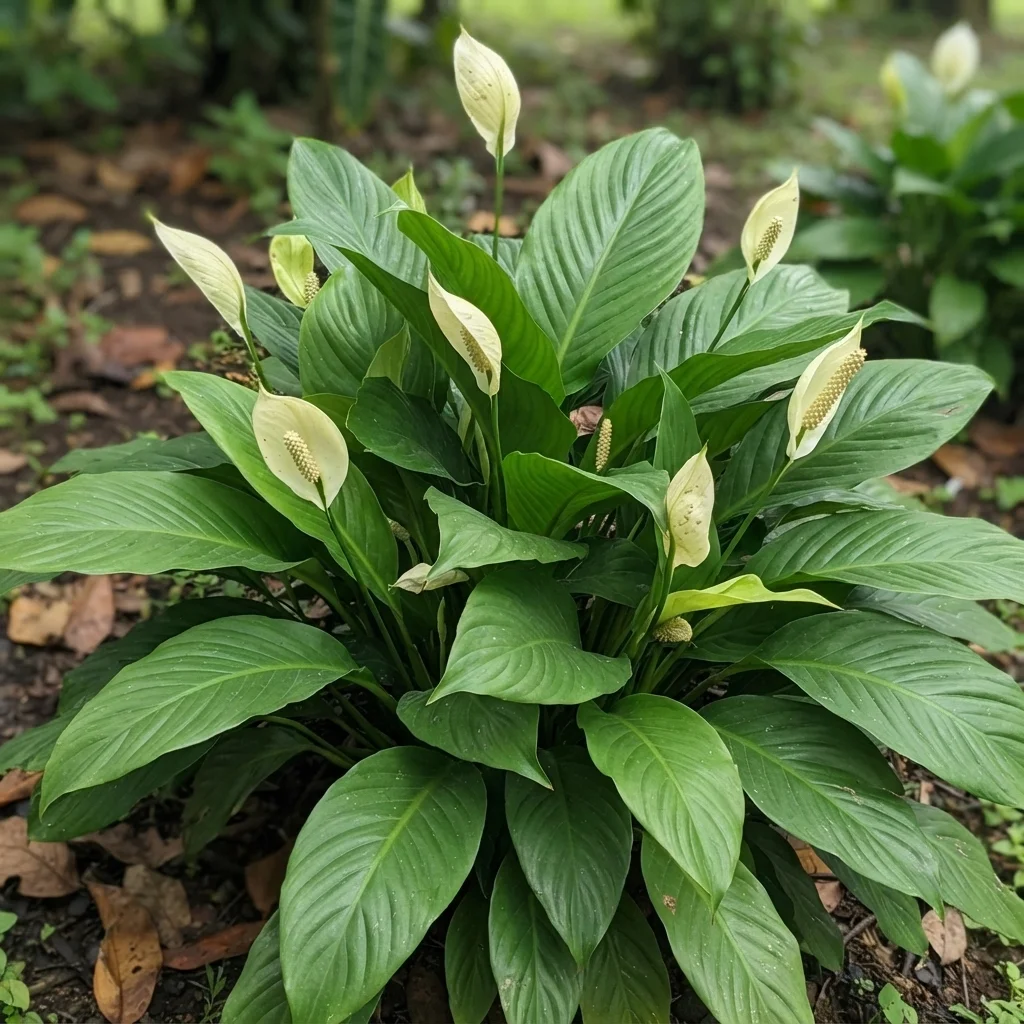
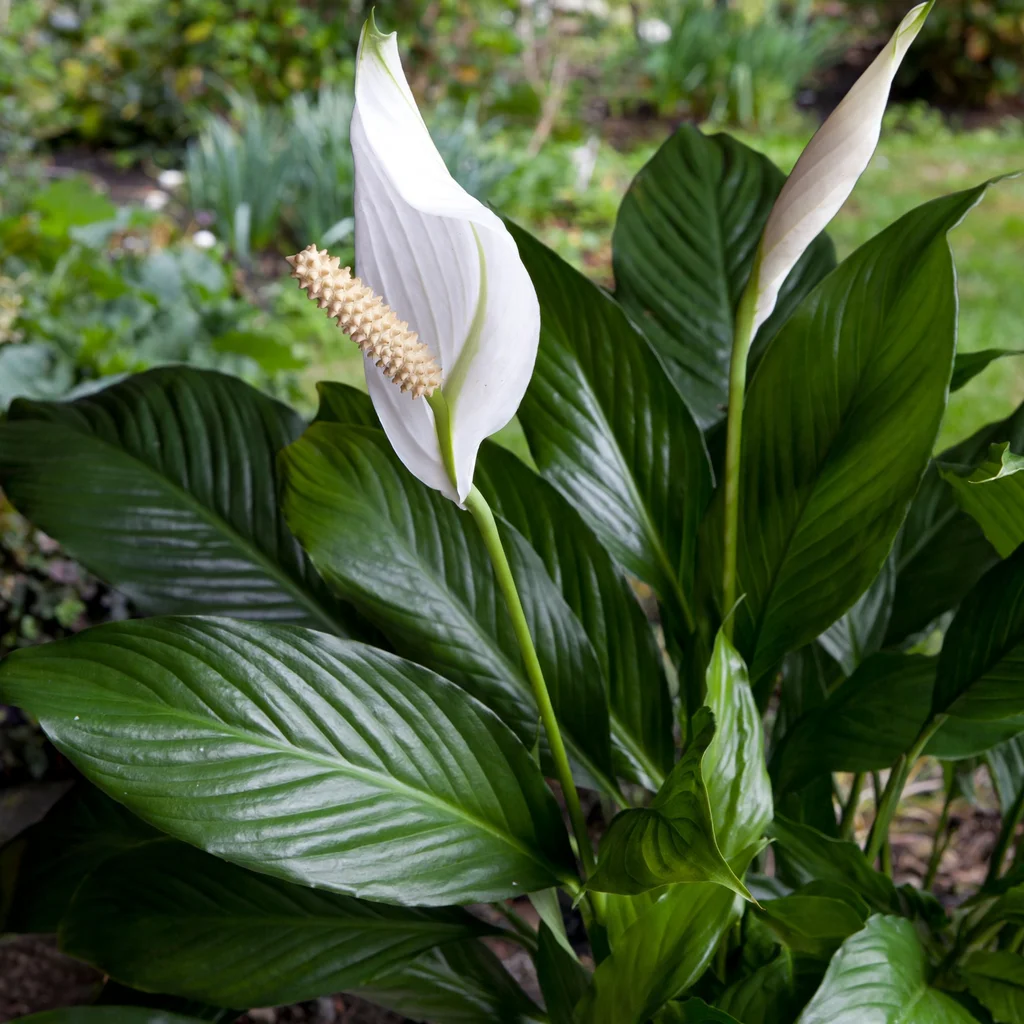
Spathiphyllum floribundum is a clump-forming, evergreen herbaceous perennial native to northwestern South America, characterized by its glossy, dark green, lanceolate leaves with prominent parallel veins. The inflorescence consists of a creamy-white to yellowish spadix subtended by a distinctive white, leaf-like spathe that matures to a pale green over time.
This species is distinguished by its compact, arching growth habit and new foliage that emerges bright vibrant green before hardening to a deep forest green. Under optimal indoor conditions, it produces its distinctive white sails in flushes year-round, with the heaviest bloom occurring from spring through summer.
Uses & Benefits:
Essentials
At a Glance
Plant Type
Perennial
Height
30"
Width
24"
Light
Partial Sun, Shade
Zones
10
Water
Moderate
Humidity
High
Lifespan
Perennial
Native To
Northwestern South America
Toxicity
Toxic to humans, cats, and dogs
Bloom period
Year round
In flower about 12 months of the year
Planting
How to Grow
- Select a rich, organic-matter-heavy potting mix based on peat or bark that provides excellent drainage.
- Position the plant in bright, indirect light or partial to deep shade, ensuring it is completely shielded from direct afternoon sun.
- Water thoroughly whenever the top layer of soil begins to dry, keeping the medium evenly moist but never waterlogged.
- Maintain a warm environment above 50°F (10°C) and provide high humidity through regular misting or grouping with other plants.
Pro Tip
Keep the plant slightly root-bound in its container to stimulate heavier blooming; shifting it into an oversized pot stalls flower production and increases the risk of root rot from excess moisture in uncolonized soil.
Keep It Thriving
Care Guide
Do
- Water promptly when the foliage begins to show slight signs of wilting.
- Wipe the broad leaves occasionally with a damp cloth to remove dust and improve photosynthesis.
- Use a highly porous, free-draining container with adequate drainage holes.
Don't
- Do not expose the plant to direct sunlight, which quickly scorches and burns the foliage.
- Avoid over-fertilizing, which causes salt accumulation and brown leaf tips.
- Never allow the pot to sit in standing water, as this leads to root rot.
Seasonal Care Calendar
| Task | Jan | Feb | Mar | Apr | May | Jun | Jul | Aug | Sep | Oct | Nov | Dec |
|---|---|---|---|---|---|---|---|---|---|---|---|---|
| Divide | ||||||||||||
| Fertilize | ||||||||||||
| Pest Check | ||||||||||||
| Prune |
Watch Out For
Pests & Diseases
Common Pests
Common Diseases
In the Garden
Landscape Uses & Companions
Landscape Uses
Companion Plants
Multiply
Propagation Methods
Good to Know
Common Questions
Peace Lily questions
What zones can Peace Lily grow in?
Peace Lily is hardy in USDA Zone 10. Inside that range it survives winter in the ground; outside it, grow it as an annual or a container plant you protect.
When does Peace Lily bloom?
Peace Lily typically blooms in year round through year round. Exact timing shifts a week or two with your zone — Sow's bloom calendar maps it to your garden.
Does Peace Lily need full sun?
Peace Lily does best in part shade.
More Spathiphyllum to compare
Keep exploring
Explore the genus
Hardy in your zone?
Grow Peace Lily with confidence
See it in a design of your actual yard, get zone-matched care reminders, and track it season by season in your garden journal.