Also known as Peace Lily · 7 saves
Spathiphyllum
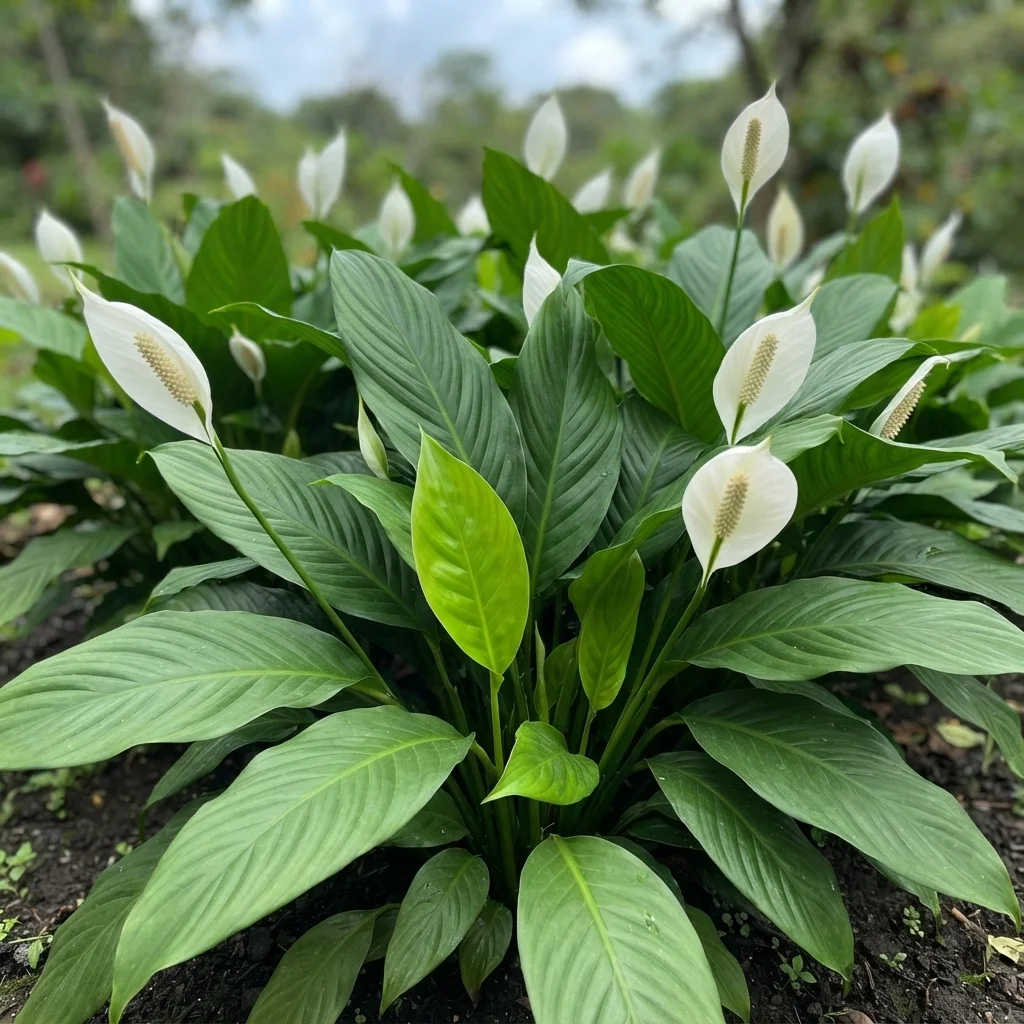
Spathiphyllum, the genus most gardeners know as peace lily. We track 5 varieties; the ones most used by real gardeners.
The 4 most-saved Spathiphyllum varieties
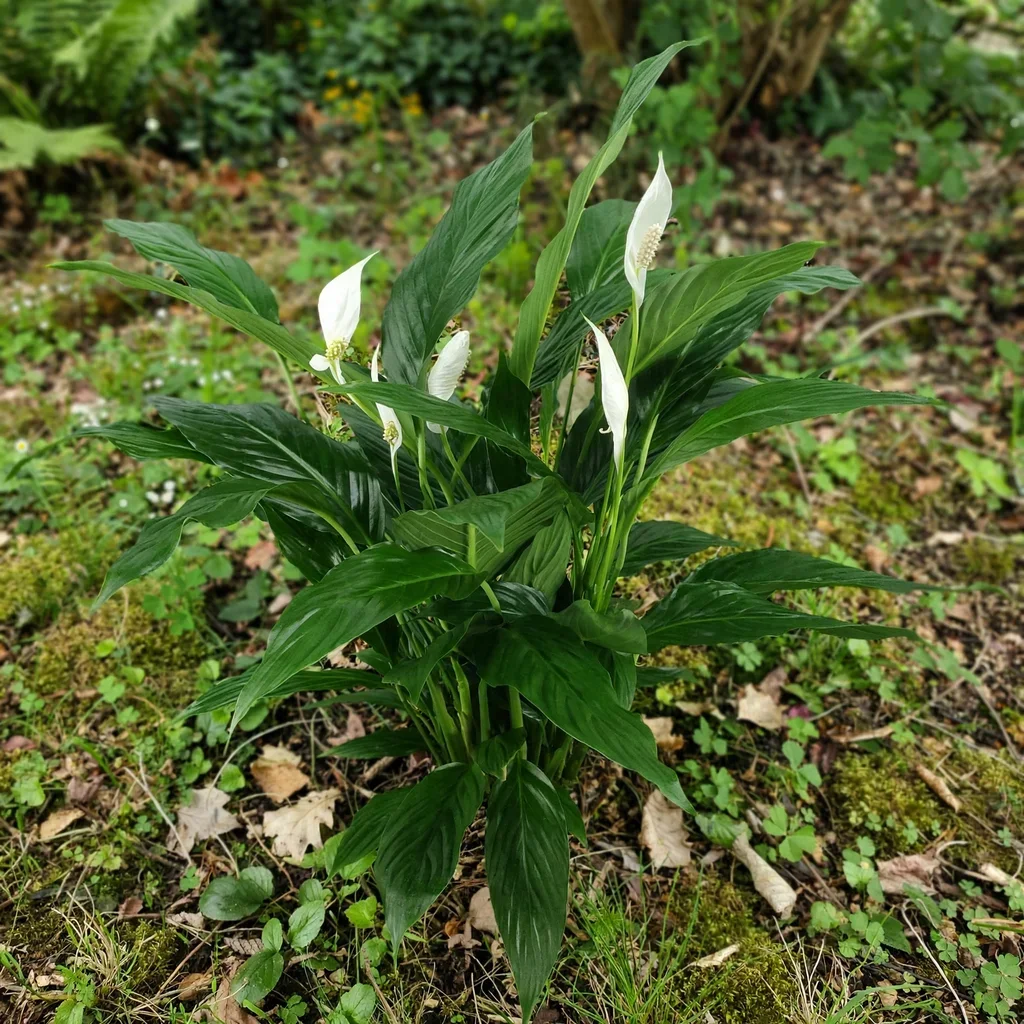
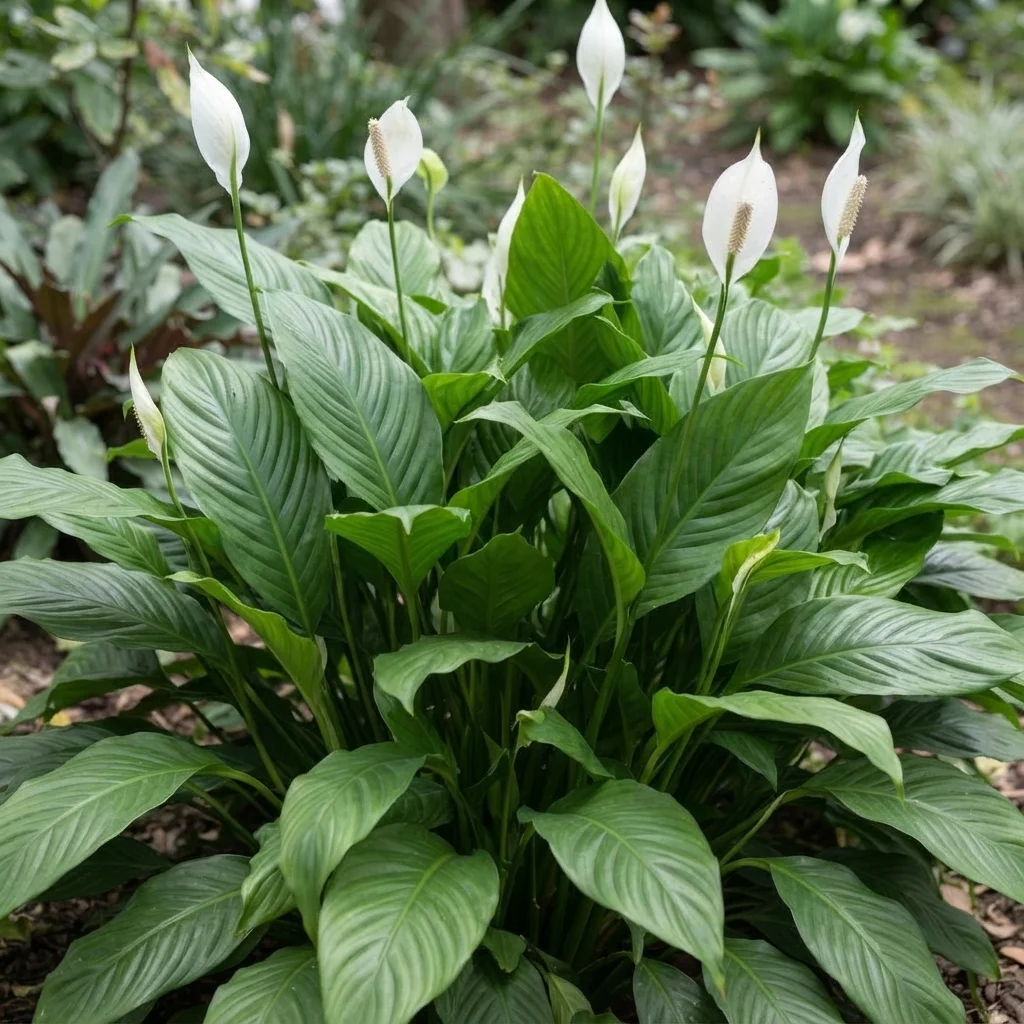
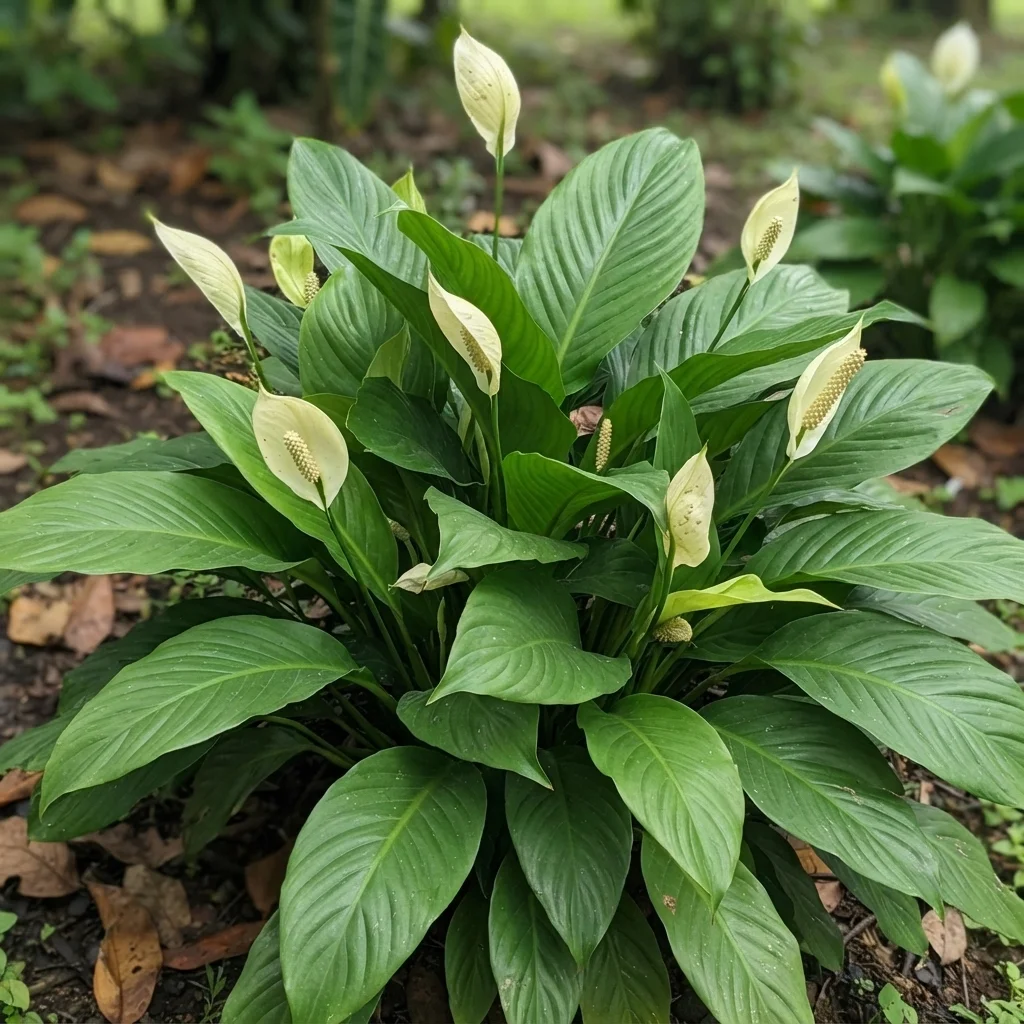
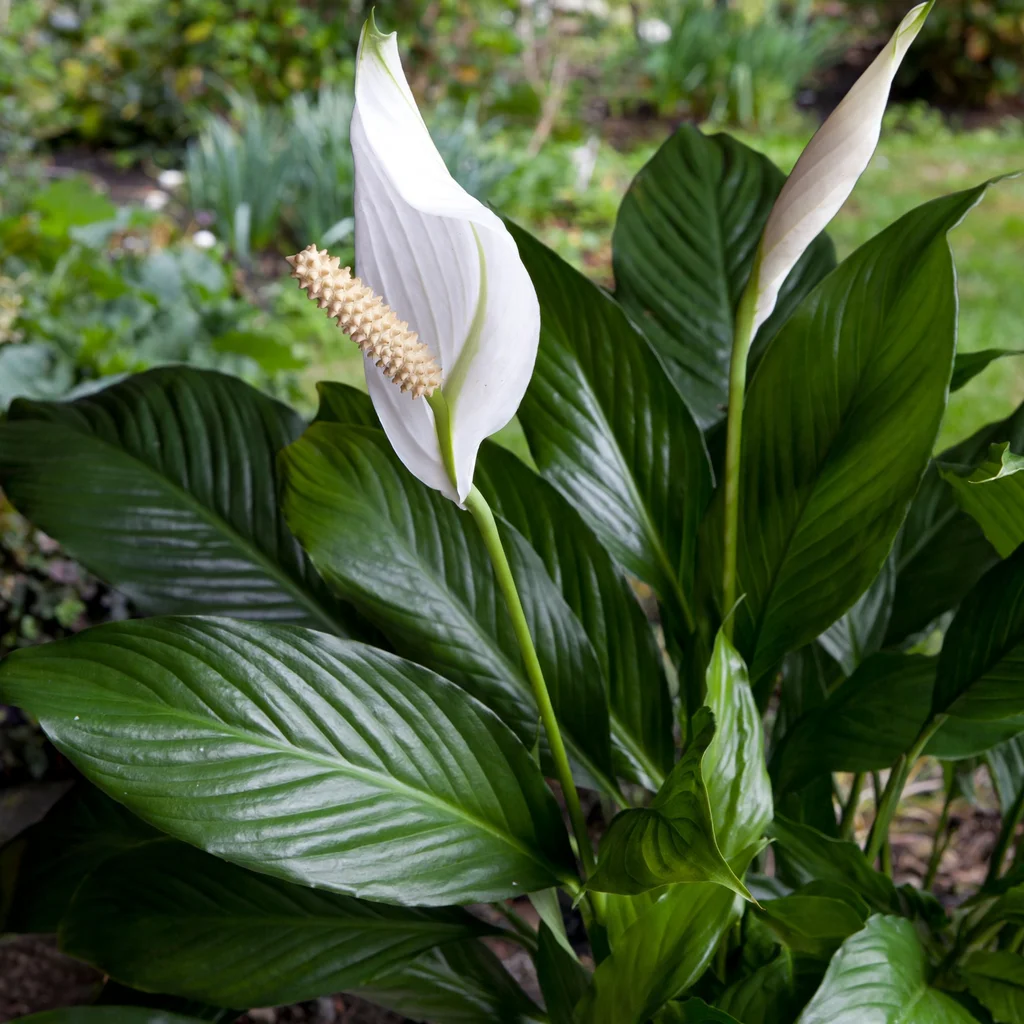
Browse all 5 Spathiphyllum varieties →
3 species of Spathiphyllum
Each one is a parent of the varieties above.
Track your Spathiphyllum in Sow
Save the Spathiphyllum you grow and get care reminders timed to your zone.
How to grow Spathiphyllum
Whats common across all Spathiphyllum varieties in our catalog — drawn from the care records of the 5 most-grown of them.
The Spathiphyllum year
- FertilizeApril–August100% of varieties
Apply a balanced liquid fertilizer diluted to one-quarter strength to avoid root burn.
- Check for PestsJanuary–December100% of varieties
Inspect leaf undersides and stems for mealybugs, scale, and spider mites.
- PruneJanuary–December80% of varieties
Remove completely dead or yellowed leaves at the base as they occur.
- DivideMarch and April60% of varieties
Divide root clumps during repotting to propagate new plants.


Do
- Wipe the broad leaves periodically with a damp cloth to remove dust and improve photosynthesis.
- Leach excess salts from the potting medium by flushing it thoroughly with clean water every few months.
- Keep the plant in a warm environment above 40 degrees Fahrenheit to prevent cold damage.
- Water promptly when the foliage begins to show slight signs of wilting.
- Wipe the broad leaves occasionally with a damp cloth to remove dust and improve photosynthesis.
Avoid
- Do not allow the potting medium to become waterlogged, as soggy soil rapidly induces fatal root rot.
- Do not prune into old, leafless wood; only remove yellowed or dead leaves at their base.
- Do not use full-strength chemical fertilizers, which easily burn the sensitive root system.
- Do not expose the plant to direct sunlight, which quickly scorches and burns the foliage.
What goes wrong with Spathiphyllum
| Problem | What you'll see | What to do |
|---|---|---|
| Mealybugs | Cottony white masses in leaf axils and sticky residue on foliage. | Wipe the pests off with a damp cloth or apply insecticidal soap. |
| Spider Mites | Fine webbing, stippling, and yellowing of the foliage, particularly under dry indoor conditions. | Increase ambient humidity, wash the foliage thoroughly, and treat with horticultural oil. |
| Spider mites | Fine webbing on leaf undersides and speckled, yellowing foliage. | Increase local humidity and spray the foliage with horticultural oil. |
| Scale Insects | Small, brown, immobile bumps clustered along the stems and leaf midribs. | Scrape the insects off manually or apply neem oil. |
| Root rot | Wilting foliage despite wet soil, accompanied by black, mushy roots. | Improve drainage, reduce watering frequency, and apply an appropriate fungicide if necessary. |
| Root Rot | Yellowing leaves and mushy black roots caused by overwatering and poorly draining soil. | Reduce watering, improve soil drainage, and apply a biofungicide. |
| Root Rot (Phytophthora / Pythium) | Mushy, black roots, wilting despite moist soil, and yellowing of the lower leaves. | Improve soil drainage, reduce watering frequency, and apply a targeted fungicide if detected early. |
Making more Spathiphyllum
Division
- Gently remove the mature plant from its container during early spring repotting.
- Identify individual crowns or offsets with established root systems.
- Carefully tease or cut the rhizomes apart using a sharp, sterile knife.
- Pot each division into a fresh, well-draining organic potting mix and water lightly.
Root-ball division
- Perform division in spring when the plant is actively beginning new growth.
- Gently slide the mature clump out of its container and shake away loose soil to expose the root system.
- Use a clean, sharp knife to cut the root ball into sections, ensuring each division has multiple strong shoots and healthy roots.
- Pot each division into a fresh, well-draining potting mix at the same depth as the original plant and water lightly.
Spathiphyllum questions
How many types of Spathiphyllum are there?
The Sow catalog tracks 5 distinct Spathiphyllum varieties. The most popular — ranked by 7 real gardeners — are shown first above.
What zones does Spathiphyllum grow in?
Across its varieties, Spathiphyllum covers USDA Zones 7–10. Individual varieties differ — each plant page lists its exact range, and Sow filters the catalog to your zone automatically.
When does Spathiphyllum bloom?
Most Spathiphyllum varieties bloom in late spring, spring, year round. Staggering early, mid, and late varieties extends the genus's season in one bed.
Which Spathiphyllum should I choose?
Start from the most-saved varieties above — popularity across thousands of gardens is a strong signal of reliability — then filter by your zone and sun. In the Sow app you can preview any of them in a photo of your actual yard before you buy.