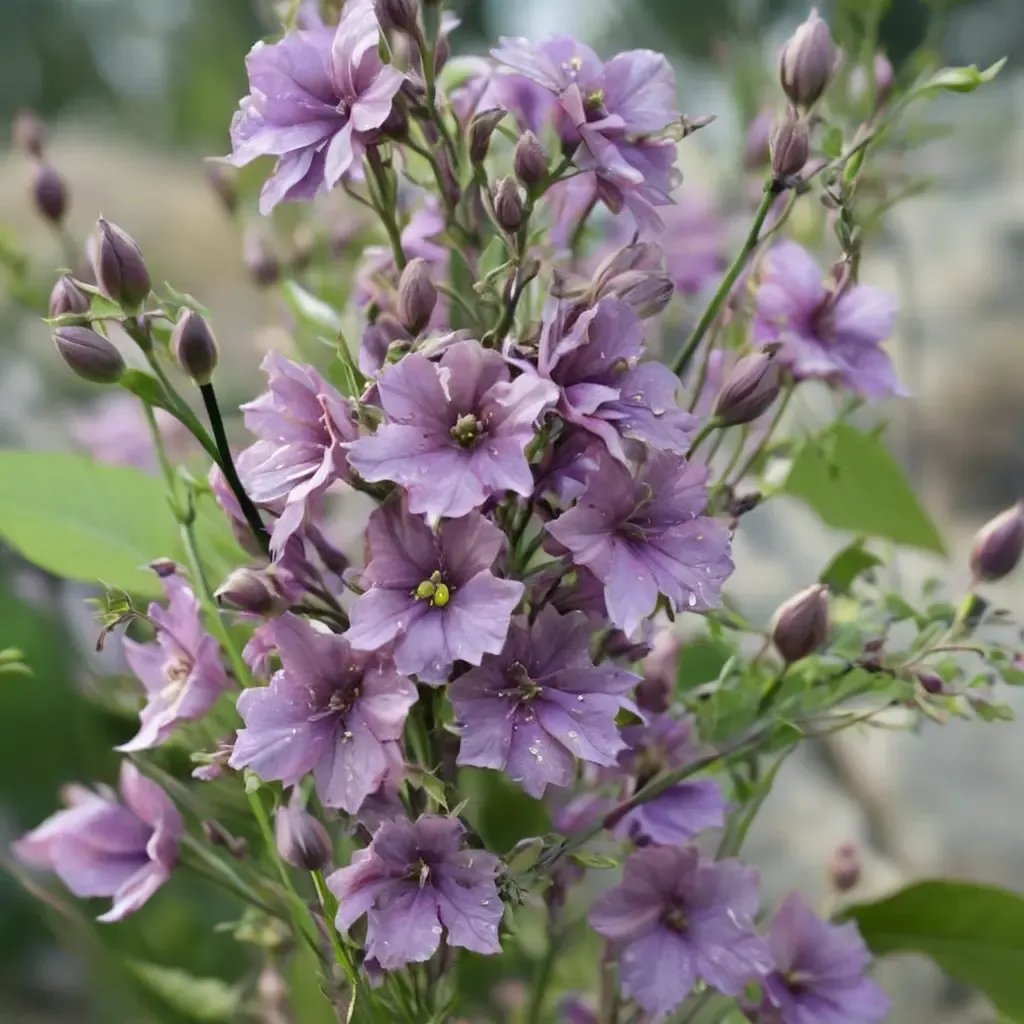
Species
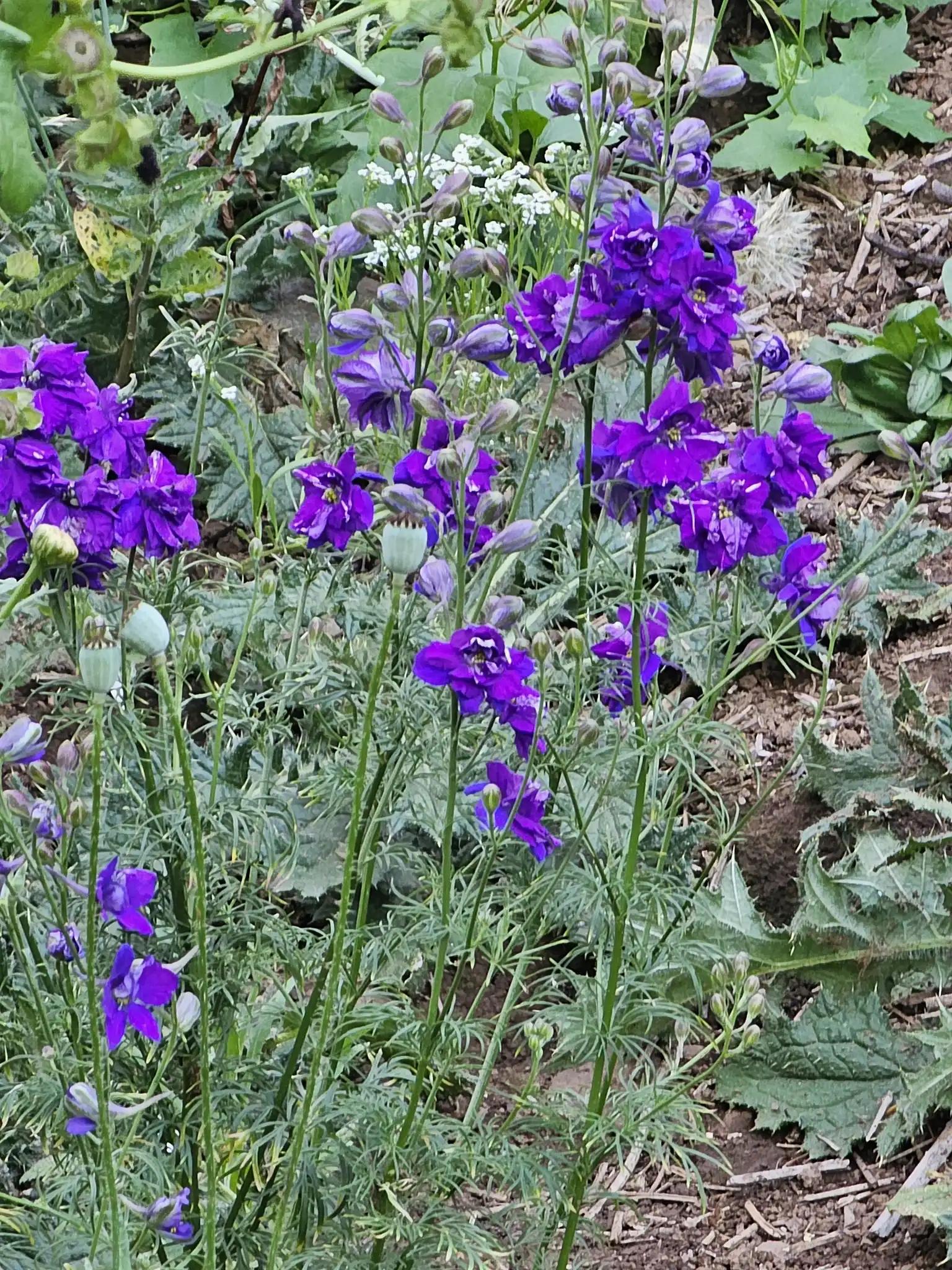 Consolida ajacisRocket Larkspur
1 other cultivar
The Story
Plant Bio
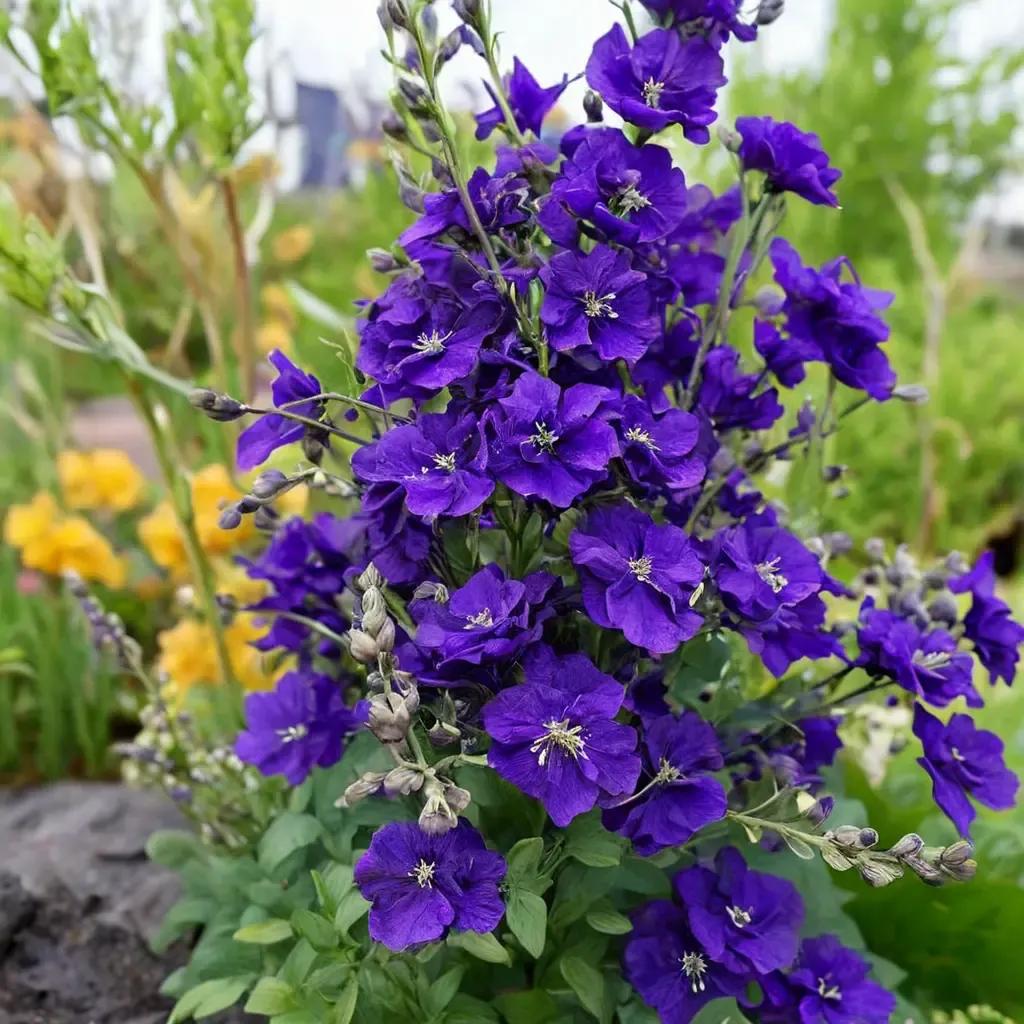
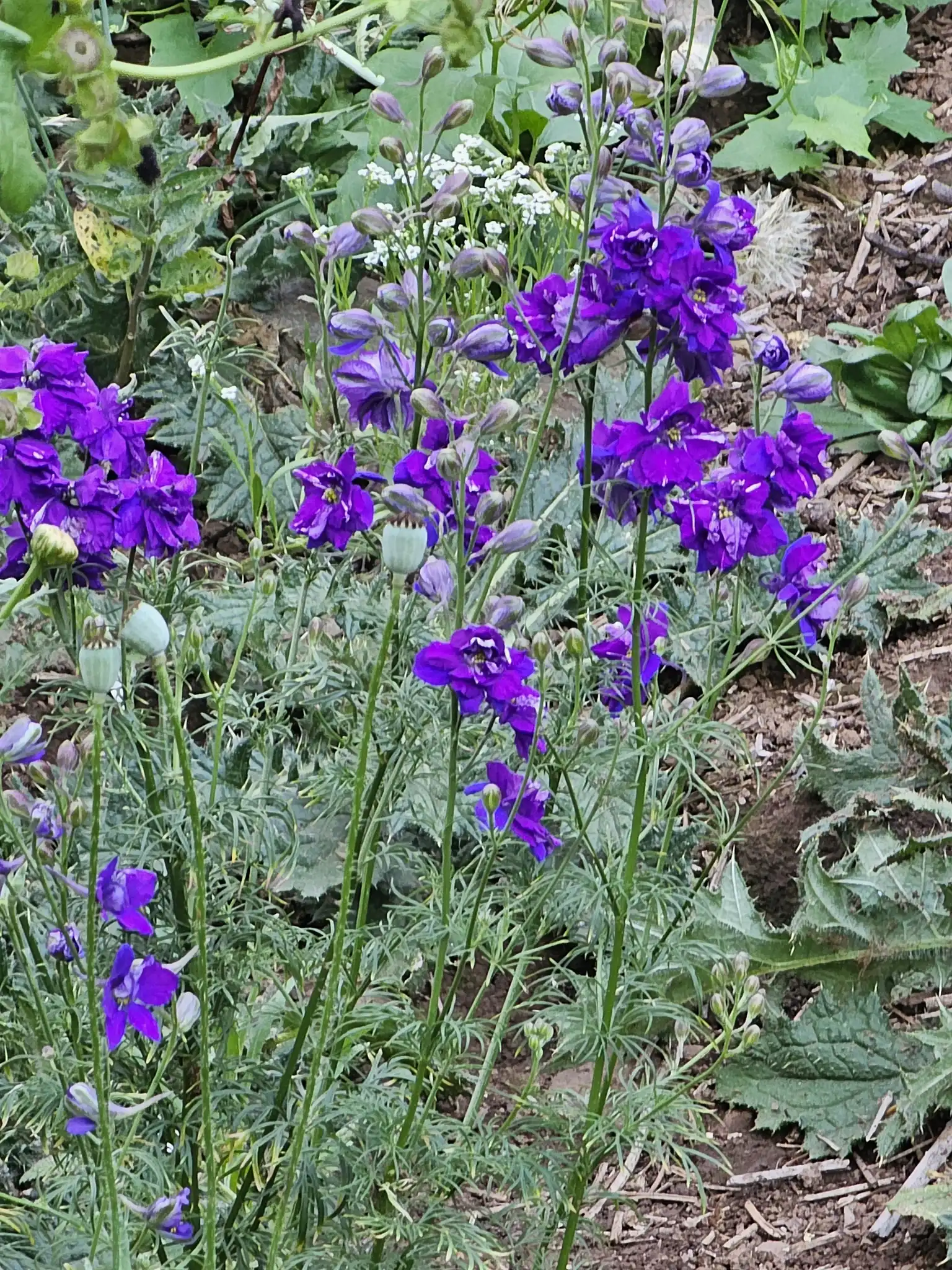
Earl Grey is known for its tall spikes of delicate, blue flowers and feathery foliage, often used to create vertical interest in gardens.
This cultivar is particularly valued for its unique blue flower color and exceptional performance in sunny locations.
Uses & Benefits:
Essentials
At a Glance
Plant Type
Annual
Height
36"
Width
12"
Light
Full Sun, Partial Sun
Zones
4, 5, 6, 7, 8, 9, 10
Water
Moderate
Humidity
Average
Lifespan
Annual
Native To
Mediterranean region
Toxicity
All parts are highly toxic if ingested.
Bloom period
Late spring to summer – Late summer
In flower about 4 months of the year
Planting
How to Grow
- Tuck seeds into well-draining soil in early spring for best germination.
- Mist cuttings lightly to maintain soil moisture during establishment.
- Thin seedlings to prevent overcrowding, ensuring proper air circulation.
- Water regularly but avoid overwatering to prevent root rot.
- Fertilize monthly with a balanced, water-soluble fertilizer during the growing season.
- Deadhead spent flowers to encourage continuous blooming.
Pro Tip
Sow seeds directly outdoors for vibrant spring blooms and enjoy natural reseeding each year.
Keep It Thriving
Care Guide
Do
- Water consistently during dry spells 💧
- Deadhead regularly to promote more flowers 🌸
- Prune lightly after blooming to shape the plant ✂️
- Mulch to retain soil moisture and suppress weeds 🌱
Don't
- Avoid overwatering to prevent fungal issues ❌
- Don’t fertilize late in the season to avoid weak stems 🚫
- Refrain from disturbing roots during pruning ❌
- Never leave dead or diseased parts on the plant 🚫
Seasonal Care Calendar
| Task | Jan | Feb | Mar | Apr | May | Jun | Jul | Aug | Sep | Oct | Nov | Dec |
|---|---|---|---|---|---|---|---|---|---|---|---|---|
| Deadhead | ||||||||||||
| Plant | ||||||||||||
| Spring Cleanup | ||||||||||||
| Stake |
Watch Out For
Pests & Diseases
Common Pests
Common Diseases
In the Garden
Landscape Uses & Companions
Landscape Uses
Multiply
Propagation Methods
Good to Know
Common Questions
Earl Grey Larkspur questions
What zones can Earl Grey Larkspur grow in?
Earl Grey Larkspur is hardy in USDA Zones 4–10. Inside that range it survives winter in the ground; outside it, grow it as an annual or a container plant you protect.
Is Earl Grey Larkspur deer resistant?
Yes — Earl Grey Larkspur is rated deer-resistant. Deer typically pass it over, though extreme hunger can override any plant's defenses.
When does Earl Grey Larkspur bloom?
Earl Grey Larkspur typically blooms in late spring to summer through late summer. Exact timing shifts a week or two with your zone — Sow's bloom calendar maps it to your garden.
Does Earl Grey Larkspur need full sun?
Earl Grey Larkspur does best in full sun to part shade. In hot climates, afternoon shade keeps blooms fresher longer.
Is Earl Grey Larkspur drought tolerant?
Yes — once established (usually after the first full season), Earl Grey Larkspur handles dry spells with minimal watering. Water deeply its first year to build the root system that makes that possible.
More Consolida to compare
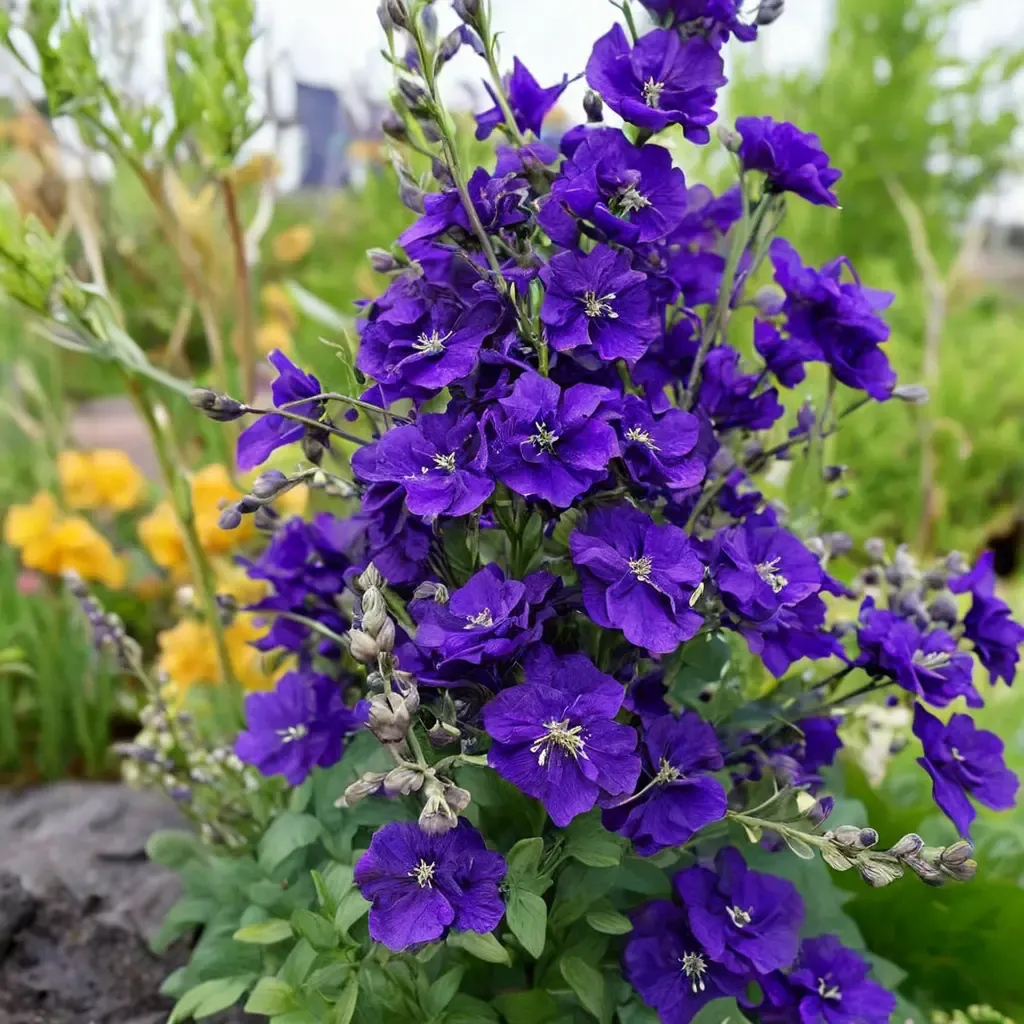
Keep exploring
Explore the genus
Grow Earl Grey Larkspur with confidence
See it in a design of your actual yard, get zone-matched care reminders, and track it season by season in your garden journal.