The Story
Plant Bio
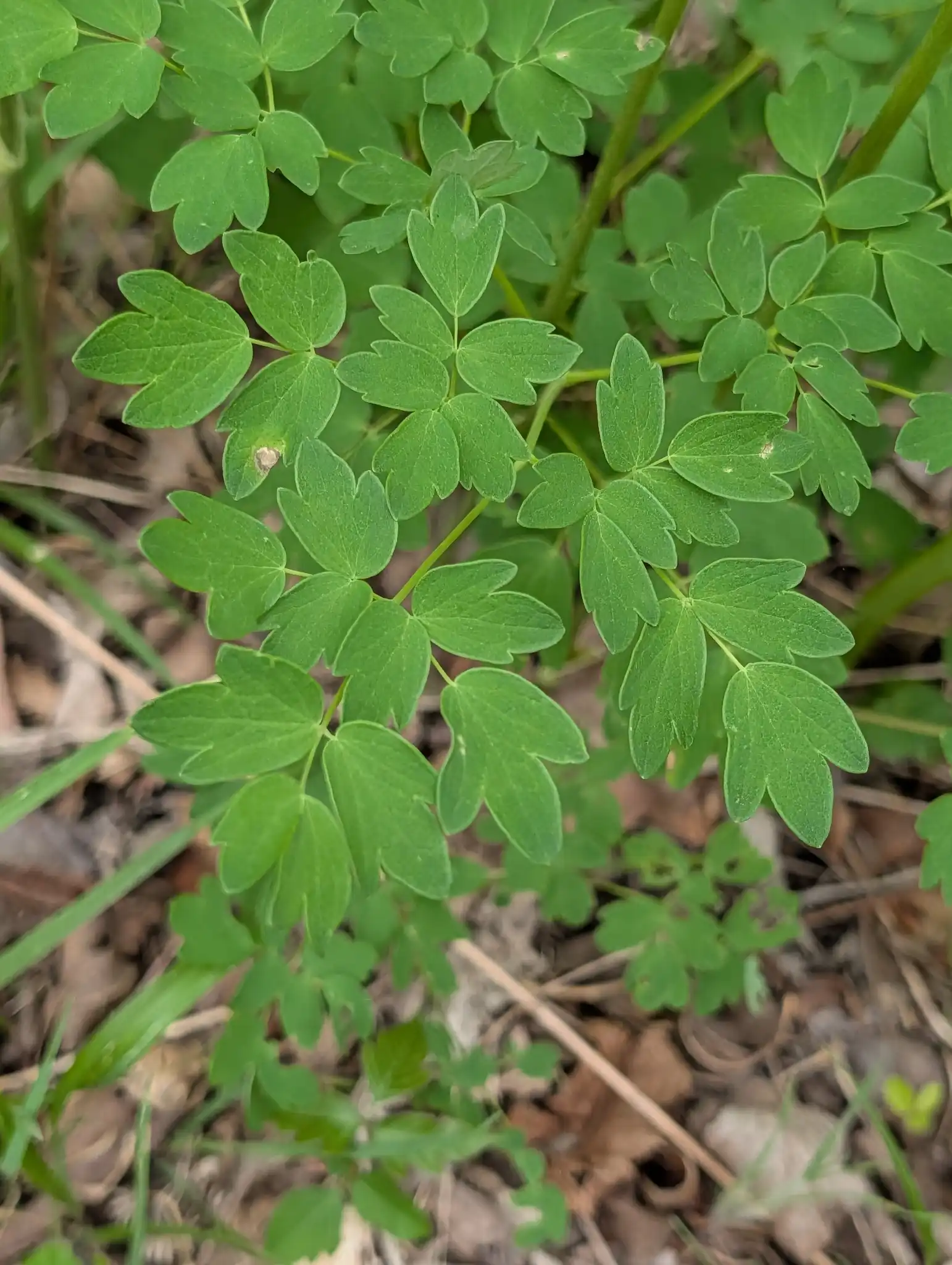
Thalictrum dasycarpum is an erect, clump-forming perennial native to North American damp meadows and river floodplains, reaching three to seven feet tall on smooth purple stems. Its fine-textured, compound foliage superficially resembles maidenhair fern or columbine, supporting wide pyramidal clusters of delicate, wind-pollinated flowers from late spring into summer.
This species is dioecious, bearing separate male and female plants; male specimens display showier clusters of pale yellow or purplish stamens while female plants produce greenish pistils. It thrives in rich, consistently moist soils where its tall framework provides architectural height without invasive spreading.
Uses & Benefits:
Essentials
At a Glance
Plant Type
Perennial
Height
84"
Width
48"
Light
Full Sun, Partial Sun
Zones
4, 5, 6, 7
Water
High / Consistently moist
Humidity
Moderate
Lifespan
Perennial
Native To
North America
Toxicity
Toxic if ingested
Bloom period
Late spring – Mid summer
In flower about 3 months of the year
Planting
How to Grow
- Select a site in full sun or partial shade with rich, highly organic soil.
- Work organic compost or leaf mold into sandy or clay soils prior to planting.
- Set the root crown level with the soil line and space plants three to four feet apart.
- Water thoroughly after planting and apply a two-inch layer of organic mulch to preserve soil moisture.
Pro Tip
Maintain uniform soil moisture through summer, as drought causes rapid foliage scorch and top dieback, particularly when grown in full sun.
Keep It Thriving
Care Guide
Do
- Keep soil consistently moist throughout the spring and summer growing season.
- Stake tall stems in exposed or windy locations to prevent lodging.
- Top-dress surrounding soil with compost annually in early spring.
Don't
- Do not allow the root zone to dry out during warm summer periods.
- Do not cut back or shear foliage during active summer growth.
- Do not plant in dry, unamended sites or heavy soils lacking organic matter.
Seasonal Care Calendar
| Task | Jan | Feb | Mar | Apr | May | Jun | Jul | Aug | Sep | Oct | Nov | Dec |
|---|---|---|---|---|---|---|---|---|---|---|---|---|
| Divide | ||||||||||||
| Mulch | ||||||||||||
| Prune | ||||||||||||
| Stake |
Watch Out For
Pests & Diseases
Common Pests
Common Diseases
In the Garden
Landscape Uses & Companions
Landscape Uses
Multiply
Propagation Methods
Good to Know
Common Questions
Purple Meadow-Rue questions
What zones can Purple Meadow-Rue grow in?
Purple Meadow-Rue is hardy in USDA Zones 4–7. Inside that range it survives winter in the ground; outside it, grow it as an annual or a container plant you protect.
Is Purple Meadow-Rue deer resistant?
Yes — Purple Meadow-Rue is rated deer-resistant. Deer typically pass it over, though extreme hunger can override any plant's defenses.
When does Purple Meadow-Rue bloom?
Purple Meadow-Rue typically blooms in late spring through mid summer. Exact timing shifts a week or two with your zone — Sow's bloom calendar maps it to your garden.
Does Purple Meadow-Rue need full sun?
Purple Meadow-Rue does best in full sun to part shade. In hot climates, afternoon shade keeps blooms fresher longer.
More Thalictrum to compare
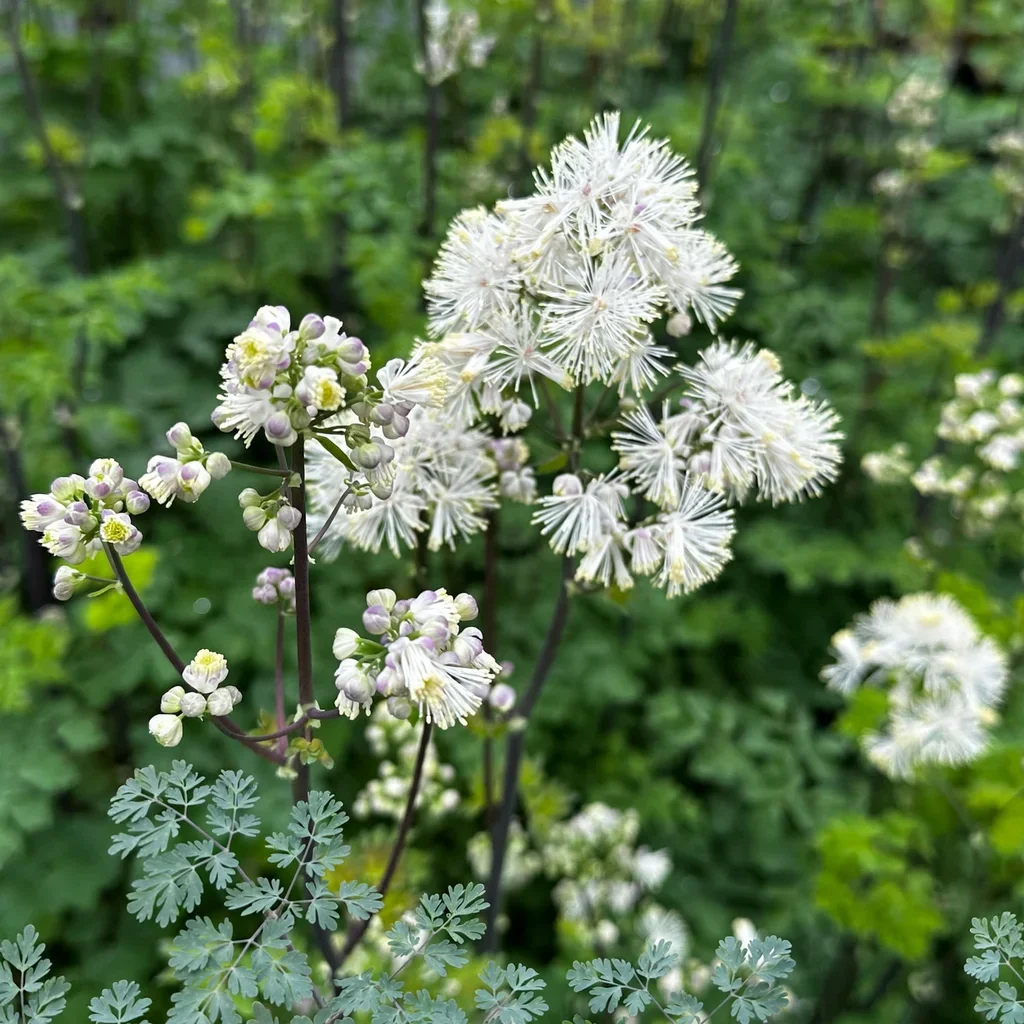
Nimbus White Meadow-rue
Thalictrum aquilegiifolium 'Nimbus White'
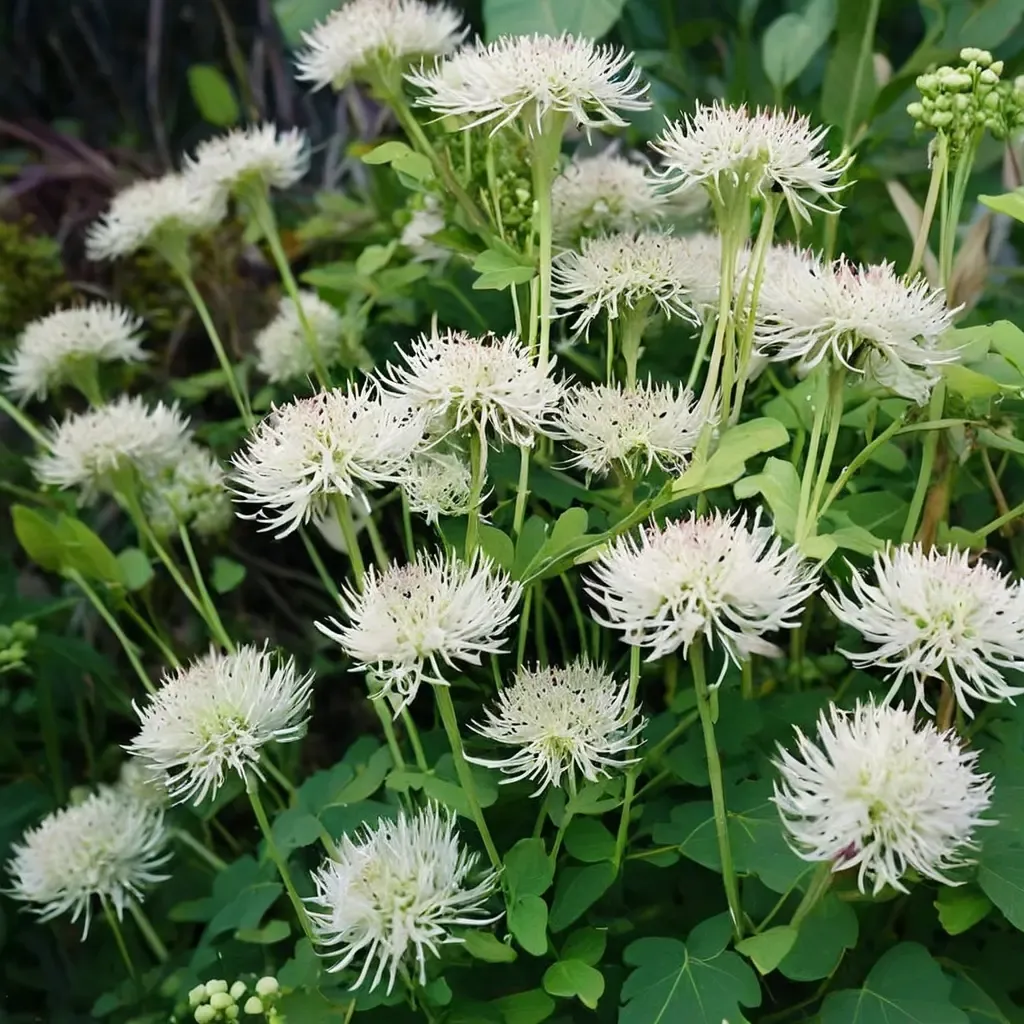
Album White Meadow Rue
Thalictrum aquilegiifolium 'Album'
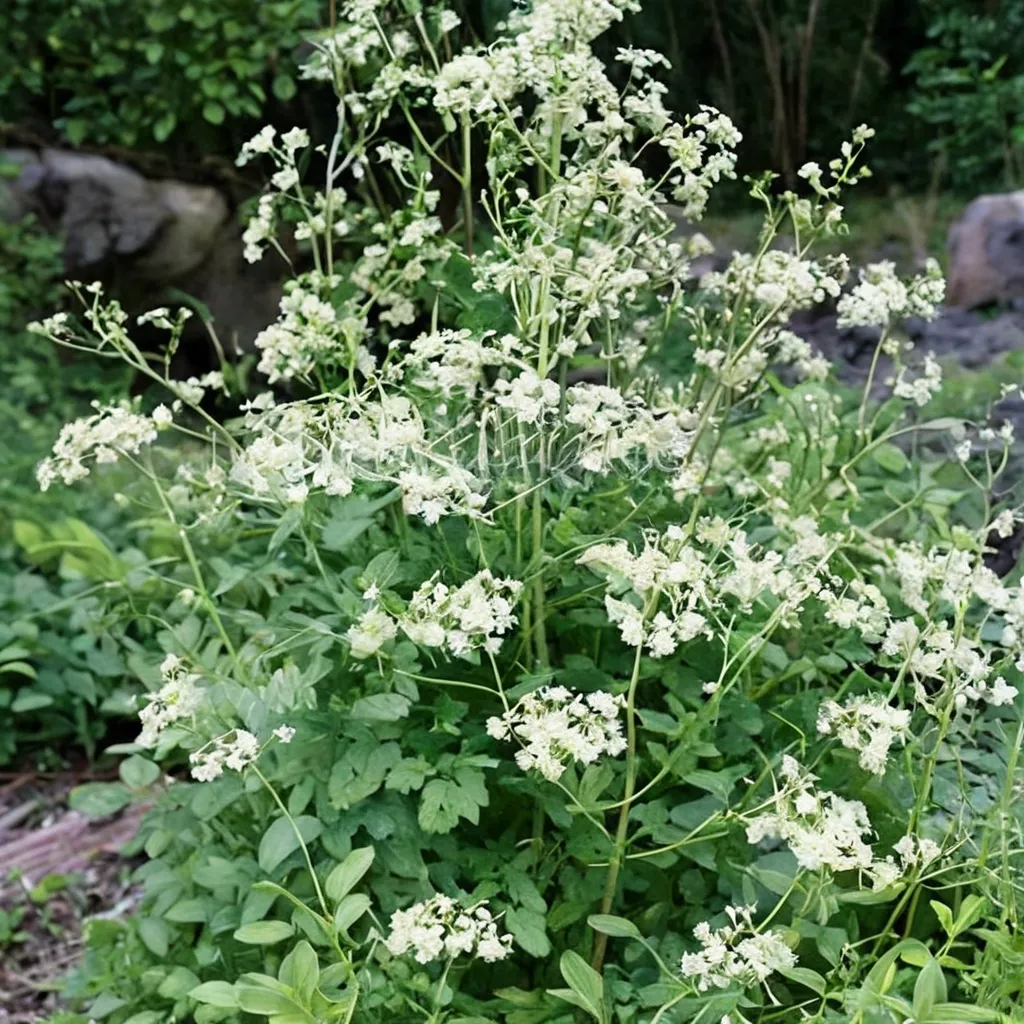
Tall Meadow-rue
Thalictrum polygamum
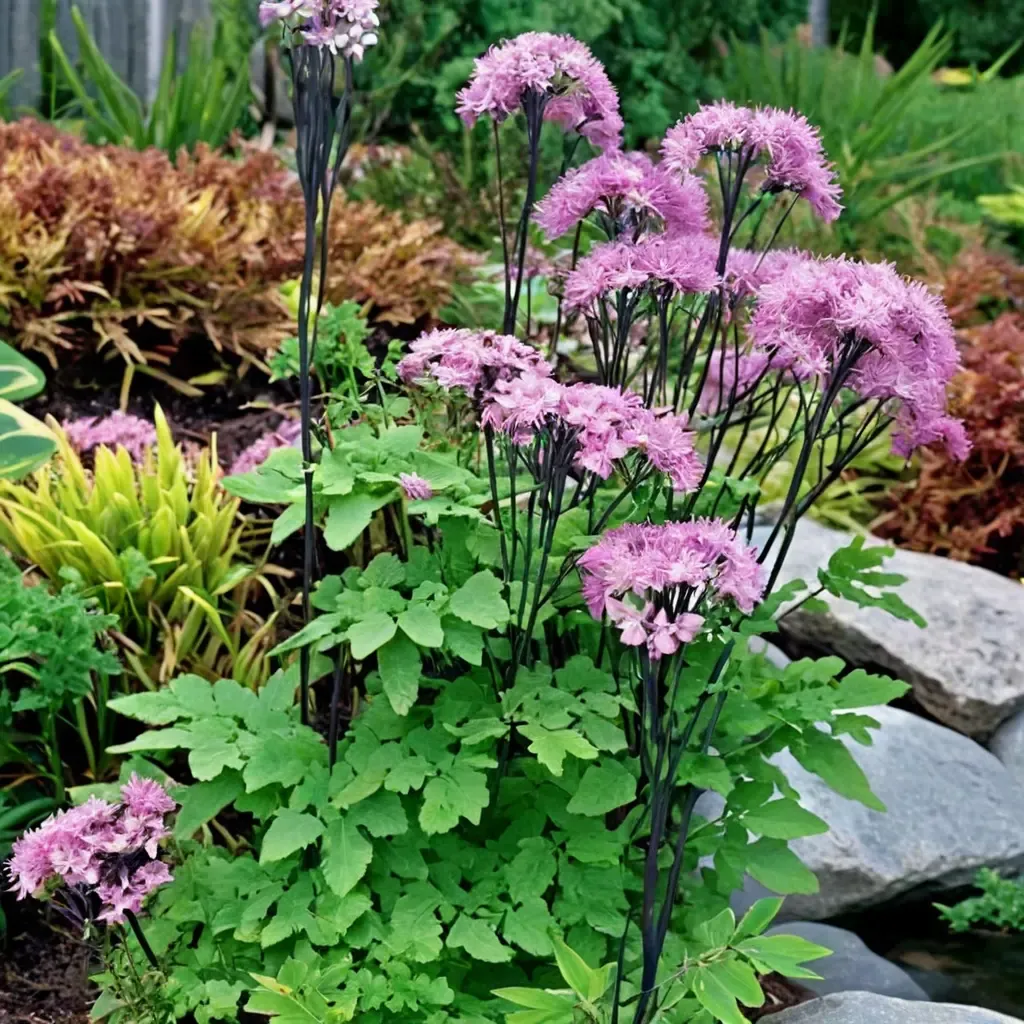
Black Stockings Meadow Rue
Thalictrum x hybrida 'Black Stockings'
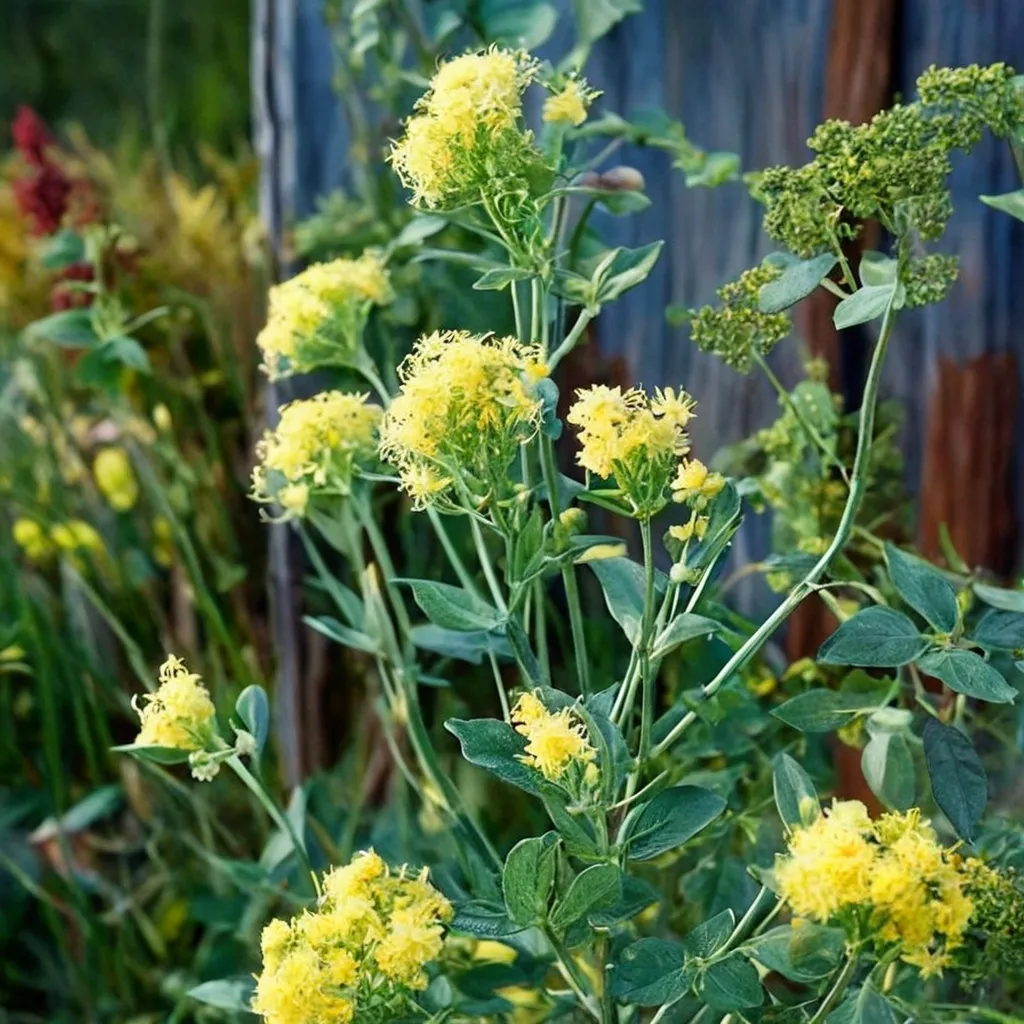
True Blue Yellow Meadow Rue
Thalictrum flavum 'True Blue'
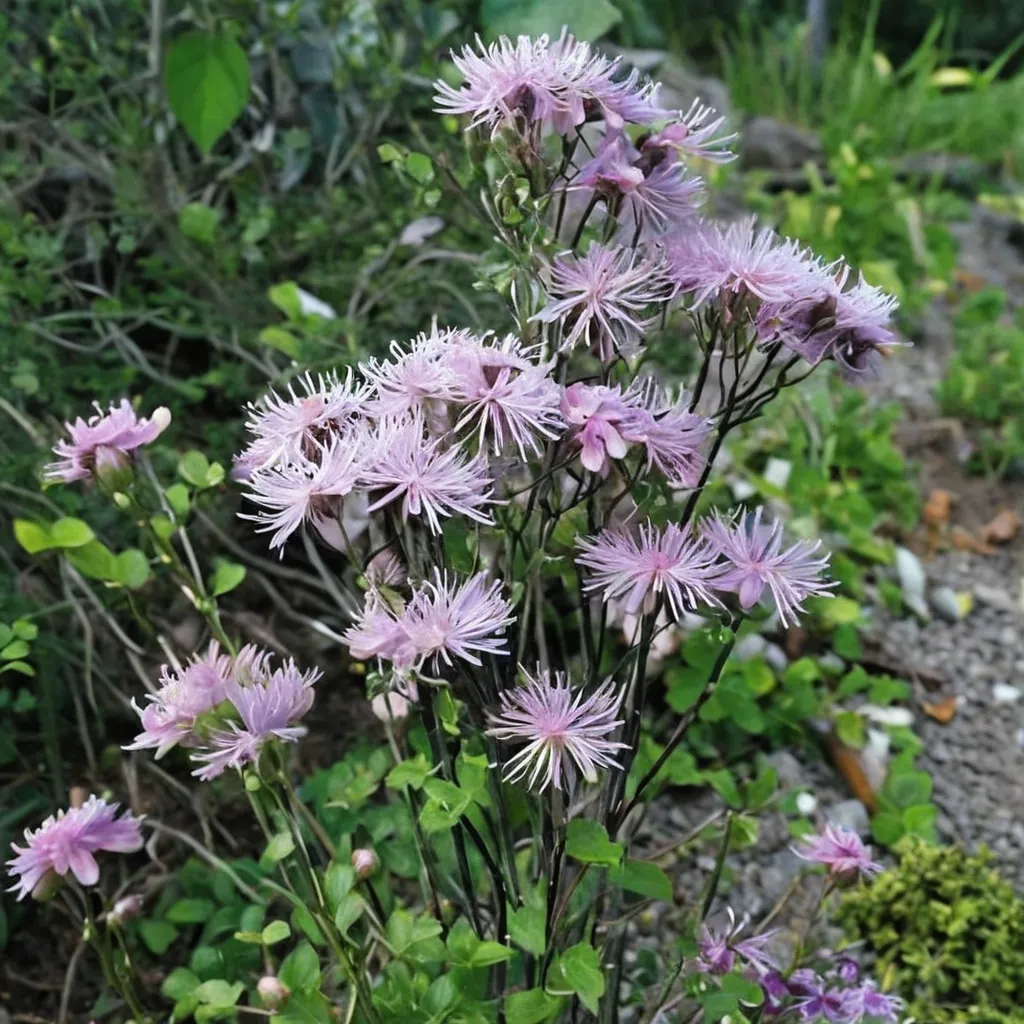
Hybrid Meadow Rue
Thalictrum x hybrida 'HH-03CH196'
Keep exploring
Explore the genus
Hardy in your zone?
Grow Purple Meadow-Rue with confidence
See it in a design of your actual yard, get zone-matched care reminders, and track it season by season in your garden journal.