The Story
Plant Bio
Abies fraseri is a species of fir native to the high elevations of the Appalachian Mountains in the southeastern United States. It is a medium-sized, evergreen coniferous tree with a classic, pyramidal Christmas tree shape.
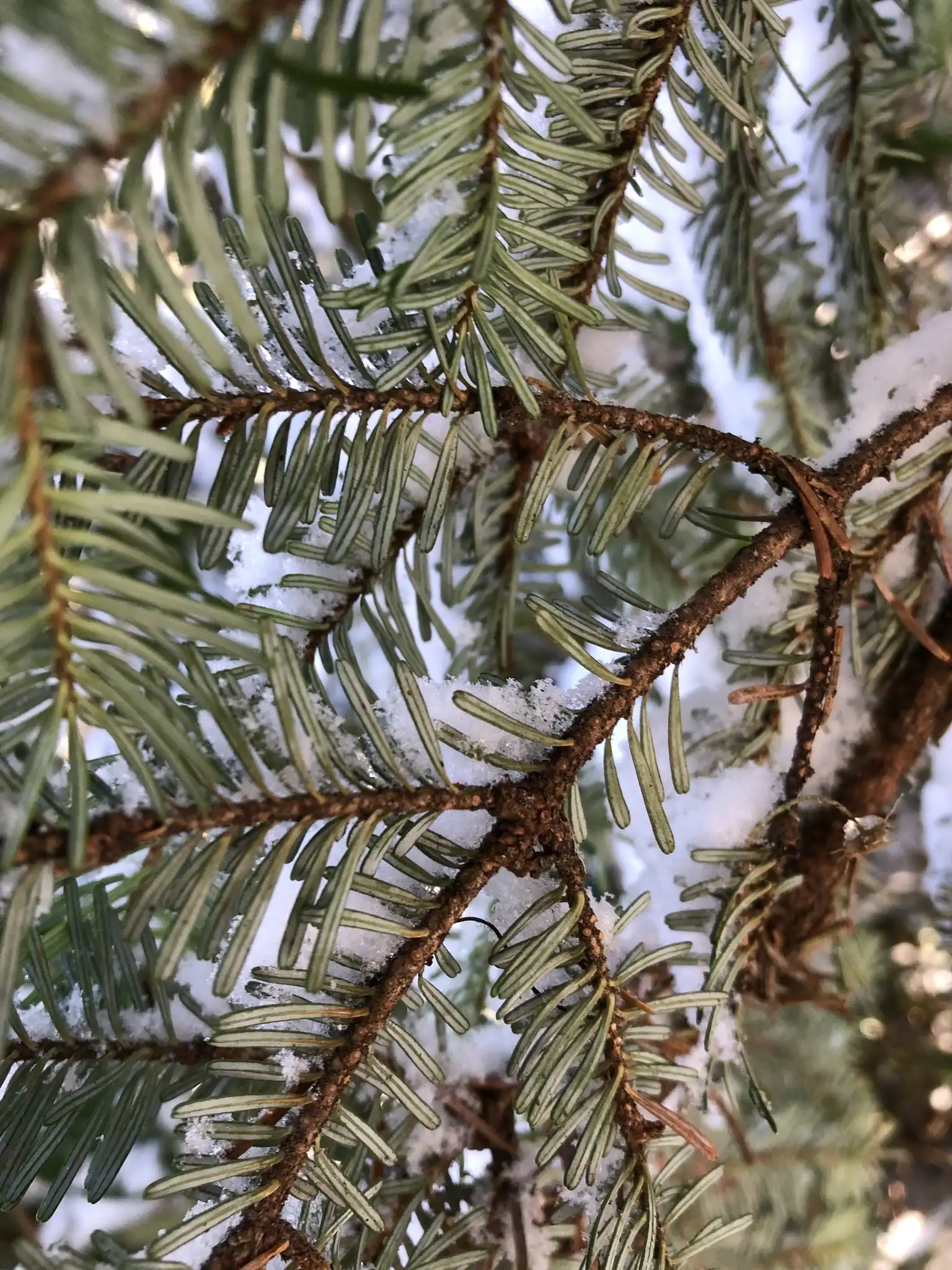
Fraser Fir is renowned for its pleasant balsam scent, excellent needle retention after being cut, and strong, upward-turning branches that are perfect for holding ornaments. The needles are flat, dark green on top with two silvery-white bands underneath.
Uses & Benefits:
Essentials
At a Glance
Plant Type
Tree
Height
480"
Width
300"
Light
Full Sun, Partial Sun
Zones
4, 5, 6, 7
Water
Moderate
Humidity
Low to moderate
Lifespan
Medium-lived tree
Native To
Southeastern United States
Toxicity
Non-toxic
Bloom period
Late spring
In flower about 1 month of the year
Planting
How to Grow
- Select a site with full sun and excellent drainage.
- Ensure the climate is suitable; avoid hot, humid regions.
- Dig a hole two to three times wider than the root ball, but no deeper.
- Place the tree in the hole, making sure the root flare is at or above ground level.
- Backfill with the native soil, watering to settle.
- Mulch out to the drip line, keeping mulch away from the trunk.
Pro Tip
This tree requires a cool climate with well-drained soil; it will not tolerate the heat, humidity, or heavy clay of the deep South.
Keep It Thriving
Care Guide
Do
- Provide a cool, moist, acidic soil environment.
- Ensure the planting site is well-drained.
- Water during periods of drought, especially when young.
- Monitor for pests, particularly balsam woolly adelgid.
Don't
- Don't plant in heavy, compacted clay soil.
- Avoid planting in areas with hot summers and high humidity.
- Do not let the soil become waterlogged or completely dry.
- Avoid shearing unless you are growing it specifically for Christmas trees.
Seasonal Care Calendar
| Task | Jan | Feb | Mar | Apr | May | Jun | Jul | Aug | Sep | Oct | Nov | Dec |
|---|---|---|---|---|---|---|---|---|---|---|---|---|
| Mulch | ||||||||||||
| Pest Check | ||||||||||||
| Plant |
Watch Out For
Pests & Diseases
Common Pests
Common Diseases
In the Garden
Landscape Uses & Companions
Landscape Uses
Multiply
Propagation Methods
Good to Know
Common Questions
Fraser Fir questions
What zones can Fraser Fir grow in?
Fraser Fir is hardy in USDA Zones 4–7. Inside that range it survives winter in the ground; outside it, grow it as an annual or a container plant you protect.
Is Fraser Fir deer resistant?
Yes — Fraser Fir is rated deer-resistant. Deer typically pass it over, though extreme hunger can override any plant's defenses.
When does Fraser Fir bloom?
Fraser Fir typically blooms in late spring through late spring. Exact timing shifts a week or two with your zone — Sow's bloom calendar maps it to your garden.
Does Fraser Fir need full sun?
Fraser Fir does best in full sun to part shade. In hot climates, afternoon shade keeps blooms fresher longer.
More Abies to compare
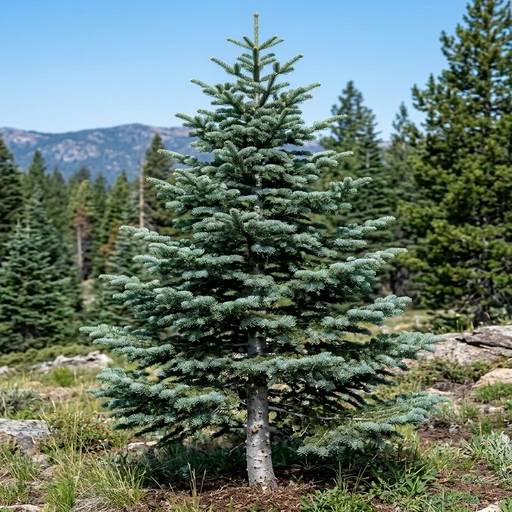
White Fir
Abies concolor
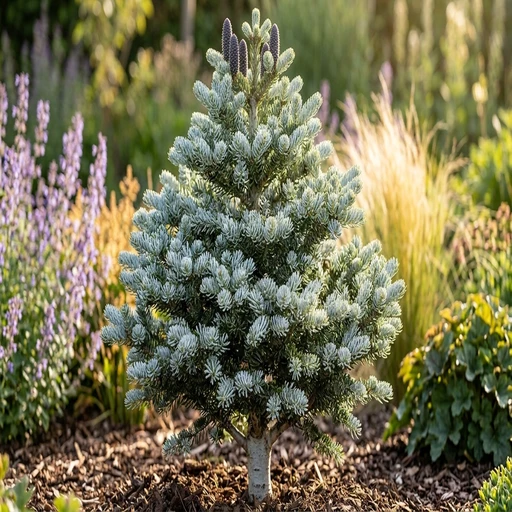
Horstmann's Silberlocke Korean Fir
Abies koreana 'Horstmann Silberlocke'
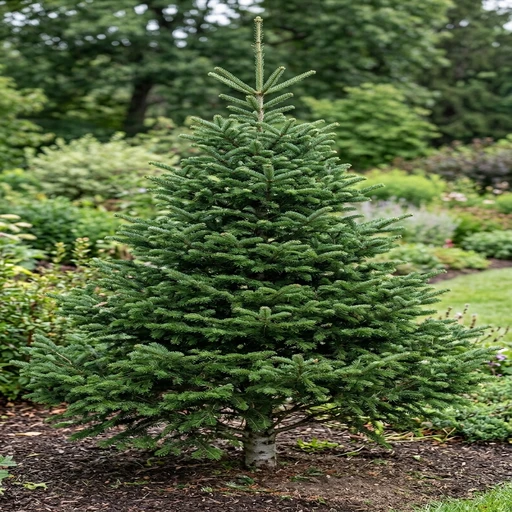
Balsam Fir
Abies balsamea
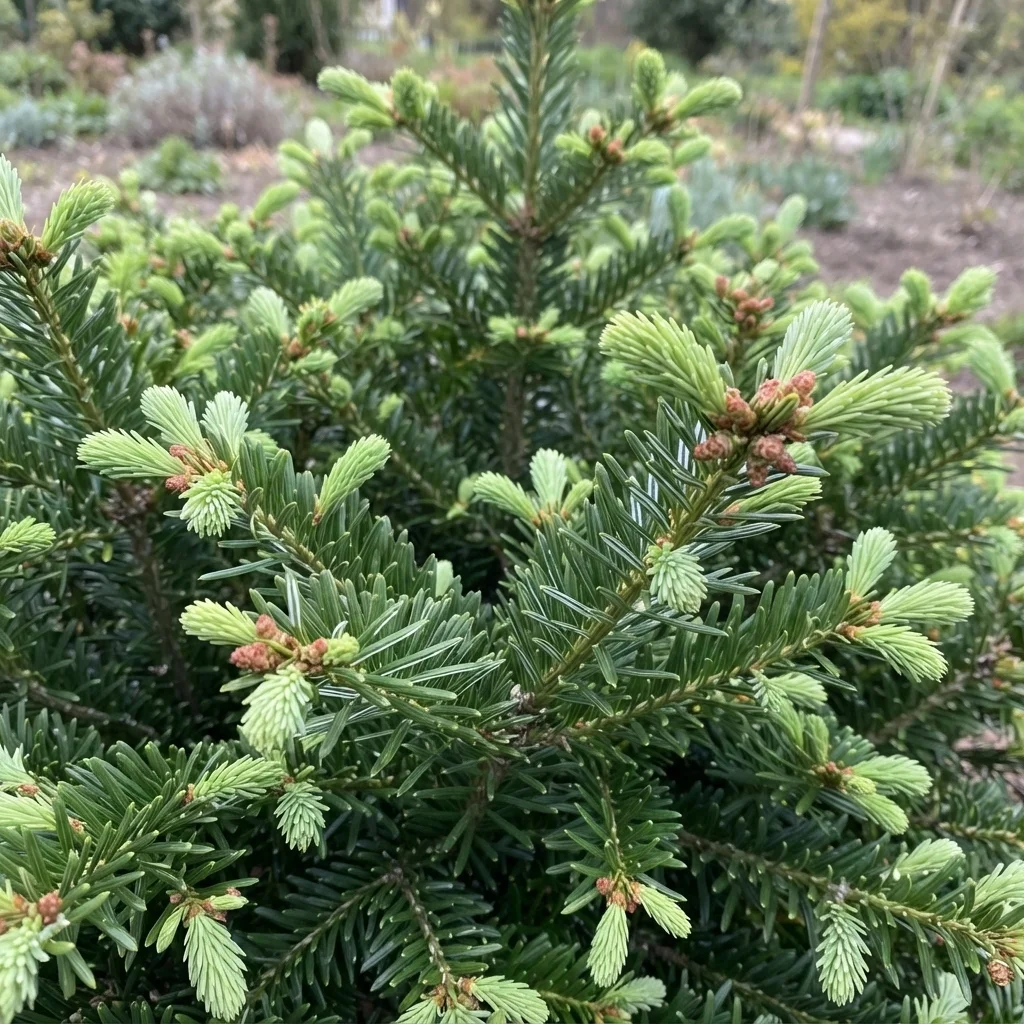
Nordmann Fir
Abies nordmanniana
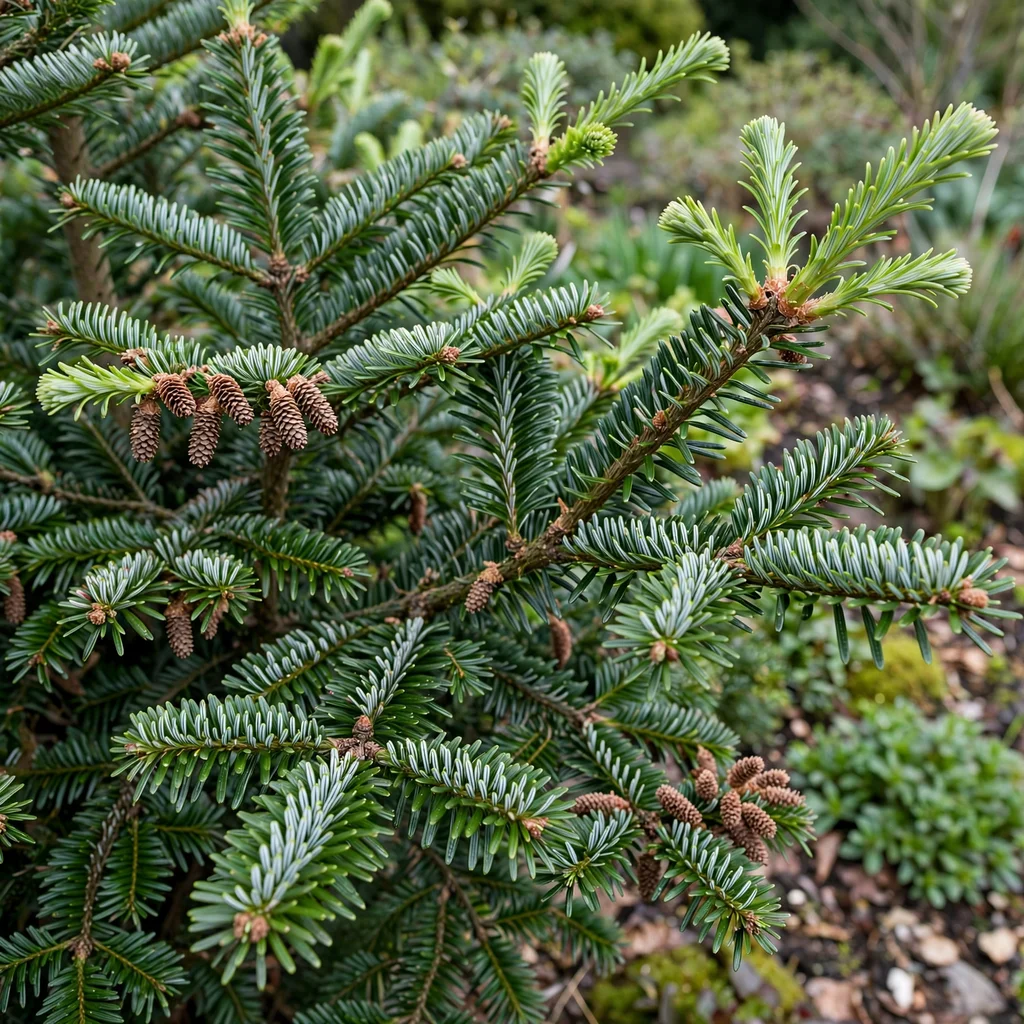
European Silver Fir
Abies alba
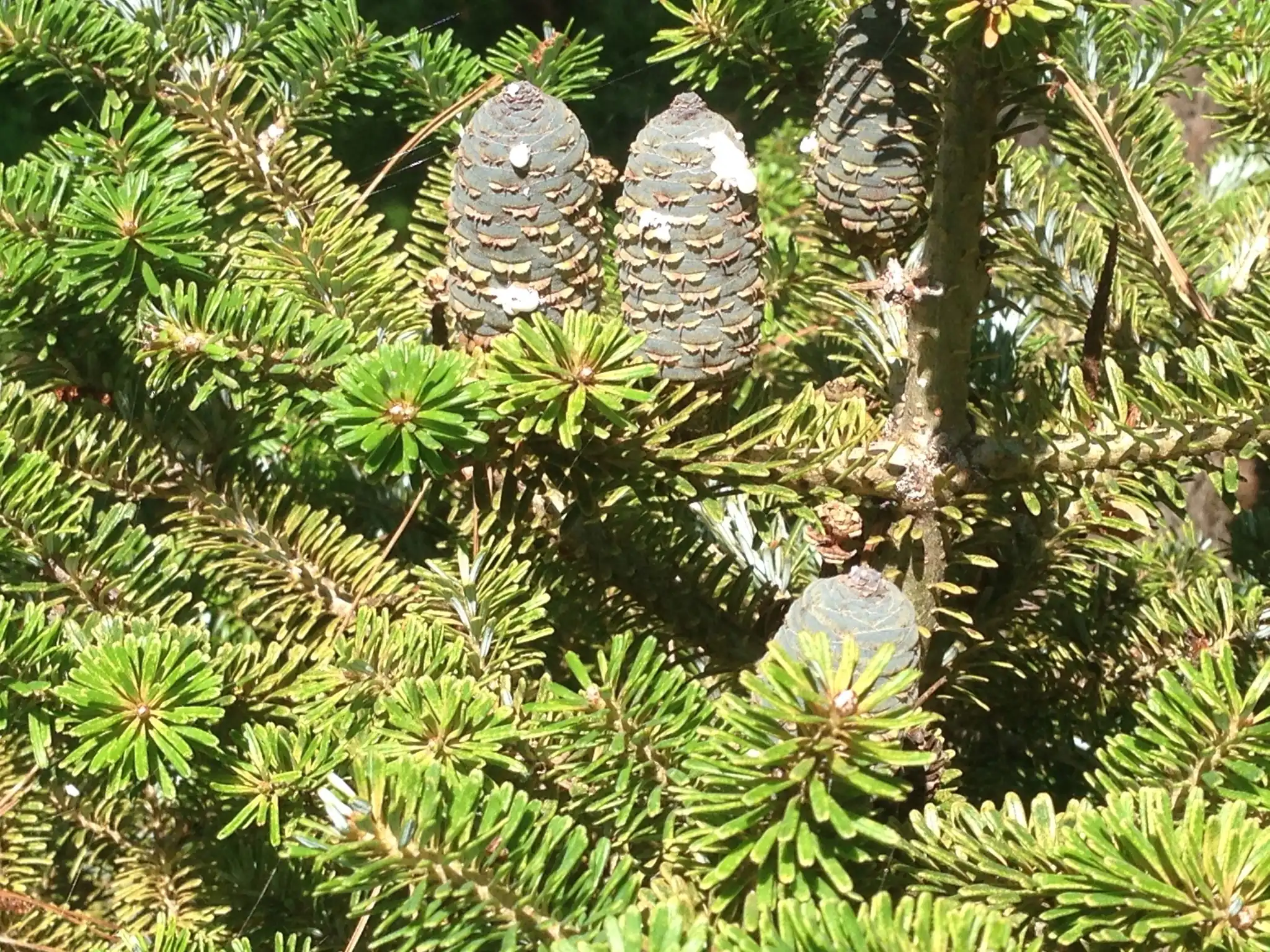
Korean Fir
Abies koreana
Keep exploring
Explore the genus
Hardy in your zone?
Grow Fraser Fir with confidence
See it in a design of your actual yard, get zone-matched care reminders, and track it season by season in your garden journal.