The Story
Plant Bio
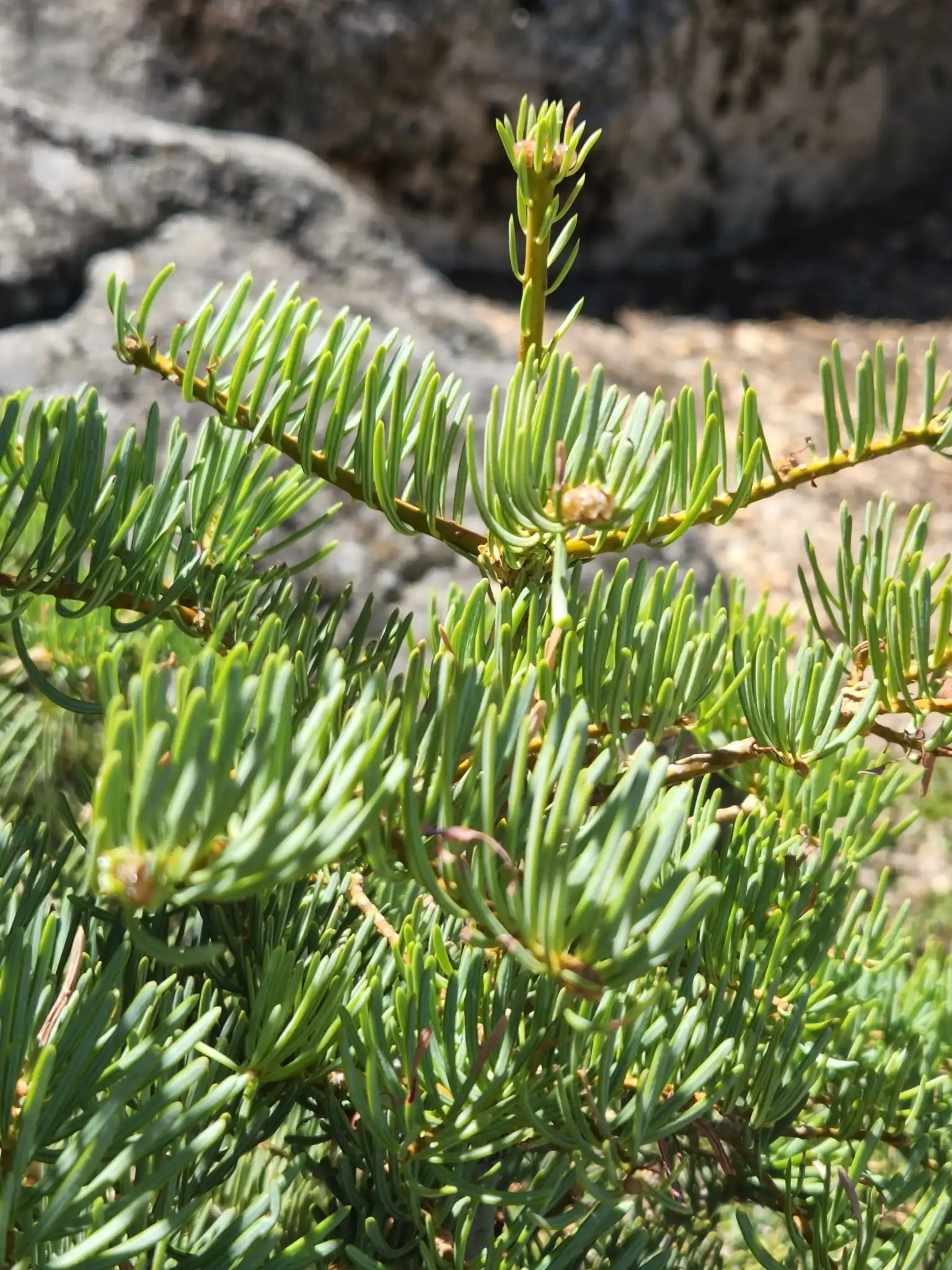
Abies concolor is a large, evergreen coniferous tree native to the mountains of western North America, prized for its soft, silvery blue-green needles and symmetrical conical shape.
Unlike many spruces, its needles are soft to the touch, flat, and curve upwards on the stem. The needles have a distinctive citrus or orange-peel scent when crushed.
Uses & Benefits:
Essentials
At a Glance
Plant Type
Tree
Height
600"
Width
240"
Light
Full Sun, Partial Sun
Zones
4, 5, 6, 7
Water
Low to Medium
Humidity
Low to Average
Lifespan
Very Long-lived
Native To
Western North America
Toxicity
Non-toxic
Bloom period
Early spring – Mid-spring
In flower about 2 months of the year
Planting
How to Grow
- Choose a site with full sun and rich, well-drained, acidic soil.
- Dig a hole two to three times the width of the root ball.
- Set the tree so the top of the root ball is slightly above ground level.
- Backfill with native soil, tamping gently.
- Water thoroughly to settle the soil around the roots.
- Apply a 3-inch layer of mulch, keeping it away from the trunk.
Pro Tip
Avoid planting in heavy, compacted clay soils or areas with poor drainage, as it is susceptible to root rot.
Keep It Thriving
Care Guide
Do
- Provide ample space for its mature size.
- Protect from hot, drying winds if possible.
- Water during establishment and extended dry periods.
- Mulch to keep the root zone cool and moist.
Don't
- Do not plant in poorly drained or alkaline soils.
- Avoid planting in hot, humid climates like the deep South.
- Don't shear the tree; allow it to develop its natural conical form.
- Do not pile mulch against the trunk.
Seasonal Care Calendar
| Task | Jan | Feb | Mar | Apr | May | Jun | Jul | Aug | Sep | Oct | Nov | Dec |
|---|---|---|---|---|---|---|---|---|---|---|---|---|
| Mulch | ||||||||||||
| Plant |
Watch Out For
Pests & Diseases
Common Pests
Common Diseases
In the Garden
Landscape Uses & Companions
Landscape Uses
Companion Plants
Multiply
Propagation Methods
Good to Know
Common Questions
White Fir questions
What zones can White Fir grow in?
White Fir is hardy in USDA Zones 4–7. Inside that range it survives winter in the ground; outside it, grow it as an annual or a container plant you protect.
Is White Fir deer resistant?
Yes — White Fir is rated deer-resistant. Deer typically pass it over, though extreme hunger can override any plant's defenses.
When does White Fir bloom?
White Fir typically blooms in early spring through mid-spring. Exact timing shifts a week or two with your zone — Sow's bloom calendar maps it to your garden.
Does White Fir need full sun?
White Fir does best in full sun to part shade. In hot climates, afternoon shade keeps blooms fresher longer.
Is White Fir drought tolerant?
Yes — once established (usually after the first full season), White Fir handles dry spells with minimal watering. Water deeply its first year to build the root system that makes that possible.
More Abies to compare
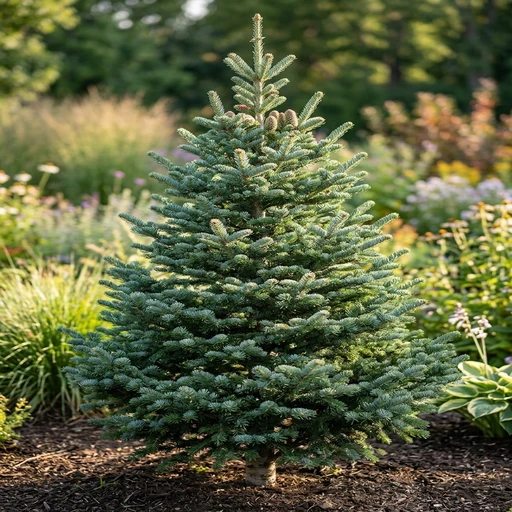
Fraser Fir
Abies fraseri
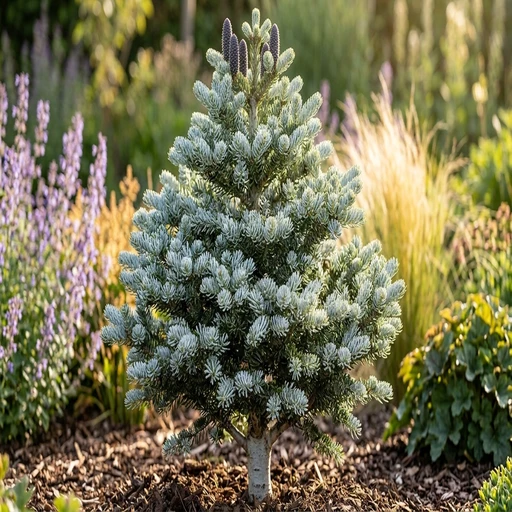
Horstmann's Silberlocke Korean Fir
Abies koreana 'Horstmann Silberlocke'
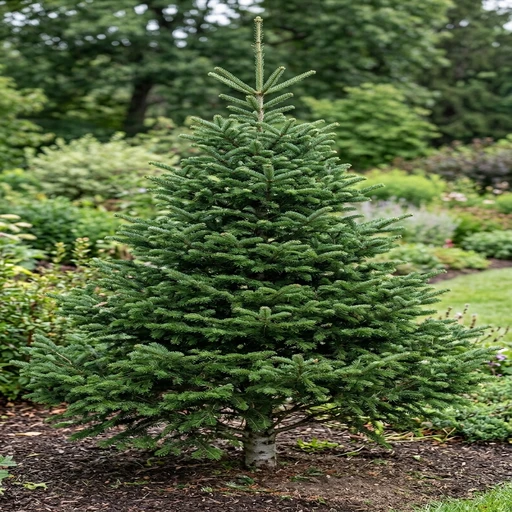
Balsam Fir
Abies balsamea
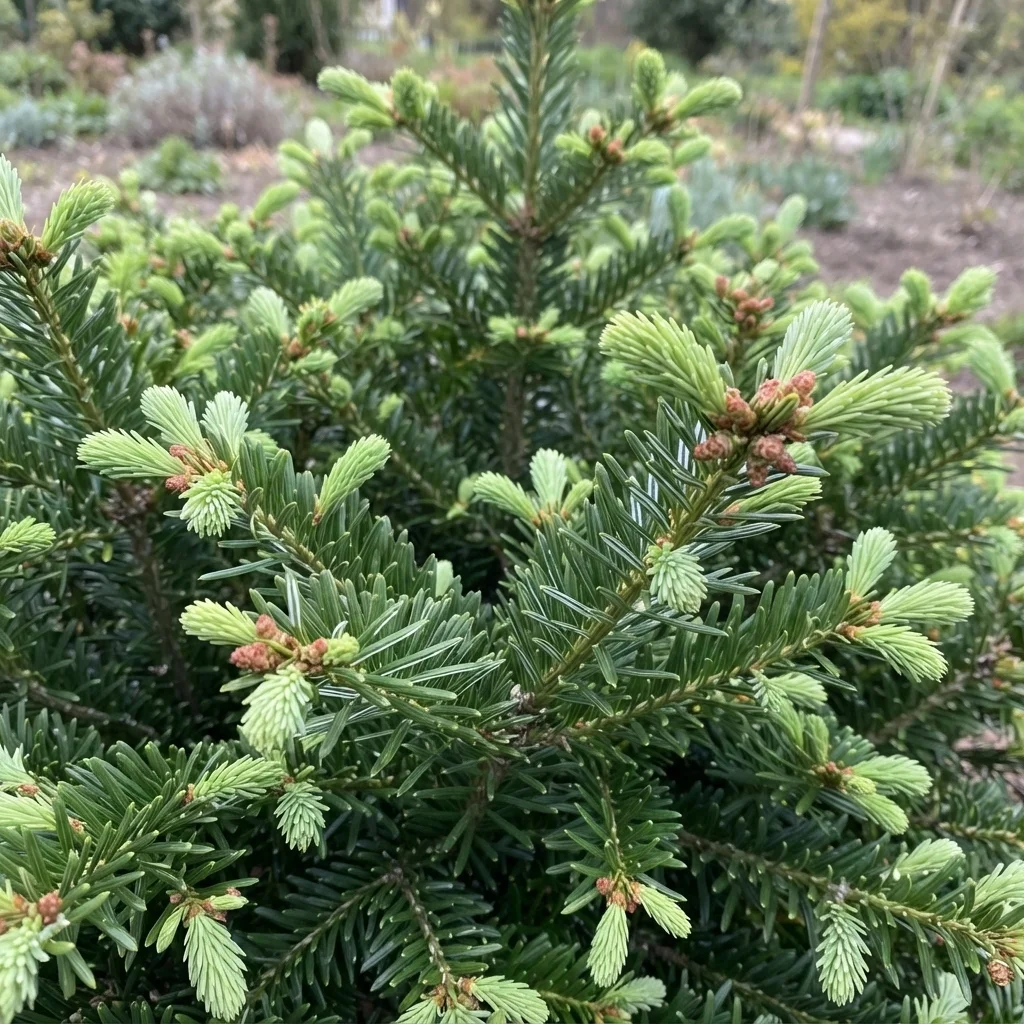
Nordmann Fir
Abies nordmanniana
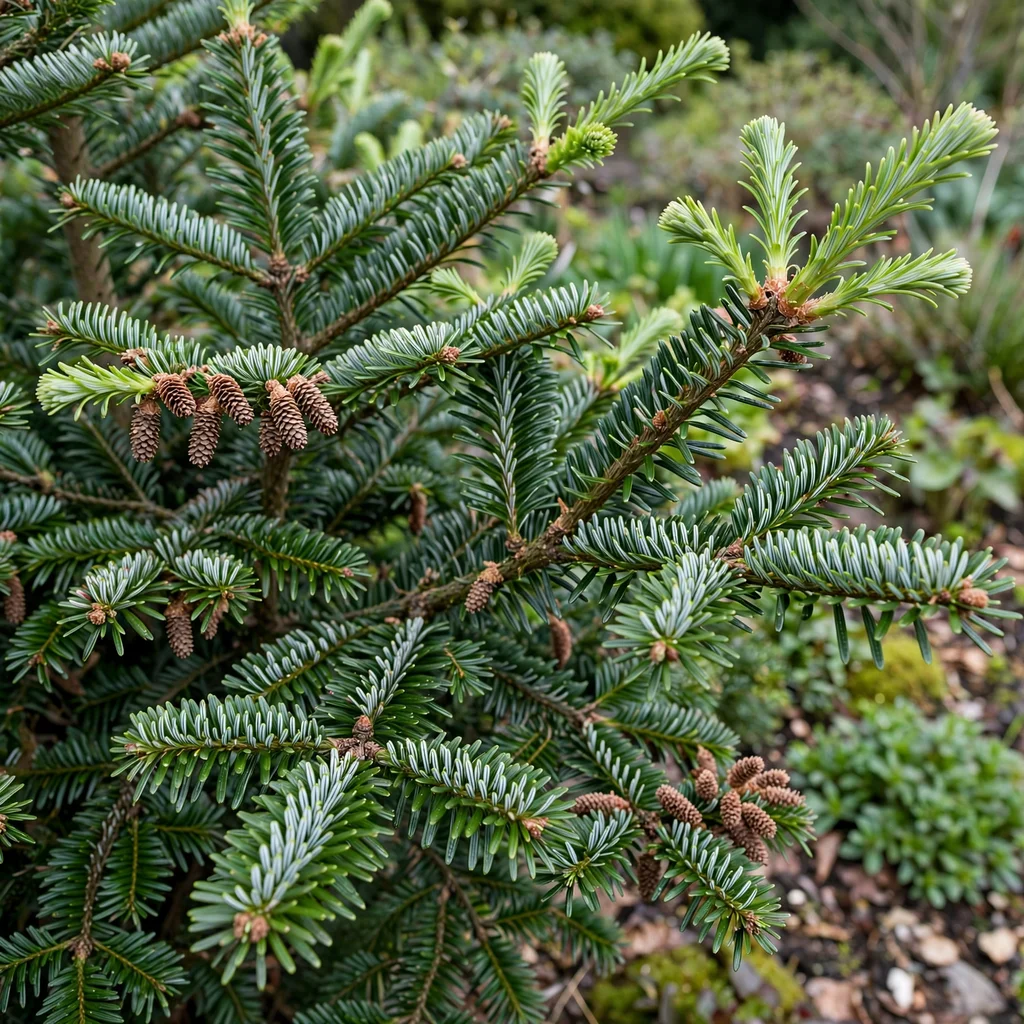
European Silver Fir
Abies alba
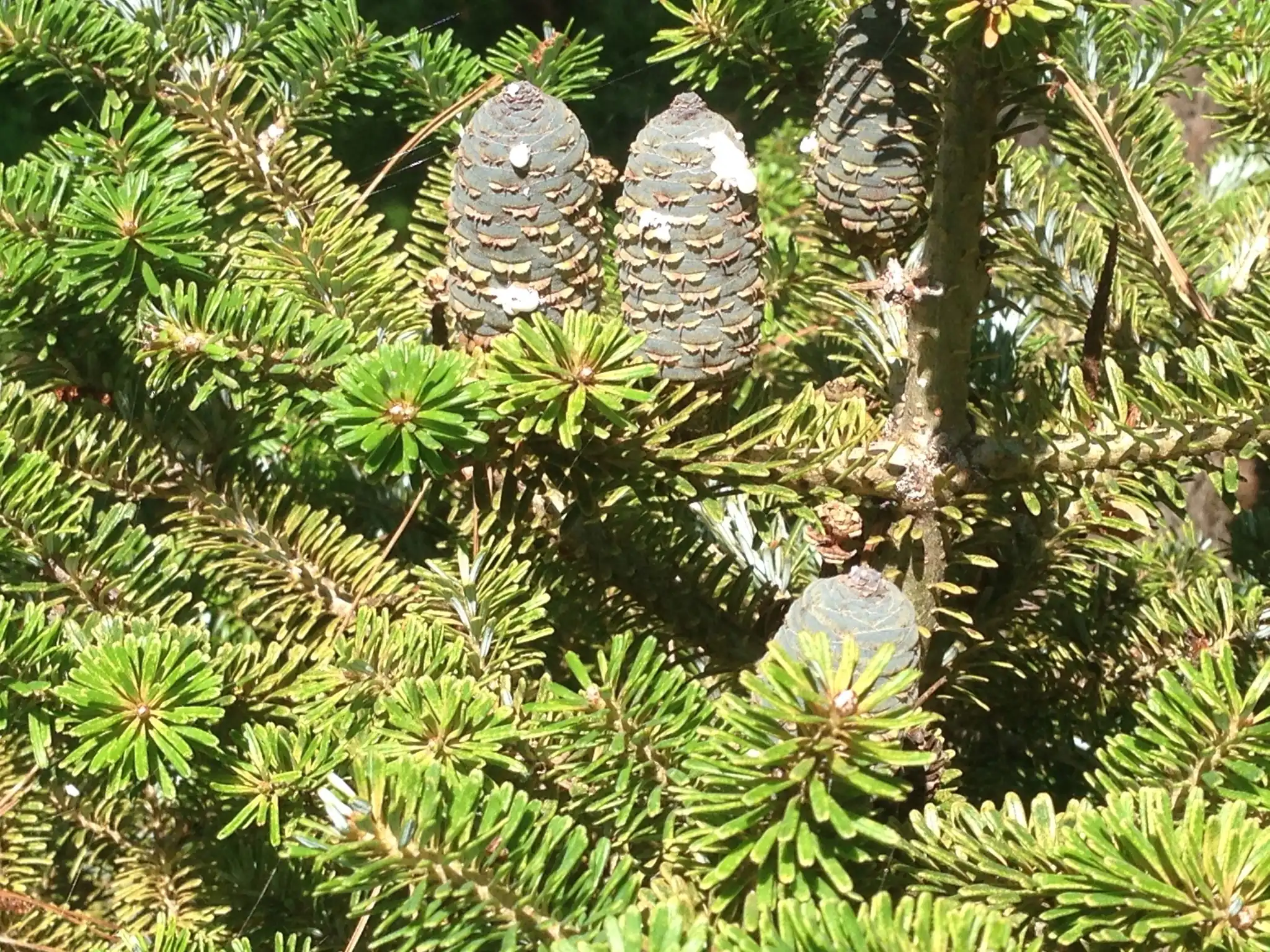
Korean Fir
Abies koreana
Keep exploring
Explore the genus
Hardy in your zone?
Grow White Fir with confidence
See it in a design of your actual yard, get zone-matched care reminders, and track it season by season in your garden journal.