The Story
Plant Bio
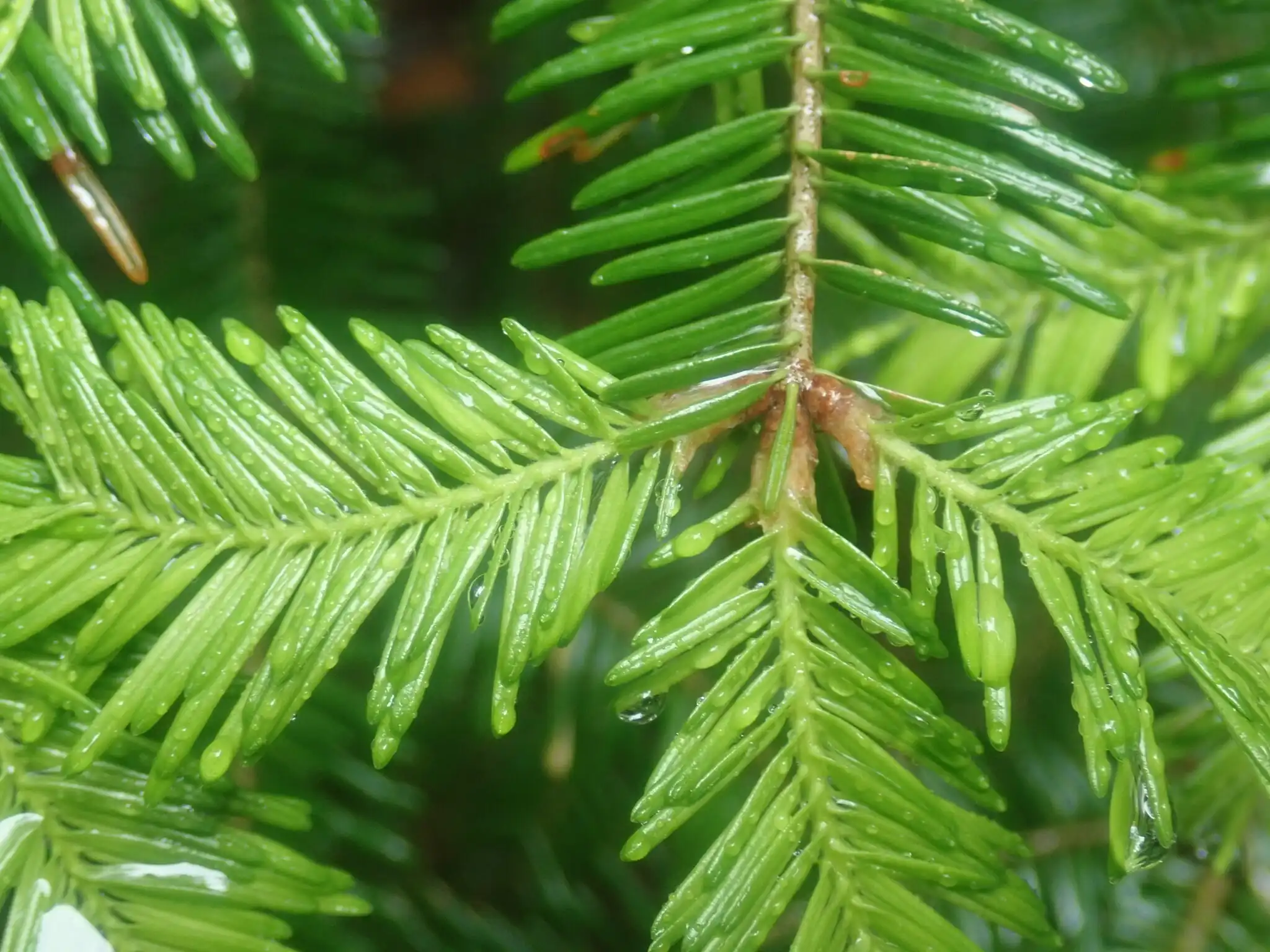
Abies balsamea is a medium-sized coniferous evergreen tree with a classic, narrow pyramidal shape, often used as a Christmas tree. It is known for its flat, fragrant needles and resin-filled blisters on its smooth, gray bark.
As a species, its most notable feature is its strong, pleasant balsam fragrance, which comes from the resin in its bark and needles. This makes it a quintessential scent of northern forests and a holiday favorite.
Uses & Benefits:
Essentials
At a Glance
Plant Type
Tree
Height
720"
Width
270"
Light
Full Sun, Partial Sun
Zones
4, 5, 6
Water
Medium to Wet
Humidity
High
Lifespan
Medium (can reach 150 years)
Native To
Eastern and Central North America
Toxicity
Non-toxic
Bloom period
Late spring
In flower about 1 month of the year
Planting
How to Grow
- Select a site with full sun to part shade and cool, moist, acidic soil.
- Dig a hole twice as wide as the root ball but no deeper.
- Gently place the tree in the hole, ensuring the root flare is at soil level.
- Backfill with native soil and water thoroughly to settle.
- Apply a 3-4 inch layer of organic mulch to keep roots cool and moist.
- Water regularly, especially during dry periods, to keep the soil consistently moist.
Pro Tip
This tree requires cool, moist, acidic soil and will not tolerate heat, humidity, or drought, making it unsuitable for climates south of Zone 6.
Keep It Thriving
Care Guide
Do
- Maintain a consistent layer of mulch over the root zone.
- Provide supplemental water during periods of low rainfall.
- Plant in a location with good air circulation.
- Protect young trees from deer browsing.
Don't
- Do not plant in heavy clay or alkaline soils.
- Avoid planting in hot, dry locations or southern climates.
- Do not allow the soil to dry out completely.
- Avoid pruning unless removing dead or damaged branches.
Seasonal Care Calendar
| Task | Jan | Feb | Mar | Apr | May | Jun | Jul | Aug | Sep | Oct | Nov | Dec |
|---|---|---|---|---|---|---|---|---|---|---|---|---|
| Pest Check | ||||||||||||
| Plant |
Watch Out For
Pests & Diseases
Common Pests
Common Diseases
In the Garden
Landscape Uses & Companions
Landscape Uses
Multiply
Propagation Methods
Good to Know
Common Questions
Balsam Fir questions
What zones can Balsam Fir grow in?
Balsam Fir is hardy in USDA Zones 4–6. Inside that range it survives winter in the ground; outside it, grow it as an annual or a container plant you protect.
Is Balsam Fir deer resistant?
Not reliably. Deer may browse Balsam Fir, especially tender spring growth — plan on repellents or fencing where pressure is high.
When does Balsam Fir bloom?
Balsam Fir typically blooms in late spring through late spring. Exact timing shifts a week or two with your zone — Sow's bloom calendar maps it to your garden.
Does Balsam Fir need full sun?
Balsam Fir does best in full sun to part shade. In hot climates, afternoon shade keeps blooms fresher longer.
More Abies to compare
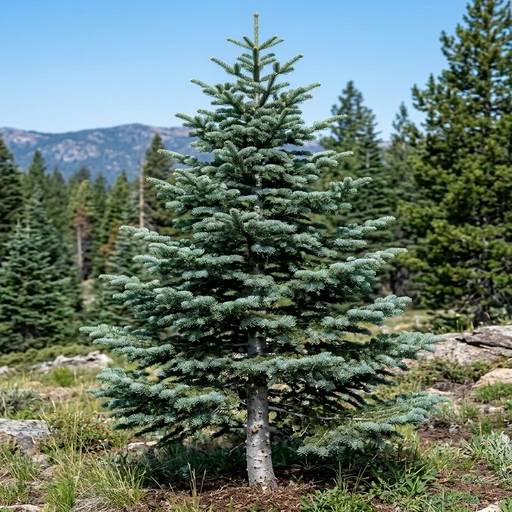
White Fir
Abies concolor
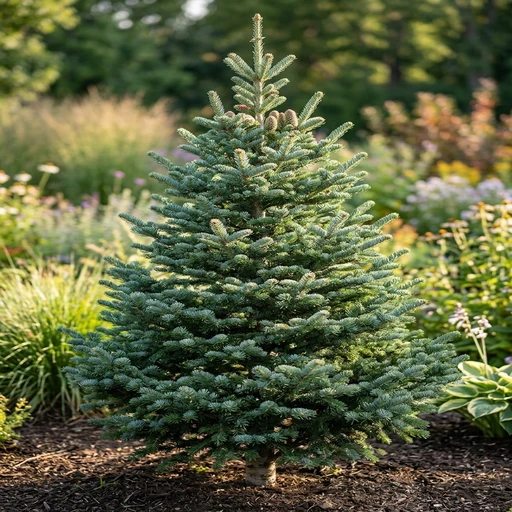
Fraser Fir
Abies fraseri
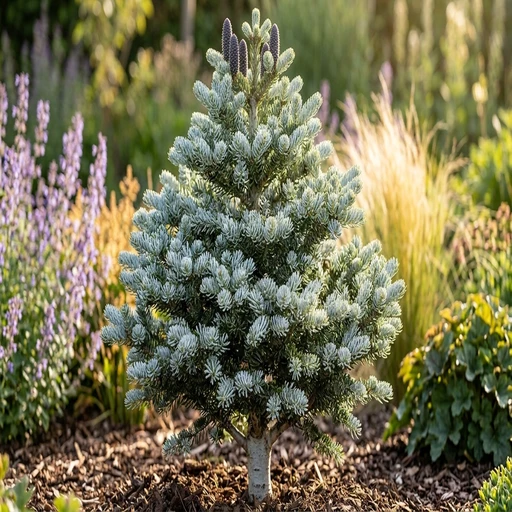
Horstmann's Silberlocke Korean Fir
Abies koreana 'Horstmann Silberlocke'
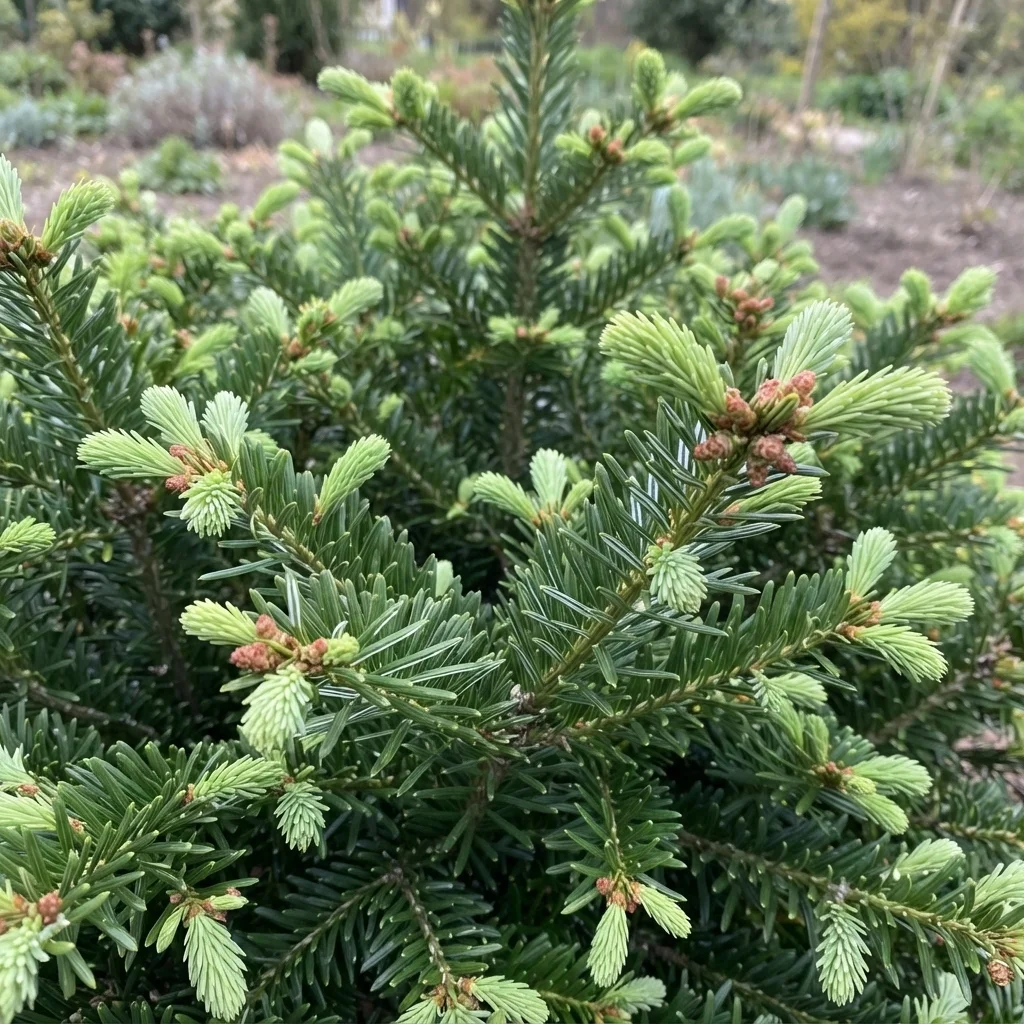
Nordmann Fir
Abies nordmanniana
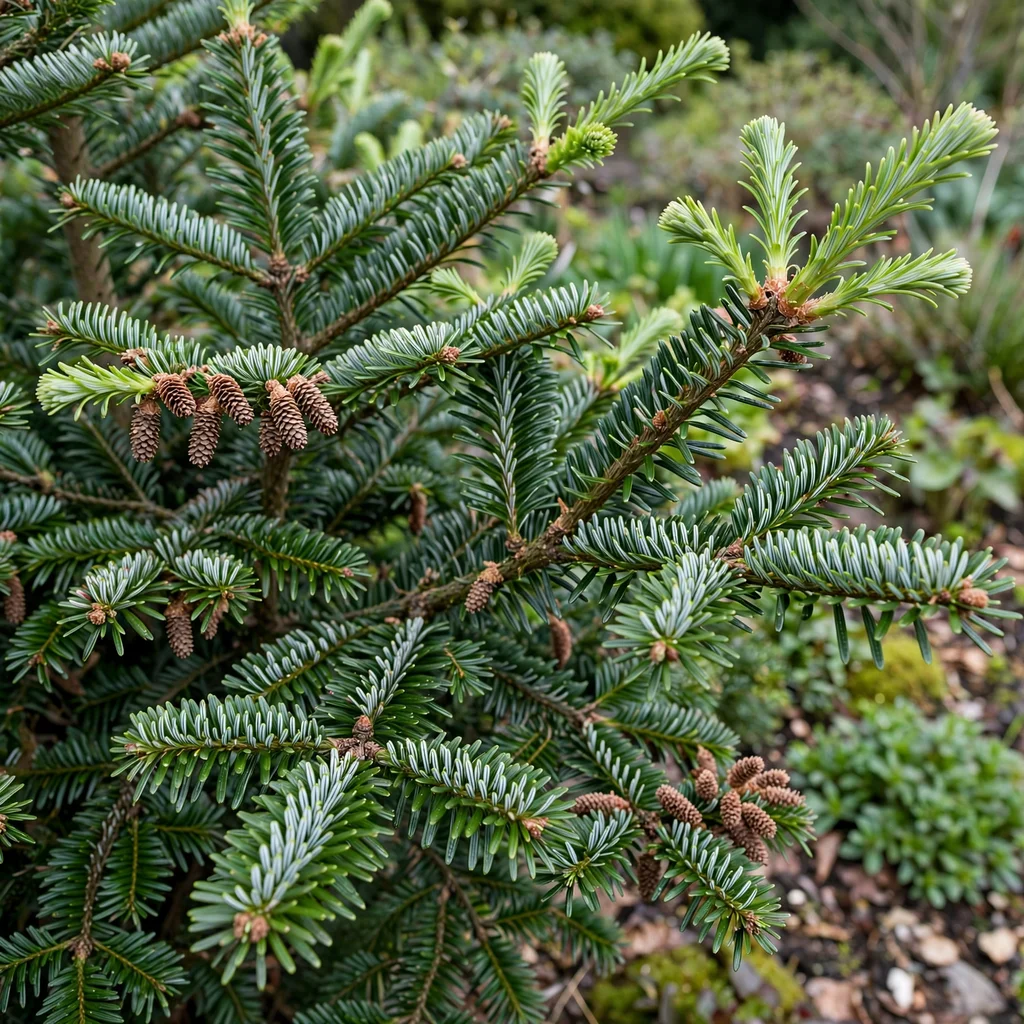
European Silver Fir
Abies alba
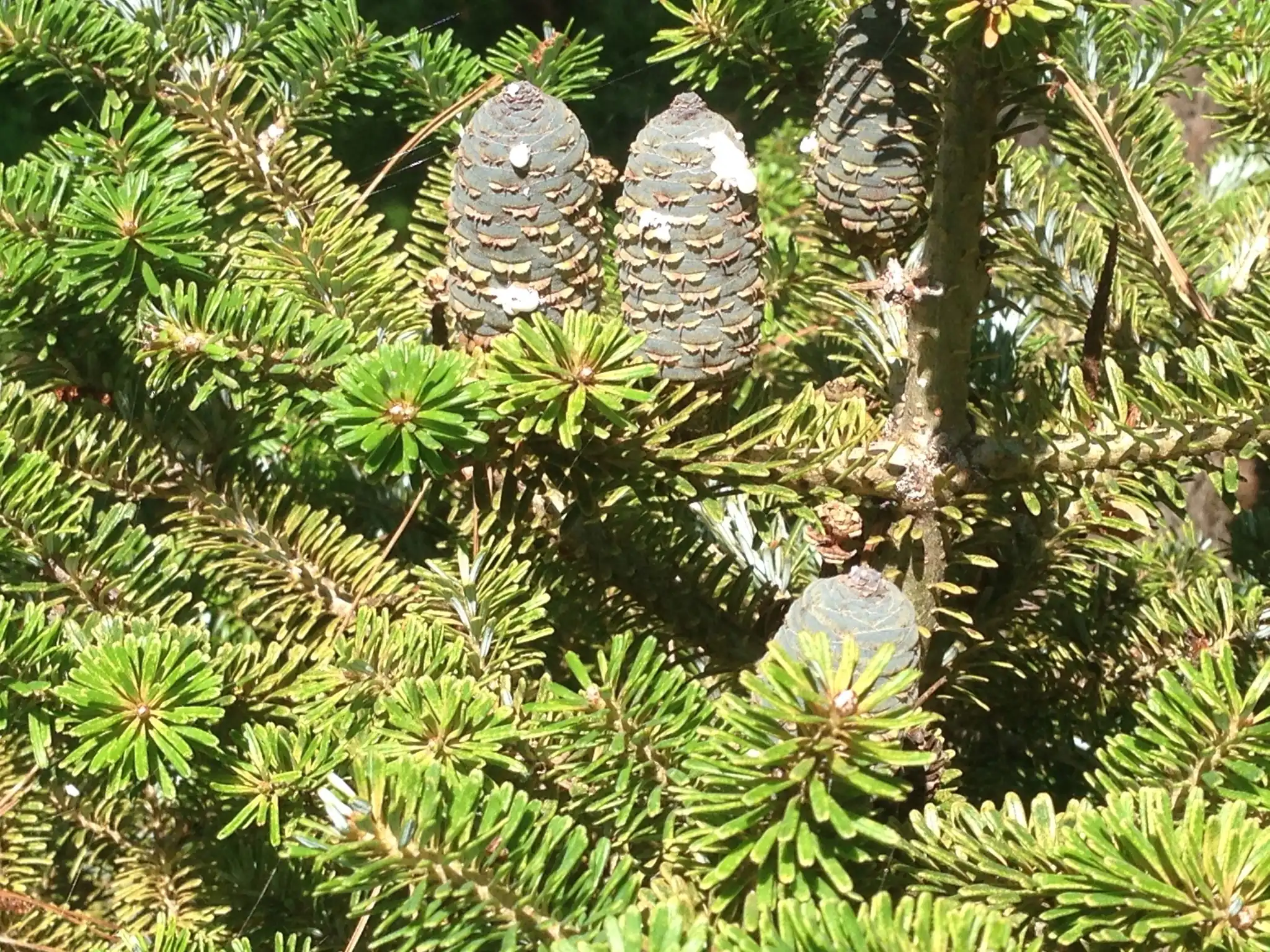
Korean Fir
Abies koreana
Keep exploring
Explore the genus
Hardy in your zone?
Grow Balsam Fir with confidence
See it in a design of your actual yard, get zone-matched care reminders, and track it season by season in your garden journal.