Also known as Fir · 102 saves
Abies
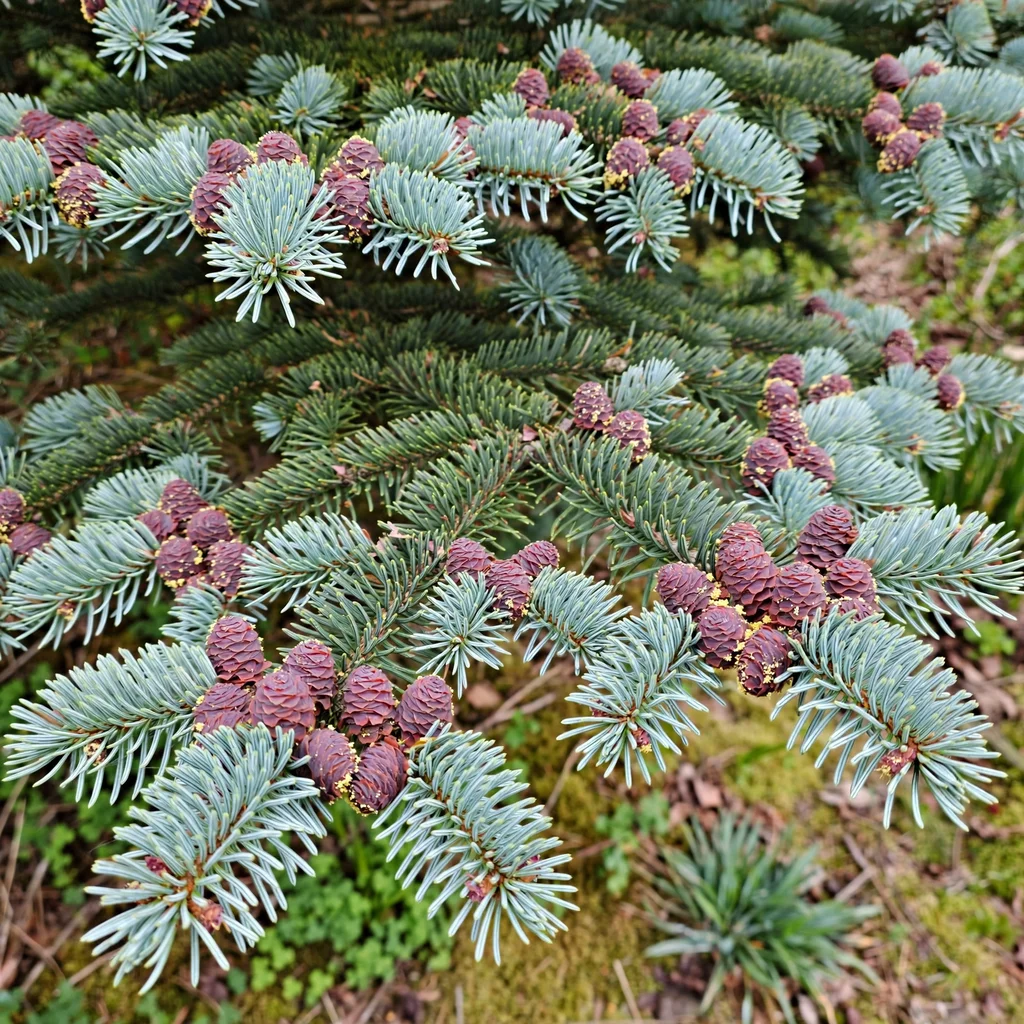
Abies, the genus most gardeners know as fir. We track 9 varieties; the ones most used by real gardeners.
The 9 most-saved Abies varieties
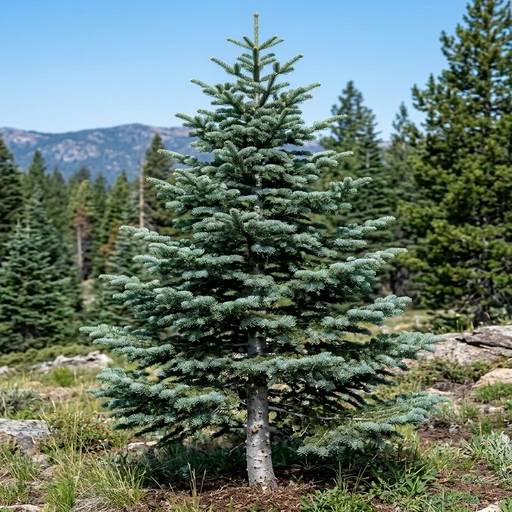
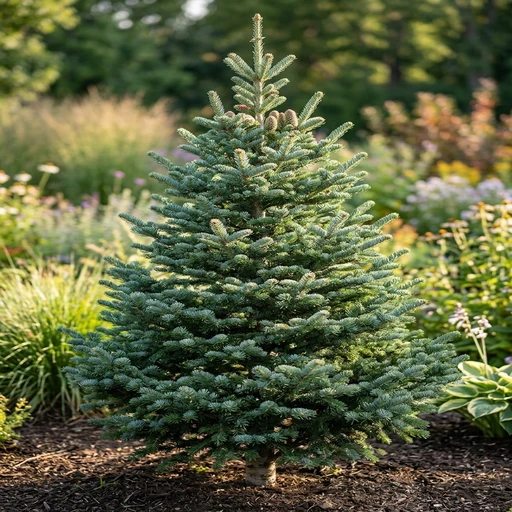
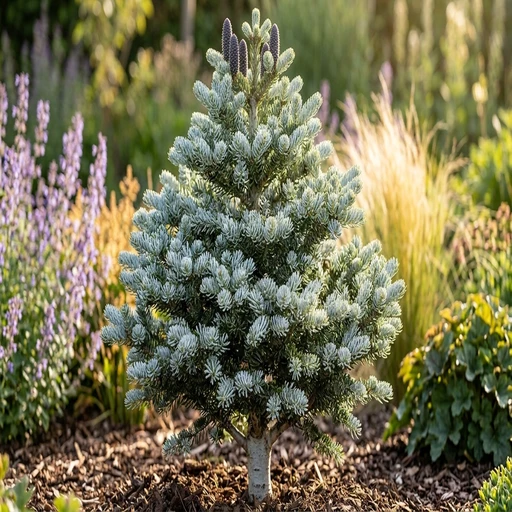
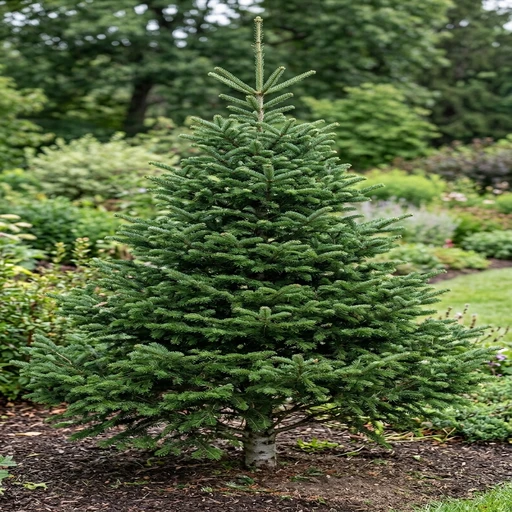
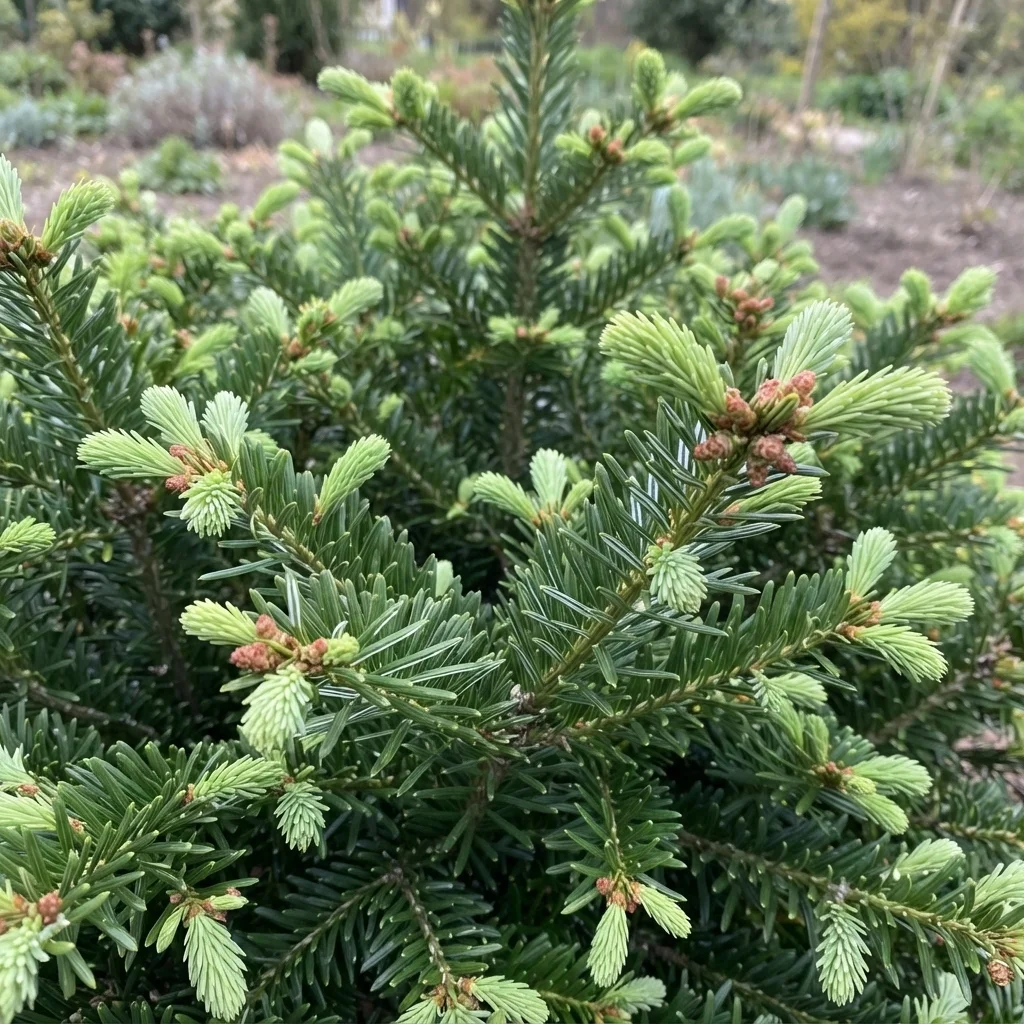
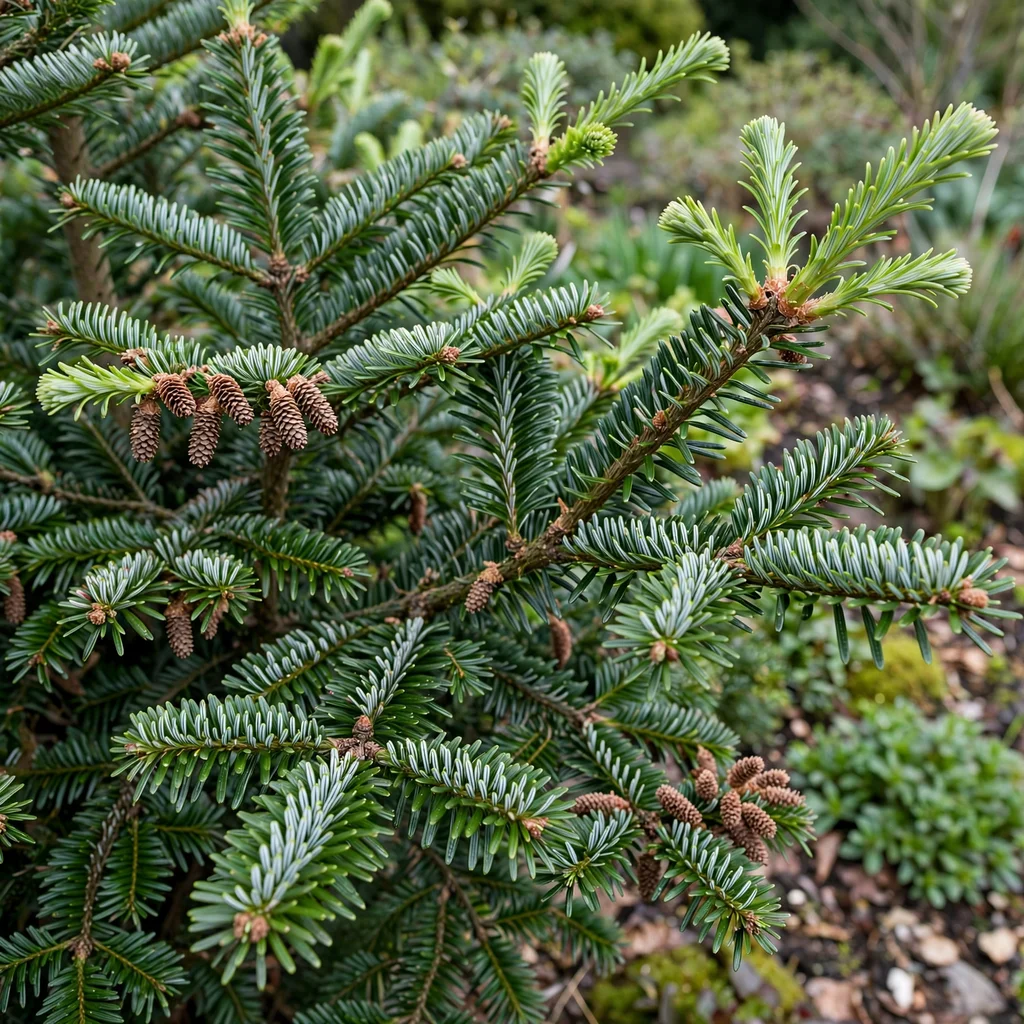
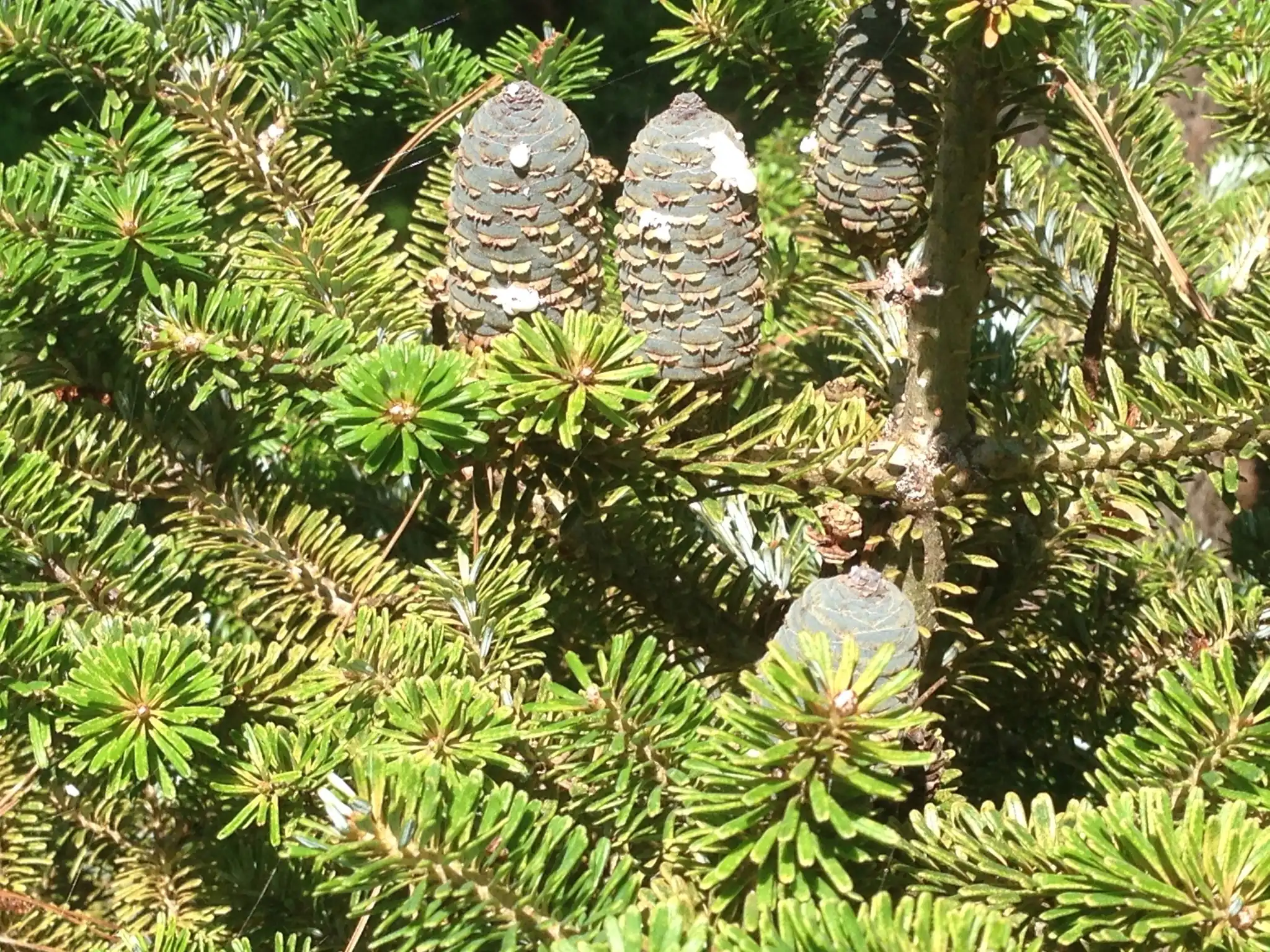
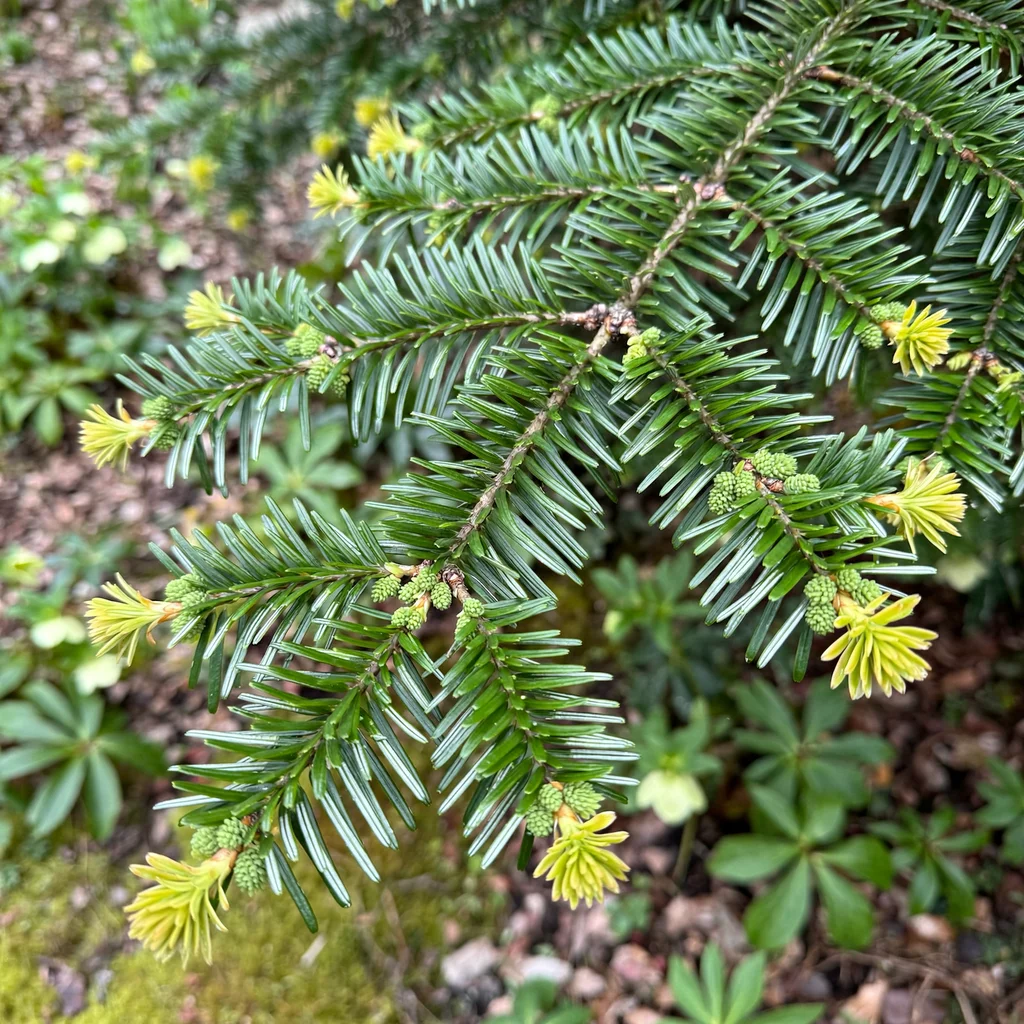
5 species of Abies
Each one is a parent of the varieties above.
Track your Abies in Sow
Save the Abies you grow and get care reminders timed to your zone.
How to grow Abies
Whats common across all Abies varieties in our catalog — drawn from the care records of the 9 most-grown of them.
The Abies year
- MulchApril, May, October and November78% of varieties
Replenish organic mulch around the root zone to conserve moisture and regulate soil temperature.
- Check for PestsMay–July78% of varieties
Inspect needles and twigs for aphids, spider mites, and adelgids during warm weather.
- PlantApril, May, October and November56% of varieties
Plant in early spring or fall in cool, moist, well-drained acidic soil.
- PruneJanuary and February44% of varieties
Prune only to remove dead, damaged, or diseased wood during the winter dormant season.
- FertilizeMarch and April44% of varieties
Apply a balanced slow-release organic fertilizer or mulch in early spring if growth is sluggish.


Do
- Plant in a location with good air circulation.
- Maintain consistent soil moisture, especially during dry summer periods.
- Apply a balanced, slow-release organic fertilizer in early spring if growth appears sluggish.
- Mulch the root zone annually to conserve moisture and keep the soil cool.
- Provide a cool, moist, acidic soil environment.
Avoid
- Avoid pruning unless removing dead or damaged branches.
- Do not plant in poorly drained, waterlogged, or stagnant wet soils.
- Avoid cutting back into old, bare wood during pruning.
- Do not plant in coastal areas exposed to direct salt spray or heavy maritime winds.
What goes wrong with Abies
| Problem | What you'll see | What to do |
|---|---|---|
| Balsam Woolly Adelgid | White, woolly tufts on the trunk and branches. Causes swelling ('gouting') of branch nodes and eventual tree death. | A very serious pest. Insecticidal soaps or horticultural oils can treat crawlers. Systemic insecticides may be needed for established trees. |
| Spider mites | Fine stippling and needle discoloration during hot, dry weather. | Blast foliage with strong water sprays or apply miticides. |
| Balsam woolly adelgid | White, woolly masses on bark and twigs, leading to decline. | Maintain tree vigor and remove heavily infested specimens. |
| Spruce Spider Mite | Fine webbing on needles; foliage becomes yellowed or stippled. Most active in cool spring and fall weather. | A strong spray of water can dislodge them. Use horticultural oil or a specific miticide if infestations are heavy. |
| Root Rot | Yellowing needles, poor growth, dieback | Prevention is key. Plant in well-drained soil. There is no chemical cure for established root rot. |
| Root rot | Foliage yellowing, wilting, and dieback caused by poorly drained soils. | Ensure optimal soil drainage and avoid overwatering. |
| Needle cast | Premature needle drop and spotting on older foliage. | Clear fallen debris from around the base and apply approved fungicides. |
Making more Abies
Seed
- Collect seeds from mature cones in autumn before they disintegrate.
- Subject seeds to a period of cold, moist stratification for 4 to 8 weeks.
- Sow stratified seeds in a well-drained propagation mix in spring.
- Keep the medium consistently moist and provide light shade for young seedlings.
Grafting
- Collect scion wood from a healthy 'Silberlocke' in winter.
- Use a compatible fir rootstock, like Abies firma.
- Perform a side-veneer graft in late winter.
- Keep in a humid greenhouse until the union heals, typically 2-3 months.
Abies questions
How many types of Abies are there?
The Sow catalog tracks 9 distinct Abies varieties. The most popular — ranked by 102 real gardeners — are shown first above.
What zones does Abies grow in?
Across its varieties, Abies covers USDA Zones 4–8. Individual varieties differ — each plant page lists its exact range, and Sow filters the catalog to your zone automatically.
When does Abies bloom?
Most Abies varieties bloom in early spring, late spring, spring. Staggering early, mid, and late varieties extends the genus's season in one bed.
Which Abies should I choose?
Start from the most-saved varieties above — popularity across thousands of gardens is a strong signal of reliability — then filter by your zone and sun. In the Sow app you can preview any of them in a photo of your actual yard before you buy.