



The Story
Plant Bio
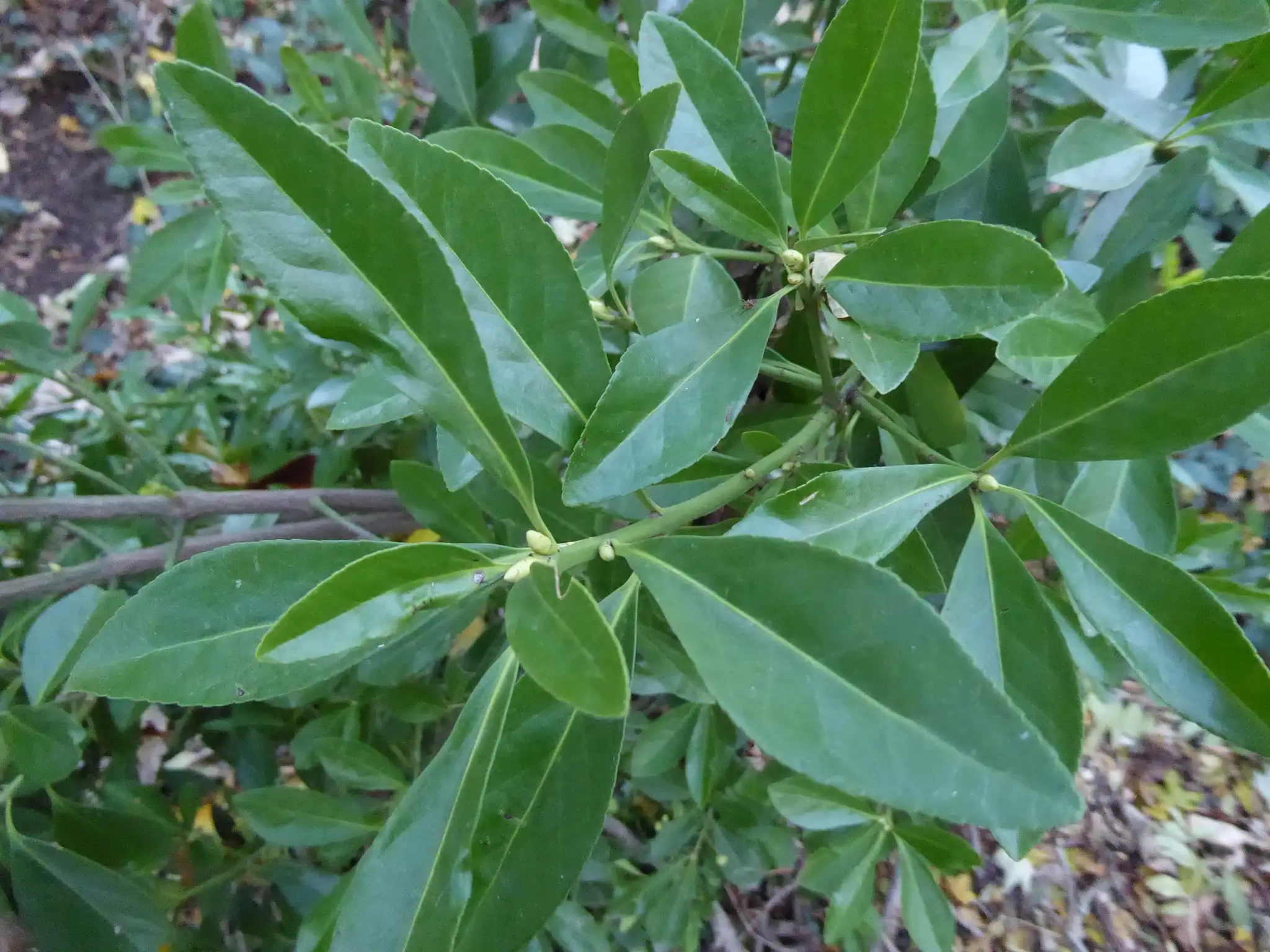
Euonymus japonicus, Japanese spindle, is a broadleaf evergreen shrub from Korea and Japan, growing to about 10 to 15 ft tall and 5 to 8 ft wide. The habit is dense, erect and vase-shaped to mounding. Leaves are waxy and lustrous dark green, thin and leathery, 1 to 3 in long, held year-round on stiff upright stems.
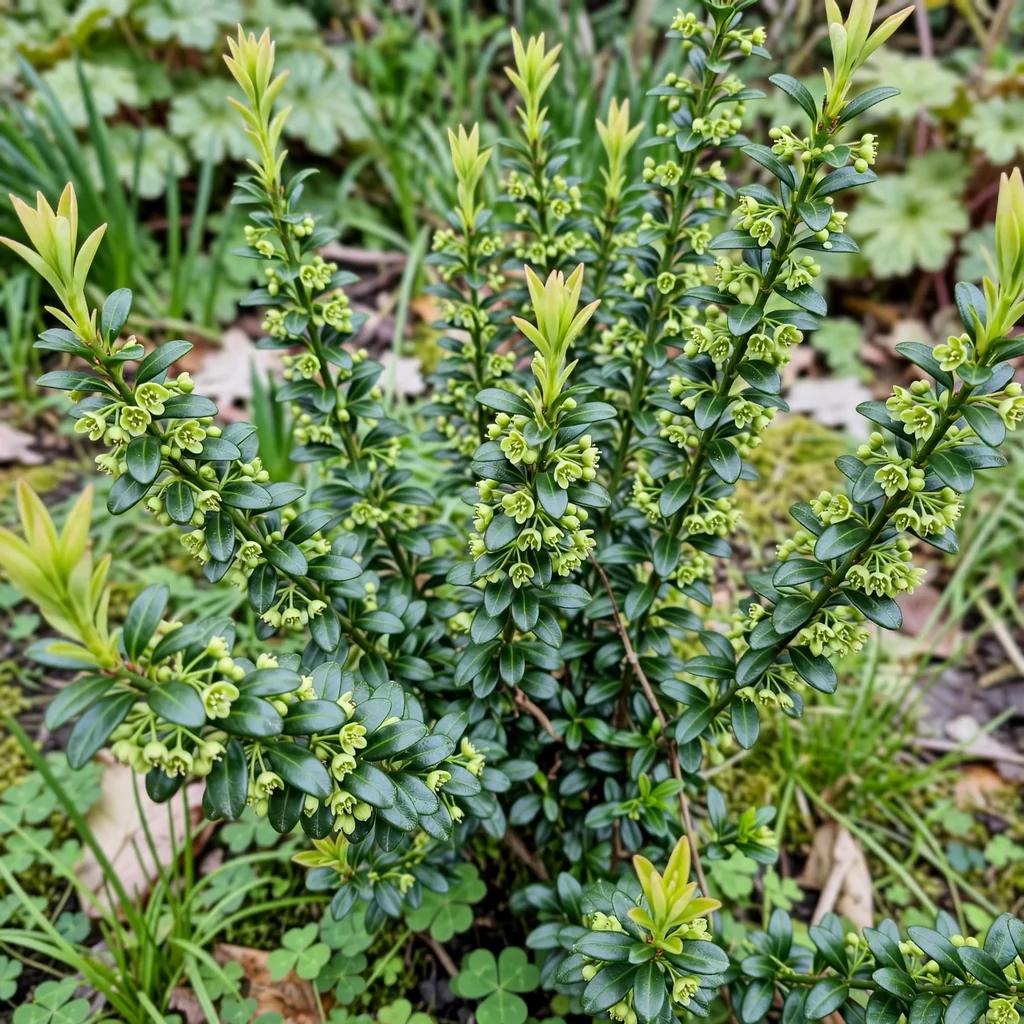
It is unusually tough at the coast, tolerating salt, drought and black walnut, which is why it turns up as a clipped hedge on exposed sites. The small greenish flowers give way to pink four-valved capsules that split to show orange-red seeds. Variegated forms revert to plain green and need reverted shoots cut out.
Uses & Benefits:
Essentials
At a Glance
Plant Type
Shrub
Height
150"
Width
78"
Light
Full Sun, Partial Sun
Zones
6, 7, 8, 9
Water
Low to medium once established; drought tolerant
Humidity
Tolerates coastal humidity and salt-laden air
Lifespan
Long-lived; decades as a clipped hedge
Native To
Korea and Japan
Toxicity
Toxic if eaten; NCSU lists it as poisonous
Planting
How to Grow
- Choose full sun to partial shade; variegated forms keep colour best in sun.
- Plant into any well-drained soil, from acid through to alkaline.
- Space hedging plants about 2 ft apart for a solid line.
- Water in well and keep moist through the first season.
- Clip lightly in late spring and again in midsummer to hold shape.
- Cut out any all-green shoots on variegated plants as they appear.
Pro Tip
Crowded, shaded, wind-still plantings are what turn a scale problem into an infestation; thin the interior to keep air moving.
Keep It Thriving
Care Guide
Do
- Give it an open, airy position with good light 🌤️
- Clip to shape in late spring once new growth has hardened ✂️
- Use it where salt spray defeats other evergreens 🌊
- Remove reverted green shoots from variegated plants promptly 🍃
Don't
- Do not plant it in dense shade with still air ❌
- Do not let it sit in heavy, poorly drained ground ❌
- Do not eat any part of it; the seeds and leaves are toxic ❌
Seasonal Care Calendar
| Task | Jan | Feb | Mar | Apr | May | Jun | Jul | Aug | Sep | Oct | Nov | Dec |
|---|---|---|---|---|---|---|---|---|---|---|---|---|
| Scale Control | ||||||||||||
| Shaping Clip |
Watch Out For
Pests & Diseases
Common Pests
Common Diseases
In the Garden
Landscape Uses & Companions
Landscape Uses
Multiply
Propagation Methods
Good to Know
Common Questions
Japanese Spindle questions
What zones can Japanese Spindle grow in?
Japanese Spindle is hardy in USDA Zones 6–9. Inside that range it survives winter in the ground; outside it, grow it as an annual or a container plant you protect.
Is Japanese Spindle deer resistant?
Yes — Japanese Spindle is rated deer-resistant. Deer typically pass it over, though extreme hunger can override any plant's defenses.
When does Japanese Spindle bloom?
Japanese Spindle typically blooms in spring to summer, insignificant through early summer. Exact timing shifts a week or two with your zone — Sow's bloom calendar maps it to your garden.
Does Japanese Spindle need full sun?
Japanese Spindle does best in full sun to part shade. In hot climates, afternoon shade keeps blooms fresher longer.
Is Japanese Spindle drought tolerant?
Yes — once established (usually after the first full season), Japanese Spindle handles dry spells with minimal watering. Water deeply its first year to build the root system that makes that possible.
More Euonymus to compare
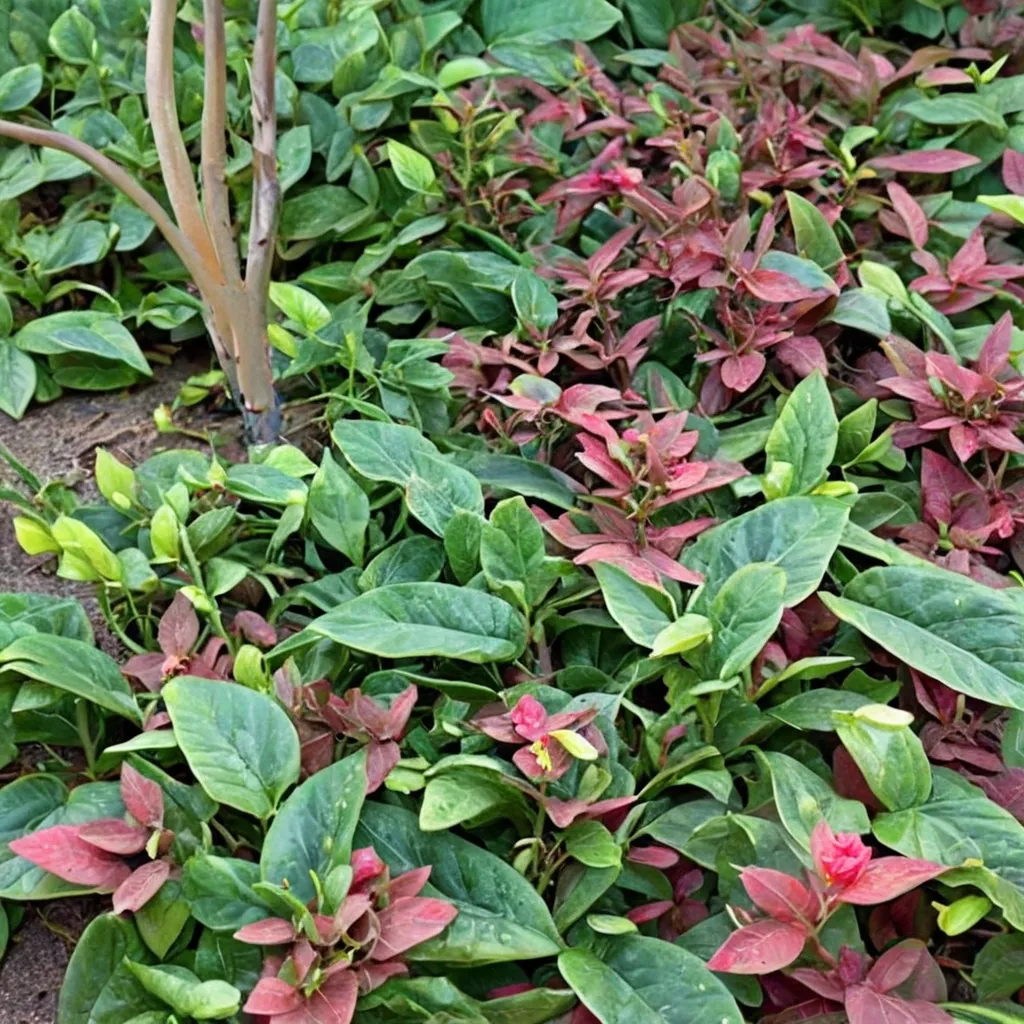
Purple Wintercreeper
Euonymus fortunei 'Purple Wintercreeper'
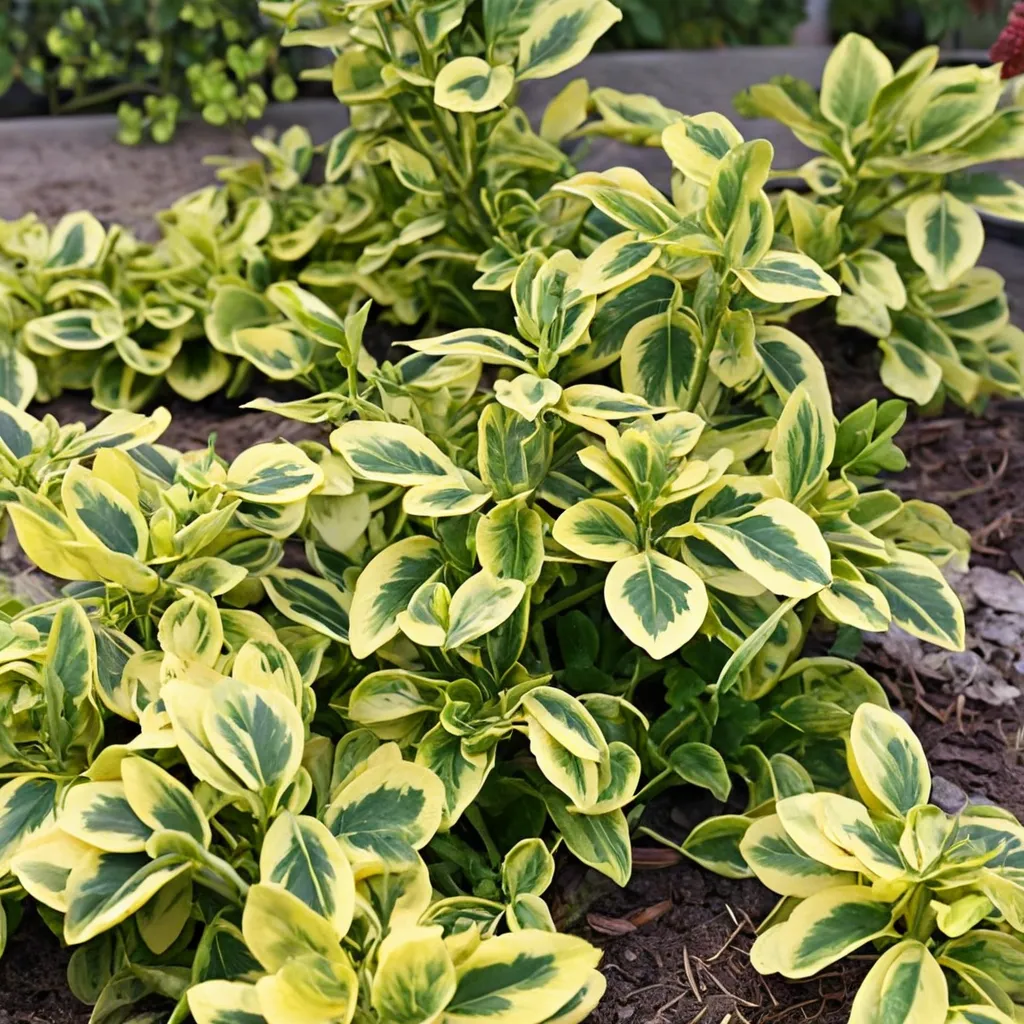
Gold Splash Wintercreeper
Euonymus fortunei 'Gold Splash'
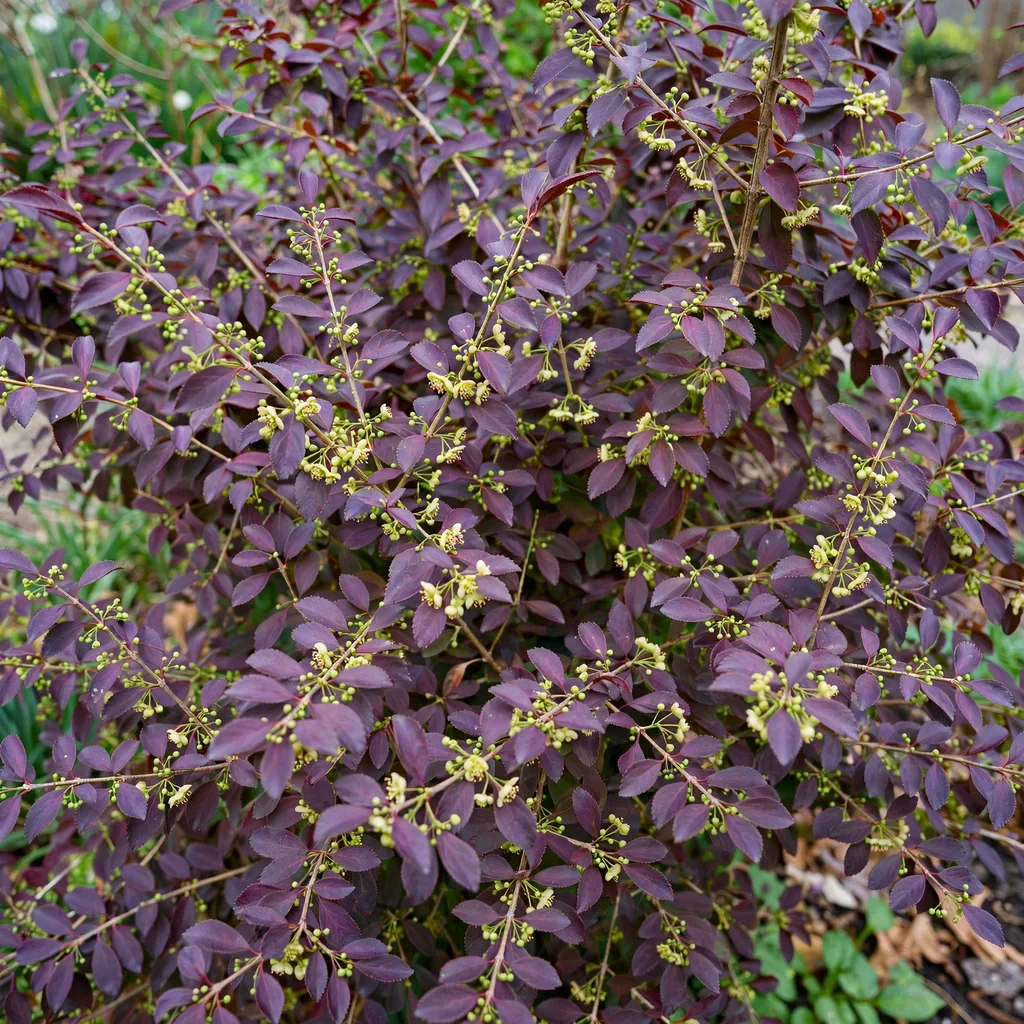
Compact Burning Bush
Euonymus alatus 'Compactus'
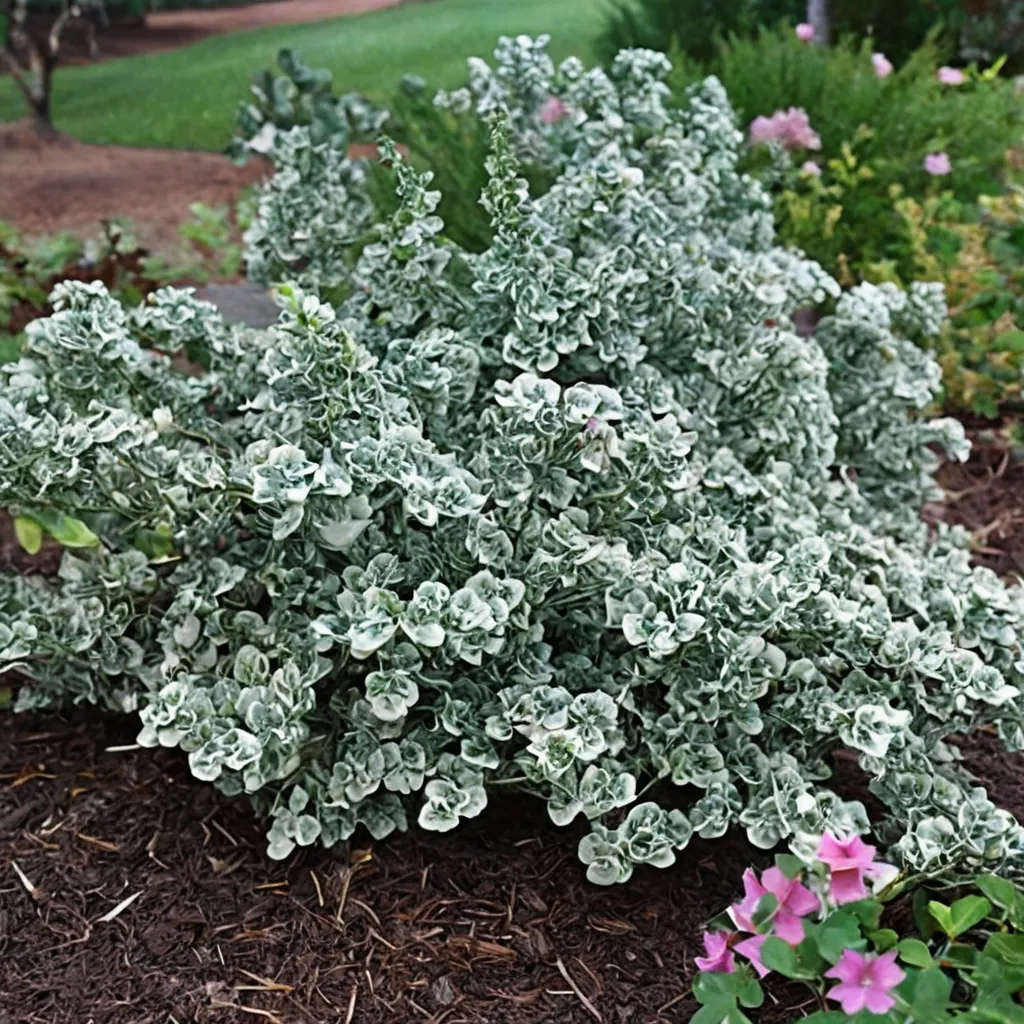
Euonymus White Album
Euonymus fortunei 'White Album'
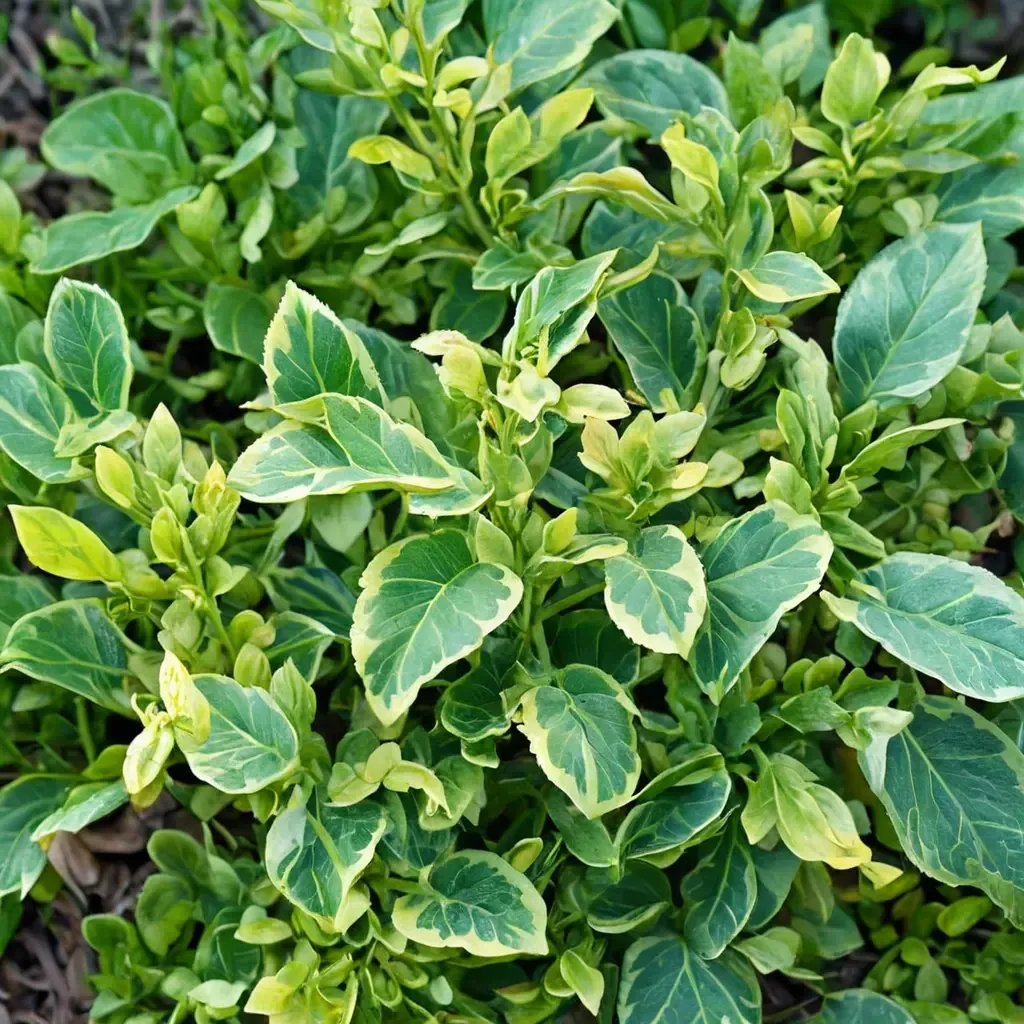
Wintercreeper
Euonymus fortunei
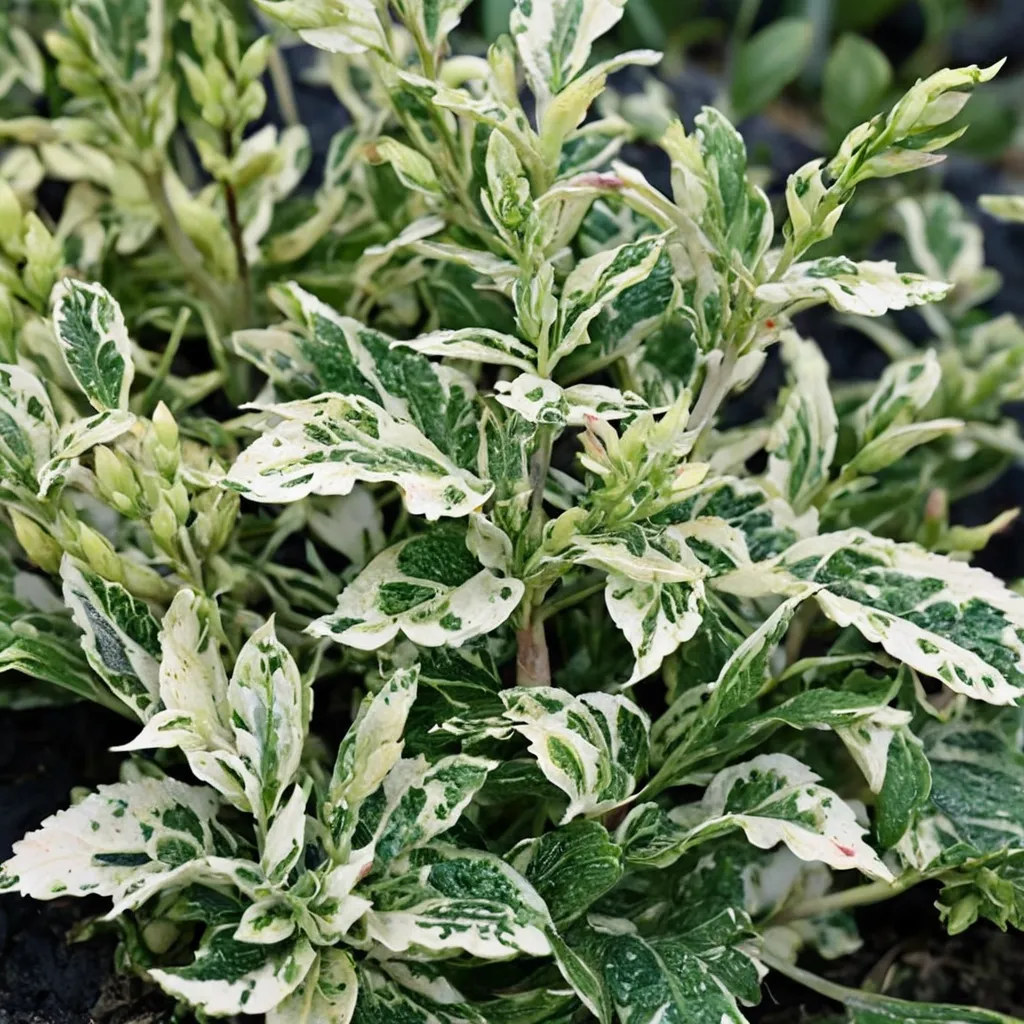
Harlequin Euonymus
Euonymus fortunei 'Harlequin'
Keep exploring
Explore the genus
Hardy in your zone?
Grow Japanese Spindle with confidence
See it in a design of your actual yard, get zone-matched care reminders, and track it season by season in your garden journal.