

The Story
Plant Bio
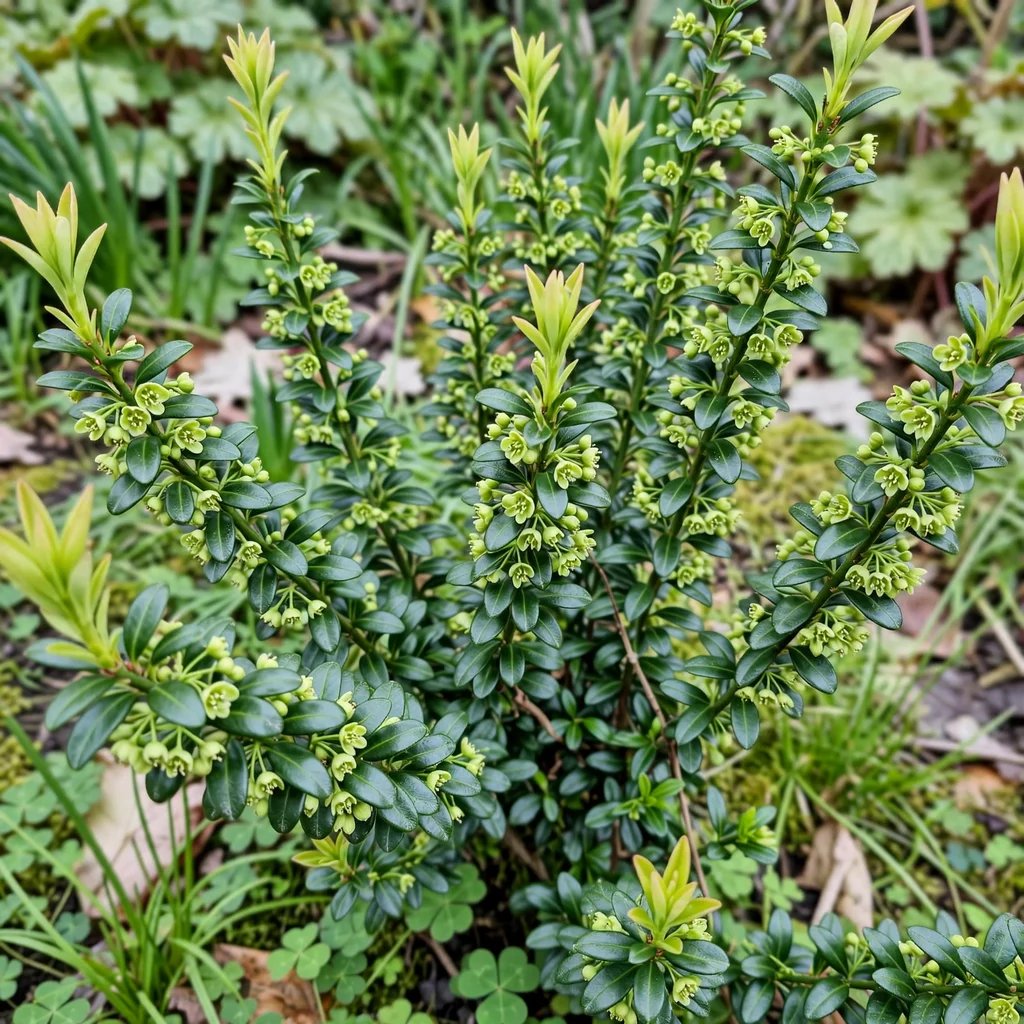
Euonymus japonicus is a dense, evergreen shrub native to East Asia that adapts readily to various soil types and coastal conditions. It produces inconspicuous, four-petaled greenish flowers in late spring, followed occasionally by small fruits that attract birds.
'Tom Thumb' is an exceptionally compact, slow-growing dwarf cultivar that serves as an excellent blight-free alternative to boxwood. Its upright branches are tightly packed with tiny, glossy, dark green leaves that emerge a vibrant pale green in spring.
Uses & Benefits:
Essentials
At a Glance
Plant Type
Shrub
Height
20"
Width
12"
Light
Full Sun, Partial Sun
Zones
6, 7, 8, 9
Water
Low to moderate
Humidity
Moderate
Lifespan
Long-lived
Native To
Asia
Toxicity
Mildly toxic if ingested
Bloom period
Late spring
In flower about 1 month of the year
Planting
How to Grow
- Select a planting site with well-drained soil in full sun to partial shade, ensuring the location does not collect standing water.
- Dig a hole twice as wide as the root ball and set the plant so the crown sits slightly above the surrounding soil level to promote drainage.
- Water deeply and regularly during the first growing season to establish a deep, drought-tolerant root system.
- Apply a balanced, slow-release fertilizer in early spring to support the flush of bright green new growth.
Pro Tip
Avoid cutting back into old, leafless interior wood, as this cultivar struggles to regenerate from bare stems. Stick to light, regular shearing of the outer foliage to maintain its tight, formal shape.
Keep It Thriving
Care Guide
Do
- Do shear the outer foliage once or twice a year in spring or fall to maintain a neat, compact shape.
- Do plant in a location with good air circulation to minimize the risk of powdery mildew.
- Do amend heavy clay soils with organic matter to improve drainage before planting.
Don't
- Don't allow the plant to sit in waterlogged or boggy soil, which quickly triggers root rot.
- Don't prune aggressively into old, bare interior wood where new buds cannot easily form.
- Don't overhead water late in the day, as prolonged leaf wetness encourages fungal diseases.
Seasonal Care Calendar
| Task | Jan | Feb | Mar | Apr | May | Jun | Jul | Aug | Sep | Oct | Nov | Dec |
|---|---|---|---|---|---|---|---|---|---|---|---|---|
| Fertilize | ||||||||||||
| Pest Check | ||||||||||||
| Propagate | ||||||||||||
| Prune |
Watch Out For
Pests & Diseases
Common Pests
Common Diseases
In the Garden
Landscape Uses & Companions
Landscape Uses
Companion Plants
Multiply
Propagation Methods
Good to Know
Common Questions
Tom Thumb Dwarf Euonymus questions
What zones can Tom Thumb Dwarf Euonymus grow in?
Tom Thumb Dwarf Euonymus is hardy in USDA Zones 6–9. Inside that range it survives winter in the ground; outside it, grow it as an annual or a container plant you protect.
Is Tom Thumb Dwarf Euonymus deer resistant?
Not reliably. Deer may browse Tom Thumb Dwarf Euonymus, especially tender spring growth — plan on repellents or fencing where pressure is high.
When does Tom Thumb Dwarf Euonymus bloom?
Tom Thumb Dwarf Euonymus typically blooms in late spring through late spring. Exact timing shifts a week or two with your zone — Sow's bloom calendar maps it to your garden.
Does Tom Thumb Dwarf Euonymus need full sun?
Tom Thumb Dwarf Euonymus does best in full sun to part shade. In hot climates, afternoon shade keeps blooms fresher longer.
Is Tom Thumb Dwarf Euonymus drought tolerant?
Yes — once established (usually after the first full season), Tom Thumb Dwarf Euonymus handles dry spells with minimal watering. Water deeply its first year to build the root system that makes that possible.
More Euonymus to compare
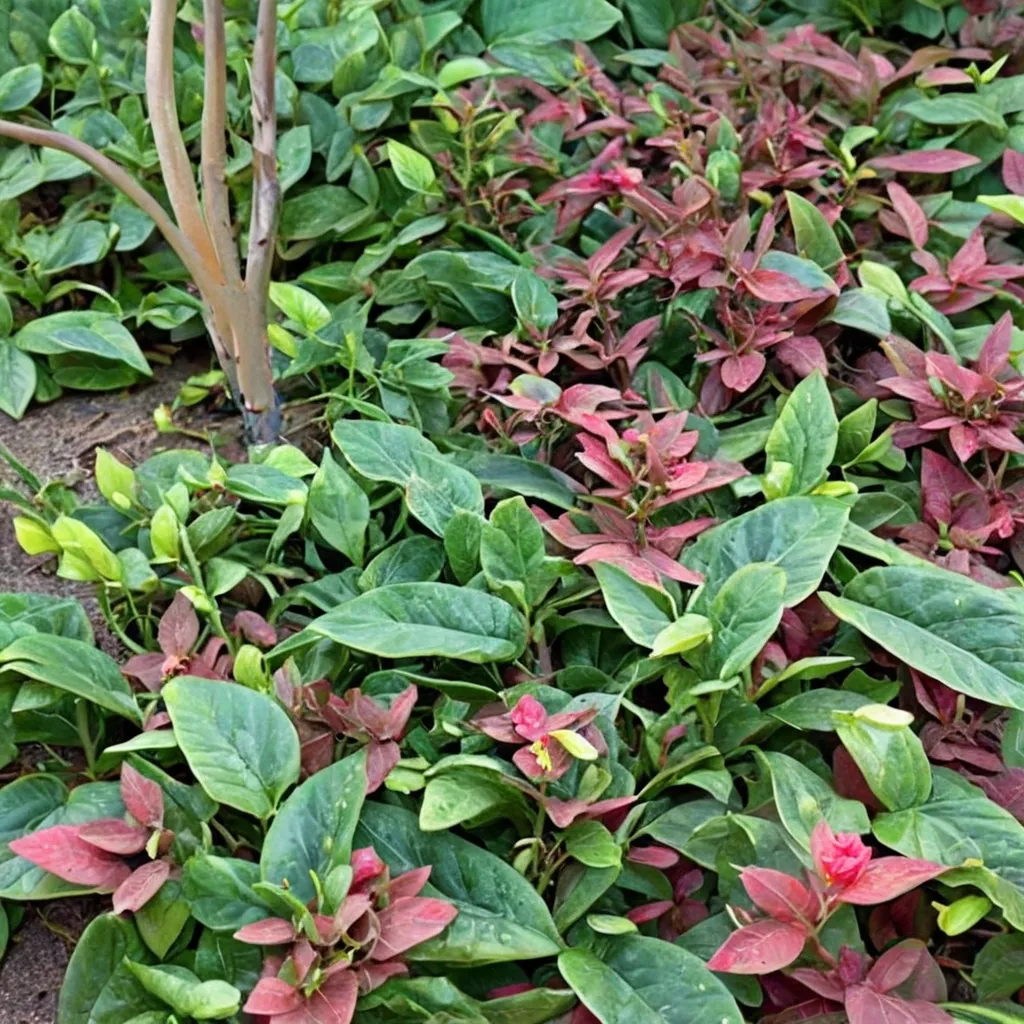
Purple Wintercreeper
Euonymus fortunei 'Purple Wintercreeper'
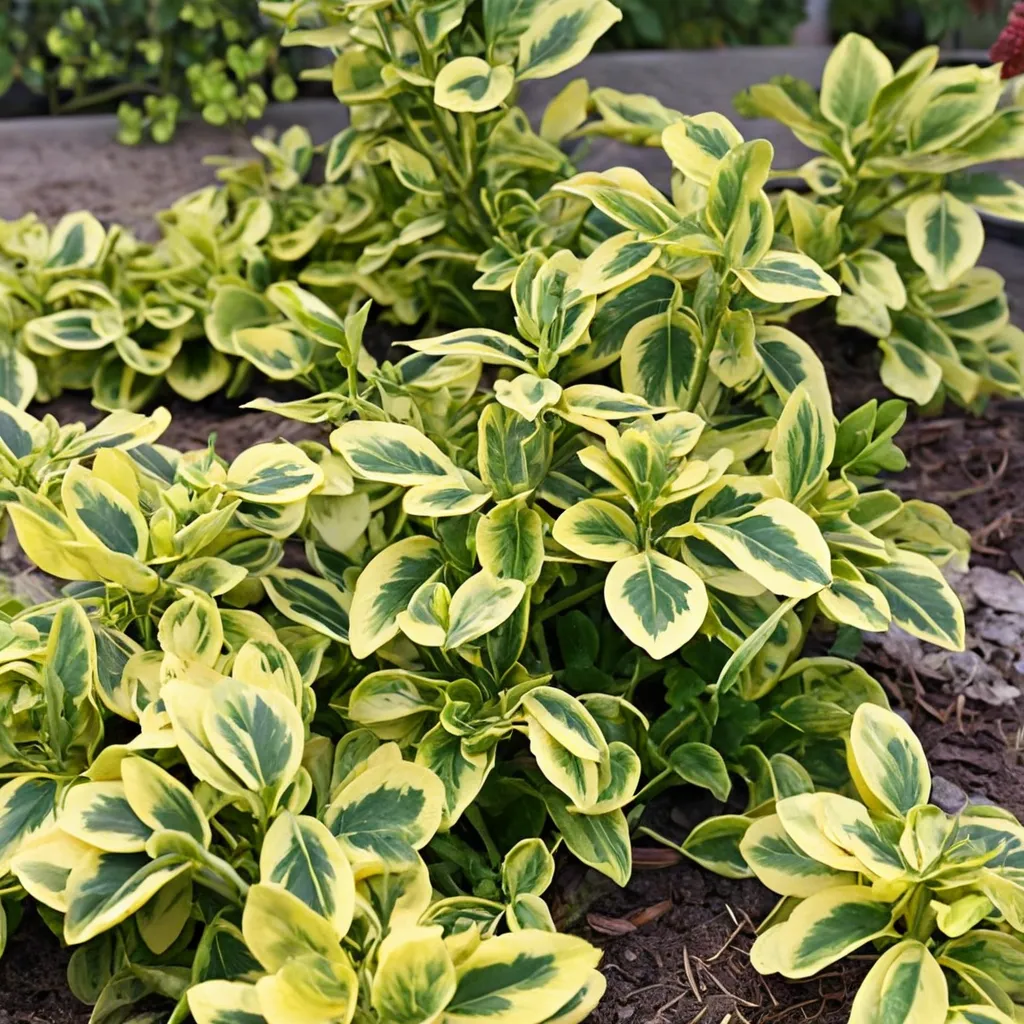
Gold Splash Wintercreeper
Euonymus fortunei 'Gold Splash'
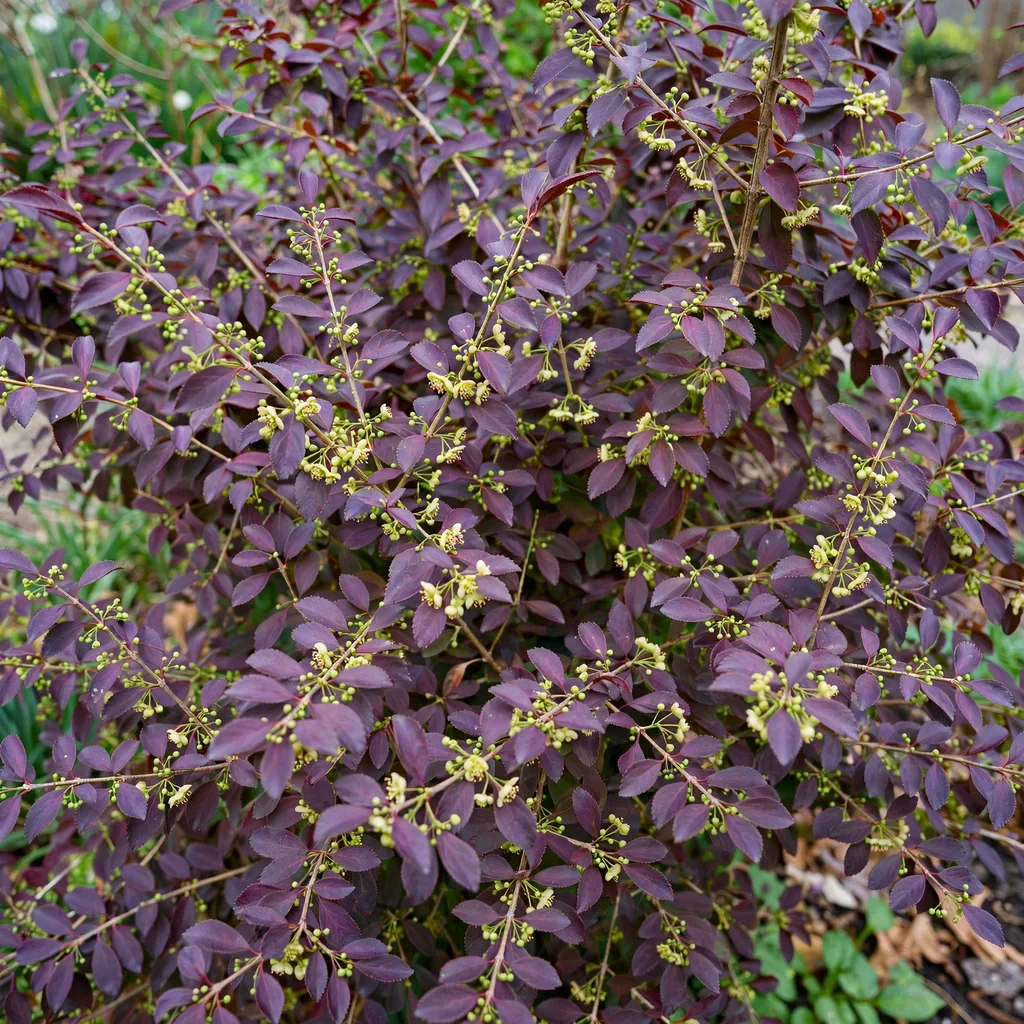
Compact Burning Bush
Euonymus alatus 'Compactus'
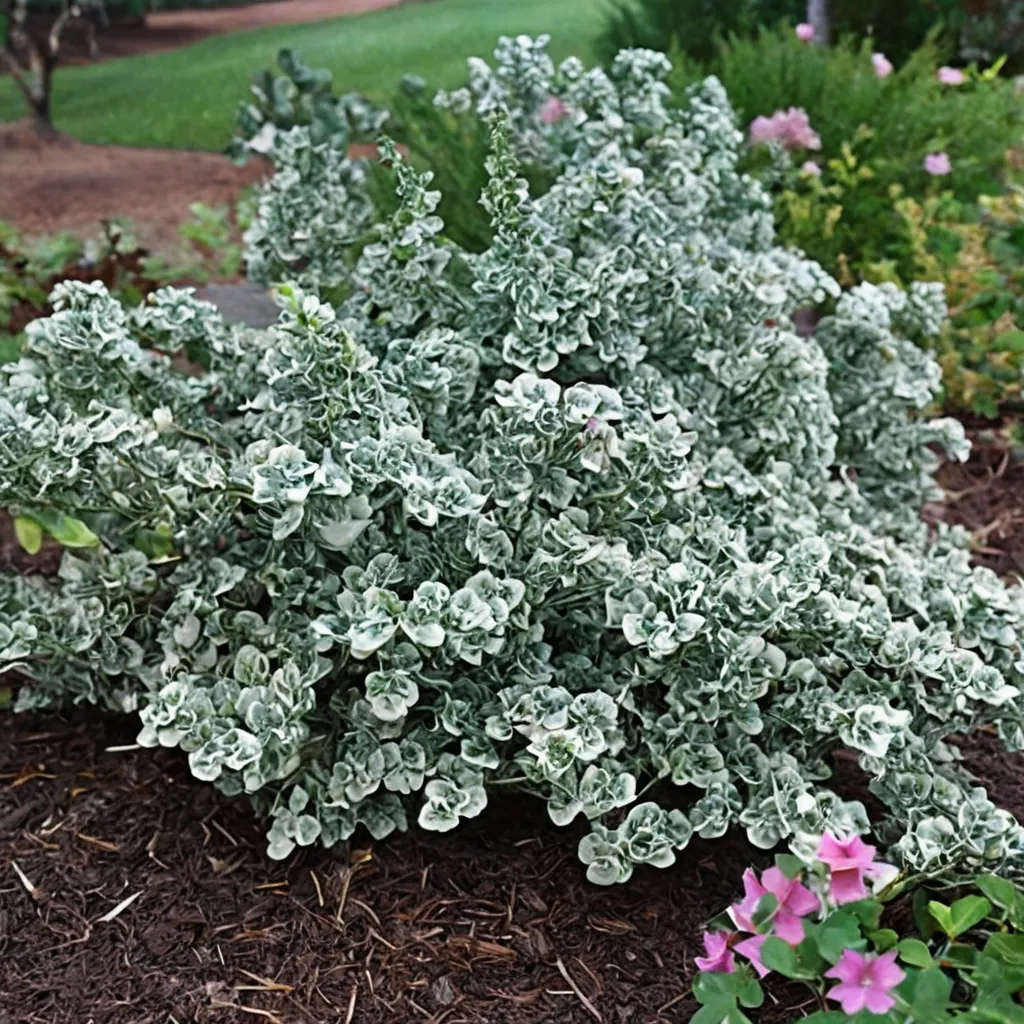
Euonymus White Album
Euonymus fortunei 'White Album'
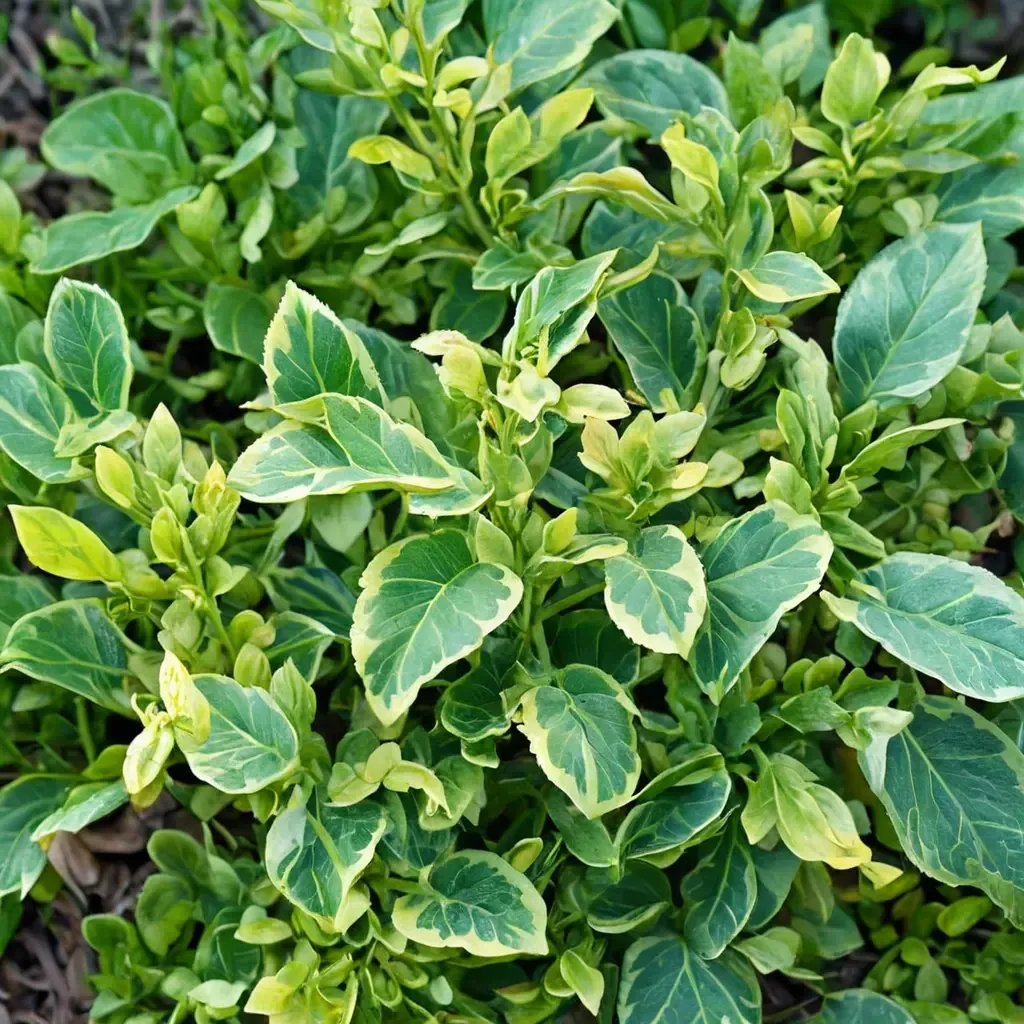
Wintercreeper
Euonymus fortunei
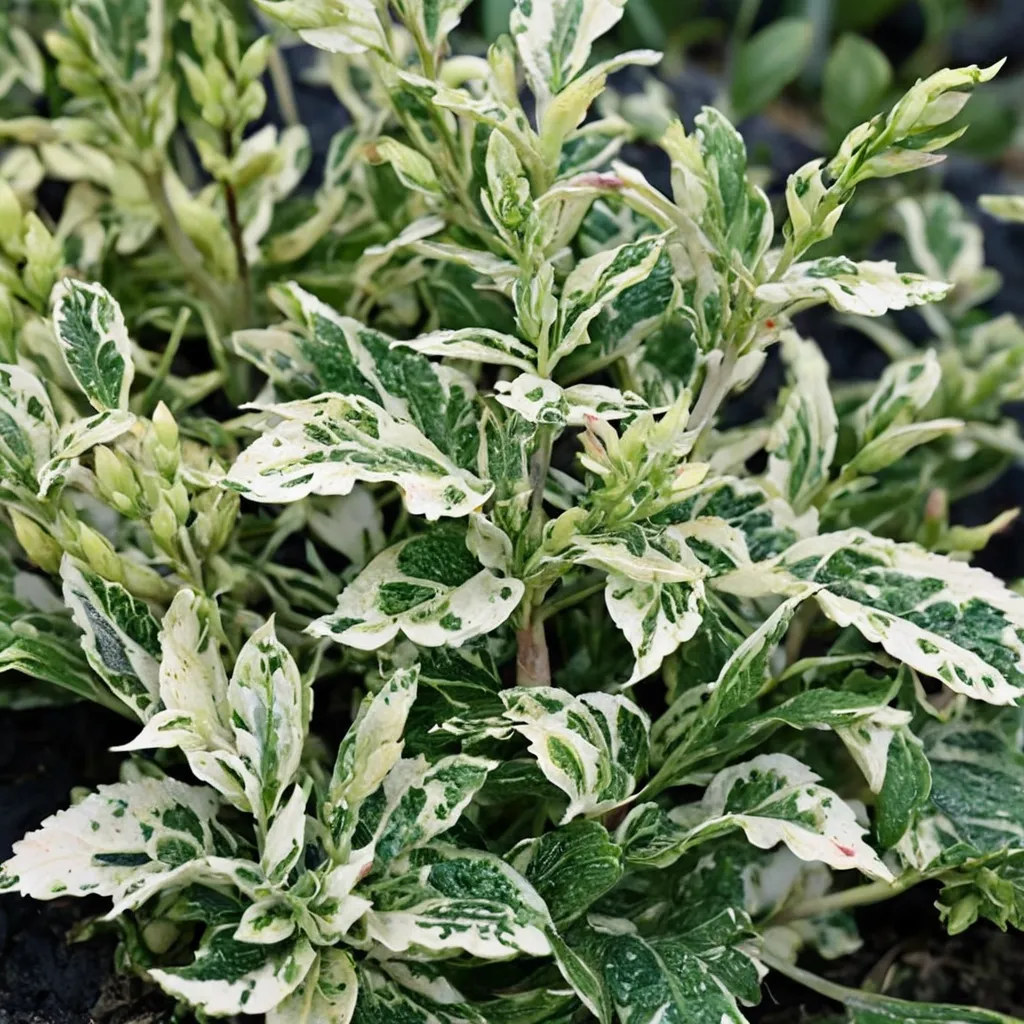
Harlequin Euonymus
Euonymus fortunei 'Harlequin'
Keep exploring
Explore the genus
Hardy in your zone?
Grow Tom Thumb Dwarf Euonymus with confidence
See it in a design of your actual yard, get zone-matched care reminders, and track it season by season in your garden journal.