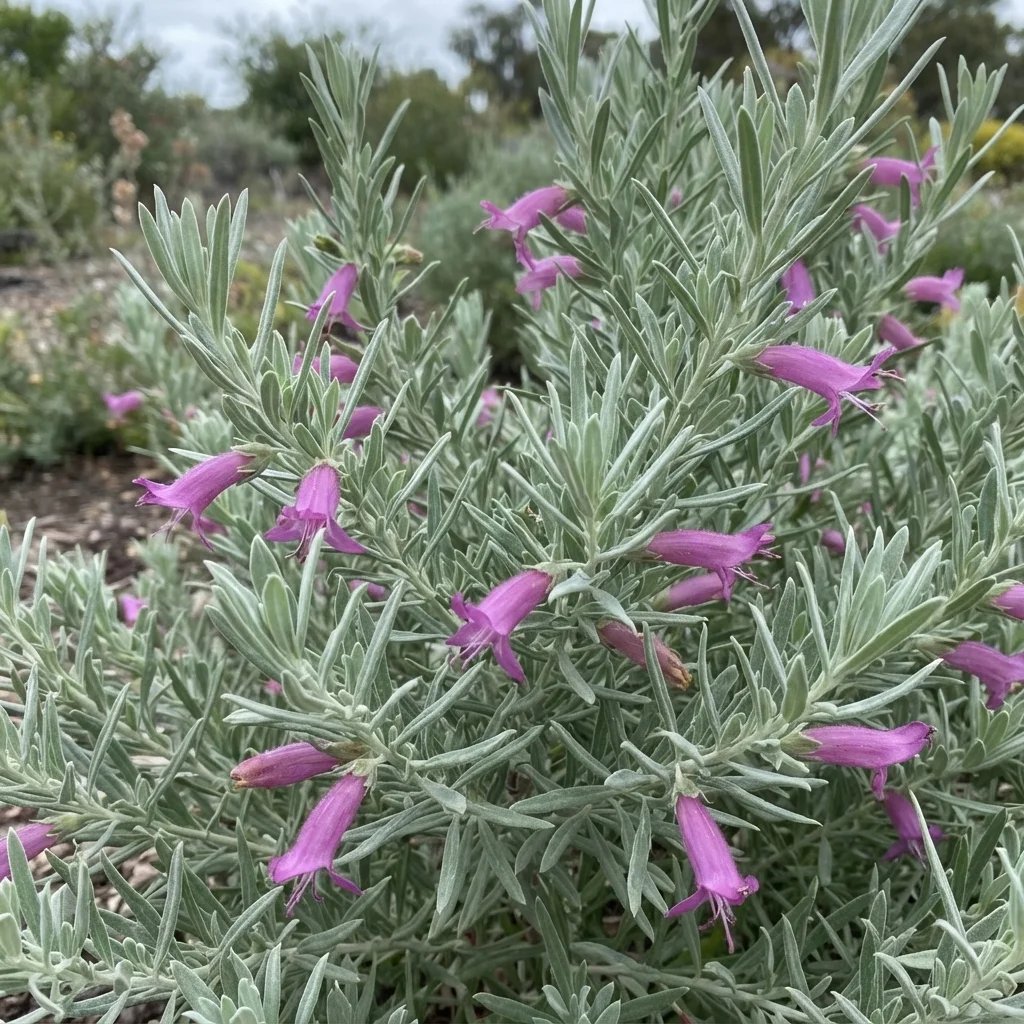
Garden hybrid
This is a garden hybrid, bred from more than one wild species, so it has no single species page of its own.
1 other cultivar
The Story
Plant Bio
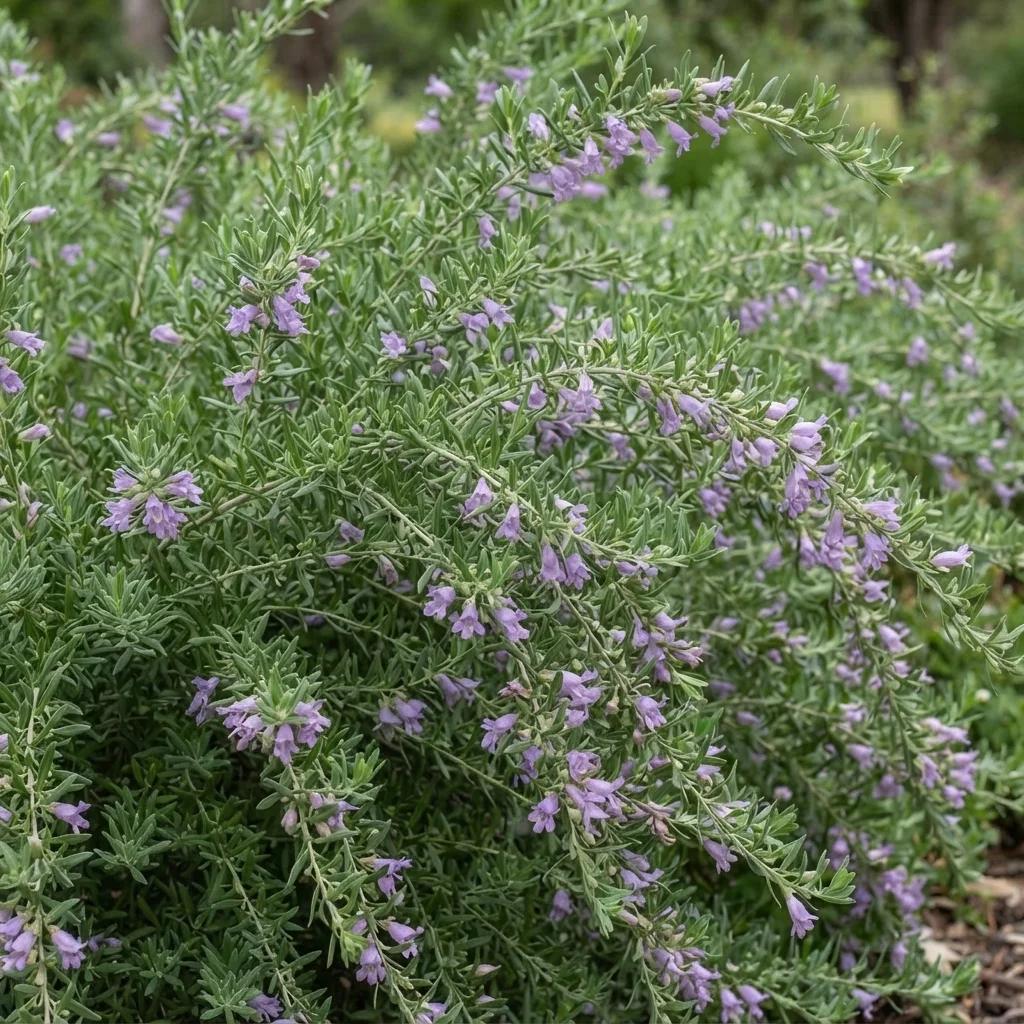
Eremophila is a diverse genus of evergreen shrubs endemic to the arid and semi-arid regions of Australia, adapted to survive in nutrient-poor soils and prolonged dry spells. These plants are characterized by their tubular flowers designed to attract avian pollinators and their resinous or hairy foliage that minimizes water loss.
'Yana Road' is a compact hybrid cultivar that forms a dense, rounded mound of fine-textured, silvery-gray foliage. It produces bright pink tubular flowers from spring through fall, providing a consistent nectar source for hummingbirds in dry-climate gardens.
Uses & Benefits:
Bred from more than one wild species, so it has no species page of its own.
Essentials
At a Glance
Plant Type
Shrub
Height
39"
Width
39"
Light
Full Sun
Zones
9, 10
Water
Low
Humidity
Moderate
Lifespan
Perennial
Native To
Australia
Toxicity
Non-toxic
Bloom period
Spring – Fall
In flower about 9 months of the year
Planting
How to Grow
- Select a planting site in full sun with exceptional drainage, such as a raised bed, rocky slope, or sandy loam mound.
- Dig a hole twice as wide as the root ball but no deeper, ensuring the crown sits slightly above the surrounding soil level to prevent collar rot.
- Backfill with native soil without adding organic amendments or fertilizers, tamping down gently to remove air pockets.
- Water deeply immediately after planting to settle the soil, then restrict irrigation to dry periods while the root system establishes.
Pro Tip
Tip-prune the branches lightly after each major flowering flush to maintain a tight, bushy form; cutting back into old, leafless wood prevents the plant from shooting back and can kill the branch.
Keep It Thriving
Care Guide
Do
- Plant in a location that receives at least six hours of direct sunlight daily.
- Ensure the soil drains rapidly and never pools water around the root zone.
- Prune the tips of the branches lightly after major flowering flushes to encourage a dense habit.
Don't
- Do not apply high-phosphorus or heavy nitrogen fertilizers, which can damage the root system.
- Do not prune hard into old, bare wood, as it will fail to regenerate.
- Do not overwater or plant in heavy, unamended clay soils that retain moisture.
Seasonal Care Calendar
| Task | Jan | Feb | Mar | Apr | May | Jun | Jul | Aug | Sep | Oct | Nov | Dec |
|---|---|---|---|---|---|---|---|---|---|---|---|---|
| Fertilize | ||||||||||||
| Pest Check | ||||||||||||
| Prune | ||||||||||||
| Winter Prep |
Watch Out For
Pests & Diseases
Common Pests
Common Diseases
In the Garden
Landscape Uses & Companions
Landscape Uses
Companion Plants
Multiply
Propagation Methods
Good to Know
Common Questions
Emu Bush questions
What zones can Emu Bush grow in?
Emu Bush is hardy in USDA Zones 9–10. Inside that range it survives winter in the ground; outside it, grow it as an annual or a container plant you protect.
When does Emu Bush bloom?
Emu Bush typically blooms in spring through fall. Exact timing shifts a week or two with your zone — Sow's bloom calendar maps it to your garden.
Does Emu Bush need full sun?
Emu Bush does best in full sun (6+ hours).
Is Emu Bush drought tolerant?
Yes — once established (usually after the first full season), Emu Bush handles dry spells with minimal watering. Water deeply its first year to build the root system that makes that possible.
More Eremophila to compare
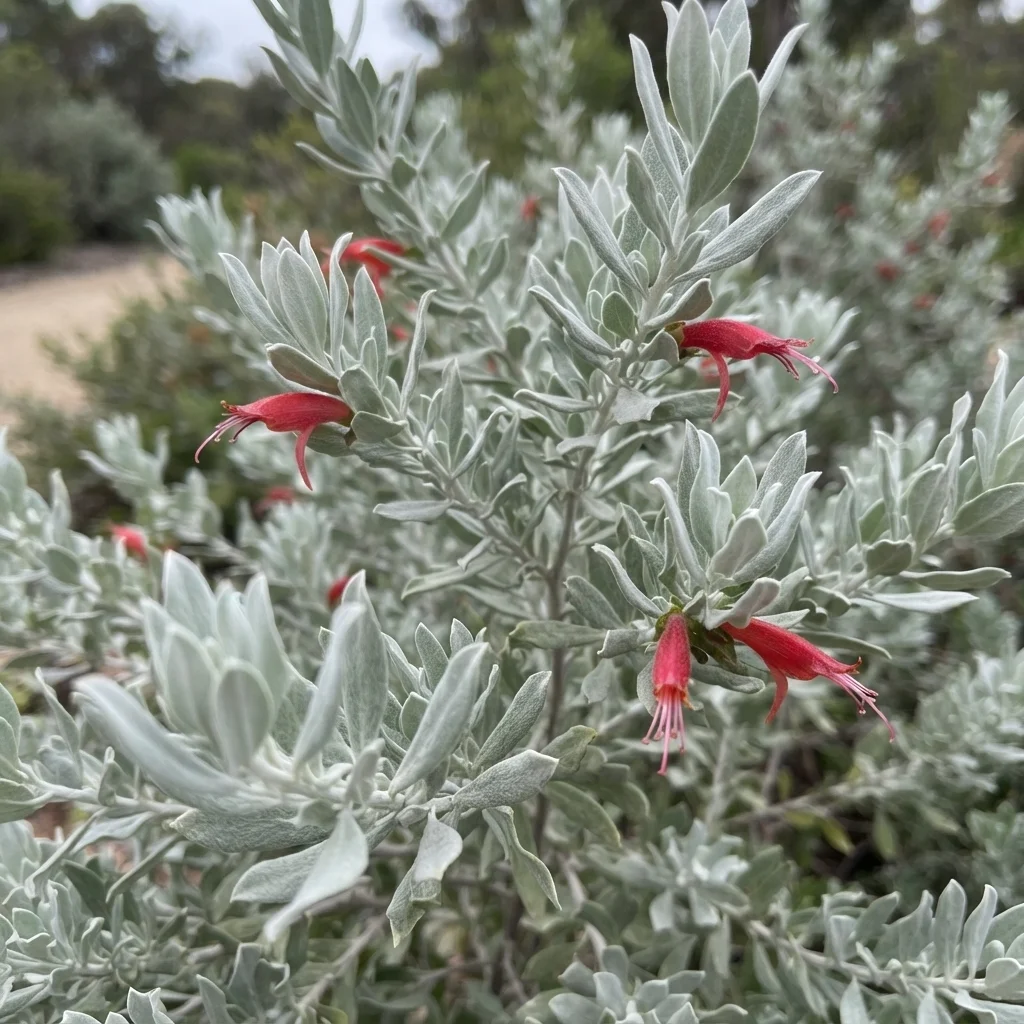
Common Emu Bush
Eremophila glabra
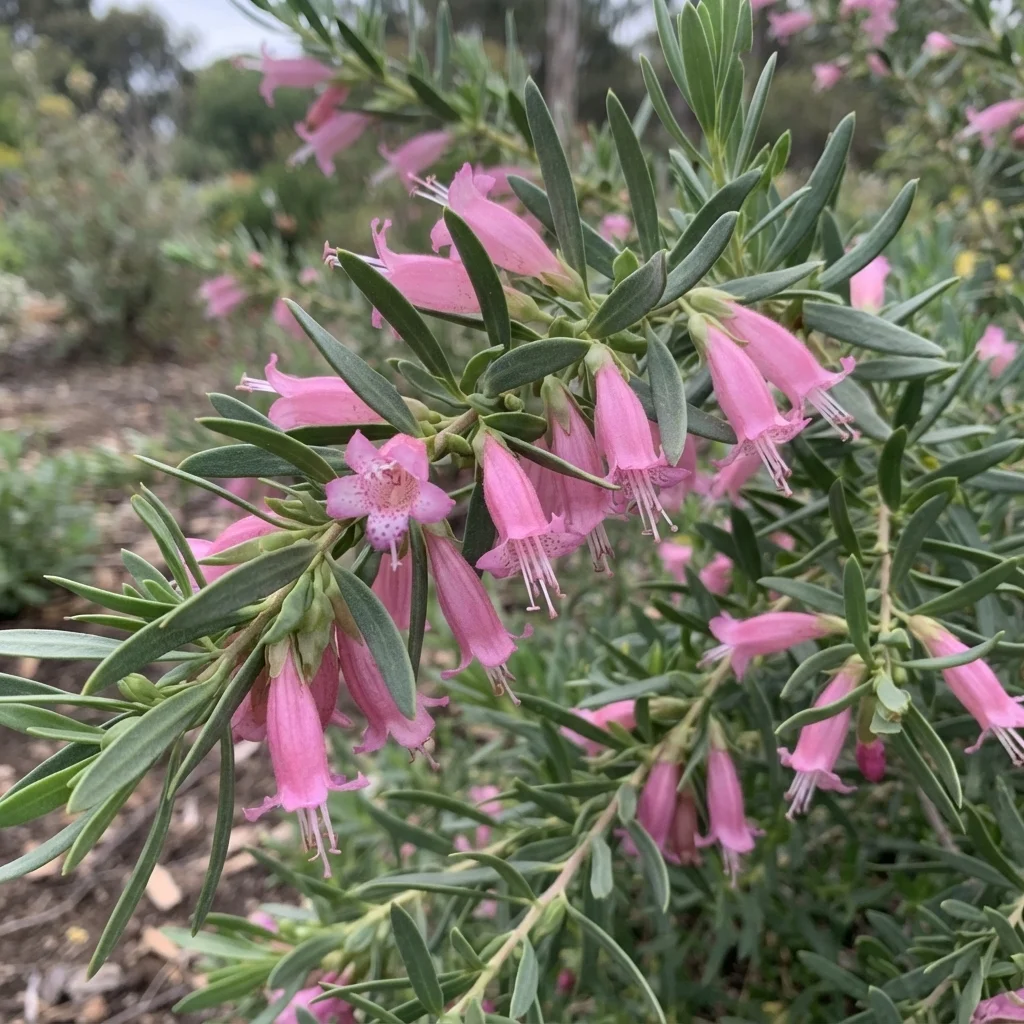
Pink Emu Bush
Eremophila laanii
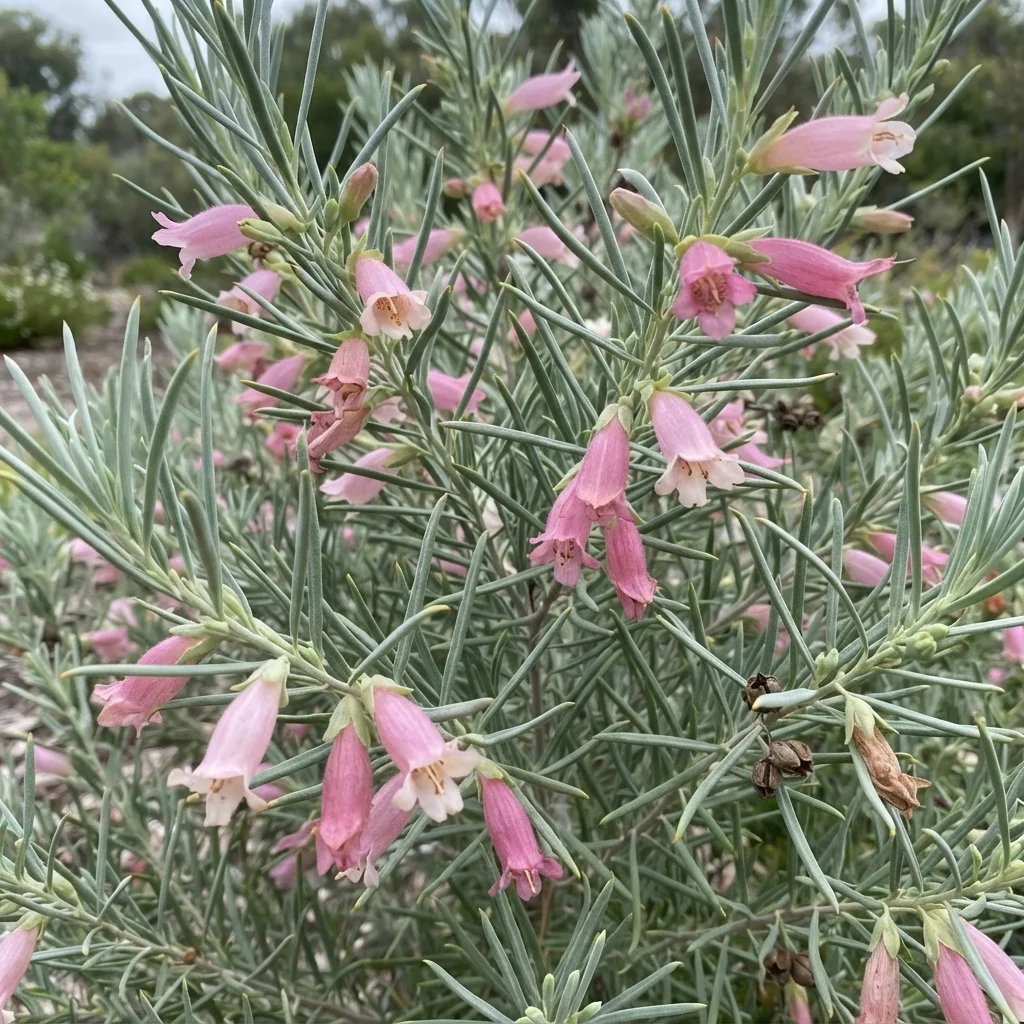
Twin-leaf Emu Bush
Eremophila oppositifolia
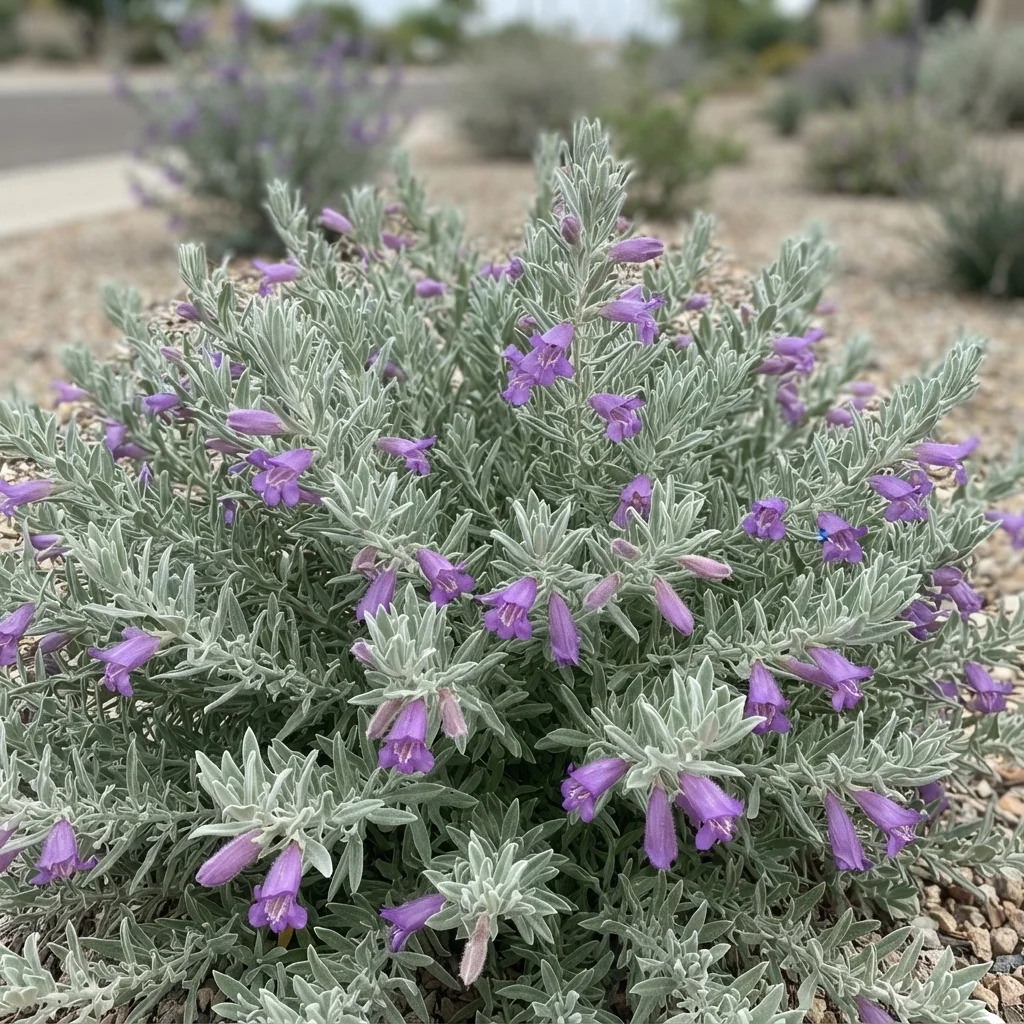
Blue Bells Emu Bush
Eremophila hygrophana 'Blue Bells'
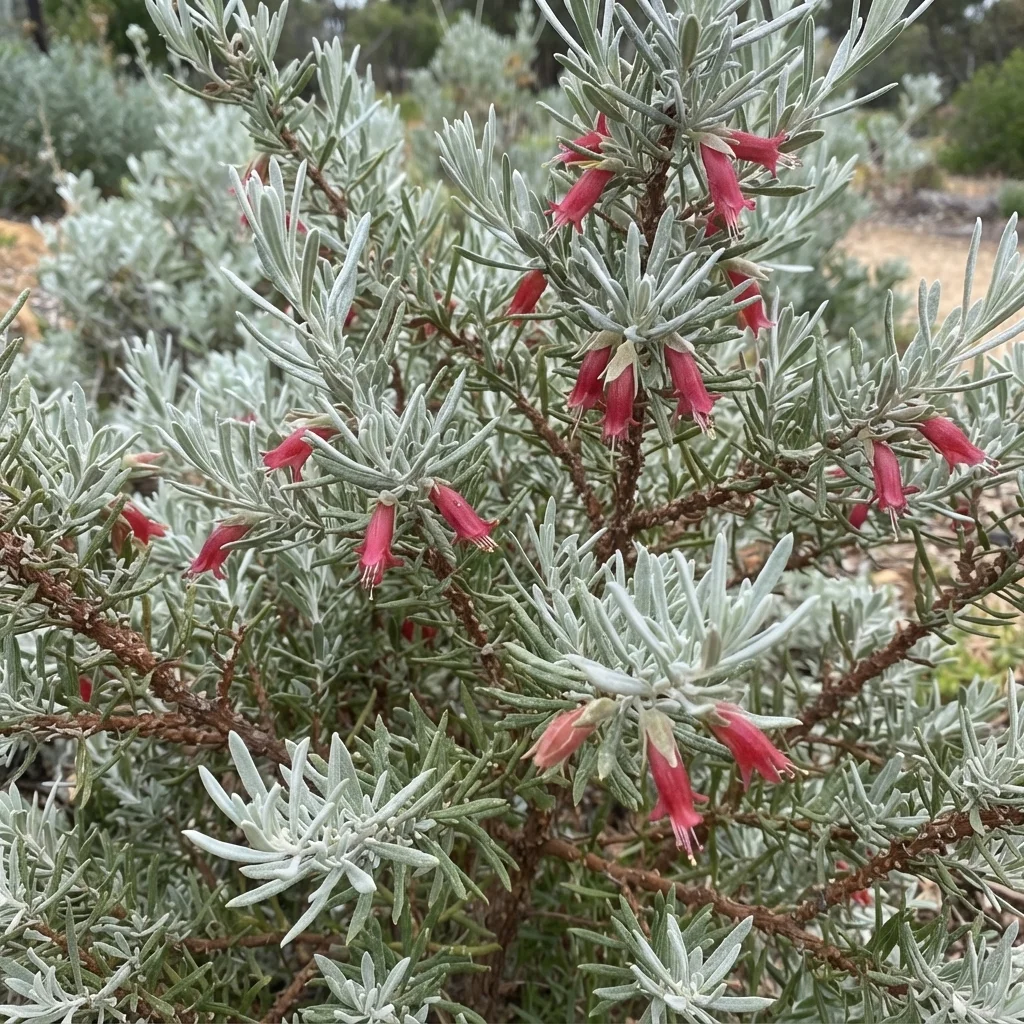
Crimson Turkey Bush
Eremophila latrobei
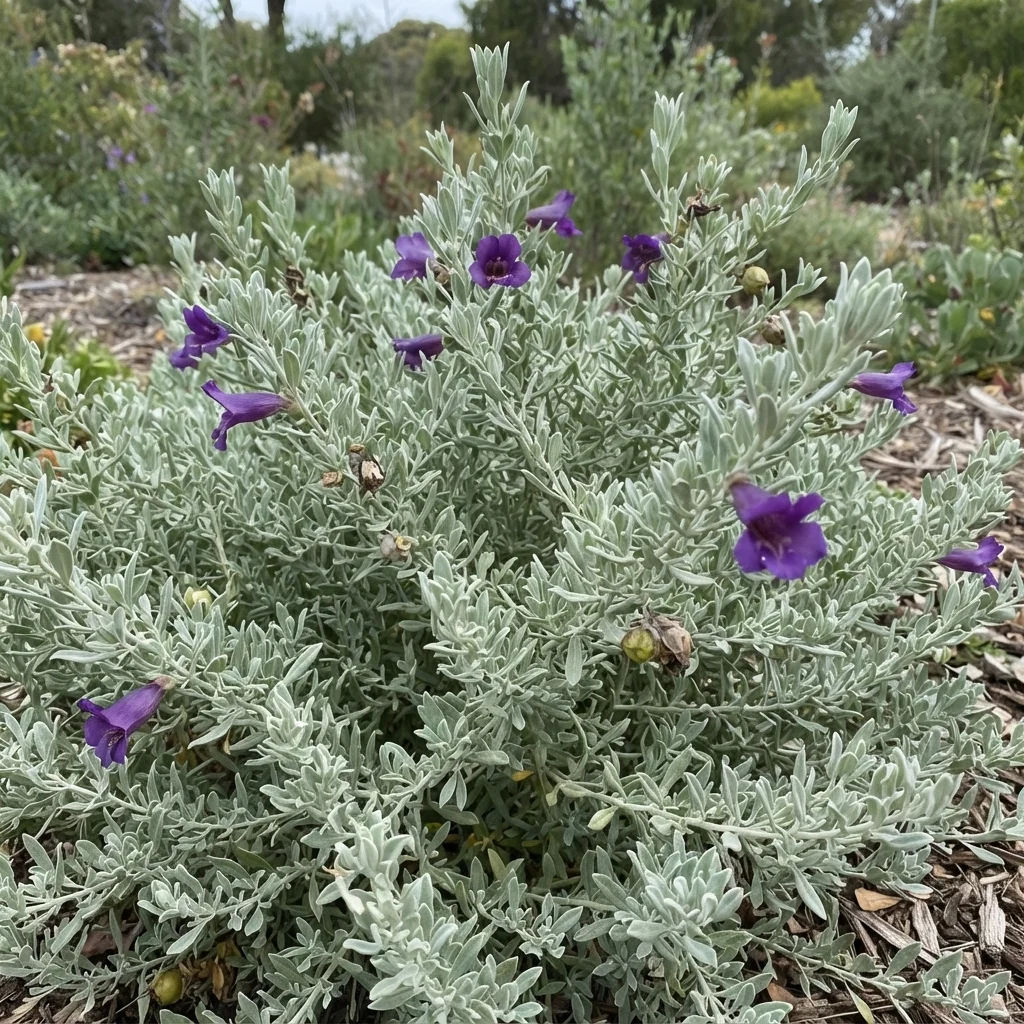
Desert Fuchsia
Eremophila macdonnellii
Keep exploring
Explore the genus
Hardy in your zone?
Grow Emu Bush with confidence
See it in a design of your actual yard, get zone-matched care reminders, and track it season by season in your garden journal.