The Story
Plant Bio
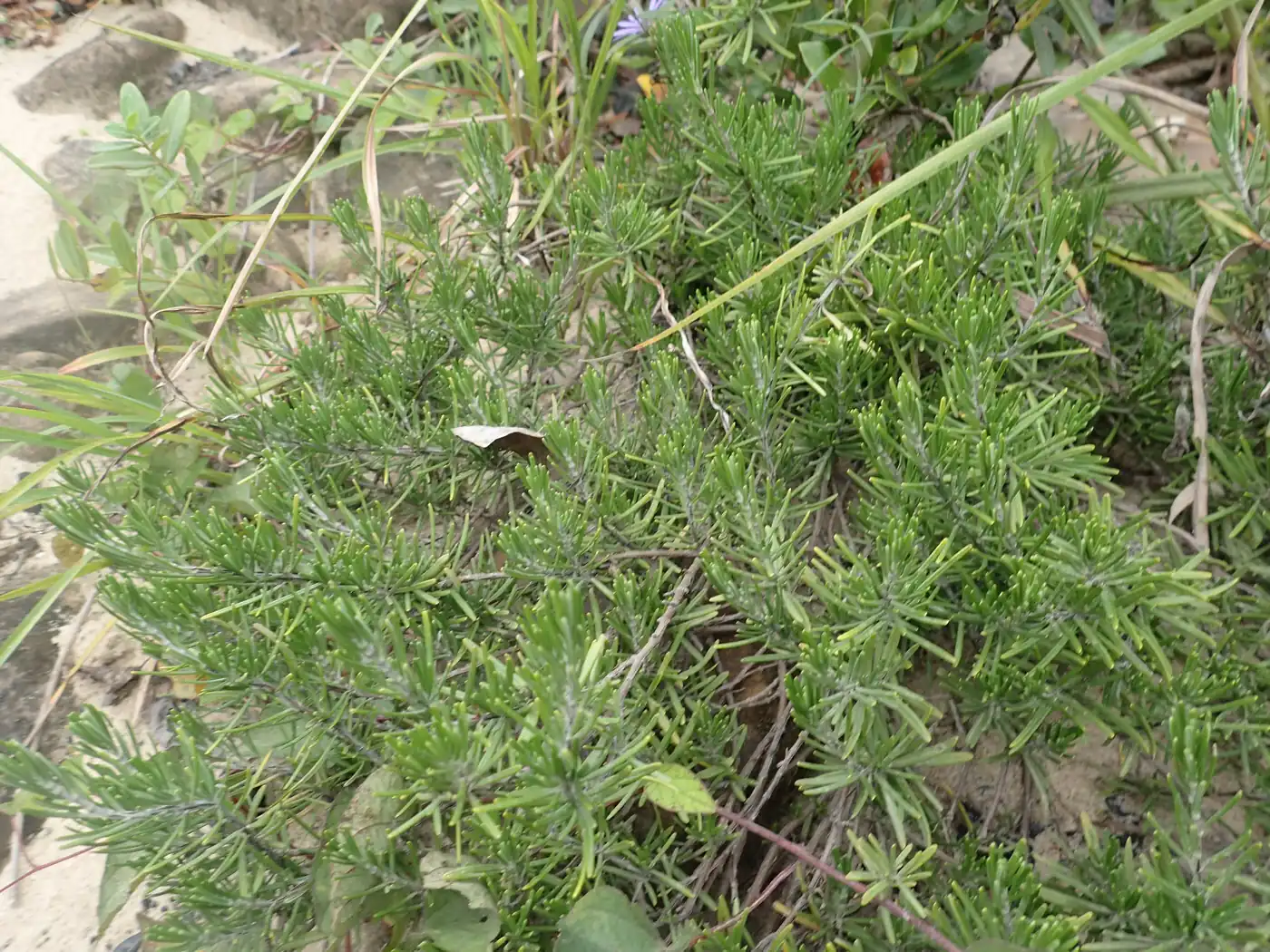
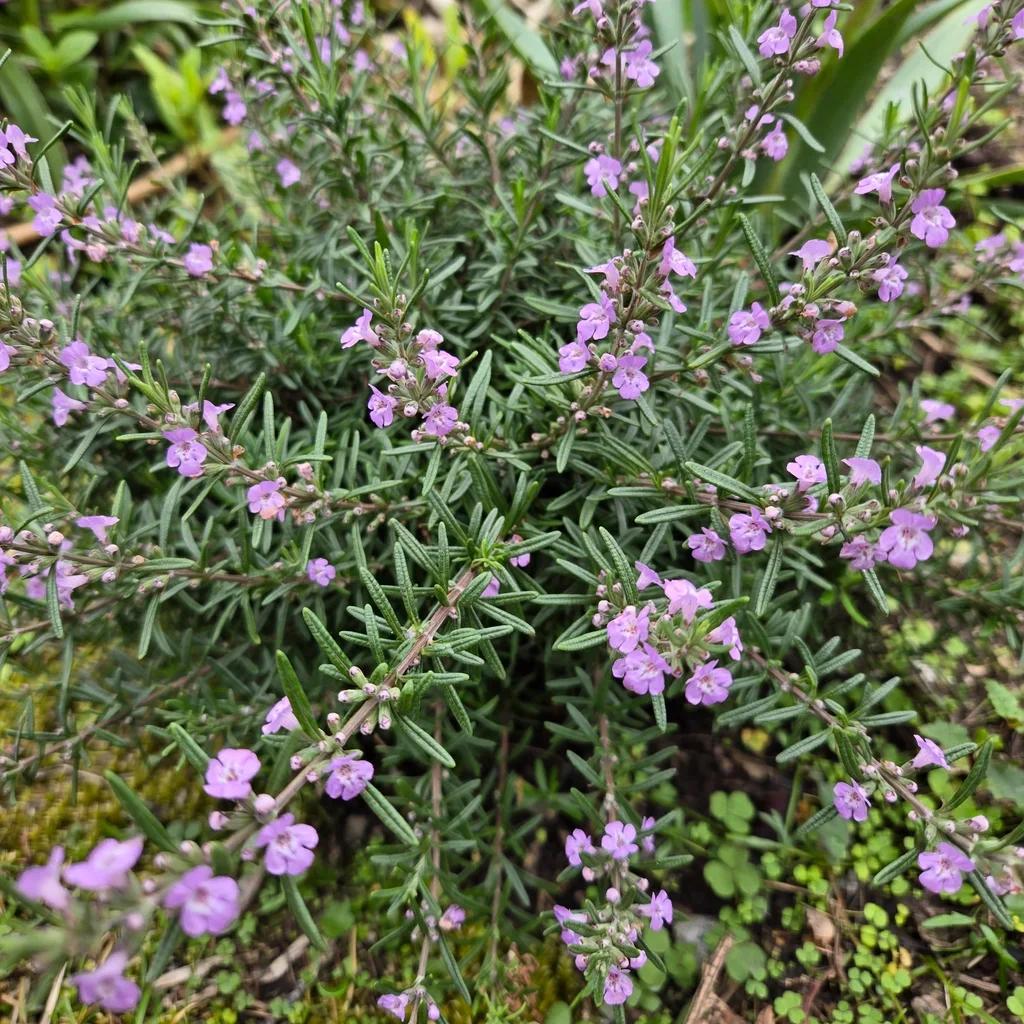
Conradina verticillata, Cumberland rosemary, is a low broadleaf evergreen subshrub native to a small area of the Cumberland Plateau in Tennessee and Kentucky, growing one to two feet high and about as wide. Stiff needle-like dark green leaves cover shaggy red-brown stems, and small pink to lavender lipped flowers open in late spring and early summer.
It is a federally threatened species in the wild, confined to a handful of river gravel bars, so nursery-propagated plants are the only ethical source. The aromatic foliage works as a rosemary substitute in cooking. It wants sharp drainage and poor sandy soil, and rots quickly in rich, moist or heavy ground.
Uses & Benefits:
Essentials
At a Glance
Plant Type
Shrub
Height
18"
Width
18"
Light
Full Sun, Partial Sun
Zones
5, 6, 7, 8, 9, 10
Water
Low
Humidity
Low
Lifespan
Perennial
Native To
Cumberland Plateau, Tennessee and Kentucky
Toxicity
Non-toxic; leaves used as a rosemary substitute
Planting
How to Grow
- Plant in full sun in sharply drained sandy soil.
- Avoid rich, heavy or moisture-retentive ground.
- Water while establishing, then only in drought.
- Do not feed; poor soil suits it far better.
- Trim lightly after flowering to keep it dense.
- Buy nursery-propagated plants, never wild-collected.
Pro Tip
Treat it like a Mediterranean herb rather than a native perennial — poor sandy soil and no feeding is exactly what it wants.
Keep It Thriving
Care Guide
Do
- Give it sharp drainage and poor soil 🌱
- Plant it in full sun ☀️
- Trim lightly after flowering ✂️
- Buy nursery-propagated stock only 🏷️
Don't
- Plant it in rich or moist ground ❌
- Feed or mulch it heavily ❌
- Buy wild-collected plants ❌
Seasonal Care Calendar
| Task | Jan | Feb | Mar | Apr | May | Jun | Jul | Aug | Sep | Oct | Nov | Dec |
|---|---|---|---|---|---|---|---|---|---|---|---|---|
| Check Drainage | ||||||||||||
| Trim |
Watch Out For
Pests & Diseases
Common Pests
Common Diseases
In the Garden
Landscape Uses & Companions
Landscape Uses
Multiply
Propagation Methods
Good to Know
Common Questions
Cumberland Rosemary questions
What zones can Cumberland Rosemary grow in?
Cumberland Rosemary is hardy in USDA Zones 5–10. Inside that range it survives winter in the ground; outside it, grow it as an annual or a container plant you protect.
Is Cumberland Rosemary deer resistant?
Yes — Cumberland Rosemary is rated deer-resistant. Deer typically pass it over, though extreme hunger can override any plant's defenses.
When does Cumberland Rosemary bloom?
Cumberland Rosemary typically blooms in late spring to early summer through early fall. Exact timing shifts a week or two with your zone — Sow's bloom calendar maps it to your garden.
Does Cumberland Rosemary need full sun?
Cumberland Rosemary does best in full sun to part shade. In hot climates, afternoon shade keeps blooms fresher longer.
Is Cumberland Rosemary drought tolerant?
Yes — once established (usually after the first full season), Cumberland Rosemary handles dry spells with minimal watering. Water deeply its first year to build the root system that makes that possible.
More Conradina to compare
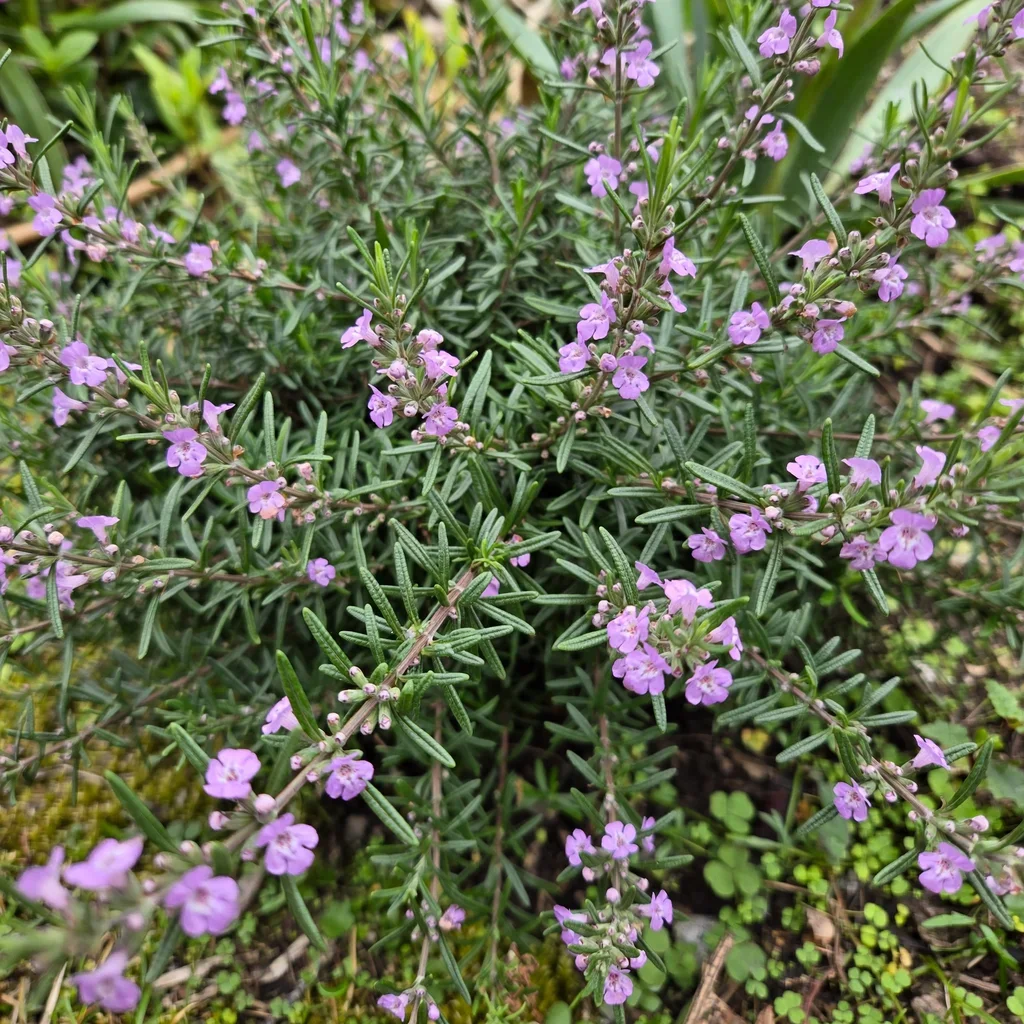
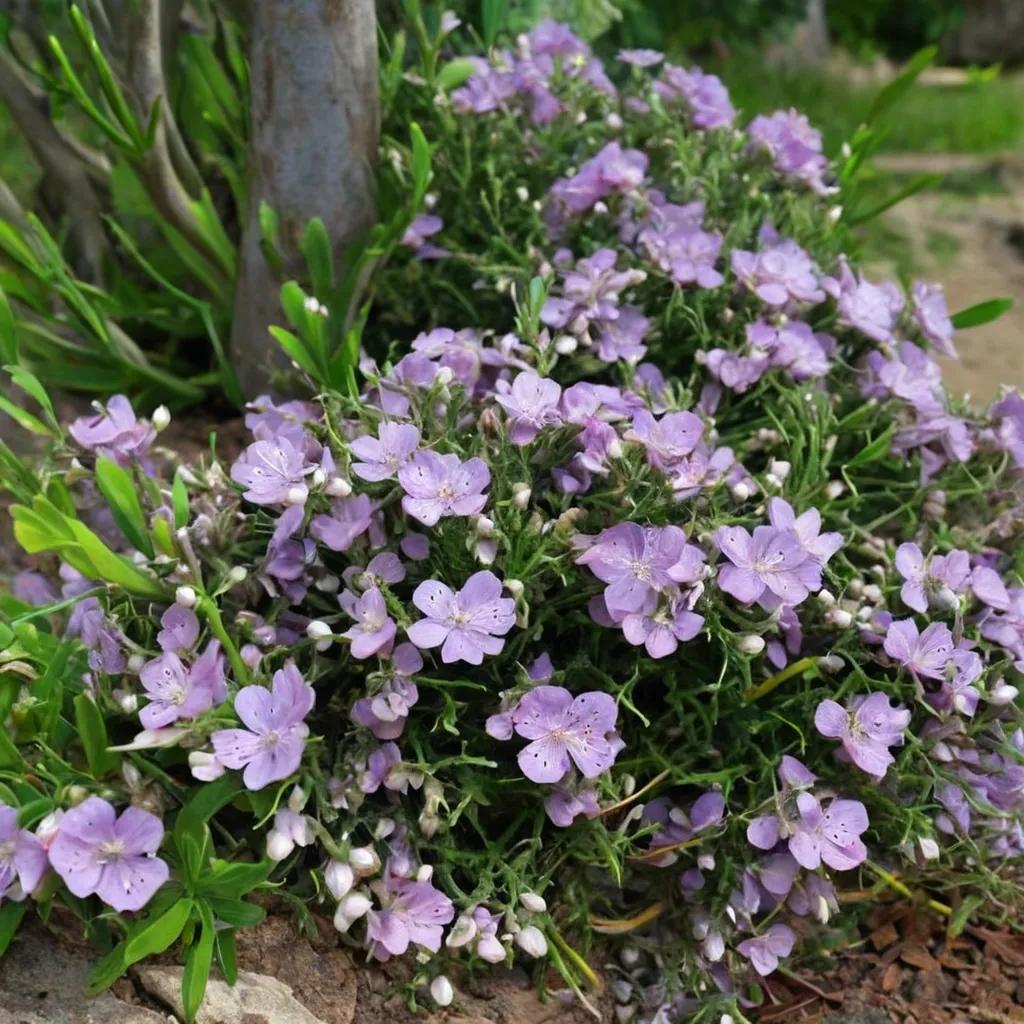
Rocky Top false rosemary
Conradina verticillata 'Rocky Top'
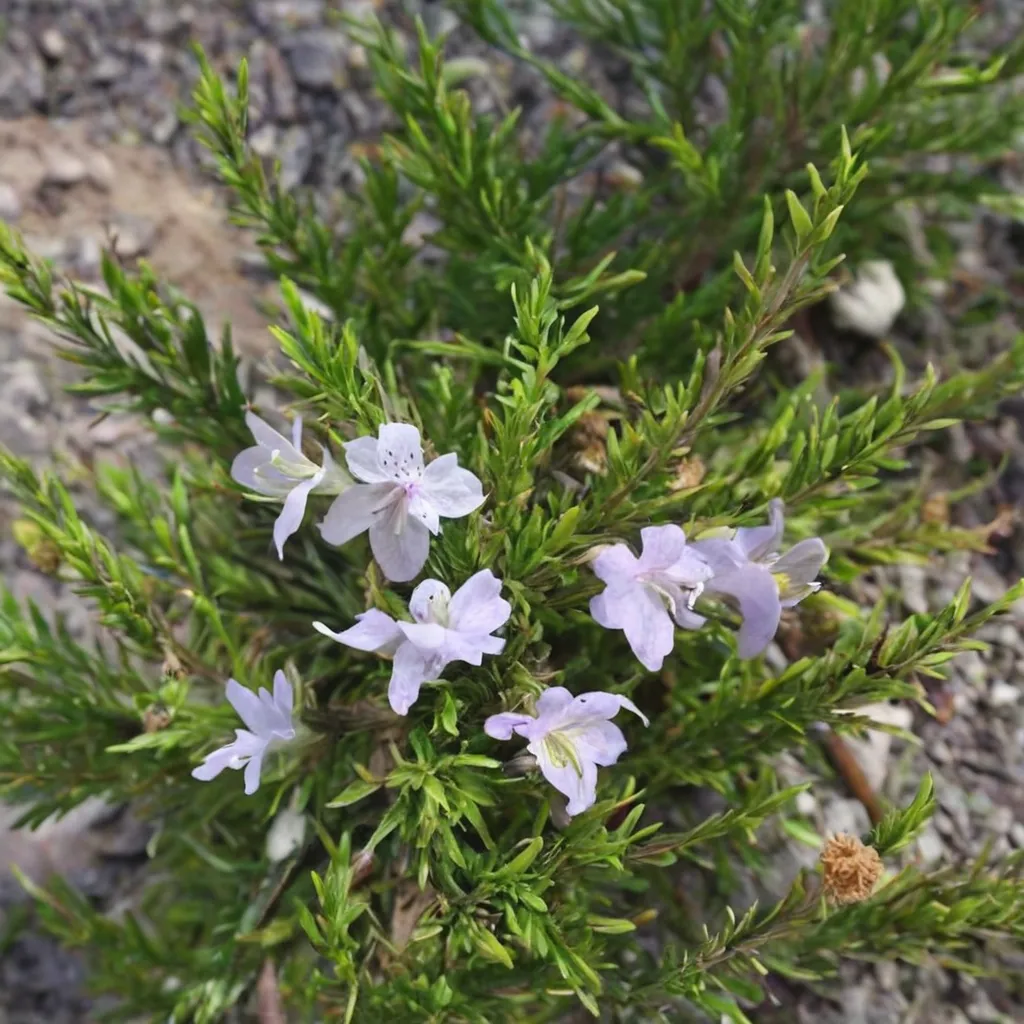
Conradina glabra Torreya Dwarf
Conradina glabra 'Torreya Dwarf'
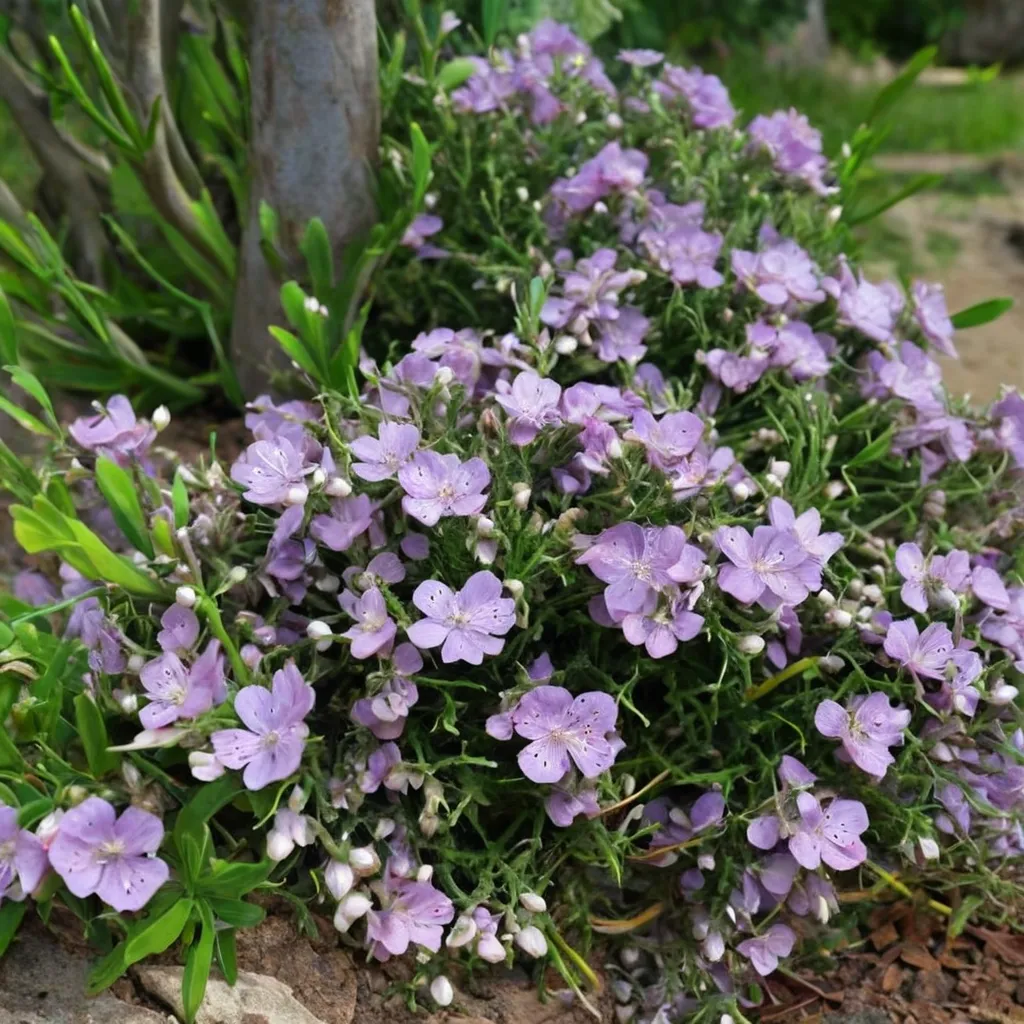
Snowflake False Rosemary
Conradina verticillata 'Snowflake'
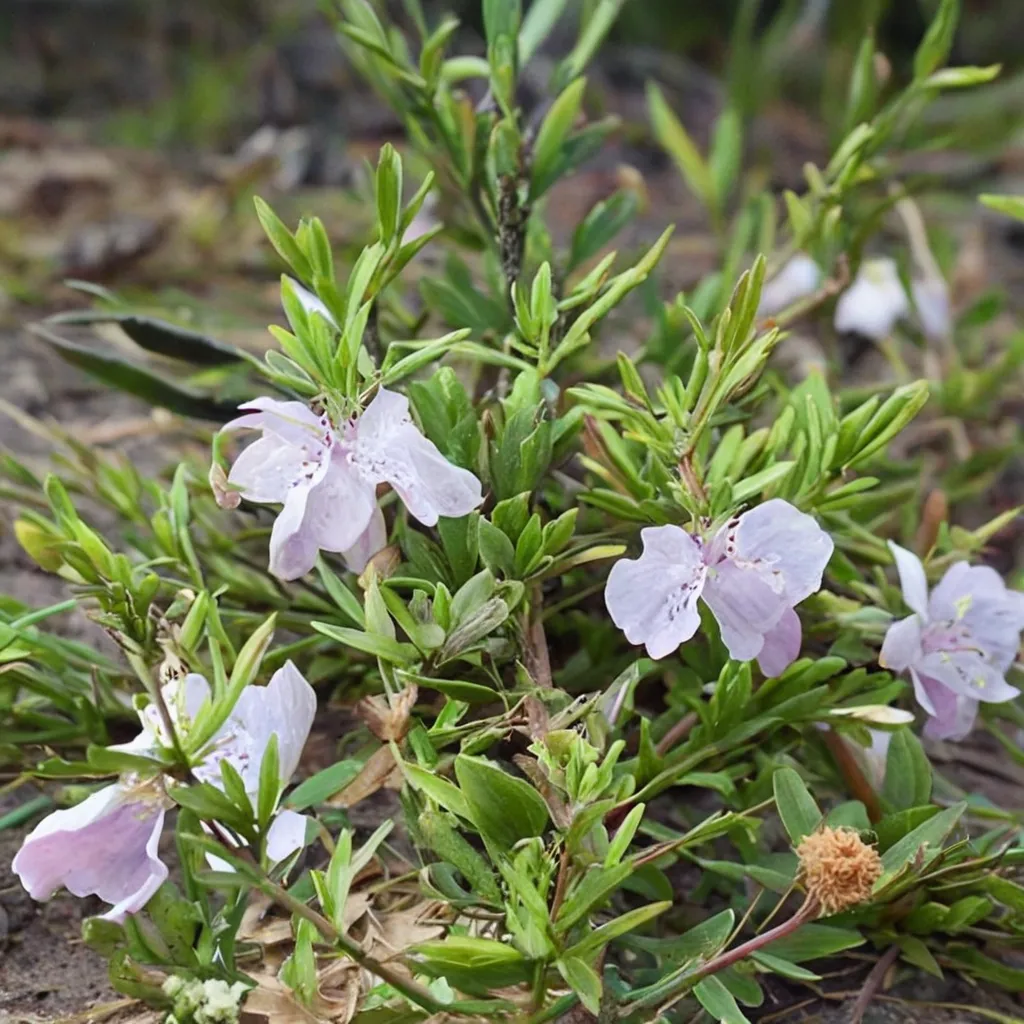
Apalachicola Rosemary
Conradina glabra
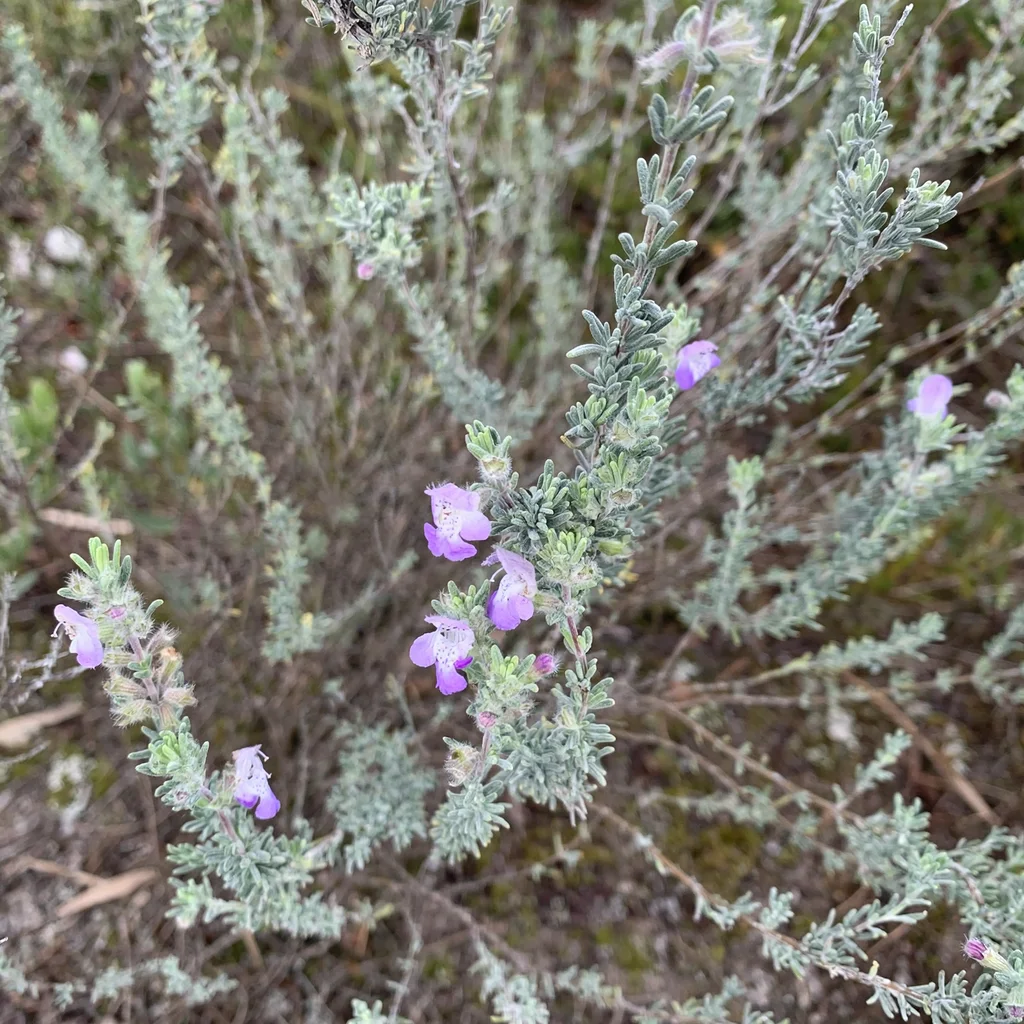
False Rosemary
Conradina canescens
Keep exploring
Explore the genus
Grow Cumberland Rosemary with confidence
See it in a design of your actual yard, get zone-matched care reminders, and track it season by season in your garden journal.