The Story
Plant Bio
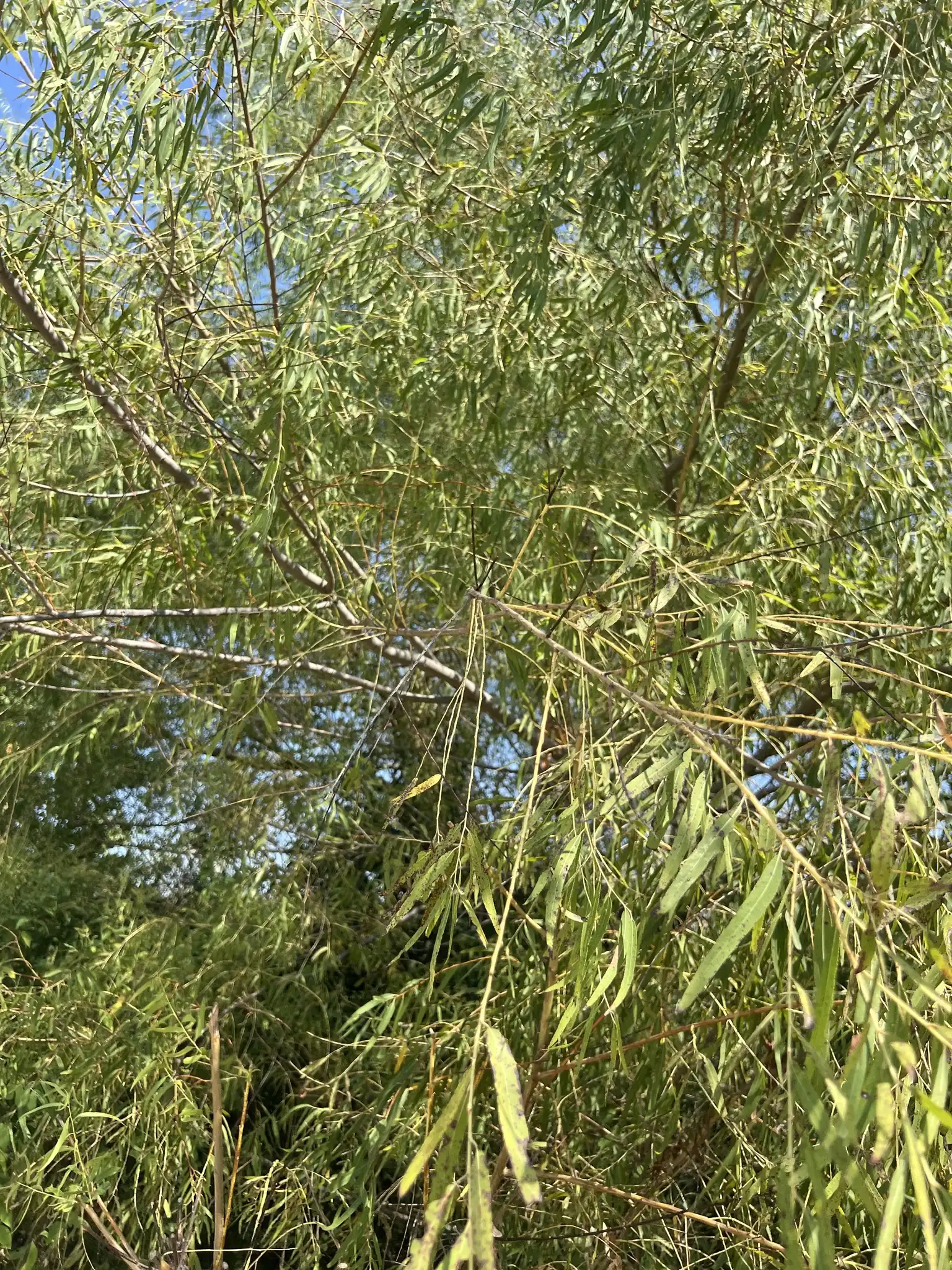
Black willow is a fast-growing, medium to large deciduous tree native to North America, typically found along streams and in wet areas. It has a broad, rounded crown, dark fissured bark, and long, narrow leaves.
As a species plant, its key feature is its adaptability to wet soils and its role as a keystone species in riparian ecosystems, providing food and habitat for numerous insects and birds.
Uses & Benefits:
Essentials
At a Glance
Plant Type
Tree
Height
480"
Width
480"
Light
Full Sun
Zones
4, 5, 6, 7, 8
Water
High
Humidity
High
Lifespan
Short-lived for a tree (30-50 years)
Native To
Eastern North America
Toxicity
Non-toxic, bark contains salicin (aspirin precursor)
Bloom period
Early spring – Mid-spring
In flower about 2 months of the year
Planting
How to Grow
- Select a site in full sun with consistently moist or wet soil.
- This tree is not suitable for average garden conditions.
- Dig a hole wide enough to accommodate the roots.
- Place the tree in the hole and backfill with native soil.
- Water deeply; this tree cannot be overwatered.
- Do not allow the soil to dry out, especially during establishment.
Pro Tip
For easy propagation, simply push a 1-2 foot long dormant branch cutting halfway into moist soil in early spring.
Keep It Thriving
Care Guide
Do
- Provide a location with constant moisture, like a pond edge or rain garden.
- Plant in full sun for best growth.
- Allow plenty of space for its wide, spreading habit.
- Prune to remove dead or weak wood, as branches can be brittle.
Don't
- Do not plant in dry soil or upland sites.
- Avoid planting near septic systems or water lines, as roots are water-seeking.
- Don't plant in small yards; it becomes a large tree quickly.
- Avoid planting in high-traffic areas due to potential for falling branches.
Seasonal Care Calendar
| Task | Jan | Feb | Mar | Apr | May | Jun | Jul | Aug | Sep | Oct | Nov | Dec |
|---|---|---|---|---|---|---|---|---|---|---|---|---|
| Plant | ||||||||||||
| Propagate | ||||||||||||
| Prune |
Watch Out For
Pests & Diseases
Common Pests
Common Diseases
In the Garden
Landscape Uses & Companions
Landscape Uses
Multiply
Propagation Methods
Good to Know
Common Questions
Black Willow questions
What zones can Black Willow grow in?
Black Willow is hardy in USDA Zones 4–8. Inside that range it survives winter in the ground; outside it, grow it as an annual or a container plant you protect.
Is Black Willow deer resistant?
Yes — Black Willow is rated deer-resistant. Deer typically pass it over, though extreme hunger can override any plant's defenses.
When does Black Willow bloom?
Black Willow typically blooms in early spring through mid-spring. Exact timing shifts a week or two with your zone — Sow's bloom calendar maps it to your garden.
Does Black Willow need full sun?
Black Willow does best in full sun (6+ hours).
More Salix to compare
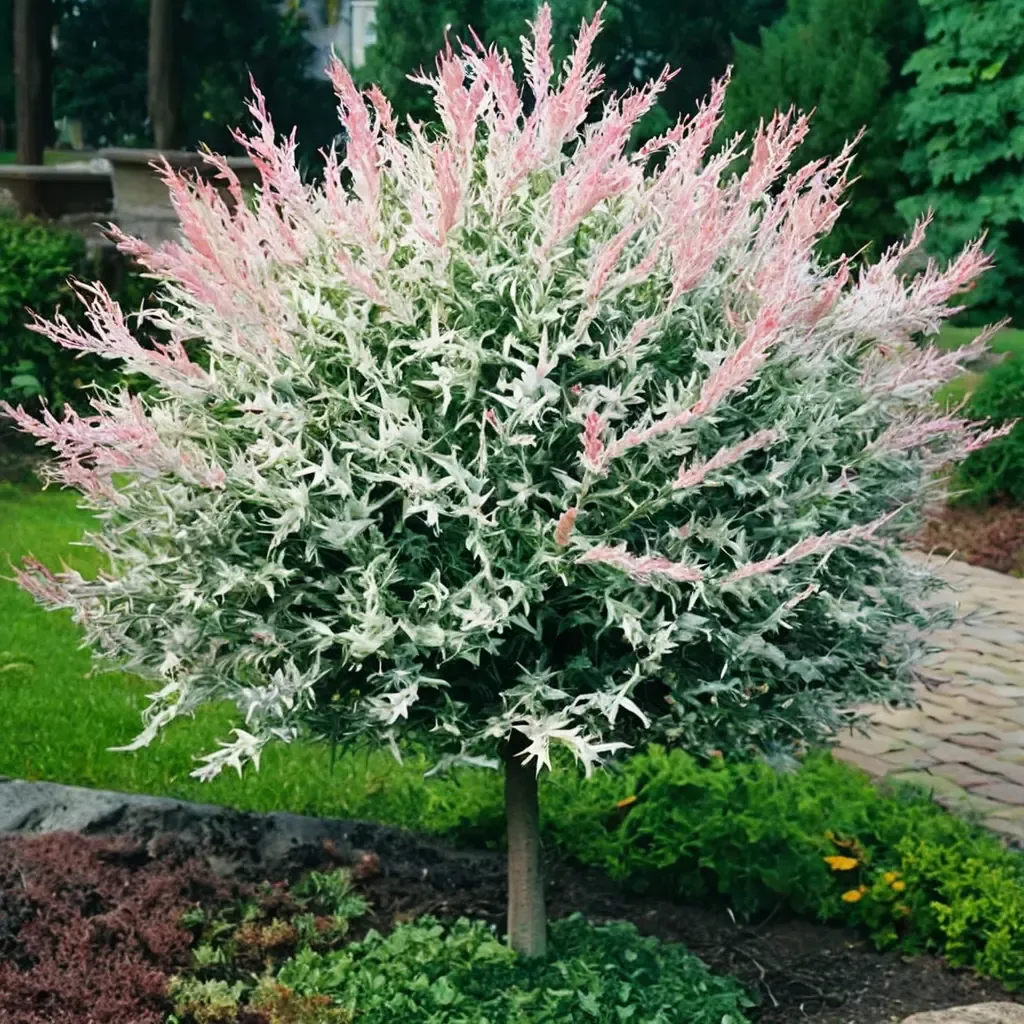
Dappled Willow
Salix integra 'Hakuro-nishiki'
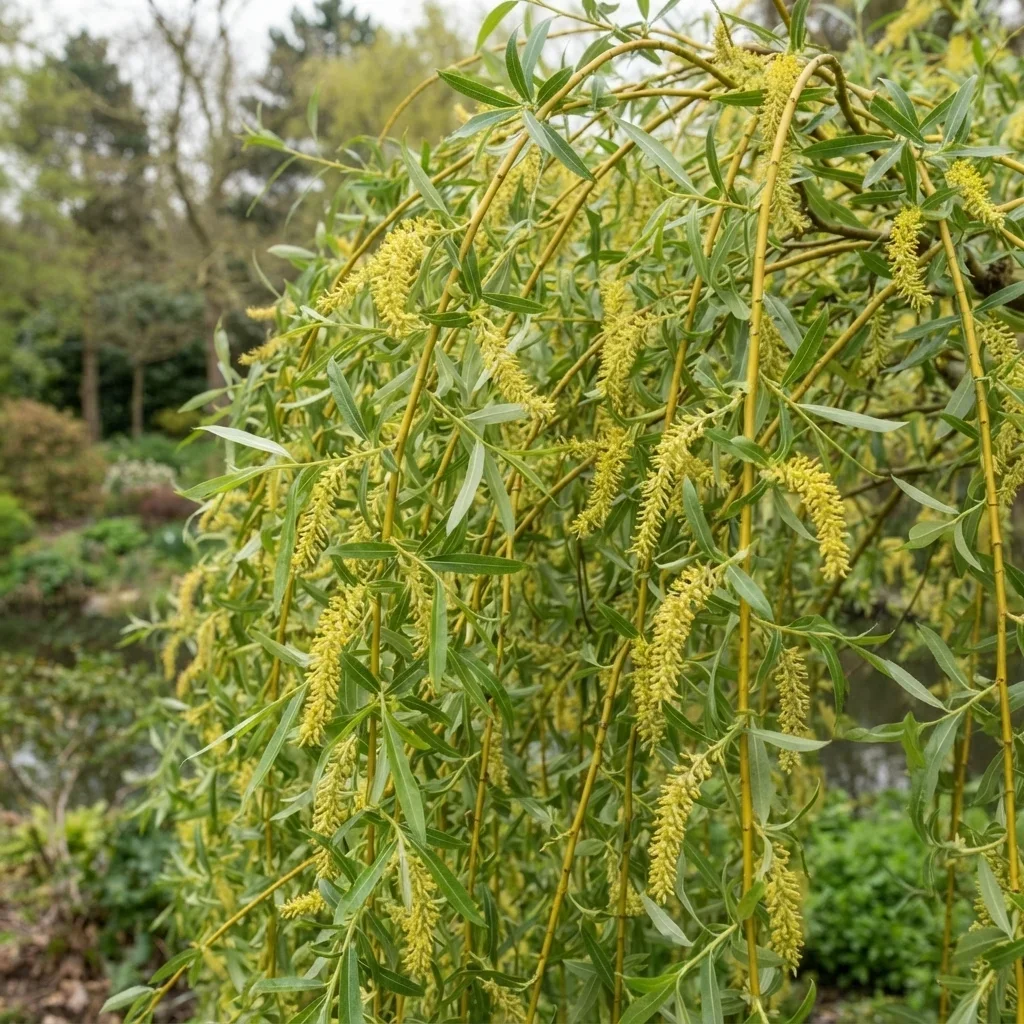
Weeping Willow
Salix x sepulcralis 'Mix'
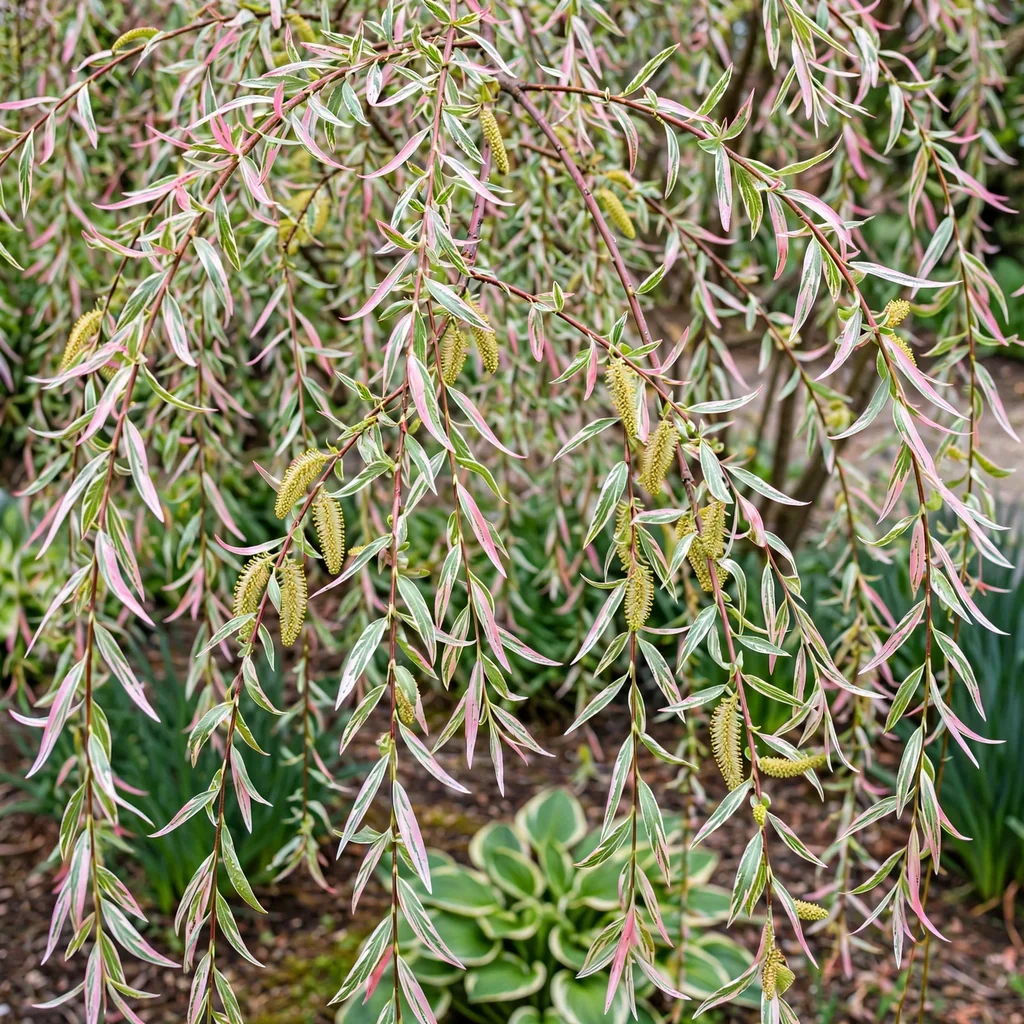
Flamingo Dappled Willow
Salix integra 'Flamingo'
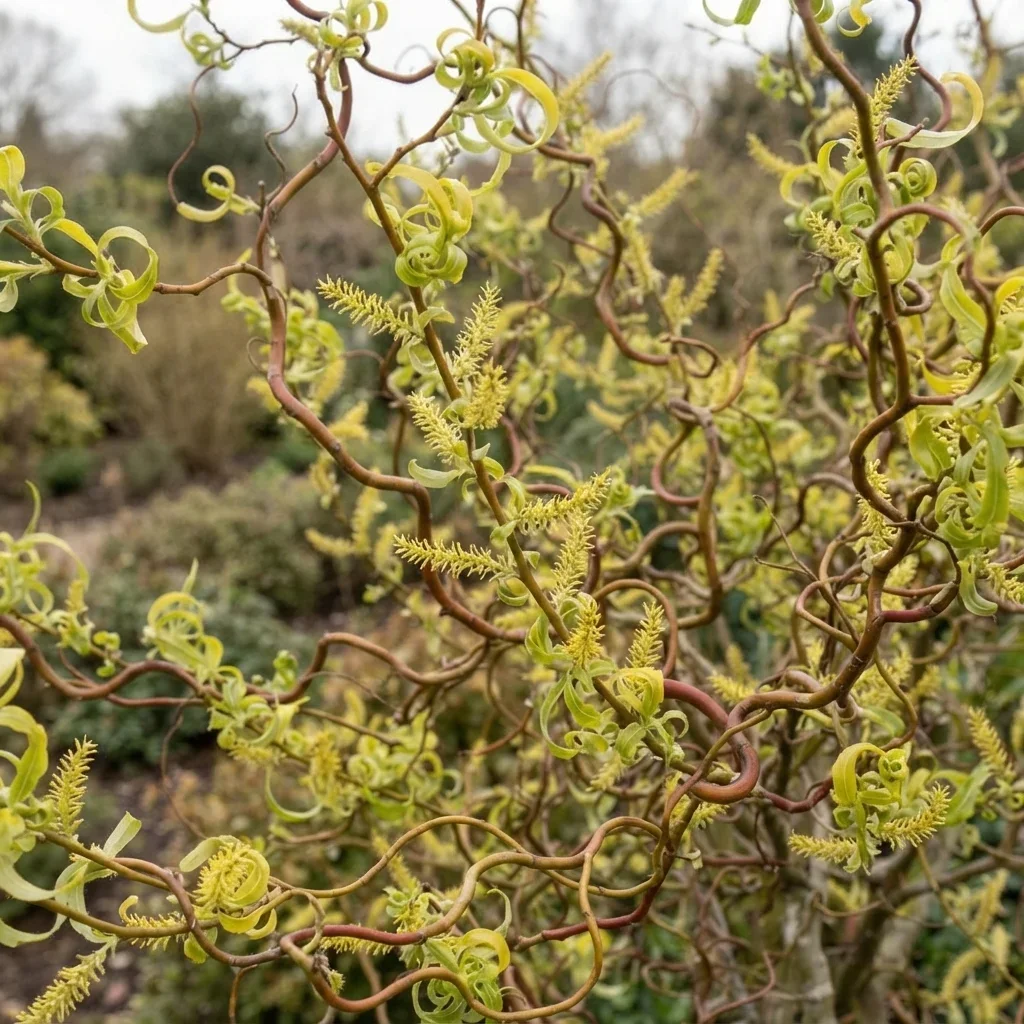
Corkscrew Willow
Salix babylonica 'Tortuosa'
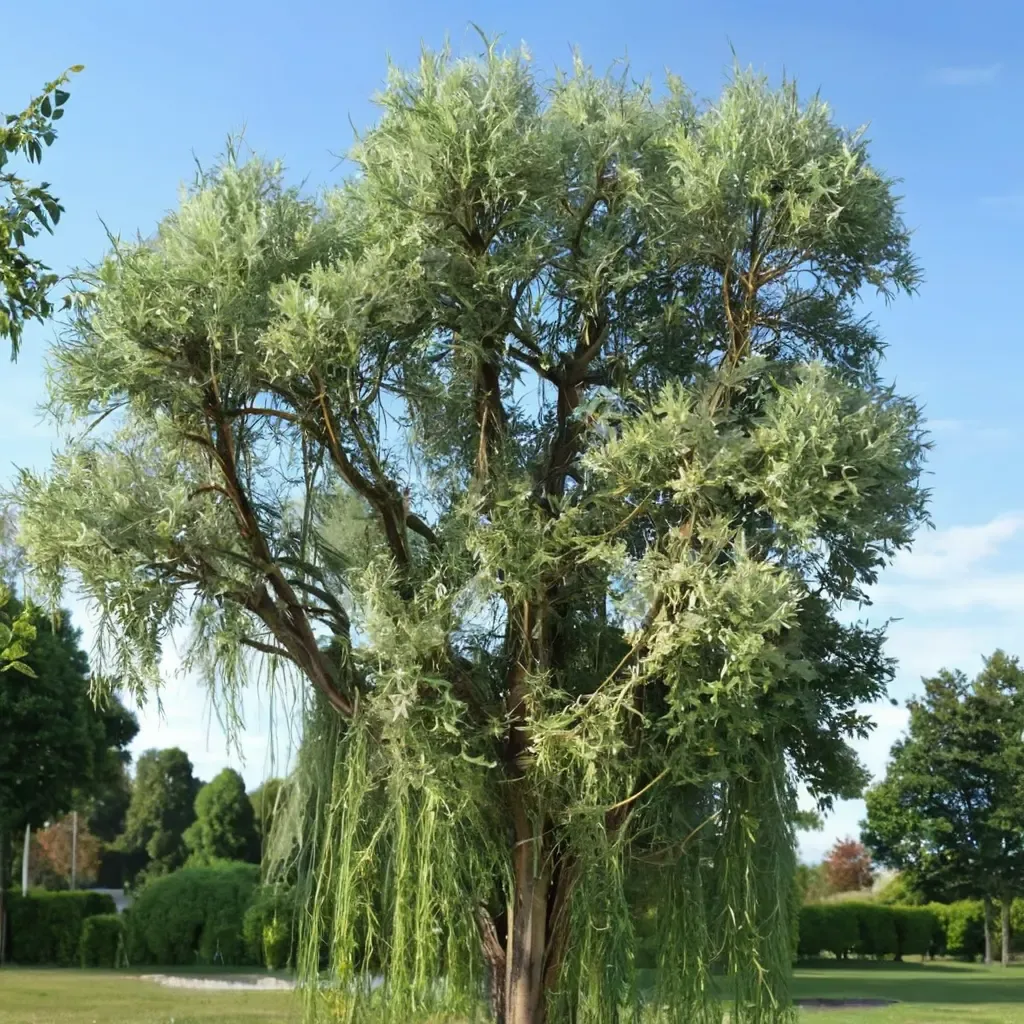
White Willow
Salix alba
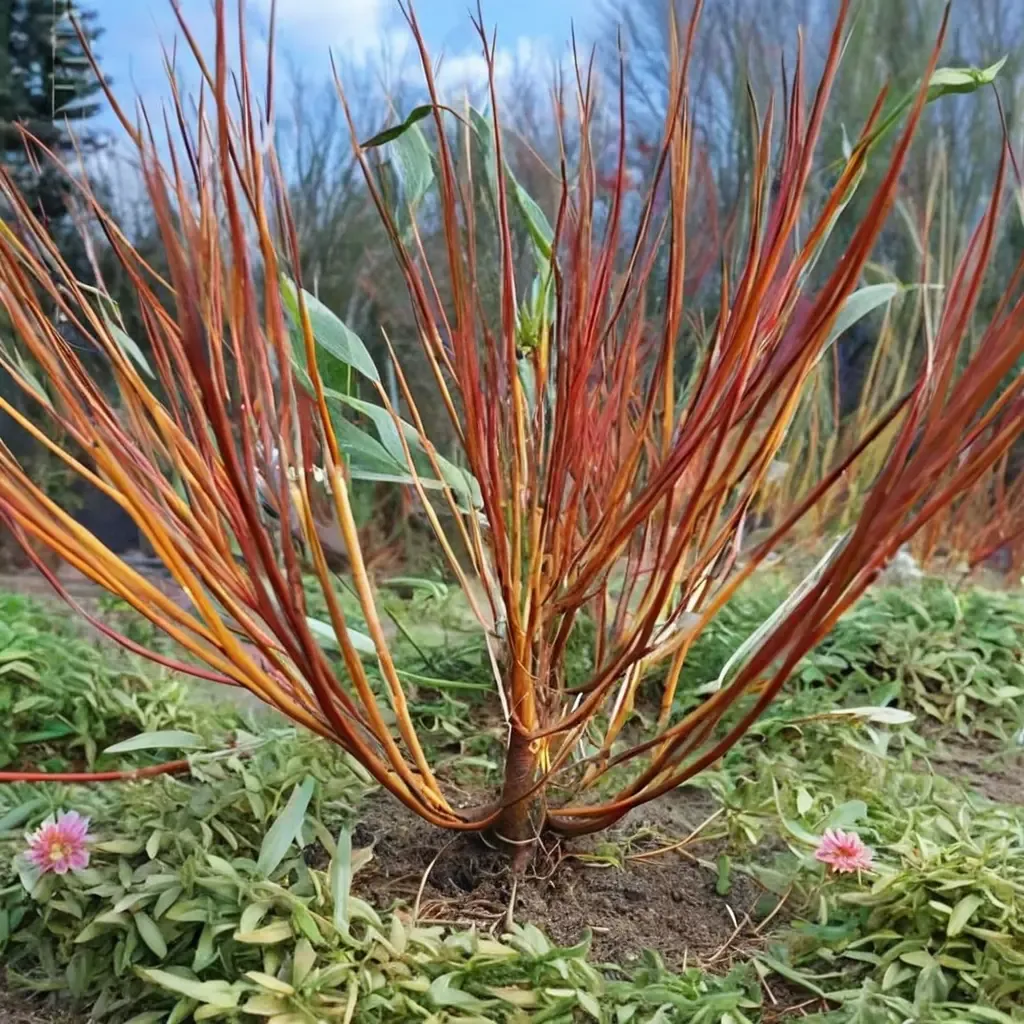
Coral Bark Willow
Salix alba 'Britzensis'
Keep exploring
Explore the genus
Hardy in your zone?
Grow Black Willow with confidence
See it in a design of your actual yard, get zone-matched care reminders, and track it season by season in your garden journal.