The Story
Plant Bio
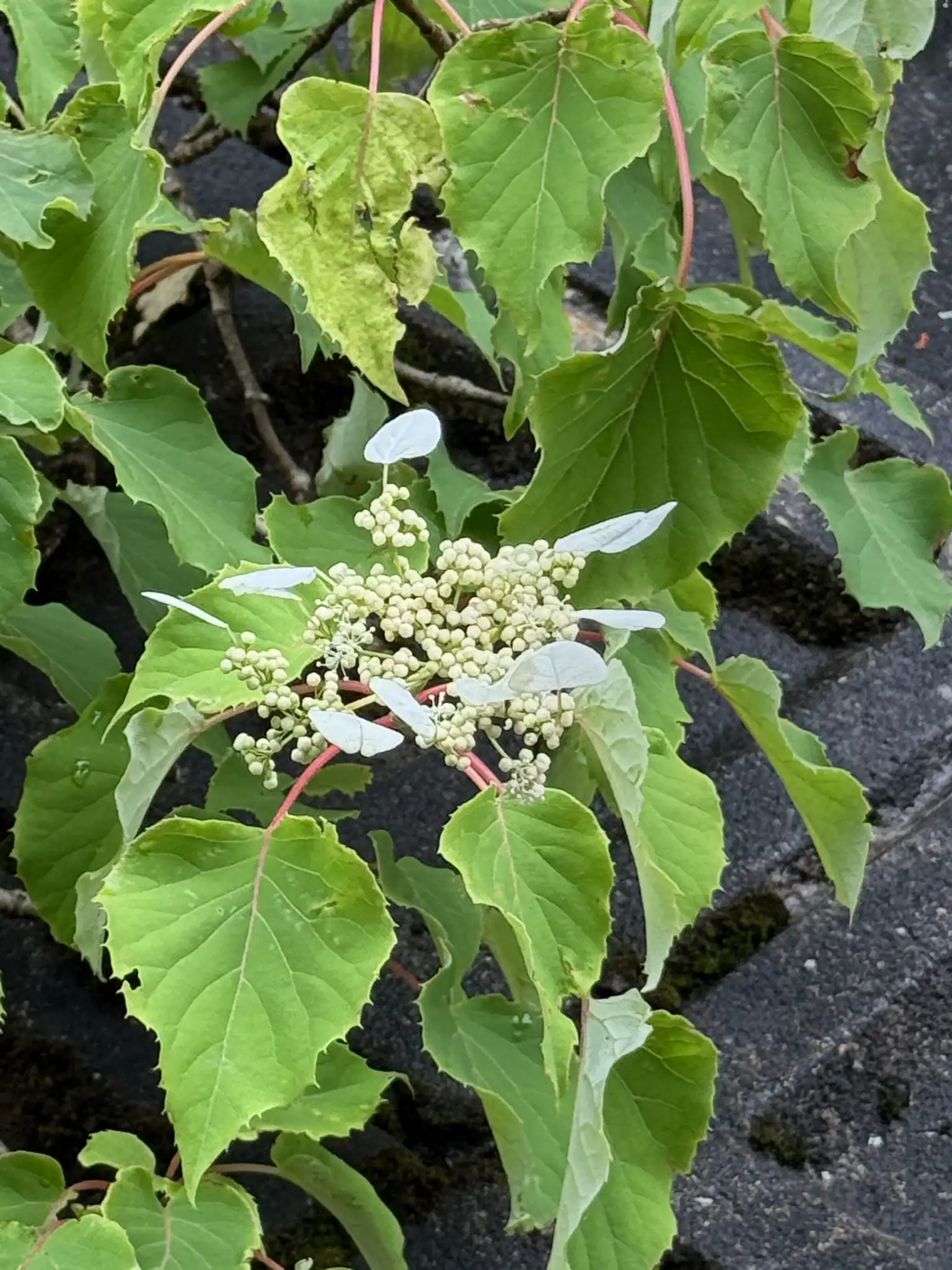
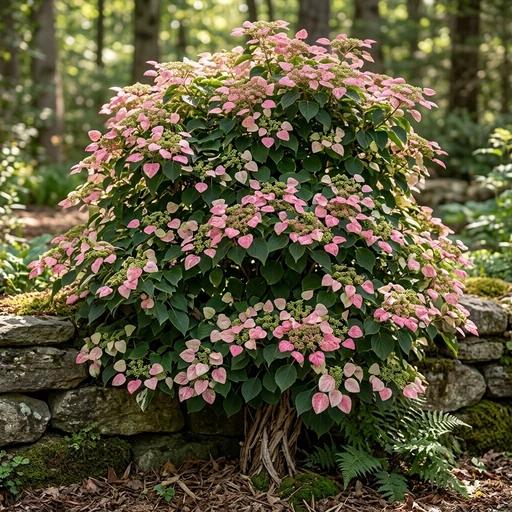
Hydrangea hydrangeoides, Japanese climbing hydrangea, is a woody deciduous climber from Korea and Japan, reaching fifteen to thirty feet by clinging aerial roots. Coarsely toothed leaves are dark above and paler beneath, flat lacecap flowerheads of cream and green open in summer, and the cinnamon-brown bark peels attractively for winter interest.
It is slow to start and then vigorous — the usual pattern is two or three years of apparently doing nothing while it roots, followed by rapid climbing, so do not give up on it early. It clings by aerial roots and needs no trellis, but those roots mark masonry and render. Grow it up a mature tree or a wall you do not mind marking.
Uses & Benefits:
Essentials
At a Glance
Plant Type
Vine
Height
300"
Width
108"
Light
Partial Sun, Shade
Zones
5, 6, 7, 8, 9
Water
Moderate
Humidity
Moderate
Lifespan
Perennial
Native To
Korea and Japan
Toxicity
Toxic if eaten, including to cats and dogs
Planting
How to Grow
- Plant in dappled to deep shade in moist soil.
- Give it a tree trunk or a solid wall to climb.
- Expect two or three years before real growth.
- Water through dry spells while establishing.
- Mulch to keep the roots cool.
- Prune lightly after flowering if needed.
Pro Tip
It sits and sulks for two or three years while it roots, then climbs fast — the slow start is normal, not failure.
Keep It Thriving
Care Guide
Do
- Give it shade and moist soil 🌑
- Let it climb a tree or solid wall 🧱
- Be patient through the slow years ⏳
- Mulch to keep roots cool 🍂
Don't
- Grow it on paintwork or soft render ❌
- Give up on it in year two ❌
- Let it dry out while establishing ❌
Seasonal Care Calendar
| Task | Jan | Feb | Mar | Apr | May | Jun | Jul | Aug | Sep | Oct | Nov | Dec |
|---|---|---|---|---|---|---|---|---|---|---|---|---|
| Mulch | ||||||||||||
| Prune |
Watch Out For
Pests & Diseases
Common Pests
Common Diseases
In the Garden
Landscape Uses & Companions
Landscape Uses
Companion Plants
Multiply
Propagation Methods
Good to Know
Common Questions
False Hydrangea Vine questions
What zones can False Hydrangea Vine grow in?
False Hydrangea Vine is hardy in USDA Zones 5–9. Inside that range it survives winter in the ground; outside it, grow it as an annual or a container plant you protect.
Is False Hydrangea Vine deer resistant?
Yes — False Hydrangea Vine is rated deer-resistant. Deer typically pass it over, though extreme hunger can override any plant's defenses.
When does False Hydrangea Vine bloom?
False Hydrangea Vine typically blooms in early summer through mid-summer. Exact timing shifts a week or two with your zone — Sow's bloom calendar maps it to your garden.
Does False Hydrangea Vine need full sun?
False Hydrangea Vine does best in part shade.
More Hydrangea to compare
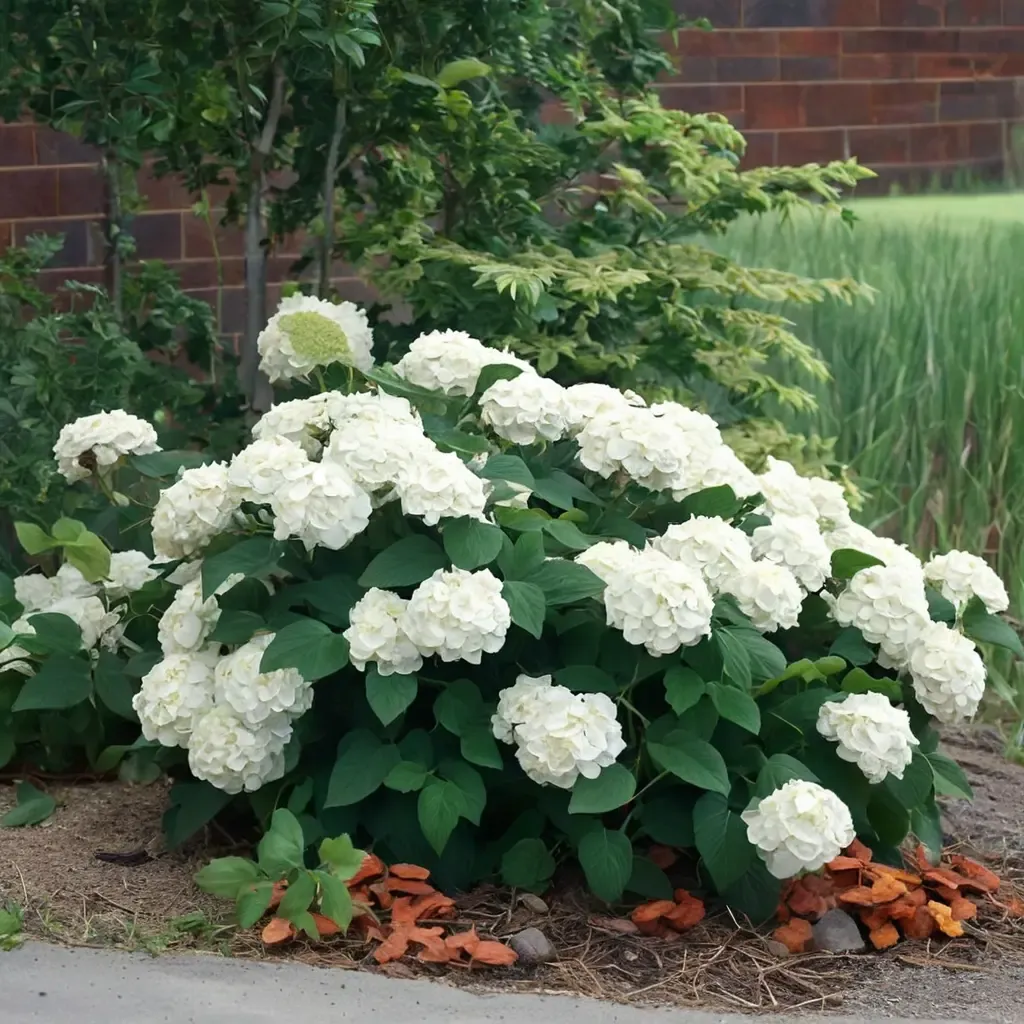
Incrediball Hydrangea
Hydrangea arborescens 'Incrediball'
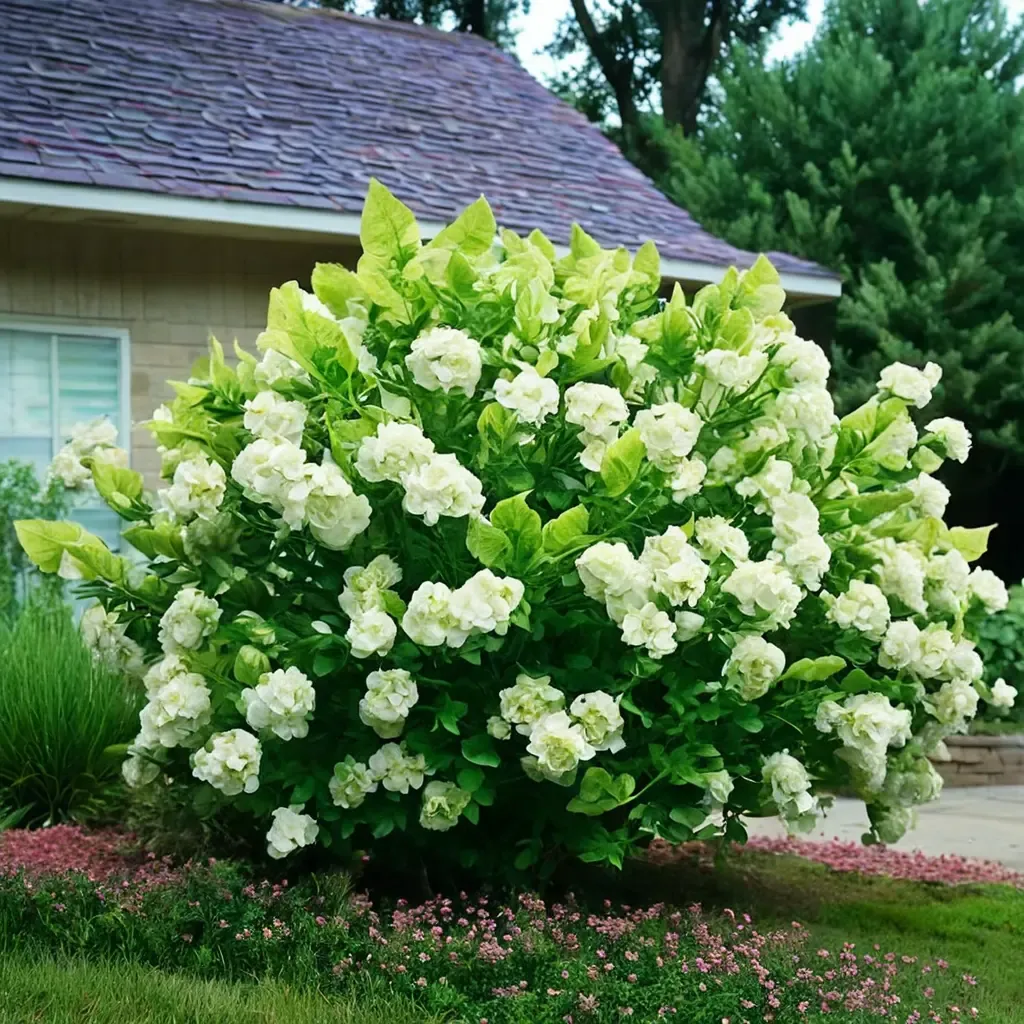
Limelight Hydrangea
Hydrangea paniculata 'Limelight'
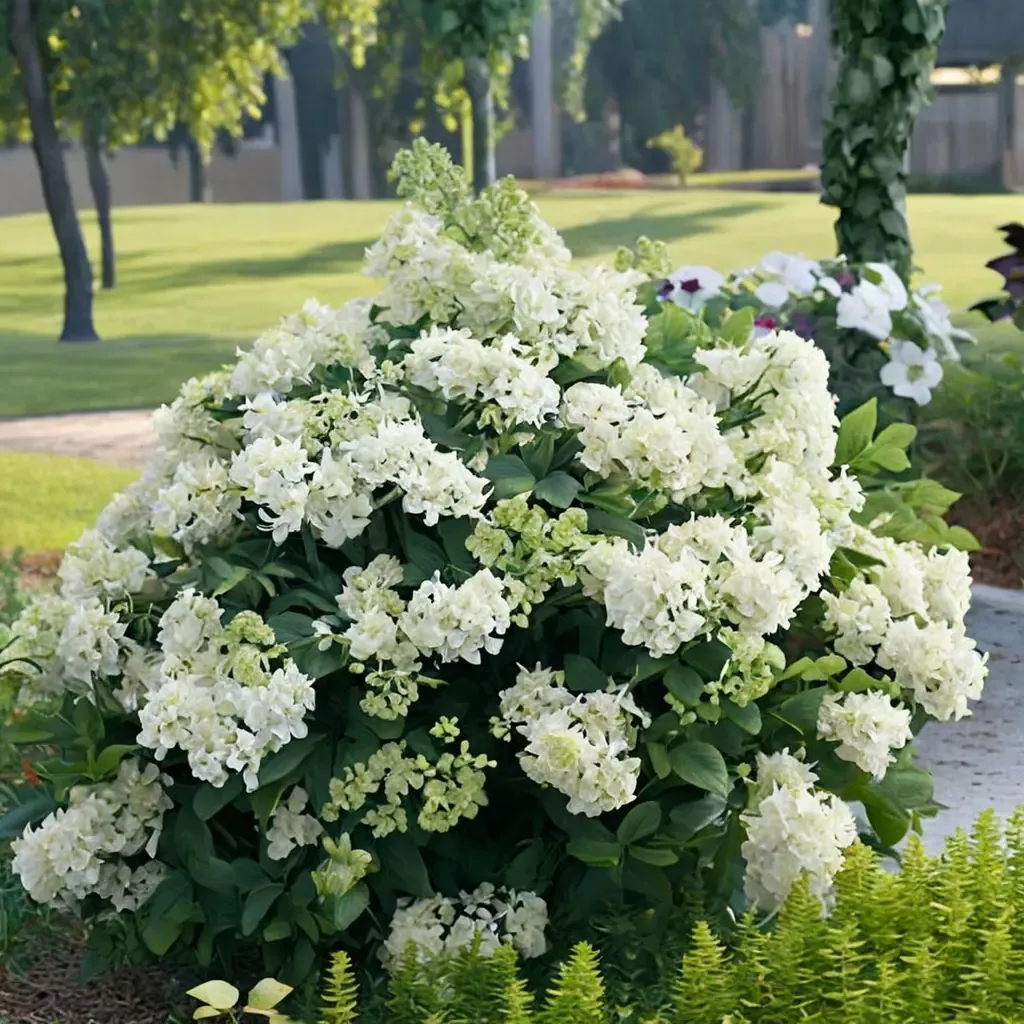
Bobo Hydrangea
Hydrangea paniculata 'ILVOBO'
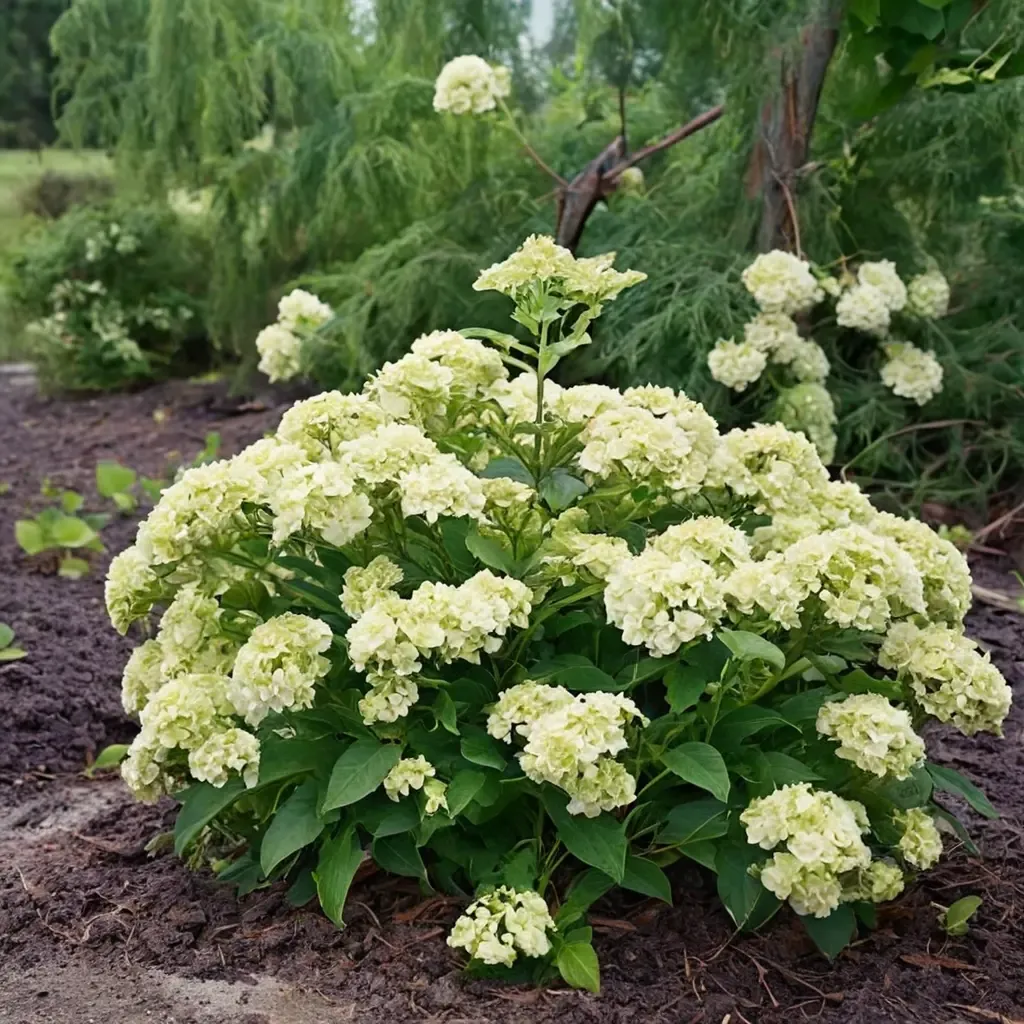
Little Lime Hydrangea
Hydrangea paniculata 'Jane'
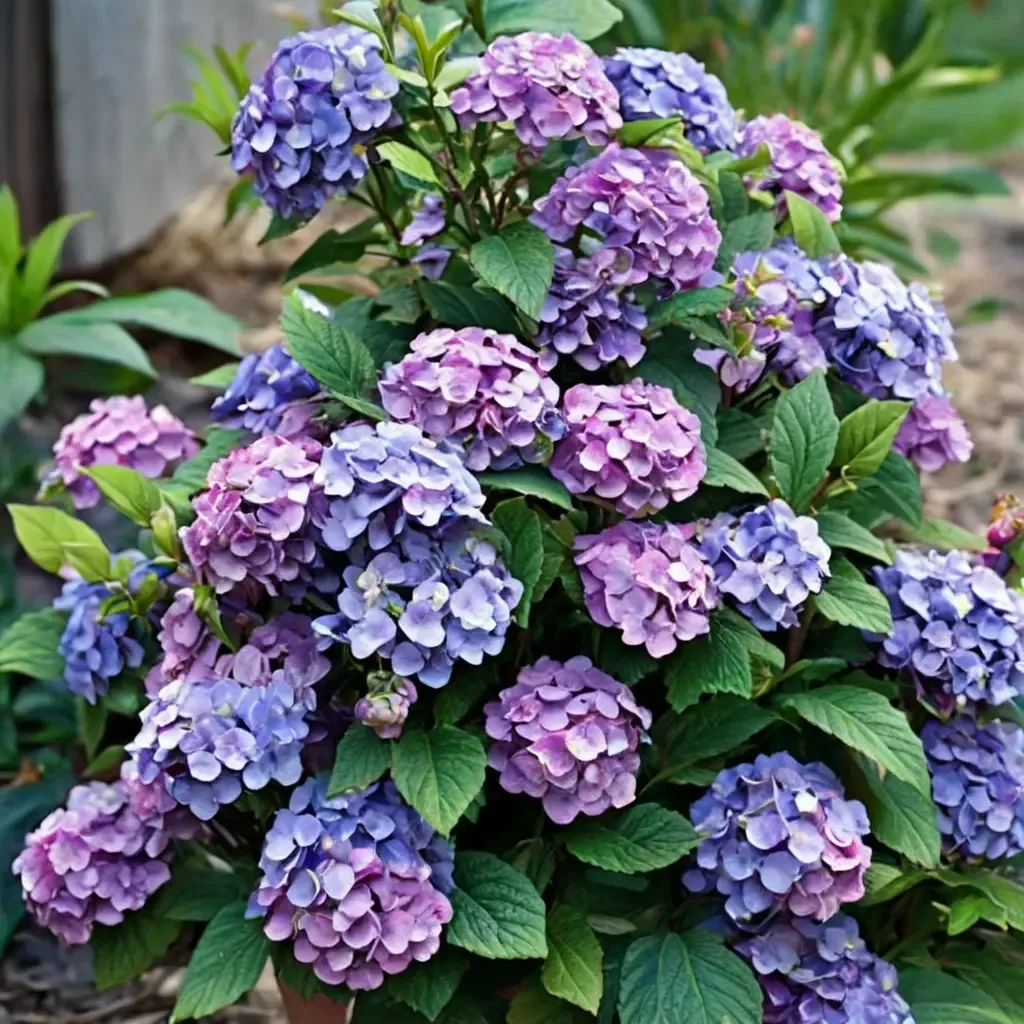
Bloomstruck Hydrangea
Hydrangea macrophylla 'Bloomstruck'
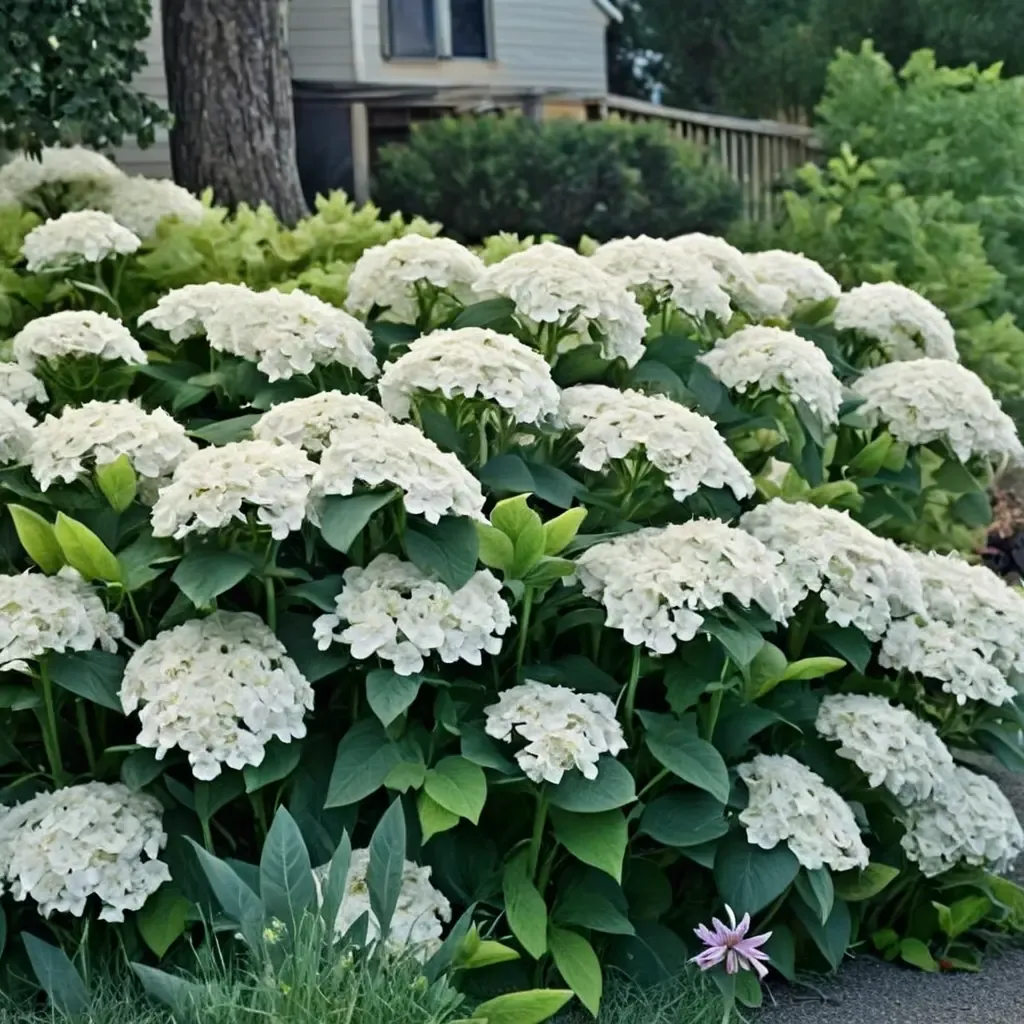
Annabelle Hydrangea Smooth Hydrangea
Hydrangea arborescens 'Annabelle'
Keep exploring
Explore the genus
Hardy in your zone?
Grow False Hydrangea Vine with confidence
See it in a design of your actual yard, get zone-matched care reminders, and track it season by season in your garden journal.