
The Story
Plant Bio
Hibiscus fragilis, the fragile hibiscus, is an upright, woody, open-branched evergreen shrub endemic to the island of Mauritius. It features alternate, ovate to elliptic green leaves with serrated margins, occasionally carrying a slight bronze-green tint on new growth.
The species produces solitary, pendulous funnel-shaped flowers axillary to the upper leaves, displaying deep pink to rose-red petals with a darker crimson center and a prominent staminal column. Flowering occurs primarily through summer and fall, though plants can bloom year-round in frost-free tropical environments.
Uses & Benefits:
Essentials
At a Glance
Plant Type
Shrub
Height
118"
Width
78"
Light
Full Sun, Partial Sun
Zones
9, 10
Water
Moderate
Humidity
High
Lifespan
Perennial
Native To
Mauritius
Toxicity
Non-toxic
Bloom period
Summer – Autumn
In flower about 6 months of the year
Planting
How to Grow
- Select a planting site with at least six hours of direct daily sunlight and excellent drainage.
- Amend heavy soils with sand or organic matter to prevent waterlogging and maintain a pH between 6.0 and 7.5.
- Water regularly to keep the soil consistently moist but never saturated, especially during the active growing season.
- Apply a balanced, slow-release fertilizer monthly throughout spring and summer to support continuous blooming.
Pro Tip
Prune lightly in early spring to maintain shape and encourage branching; cutting hard into old, leafless woody stems will fail to activate dormant buds and can kill the branch.
Keep It Thriving
Care Guide
Do
- Provide a sheltered position protected from harsh, salt-laden coastal winds.
- Bring container-grown specimens indoors or into a greenhouse when temperatures drop near freezing.
- Monitor soil moisture closely, as the root system is highly sensitive to both drying out and waterlogging.
Don't
- Do not overwater or plant in heavy clay soils, which rapidly induces Phytophthora root rot.
- Do not prune heavily into old, bare wood lacking active leaves.
- Do not expose the plant to freezing temperatures, as frost tolerance is extremely low.
Seasonal Care Calendar
| Task | Jan | Feb | Mar | Apr | May | Jun | Jul | Aug | Sep | Oct | Nov | Dec |
|---|---|---|---|---|---|---|---|---|---|---|---|---|
| Fertilize | ||||||||||||
| Pest Check | ||||||||||||
| Prune | ||||||||||||
| Winter Prep |
Watch Out For
Pests & Diseases
Common Pests
Common Diseases
In the Garden
Landscape Uses & Companions
Landscape Uses
Companion Plants
Multiply
Propagation Methods
Good to Know
Common Questions
Fragile Hibiscus questions
What zones can Fragile Hibiscus grow in?
Fragile Hibiscus is hardy in USDA Zones 9–10. Inside that range it survives winter in the ground; outside it, grow it as an annual or a container plant you protect.
When does Fragile Hibiscus bloom?
Fragile Hibiscus typically blooms in summer through autumn. Exact timing shifts a week or two with your zone — Sow's bloom calendar maps it to your garden.
Does Fragile Hibiscus need full sun?
Fragile Hibiscus does best in full sun to part shade. In hot climates, afternoon shade keeps blooms fresher longer.
More Hibiscus to compare
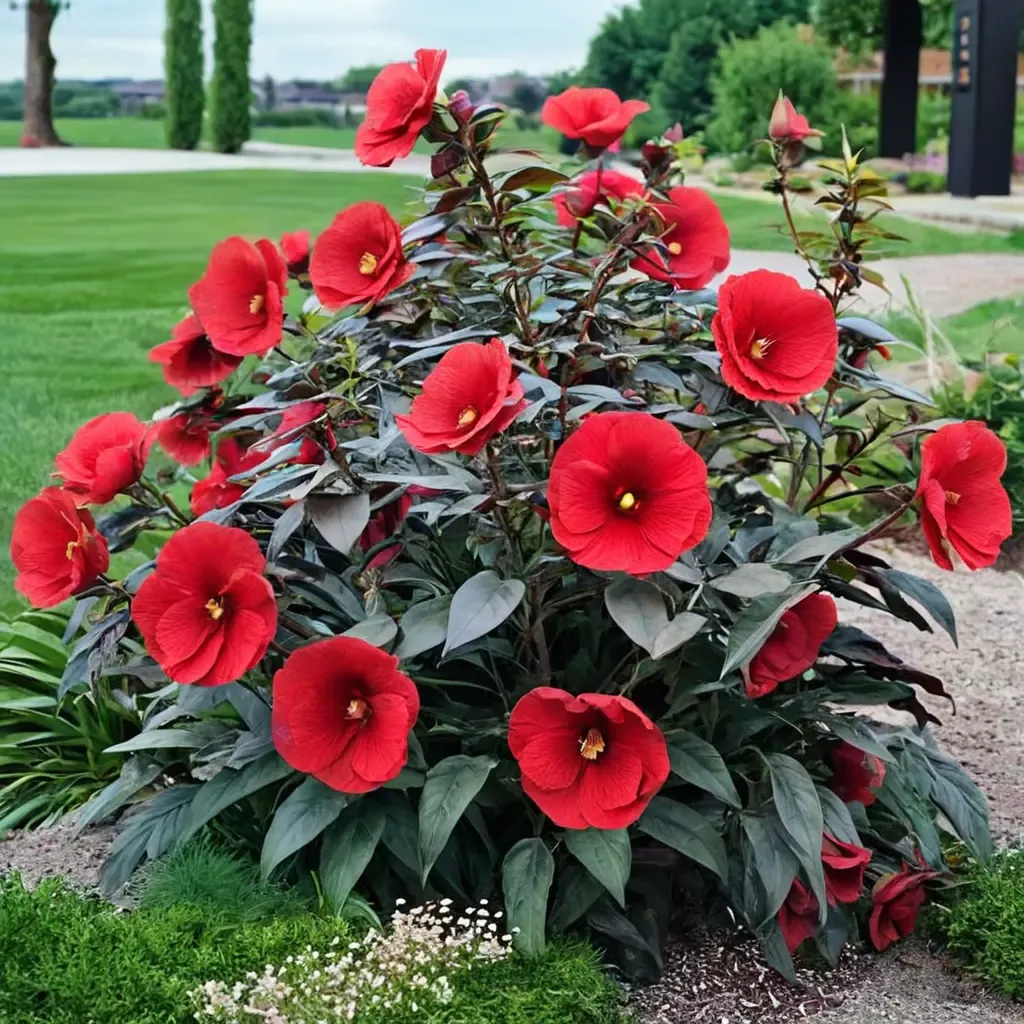
Midnight Marvel Swamp Hibiscus
Hibiscus moscheutos 'Midnight Marvel'
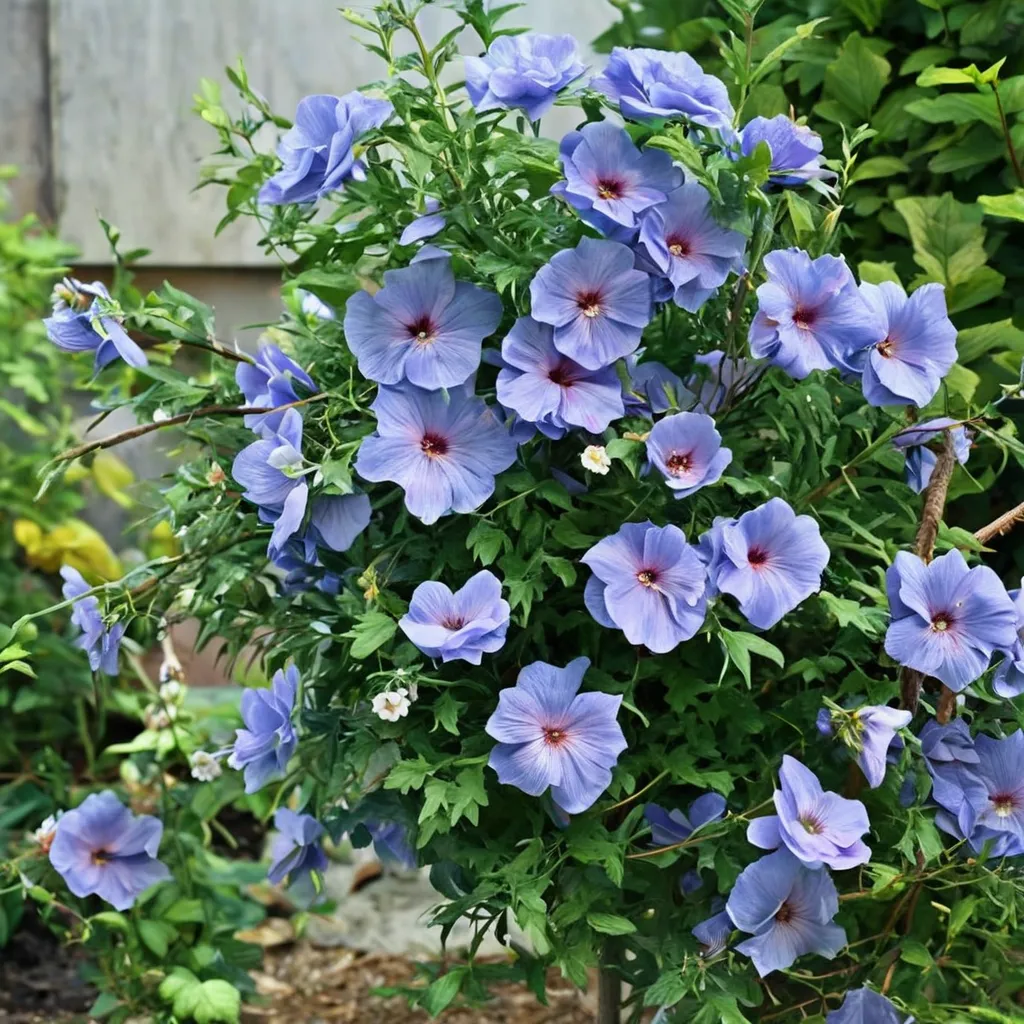
Rose of Sharon Hibiscus
Hibiscus syriacus 'Azurri Blue Satin'
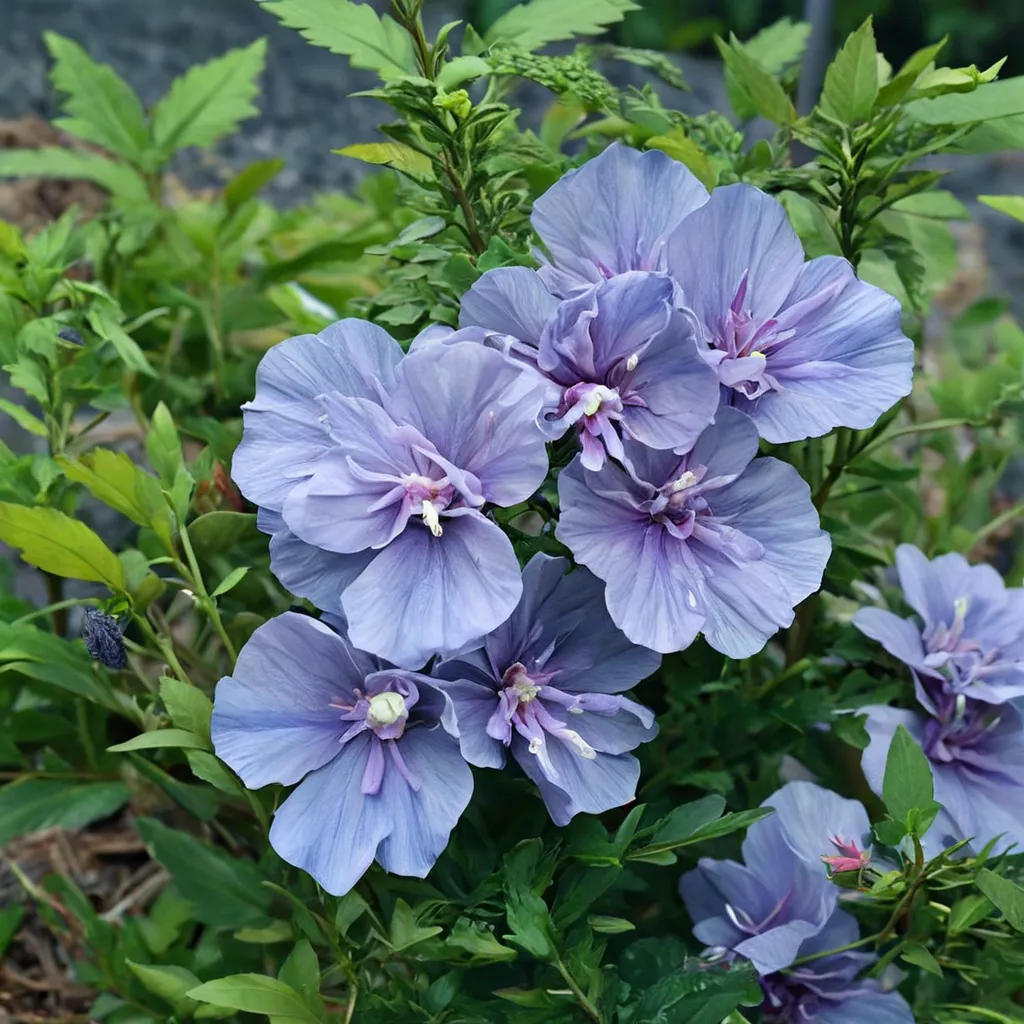
Blue Chiffon Rose of Sharon
Hibiscus syriacus 'Blue Chiffon'
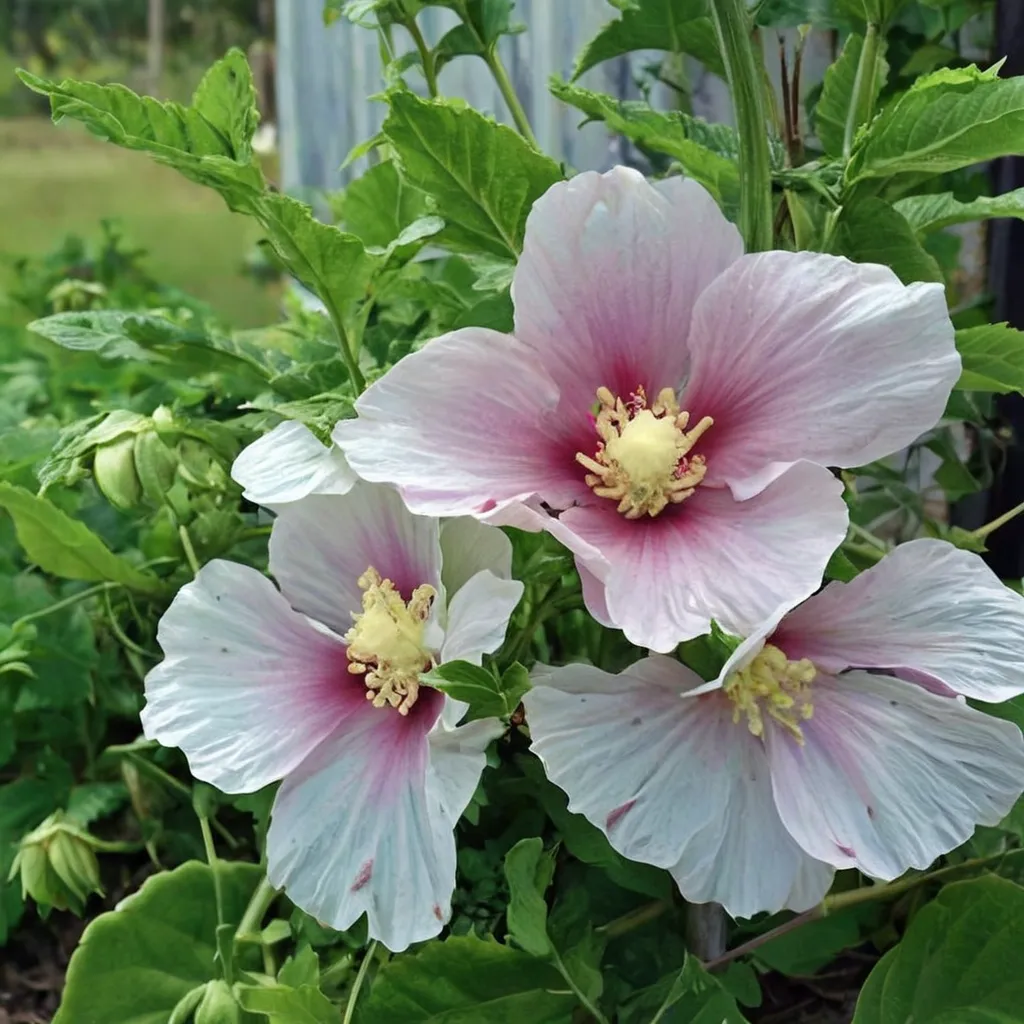
Confederate Rose
Hibiscus paramutabilis
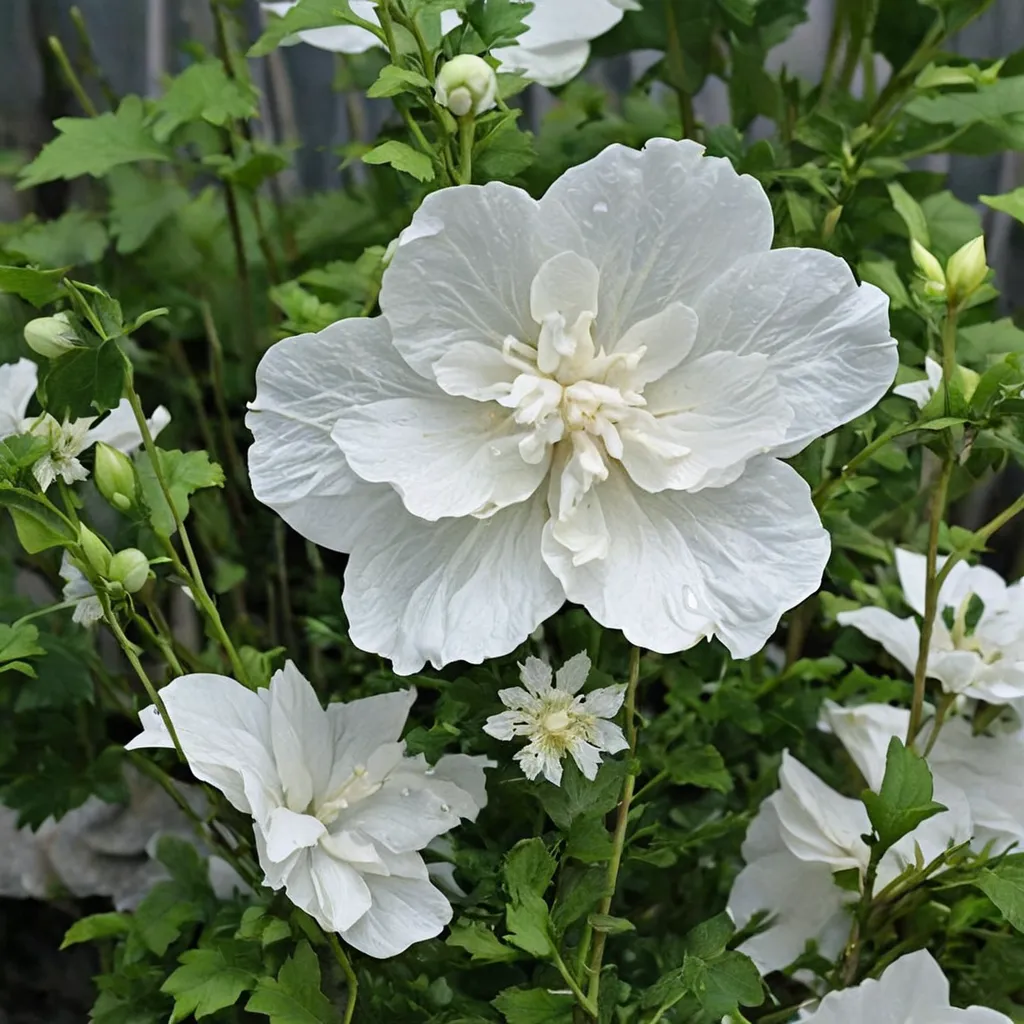
White Chiffon Hibiscus
Hibiscus syriacus 'White Chiffon'
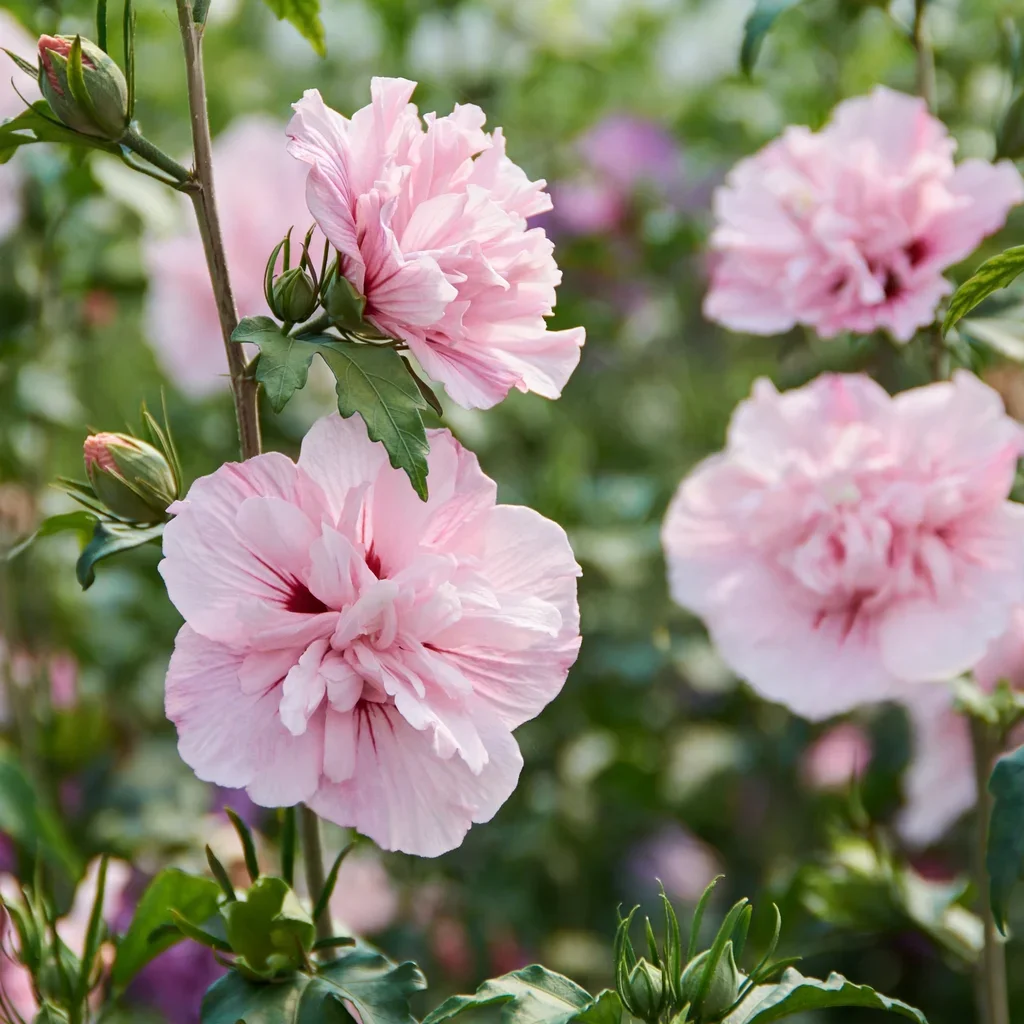
Pink Chiffon Rose of Sharon
Hibiscus syriacus 'Pink Chiffon'
Keep exploring
Explore the genus
Hardy in your zone?
Grow Fragile Hibiscus with confidence
See it in a design of your actual yard, get zone-matched care reminders, and track it season by season in your garden journal.