Also known as Bird of Paradise · 28 saves
Strelitzia
Strelitzia, the genus most gardeners know as bird of paradise. We track 3 varieties; the ones most used by real gardeners.
The 2 most-saved Strelitzia varieties
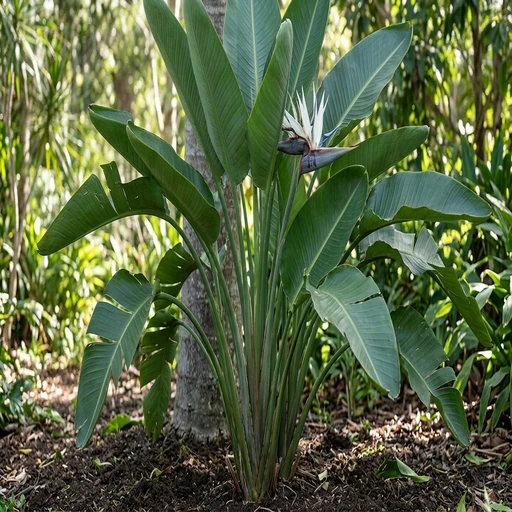
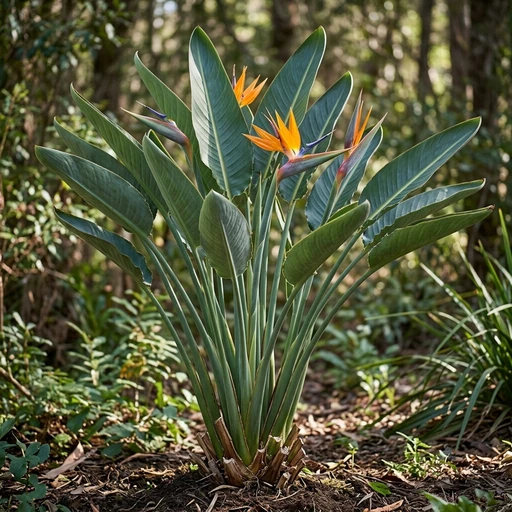
Browse all 3 Strelitzia varieties →
Species of Strelitzia
Each one is a parent of the varieties above.
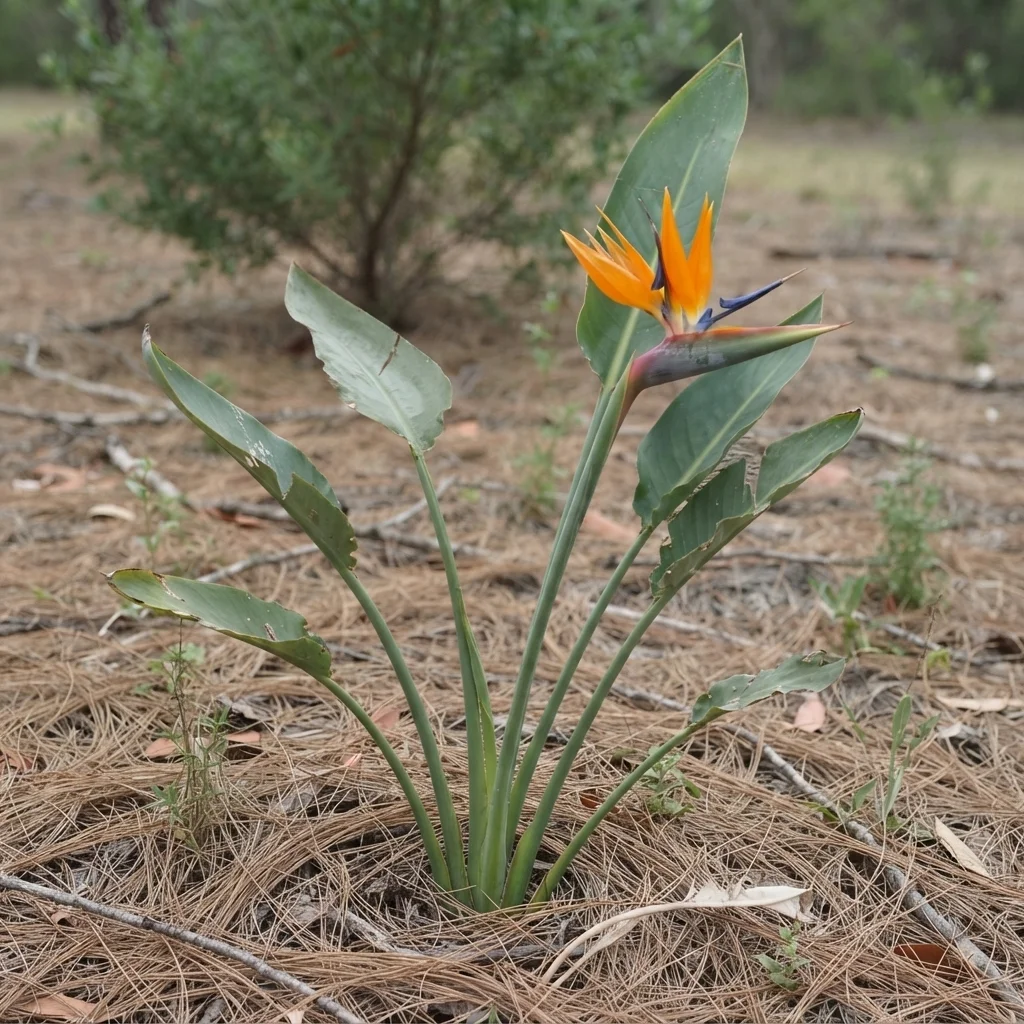
Track your Strelitzia in Sow
Save the Strelitzia you grow and get care reminders timed to your zone.
How to grow Strelitzia
Whats common across all Strelitzia varieties in our catalog — drawn from the care records of the 3 most-grown of them.
The Strelitzia year
- FertilizeApril–September100% of varieties
Feed monthly with a balanced liquid fertilizer during the growing season.
- Check for PestsJanuary–December100% of varieties
Regularly inspect for scale, mealybugs, and spider mites, especially indoors.
- PruneMarch, April and October67% of varieties
Remove any dead or damaged leaves at the base as they appear.


Do
- Allow soil to dry out slightly between waterings.
- Provide high humidity by misting or using a humidifier.
- Rotate the plant periodically for even growth if grown indoors.
- Clean leaves regularly to prevent dust buildup and pests.
- Prune spent flower stalks and dead, tattered leaves cleanly at the base of the plant.
Avoid
- Do not let the plant sit in waterlogged soil.
- Avoid placing it in direct, harsh afternoon sun which can scorch leaves.
- Don't be alarmed by splitting leaves; it's a natural adaptation to wind.
- Avoid cold drafts and temperatures below 50°F (10°C).
What goes wrong with Strelitzia
| Problem | What you'll see | What to do |
|---|---|---|
| Mealybugs | White, cottony masses in leaf axils and on undersides of leaves. | Spot treat with rubbing alcohol. Release beneficial insects like ladybugs. Use an insecticide containing pyrethrins for persistent problems. |
| Scale | Small, brown, immobile bumps on stems and leaves, causing yellowing. | Wipe off with a cotton swab dipped in rubbing alcohol. For heavier infestations, use horticultural oil or an insecticidal soap. |
| Scale insects | Small, hard, brown bumps on the undersides of leaves and stems, accompanied by sticky honeydew. | Apply horticultural oils or insecticidal soaps directly to the affected areas, or use systemic treatments for severe infestations. |
| Scale Insects | Small, hard, brown bumps on stems and leaves; sticky honeydew. | Wipe off with a cotton swab dipped in rubbing alcohol; apply horticultural oil. |
| Root Rot | Yellowing lower leaves, mushy stems at the base, and stunted growth. | Caused by overwatering. Allow soil to dry completely. Repot into fresh, well-draining soil, trimming any black, mushy roots. Ensure pot has drainage holes. |
| Root rot | Wilting, yellowing leaves and mushy, black roots despite wet soil. | Withhold water immediately, improve soil drainage, and prune away damaged roots before replanting in fresh soil. |
| Fungal leaf spot | Brown or black spots with yellow halos appearing on the foliage. | Remove and destroy infected leaves, avoid overhead watering, and ensure good air circulation. |
Making more Strelitzia
Division
- Best done in spring on a mature, multi-stemmed plant.
- Carefully remove the plant from its pot.
- Use a sharp, clean knife to separate a section with roots.
- Repot the divisions into separate containers and water well.
Clump Division
- Dig up a mature clump in spring, taking care not to damage the thick, succulent roots.
- Use a sharp, clean knife to divide the rhizome into sections, ensuring each division has at least one strong fan of leaves.
- Plant the divisions in pots or prepared garden beds at the same depth they were previously growing.
- Keep the soil lightly moist but not soggy until new root systems establish.
Strelitzia questions
How many types of Strelitzia are there?
The Sow catalog tracks 3 distinct Strelitzia varieties. The most popular — ranked by 28 real gardeners — are shown first above.
What zones does Strelitzia grow in?
Across its varieties, Strelitzia covers USDA Zones 10–10. Individual varieties differ — each plant page lists its exact range, and Sow filters the catalog to your zone automatically.
When does Strelitzia bloom?
Most Strelitzia varieties bloom in early summer, late winter. Staggering early, mid, and late varieties extends the genus's season in one bed.
Which Strelitzia should I choose?
Start from the most-saved varieties above — popularity across thousands of gardens is a strong signal of reliability — then filter by your zone and sun. In the Sow app you can preview any of them in a photo of your actual yard before you buy.