The Story
Plant Bio
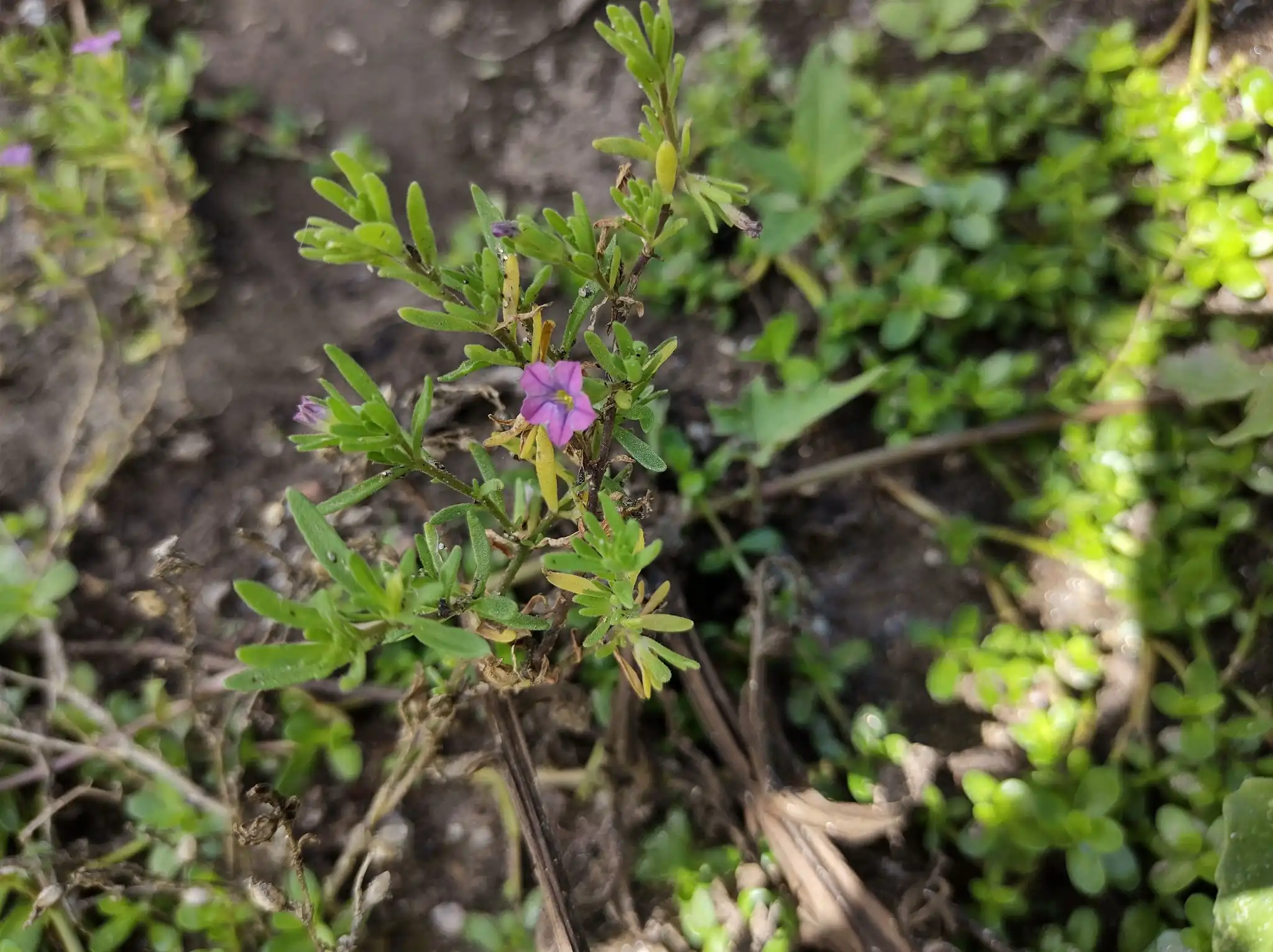
Calibrachoa parviflora, the seaside petunia, is a prostrate, mat-forming herbaceous perennial native to the southwestern United States and Mexico, spreading up to two feet wide via creeping stems that root at the nodes. Throughout the warmer months, it produces a continuous display of small, funnel-shaped flowers in shades of deep pink to violet-purple with pale throats.
Unlike modern sterile hybrids, this wild species freely sets viable seed and can spread aggressively in damp, warm microclimates. The fleshy, narrow foliage is covered in sticky, glandular hairs that release a distinct texture when handled.
Uses & Benefits:
Essentials
At a Glance
Plant Type
Groundcover
Height
10"
Width
24"
Light
Full Sun
Zones
9, 10
Water
Moderate
Humidity
Moderate
Lifespan
Short-lived perennial or annual
Native To
Americas (North, Central, and South America)
Toxicity
Toxic if ingested in large quantities
Bloom period
Spring – Fall
In flower about 9 months of the year
Planting
How to Grow
- Select a site in full sun with exceptionally well-draining soil, or prepare a container with a high-quality, free-draining potting mix.
- Plant in spring after all danger of frost has passed, incorporating a balanced, slow-release fertilizer into the planting hole.
- Water regularly to establish the root system, allowing the top inch of soil to dry out between waterings to prevent rot.
- Apply a diluted liquid fertilizer every one to three weeks during the peak summer bloom period to sustain flowering.
- Trim back excessively long or leggy stems lightly after a heavy flush of flowers to encourage fresh branching.
Pro Tip
Avoid cutting back into old, leafless woody stems when trimming leggy growth, as recovery from old wood is extremely slow.
Keep It Thriving
Care Guide
Do
- Provide full sun to maximize flower production and maintain a compact growth habit.
- Ensure excellent soil drainage to protect the sensitive root system from rot.
- Wash hands after handling the sticky, glandular foliage to avoid mild skin irritation.
Don't
- Do not overwater or allow the plant to sit in waterlogged, heavy clay soils.
- Avoid heavy pruning into old, leafless woody stems.
- Do not crowd plants in humid climates, as poor airflow encourages powdery mildew.
Seasonal Care Calendar
| Task | Jan | Feb | Mar | Apr | May | Jun | Jul | Aug | Sep | Oct | Nov | Dec |
|---|---|---|---|---|---|---|---|---|---|---|---|---|
| Fertilize | ||||||||||||
| Pest Check | ||||||||||||
| Plant | ||||||||||||
| Prune |
Watch Out For
Pests & Diseases
Common Pests
Common Diseases
In the Garden
Landscape Uses & Companions
Landscape Uses
Companion Plants
Multiply
Propagation Methods
Good to Know
Common Questions
Seaside Petunia questions
What zones can Seaside Petunia grow in?
Seaside Petunia is hardy in USDA Zones 9–10. Inside that range it survives winter in the ground; outside it, grow it as an annual or a container plant you protect.
When does Seaside Petunia bloom?
Seaside Petunia typically blooms in spring through fall. Exact timing shifts a week or two with your zone — Sow's bloom calendar maps it to your garden.
Does Seaside Petunia need full sun?
Seaside Petunia does best in full sun (6+ hours).
Is Seaside Petunia drought tolerant?
Yes — once established (usually after the first full season), Seaside Petunia handles dry spells with minimal watering. Water deeply its first year to build the root system that makes that possible.
More Calibrachoa to compare
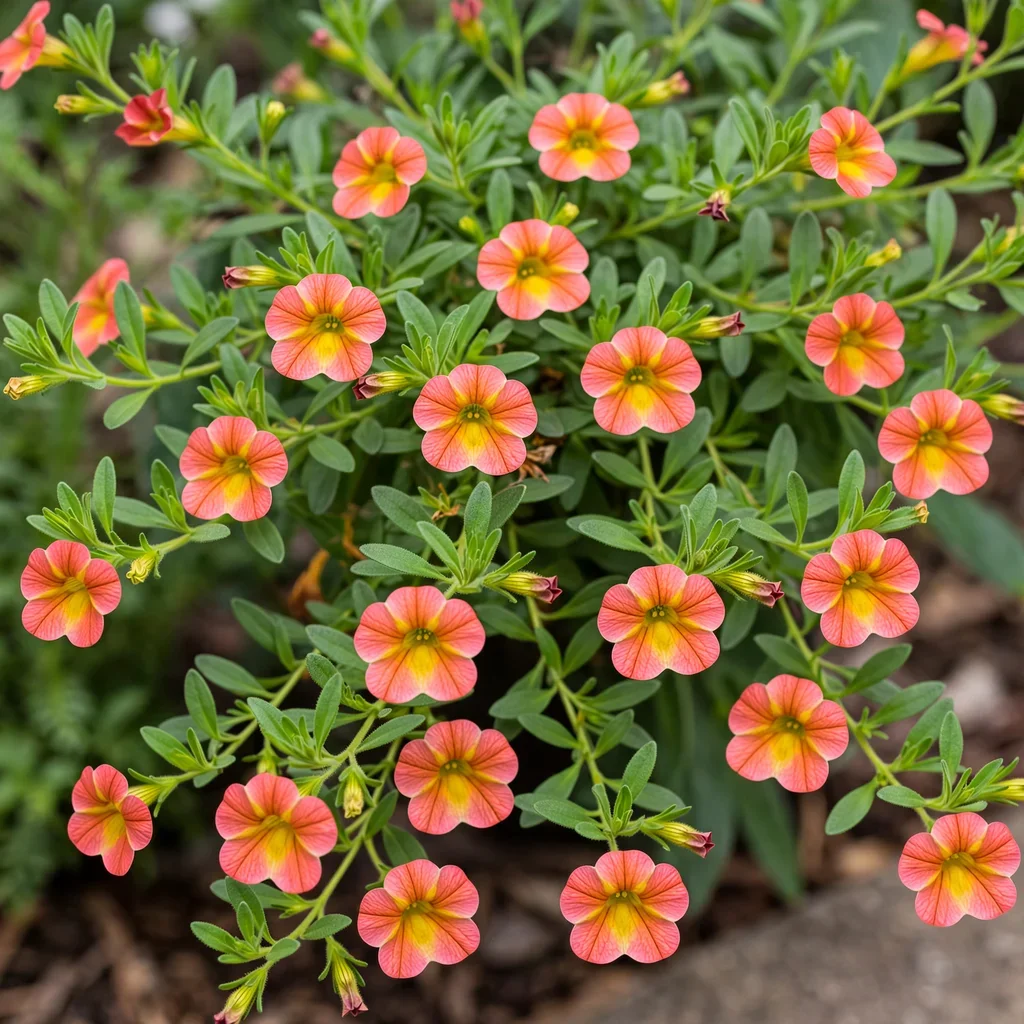
Superbells Coral Sun
Calibrachoa x hybrida 'Superbells Coral Sun'
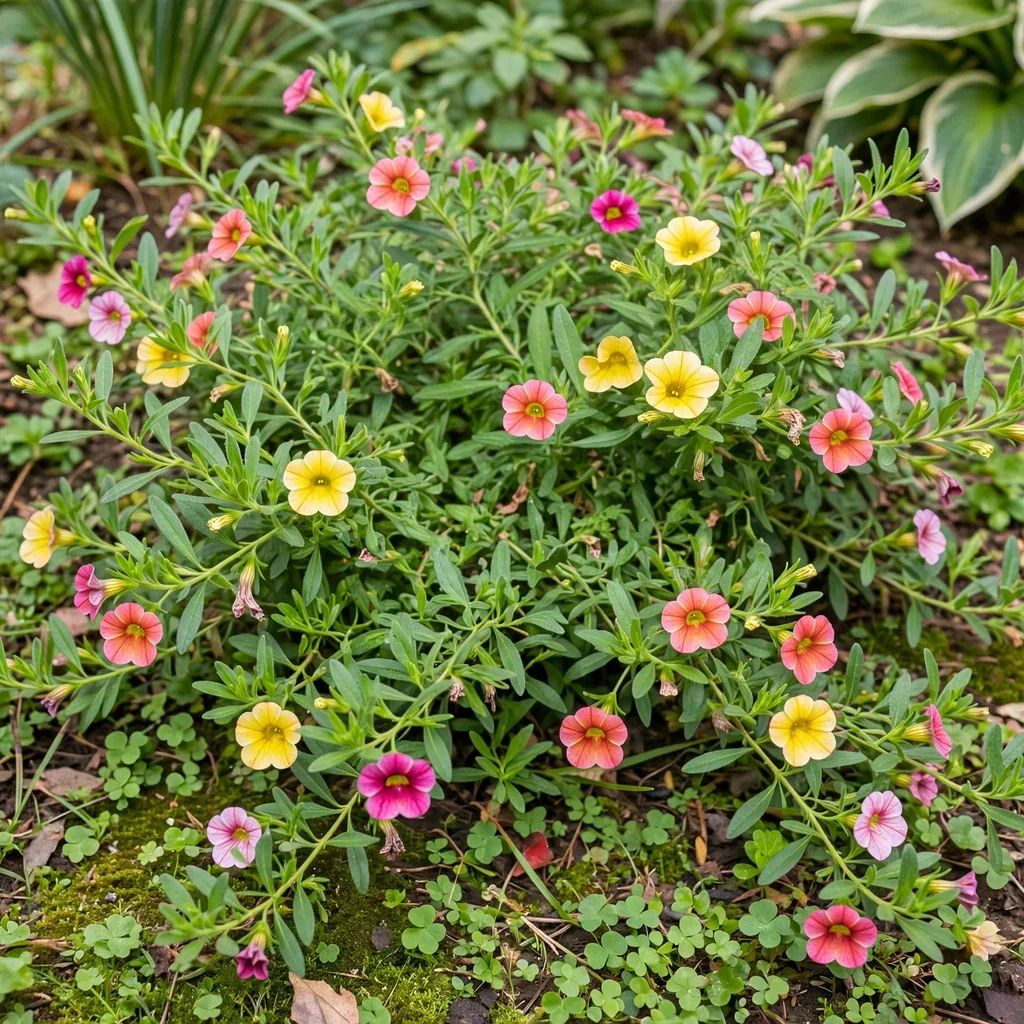
Calibrachoa Mix
Calibrachoa x hybrida 'Mix'
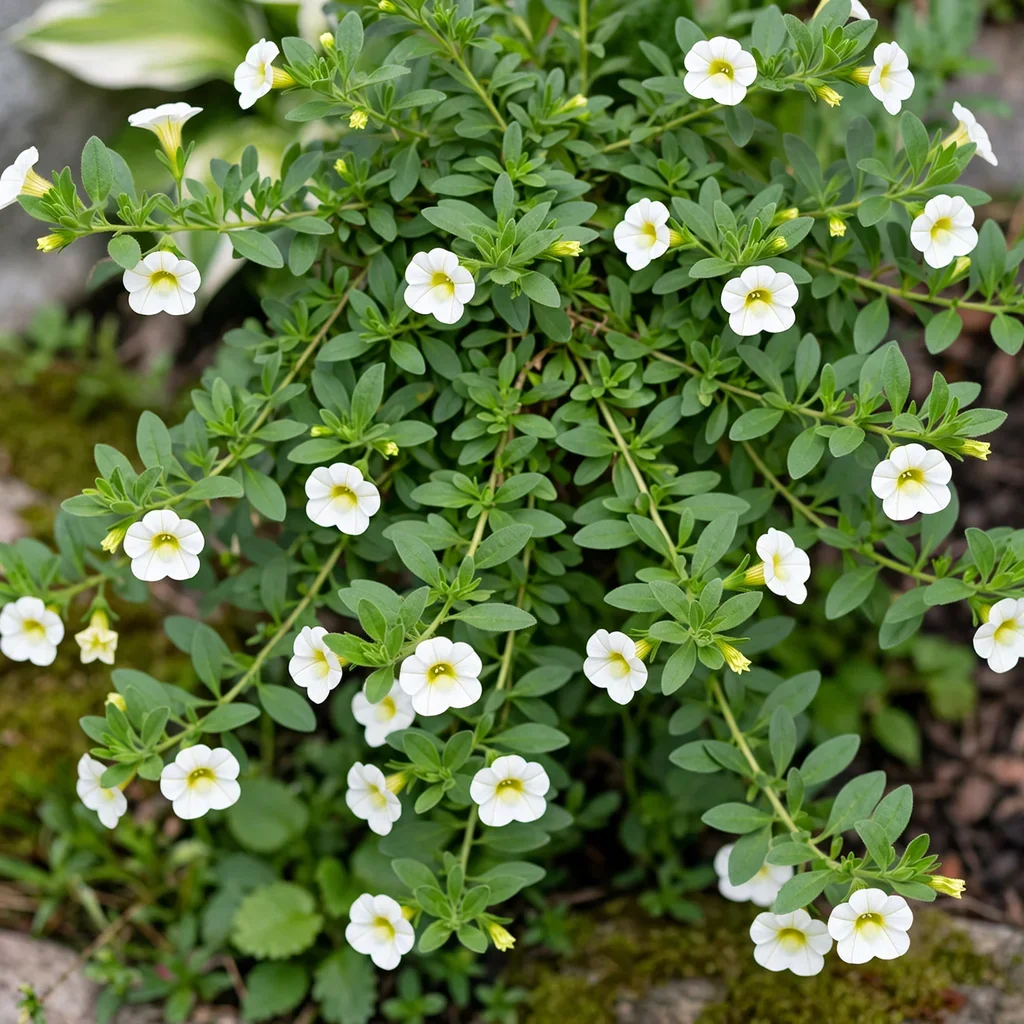
White Million Bells
Calibrachoa x hybrida 'White'
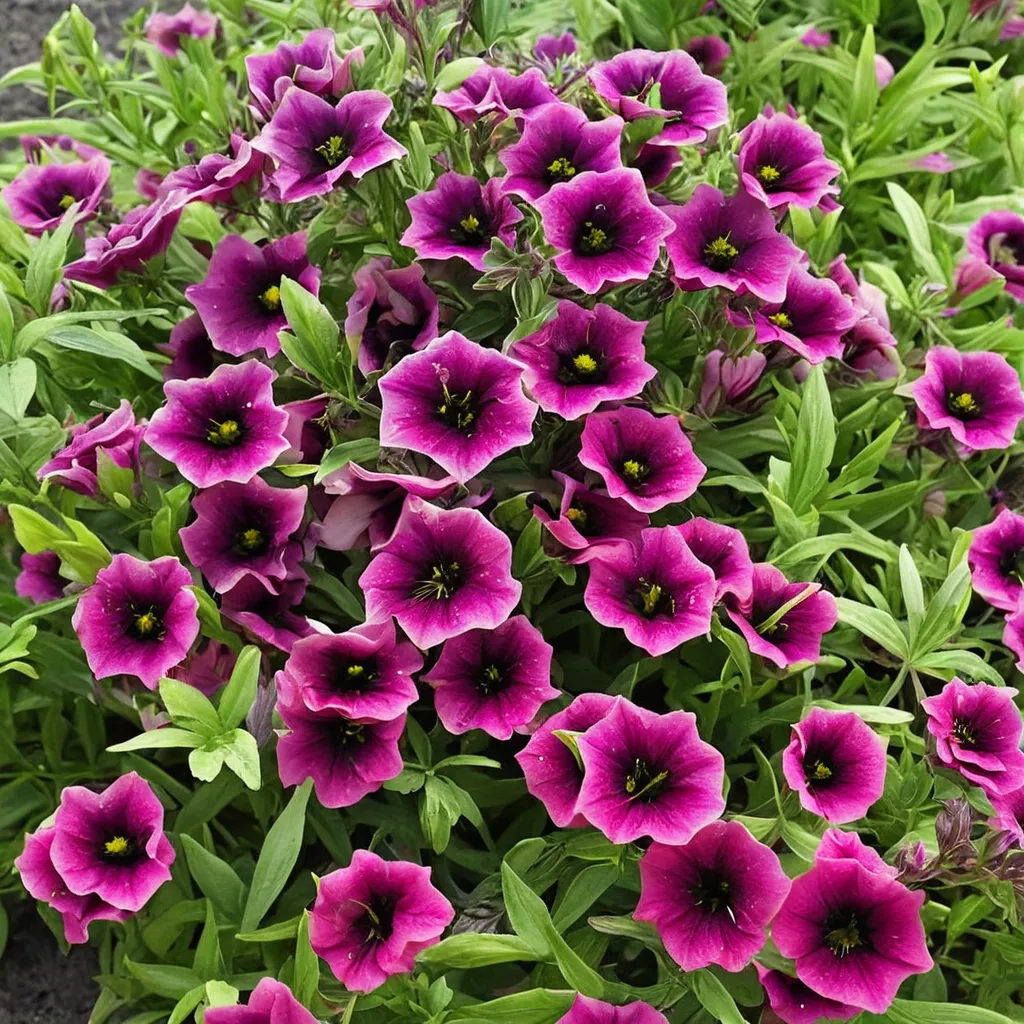
Blackcurrant Punch Million Bells
Calibrachoa x hybrida 'Blackcurrant Punch'
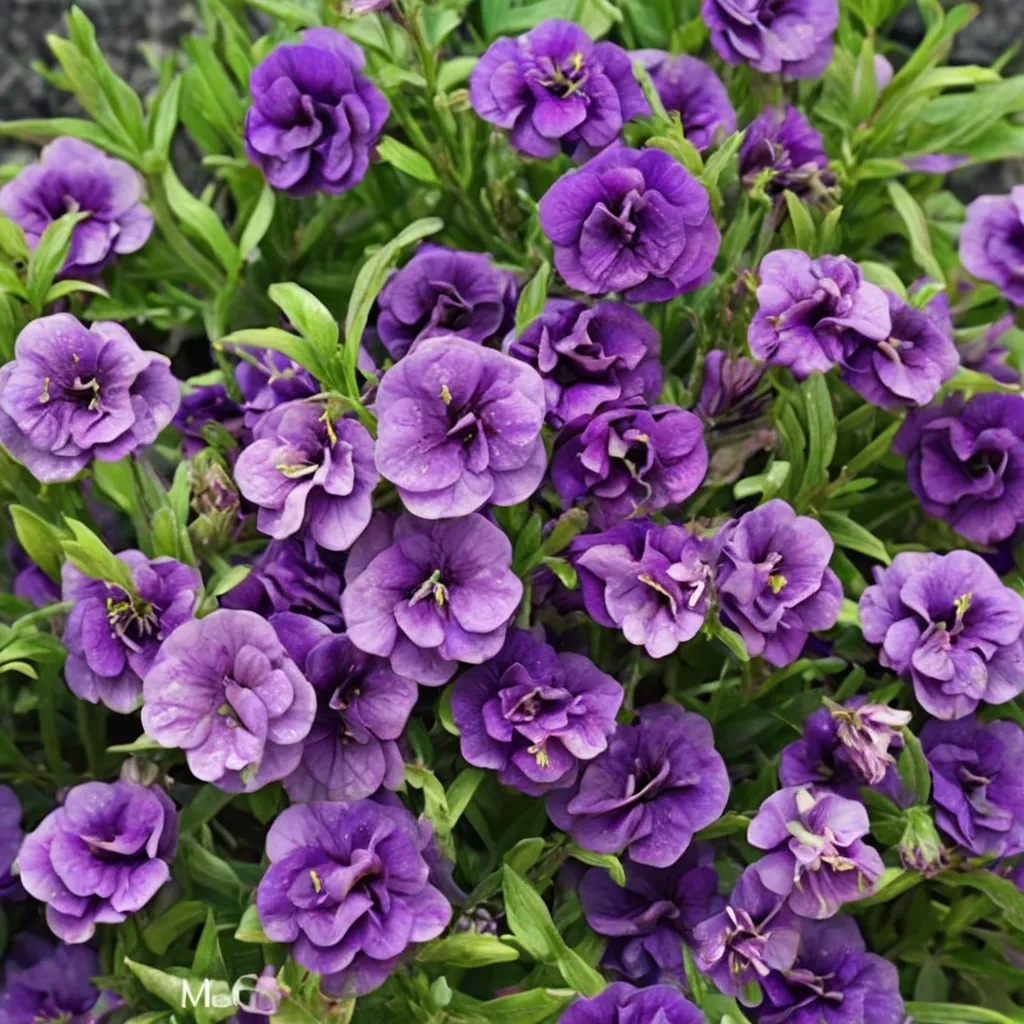
Double Blue Million Bells
Calibrachoa x hybrida 'Double Blue'
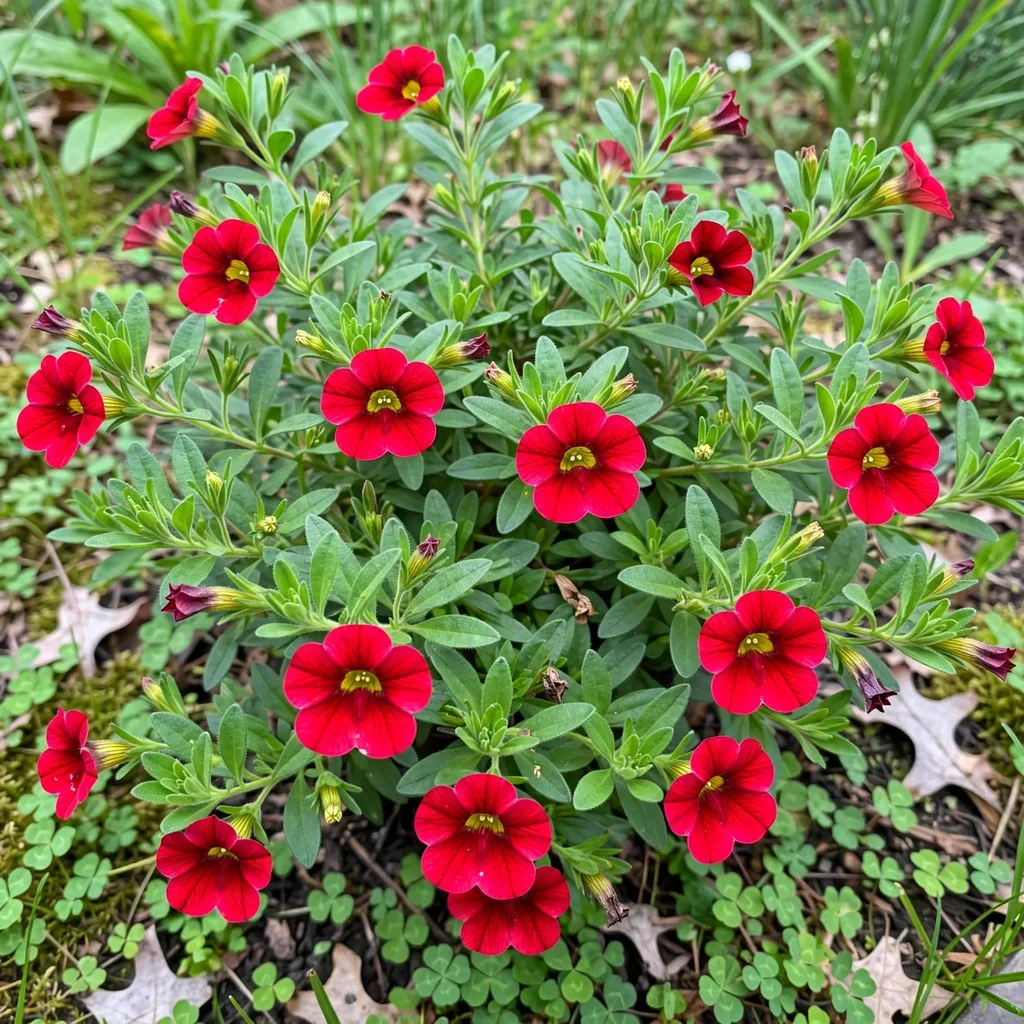
Superbells Cherry Red Million Bells
Calibrachoa x hybrida 'Superbells Cherry Red'
Keep exploring
Explore the genus
Hardy in your zone?
Grow Seaside Petunia with confidence
See it in a design of your actual yard, get zone-matched care reminders, and track it season by season in your garden journal.