The Story
Plant Bio
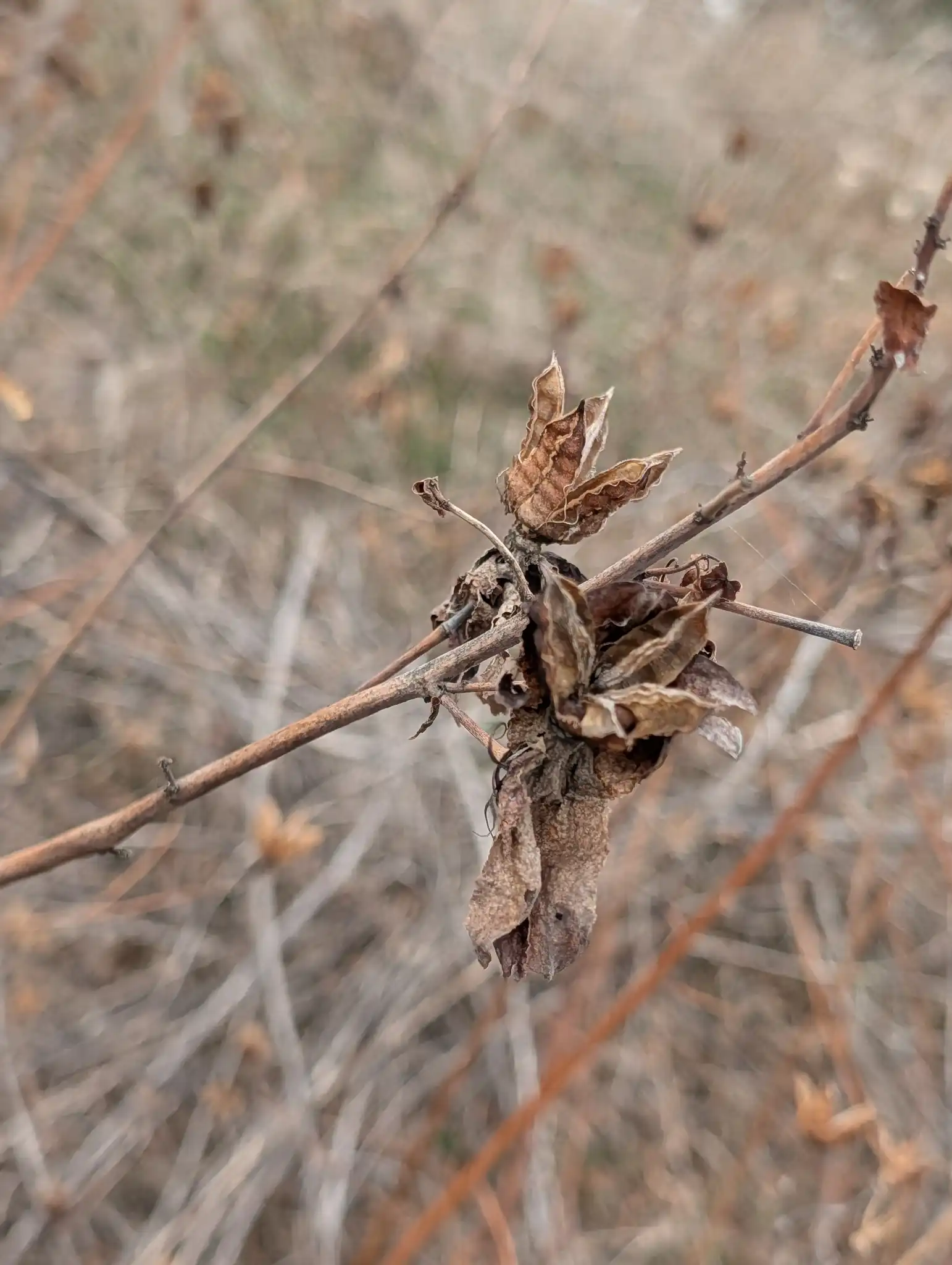
Hibiscus laevis is a tall, erect herbaceous perennial reaching four to six feet in height with completely hairless stems and distinctive spear-shaped leaves. Large saucer-shaped flowers, opening white to pale pink with dark maroon central throats, bloom continuously from the leaf axils from midsummer into autumn.
The foliage is distinctly three-lobed, mimicking historical halberd polearms, which easily separates this species from other native rosemallows. It breaks winter dormancy exceptionally late in spring, often showing no visible growth above ground until well after surrounding perennials have leafed out.
Uses & Benefits:
Essentials
At a Glance
Plant Type
Perennial
Height
72"
Width
36"
Light
Full Sun, Partial Sun
Zones
4, 5, 6, 7, 8, 9
Water
High / Consistently moist to wet
Humidity
High
Lifespan
Perennial
Native To
North America
Toxicity
Non-toxic
Bloom period
Summer – Fall
In flower about 6 months of the year
Planting
How to Grow
- Select a planting location in full sun to light shade with rich, consistently moist soil.
- Dig a hole twice as wide as the root mass and set the plant crown flush with the surrounding soil level.
- Backfill with soil mixed with organic matter and water thoroughly to eliminate air pockets.
- Apply a two to three-inch layer of organic mulch around the base to preserve soil moisture.
- Water regularly throughout the growing season to ensure the root zone never dries out completely.
Pro Tip
Do not discard or dig up dormant roots in early spring; stems routinely remain underground until ambient temperatures rise significantly, after which growth proceeds rapidly.
Keep It Thriving
Care Guide
Do
- Keep soil continuously moist to wet throughout the spring and summer active growth phase.
- Cut all dead stems back to three or four inches from the ground in late autumn after frost.
- Apply a top-dressing of compost or light organic fertilizer as spring emergence begins.
Don't
- Do not allow the root zone to dry out completely, which causes leaf drop and flower bud abortion.
- Do not dig up or replace late-emerging crowns in early spring assuming they failed to survive winter.
- Do not prune into old woody growth during the active summer blooming window.
Seasonal Care Calendar
| Task | Jan | Feb | Mar | Apr | May | Jun | Jul | Aug | Sep | Oct | Nov | Dec |
|---|---|---|---|---|---|---|---|---|---|---|---|---|
| Fertilize | ||||||||||||
| Mulch | ||||||||||||
| Pest Check | ||||||||||||
| Propagate | ||||||||||||
| Prune |
Watch Out For
Pests & Diseases
Common Pests
Common Diseases
In the Garden
Landscape Uses & Companions
Landscape Uses
Multiply
Propagation Methods
Good to Know
Common Questions
Halberdleaf Rosemallow questions
What zones can Halberdleaf Rosemallow grow in?
Halberdleaf Rosemallow is hardy in USDA Zones 4–9. Inside that range it survives winter in the ground; outside it, grow it as an annual or a container plant you protect.
Is Halberdleaf Rosemallow deer resistant?
Not reliably. Deer may browse Halberdleaf Rosemallow, especially tender spring growth — plan on repellents or fencing where pressure is high.
When does Halberdleaf Rosemallow bloom?
Halberdleaf Rosemallow typically blooms in summer through fall. Exact timing shifts a week or two with your zone — Sow's bloom calendar maps it to your garden.
Does Halberdleaf Rosemallow need full sun?
Halberdleaf Rosemallow does best in full sun to part shade. In hot climates, afternoon shade keeps blooms fresher longer.
More Hibiscus to compare
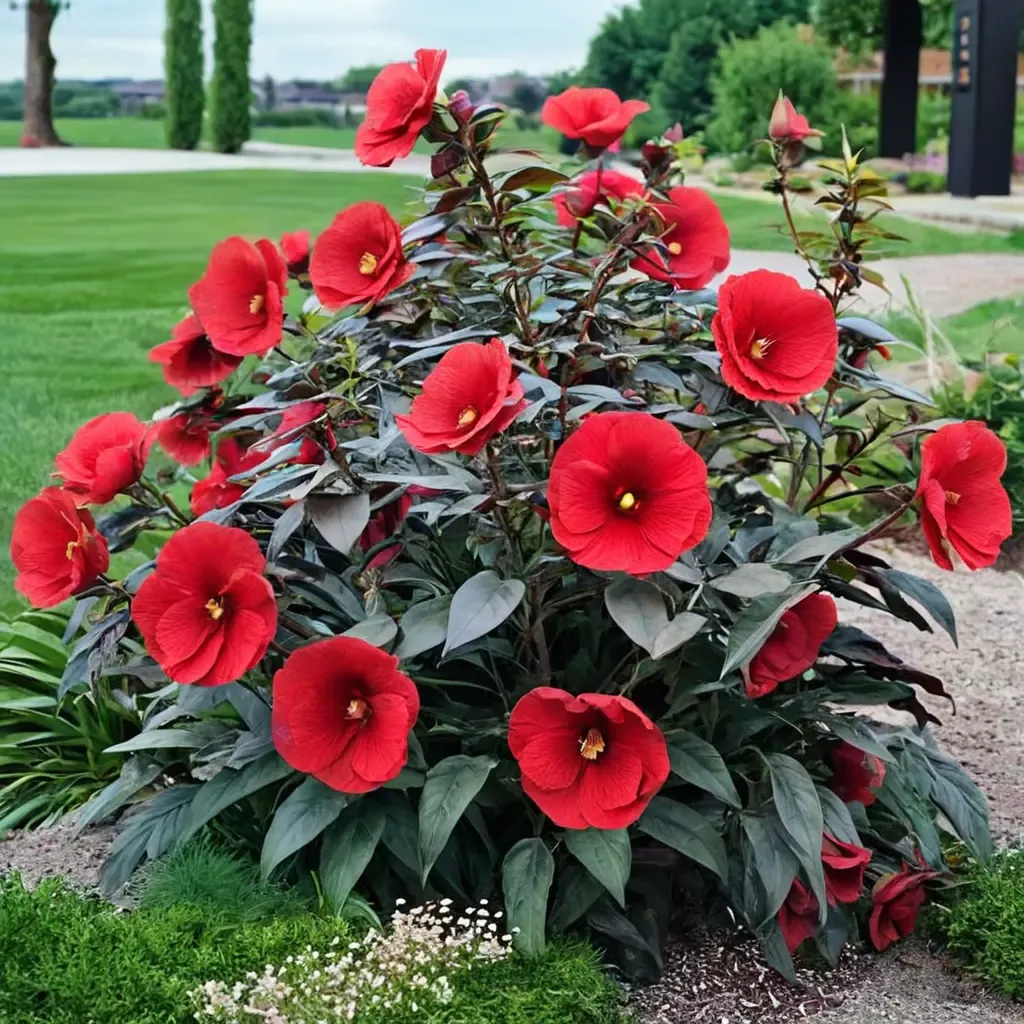
Midnight Marvel Swamp Hibiscus
Hibiscus moscheutos 'Midnight Marvel'
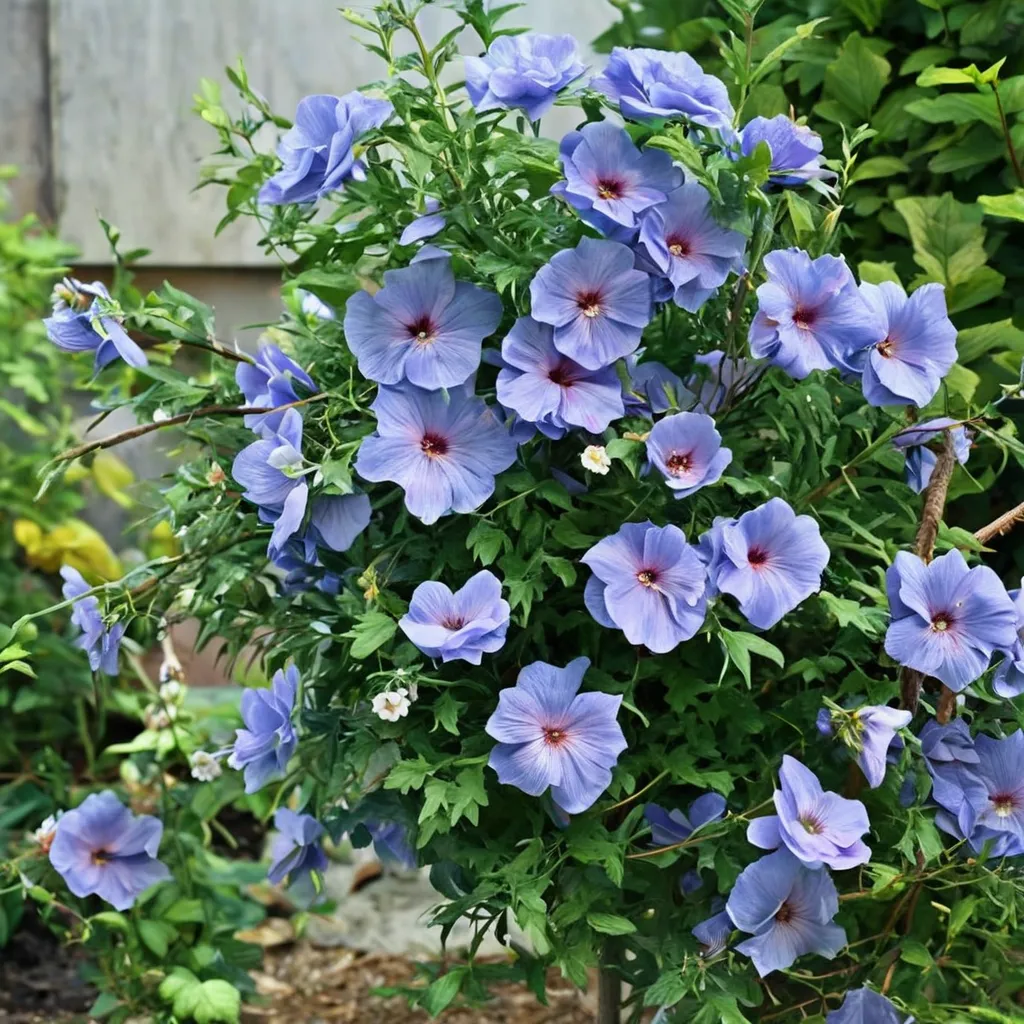
Rose of Sharon Hibiscus
Hibiscus syriacus 'Azurri Blue Satin'
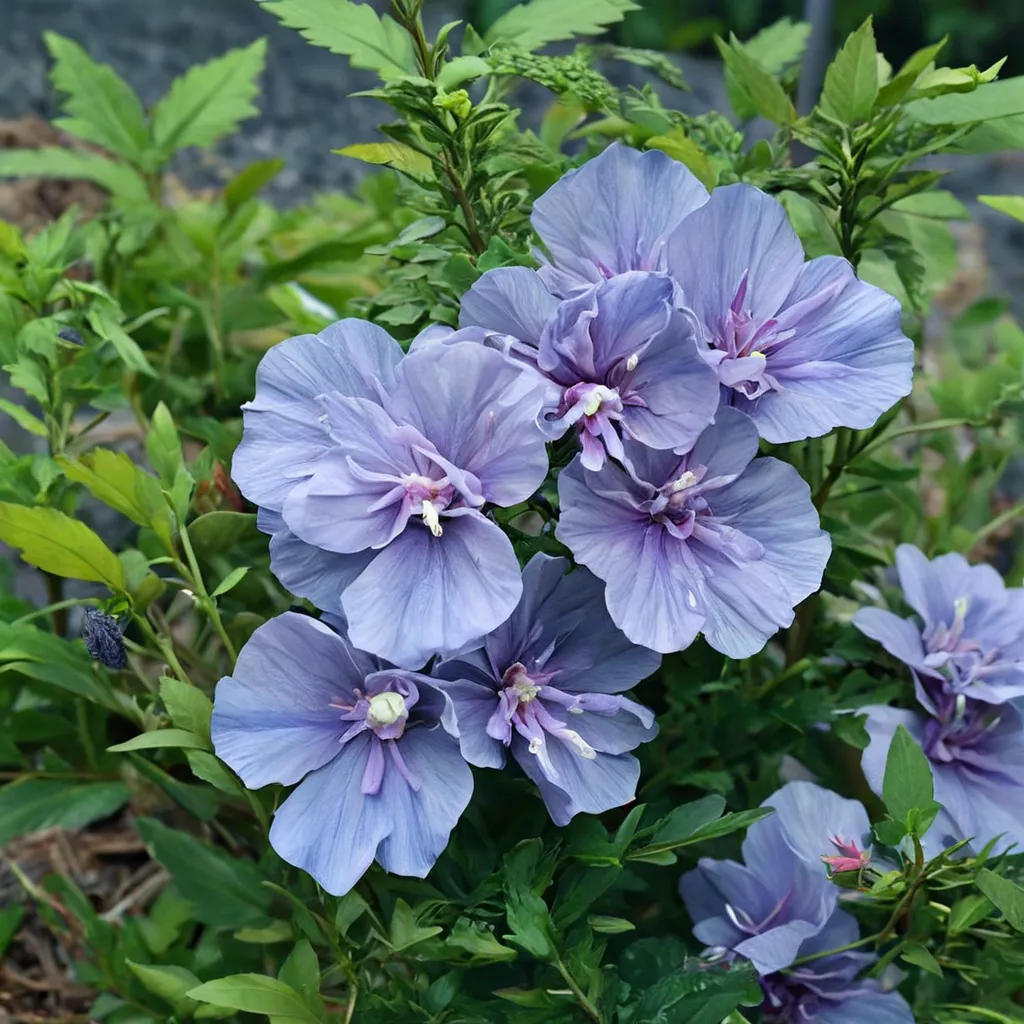
Blue Chiffon Rose of Sharon
Hibiscus syriacus 'Blue Chiffon'
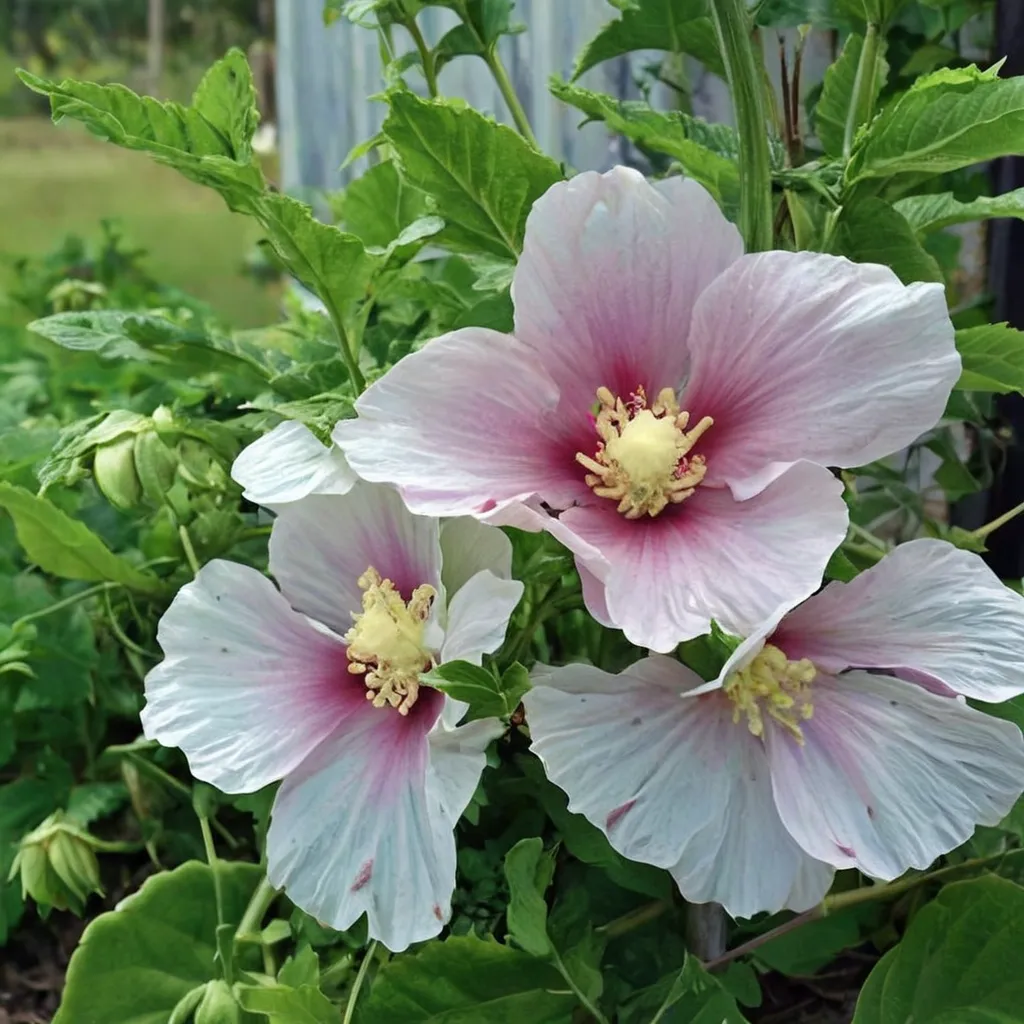
Confederate Rose
Hibiscus paramutabilis
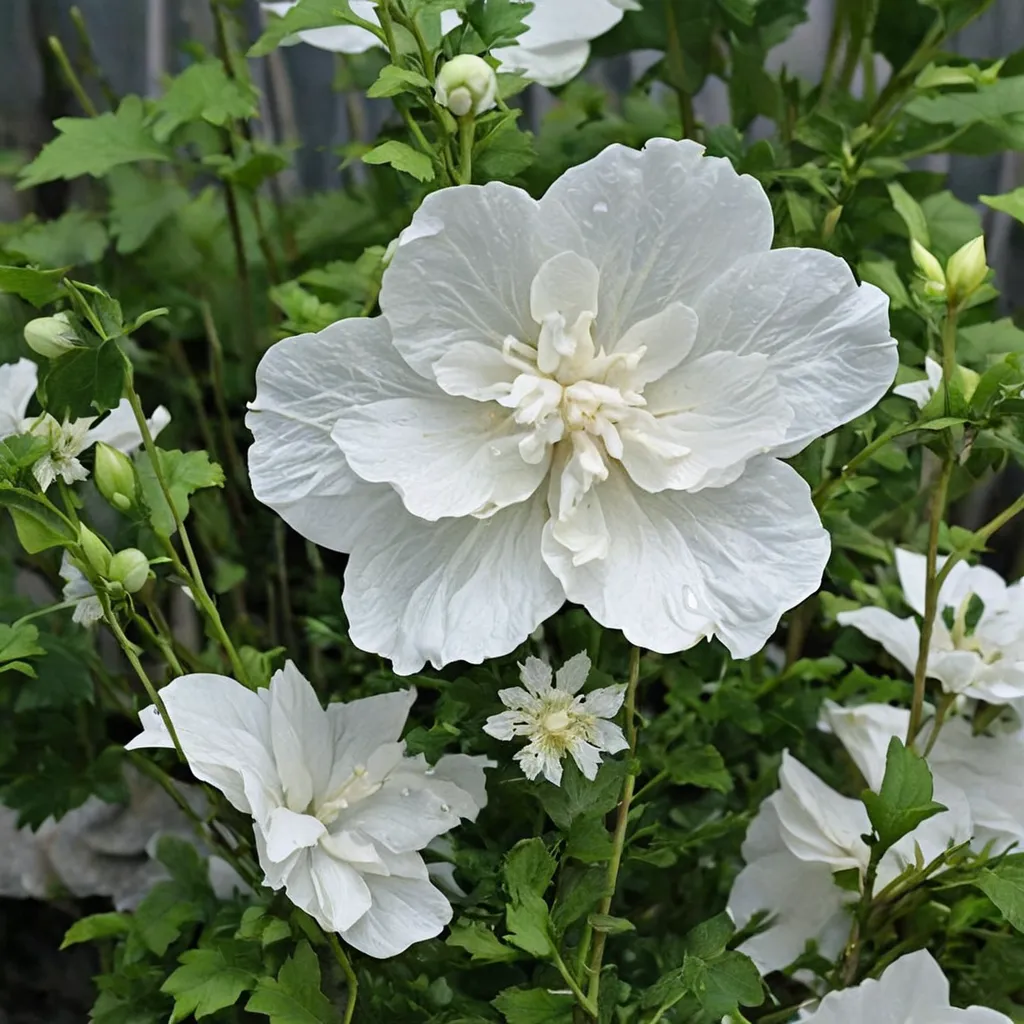
White Chiffon Hibiscus
Hibiscus syriacus 'White Chiffon'
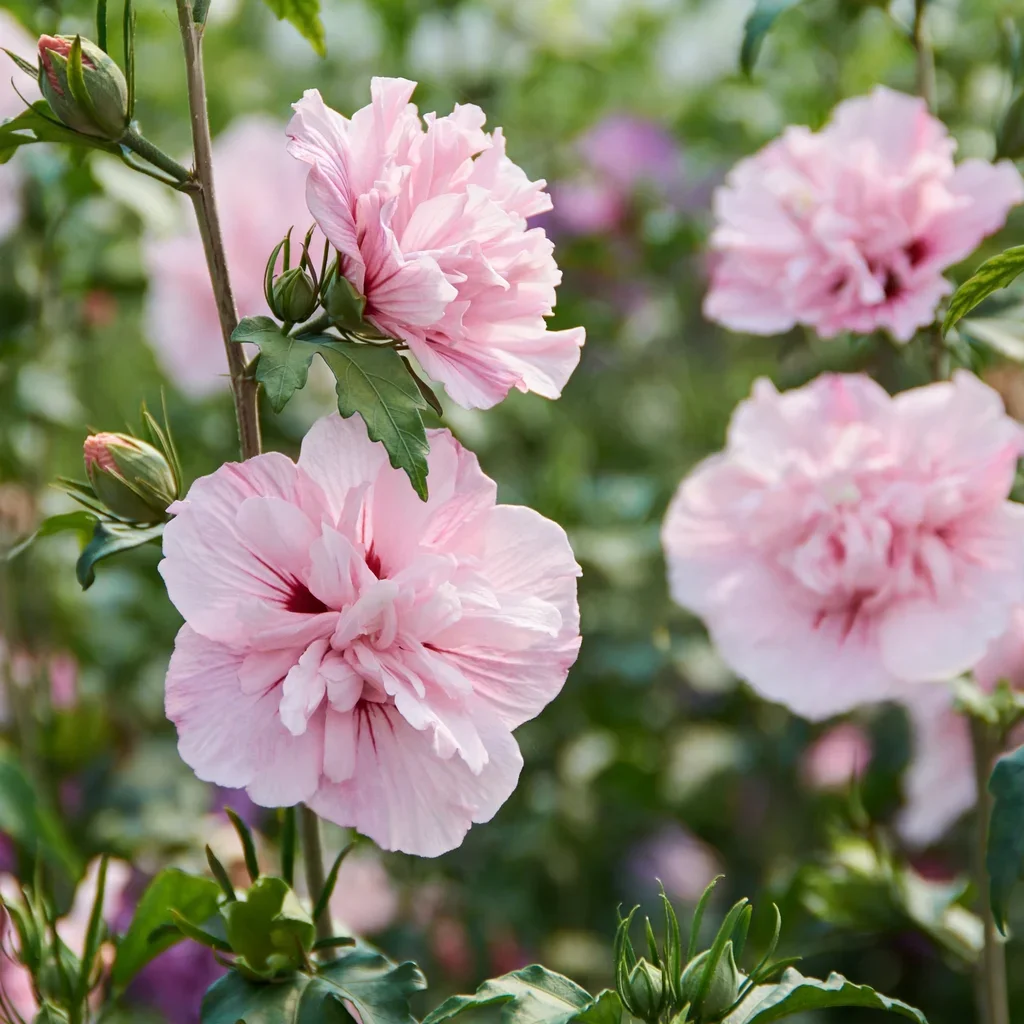
Pink Chiffon Rose of Sharon
Hibiscus syriacus 'Pink Chiffon'
Keep exploring
Explore the genus
Grow Halberdleaf Rosemallow with confidence
See it in a design of your actual yard, get zone-matched care reminders, and track it season by season in your garden journal.