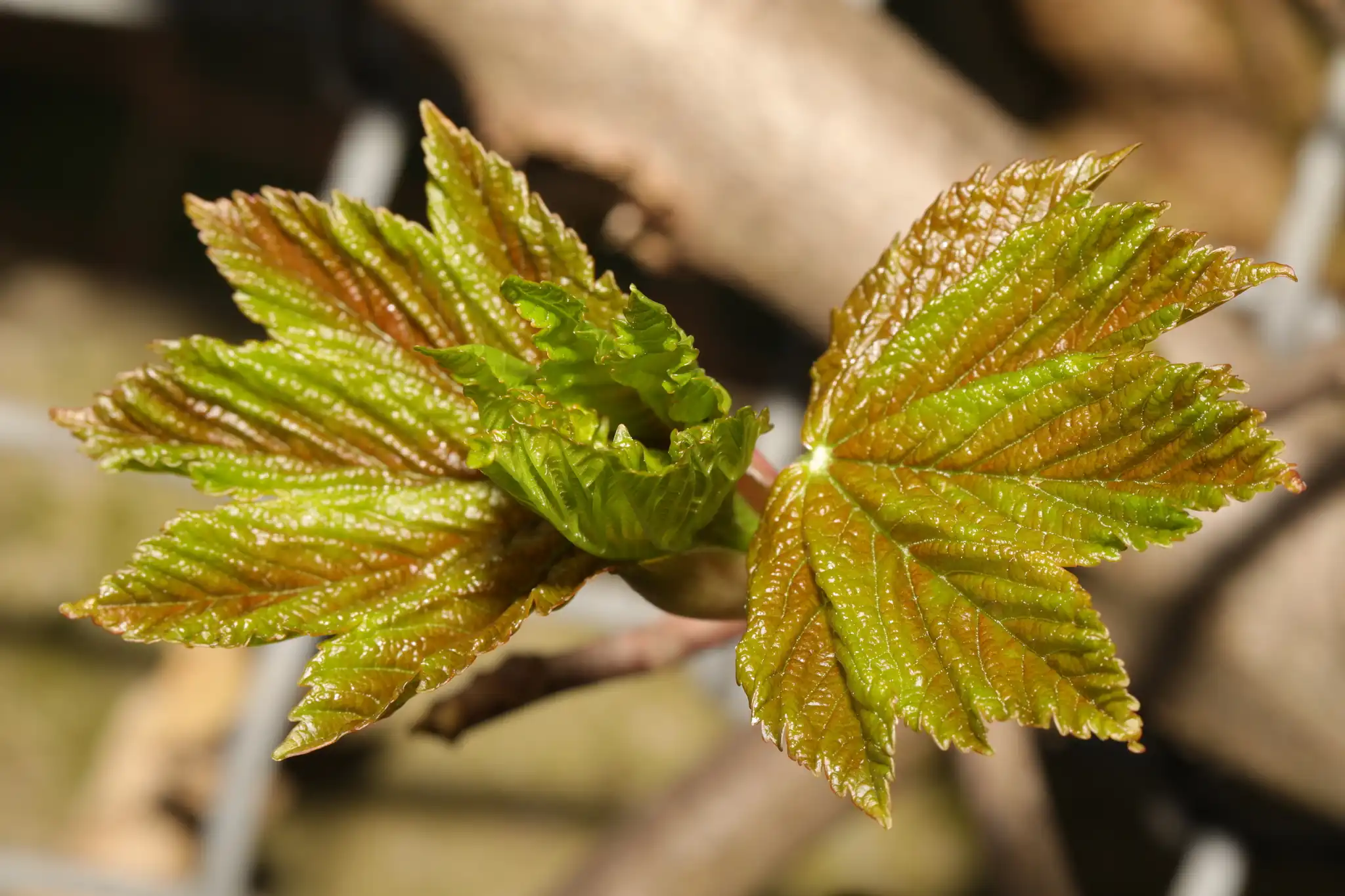
1 named cultivar
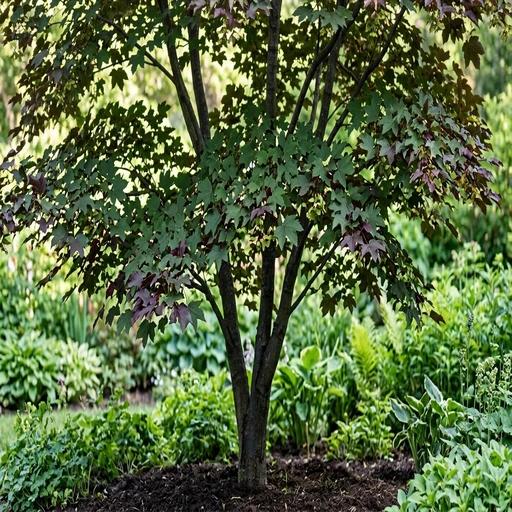
The Story
Plant Bio
Acer pseudoplatanus, sycamore maple, is a large fast-growing deciduous tree from central Europe and western Asia, reaching forty to sixty feet with a rounded crown. Leathery five-lobed leaves three to six inches across are dark green above and paler beneath, and mature bark flakes away in small rectangular scales to reveal orange-brown underneath.
It seeds prolifically and the winged samaras travel, which is why it has naturalised widely and is listed as invasive in parts of the Northeast and Pacific Northwest — seedlings appear across a garden and well beyond it. Where you want a tough large maple, native sugar or red maple does the same job without escaping.
Uses & Benefits:
Essentials
At a Glance
Plant Type
Tree
Height
600"
Width
390"
Light
Full Sun, Partial Sun
Zones
4, 5, 6, 7
Water
Moderate
Humidity
Moderate
Lifespan
Perennial
Native To
Central Europe and western Asia
Toxicity
Seeds and seedlings are toxic to horses
Planting
How to Grow
- Check local invasive listings before planting.
- Consider native sugar or red maple instead.
- Allow twenty-five to forty feet of spread.
- Plant in full sun or partial shade in drained soil.
- Pull seedlings each spring before they root deeply.
- Prune in summer; maples bleed from spring cuts.
Pro Tip
The seedlings are the real work — pull them in their first spring, when they come up with a single tug rather than a spade.
Keep It Thriving
Care Guide
Do
- Check your state's invasive list first ⚠️
- Pull seedlings each spring 🌱
- Use it where salt and wind defeat other trees 🌊
- Prune in summer, not spring ✂️
Don't
- Plant it near woodland or open country ❌
- Prune it in late winter — it bleeds ❌
- Underestimate the seedling load ❌
Seasonal Care Calendar
| Task | Jan | Feb | Mar | Apr | May | Jun | Jul | Aug | Sep | Oct | Nov | Dec |
|---|---|---|---|---|---|---|---|---|---|---|---|---|
| Prune | ||||||||||||
| Weed |
Watch Out For
Pests & Diseases
Common Pests
Common Diseases
In the Garden
Landscape Uses & Companions
Landscape Uses
Companion Plants
Multiply
Propagation Methods
Good to Know
Common Questions
Sycamore Maple questions
What zones can Sycamore Maple grow in?
Sycamore Maple is hardy in USDA Zones 4–7. Inside that range it survives winter in the ground; outside it, grow it as an annual or a container plant you protect.
Is Sycamore Maple deer resistant?
Yes — Sycamore Maple is rated deer-resistant. Deer typically pass it over, though extreme hunger can override any plant's defenses.
When does Sycamore Maple bloom?
Sycamore Maple typically blooms in mid spring through mid-spring. Exact timing shifts a week or two with your zone — Sow's bloom calendar maps it to your garden.
Does Sycamore Maple need full sun?
Sycamore Maple does best in full sun to part shade. In hot climates, afternoon shade keeps blooms fresher longer.
Is Sycamore Maple drought tolerant?
Yes — once established (usually after the first full season), Sycamore Maple handles dry spells with minimal watering. Water deeply its first year to build the root system that makes that possible.
More Acer to compare
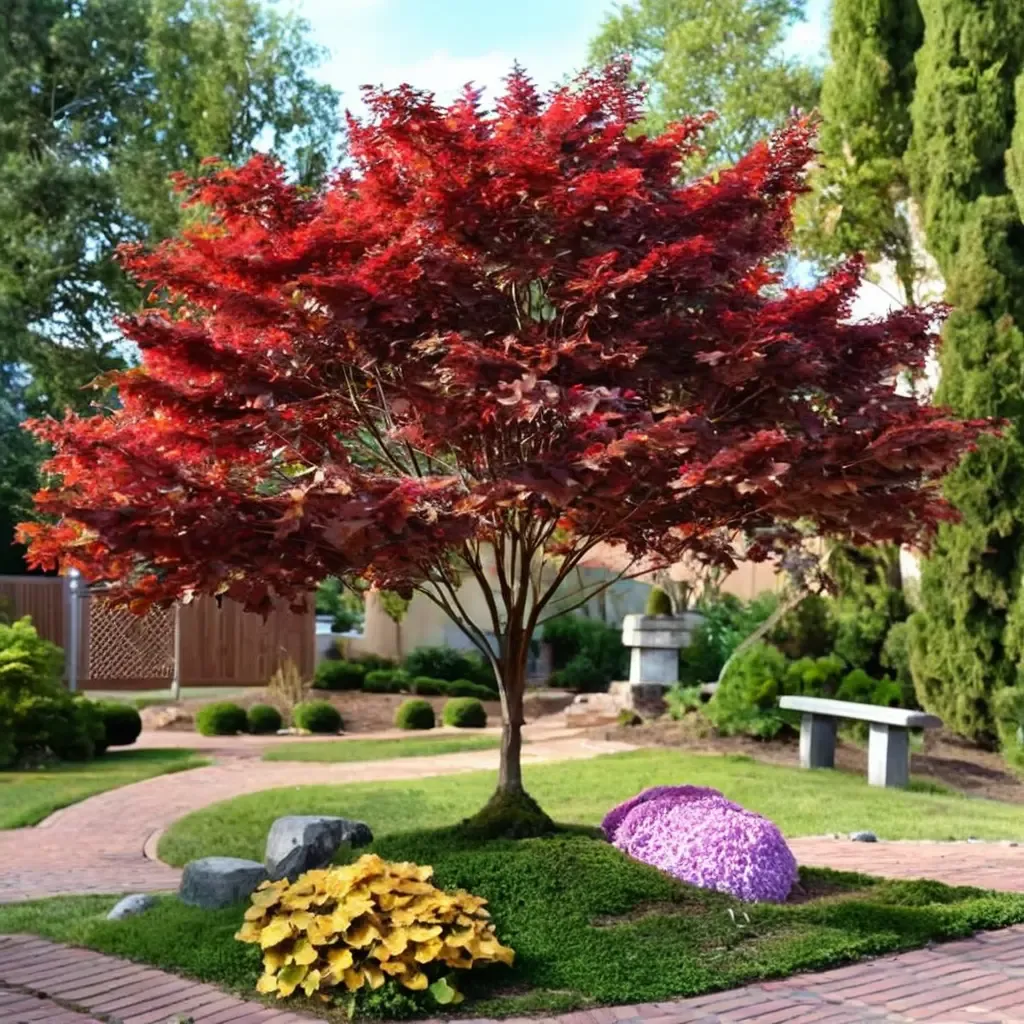
Bloodgood Japanese Maple
Acer palmatum 'Bloodgood'
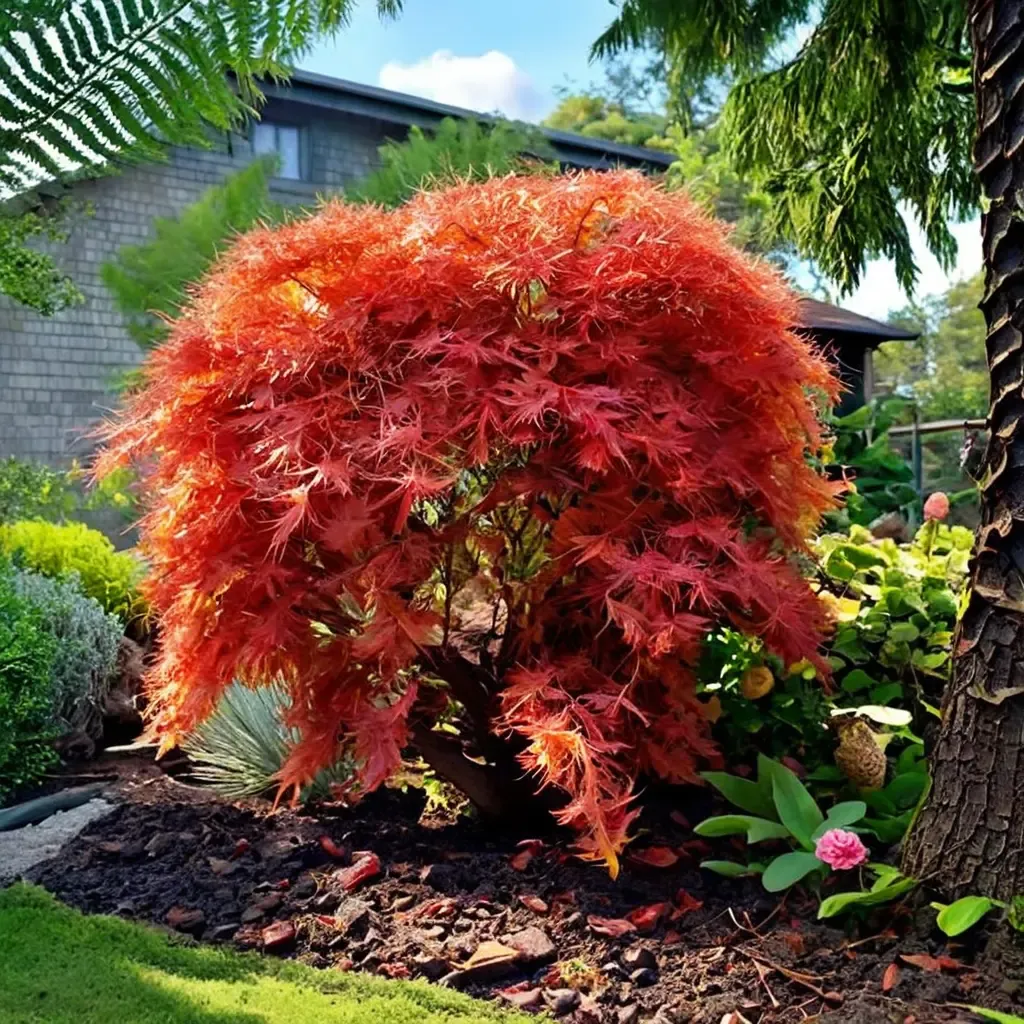
Orangeola Japanese Maple
Acer palmatum 'Orangeola'
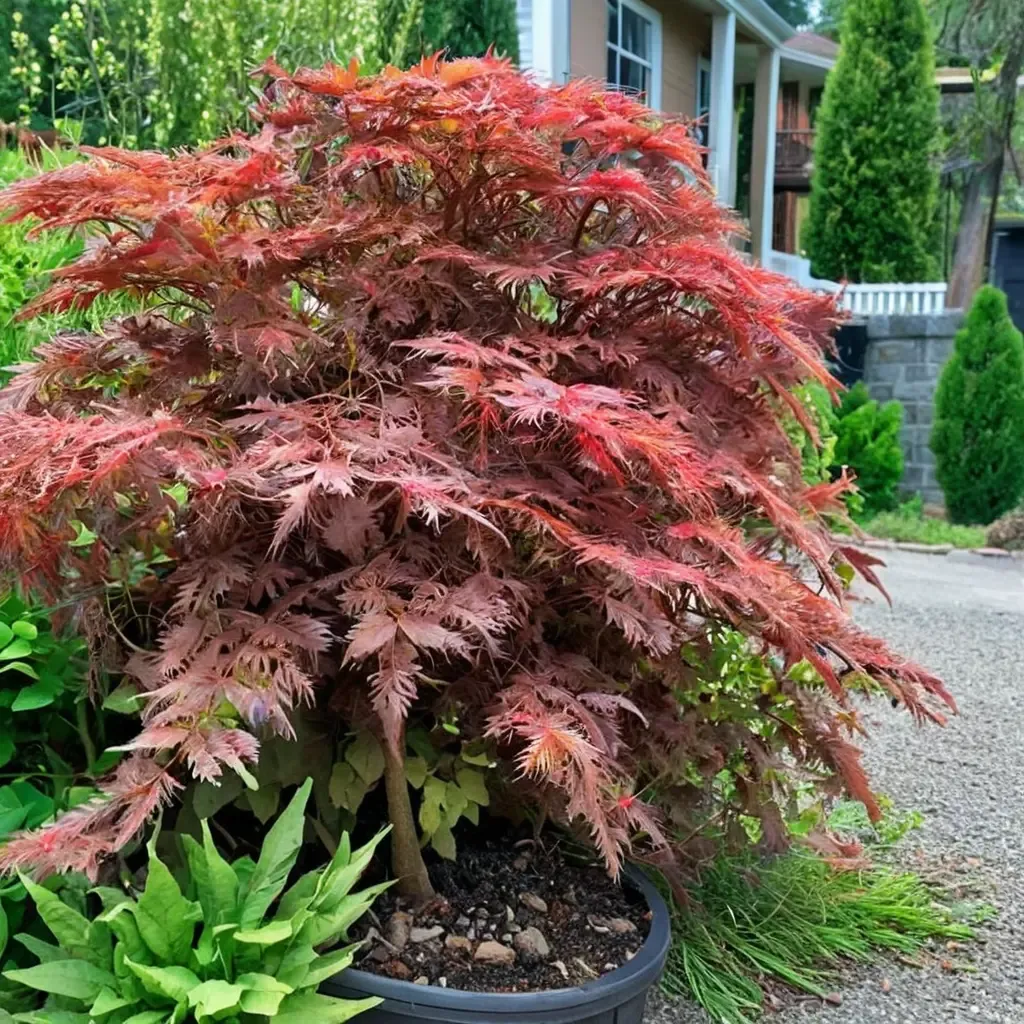
Crimson Queen Japanese Maple
Acer palmatum 'Crimson Queen'
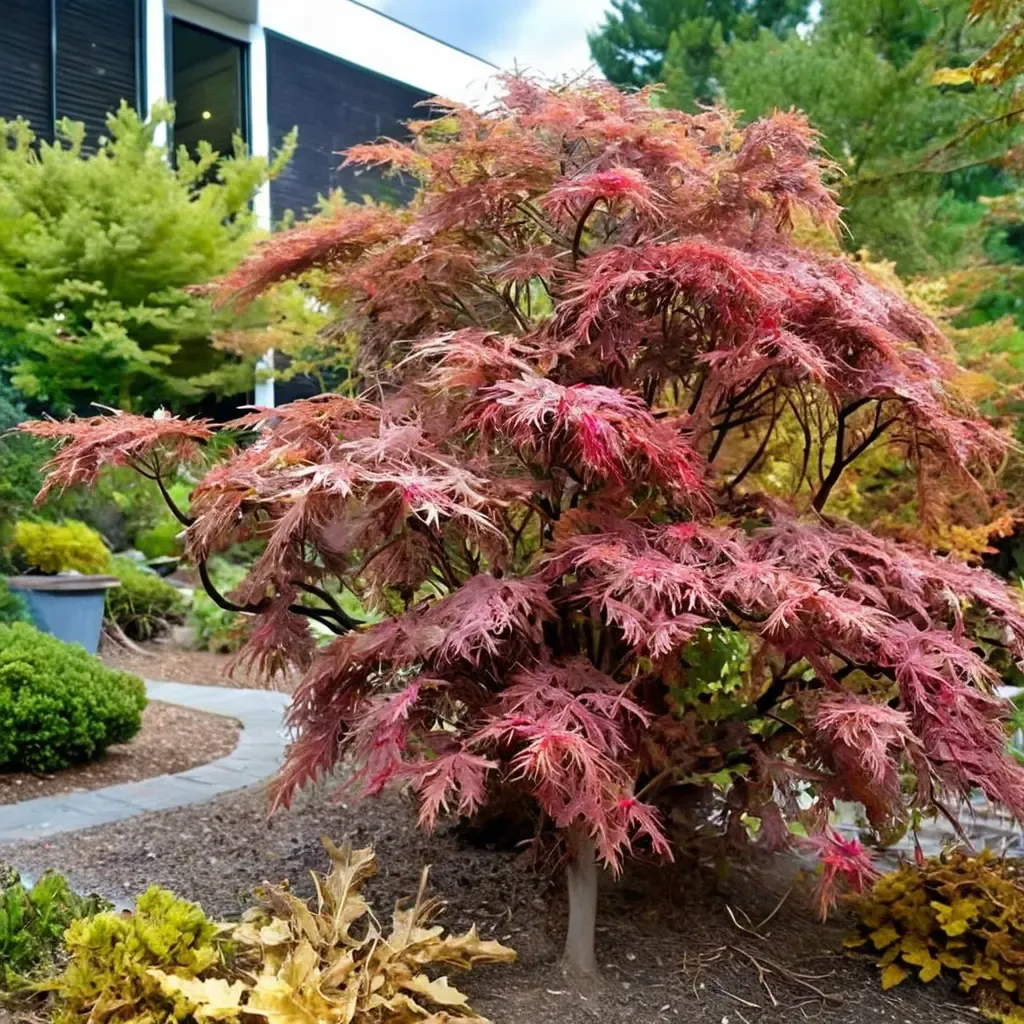
Weeping Japanese Maple
Acer palmatum 'Shidare'
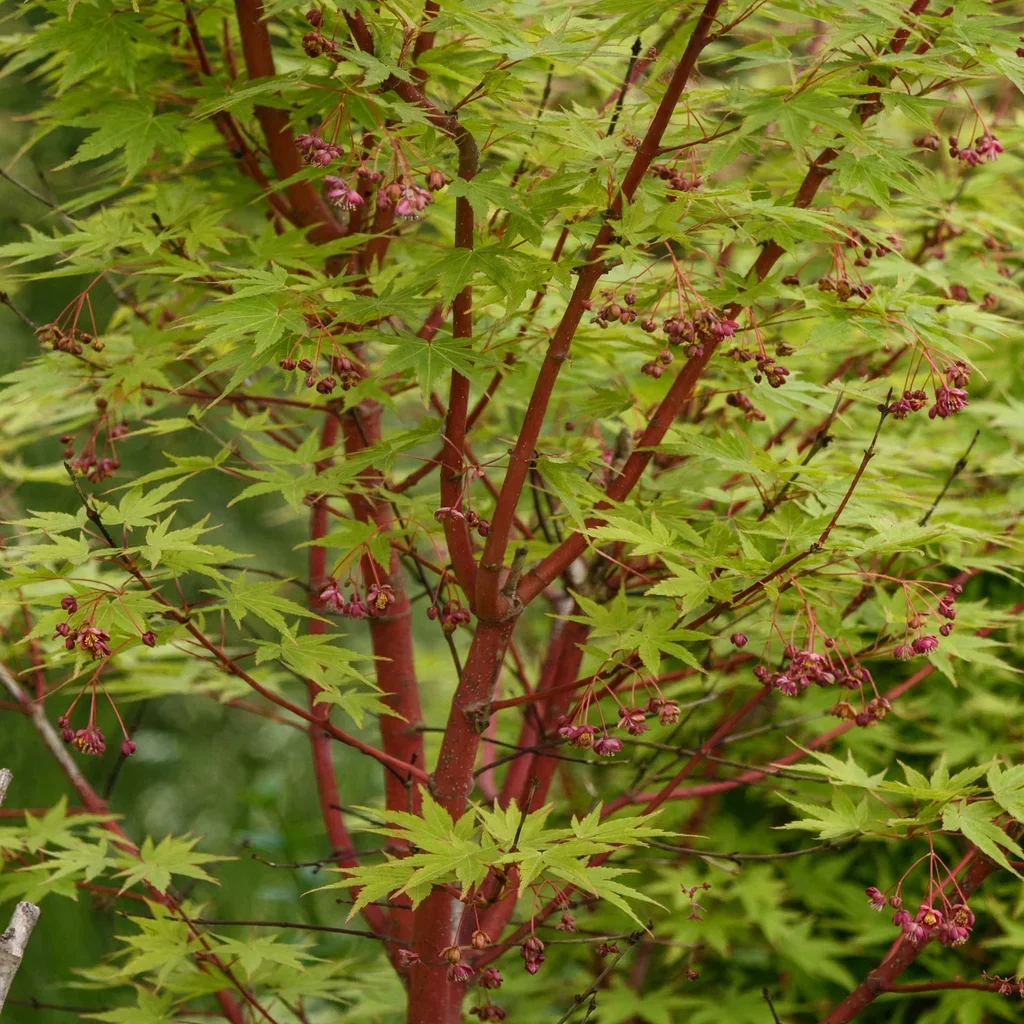
Coral Bark Maple
Acer palmatum 'Sango-Kaku'
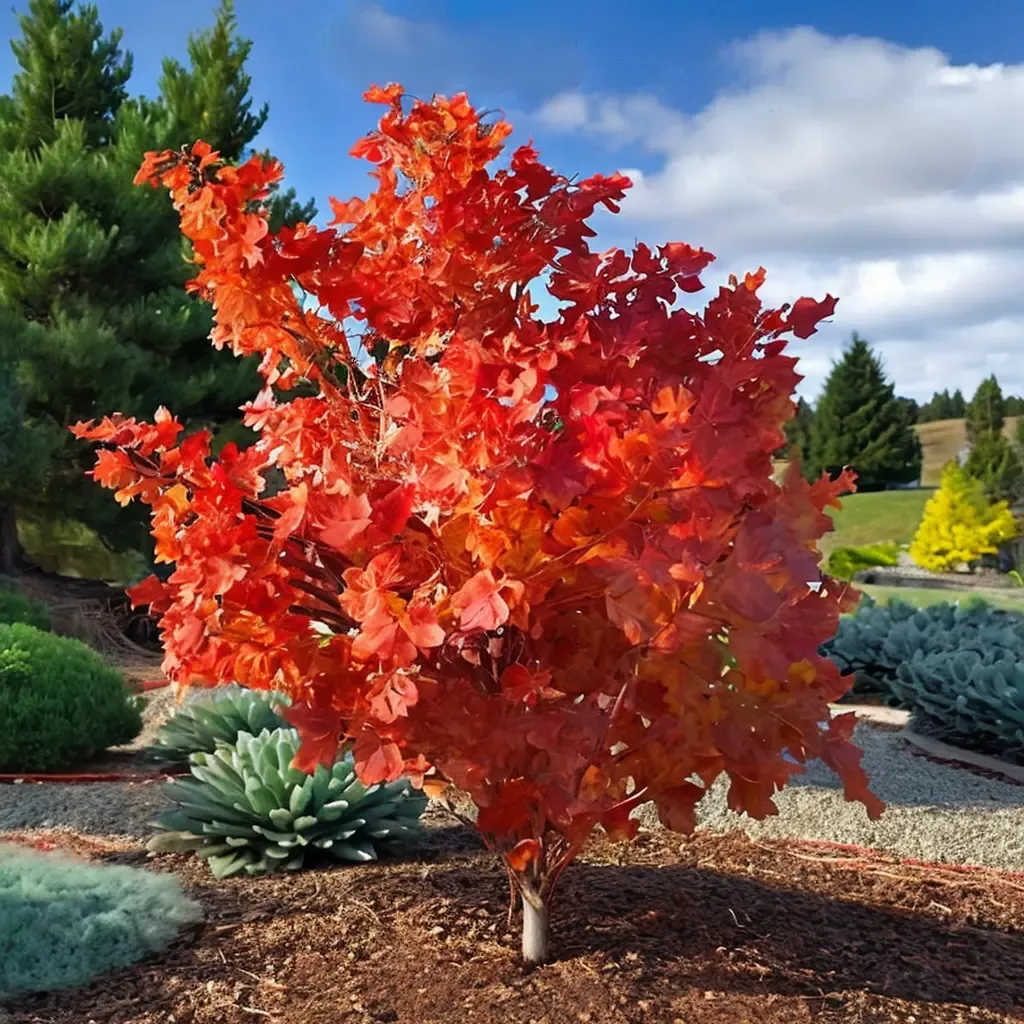
Final Fire Japanese Maple
Acer palmatum 'Final Fire'
Keep exploring
Explore the genus
Hardy in your zone?
Grow Sycamore Maple with confidence
See it in a design of your actual yard, get zone-matched care reminders, and track it season by season in your garden journal.