The Story
Plant Bio
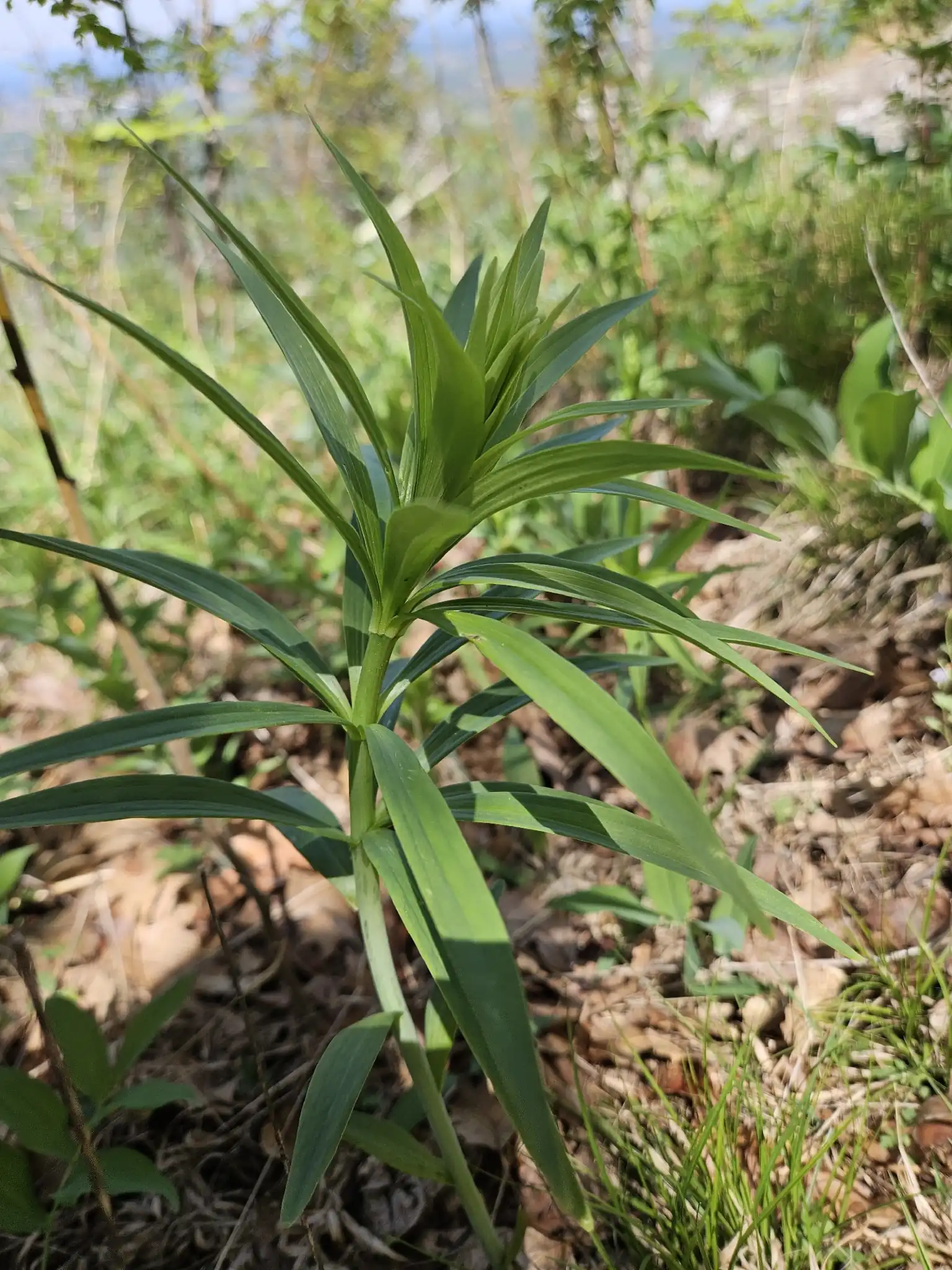
Lilium superbum is a tall, robust herbaceous perennial bulb native to eastern and central North American wet meadows, bogs, and moist woods. The stout, erect, unbranched stems bear lance-shaped leaves arranged in distinctive whorls of 5 to 20 along the lower and middle sections before transitioning to an alternate arrangement near the top.
In mid to late summer, the stems produce a pyramidal cluster of up to 40 nodding, orange to reddish-orange flowers with strongly recurved petals. Each flower segment is heavily spotted with maroon-brown and features a distinctive pale green star at its base.
Uses & Benefits:
Essentials
At a Glance
Plant Type
Bulb Corm Tuber
Height
84"
Width
12"
Light
Full Sun, Partial Sun
Zones
5, 6, 7, 8
Water
High
Humidity
High
Lifespan
Perennial
Native To
North America
Toxicity
Toxic to Cats
Bloom period
Mid summer – Late summer
In flower about 2 months of the year
Marketplace
Where to Buy
Shipping costs Year-round shipping Free shipping
Planting
How to Grow
- Select a planting site in full sun to partial shade with acidic, organic-rich soil that remains consistently moist.
- Dig a hole 5 to 6 inches deep and space bulbs 12 inches apart to allow room for the stoloniferous offsets to spread.
- Place the bulb with the roots pointing downward and cover with soil, firming gently to eliminate air pockets.
- Apply a 2-inch layer of organic compost or leaf mold mulch to retain moisture and keep the root zone cool.
Pro Tip
Provide constant subsurface moisture but ensure excellent drainage; stagnant water during winter dormancy causes the bulbs to rot rapidly.
Keep It Thriving
Care Guide
Do
- Keep the soil consistently moist throughout the active growing and flowering seasons.
- Allow the foliage to die back naturally in the fall to replenish the bulb's energy reserves.
- Mulch annually with organic matter to mimic the natural forest floor habitat.
Don't
- Do not cut back green stems or leaves after flowering, as this starves the bulb.
- Do not plant in heavy, poorly drained clay soils where water pools during winter.
- Do not apply high-phosphorus chemical fertilizers, which can disrupt natural soil nutrient uptake.
Seasonal Care Calendar
| Task | Jan | Feb | Mar | Apr | May | Jun | Jul | Aug | Sep | Oct | Nov | Dec |
|---|---|---|---|---|---|---|---|---|---|---|---|---|
| Mulch | ||||||||||||
| Pest Check | ||||||||||||
| Plant | ||||||||||||
| Prune |
Watch Out For
Pests & Diseases
Common Pests
Common Diseases
In the Garden
Landscape Uses & Companions
Landscape Uses
Multiply
Propagation Methods
Good to Know
Common Questions
Turk's-cap Lily questions
What zones can Turk's-cap Lily grow in?
Turk's-cap Lily is hardy in USDA Zones 5–8. Inside that range it survives winter in the ground; outside it, grow it as an annual or a container plant you protect.
Is Turk's-cap Lily deer resistant?
Not reliably. Deer may browse Turk's-cap Lily, especially tender spring growth — plan on repellents or fencing where pressure is high.
When does Turk's-cap Lily bloom?
Turk's-cap Lily typically blooms in mid summer through late summer. Exact timing shifts a week or two with your zone — Sow's bloom calendar maps it to your garden.
Does Turk's-cap Lily need full sun?
Turk's-cap Lily does best in full sun to part shade. In hot climates, afternoon shade keeps blooms fresher longer.
More Lilium to compare
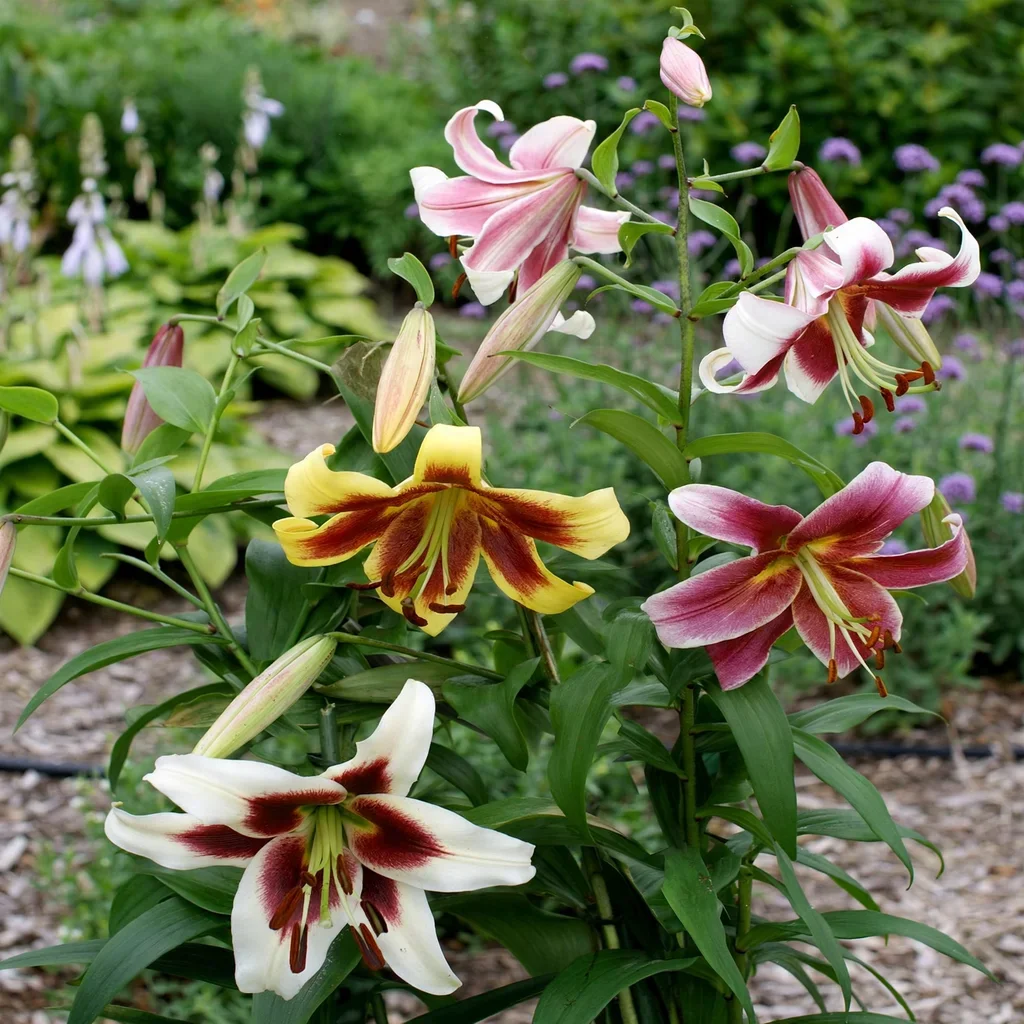
Tree Lily
Lilium x hybrida 'Tree Mix'
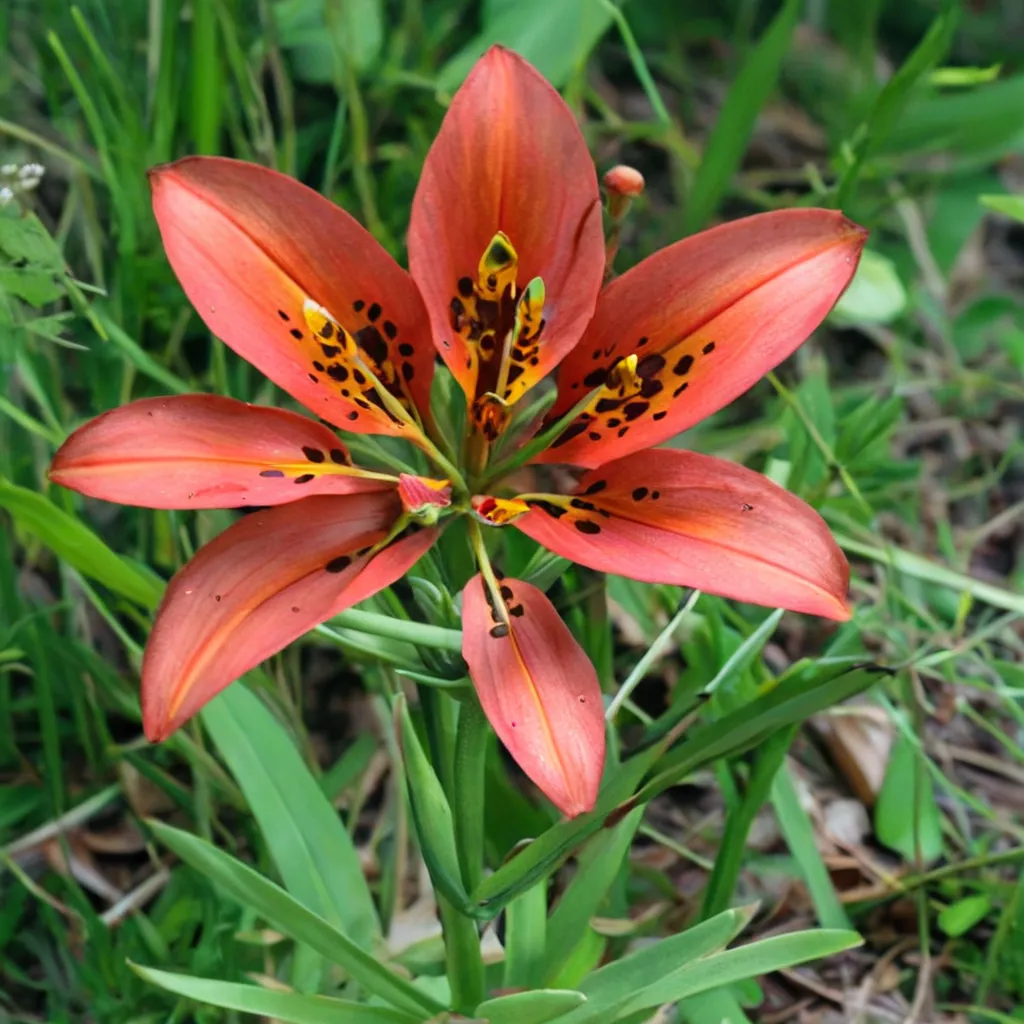
Wood Lily
Lilium philadelphicum
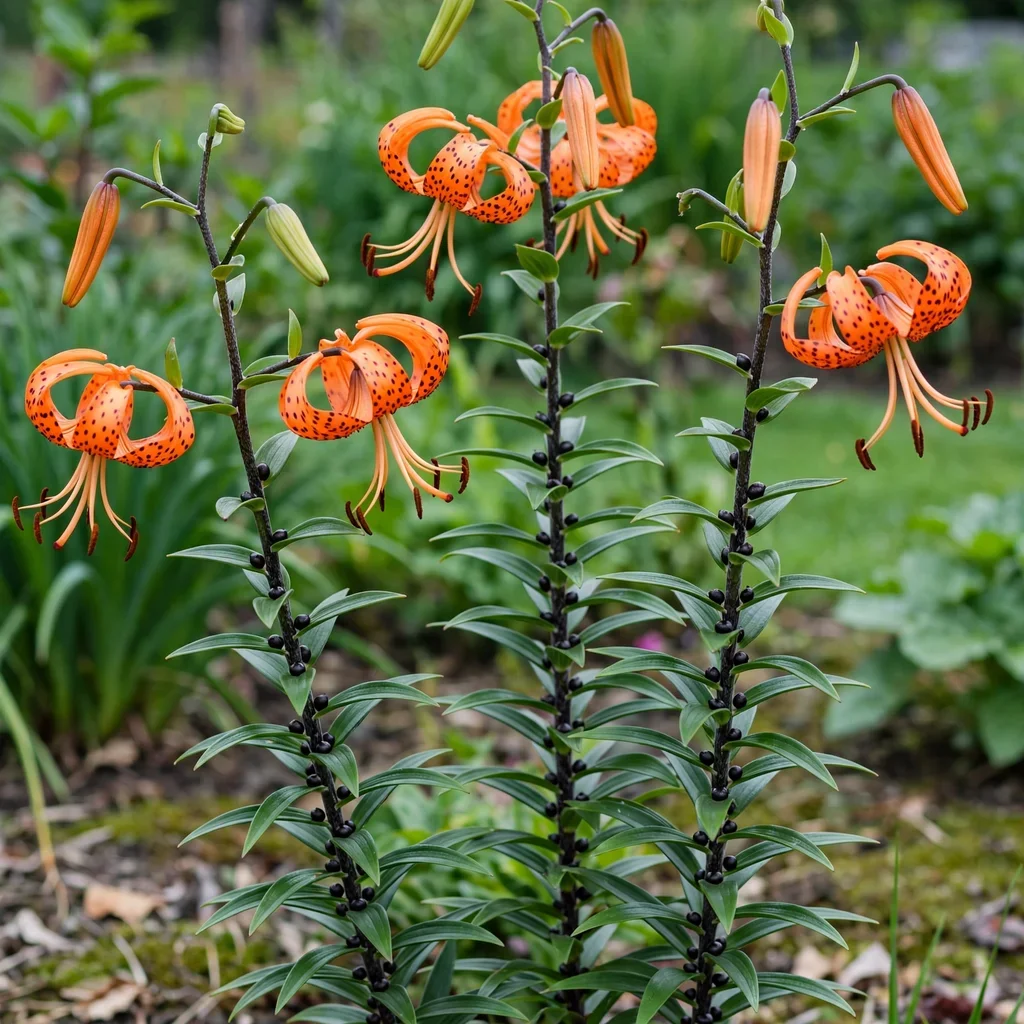
Tiger Lily
Lilium lancifolium
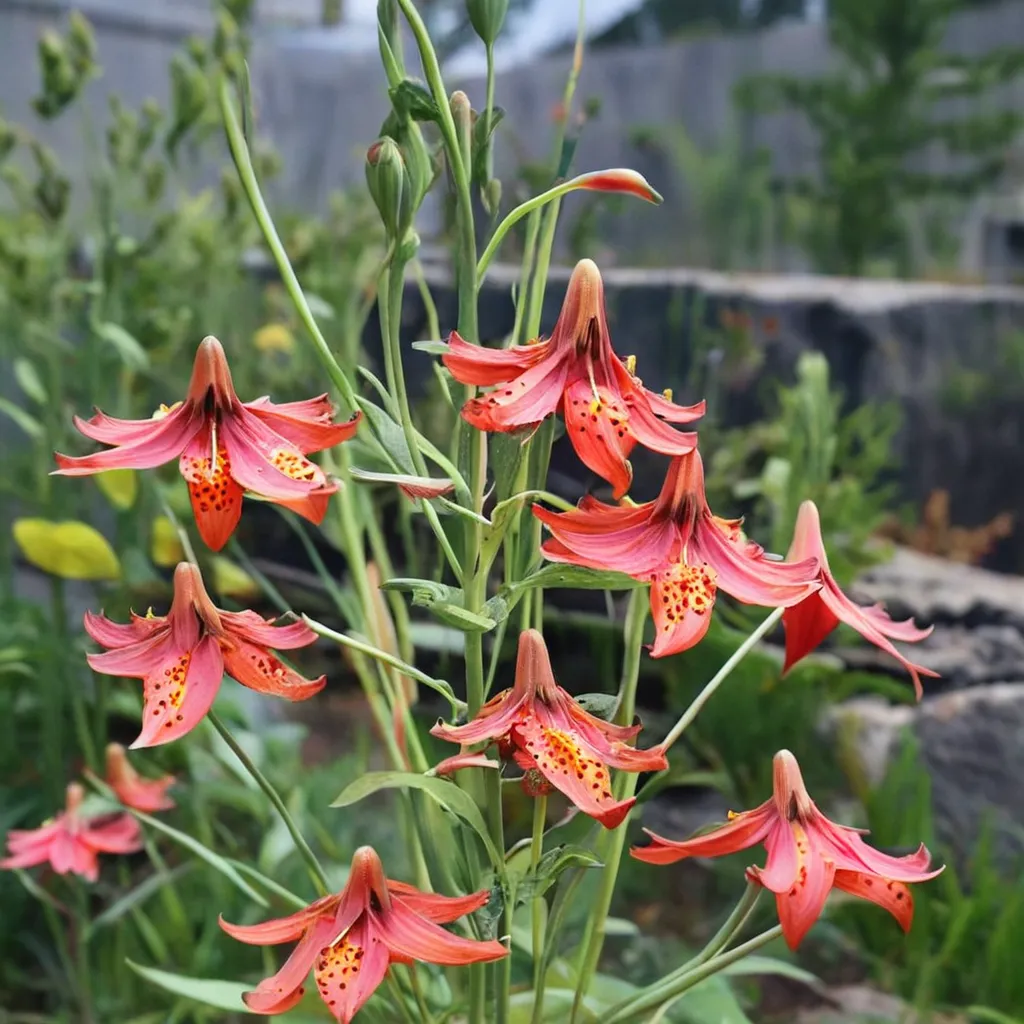
Canada Lily 'Reverend Walker'
Lilium canadense 'Reverend Walker'
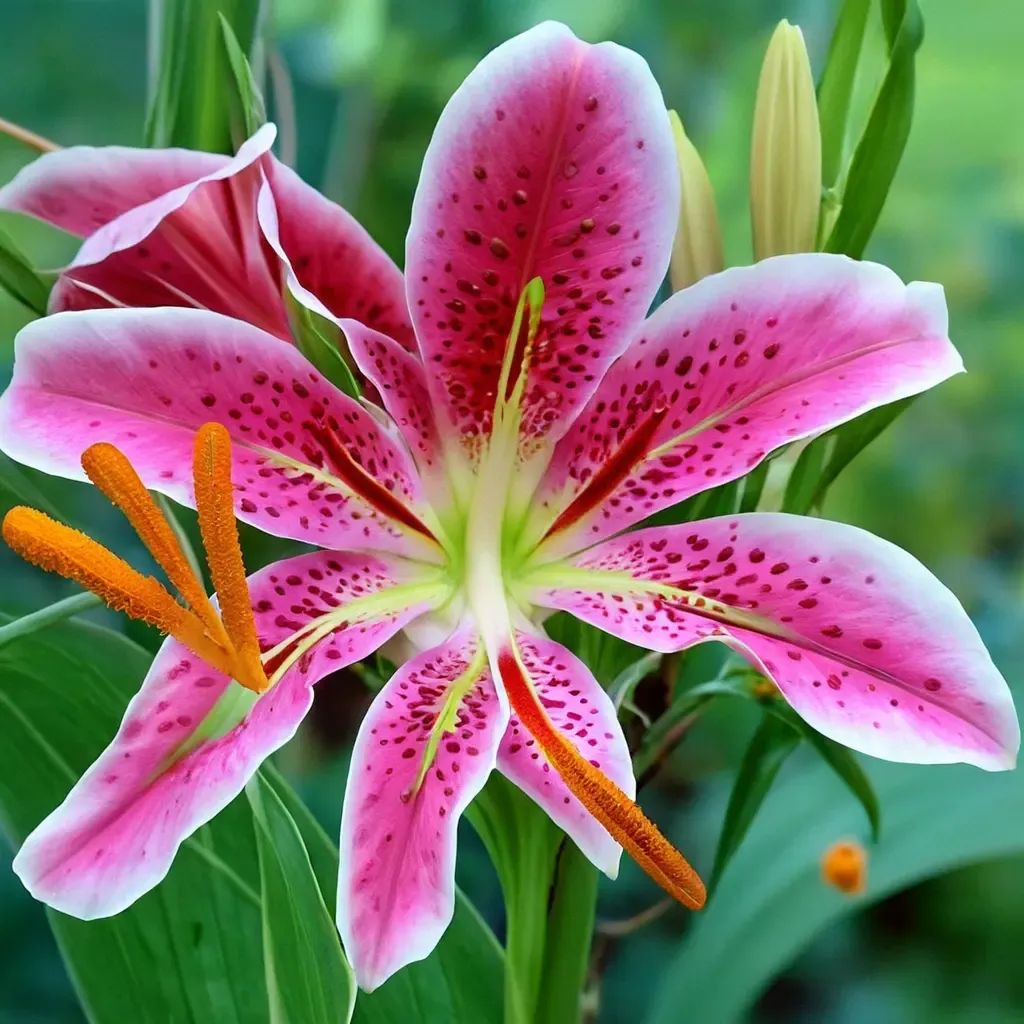
Stargazer Lily
Lilium lancifolium 'Stargazer'
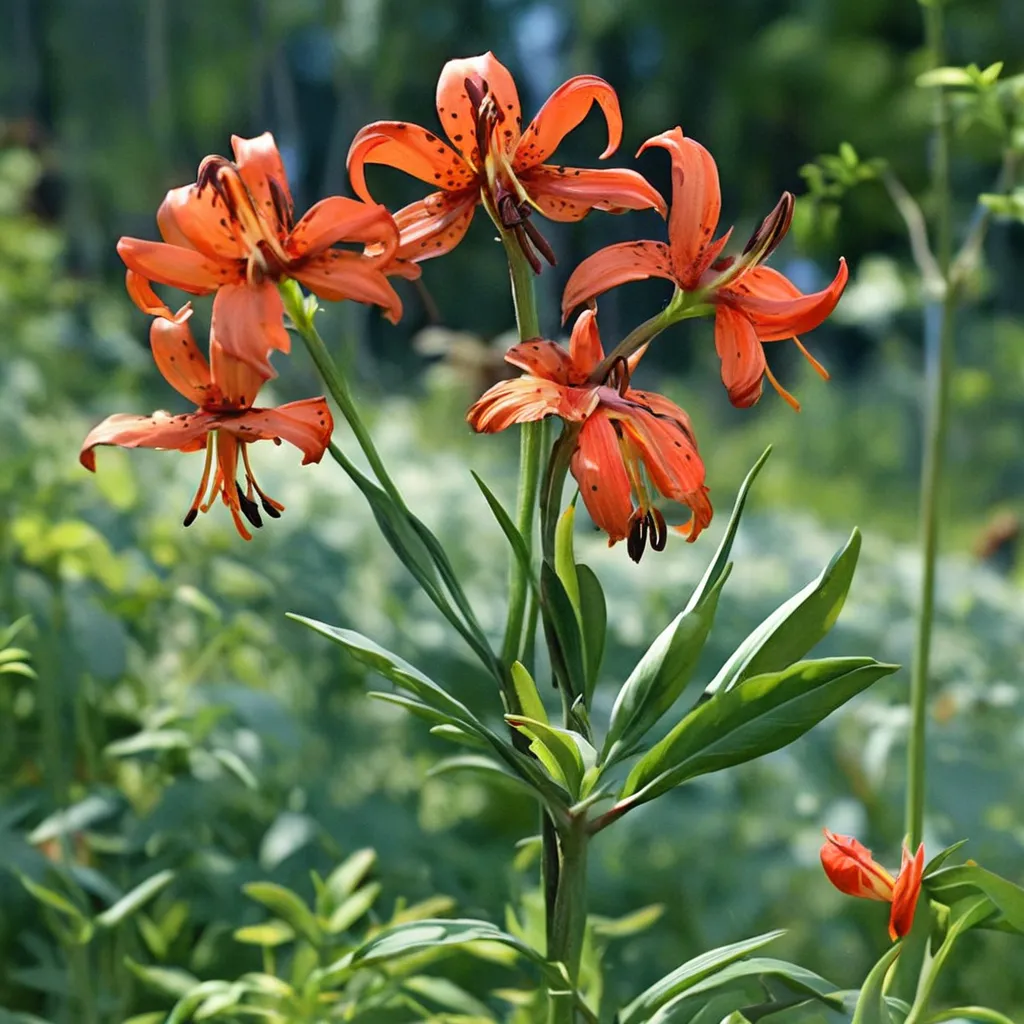
Michigan Lily
Lilium michiganense
Keep exploring
Explore the genus
Hardy in your zone?
Grow Turk's-cap Lily with confidence
See it in a design of your actual yard, get zone-matched care reminders, and track it season by season in your garden journal.