

The Story
Plant Bio
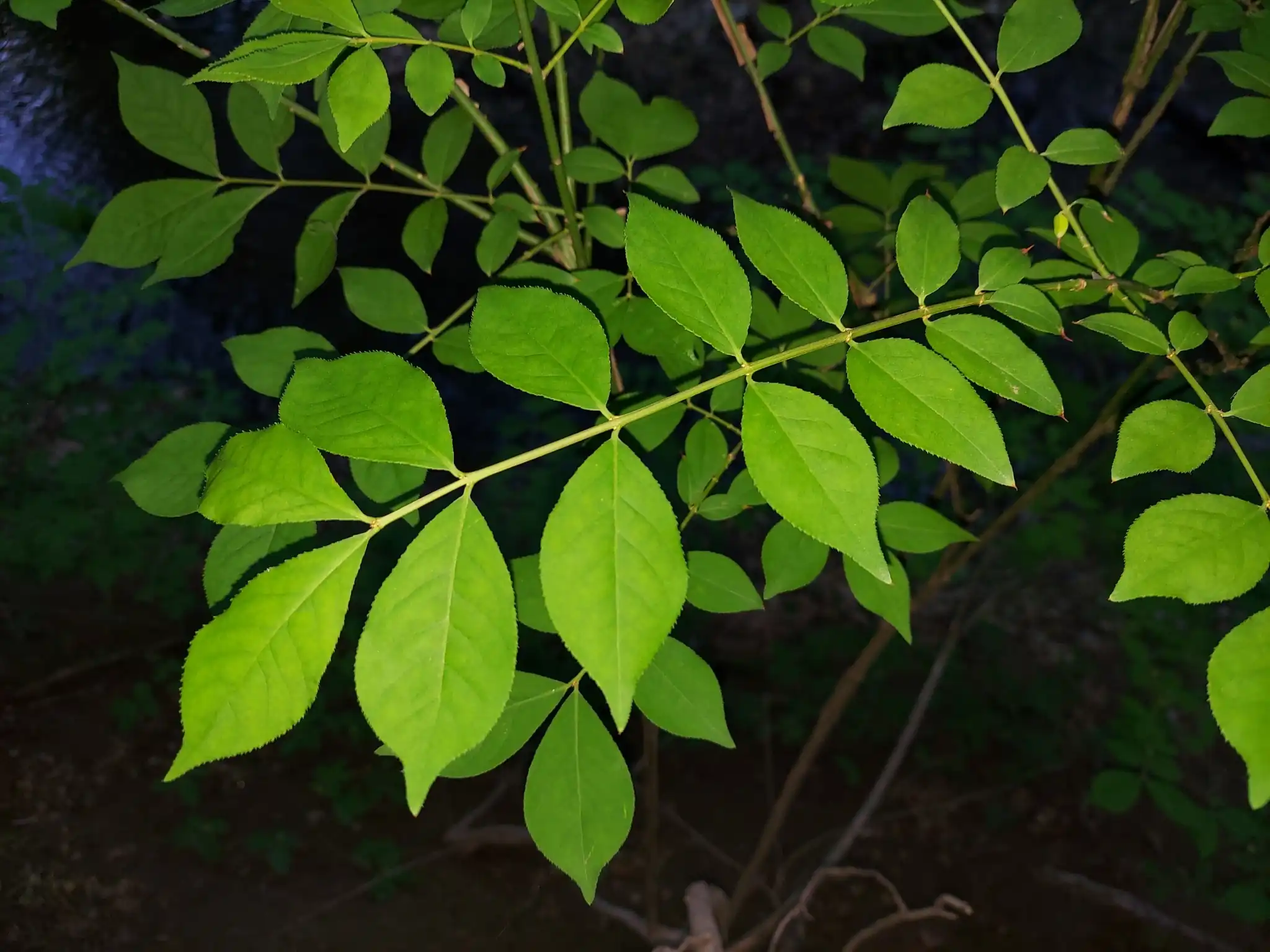
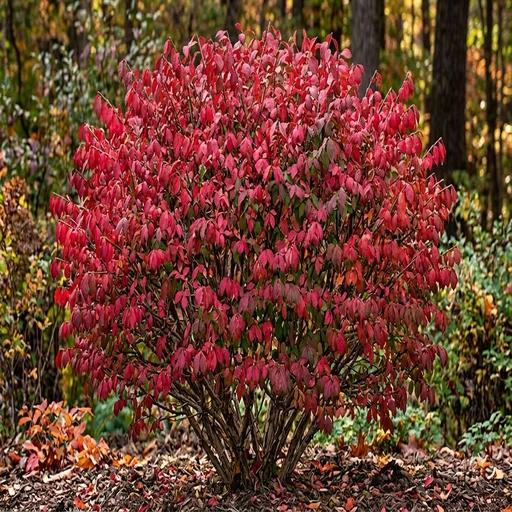
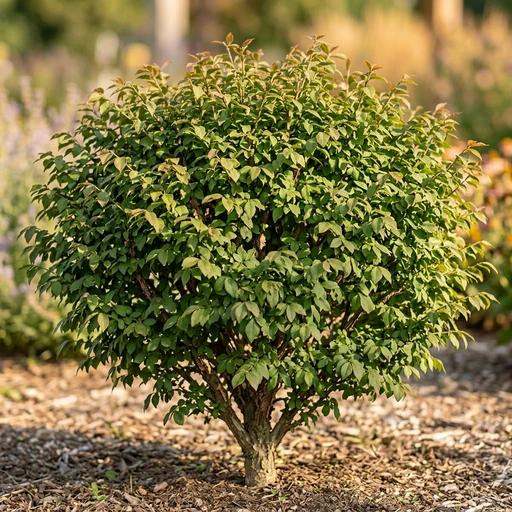
Euonymus alatus, the burning bush, is a dense deciduous shrub from south Siberia, China, Japan and neighbouring East Asia, reaching 15 to 20 ft high and wide where it is left unpruned. Young stems carry four conspicuous corky wings that define its winter outline. The plain green summer foliage turns an even fluorescent pink-red in autumn.
It seeds freely into woodland from bird-carried fruit and is banned or restricted from sale in several north-eastern American states, so check local rules before buying. All parts are poisonous if eaten. The famous autumn colour is far weaker on plants grown in shade, which is the usual reason a plant disappoints.
Uses & Benefits:
Essentials
At a Glance
Plant Type
Shrub
Height
210"
Width
210"
Light
Full Sun, Partial Sun
Zones
4, 5, 6, 7, 8
Water
Low once established
Humidity
Average
Lifespan
Long-lived; over 50 years
Native To
South Siberia, East Asia, Japan and China
Toxicity
Toxic — listed as poisonous; fruit and seed harm if eaten
Marketplace
Where to Buy
Shipping costs Year-round shipping Free shipping
Planting
How to Grow
- Check whether sale or planting is restricted in your state first.
- Plant in full sun; shade dulls the autumn colour badly.
- Allow the full 15 to 20 ft spread or plan to prune yearly.
- Water through the first two seasons, then only in drought.
- Prune in late winter, cutting to a framework rather than shearing.
- Pull up any seedlings that appear in nearby beds or woodland.
Pro Tip
Autumn colour tracks light exposure almost exactly: the shaded half of a plant will stay dull green while the sunlit half burns red.
Keep It Thriving
Care Guide
Do
- Grow it in full sun for the strongest autumn colour 🍁
- Prune in late winter to a permanent framework ✂️
- Remove seedlings from beds and boundaries each spring 🌱
- Check local invasive-species rules before planting 📋
Don't
- Do not plant it near woodland or waterways it can seed into ❌
- Do not let children or pets eat the fruit or seed ❌
- Do not shear it into a tight box; the winged stems are the point ❌
Seasonal Care Calendar
| Task | Jan | Feb | Mar | Apr | May | Jun | Jul | Aug | Sep | Oct | Nov | Dec |
|---|---|---|---|---|---|---|---|---|---|---|---|---|
| Prune To Shape | ||||||||||||
| Remove Seedlings |
Watch Out For
Pests & Diseases
Common Pests
Common Diseases
In the Garden
Landscape Uses & Companions
Landscape Uses
Companion Plants
Multiply
Propagation Methods
Good to Know
Common Questions
Winged Euonymus questions
What zones can Winged Euonymus grow in?
Winged Euonymus is hardy in USDA Zones 4–8. Inside that range it survives winter in the ground; outside it, grow it as an annual or a container plant you protect.
Is Winged Euonymus deer resistant?
Yes — Winged Euonymus is rated deer-resistant. Deer typically pass it over, though extreme hunger can override any plant's defenses.
When does Winged Euonymus bloom?
Winged Euonymus typically blooms in spring, insignificant through late spring. Exact timing shifts a week or two with your zone — Sow's bloom calendar maps it to your garden.
Does Winged Euonymus need full sun?
Winged Euonymus does best in full sun to part shade. In hot climates, afternoon shade keeps blooms fresher longer.
Is Winged Euonymus drought tolerant?
Yes — once established (usually after the first full season), Winged Euonymus handles dry spells with minimal watering. Water deeply its first year to build the root system that makes that possible.
More Euonymus to compare
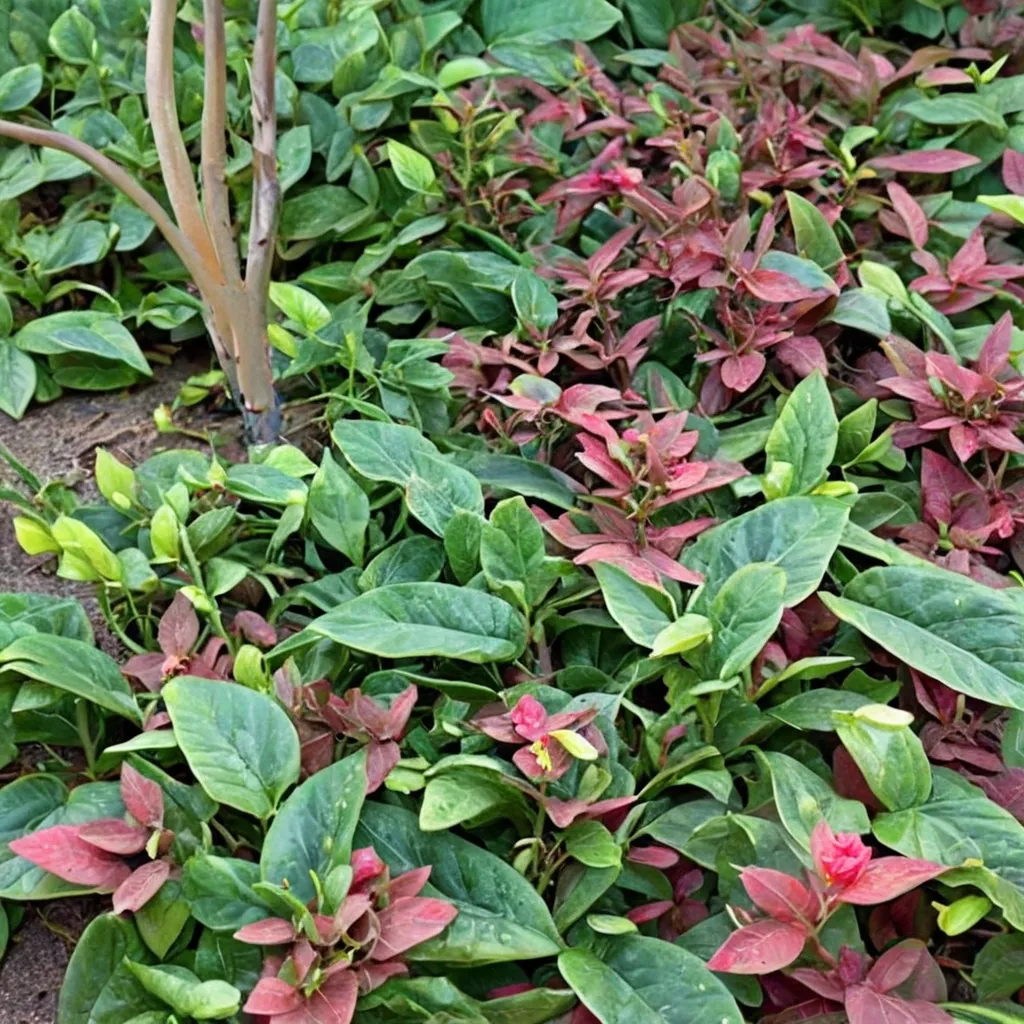
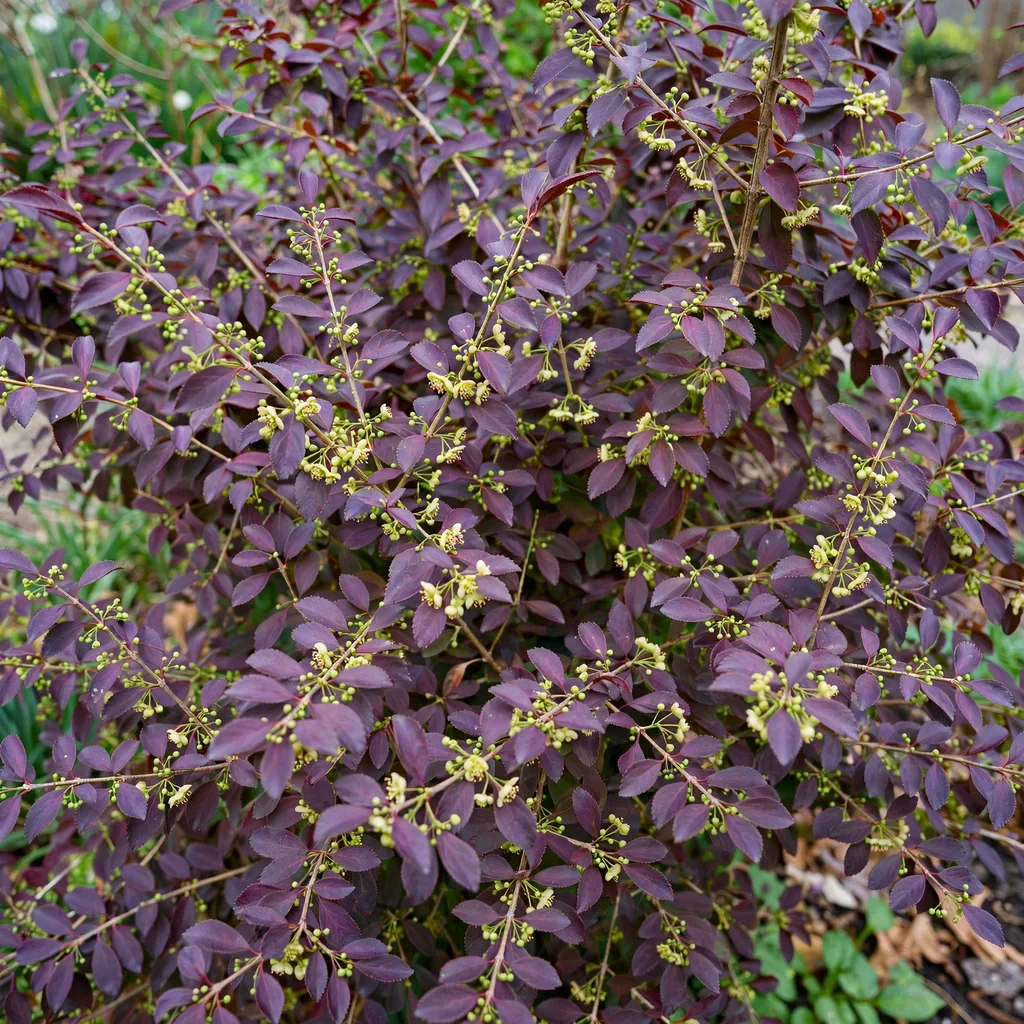
Purple Wintercreeper
Euonymus fortunei 'Purple Wintercreeper'
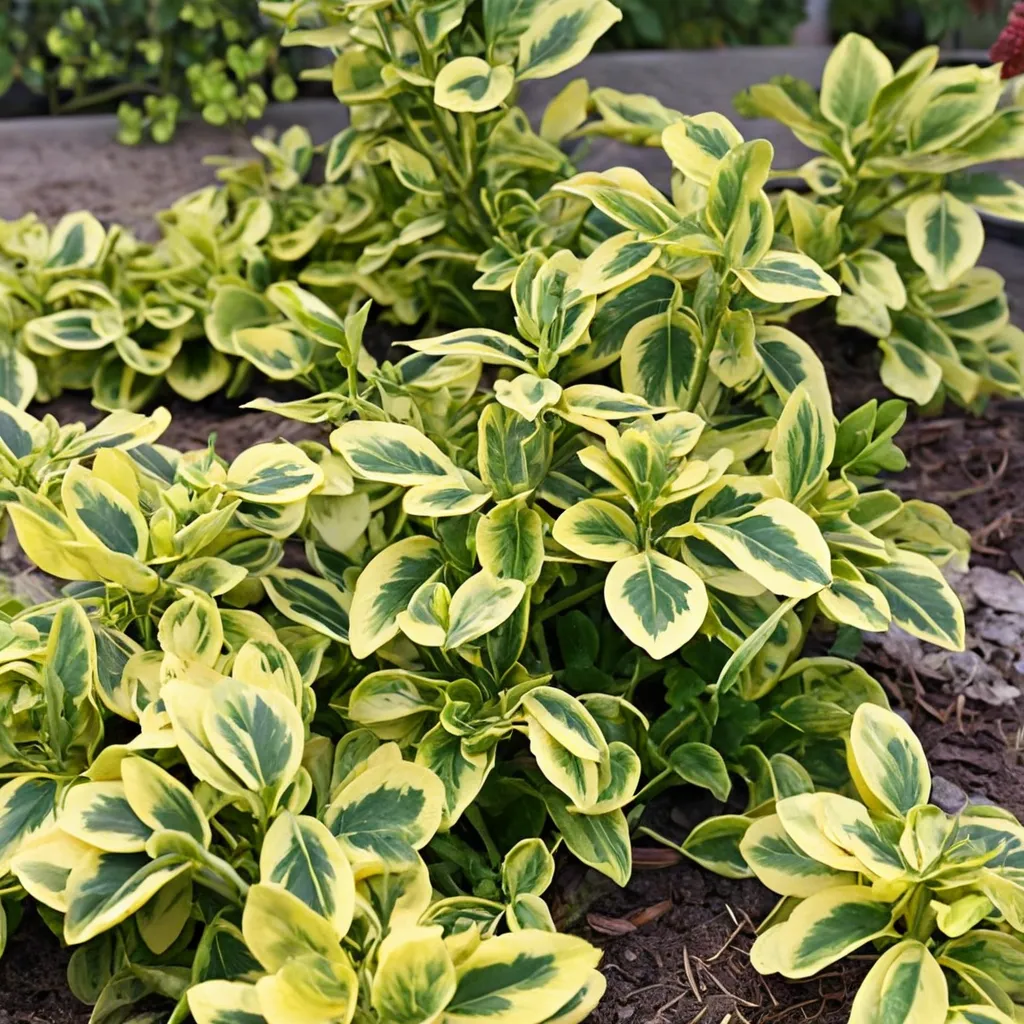
Gold Splash Wintercreeper
Euonymus fortunei 'Gold Splash'
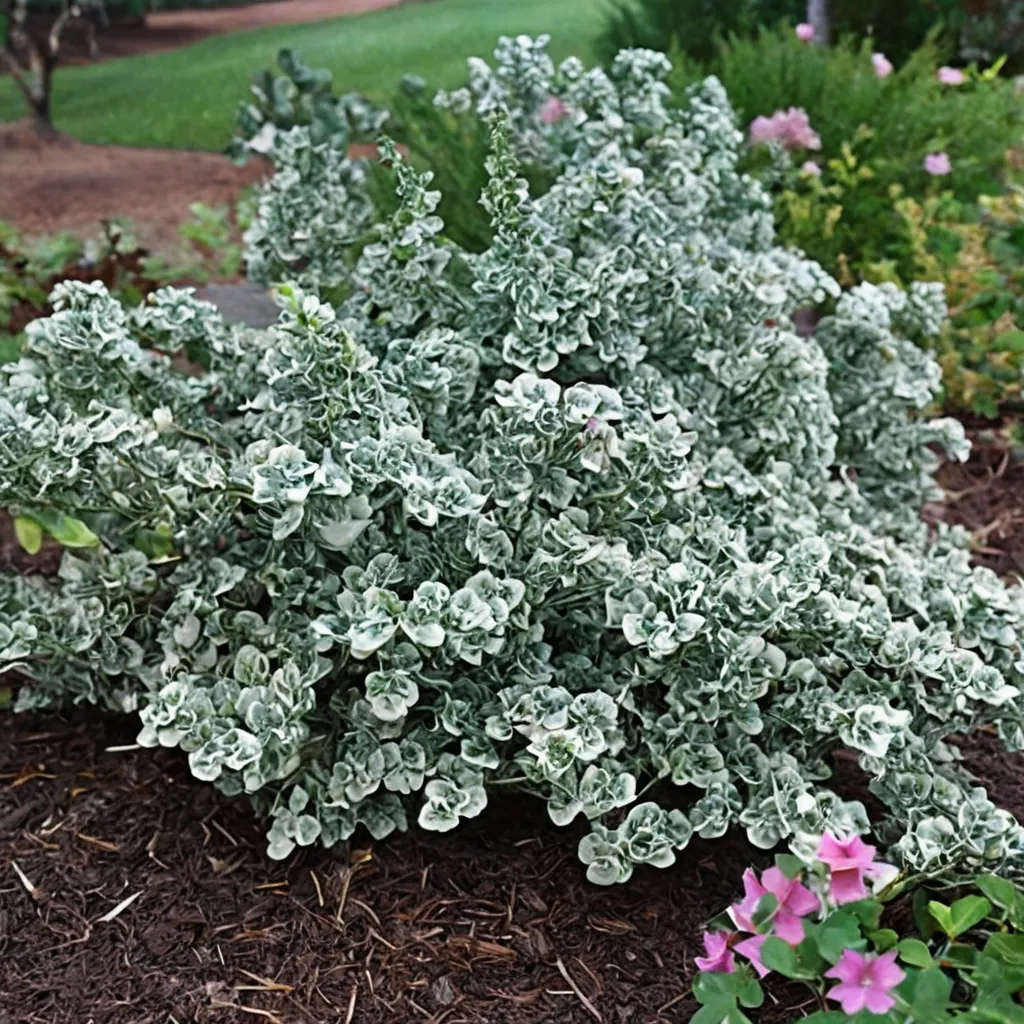
Compact Burning Bush
Euonymus alatus 'Compactus'
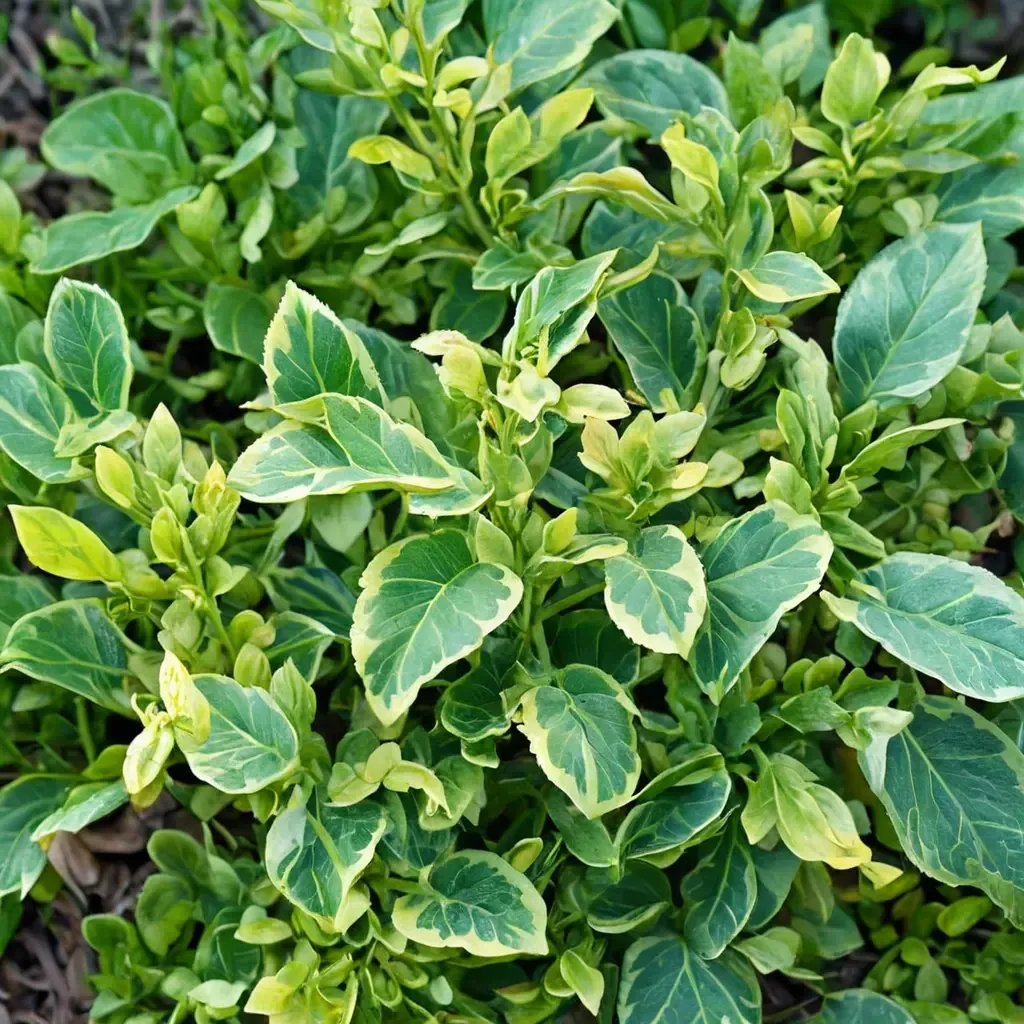
Euonymus White Album
Euonymus fortunei 'White Album'
Wintercreeper
Euonymus fortunei
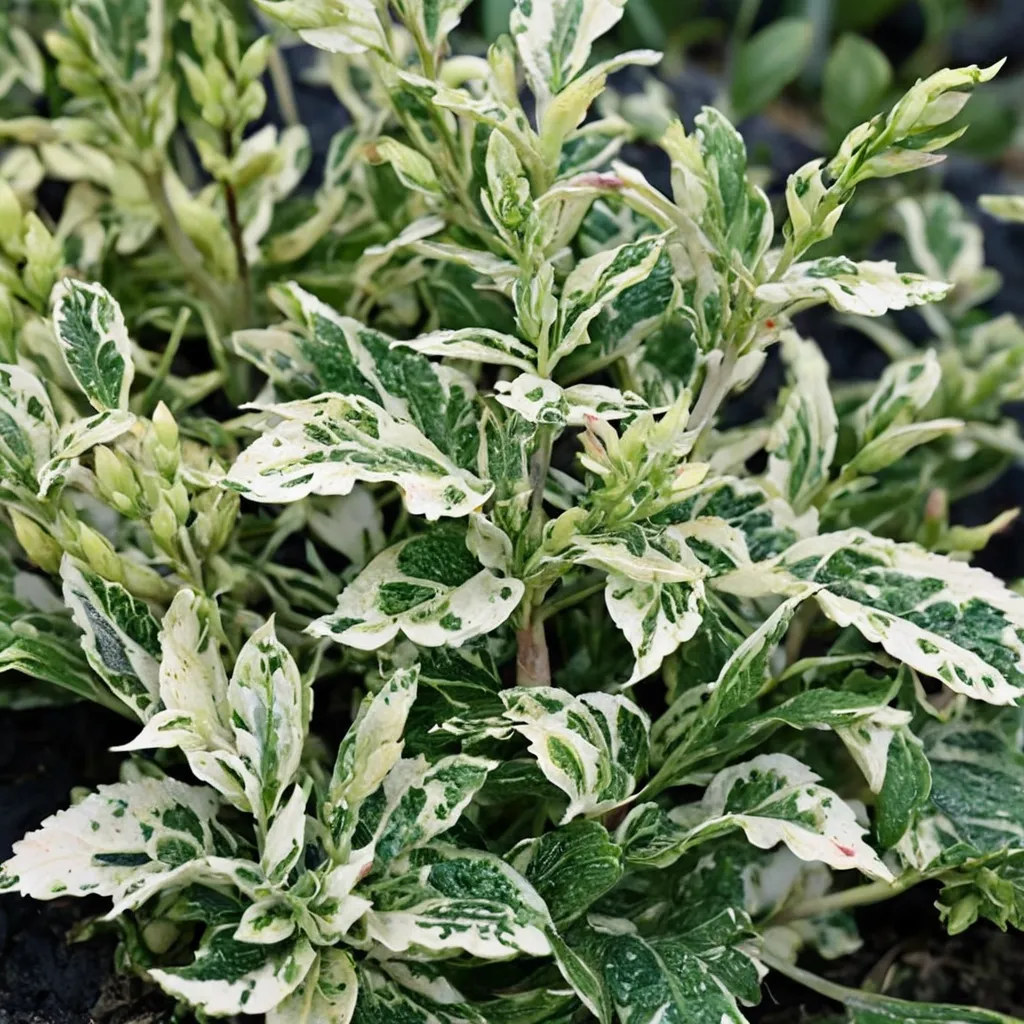
Harlequin Euonymus
Euonymus fortunei 'Harlequin'
Keep exploring
Explore the genus
Hardy in your zone?
Grow Winged Euonymus with confidence
See it in a design of your actual yard, get zone-matched care reminders, and track it season by season in your garden journal.