

The Story
Plant Bio
Creeping cotoneaster is a low-growing, deciduous shrub with stiff, arching branches that root where they touch the ground, valued for its small leaves, tiny pink flowers, and red berries.
'Tom Thumb' is a dwarf, slow-growing selection with a very dense, undulating habit and smaller leaves that turn a brilliant reddish-purple in fall.
Uses & Benefits:
Essentials
At a Glance
Plant Type
Groundcover
Height
12"
Width
48"
Light
Full Sun, Partial Sun
Zones
4, 5, 6, 7
Water
Low
Humidity
Adaptable
Lifespan
Long-lived deciduous shrub
Native To
Western China
Toxicity
Berries are mildly toxic if ingested
Bloom period
Late spring – Early summer
In flower about 2 months of the year
Marketplace
Where to Buy
Shipping costs Year-round shipping Free shipping
Planting
How to Grow
- Choose a sunny location with excellent drainage.
- Dig a hole slightly wider and just as deep as the pot.
- Gently remove the plant and loosen any circling roots.
- Place the plant in the hole, making sure it's at the same depth.
- Backfill with soil and press firmly.
- Water well after planting to settle the soil.
Pro Tip
Plant it where its unique, mounding form can cascade over rocks or walls; it needs no pruning to maintain its shape.
Keep It Thriving
Care Guide
Do
- Provide full sun for best fall color and berry production.
- Ensure the soil is well-drained to prevent root rot.
- Water occasionally during severe drought once established.
- Allow it to grow into its natural, undulating form.
Don't
- Do not plant in heavy, wet, or poorly drained soils.
- Avoid overhead watering, which can encourage fungal diseases.
- Don't fertilize; it thrives in lean soil.
- Avoid planting in areas with known fire blight issues.
Seasonal Care Calendar
| Task | Jan | Feb | Mar | Apr | May | Jun | Jul | Aug | Sep | Oct | Nov | Dec |
|---|---|---|---|---|---|---|---|---|---|---|---|---|
| Pest Check | ||||||||||||
| Plant | ||||||||||||
| Prune |
Watch Out For
Pests & Diseases
Common Pests
Common Diseases
In the Garden
Landscape Uses & Companions
Landscape Uses
Multiply
Propagation Methods
Good to Know
Common Questions
Tom Thumb Creeping Cotoneaster questions
What zones can Tom Thumb Creeping Cotoneaster grow in?
Tom Thumb Creeping Cotoneaster is hardy in USDA Zones 4–7. Inside that range it survives winter in the ground; outside it, grow it as an annual or a container plant you protect.
Is Tom Thumb Creeping Cotoneaster deer resistant?
Yes — Tom Thumb Creeping Cotoneaster is rated deer-resistant. Deer typically pass it over, though extreme hunger can override any plant's defenses.
When does Tom Thumb Creeping Cotoneaster bloom?
Tom Thumb Creeping Cotoneaster typically blooms in late spring through early summer. Exact timing shifts a week or two with your zone — Sow's bloom calendar maps it to your garden.
Does Tom Thumb Creeping Cotoneaster need full sun?
Tom Thumb Creeping Cotoneaster does best in full sun to part shade. In hot climates, afternoon shade keeps blooms fresher longer.
Is Tom Thumb Creeping Cotoneaster drought tolerant?
Yes — once established (usually after the first full season), Tom Thumb Creeping Cotoneaster handles dry spells with minimal watering. Water deeply its first year to build the root system that makes that possible.
More Cotoneaster to compare
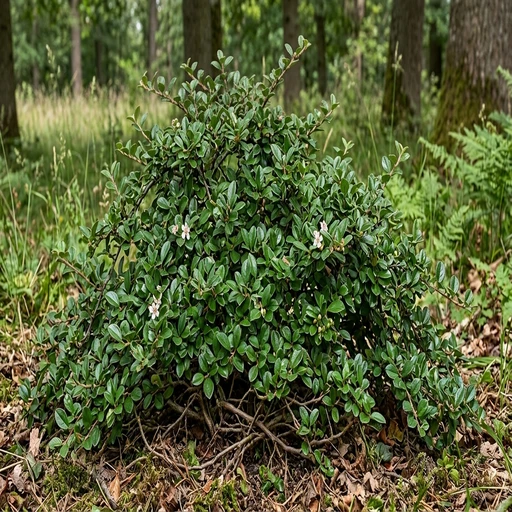
Streibs Findling Cotoneaster
Cotoneaster dammeri 'Streibs Findling'
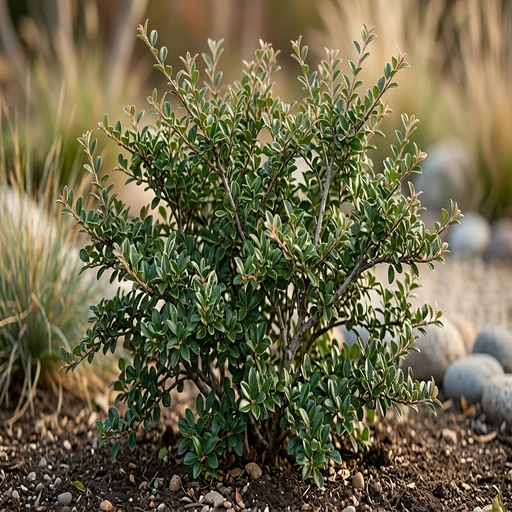
Autumn Inferno Cotoneaster
Cotoneaster salicifolius 'Autumn Inferno'
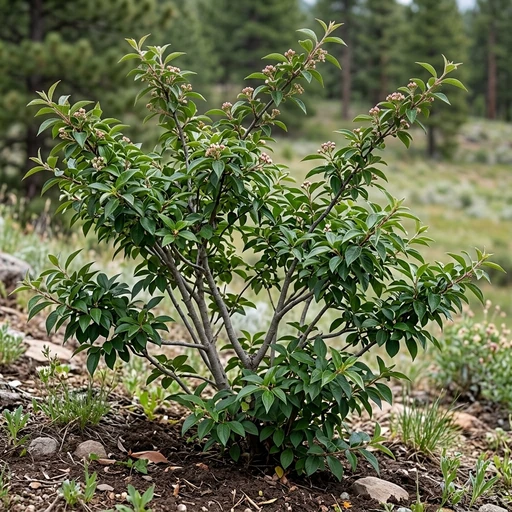
Peking Cotoneaster
Cotoneaster acutifolius
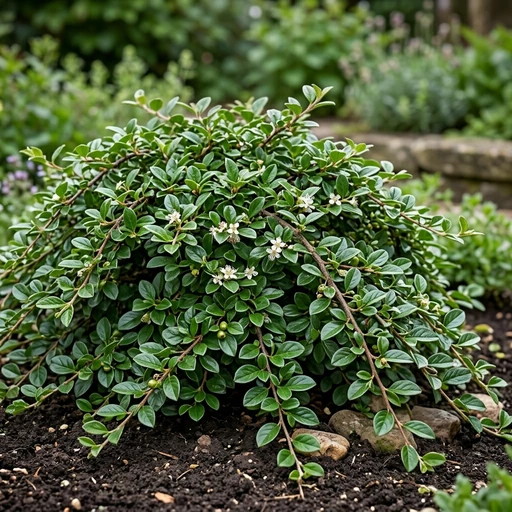
Lowfast Bearberry Cotoneaster
Cotoneaster dammeri 'Lowfast'
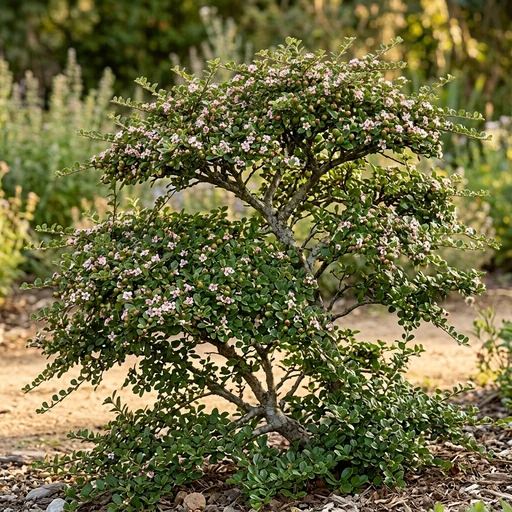
Rockspray Cotoneaster
Cotoneaster horizontalis
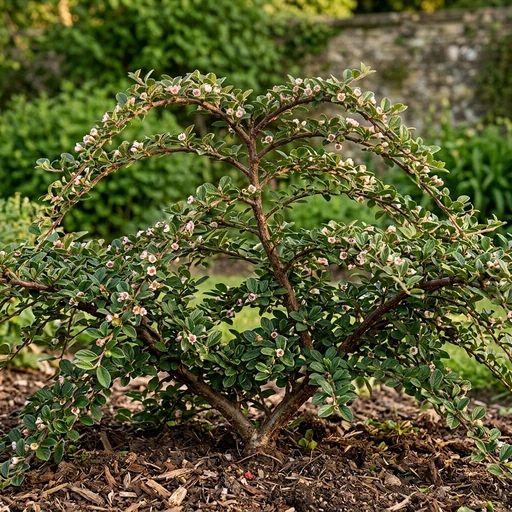
Hessei Rockspray Cotoneaster
Cotoneaster horizontalis 'Hessei'
Keep exploring
Explore the genus
Hardy in your zone?
Grow Tom Thumb Creeping Cotoneaster with confidence
See it in a design of your actual yard, get zone-matched care reminders, and track it season by season in your garden journal.