
The Story
Plant Bio
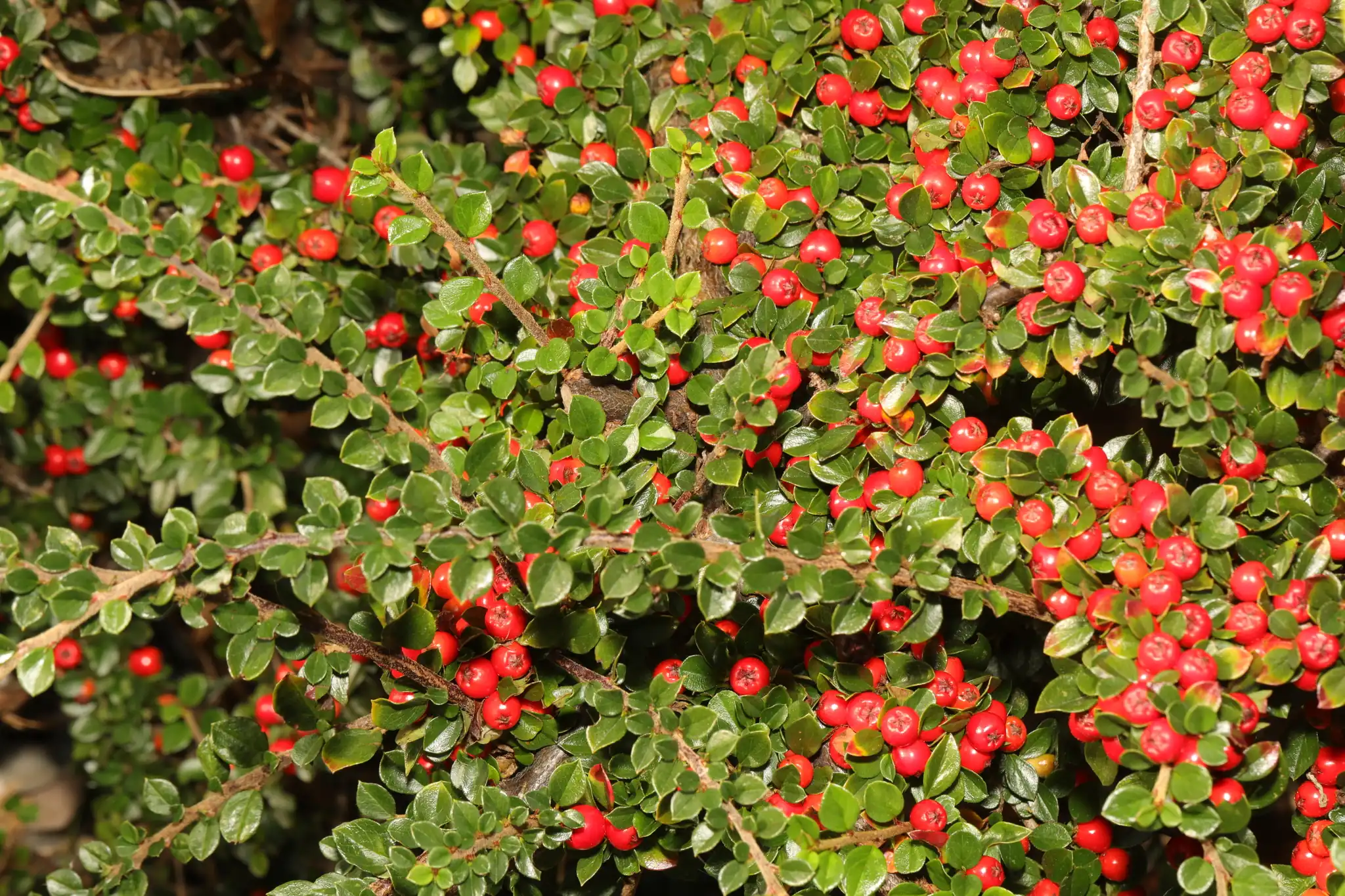
Cotoneaster horizontalis is a deciduous shrub with a unique, stiff, flat, herringbone branching pattern. It's grown for its small glossy leaves, tiny pink flowers, and bright red autumn berries.
Its most distinctive feature is the rigid, fishbone-like branching structure, which creates a striking architectural pattern against walls or over rocks, especially in winter. The profuse red berries persist well into winter.
Uses & Benefits:
Essentials
At a Glance
Plant Type
Groundcover
Height
30"
Width
72"
Light
Full Sun, Partial Sun
Zones
5, 6, 7
Water
Low
Humidity
Adaptable
Lifespan
20-50 years
Native To
Western China
Toxicity
Berries are mildly toxic if ingested in large quantities.
Planting
How to Grow
- Select a site in full sun or light shade with excellent drainage.
- Dig a hole twice as wide as the container.
- Place the plant in the hole so the top of the root ball is level with the soil.
- Backfill the hole and water well to settle the soil.
- Water regularly during the first season to establish roots.
- Apply mulch to conserve moisture, but keep it away from the plant's crown.
Pro Tip
Plant it where its unique herringbone branching pattern can be appreciated, such as against a light-colored wall or cascading over a ledge.
Keep It Thriving
Care Guide
Do
- Provide well-drained soil; it's critical for this plant's health.
- Allow it to spread naturally to showcase its form.
- Water during severe drought, but otherwise it is very drought tolerant.
- Prune out any dead or damaged branches as needed.
Don't
- Don't plant in wet, poorly drained locations.
- Avoid heavy shearing, which ruins the natural architectural form.
- Don't overwater once the plant is established.
- Be aware of its potential to be invasive in some regions; check local restrictions.
Seasonal Care Calendar
| Task | Jan | Feb | Mar | Apr | May | Jun | Jul | Aug | Sep | Oct | Nov | Dec |
|---|---|---|---|---|---|---|---|---|---|---|---|---|
| Pest Check | ||||||||||||
| Plant | ||||||||||||
| Prune |
Watch Out For
Pests & Diseases
Common Pests
Common Diseases
In the Garden
Landscape Uses & Companions
Landscape Uses
Multiply
Propagation Methods
Good to Know
Common Questions
Rockspray Cotoneaster questions
What zones can Rockspray Cotoneaster grow in?
Rockspray Cotoneaster is hardy in USDA Zones 5–7. Inside that range it survives winter in the ground; outside it, grow it as an annual or a container plant you protect.
Is Rockspray Cotoneaster deer resistant?
Yes — Rockspray Cotoneaster is rated deer-resistant. Deer typically pass it over, though extreme hunger can override any plant's defenses.
When does Rockspray Cotoneaster bloom?
Rockspray Cotoneaster typically blooms in late spring through early summer. Exact timing shifts a week or two with your zone — Sow's bloom calendar maps it to your garden.
Does Rockspray Cotoneaster need full sun?
Rockspray Cotoneaster does best in full sun to part shade. In hot climates, afternoon shade keeps blooms fresher longer.
Is Rockspray Cotoneaster drought tolerant?
Yes — once established (usually after the first full season), Rockspray Cotoneaster handles dry spells with minimal watering. Water deeply its first year to build the root system that makes that possible.
More Cotoneaster to compare
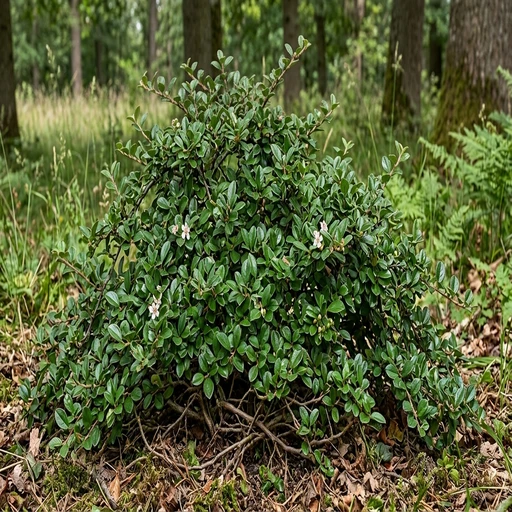
Streibs Findling Cotoneaster
Cotoneaster dammeri 'Streibs Findling'
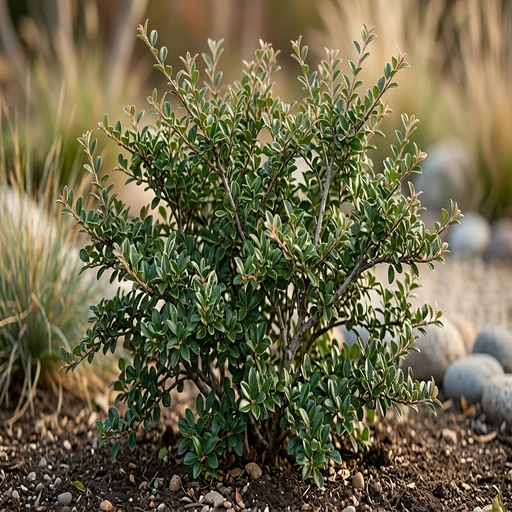
Autumn Inferno Cotoneaster
Cotoneaster salicifolius 'Autumn Inferno'
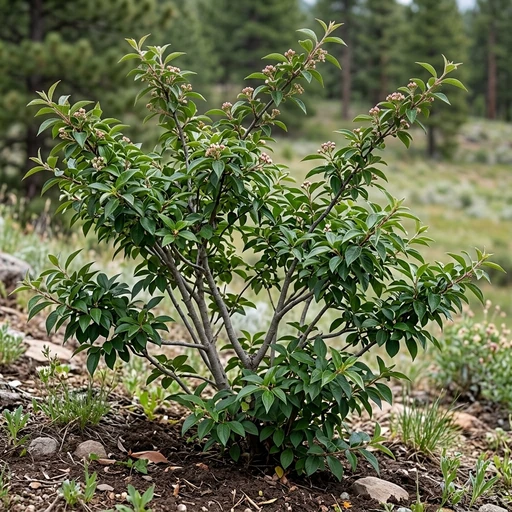
Peking Cotoneaster
Cotoneaster acutifolius
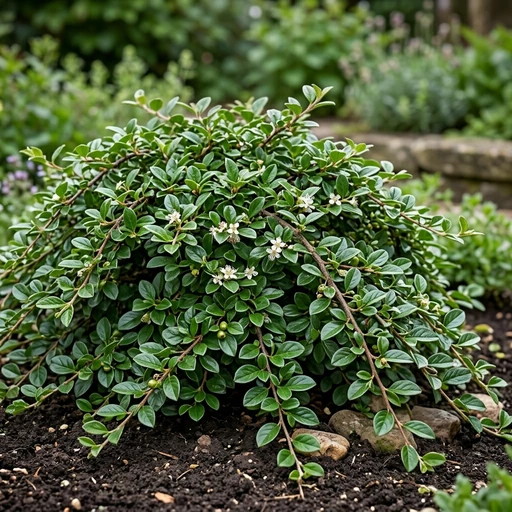
Lowfast Bearberry Cotoneaster
Cotoneaster dammeri 'Lowfast'
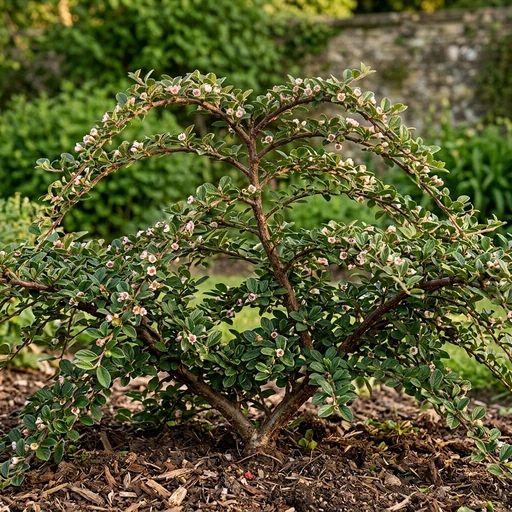
Hessei Rockspray Cotoneaster
Cotoneaster horizontalis 'Hessei'
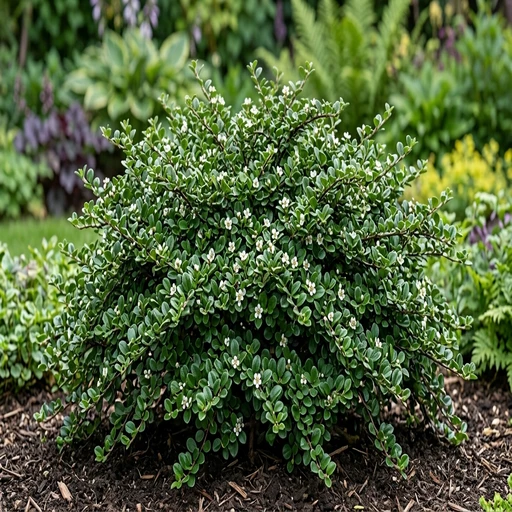
Tom Thumb Creeping Cotoneaster
Cotoneaster adpressus 'Tom Thumb'
Keep exploring
Explore the genus
Hardy in your zone?
Grow Rockspray Cotoneaster with confidence
See it in a design of your actual yard, get zone-matched care reminders, and track it season by season in your garden journal.