149 saves
Cotoneaster
We track 15 varieties; the ones most used by real gardeners.
The 12 most-saved Cotoneaster varieties
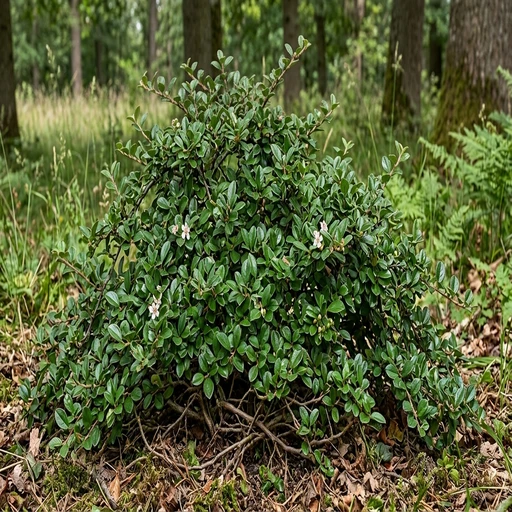
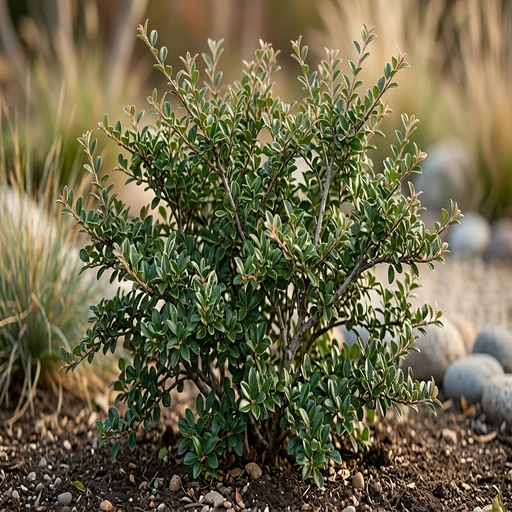
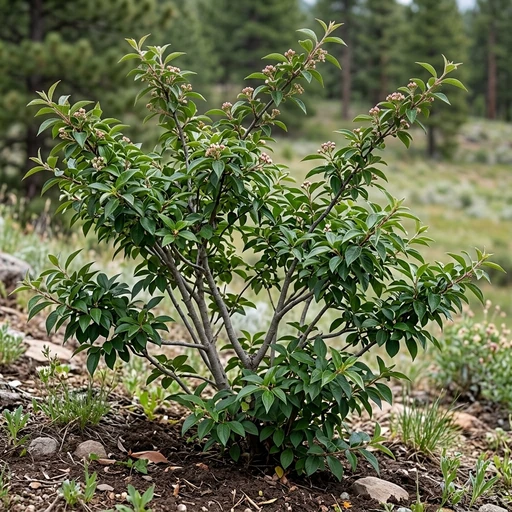
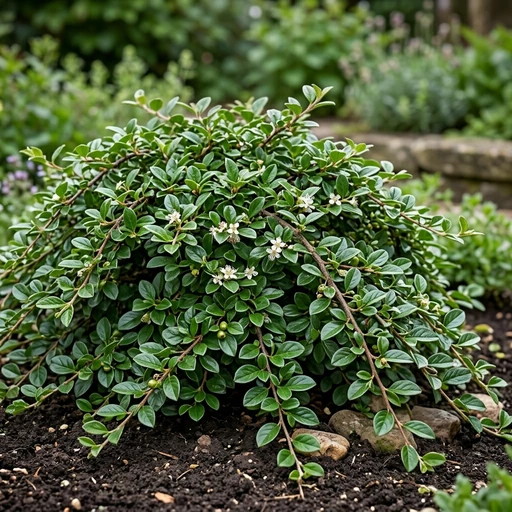
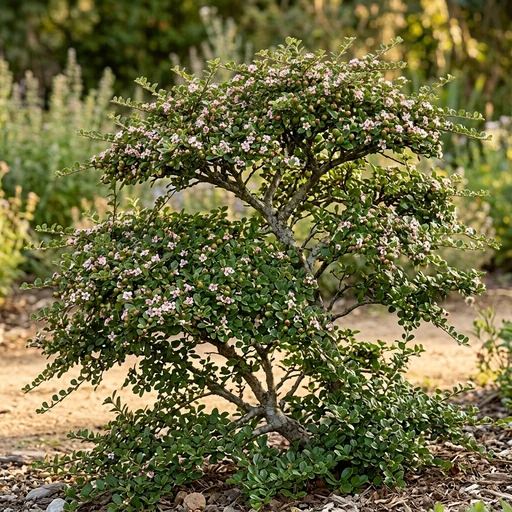
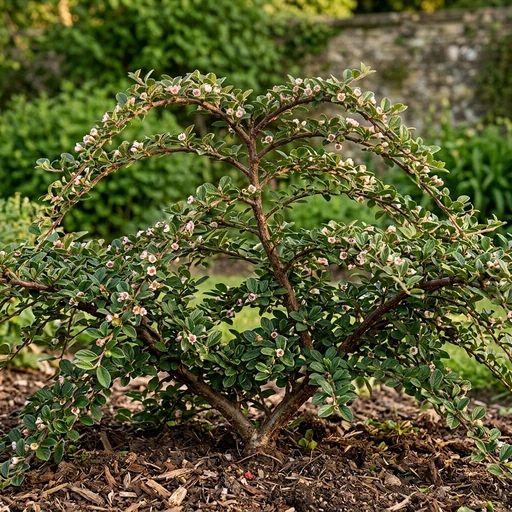
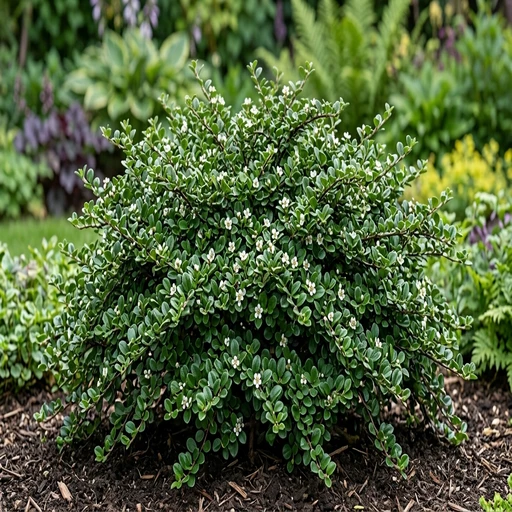
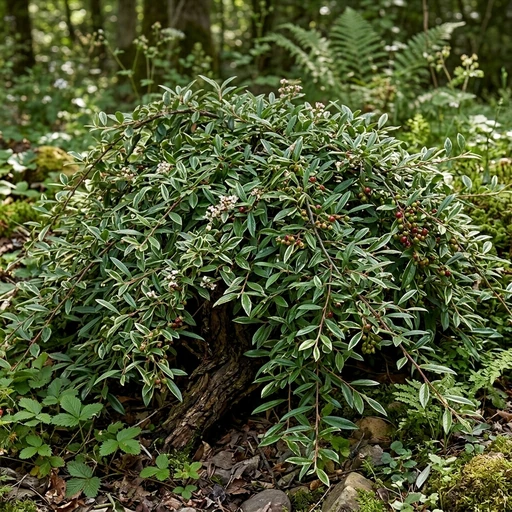
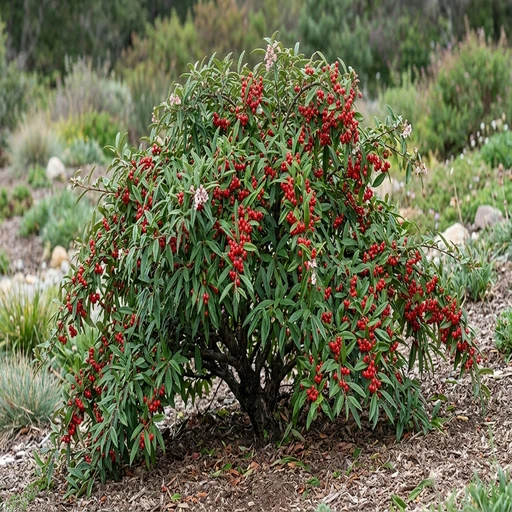
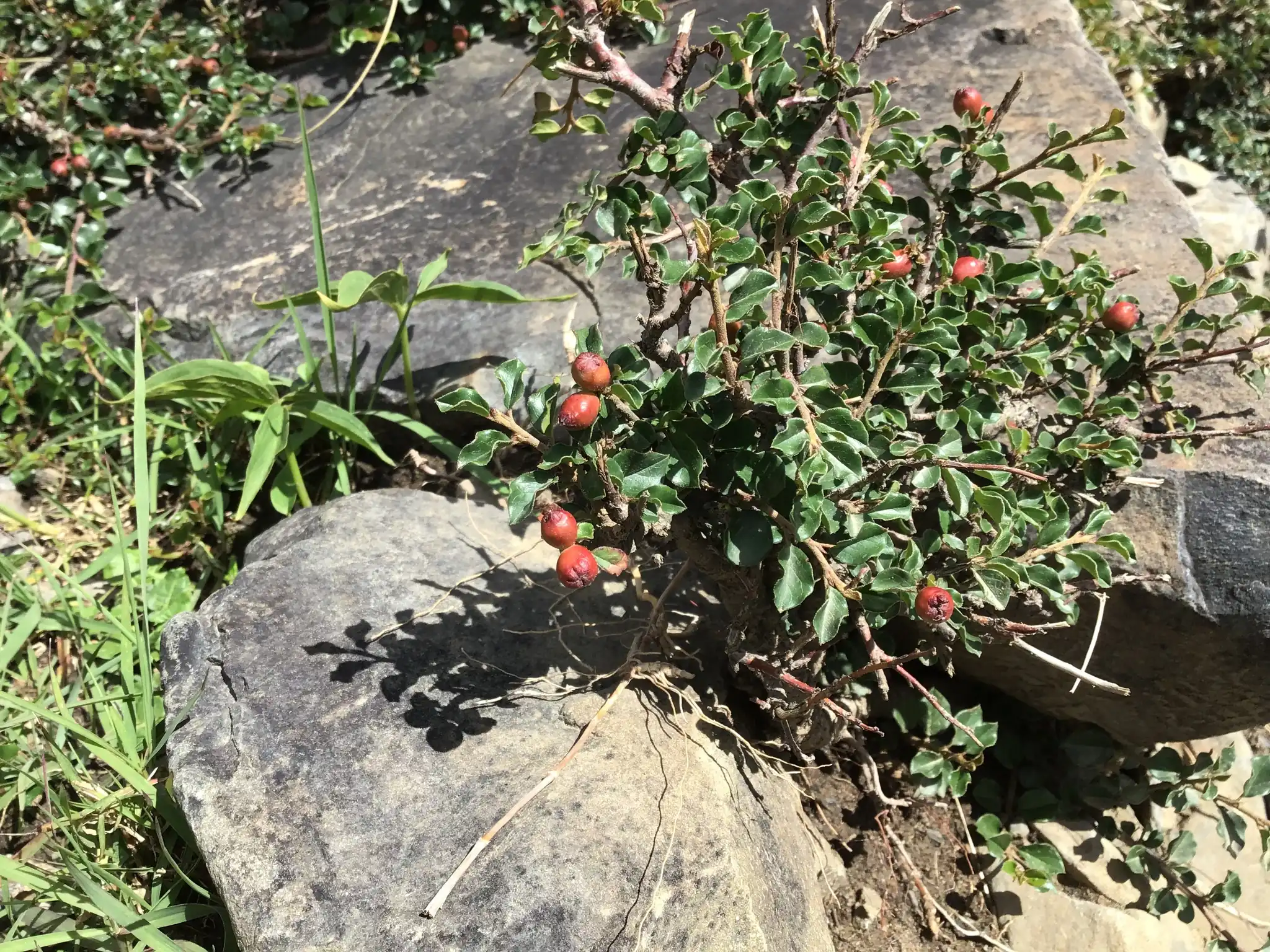
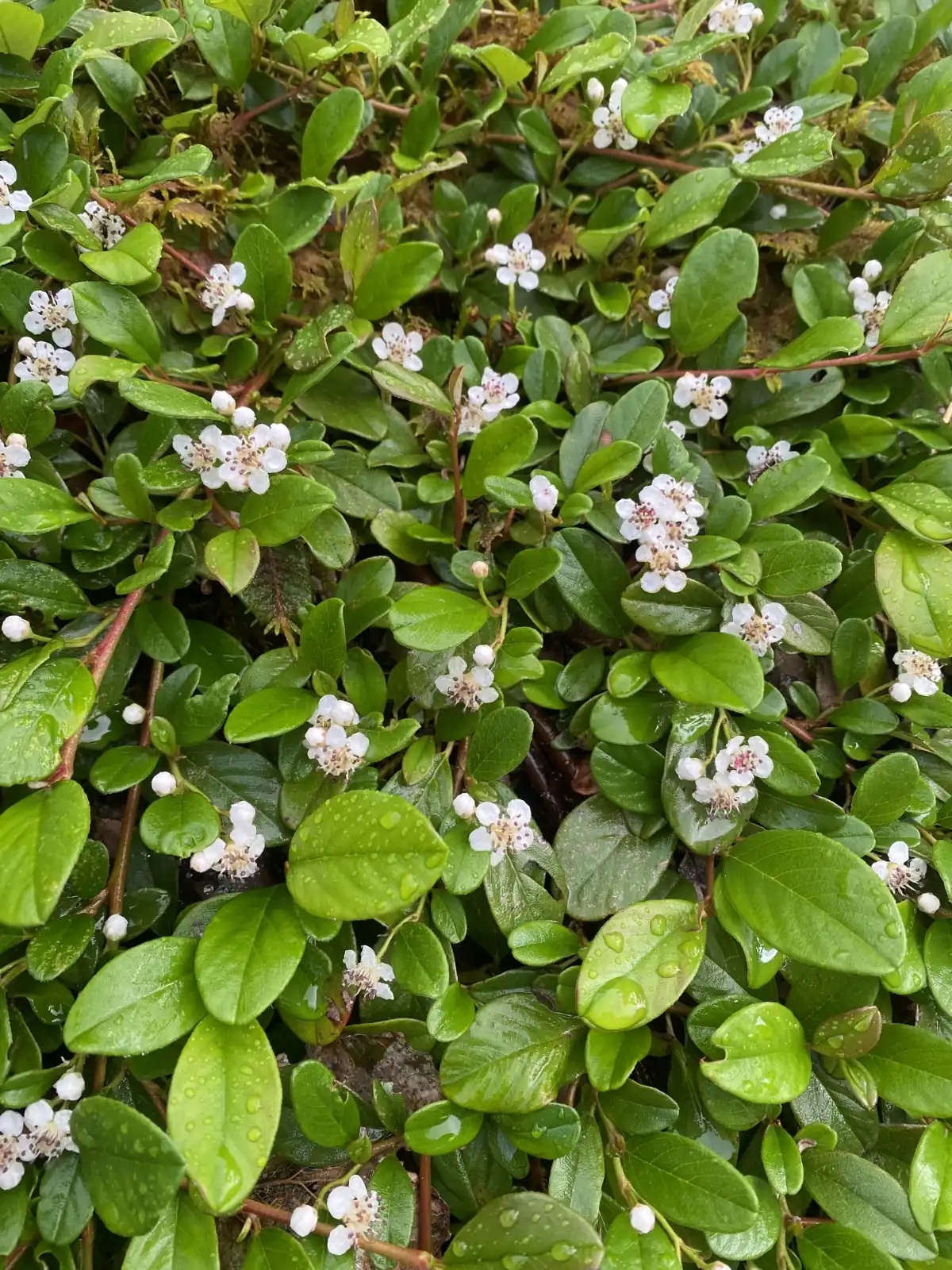

Browse all 15 Cotoneaster varieties →
3 species of Cotoneaster
Each one is a parent of the varieties above.
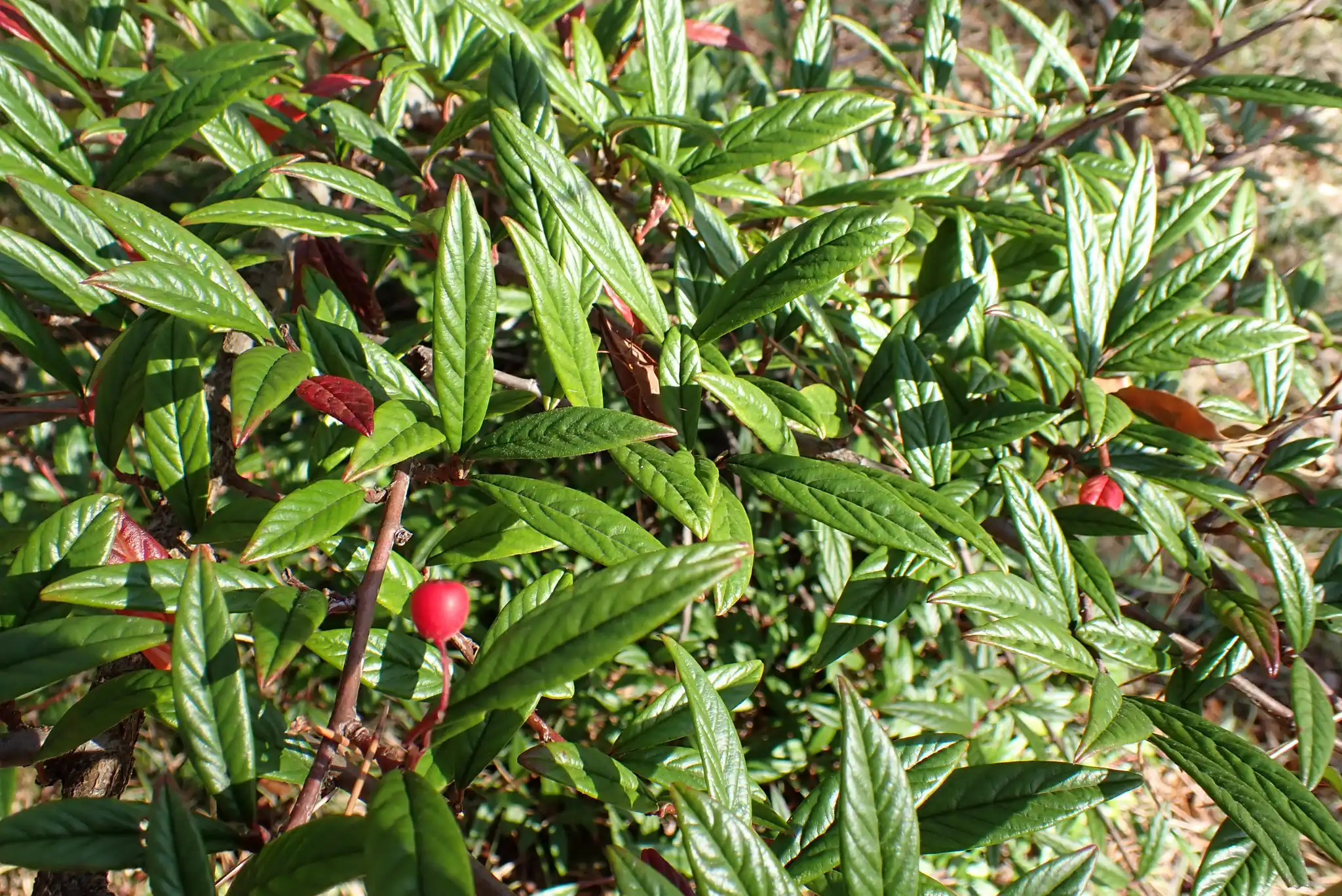
Track your Cotoneaster in Sow
Save the Cotoneaster you grow and get care reminders timed to your zone.
How to grow Cotoneaster
Whats common across all Cotoneaster varieties in our catalog — drawn from the care records of the 15 most-grown of them.
The Cotoneaster year
- PruneMarch and April93% of varieties
Prune after flowering to shape or remove any errant upright shoots.
- Check for PestsJune and July73% of varieties
Monitor for aphids on new growth and woolly aphids on stems.
- PlantApril, May, October and November53% of varieties
Plant in spring or fall, providing ample space to spread.


Do
- Water at soil level only 💧
- Disinfect tools between cuts 🧴
- Provide good drainage.
- Water regularly during the first year.
- Once established, water only during severe drought.
Avoid
- Water overhead ❌
- Compost blighted prunings ❌
- Prune during wet spring weather ❌
- Don't plant in waterlogged soil.
What goes wrong with Cotoneaster
| Problem | What you'll see | What to do |
|---|---|---|
| Cotoneaster Webworm | Larvae create silk webs over foliage and feed within them, causing defoliation. | Prune out and destroy webbed nests. Apply Bacillus thuringiensis (Bt) when larvae are young. Use a pyrethroid-based insecticide for heavy infestations. |
| Cotoneaster webworm | Webbing over shoot tips with browned skeletonised leaves inside | Prune out and destroy webbed shoots; established plants tolerate the damage well |
| Spider Mites | Fine webbing on leaves, stippling, and discoloration. | Spray with a strong stream of water. Use horticultural oil or insecticidal soap. |
| Lace Bugs | Yellow or whitish stippling on upper leaf surfaces; dark, varnish-like spots on the undersides. | Spray with insecticidal soap or horticultural oil, ensuring good coverage of leaf undersides. Encourage beneficial insects like lacewings. |
| Fire Blight | Branches suddenly wilt and turn black, looking scorched. Cankers may form on stems. | There is no cure. Prune infected limbs well below the damage, disinfecting tools between each cut. Avoid over-fertilizing. |
| Fireblight | Whole shoots blacken suddenly as though burnt, often hooking at the tip, and the dieback spreads downward | Cut at least a foot below visible damage in dry weather, disinfect the blade between cuts, and bin the prunings |
| Fire blight | Blackened, shriveled branch tips that bend downward into a shepherd's crook, along with sunken bark lesions. | Prune out infected branches at least eight inches below the visible lesion using tools sterilized between cuts. |
Making more Cotoneaster
Layering
- Select a low-growing branch in spring.
- Bend it to the ground and slightly wound the bark on the underside.
- Pin the branch to the soil and cover with a mound of soil.
- Roots will form in 6-12 months; then sever from the parent plant.
Semi-hardwood cuttings
- Take four-inch cuttings of semi-hardwood stems in mid to late summer.
- Remove the leaves from the lower half of the cutting.
- Dip the cut end in rooting hormone and insert it into a moist, sandy propagation mix.
- Maintain high humidity and indirect light until roots establish in six to eight weeks.
Cotoneaster questions
How many types of Cotoneaster are there?
The Sow catalog tracks 15 distinct Cotoneaster varieties. The most popular — ranked by 149 real gardeners — are shown first above.
What zones does Cotoneaster grow in?
Across its varieties, Cotoneaster covers USDA Zones 4–8. Individual varieties differ — each plant page lists its exact range, and Sow filters the catalog to your zone automatically.
When does Cotoneaster bloom?
Most Cotoneaster varieties bloom in late spring, spring. Staggering early, mid, and late varieties extends the genus's season in one bed.
Which Cotoneaster should I choose?
Start from the most-saved varieties above — popularity across thousands of gardens is a strong signal of reliability — then filter by your zone and sun. In the Sow app you can preview any of them in a photo of your actual yard before you buy.